
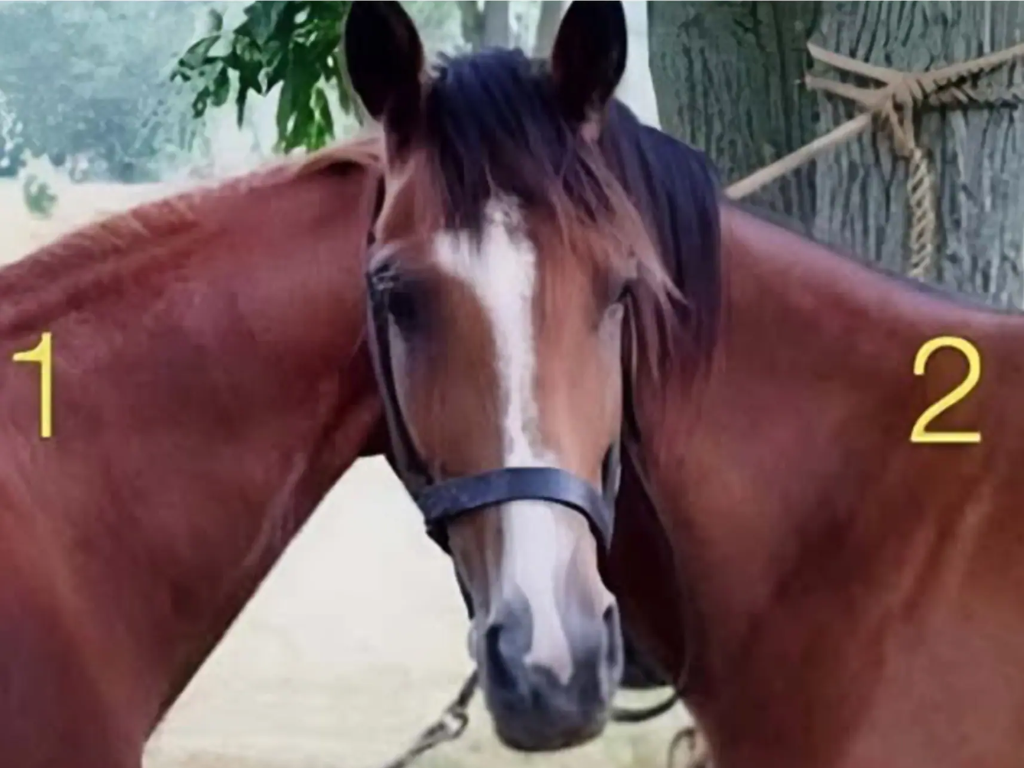
The Horse Optical Illusion: Why Our Perception Tricks Us

When faced with this type of illusion, our brain does what it does best: processing information quickly. It identifies an orientation, a familiar shape, or constructs a “logic” of depth… and then draws a conclusion in an instant. The problem is that the image is specifically designed to exploit these mental shortcuts. We believe we have the correct interpretation immediately, much like recognizing a song after hearing just a few notes. However, in this case, the “melody” is deliberately ambiguous and deceptive.
What is fascinating is that two people can look at the same image and perceive the scene in completely opposite ways. This is neither a matter of intelligence nor a vision problem: it simply demonstrates that our perception is a construction, a subjective interpretation, and not a faithful reproduction of reality. This is the true magic of optical illusions.
The Real Horse in the Foreground: Spotting the Details That Defy Deception

You likely feel that the horse on the left is closer, reinforced by its gaze, the position of its head, and the posture of its neck. This is the most common interpretation. But to decide with certainty, you need to adopt a more analytical approach. It all hinges on very subtle clues, which we often forget to notice during a quick glance.
Here are the key elements to examine in order to “decode” the scene:
The Mane: ask yourself if it follows a natural and coherent direction with the curve of the neck. A mane that harmoniously embraces the shape of the neck strengthens the idea that this horse is in front. Conversely, a mane that appears oddly placed or out of sync is often a sign of an inversion effect in our perception.
The Reins: these provide a crucial clue. Observe their continuity: do they align logically with the horse you perceive as being in front? If their trajectory and position appear more consistent with the other horse, it’s probably that horse which is actually in the foreground.
The Neck Muscles: a stretched, muscular, and dynamic neck suggests movement and forward projection. We instinctively associate the foreground with clearer volumes and perceptible muscle tension.
The Contours and Subtle Shadows: these are the most sneaky elements. A fragment of a face, a slightly darkened area, or an unexpected junction line can reveal that what we believed to be in the background is actually in front.
The Revealed Truth: To Which Horse Does This Head Truly Belong?

Here is the final twist: the horse we thought was “behind” actually turns out to be the one “in front.” The head belongs to horse number two, the horse that is truly in the foreground, even though our initial intuition often favored horse number one. Once this new interpretation is integrated, our perception definitively shifts, and the image seems to “rearrange” itself naturally. This mental shift is what gives this illusion its full power and enjoyment: it doesn’t just offer an answer, it triggers a genuine spark in our brain, that small moment of surprise that our mind delights in so much.
What This Illusion Teaches Us About How Our Brain Works
At first glance, one might think this is just a simple playful distraction. However, this kind of image is actually a mini-lesson on our mind’s mechanisms. It illustrates several fundamental points:
Our tendency to seek quick and definitive conclusions: we like to close a mental debate as soon as possible, especially when the scene seems familiar.
The weight of context: a seemingly insignificant detail, like a mane or a rein, can be enough to call the entire scene into question.
The crucial difference between “looking” and “observing”: looking is an automatic process, whereas observing requires attention and conscious effort.
We can compare this to cooking: one can improvise “intuitively”… or take the time to respect each step for a perfect result.
Playing with the Illusion: How to Fool Your Friends and Family
Are you looking for a simple idea to liven up a get-together or surprise your family WhatsApp group? Here is an effective little method:
Simply show the image without giving an immediate explanation.
Ask the key question: “In your opinion, which horse is in front?”
Invite everyone to justify their answer based on a specific detail, such as the mane, the reins, or shadow play.
Finally, reveal the solution and enjoy the reactions that are sure to follow.
You will see that it’s not so much the “correct answer” that entertains, but how each person defends what they believe they perceive. And if you yourself were fooled, then smile: it simply proves that your brain works quickly… and that it loves the surprises offered by visual perception.
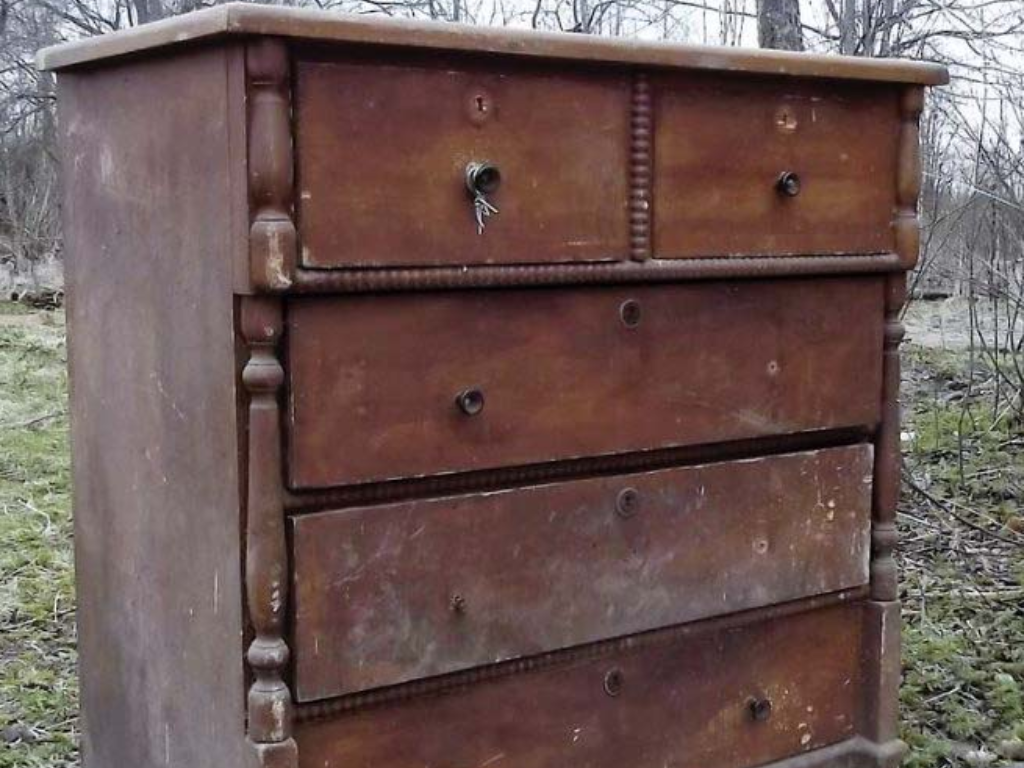
A Charming Renaissance Step One: Thorough Cleaning and Preparation Before starting the transformation, the dresser needed to be meticulously cleaned: Read more
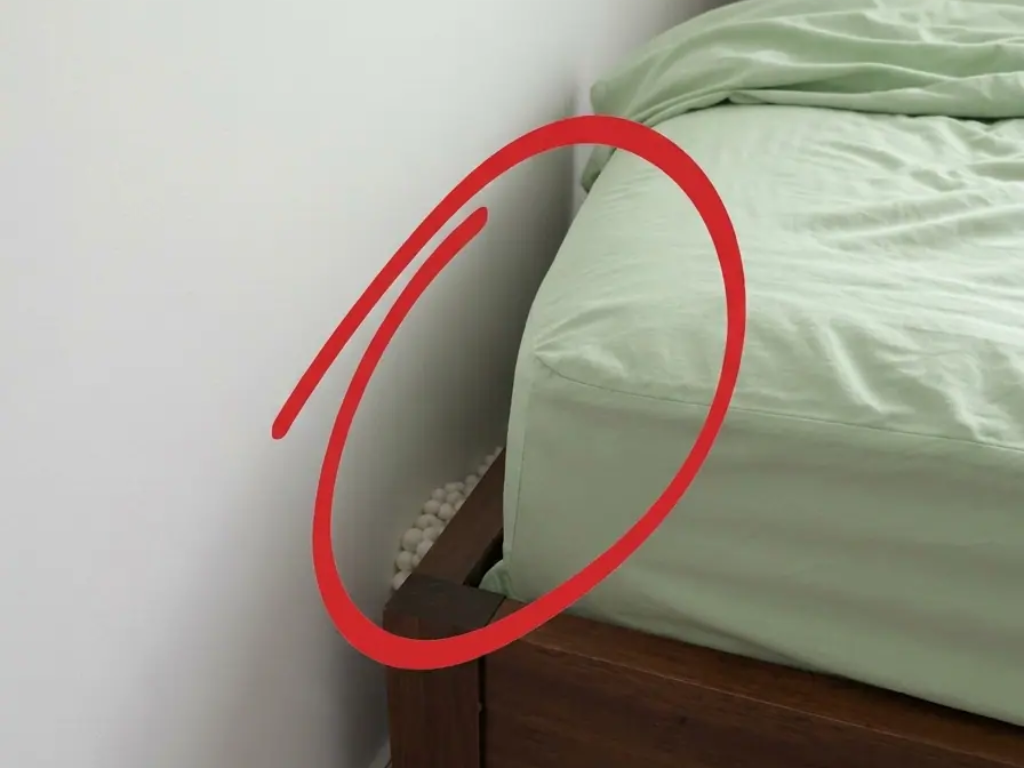
Those Mysterious White Spheres at the Foot of the Bed: An Immediate Instinctive Reaction The initial sensation that grabs us Read more
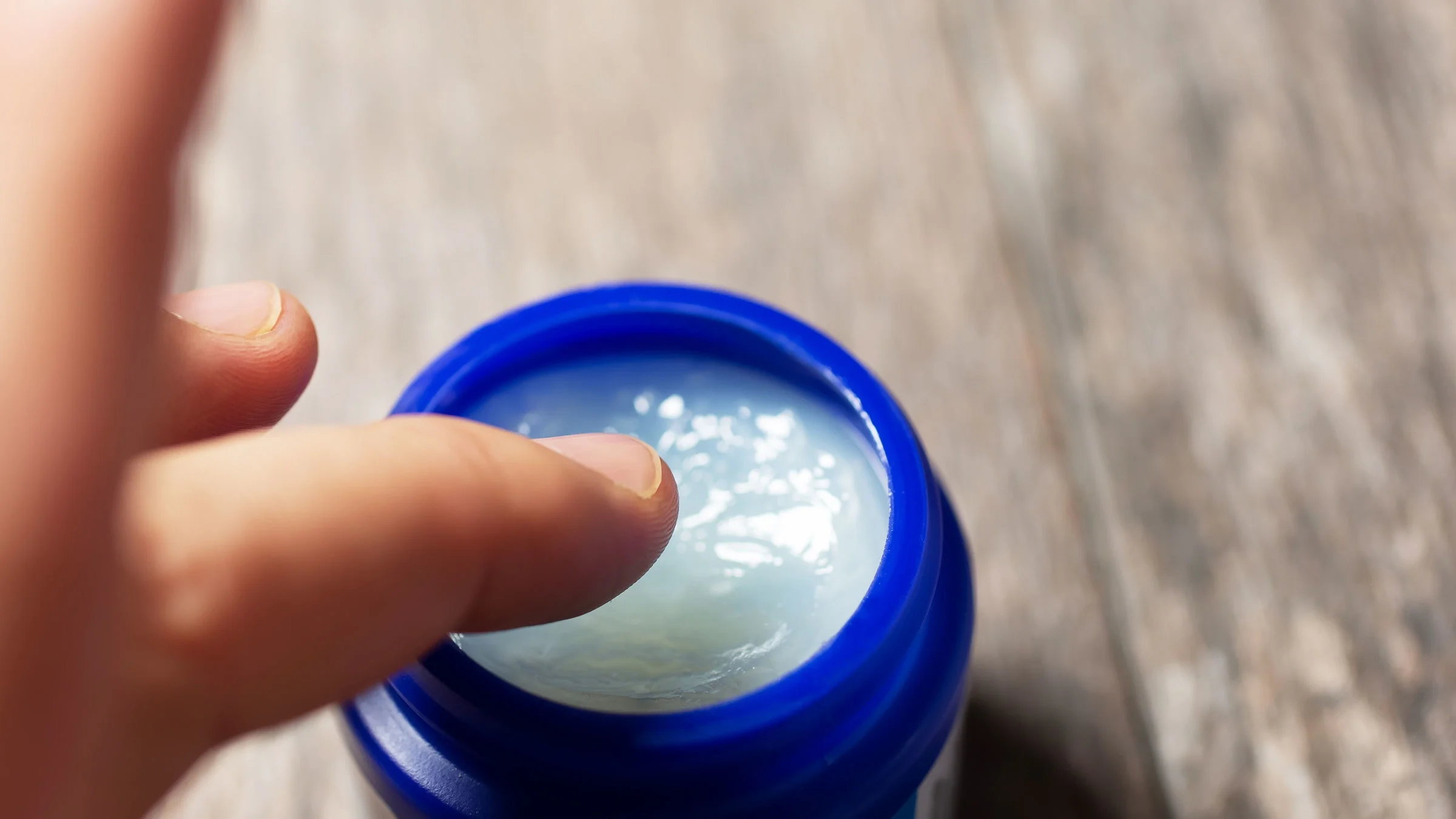
After discovering the surprising effects Vicks VapoRub can have on your body, you'll be amazed—and I assure you that from Read more
What spiritual significance might the sudden visit of a praying mantis hold? Here are seven gentle messages that this insect Read more

The Dog's Nose: A True Superpower It is well known that dogs possess an extraordinary sense of smell. Yet the Read more

Excessive Water Bill: What Steps Should You Take First? When I discovered that our water consumption had reached 140,000 liters Read more

Gather and Verify Evidence Immediately When faced with a vending machine that fails to dispense the cash you requested, it Read more
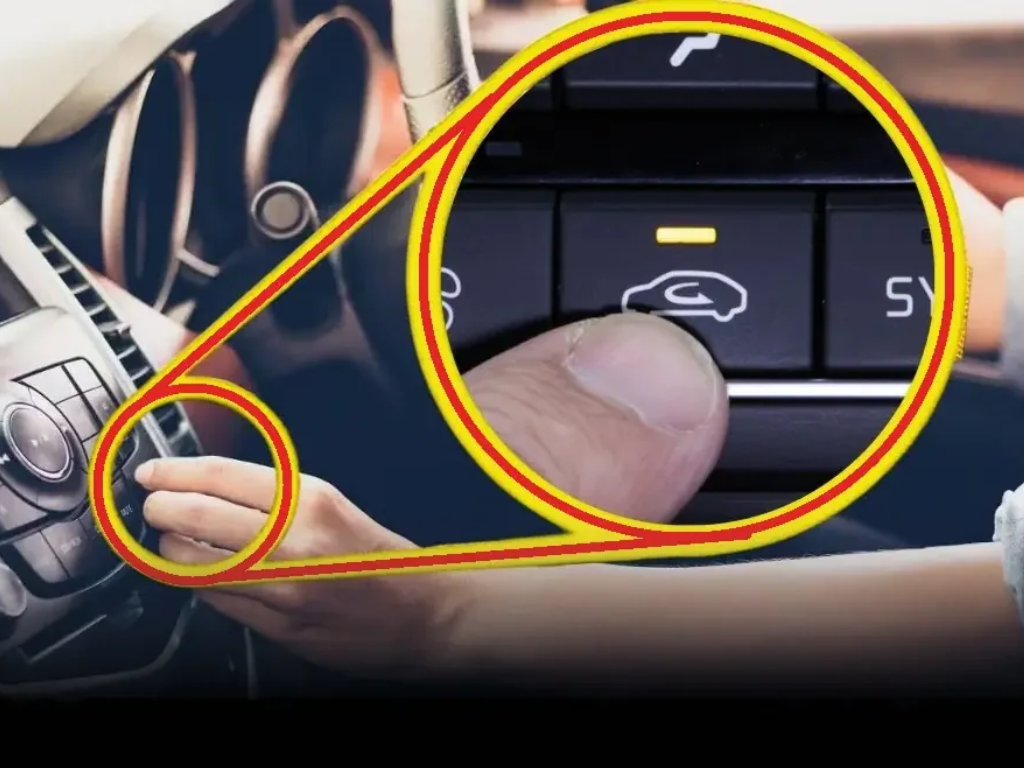
Smart Ventilation to Combat Heat With the arrival of summer, the interior of cars can quickly become stiflingly hot. However, Read more

The Importance of Curtain Cleaning in Your Home Generally, when cleaning the house, after dusting the furniture, one often overlooks Read more
Discover the Untapped Potential of Chili Pepper Leaves: Nutritional Powerhouse for Your Health and Kitchen When you think of chili Read more
Why Is This Method So Effective? The secret lies in a simple but powerful principle: the absence of oxygen. By Read more
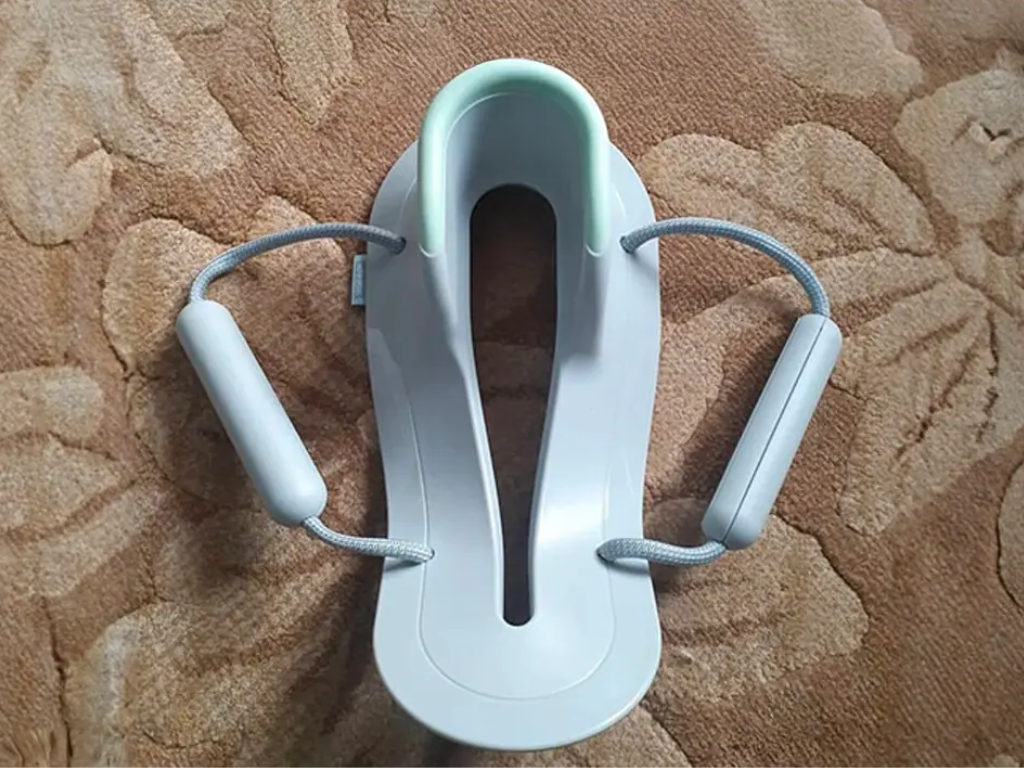
You have probably come across an intriguing object whose purpose completely eluded you. Whether it was a discovery in a Read more

10 Secrets You Need to Know Before Eating Okra Okra, also known as “lady’s finger,” is a green, pod-shaped vegetable Read more

The Disguise Test One morning, Mr. Delaunay put on worn-out clothes, covered himself in dust, and let his beard grow, Read more
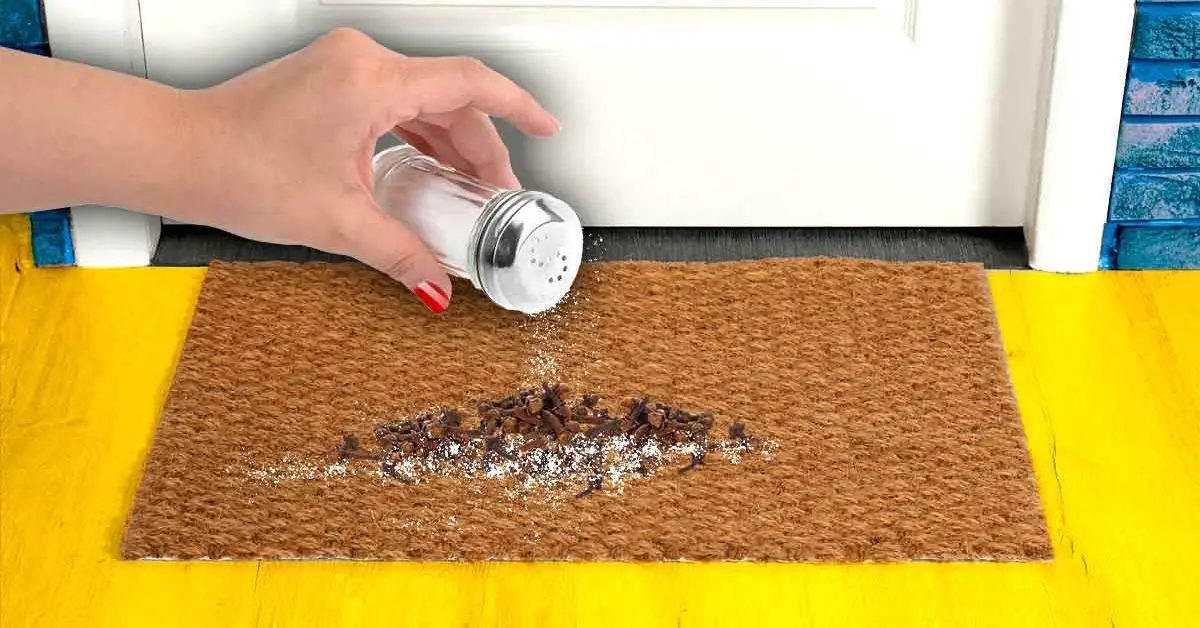
The Multifaceted Benefits of Spices and Herbs Throughout history, a variety of spices and herbs have been cherished not only Read more

A Bold Dream Transformed into an Unexpected Haven of Peace At some point in our lives, we have all dreamed Read more

A Vibrant Coat, More Than Just a Visual Trait Before delving into the nature of these cats, let us first Read more

November is a time when expenses quickly pile up, caught between Black Friday deals and the first Christmas purchases. It Read more

Mullein (Verbascum thapsus), a tall, woolly plant often seen growing along roadsides and in open fields, has been treasured for Read more
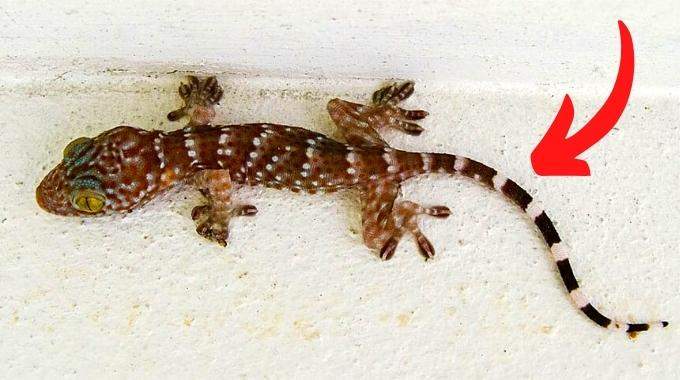
Beyond my fear of spiders, I also dread lizards and geckos. Yet, as an animal lover, I know that it Read more
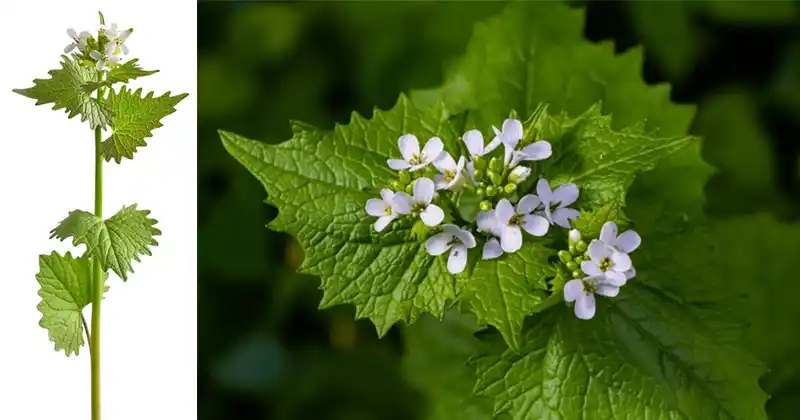
Garlic Mustard (Alliaria petiolata): 20 Surprising Benefits and Homemade Uses Garlic mustard (Alliaria petiolata) is often dismissed as a stubborn Read more

How to Clean a Glass Shower Door Naturally and Keep It Shining Longer Several areas of the bathroom are exposed Read more
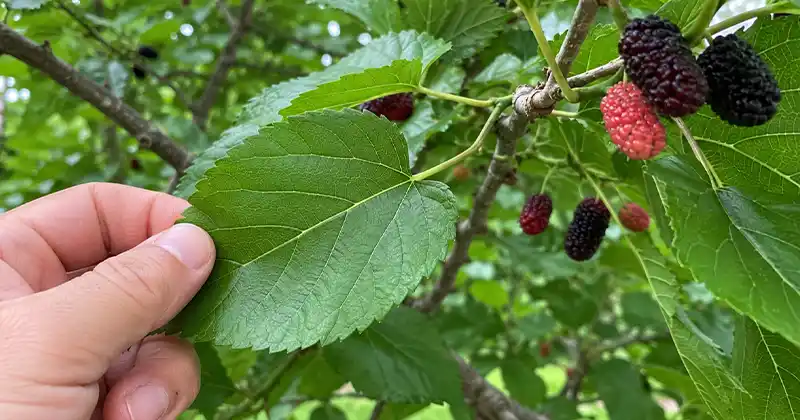
Mulberry trees are best known for their luscious summer berries, but their leaves possess an even greater potential as a Read more
Have you just stained a piece of clothing and don't know how to get rid of it? Rest assured, this Read more

When Love Turns into Domination Before becoming Rodrigo’s wife, Marcela had a lush head of hair that cascaded almost down Read more

Goldenberries, also known as Physalis or Uchuva, are small, orange-yellow fruits enclosed in a delicate, papery husk. Originating from the Read more
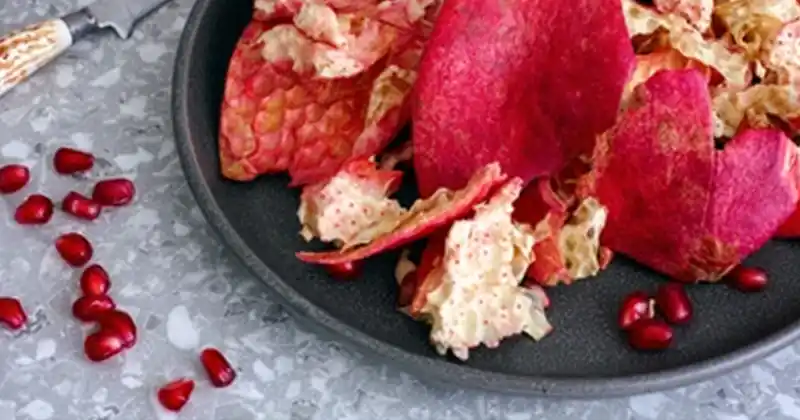
The Hidden Power of Pomegranate Peel: 10 Health Benefits and How to Use It Pomegranate is often celebrated for its Read more
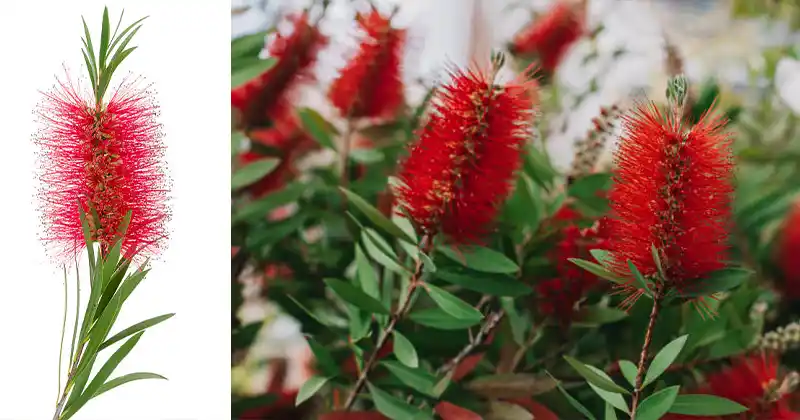
The Hidden Power of Bottlebrush: 15 Benefits and Easy Homemade Uses Nature often hides extraordinary healing power in plain sight—and Read more
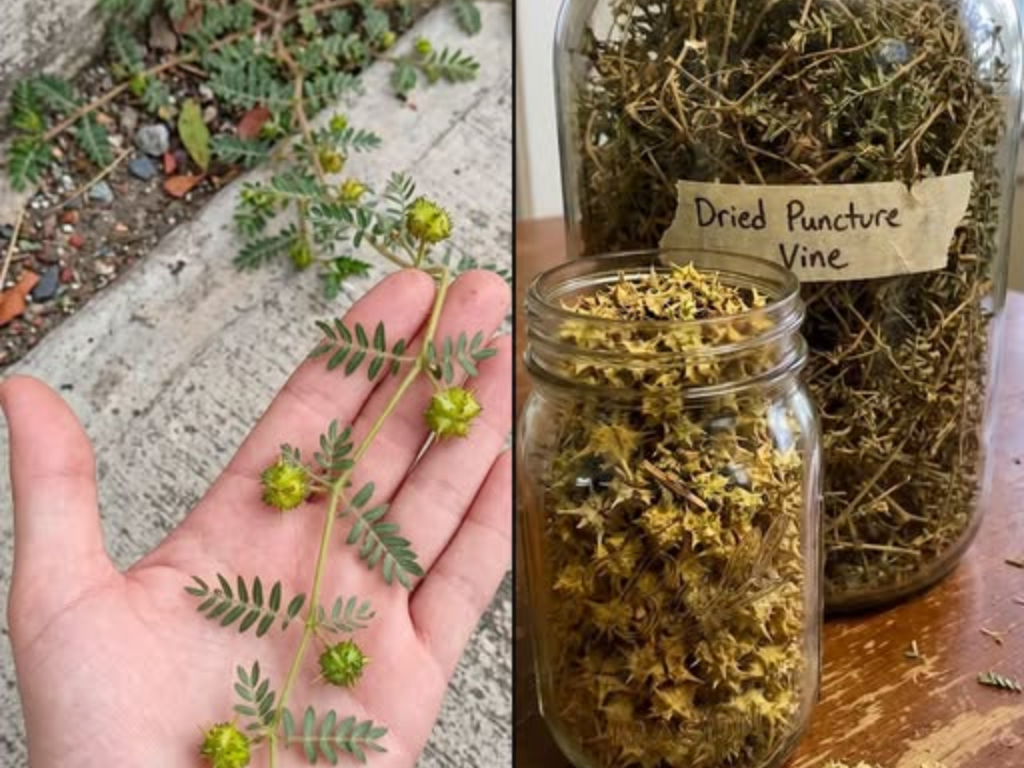
Warning: The information provided in this article is solely for educational and informational purposes. It is based on traditional herbal Read more

The Importance of Ventilating Your Home in Winter Indoor air that is overly saturated with humidity is not only uncomfortable Read more

Most of us believe we understand baking soda well. It rests quietly in a kitchen cupboard, freshens the refrigerator, rescues Read more

The Illusion That Changed Everything On that day, Thunder, a majestic black horse, stood calmly beside her. Yet in the Read more

If you have ever been greeted by a dog that was a little too... enthusiastic, you know exactly what it Read more

Why Is Salt an Effective Remedy Against Bed Bugs? Salt acts as a powerful dehydrating agent. When it comes into Read more
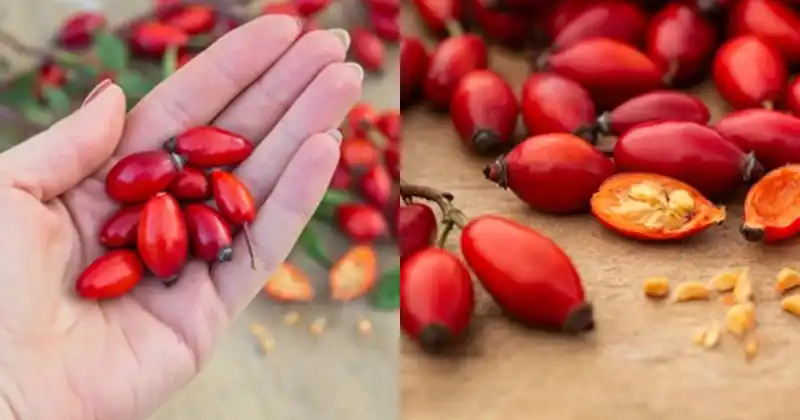
The Hidden Power of Dog Rose (Rosa canina): 10 Surprising Health Benefits and How to Use It Nature has given Read more
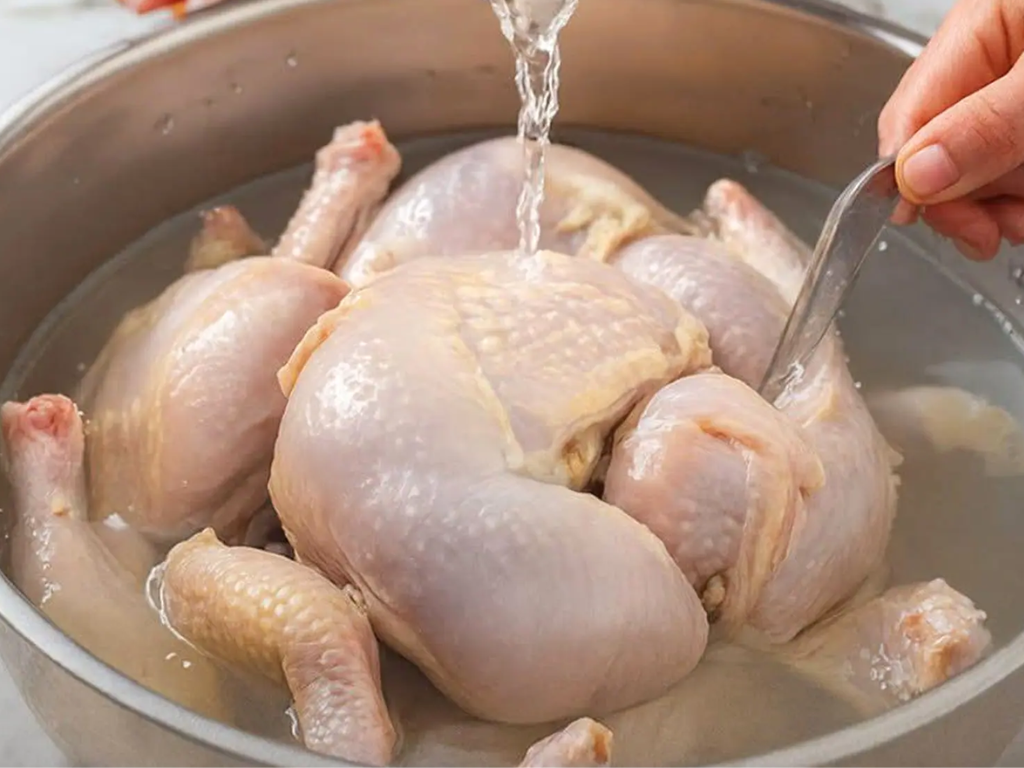
Behind the Scenes of Chicken Sold in Supermarkets At first glance, the neatly pink chicken breasts and shiny thighs displayed Read more
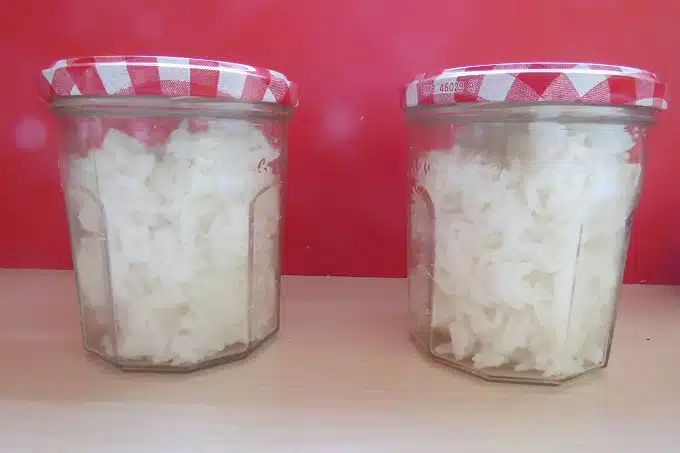
Why Can Cooked Rice Become Dangerous? Few people realize that once cooked, rice can quickly turn into a breeding ground Read more

Storms have been growing stronger in recent years, significantly increasing the risk that your electronic devices may suffer irreversible damage Read more

These tiny parasites can send shivers down your spine just by mentioning them. Whether on your skin or that of Read more

The Amazing Benefits of Sumac and How to Use It Sumac is more than just a flavorful spice—it’s a powerful Read more
