
Every evening, before slipping into bed, we all have our little routines to make sure everything is secure.
We check that the front door is properly locked, that the living room lights are off, and sometimes even that the stove burners have not been left on.
However, a quiet yet real danger often lurks on the kitchen countertop, ready to cause trouble while we sleep.
It is a small household appliance that we frequently use in the morning but often forget to unplug afterward.
Let’s explore which kitchen appliance it is best to unplug before going to sleep to reduce unnecessary risks.
In Summary:
A misleading power-off: an appliance that is simply switched off remains plugged in, still receiving electricity and vulnerable to power surges during the night.
A potential fire hazard: dry crumbs accumulated at the bottom of the appliance can ignite very quickly in case of a short circuit.
An essential rule: unplugging the device after each use is a major safety recommendation stated in most manufacturer manuals.
A Morning Companion Turned Into a Mere Decorative Object

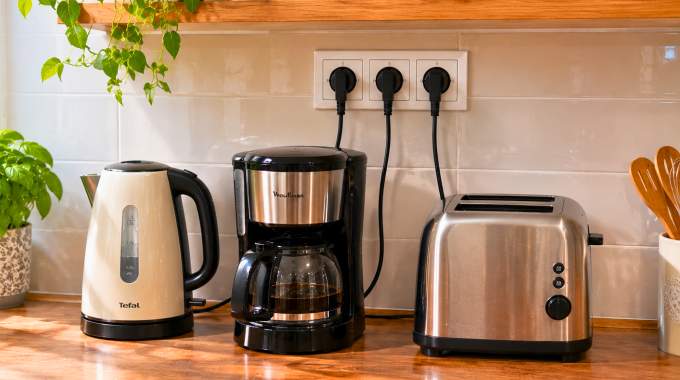
In most households, breakfast is almost a sacred moment, and certain appliances play an indispensable role. Among them, the famous device that toasts our bread slices holds a special place. Over time and with evolving aesthetic tastes, these appliances have become genuine decorative objects. Permanently placed on the countertop, they often find themselves wedged between the coffee machine and the kettle.
The issue with this permanent setup is that we end up treating this appliance like a piece of furniture. Once breakfast is finished and the appliance has cooled down, we move on, leaving the plug connected for days, sometimes weeks or even years without ever unplugging it. This habit is so ingrained in our daily routine that it is rarely questioned.
The Illusion of a Completely Turned-Off Appliance

One might reasonably think that once the cooking cycle ends and the lever pops up, the appliance is entirely safe. For many everyday objects, this is true. However, the mere cessation of heating does not guarantee that electricity no longer flows through the electronic components.
As long as the plug remains in the outlet, the appliance remains powered. Certain internal components continue to receive electricity. During the night, fluctuations or surges in the power grid can occur. If these components are worn or aging, this constant voltage can cause a short circuit.
Contrary to a common misconception, the device will not restart heating by itself, but an internal electrical failure can produce a spark strong enough to trigger a fire while the entire household sleeps soundly.
Why Is This Appliance More Dangerous Than Others?

You may wonder why we emphasize this small appliance more than others like microwaves or multifunction robots that also remain plugged in permanently. The answer lies in the toaster’s very design. To brown slices of bread, it uses metal heating elements exposed openly to the air, not protected by any closed cover.
Moreover, these heating elements are designed to reach very high temperatures quickly. In case of an electrical fault, or if the mechanism jams (for example, due to a technical defect or a pet leaning on it), the heat generated faces no safety barrier whatsoever. This open design makes it much more susceptible to household accidents than other kitchen devices.
The Hidden Risk of Accumulated Residue

The electrical danger would not be so severe if it were not compounded by another factor: the presence of fuel. With each use, crumbs fall to the bottom of the appliance. Over time, these fragments accumulate and dry out due to repeated heat. They then become tiny pieces of charcoal, extremely flammable.
When a spark arises from a night-time short circuit or if the device accidentally activates, these residues can ignite in a split second. It is this combination of constant electrical risk and the presence of ideal combustible material that makes the situation particularly hazardous. Most manufacturers clearly state in their manuals that the crumb tray must be emptied regularly to minimize this danger.
How to Adopt Simple Habits for a Safer Home

Fortunately, there is no need to panic. A few very simple habits are enough to secure your kitchen completely:
The first rule is, of course, to make it a reflex to unplug the toaster every time your breakfast is ready. This quick act completely eliminates the electrical risk related to this appliance.
Next, regularly inspect the condition of your equipment. Check the power cord: if it is melted, cracked, or if the plug shows black marks, stop using the appliance immediately to avoid any danger.
Finally, pay attention to the toaster’s surroundings. Keep it away from any sources of water to avoid splashes, and never place the device under curtains, near cardboard boxes, or close to a paper towel roll.

Castor Leaves: A Natural Treasure to Rediscover Used for centuries in traditional medicines around the world, castor leaves are experiencing Read more

Why Do These Puzzles Stimulate Your Brain? Visual games are far more than just light entertainment. They intensely engage your Read more

A Modest Tool Serving a Clever Function Have you ever wondered why a specific utensil is needed to separate an Read more

Challenges in Organizing the Perfect Encounter In today’s era dominated by dating apps, one might easily assume that arranging a Read more
Why Is This Method So Effective? The secret lies in a simple but powerful principle: the absence of oxygen. By Read more

Purslane (Verdolaga) is no longer a garden menace but a valuable gem! This remarkable plant is reclaiming its place in Read more

The castor plant (Ricinus communis) is widely known for its seeds, which are the source of castor oil. However, its Read more

A Fully Integrated Member of Its Tribe Social relationships hold a significant place in the life of a cat. When Read more

Pigweed, also known as amaranth, is a leafy green plant that has been cherished in various cultures for its nutrient-rich Read more
Many people make the mistake of believing that continuously boiling water will save energy once the kettle is already hot. Read more
Why Do Mobile Phone Cables Wear Out So Quickly? Modern charging cables are often designed with delicate materials, especially around Read more
There was a time when going out without high heels was almost unimaginable. In the 1950s, 60s, and even the Read more
Ingenious Uses for Expired Cornstarch A Natural Cleaner for Windows and Surfaces Did you know that cornstarch can easily substitute Read more

10 Secrets You Need to Know Before Eating Okra Okra, also known as “lady’s finger,” is a green, pod-shaped vegetable Read more
Why Do Centipedes Inspire So Much Fear? With their numerous legs and astonishing speed, centipedes often provoke feelings of fear Read more

An Inappropriate Remark and a Witty Response While on vacation, Mélanie was discreetly breastfeeding her baby in a crowded restaurant. Read more

Tomatoes, a staple in kitchens worldwide, are loved for their versatility and rich flavor. However, their perishable nature often leads Read more
Some people purchase walnuts that are already shelled, while others prefer to buy them in their natural state, still in Read more

Discover the Untapped Potential of Chili Pepper Leaves: Nutritional Powerhouse for Your Health and Kitchen When you think of chili Read more

The Effective Recipe to Defrost Your Windshield in One Minute To Quickly Eliminate Frost from Your Windshield, Here Are the Read more

Weasels, although often regarded as charming animals, can quickly become a genuine source of nuisance. These small, solitary, and nocturnal Read more

What differences exist between textile moths and pantry moths? One infiltrates our food supplies, while the other attacks our clothing. Read more

When Affection Triumphs Over Blood Ties Sharaine and Wilson Caraballo, warm-hearted parents of a large family with five children, opened Read more

The Fork Trick: An Ideal Solution for Long Zippers Long zippers, such as those found on jackets or coats, can Read more
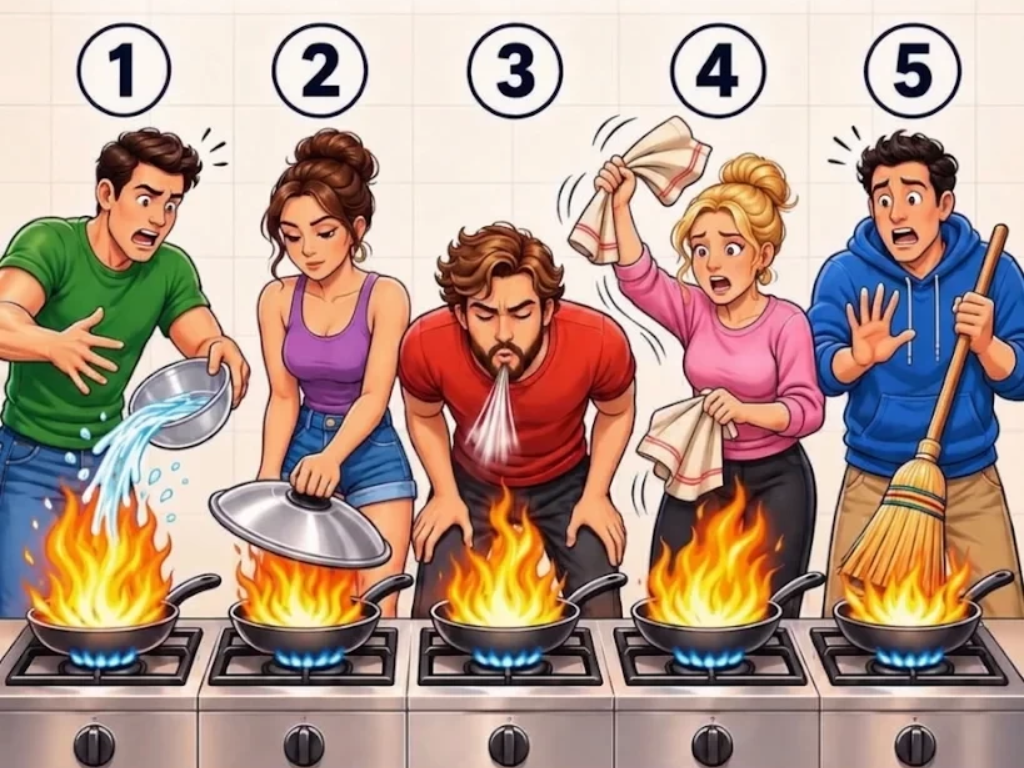
If You Chose Number 1: Intensity and the Urge to Act Symbolically, this choice expresses a strong need to intervene Read more

An Unexpected Nutritional Treasure in Your Own Garden Amaranth, often referred to as the "wild spinach", far exceeds its role Read more
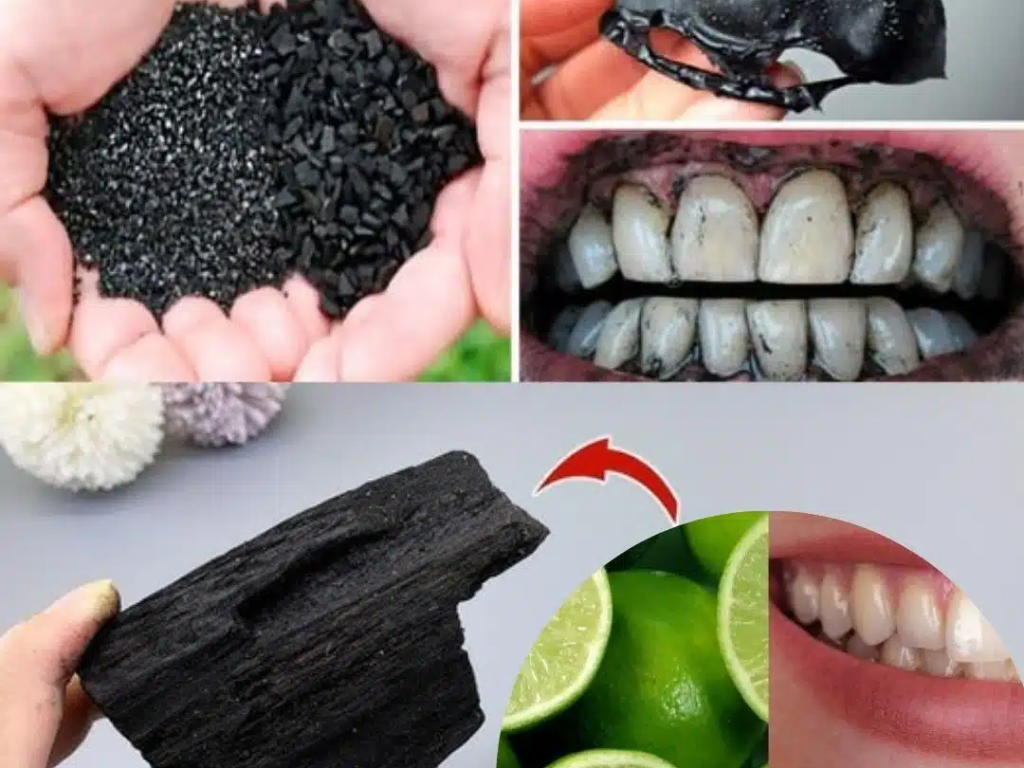
A Natural Remedy for Your Well-being For centuries, activated charcoal has been renowned for its exceptional absorption capabilities. Acting like Read more
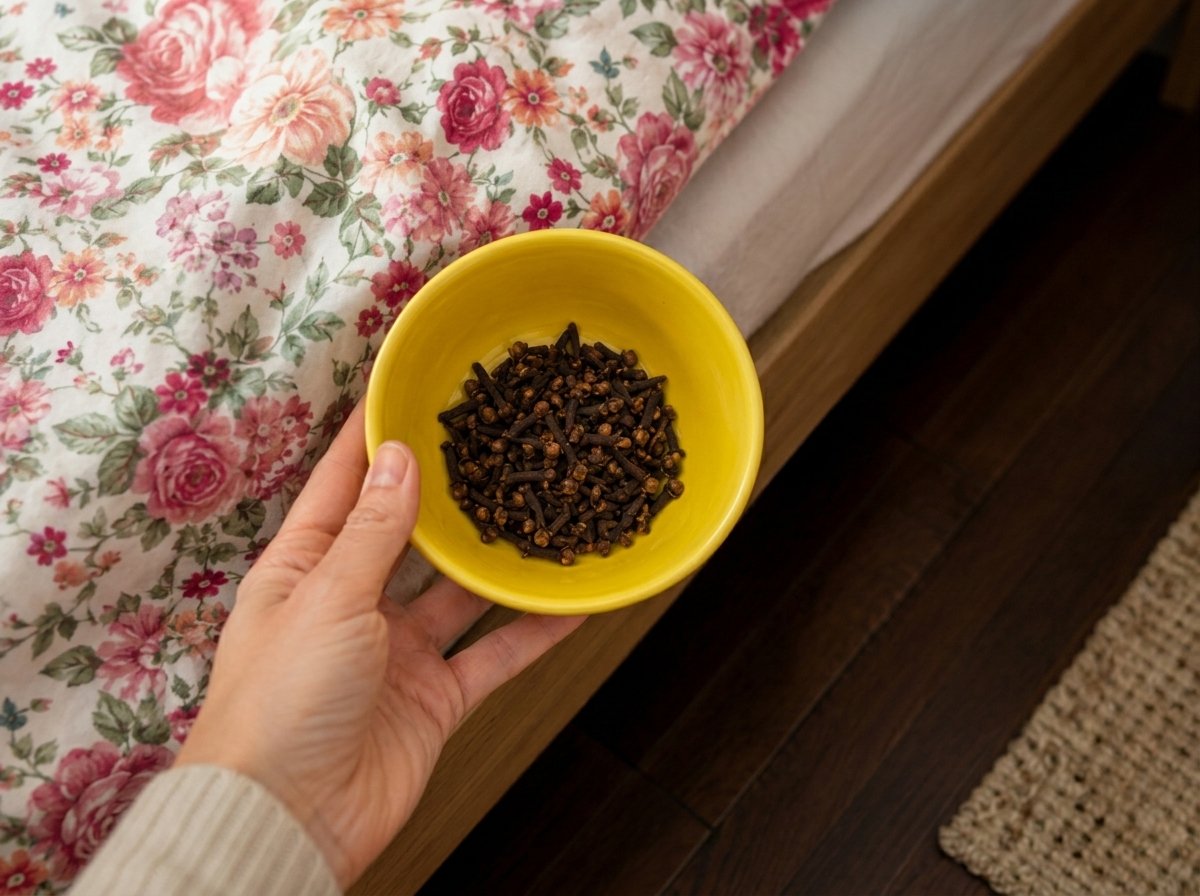
We are all seeking simple and natural ways to turn our homes into true sanctuaries of peace. Sometimes, the most Read more

A Vibrant Coat, More Than Just a Visual Trait Before delving into the nature of these cats, let us first Read more

Who has never been taken aback by the unexpected discovery of a peculiar object right in the middle of their Read more

Understanding, anticipating, and supporting your dog through every stage of their life is essential to providing them with the best Read more

8 Surprising Benefits of Water Cloves You Probably Didn’t Know About Cloves are widely recognized for their warm, spicy aroma Read more
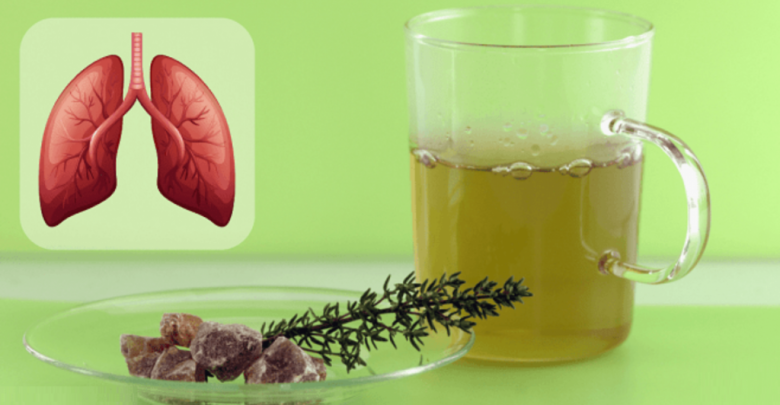
Thyme is known by some as the "enemy of toxins," a reputation that dates back to stories from ancient Greece. Read more

One day, almost by chance, he pushed open the doors of an orphanage. It was there that he met Emma. Read more
The Return of Earrings in the 17th Century The 17th century marked a notable resurgence in earrings, greatly encouraged by Read more

Dented Car Body: How to Fix It Yourself Over time, the body of your car can endure a lot. From Read more

Imagine a walk in the forest: leaves crunching beneath your feet, the air filled with the scent of damp moss, Read more

Juniper, a versatile and aromatic plant, has been valued for centuries for its culinary, medicinal, and therapeutic uses. Known for Read more

The ingenuity of Swedish furniture design, particularly evident in the flat-pack phenomenon, has transformed how we furnish our homes with Read more

A Heartbreaking Message Lilo, a gentle and affectionate dog, was found wandering with a leash around her neck and a Read more
