
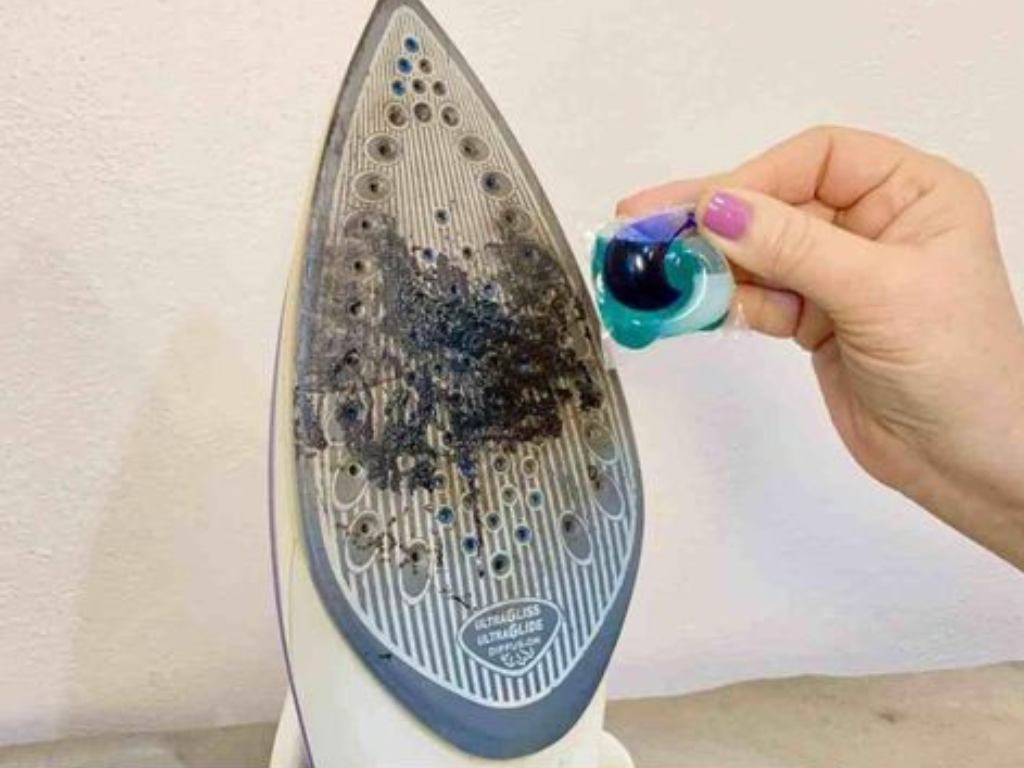
How to Maintain a Stainless Steel Iron

Although sturdy and durable, the stainless steel soleplate of an iron can blacken with use. Fortunately, a simple homemade preparation is enough to restore its original shine.
Ingredients:
2 tablespoons of baking soda
80 ml of cold water
A soft cloth
Procedure:
Mix the baking soda with the water until you obtain a thick, smooth paste.
Spread this paste over the soleplate of the iron, paying special attention to burned or blackened spots.
Allow the paste to sit for about 10 minutes to work deeply.
Gently wipe with a damp cloth to remove the paste and loosened dirt.
Finish by drying the soleplate with a clean, dry cloth to prevent any residual moisture.
Additional tip: If stains remain, apply some white vinegar to a cloth and gently rub for optimal degreasing and cleaning.
Gently Cleaning Ceramic or Teflon-Iron Soleplates

Ceramic or Teflon soleplates are more delicate and require special care to avoid scratches that would compromise their non-stick properties.
Ingredients:
3 tablespoons white vinegar
1 tablespoon fine salt
A paper towel
Instructions:
Mix the white vinegar and fine salt in a small container until the salt dissolves.
Soak a paper towel with this mixture and gently rub the soleplate, focusing on stained areas.
Finally, wipe the soleplate with a damp cloth to remove all traces of the solution.
Warning: Avoid using abrasive sponges or rough materials that could damage the non-stick coating.
How to Remove Stains from an Aluminum Iron
For an aluminum iron, dry cleaning is preferred to avoid damaging the soleplate.
Ingredients:
Parchment paper
Fine salt
Procedure:
Heat your iron to a low temperature to facilitate cleaning safely.
Sprinkle fine salt onto a sheet of parchment paper.
Gently rub the warm soleplate in circular motions over the salted paper.
Let cool, then wipe the soleplate with a damp cloth to remove the salt and loosened dirt.
Why does this method work? Salt acts as a natural gentle abrasive that helps lift impurities without scratching the aluminum surface.
Efficiently Cleaning the Iron’s Steam Holes

Over time, limescale can accumulate inside the small holes of the soleplate, disrupting steam dispersion and the iron’s performance.
Ingredients:
White vinegar
Cotton swab
Instructions:
Dip a cotton swab in pure white vinegar.
Carefully clean each steam hole by running the vinegar-soaked swab through to dissolve the limescale deposits.
Then wipe the surface with a clean, dry cloth.
Preventing Your Iron from Getting Clogged
Prefer using demineralized water to avoid limescale buildup.
Avoid ironing synthetic fabrics at high temperatures, as they can melt and stick to the soleplate.
Regularly clean your iron with a soft cloth after each use to remove any leftover dirt.
Never iron dirty or damp clothes, as they can leave marks on the soleplate.
Conclusion
Thanks to these grandmother’s tips and tricks, your iron will regain a nearly new appearance in just a few minutes. No more need to invest in expensive products or risk damaging your clothes with a clogged soleplate. Start using these simple, natural, and effective methods today to ensure impeccable ironing and extend the life of your iron.

The Disguise Test One morning, Mr. Delaunay put on worn-out clothes, covered himself in dust, and let his beard grow, Read more

Eager to master the art of nurturing a Peace Lily? Known scientifically as Spathiphyllum Wallisii, this enchanting plant is often Read more

A House Offered for Free, But You Must Move It Yourself In Sweden, a peculiar story is capturing attention: Göran Read more

The Effective Recipe to Defrost Your Windshield in One Minute To Quickly Eliminate Frost from Your Windshield, Here Are the Read more

Sida acuta, also known as “common wireweed,” is a hardy plant often found in fields and roadsides. While it may Read more

Creating a fresh and inviting atmosphere in your kitchen doesn't require expensive air fresheners or synthetic scents. With just a Read more

This image does more than just trick our eyes; it also reveals a lot about our personality. Depending on what Read more
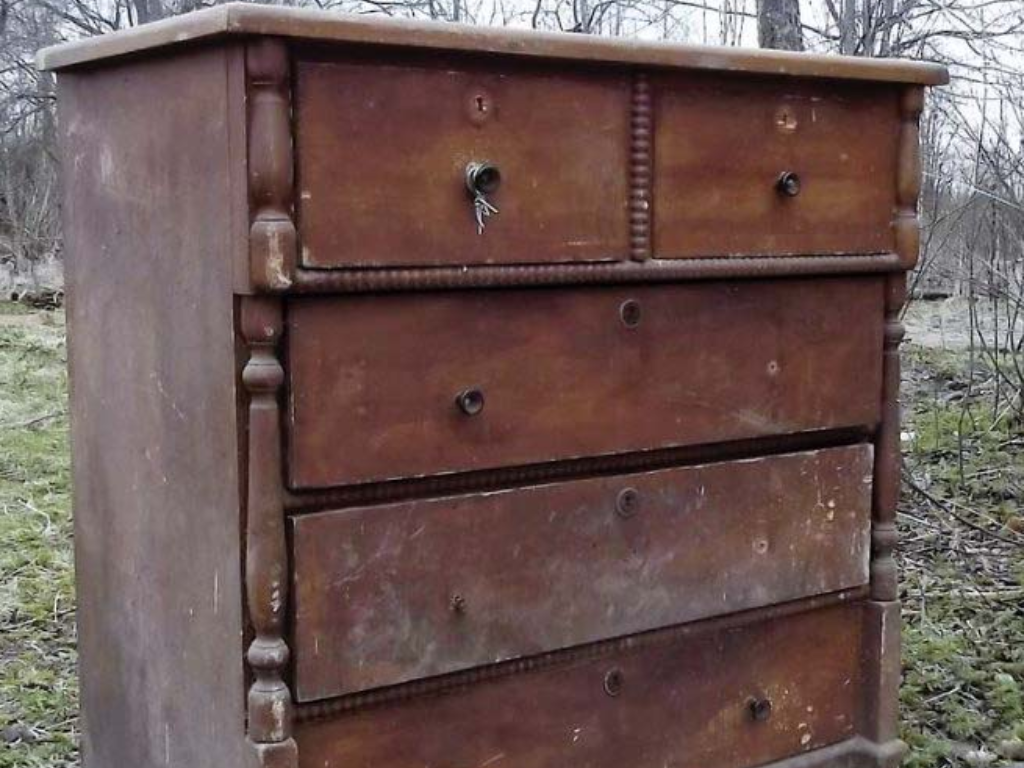
A Charming Renaissance Step One: Thorough Cleaning and Preparation Before starting the transformation, the dresser needed to be meticulously cleaned: Read more

Highland flowers, often found in remote, elevated regions, are more than just a visual delight. These resilient blooms, thriving in Read more

Why Do We Consistently Wake Up at the Same Time During the Night? Nighttime awakenings can stem from various causes: Read more
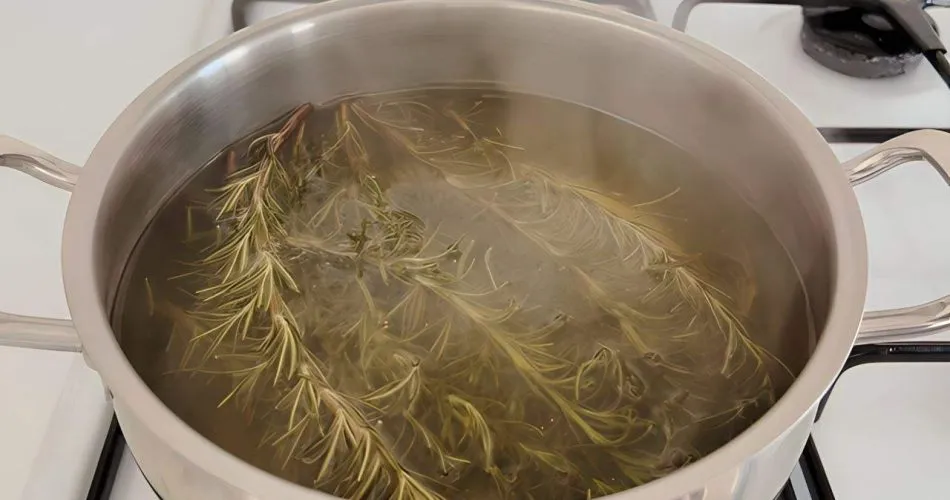
Rosemary is a herb renowned not only for its fragrant aroma in cooking but also for its extensive health advantages, Read more

The Importance of Ventilating Your Home in Winter Indoor air that is overly saturated with humidity is not only uncomfortable Read more

How to Detect Drafts Around Your Windows? Before making any adjustments, it is essential to confirm that your windows are Read more
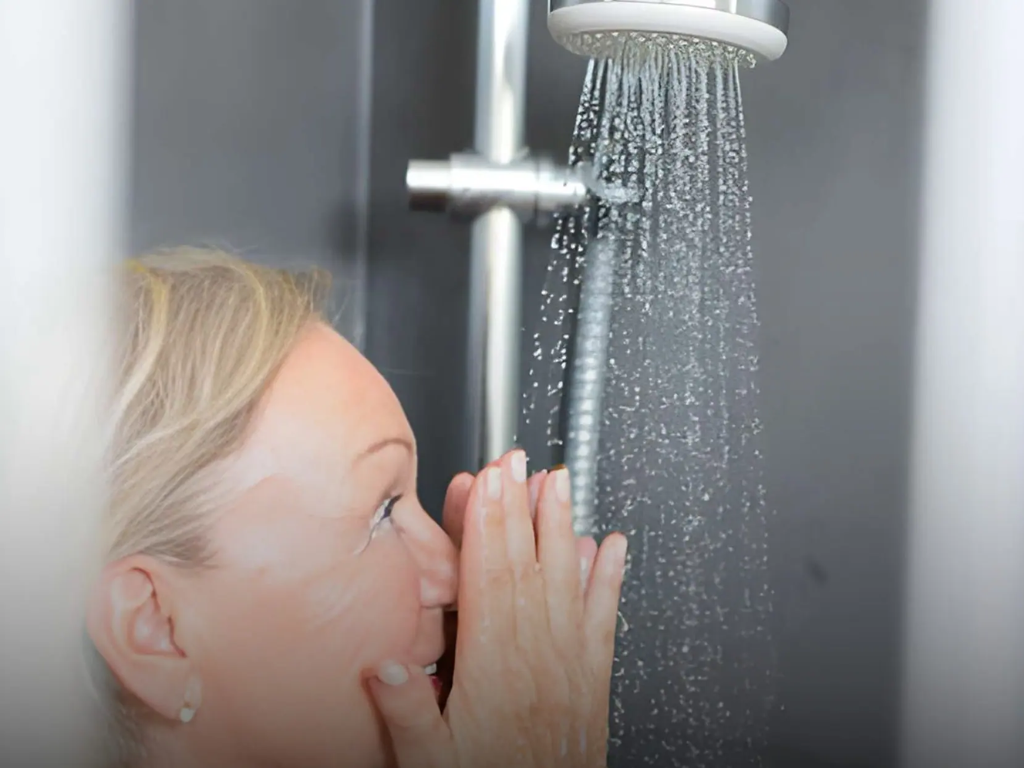
Skin Changes After Age 65 As we age, our skin undergoes natural changes. The epidermis thins and becomes more fragile. Read more

Do you remember those holiday evenings when the entire family gathered around a large table, sometimes lingering until the early Read more

An Enigmatic Capsule: Description and Speculations At first glance, this small brass capsule, lightweight and perfectly airtight, appears ordinary. Yet Read more
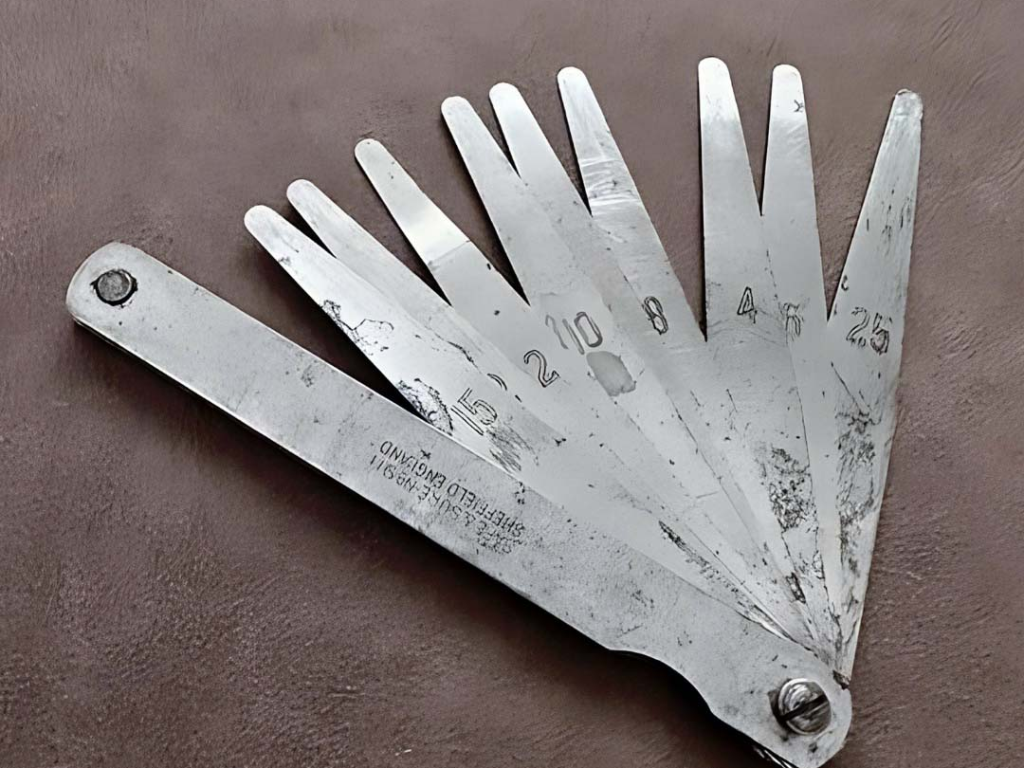
Why is the Thickness Gauge Still Essential? The thickness gauge is far more than just an accessory; it proves to Read more

Clogged Shower Drain? Try Baking Soda! Experiencing a stagnant pool of water after a refreshing shower can be a mood Read more

Max, a True Fighter The dog advanced cautiously, drawn in by gentle words and a piece of bread offered kindly. Read more

Sometimes, certain births resonate far beyond the boundaries of the family, capturing the attention of the wider public. This was Read more

Much More Than Just a Decorative Element The presence of multiple pillows on a hotel bed is far more than Read more

How to Clean a Glass Shower Door Naturally and Keep It Shining Longer Several areas of the bathroom are exposed Read more

Ticks' Favorite Hiding Spots: Why Your Garden is Their Paradise Ticks have a distinct preference for damp, shaded, and poorly Read more
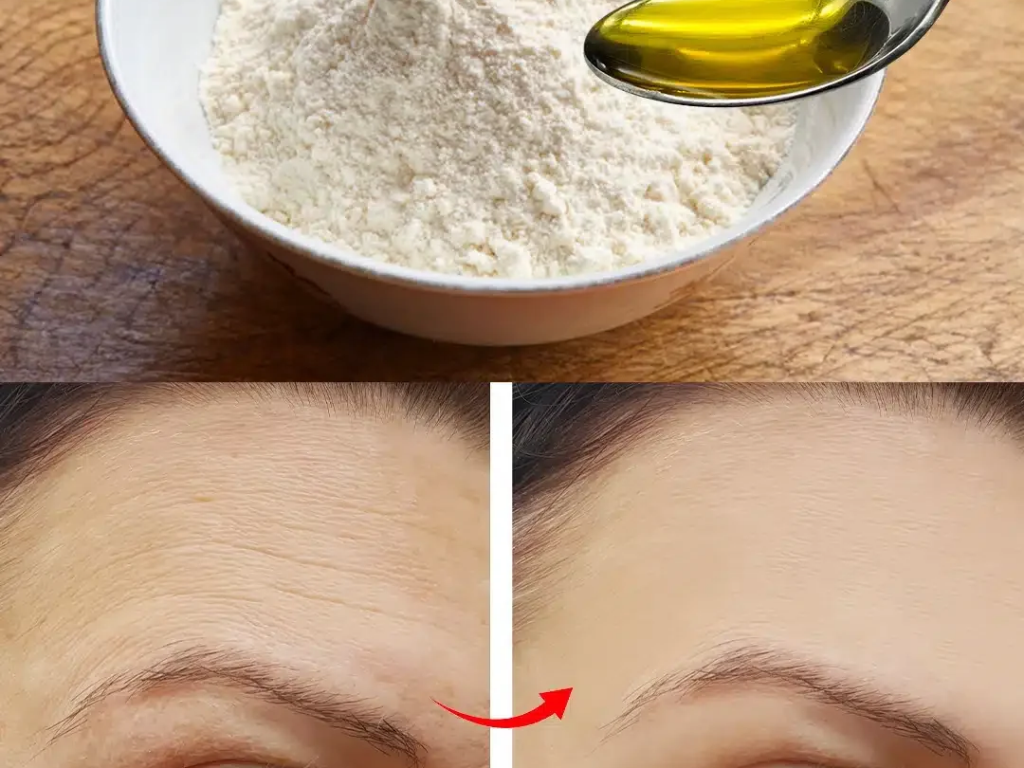
Ingenious Uses for Expired Cornstarch A Natural Cleaner for Windows and Surfaces Did you know that cornstarch can easily substitute Read more

Mullein (Verbascum thapsus), a tall, woolly plant often seen growing along roadsides and in open fields, has been treasured for Read more
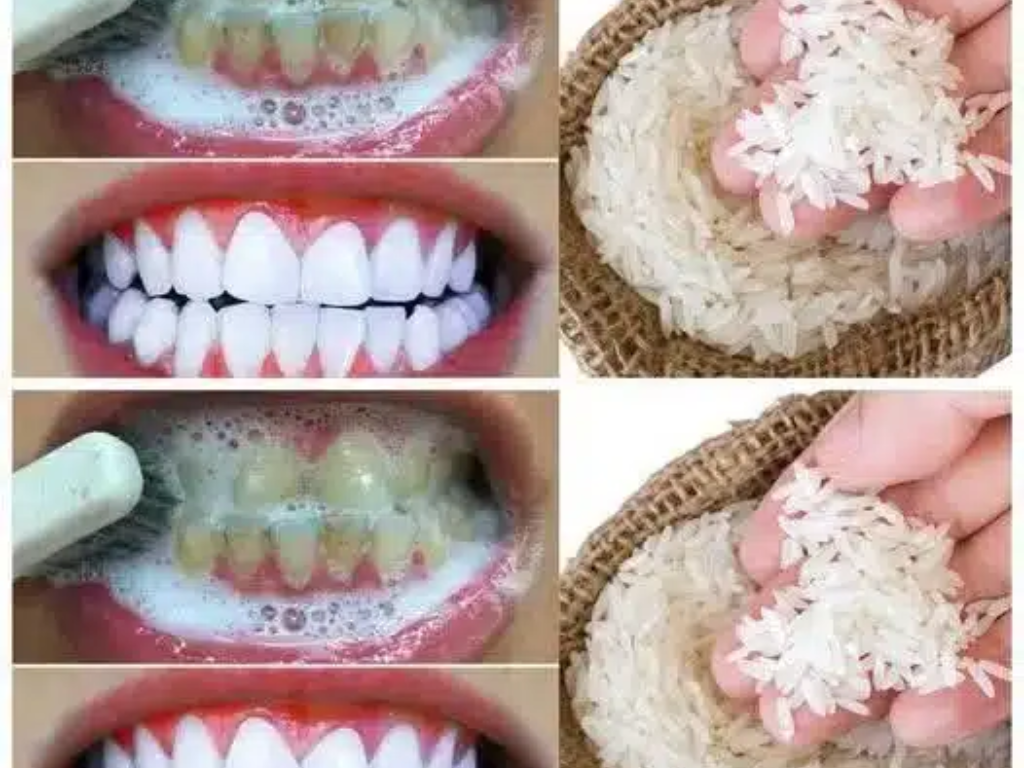
How can a simple homemade mixture really help make your teeth whiter? Here is the secret that has already captivated Read more
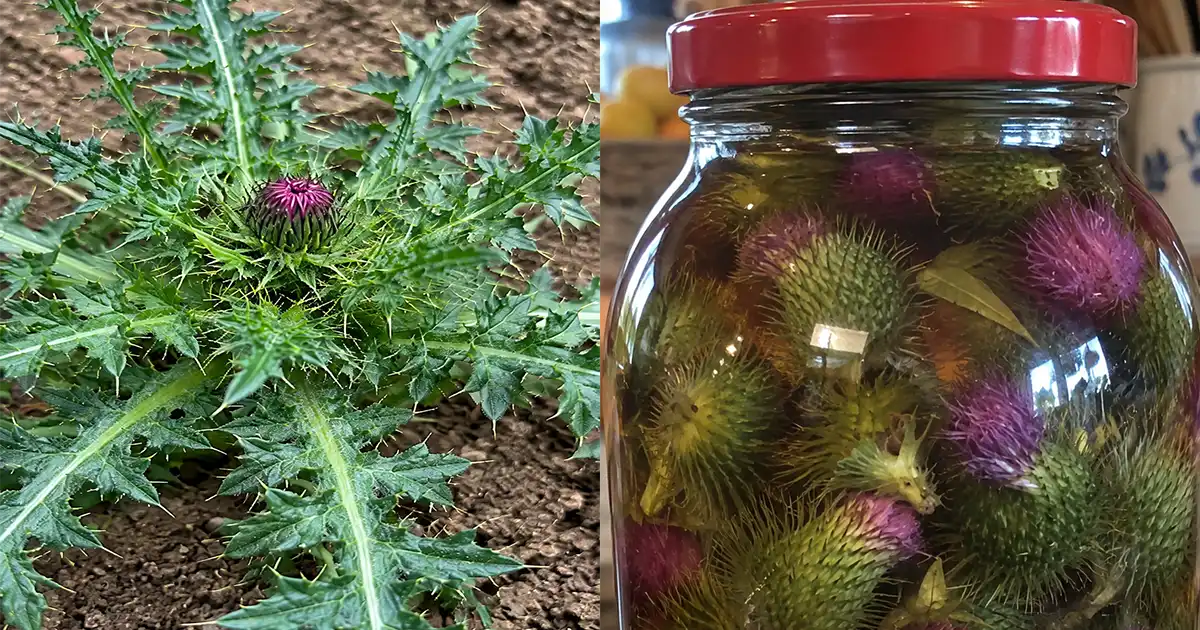
This content is provided for informational purposes only. For medical advice or diagnosis, please consult a healthcare professional. The common Read more
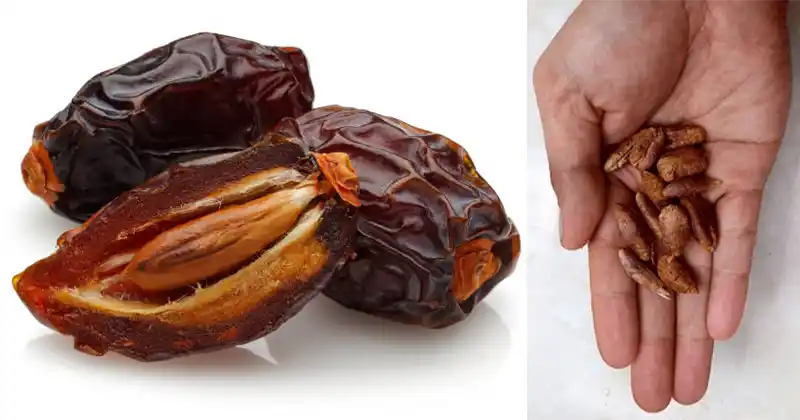
When you sink your teeth into a soft, caramel-sweet date, the last thing on your mind is usually the tough Read more
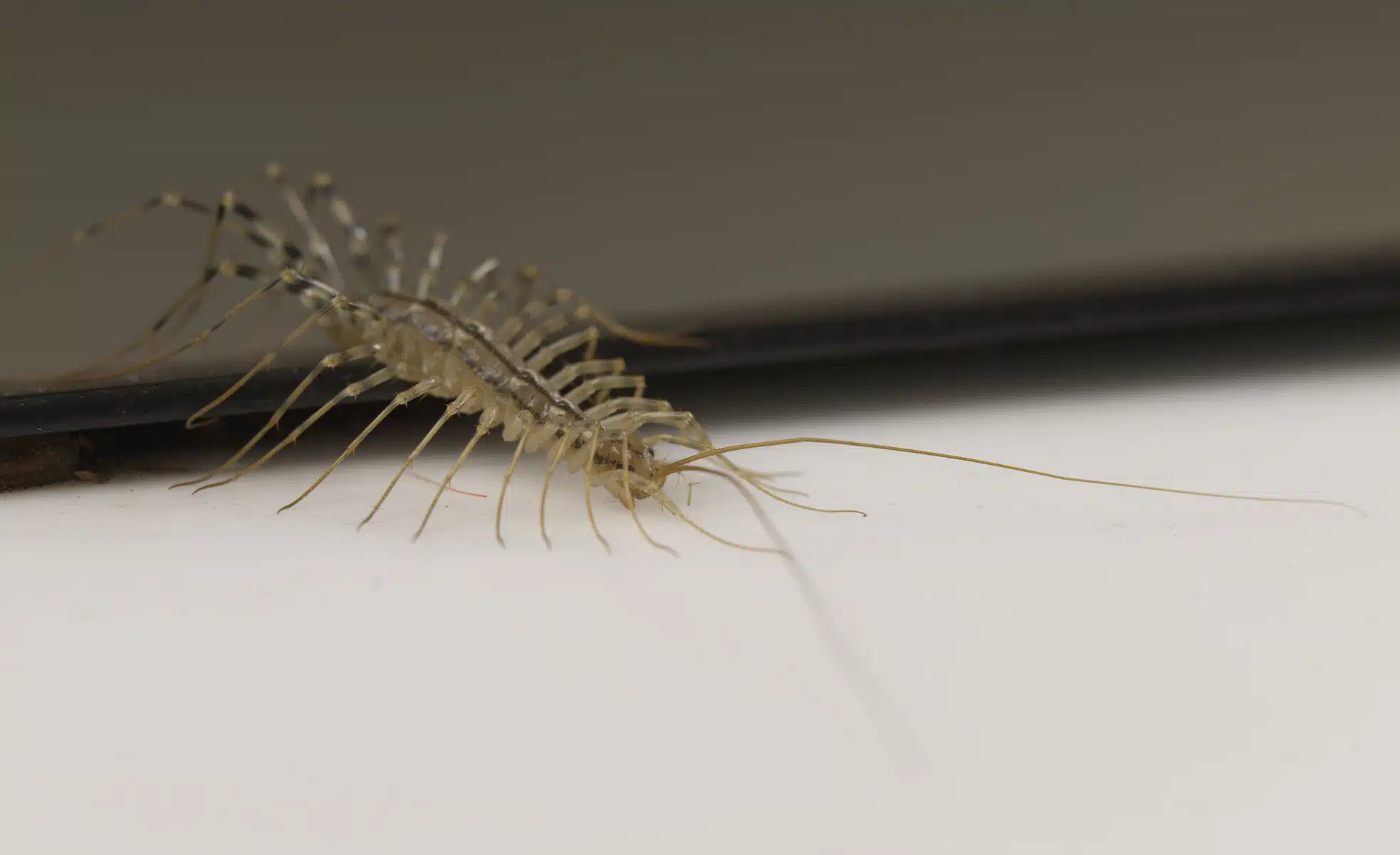
A Quiet and Efficient Predator in Your Home The domestic house centipede (Scutigera coleoptrata) is often regarded as a frightening Read more

The Dog's Nose: A True Superpower It is well known that dogs possess an extraordinary sense of smell. Yet the Read more

Kyllinga brevifolia: A Natural Remedy for Health and Wellness Kyllinga brevifolia, commonly known as green kyllinga or shortleaf spikesedge, is Read more
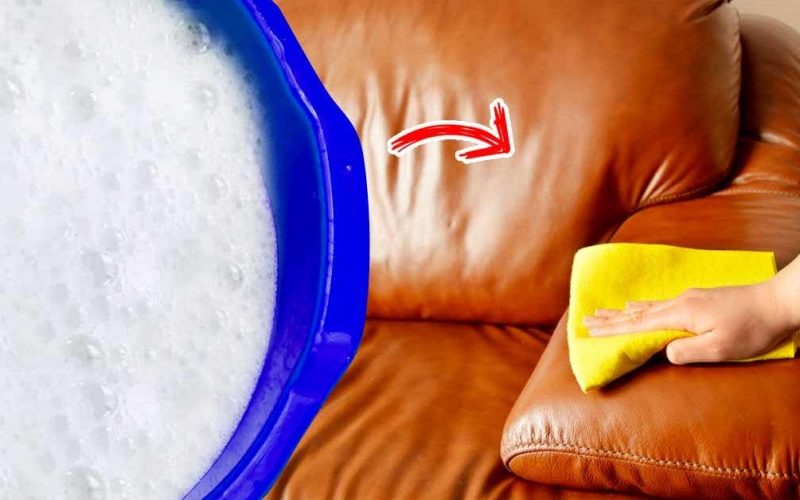
Faced with increasingly harsh industrial detergents, consumers are turning back to traditional products that are healthier and have long proven Read more
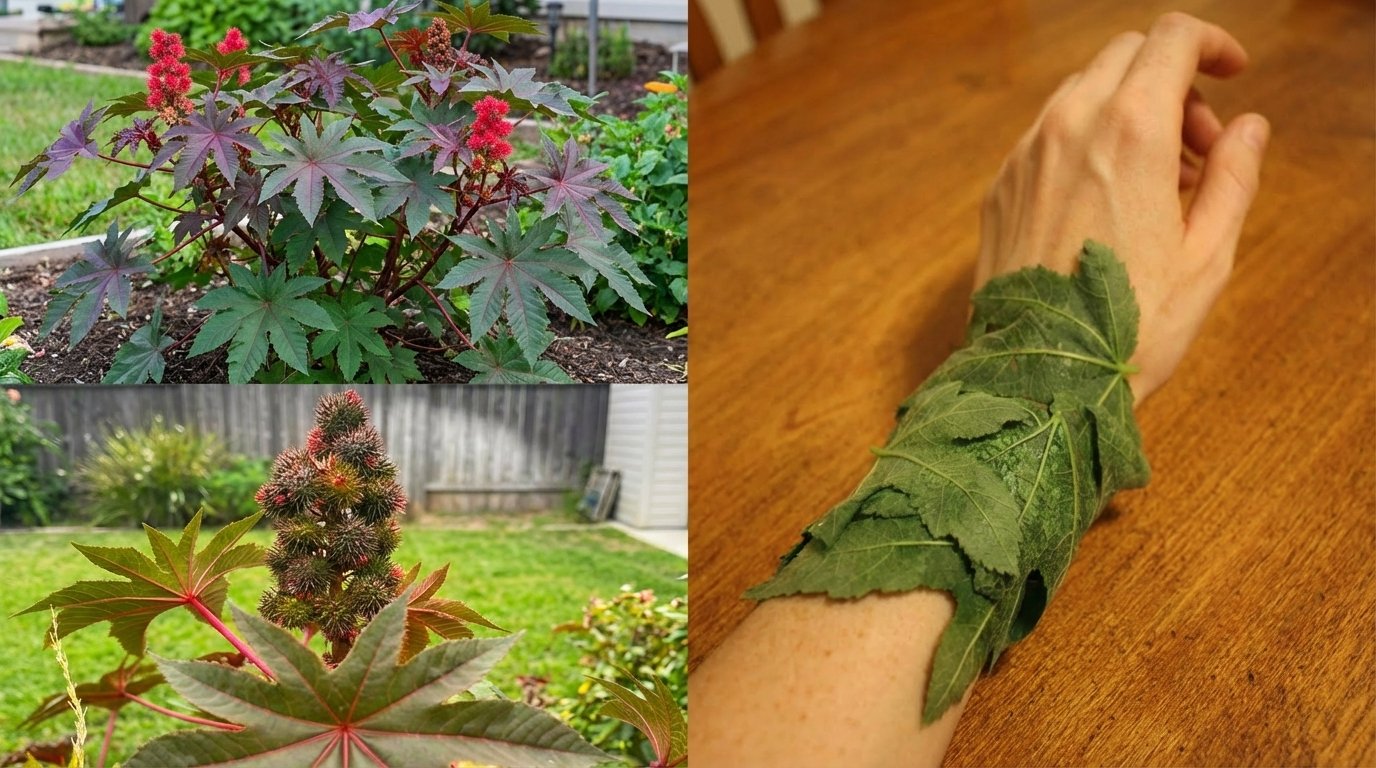
The castor plant (Ricinus communis) is widely known for its seeds, which are the source of castor oil. However, its Read more

Have you just stained a piece of clothing and don't know how to get rid of it? Rest assured, this Read more
Thyme is known by some as the "enemy of toxins," a reputation that dates back to stories from ancient Greece. Read more
How Long Should You Warm Up Your Vehicle During Winter? Contrary to a widely held belief, only 30 seconds are Read more

Are Lilacs Edible? Health Benefits of the Beautiful Syringa Blossoms With their sweet fragrance and delicate clusters of flowers, lilacs Read more
Garlic: An Ancient Remedy for Better Sleep Since ancient times, garlic has been recognized not only as an essential culinary Read more

Why It's Crucial to Clean Your Oven and How to Do It Naturally The Importance of Cleaning Your Oven The Read more
If your sink, bathtub, or shower is draining slowly and you don't have access to a commercial drain opener, you Read more
