

The Fascination of Pareidolia: When Our Minds Discern Faces Where None Exist
This captivating phenomenon is known as pareidolia. It is our brain’s natural ability to recognize familiar shapes—most commonly faces—within seemingly random and chaotic patterns. Whether it’s in the ever-shifting shapes of clouds, the rough textures of rocks, cracked walls, or especially within the gnarled forms of trees, our minds instinctively seek out silhouettes that resonate on a human level. This remarkable skill is deeply rooted in our survival instinct, as detecting a face could instantly signal either the presence of a trusted ally or warn us of a potential threat in our environment.
In this poetic portrayal of a mysterious tree, every bend and twist of a branch effortlessly transforms into a cheek, every fluttering shadow morphs into an eye. The final effect? A woodland sanctuary filled with silent souls, each seeming to watch the visitor closely, inviting them to discover and read forgotten, whispered stories bound by time.
How Many Faces Can You Spot?
Here’s a little challenge for you: only about 1% of observers succeed in identifying all the hidden faces in under 30 seconds. To assist you in this engaging test, here are some clues:
At the center of the image, two faces positioned closely together subtly unveil themselves, their outlines gently melting into the bark’s natural texture.
Near the bottom, the features appear aged—deep wrinkles, flowing beards, and eyes worn with wisdom are intricately carved into the coarse wood grain.
Not far from the roots, youthful profiles seem engaged in whispered exchanges, sheltered beneath the protective canopy of leaves.
Every new discovery ignites a small, delightful sense of wonder—as if stepping into a secret glade that balances both serenity and mysterious allure—where nature and imagination softly intertwine.
The Art of Concealing Faces in Trees: A Subtle Play of Shadows and Lines
This fascinating optical illusion is actually the result of extraordinary artistic mastery and technique. The artist skillfully uses negative space, expertly manipulating empty areas, layering lines and textures, and transforming the bark’s natural patterns into discernible features such as beards, eyes, and locks of hair.
This intricate balance between what is left blank and what is filled confounds our perception, smoothly guiding our gaze from simply seeing a tree to unveiling a whole gallery of hidden faces, invisible upon first glance.
So, what is the final count?
There are a total of 14 faces cleverly concealed within this artwork. Below are their positions scattered throughout the image:
Want to Try It Yourself?
Grab a notebook, a pencil, and a photo of any tree. Allow your imagination to soar freely: sketch faces that emerge along the natural curves of branches and the knotted patterns of the bark. This creative and meditative practice not only nurtures your imagination but also sharpens your observational skills.
In Conclusion: The Forest Is Watching You… Will You Notice?
The faces hidden among the trees serve as a gentle reminder that there is a unique kind of magic sewn into the fabric of everyday life—if only we pause long enough to admire and truly look with intention. So the next time you wander near an ancient oak or a twisted maple, stop for a moment and reflect: what if a quiet, watchful gaze is concealed behind a branch or hidden between two leaves?

A Quiet and Efficient Predator in Your Home The domestic house centipede (Scutigera coleoptrata) is often regarded as a frightening Read more
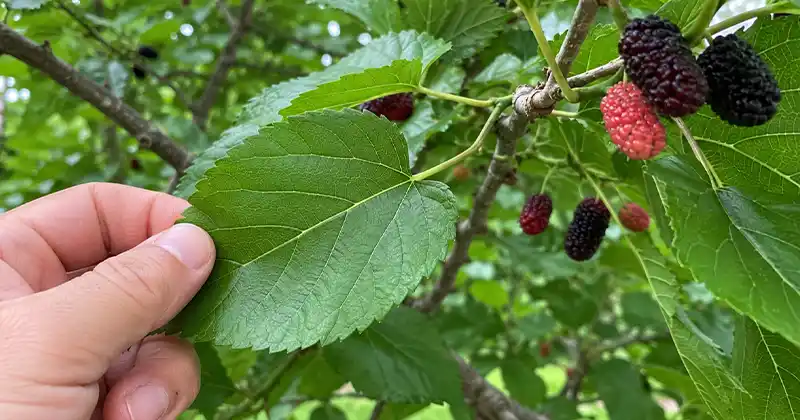
Mulberry trees are best known for their luscious summer berries, but their leaves possess an even greater potential as a Read more

The Secondary Microphone: A Filter Against Noise Pollution Most modern smartphones incorporate multiple microphones, including a secondary one often hidden Read more
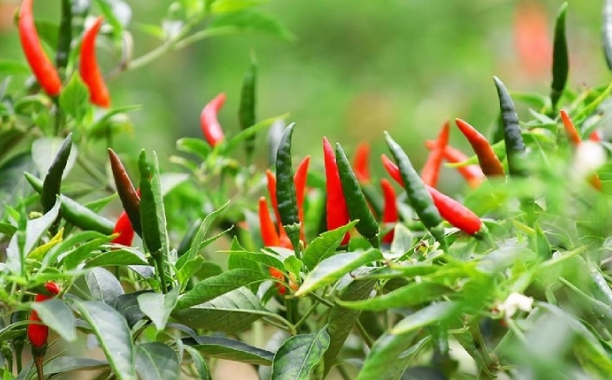
Discover the Untapped Potential of Chili Pepper Leaves: Nutritional Powerhouse for Your Health and Kitchen When you think of chili Read more

Why Is a Temperature of 40°C Not Enough to Effectively Eliminate Bacteria? Many people consider 40°C to be a balanced Read more

Cleaning Grease Off Kitchen Wooden Cabinets: Effective Techniques Removing dirt and embedded grease stains from kitchen wooden cabinets isn't always Read more

Defrosting a freezer is often viewed as a lengthy and tedious task involving ice packs and patience being thoroughly tested. Read more

Why Does Honey Crystallize? The crystallization of honey is a completely natural and harmless phenomenon. It occurs when the sugars Read more
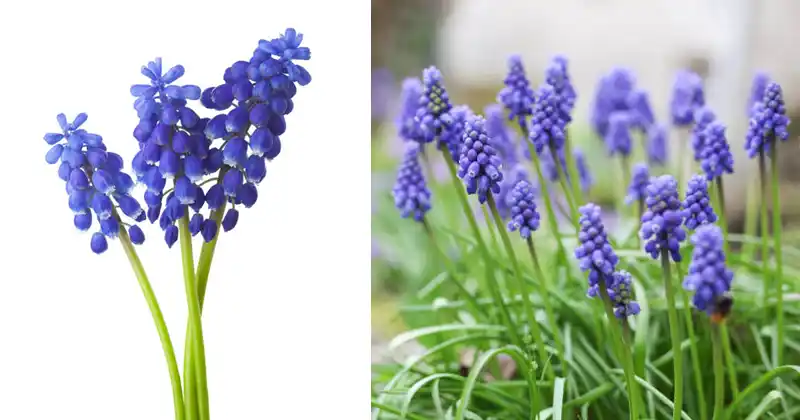
Grape Hyacinth (Muscari): A Beautiful Flower You Can Eat – But Only If You Know Which One The grape hyacinth, Read more
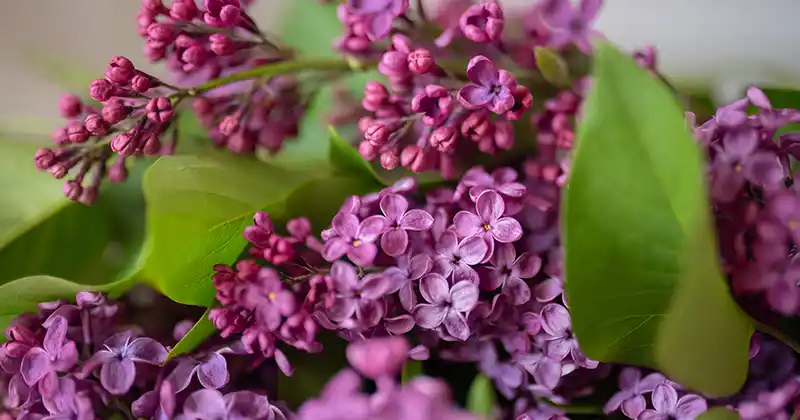
Are Lilacs Edible? Health Benefits of the Beautiful Syringa Blossoms With their sweet fragrance and delicate clusters of flowers, lilacs Read more

Clogged Shower Drain? Try Baking Soda! Experiencing a stagnant pool of water after a refreshing shower can be a mood Read more
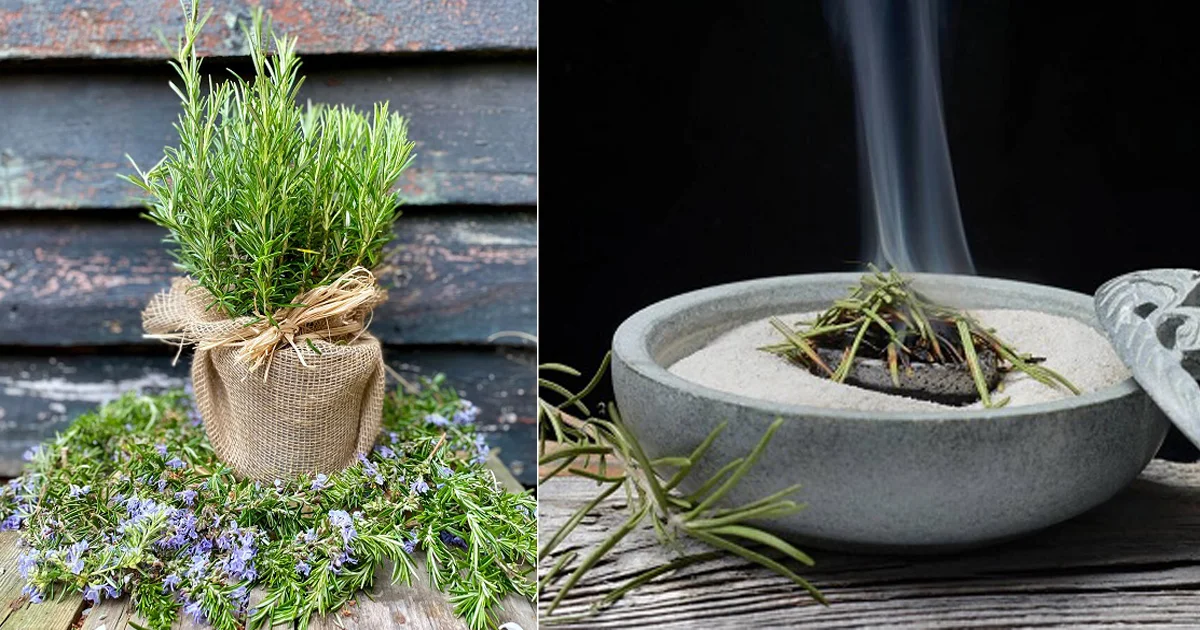
Rosemary, scientifically identified as Rosmarinus officinalis, is widely recognized not only for its role in cooking but also for its Read more

The Dangers of Prolonged Sitting on the Toilet A Natural Reflex Put to the Test Sitting too long on the Read more

Faced with increasingly harsh industrial detergents, consumers are turning back to traditional products that are healthier and have long proven Read more

The Secret Language of Burglars: A Discreet Warning Signal Burglars use an actual coding system to identify their targets. They Read more
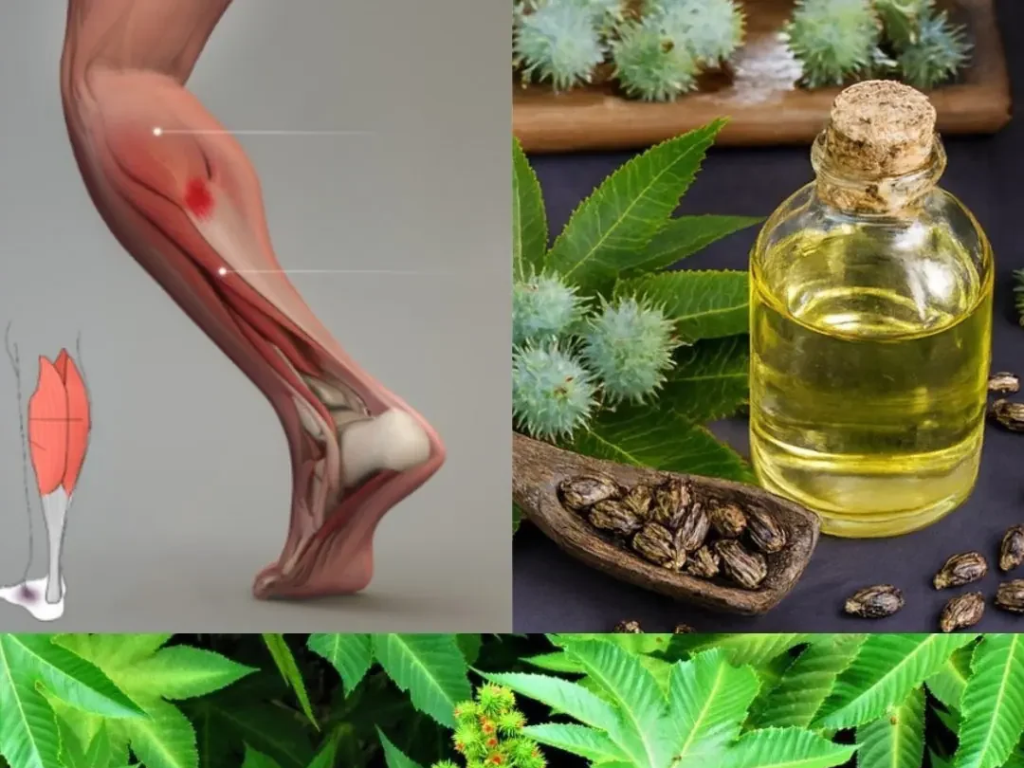
Castor Leaves: A Natural Treasure to Rediscover Used for centuries in traditional medicines around the world, castor leaves are experiencing Read more

Those Mysterious White Spheres at the Foot of the Bed: An Immediate Instinctive Reaction The initial sensation that grabs us Read more

The Color of Egg Yolk Depends Primarily on the Hen’s Diet Few people truly realize that the shade of an Read more

Effective Methods to Eliminate Maggots and Prevent Their Return Vinegar: An Essential Natural Repellent To quickly rid yourself of maggots, Read more

Salt: An Overlooked Treasure in the Home Since ancient times, salt was so valuable that it was even used as Read more

She Feels Undervalued Feeling loved is, above all, about feeling recognized and appreciated. When a woman senses that her efforts, Read more
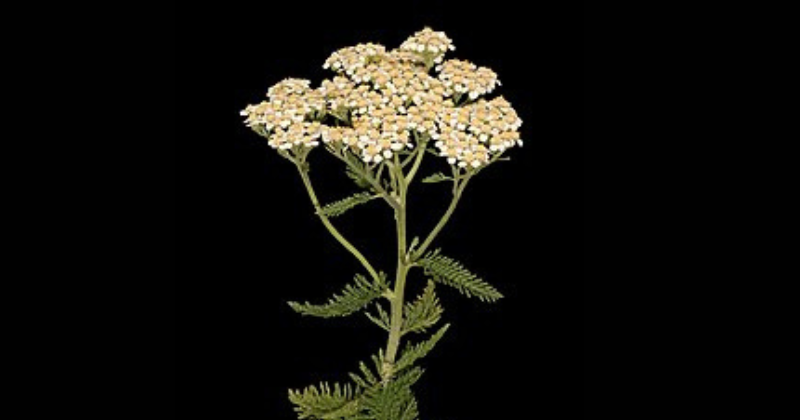
Throughout our journey in history, the bond between humanity and nature has been inseparable, providing not only sustenance but also Read more

Juniper, a versatile and aromatic plant, has been valued for centuries for its culinary, medicinal, and therapeutic uses. Known for Read more
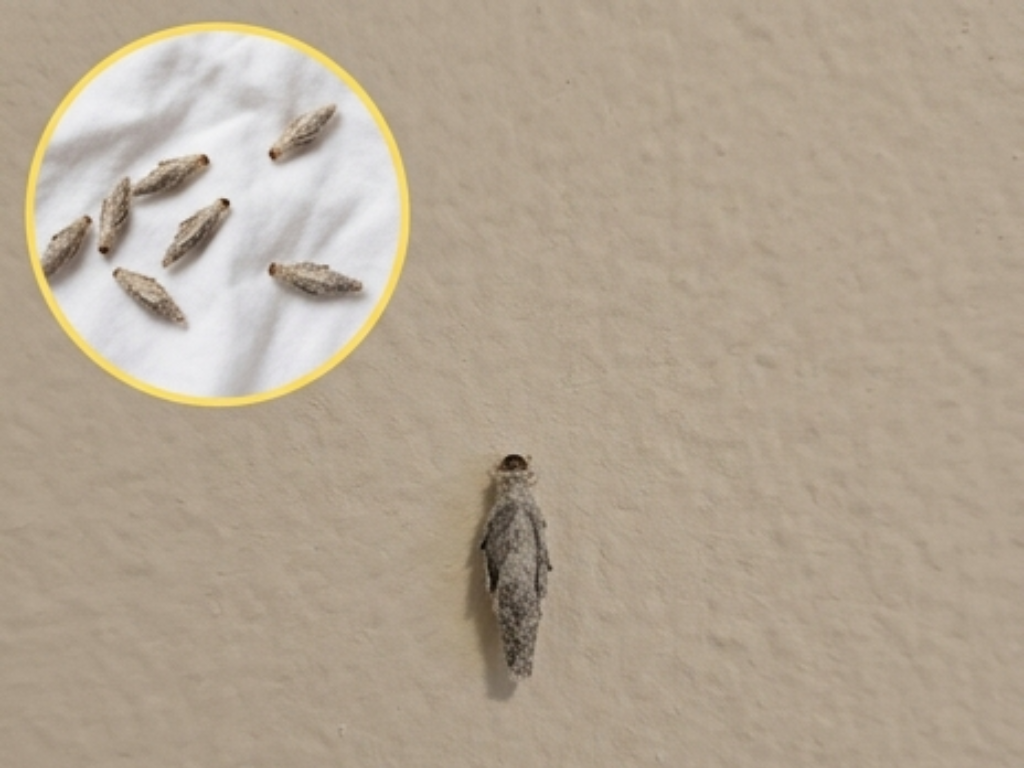
Have you ever noticed those small, discreet "shells" clinging to the walls or nestled in the corners of the ceiling? Read more

This heartbreaking story touched millions of internet users. After a long eight months of disappearance, a dog finally reunited with Read more

Timeless Elegance That Transcends Generations Choosing black often reflects a profound pursuit of refinement and sophistication. This color goes beyond Read more

The Silent Enemy: Tartar and Bacteria Tartar is a common affliction affecting our teeth. It forms from the gradual hardening Read more
Why Do Centipedes Inspire So Much Fear? With their numerous legs and astonishing speed, centipedes often provoke feelings of fear Read more

An Enigmatic Capsule: Description and Speculations At first glance, this small brass capsule, lightweight and perfectly airtight, appears ordinary. Yet Read more
An Unexpected Nutritional Treasure in Your Own Garden Amaranth, often referred to as the "wild spinach", far exceeds its role Read more

Why Ventilating in the Morning Can Harm Indoor Air Quality During Winter On a chilly winter morning, the outdoor air Read more

A Morning Filled with Strangeness That morning, the countryside was still wrapped in calm and tranquility. As she followed the Read more

The Effective Recipe to Defrost Your Windshield in One Minute To Quickly Eliminate Frost from Your Windshield, Here Are the Read more

Lactuca serriola, commonly known as prickly lettuce, is a plant that often goes unnoticed, dismissed as a mere weed. However, Read more

Skin Changes After Age 65 As we age, our skin undergoes natural changes. The epidermis thins and becomes more fragile. Read more

The Multifaceted Benefits of Spices and Herbs Throughout history, a wide variety of spices and herbs have been cherished not Read more

How to Make Powerful Super Glue from Styrofoam: The Hidden Chemistry Behind This Viral Trick In a world where DIY Read more
Worrying Causes of Dark Circles Under the Eyes Kidney Problems: A Subtle but Important Indicator The presence of bags under Read more

Why Does the Plastic of a Washing Machine Yellow Over Time? Over the years, it is common to notice that Read more

The ingenuity of Swedish furniture design, particularly evident in the flat-pack phenomenon, has transformed how we furnish our homes with Read more
