

An Ordinary Object Turned Viral Mystery

What sparked the excitement? A photo showing a long, curved object made of metal and wood, accompanied by the question: “What could this possibly be used for?” The internet quickly ignited with thousands of responses—ranging from wild guesses to bursts of humor—yet very few correct explanations. However, this small tool is still found in many households today, especially among our parents or grandparents.
The answer surprised more than a few: it was, in fact, a shoehorn. An item often used instinctively, yet once removed from its usual context, it suddenly loses all familiarity. This shows how even the simplest objects can unexpectedly become strange visual mysteries.
What Exactly Is a Shoehorn For?

If you’ve ever tried to force your foot into a tight shoe by pulling on the heel, you know how uncomfortable it can be: unpleasant friction, deformation of the shoe, or even holes in your socks. The shoehorn is specifically designed to solve these issues.
It is placed at the back of the shoe, at the heel, to gently guide the foot inside. The effect is immediate: the foot slips in more easily, your back experiences less strain, and the shoe retains its shape for longer. A simple gesture yet incredibly effective, especially for those who frequently wear closed or stiff shoes.
From Natural Materials to Modern Compositions
The history of the shoehorn dates back to the 15th century. At that time, it was made from materials at hand: animal horn, bone, or hard wood. There was no question of embellishment; the most important thing was to have a sturdy, smooth object that easily slipped between the foot and the shoe.
With the rise of the industrial revolution, the shoehorn evolved into metal versions, often made of brass or steel, which were much more durable. More recently, plastics have paved the way for lightweight, colorful, and affordable models. Some silver shoehorns, richly decorated, have even become true collector’s items.
The Variety of Contemporary Shoehorns

Today, there is an extensive range available. Small models, often made of plastic or metal, are ideal for slipping into a bag or drawer near the door—perfect for rushed mornings.
Long shoehorns, which can reach up to knee height, are especially appreciated by those who want to protect their backs or have difficulty bending over. They allow you to put on shoes while standing, without effort. There are also elegantly designed versions in polished wood or brushed metal, perfectly suited to a refined interior, integrated into a dressing room or entryway.
Choosing the Right Shoehorn to Make It Your Daily Ally

The choice of a shoehorn mainly depends on how you intend to use it. For frequent travelers, a short, lightweight, and compact model easily fits into a suitcase. For regular use, a long and sturdy shoehorn will be more suitable. Make sure the surface is perfectly smooth so it doesn’t damage your socks, and that the handle is comfortable to hold.
Finally, simply incorporate it into your daily routine: placed next to the front door, in your dressing room, or on a dedicated shoe shelf, it will help you avoid many annoyances with your favorite heels or sneakers. A modest accessory that, ultimately, can become a truly essential companion for everyday life.

Two Years in the Freezer: Is It Really Too Late? It is common to assume that a long storage date Read more

Why It's Crucial to Clean Your Oven and How to Do It Naturally The Importance of Cleaning Your Oven The Read more

Max, a True Fighter The dog advanced cautiously, drawn in by gentle words and a piece of bread offered kindly. Read more
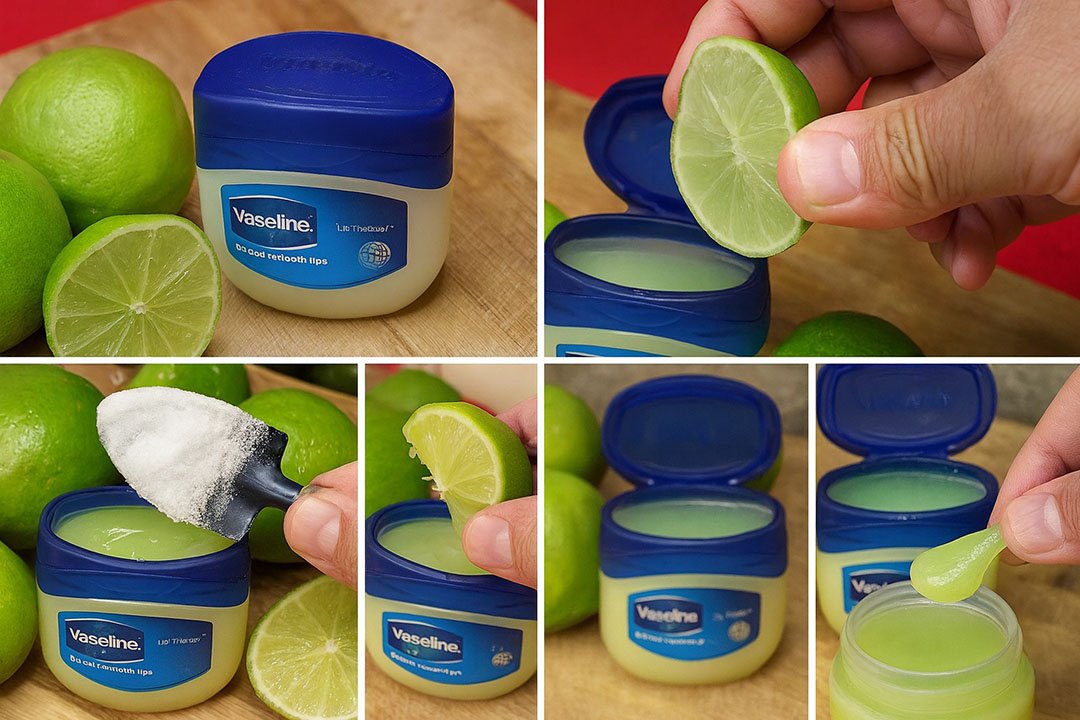
Imagine a remedy so simple that you likely already have it in your home. A homemade mixture capable of enhancing Read more

Unwanted Houseguest: The Fly The fly is arguably the most disliked insect on Earth, primarily due to its bothersome traits. Read more

When a Drawer Holds Much More Than Mere Odds and Ends Like many others, my initial reaction upon seeing these Read more

Mulberry trees are best known for their luscious summer berries, but their leaves possess an even greater potential as a Read more

Defrosting a freezer is often viewed as a lengthy and tedious task involving ice packs and patience being thoroughly tested. Read more

Cleavers (Galium aparine): The Herbal Remedy for Detox and Lymphatic Health Cleavers, also known as Galium aparine, is a humble Read more

Bathroom Mold: Causes and Solutions Ideal Environment for Mold Growth Bathroom surfaces are prime locations for mold growth. Moisture accumulates Read more

How to Detect Hidden Cameras in a Hotel Room? Hidden cameras can be disguised within seemingly harmless objects, including hotel Read more

A Vibrant Coat, More Than Just a Visual Trait Before delving into the nature of these cats, let us first Read more
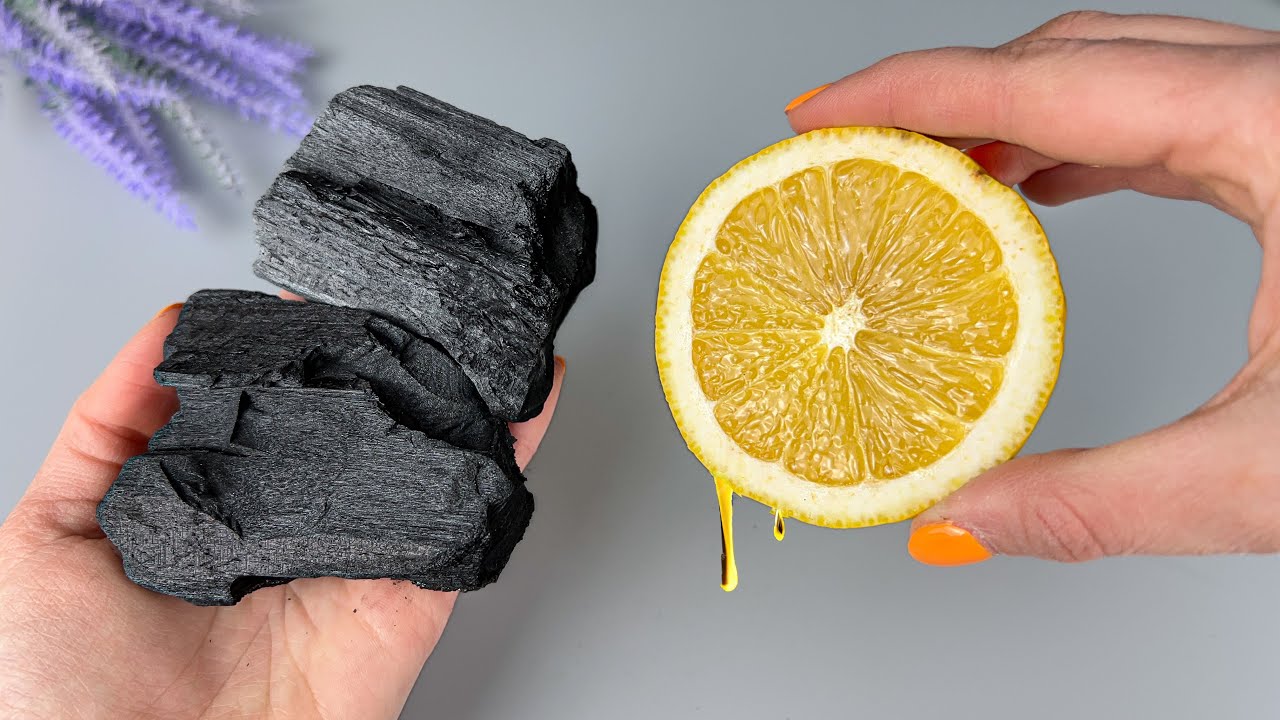
Combining lemon with charcoal may initially seem unusual, yet this potent duo unites the cleansing qualities of activated charcoal with Read more
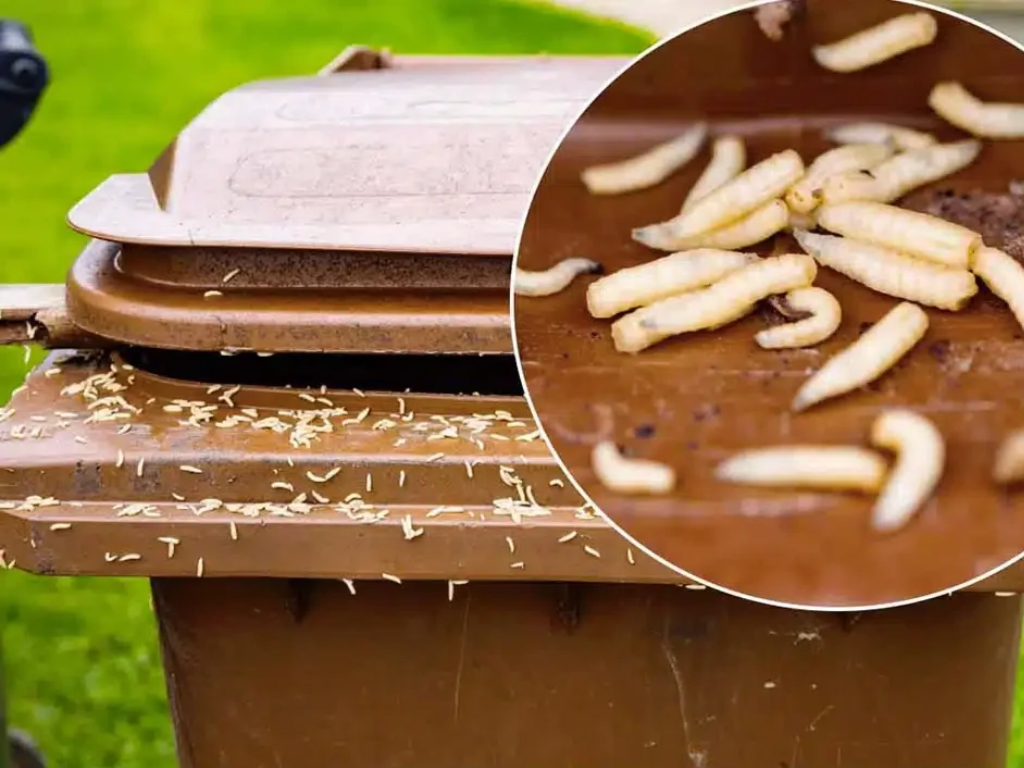
Effective Methods to Eliminate Maggots and Prevent Their Return Vinegar: An Essential Natural Repellent To quickly rid yourself of maggots, Read more

The Secondary Microphone: A Filter Against Noise Pollution Most modern smartphones incorporate multiple microphones, including a secondary one often hidden Read more

Horseweed (Erigeron canadensis): 20 Amazing Benefits and How to Use It Horseweed, also known as Erigeron canadensis or Canadian fleabane, Read more

The Benefits of Combining Eggs and Coffee: A Nutritious and Energizing Pair When it comes to starting your day right, Read more

The Hidden Power of Dog Rose (Rosa canina): 10 Surprising Health Benefits and How to Use It Nature has given Read more

Creating a fresh and inviting atmosphere in your kitchen doesn't require expensive air fresheners or synthetic scents. With just a Read more

Grease buildup on kitchen cabinets is a widespread issue that many homeowners encounter. Frequent cooking results in grease splatters that Read more

Purple Deadnettle (Lamium purpureum): Benefits, Uses & How to Make Tea Often overlooked or mistaken for an ordinary weed, Purple Read more

How to Detect Drafts Around Your Windows? Before making any adjustments, it is essential to confirm that your windows are Read more

These tiny parasites can send shivers down your spine just by mentioning them. Whether on your skin or that of Read more

Mimosa Pudica, commonly known as the “Sensitive Plant” or “Touch-Me-Not,” is famous for its unique reaction to touch—its leaves fold Read more

Diseases Transmitted by Ticks When we talk about ticks, Lyme disease immediately comes to mind, and for good reason. However, Read more

The Power of Hawthorn (Genus Crataegus): A Natural Ally for Heart and Cholesterol Health Hawthorn, belonging to the genus Crataegus, Read more

Sida acuta, also known as “common wireweed,” is a hardy plant often found in fields and roadsides. While it may Read more

An Unexpected Nutritional Treasure in Your Own Garden Amaranth, often referred to as the "wild spinach", far exceeds its role Read more

Using a power strip to plug in multiple devices is convenient, practical, and budget-friendly. However, this widespread practice carries significant Read more

The ingenuity of Swedish furniture design, particularly evident in the flat-pack phenomenon, has transformed how we furnish our homes with Read more

Garlic's Aromatic Enigma: Its Transformation When Burnt The unmistakable scent of garlic is well-known in kitchens worldwide. Esteemed for its Read more
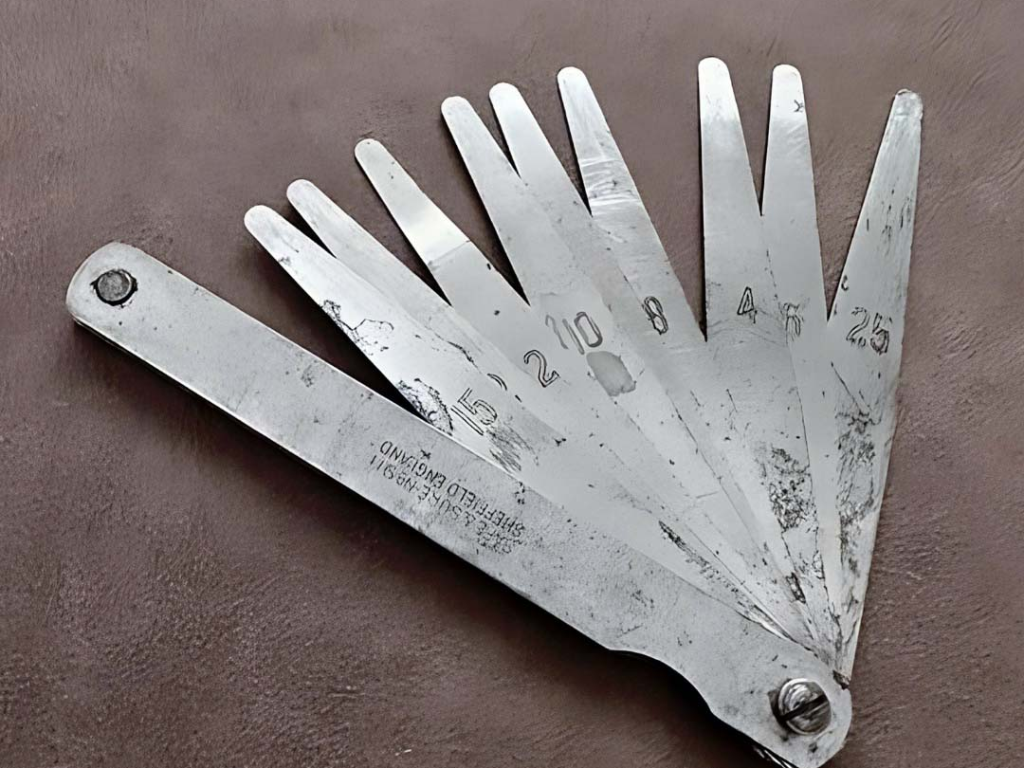
Why is the Thickness Gauge Still Essential? The thickness gauge is far more than just an accessory; it proves to Read more

Most of us believe we understand baking soda well. It rests quietly in a kitchen cupboard, freshens the refrigerator, rescues Read more

When you sink your teeth into a soft, caramel-sweet date, the last thing on your mind is usually the tough Read more

Baking soda and lemon peels are two household items often overlooked but incredibly powerful when combined. This natural duo can Read more

A Heartbreaking Message Lilo, a gentle and affectionate dog, was found wandering with a leash around her neck and a Read more

The Ultimate Healing Tonic: A Powerful Natural Drink for Swollen Feet, Diabetes & Poor Circulation Chronic swelling in the feet, Read more

Mullein (Verbascum thapsus), a tall, woolly plant often seen growing along roadsides and in open fields, has been treasured for Read more

Those Mysterious White Spheres at the Foot of the Bed: An Immediate Instinctive Reaction The initial sensation that grabs us Read more

The Disguise Test One morning, Mr. Delaunay put on worn-out clothes, covered himself in dust, and let his beard grow, Read more
