
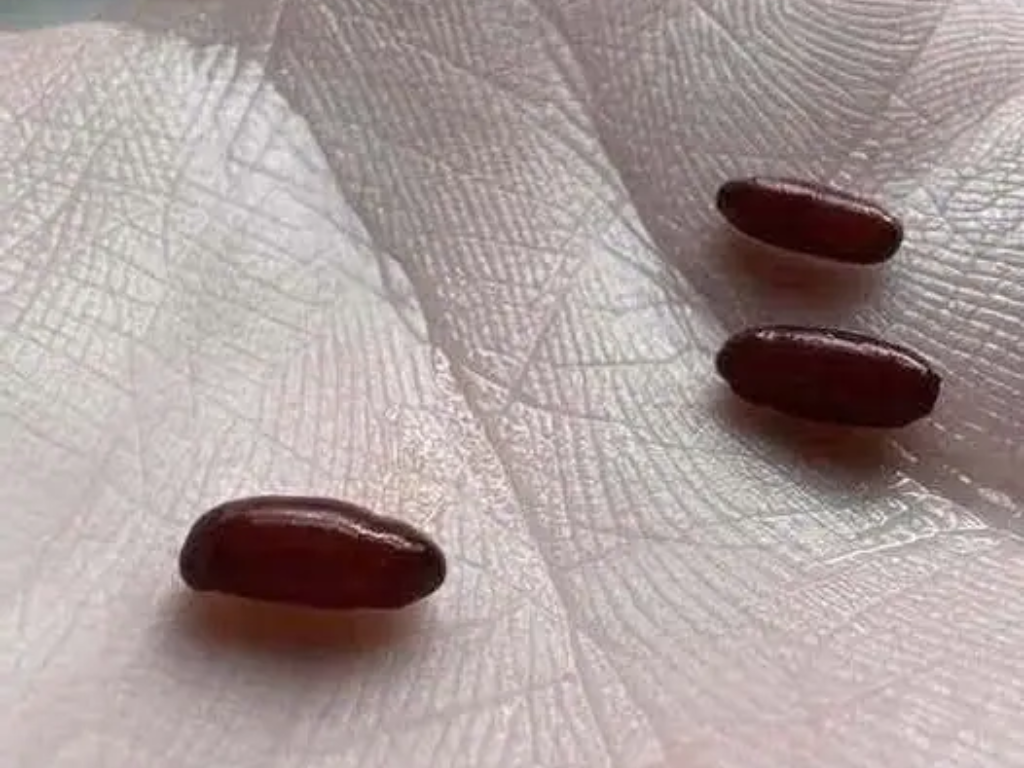
Diseases Transmitted by Ticks
When we talk about ticks, Lyme disease immediately comes to mind, and for good reason. However, these parasites are capable of carrying a variety of bacterial and parasitic infections, some of which require prompt and accurate medical attention.

Among the most common tick-borne illnesses in Europe and other regions are spotted fever, ehrlichiosis, anaplasmosis, and babesiosis. These complex-sounding diseases share symptoms that often overlap: sudden fever, headaches, extreme fatigue, muscle pain, and sometimes skin rashes. These signs should always be taken seriously, especially after spending time in natural environments. The essential rule is to consult a healthcare professional promptly if these symptoms appear within days following a tick bite.
Why Speed Matters
Time plays a critical role in managing infections transmitted by ticks. Early diagnosis greatly improves the effectiveness of treatment. Conversely, if care is delayed, the infection can worsen and lead to more serious complications.
This is why vigilance is key after every outdoor excursion. There is no need to panic, but carefully monitoring your health — and that of your children — during the 30 days following potential exposure can make all the difference in timely detection and treatment.
Simple Measures to Prevent Tick Bites
Fortunately, adopting a few basic habits can significantly reduce the risk of tick bites. Before heading out for a walk:
– Apply a suitable repellent to exposed skin areas. – Dress children in long, light-colored clothing to make ticks easier to spot. – Tuck socks inside shoes or tuck the bottoms of pants inside socks to prevent ticks from reaching the skin.
Upon returning, it is essential to carefully inspect the entire body: behind the ears, inside the knee folds, around the navel, and on the scalp. A quick shower can also help wash away any ticks that have not yet attached themselves.
How to Properly Remove a Tick
If despite all precautions a tick has attached itself, don’t worry. Here is the recommended method to remove it safely:
Use a tick removal tool, available at pharmacies, or a fine-tipped tweezers. Grasp the tick as close to the skin as possible without squeezing it, and pull it upward slowly and steadily without twisting. Then clean the area with an antiseptic. Keep the tick in a small sealed bag, as this may be helpful if symptoms develop later.
Avoid outdated methods such as applying ether or nail polish remover; these are ineffective and can be harmful.
By educating yourself properly, you are already halfway to protecting yourself.

Embroideries and Refined Details: Don't Throw Away Your Textile Treasures Some old towels hold true treasures: hand-embroidered initials, delicate lace, Read more

10 Secrets You Need to Know Before Eating Okra Okra, also known as “lady’s finger,” is a green, pod-shaped vegetable Read more

Clogged Shower Drain? Try Baking Soda! Experiencing a stagnant pool of water after a refreshing shower can be a mood Read more

When you sink your teeth into a soft, caramel-sweet date, the last thing on your mind is usually the tough Read more

How to Detect Hidden Cameras in a Hotel Room? Hidden cameras can be disguised within seemingly harmless objects, including hotel Read more

Most people discard avocado seeds without giving them a second thought, but this often-overlooked component of the fruit is actually Read more

Lina’s room remains untouched by time, as if she had just left yesterday: colored pencils scattered across the desk, an Read more
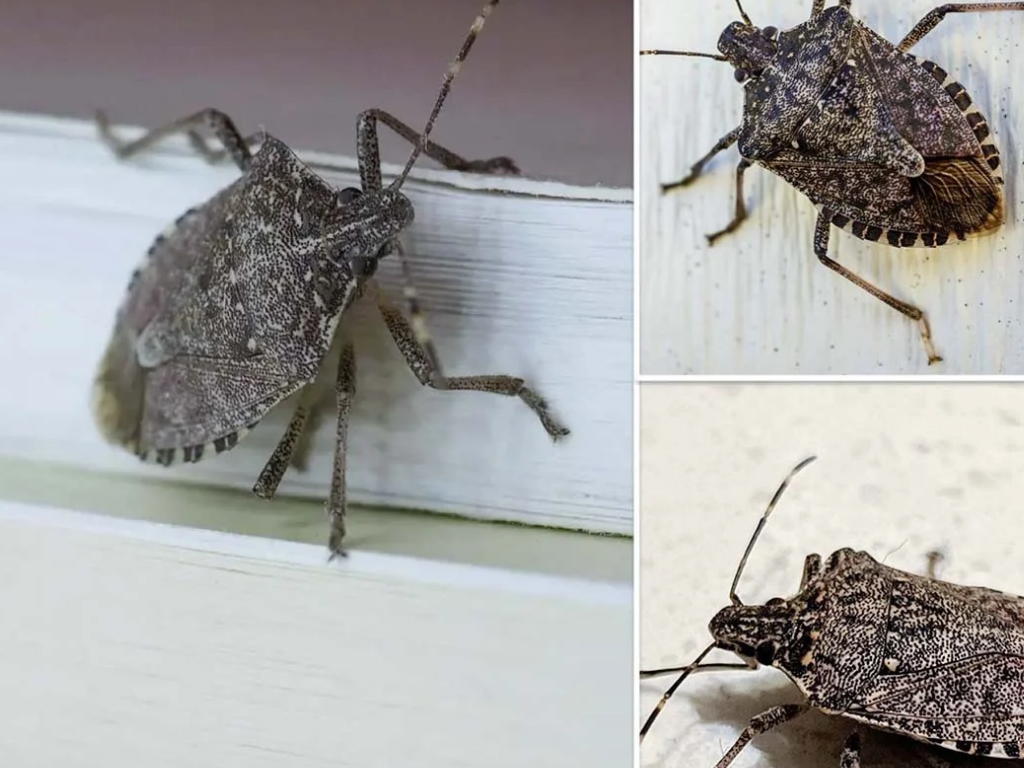
The Brown Marmorated Stink Bugs: A Nuisance Difficult to Ignore Originating from Asia, these insects have found a favorable environment Read more

Every winter, countless orange peels end up in the trash. But what if you could transform these fragrant scraps into Read more

That evening, as Thomas crossed the threshold of his expansive home, he never expected to experience a moment of tenderness Read more
Rosemary is a herb renowned not only for its fragrant aroma in cooking but also for its extensive health advantages, Read more
Rosemary, scientifically identified as Rosmarinus officinalis, is widely recognized not only for its role in cooking but also for its Read more
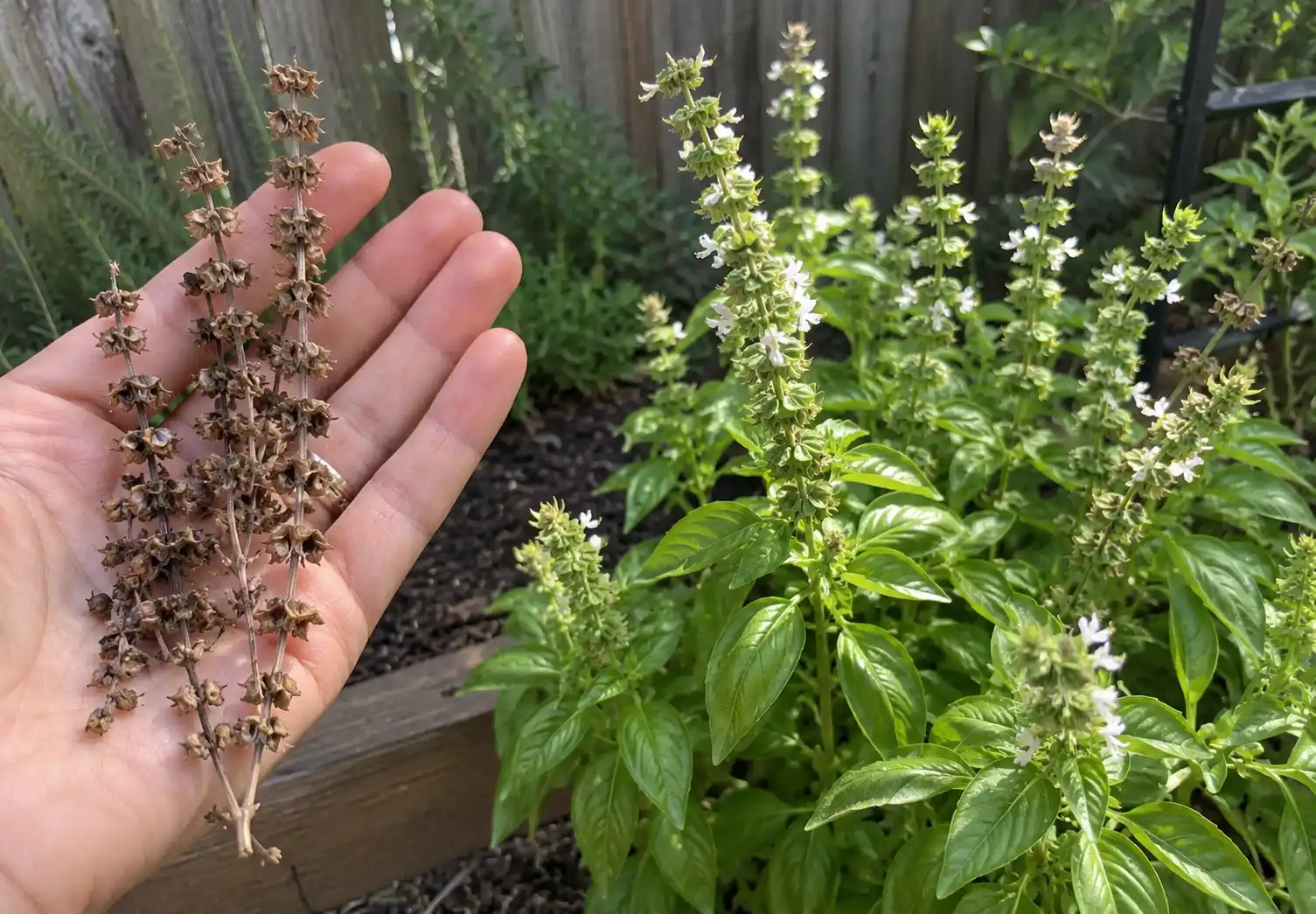
Basil seeds, often referred to as sabja or tukmaria, come from sweet basil. Though tiny, they hold an exceptional nutritional Read more

One day, almost by chance, he pushed open the doors of an orphanage. It was there that he met Emma. Read more
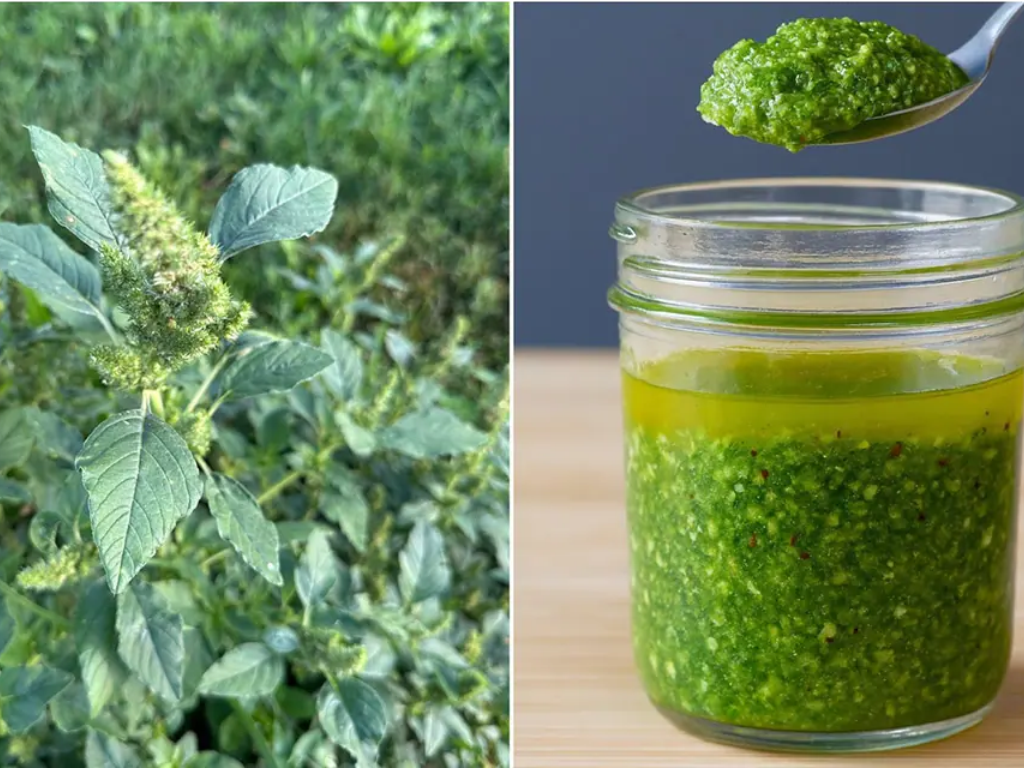
An Unexpected Nutritional Treasure in Your Own Garden Amaranth, often referred to as the "wild spinach", far exceeds its role Read more
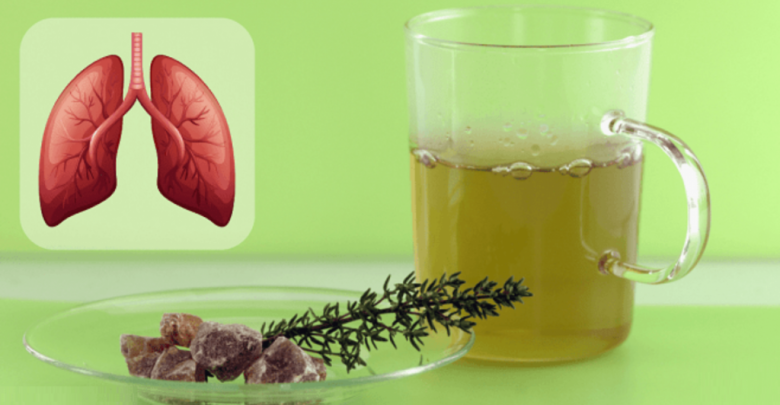
Thyme is known by some as the "enemy of toxins," a reputation that dates back to stories from ancient Greece. Read more

Mullein (Verbascum thapsus), a tall, woolly plant often seen growing along roadsides and in open fields, has been treasured for Read more

Why It's Crucial to Clean Your Oven and How to Do It Naturally The Importance of Cleaning Your Oven The Read more
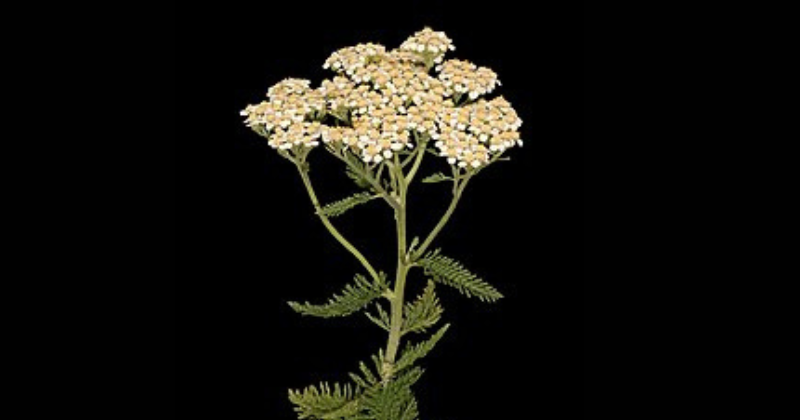
Throughout our journey in history, the bond between humanity and nature has been inseparable, providing not only sustenance but also Read more

Sweet Violet (Viola odorata): 25 Incredible Benefits & How to Use It Sweet violet (Viola odorata), also known as wood Read more

Mimosa Pudica, commonly known as the “Sensitive Plant” or “Touch-Me-Not,” is famous for its unique reaction to touch—its leaves fold Read more
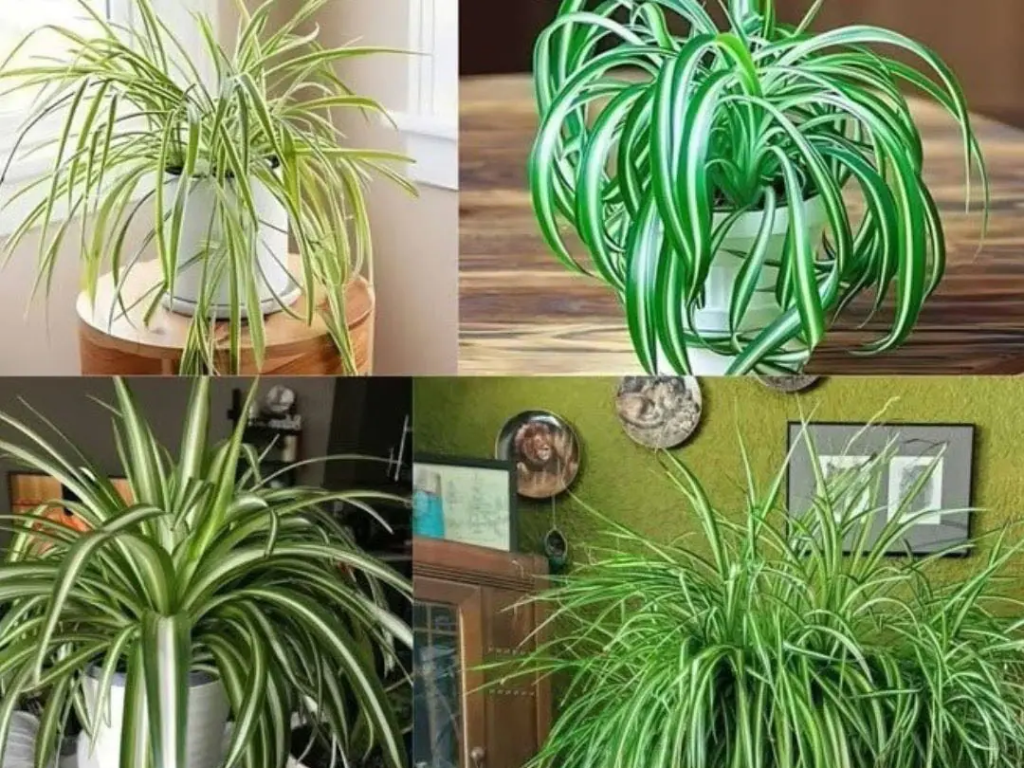
A Natural Ally for a Healthier and More Pleasant Home We admire the spider plant for its delicate and soothing Read more

Cultivating veggies and herbs indoors is more than just a productive task; it's a delightful and aesthetic journey. The magic Read more

Why Traditional Household Cleaners Aren't Enough Often praised for their effectiveness, commercial cleaning products don't always succeed in removing stubborn Read more

A Fundamental Innovation in the World of Commerce At the dawn of the twentieth century, merchants faced a recurring challenge: Read more

The Benefits of Combining Eggs and Coffee: A Nutritious and Energizing Pair When it comes to starting your day right, Read more
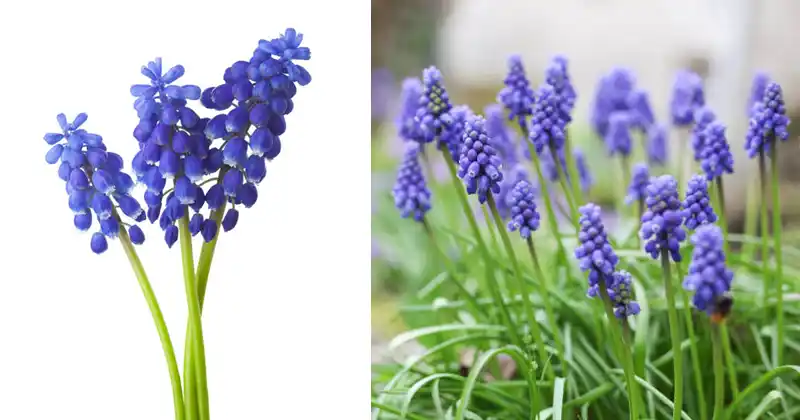
Grape Hyacinth (Muscari): A Beautiful Flower You Can Eat – But Only If You Know Which One The grape hyacinth, Read more
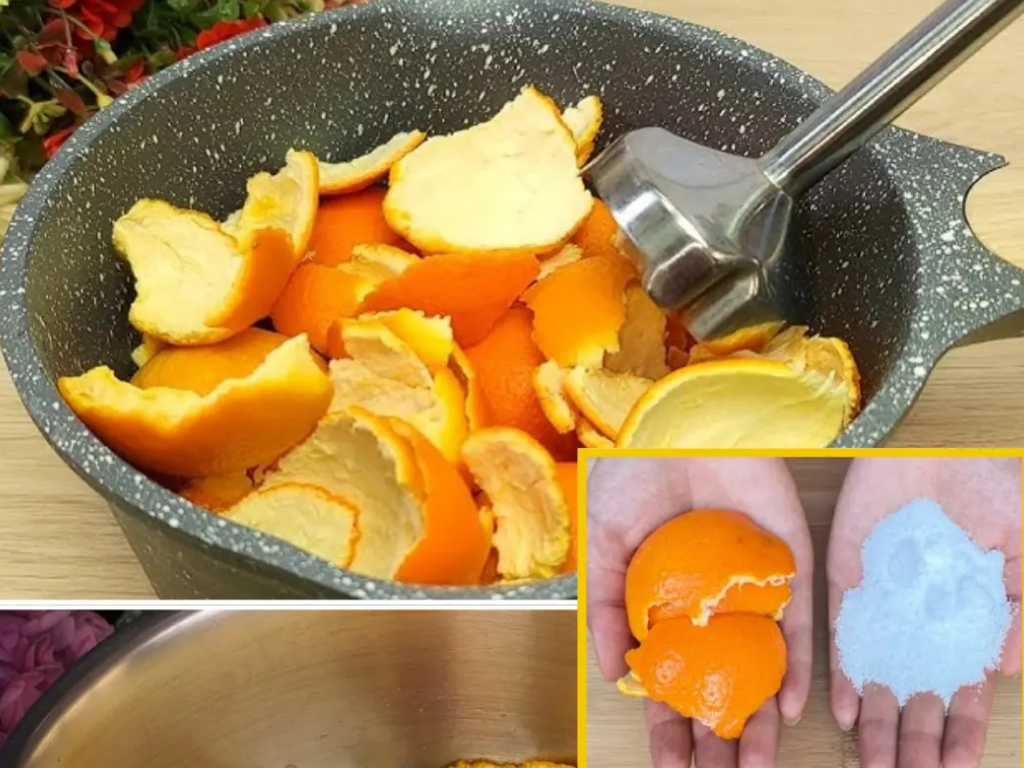
A True Natural Concentrate of Vitality Orange peel is naturally packed with beneficial components widely recognized for their role in Read more
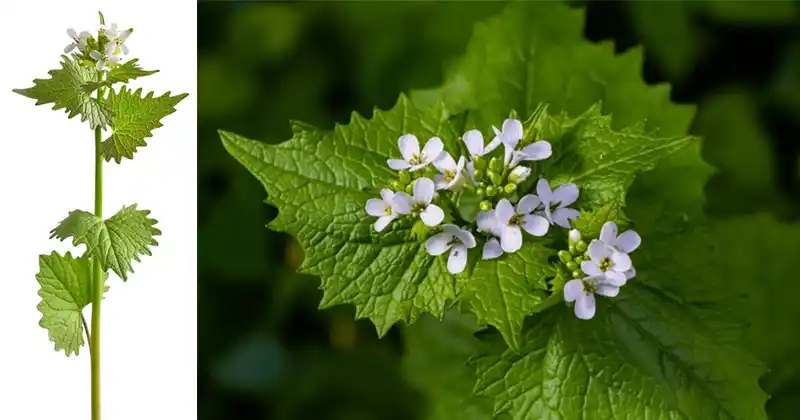
Garlic Mustard (Alliaria petiolata): 20 Surprising Benefits and Homemade Uses Garlic mustard (Alliaria petiolata) is often dismissed as a stubborn Read more
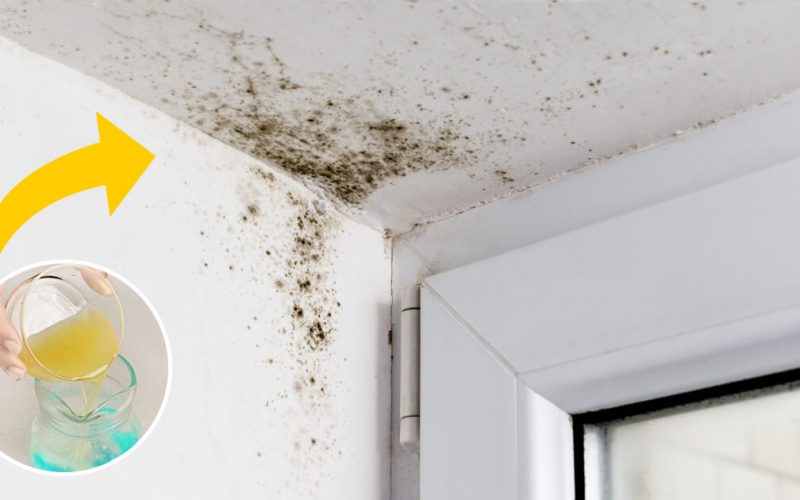
Often, due to poor ventilation or certain climatic conditions, dreaded mold can develop on the walls of our homes. In Read more

How to Reuse Soap Scraps: Ingenious Ideas Soap bars, after several uses, become tiny and almost unusable. Many of us Read more

Horseweed (Erigeron canadensis): 20 Amazing Benefits and How to Use It Horseweed, also known as Erigeron canadensis or Canadian fleabane, Read more

Avocados are celebrated for their creamy texture, rich flavor, and numerous health benefits. While typically enjoyed raw, grilling avocados introduces Read more

Grease buildup on kitchen cabinets is a widespread issue that many homeowners encounter. Frequent cooking results in grease splatters that Read more

A Vibrant Coat, More Than Just a Visual Trait Before delving into the nature of these cats, let us first Read more

A Puzzle Deceptive in Its Simplicity When mentioning "2 mothers," "2 daughters," "1 grandmother," and "1 granddaughter," the immediate image Read more

It might sound unusual, but an increasing number of homeowners have tried placing aluminum foil inside their toilet tanks. This Read more

The Importance of Curtain Cleaning in Your Home Generally, when cleaning the house, after dusting the furniture, one often overlooks Read more

Uncovering the Hidden Mysteries in Everyday Objects Why do certain objects evoke such surprise and curiosity? Whether it’s opening an Read more
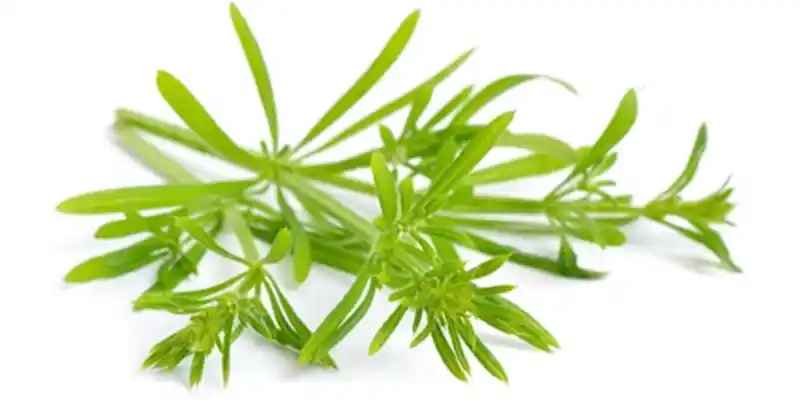
Cleavers (Galium aparine): The Herbal Remedy for Detox and Lymphatic Health Cleavers, also known as Galium aparine, is a humble Read more
