
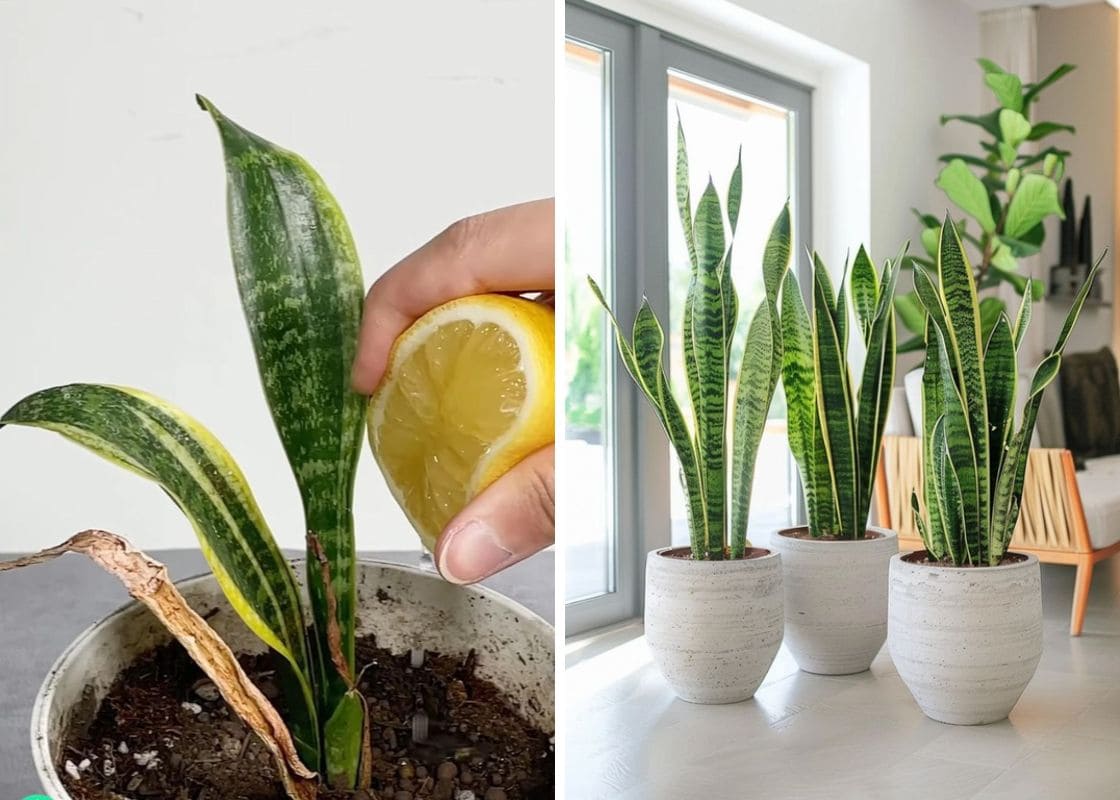
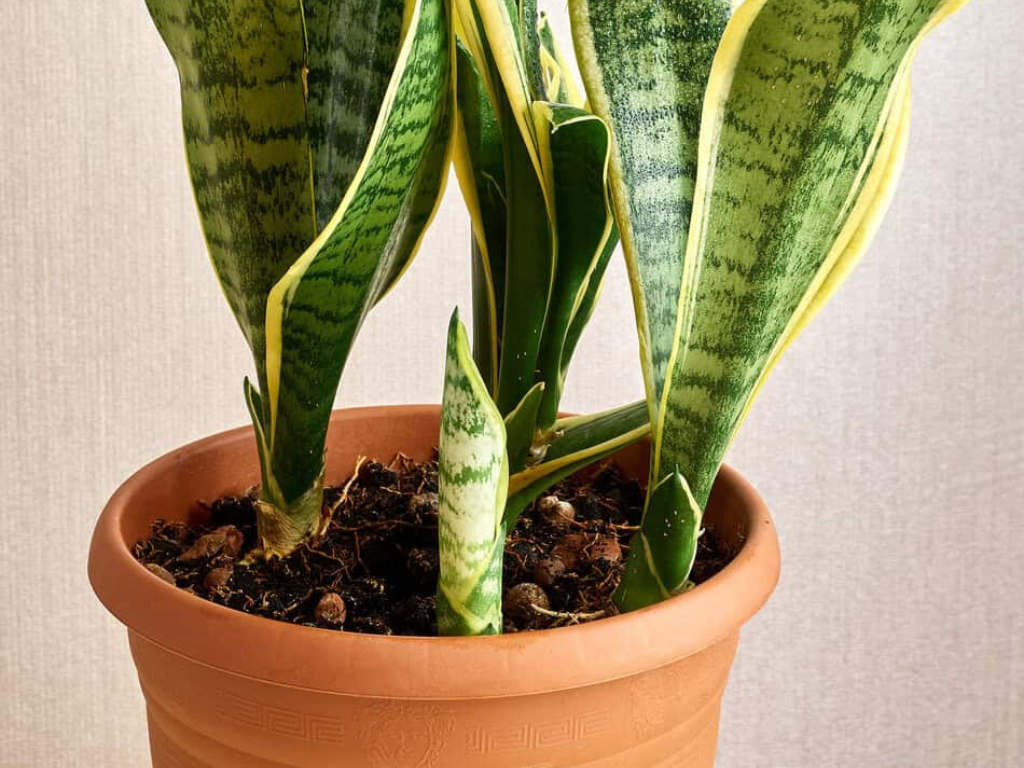
Snake plants are renowned for their resilience, often considered nearly indestructible. They can withstand missed waterings, low light conditions, and the unpredictable challenges of everyday life far better than most houseplants. However, even these hardy plants can encounter minor issues as time goes on, and surprisingly, lemon juice can sometimes serve as an effective helper in these situations.
When used appropriately, a small amount of lemon juice can refresh a snake plant, promote healthier soil conditions, and assist with several common problems. However, if used incorrectly, it can cause more harm than benefit. This article explores what lemon juice actually does for snake plants, why many turn to it, and how to apply it safely without causing your plant undue stress.
Why Lemon Juice Can Help Snake Plants
It Can Nudge Soil pH Back Into Balance
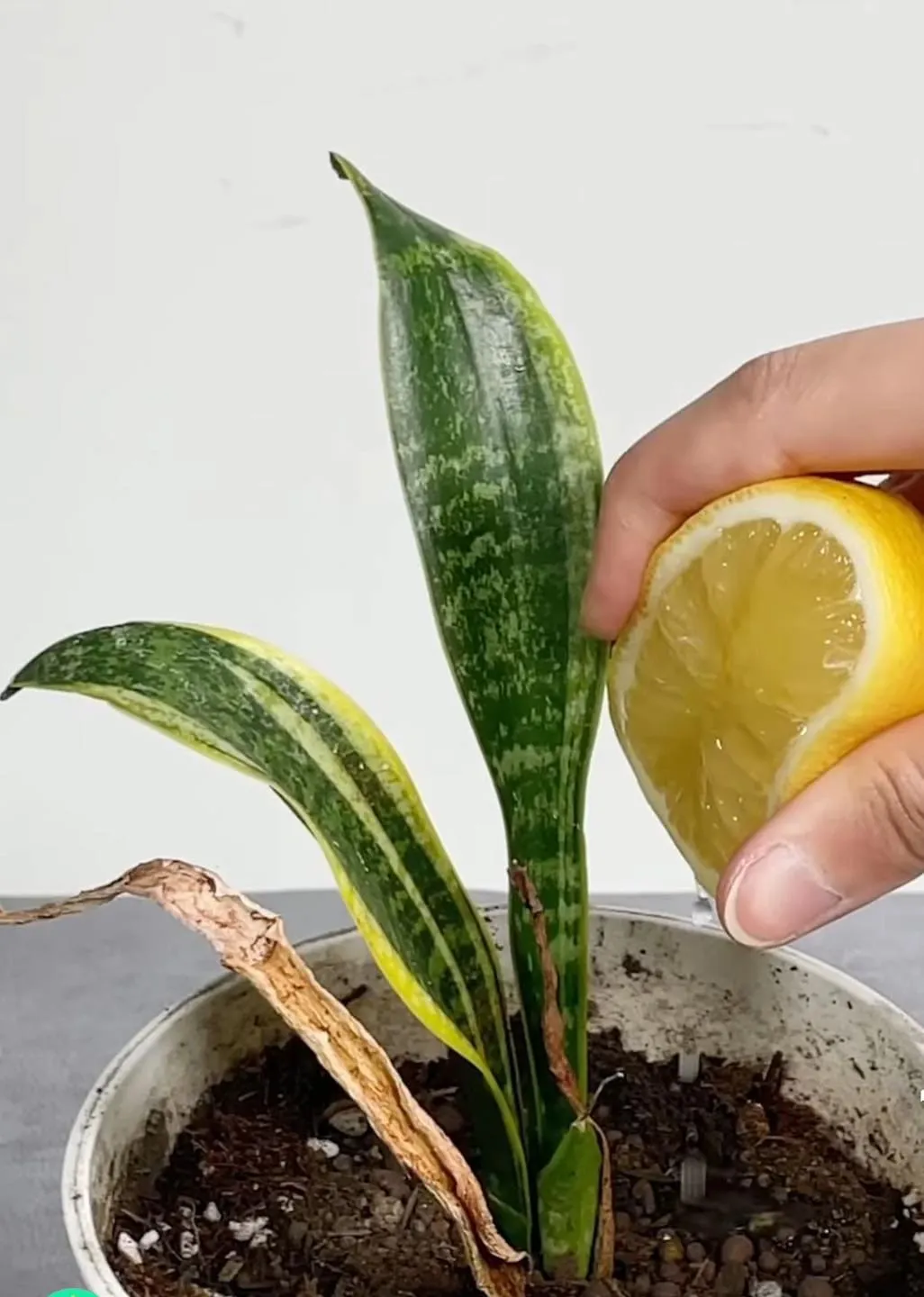
Snake plants thrive best in soil that is slightly acidic to neutral. If you frequently water your plant using alkaline tap water, the soil’s pH can gradually rise. This increase in alkalinity makes it harder for the roots to absorb essential nutrients, leading to stalled growth or a less vibrant appearance.
Adding just a few drops of lemon juice into your watering routine introduces a mild acidity, which can gently bring the soil’s pH back into the ideal range preferred by snake plants. Think of this as a subtle correction, not a treatment meant for frequent or continuous use.
A Mild, Natural Pest Discourager

Although snake plants are tough, they can still attract pests such as mealybugs, fungus gnats, or spider mites. Diluted lemon juice has slight antifungal and antibacterial effects, and its natural acidity can make leaves and soil surfaces less hospitable to these small pests.
While lemon juice won’t replace comprehensive pest control during severe infestations, it can provide some added protection when pest issues are minor and manageable.
It Helps Clean Dusty, Dull Leaves
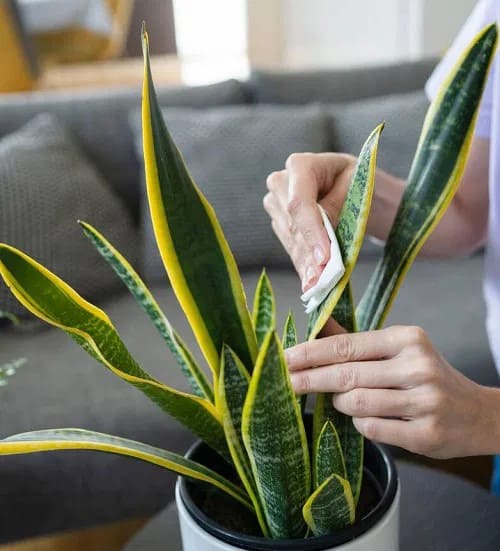
Snake plants are characterized by their tall, upright leaves, which tend to attract and hold dust. A coating of dust blocks sunlight, dulls the leaves’ natural gloss, and impedes the leaves’ ability to “breathe.”
Using a soft cloth dipped in diluted lemon water to gently wipe the leaves can help lift grime and dissolve persistent water spots. This process refreshes the foliage, leaving it looking brighter and more vibrant.
It Can Reduce Mold or Mineral Crust
If you notice a white mineral crust or small patches of mold forming on the soil surface due to excessive dampness, rinsing with a weak lemon-water solution may offer relief. The acidity in lemon juice helps break down salt buildup and discourages fungal growth without resorting to harsh chemical treatments.
How to Use Lemon Juice Without Hurting Your Plant
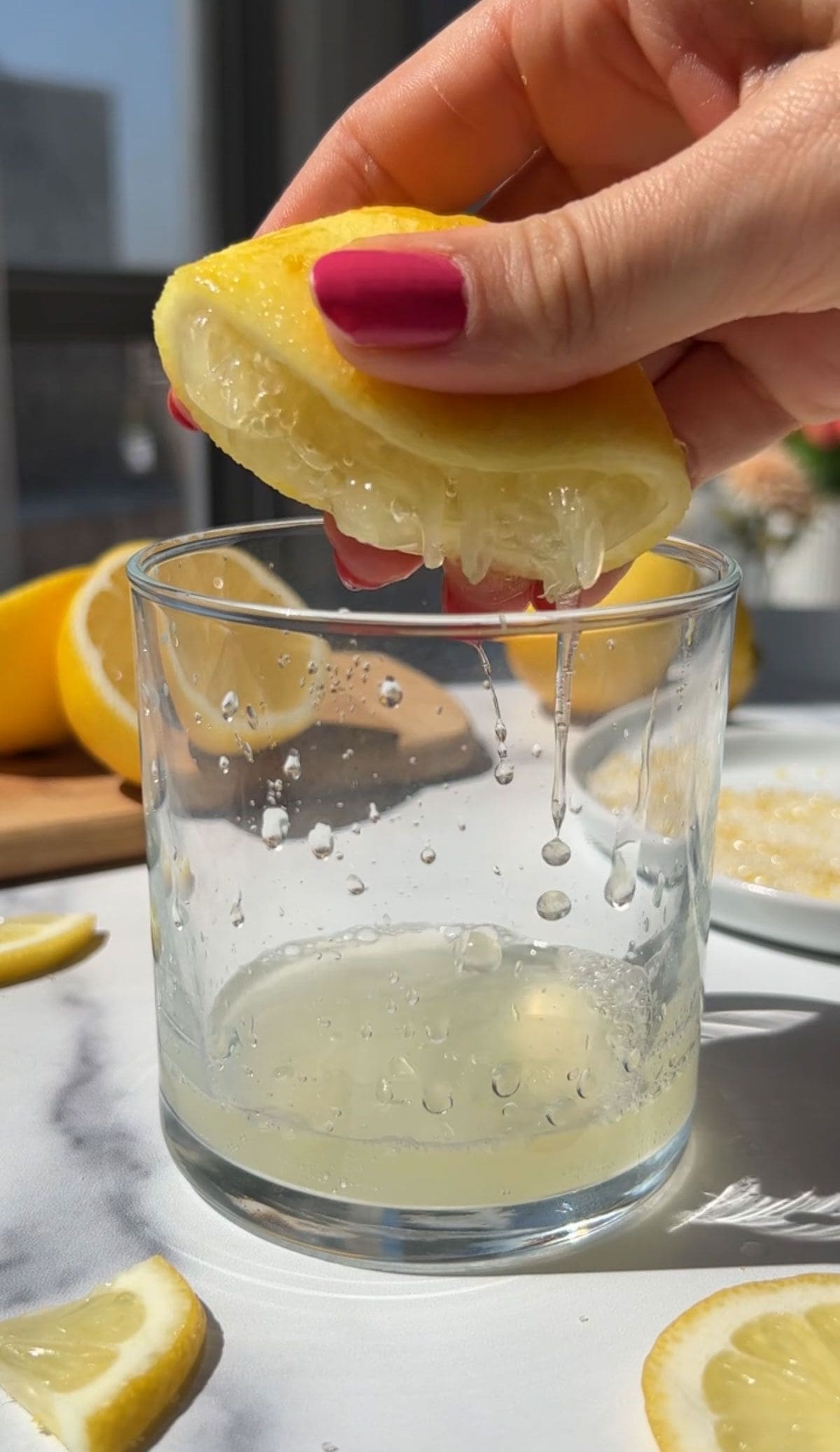
The fundamental rule for using lemon juice on snake plants is straightforward: always dilute the lemon juice before applying it. Pure lemon juice is too acidic and can seriously damage your plant’s roots or leaves.
Mix 2–3 drops of lemon juice into approximately 1 liter (1 quart) of water.
For the soil: Use this diluted mixture to water your snake plant only once every month or two. This is a gentle adjustment to the soil’s acidity, not a replacement for your regular watering routine.
For the leaves: Dip a soft cloth into the lemon-water solution, wring it out thoroughly, and carefully wipe each leaf. Avoid spraying lemon juice directly on the plant, especially in bright light, because the combination of lemon residue and sun exposure can cause leaf spotting or damage.
Treat lemon juice as a mild refresher—not as a substitute for fertilizer or other plant care essentials.
What Not to Do

The most common error is overuse. Applying too much lemon juice can lower the soil pH excessively, creating stress for snake plants rather than alleviating it.
Additionally, do not depend on lemon juice to control severe pest infestations. It may help deter minor issues, but it is not potent enough to manage serious outbreaks on its own.
Never pour undiluted lemon juice directly onto the soil or leaves, as this will quickly cause root burns and leaf damage.
A Gentle Boost, Not a Miracle Fix
Lemon juice is not a cure-all—it is a subtle and gentle tool in the care of your snake plant. When used sparingly and correctly, it can brighten your plant’s leaves, support balanced soil conditions, and help discourage mild pest problems.
Your snake plant can thrive perfectly well without lemon juice care, so consider it an optional enhancement rather than a necessity. If you choose to experiment, keep the lemon juice mixture mild, use it infrequently, and observe your plant’s response carefully to ensure it benefits rather than suffers.
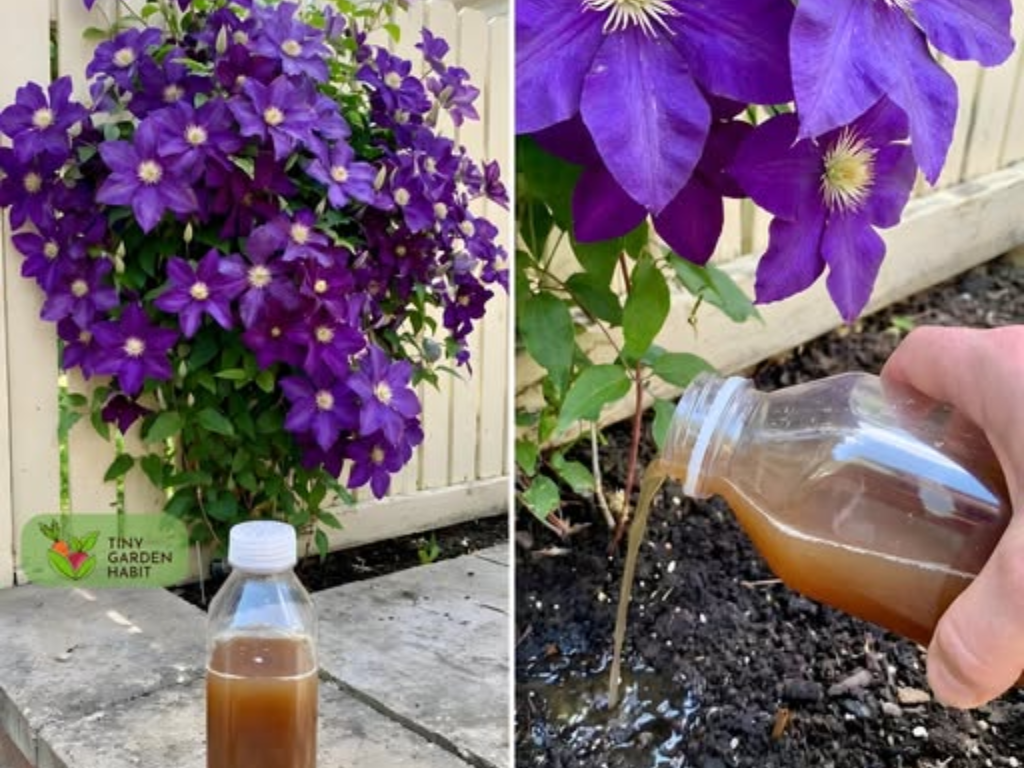
Clematis plants are fundamentally simple organisms, almost mechanical in nature, driven by basic principles of plant hydraulics and a kind Read more

Different perspectives exist on various aspects of nature, and this holds true for the dandelion, often dismissed as a mere Read more

Orchids, with a staggering 28,000 unique species, beautifully demonstrate nature's rich tapestry of diversity. Originating from the Orchidaceae lineage, these Read more

Understanding Fertilizers for Plants Fertilizer is a product that can be spread or mixed into the soil to provide plants Read more
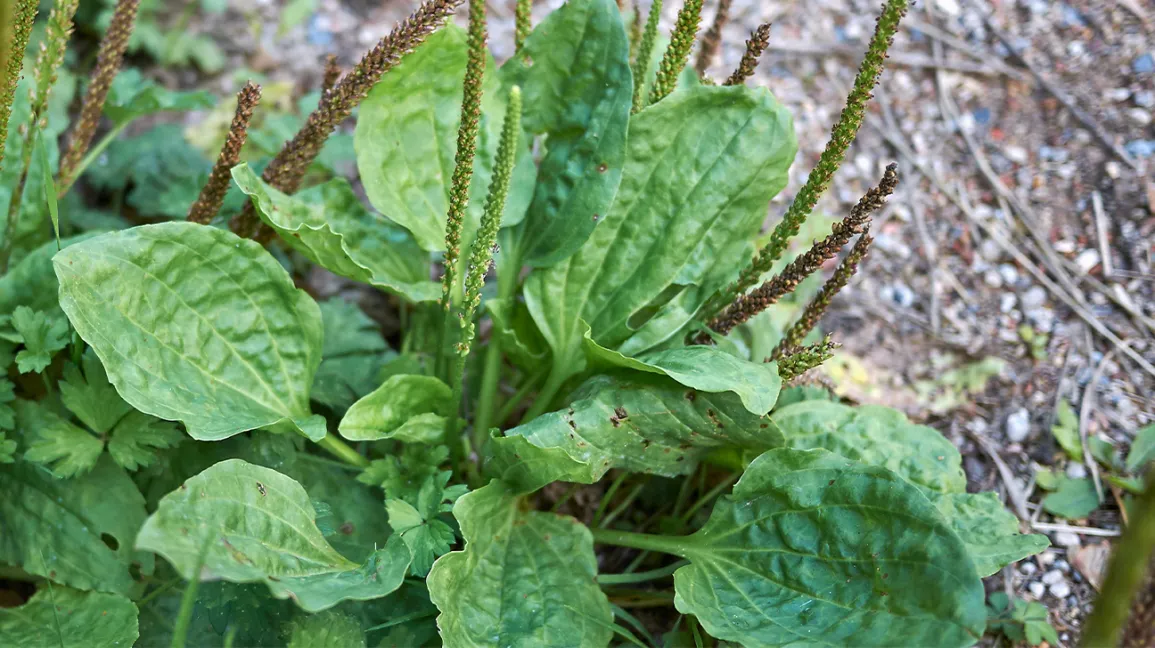
Nature provides us with countless remedies in the form of wild medicinal plants, surrounding us everywhere we go. These healing Read more

In the culinary world, garlic is a staple ingredient that is hard to do without. Cultivating it benefits many plants Read more
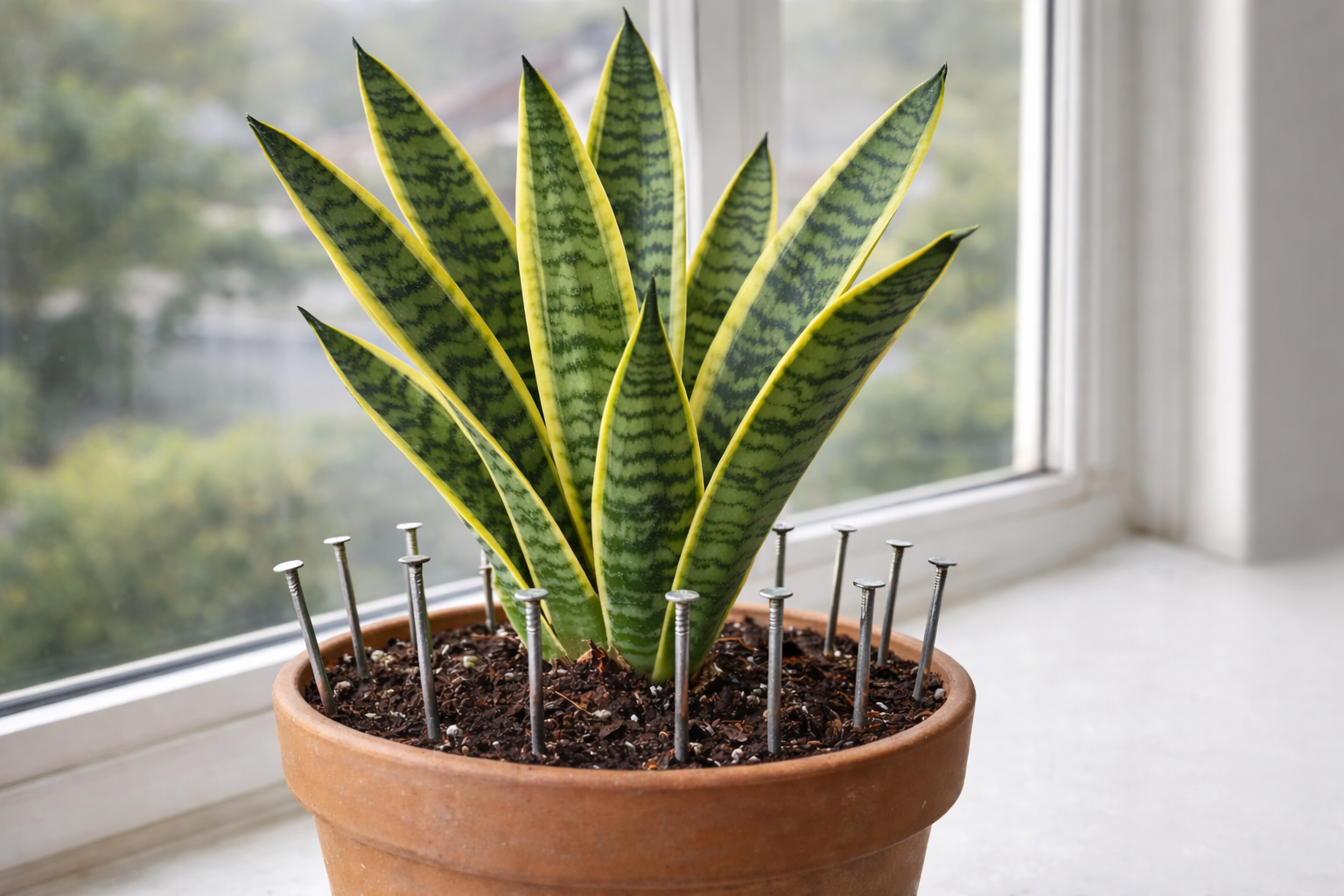
You carefully plan your getaway, pack your bags, double-check your tickets… and just as you are about to close the Read more

Gardening: The Harmony of Craft and Nature Gardening brings out a dance between human creativity and the wonders of nature. Read more
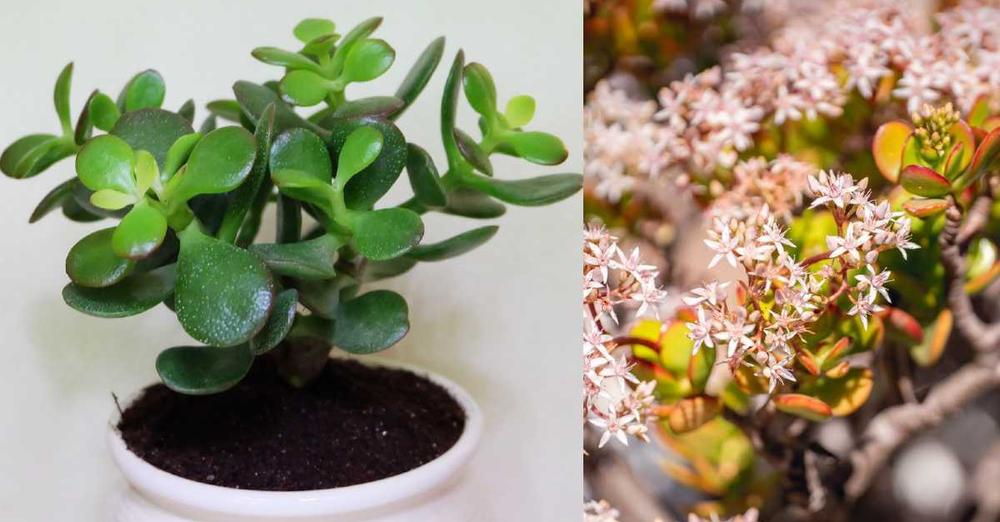
The jade plant boasts stunning foliage, making it an excellent choice for enhancing both garden landscapes and indoor environments. Beyond Read more

Mastering Chilli Cultivation in Diverse Climates: A Detailed Guide It may seem unlikely, but growing chillies across different climates is Read more
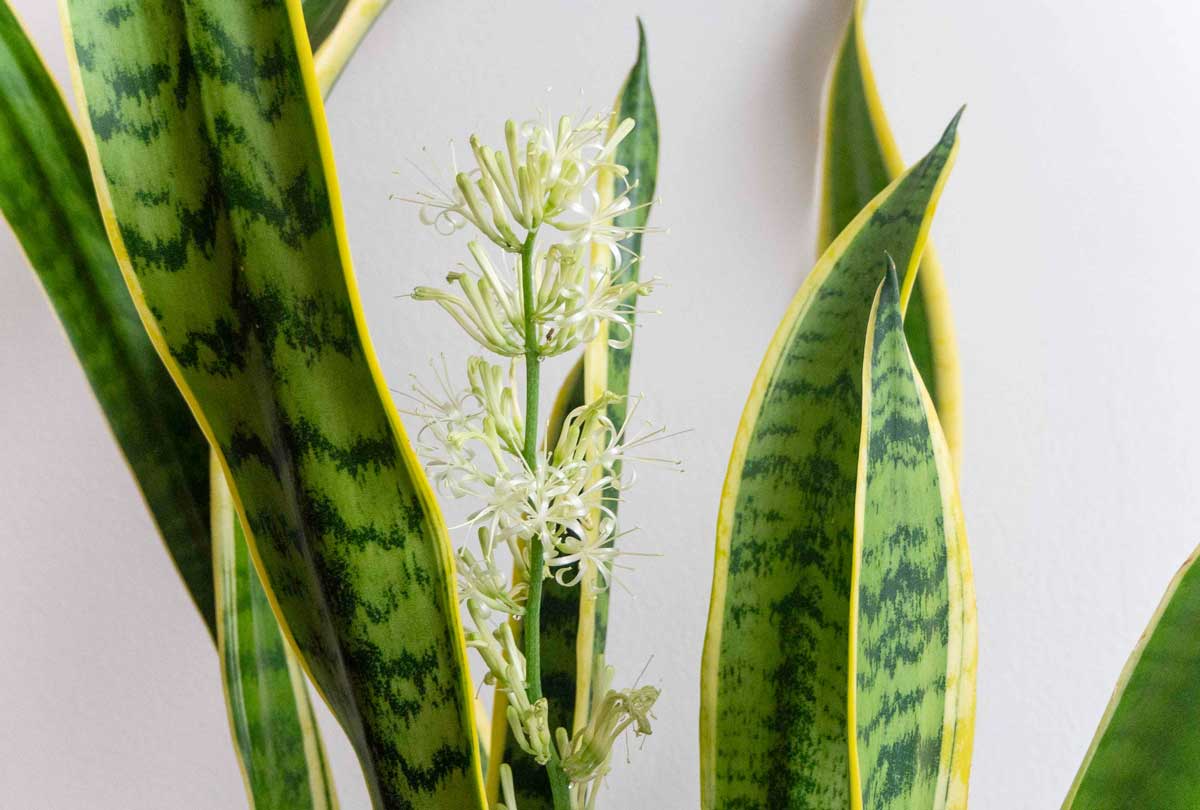
Snake plants, scientifically known as Dracaena trifasciata and previously classified as Sansevieria, are favored houseplants admired for their resilience and Read more

Lavender, a charming addition to any garden, is known for its enchanting aroma and vibrant purple hues. This plant comes Read more

Tea, the staple of morning routines and afternoon breaks, may have a second life beyond the cup that's often ignored. Read more
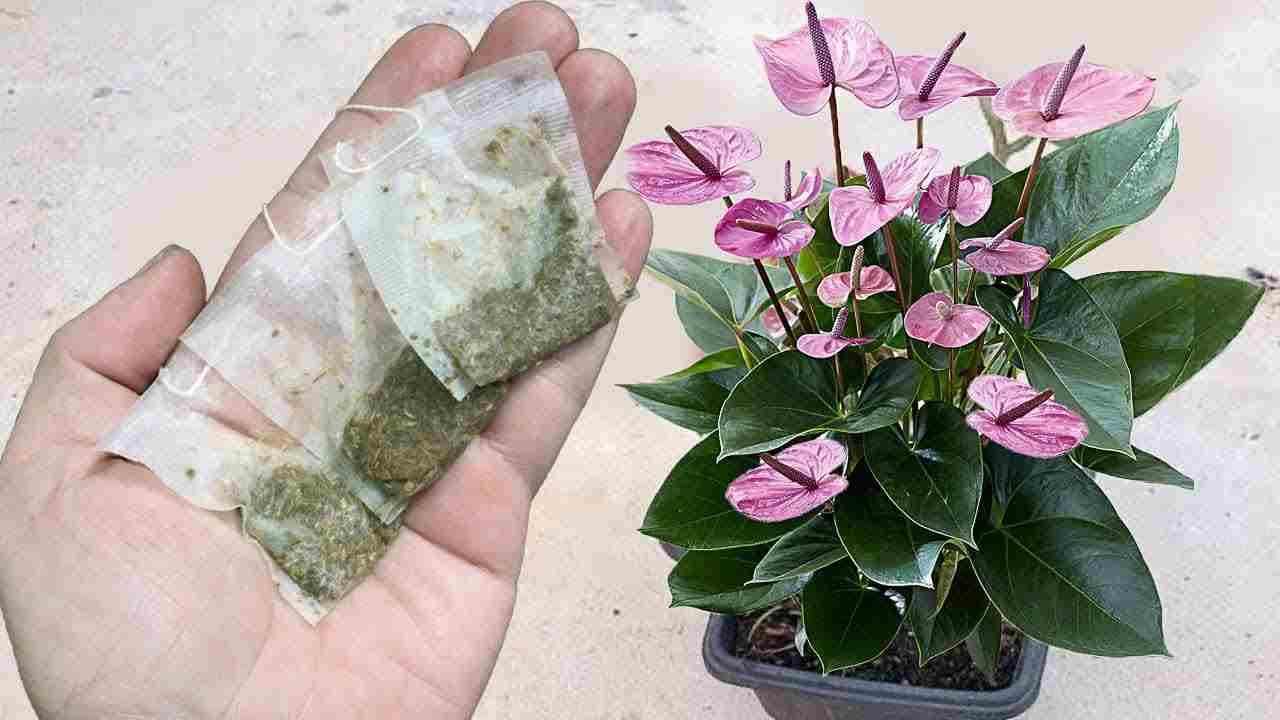
The ancient custom of drinking tea has been cherished by cultures around the world for centuries. Yet, surprisingly few people Read more
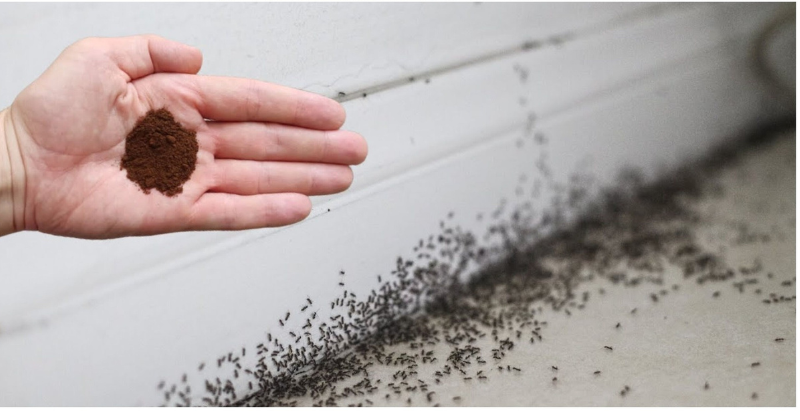
Quick Victory: The Ultimate Homemade Insecticide to Say Goodbye to Ants Have you ever encountered an invading army of ants Read more
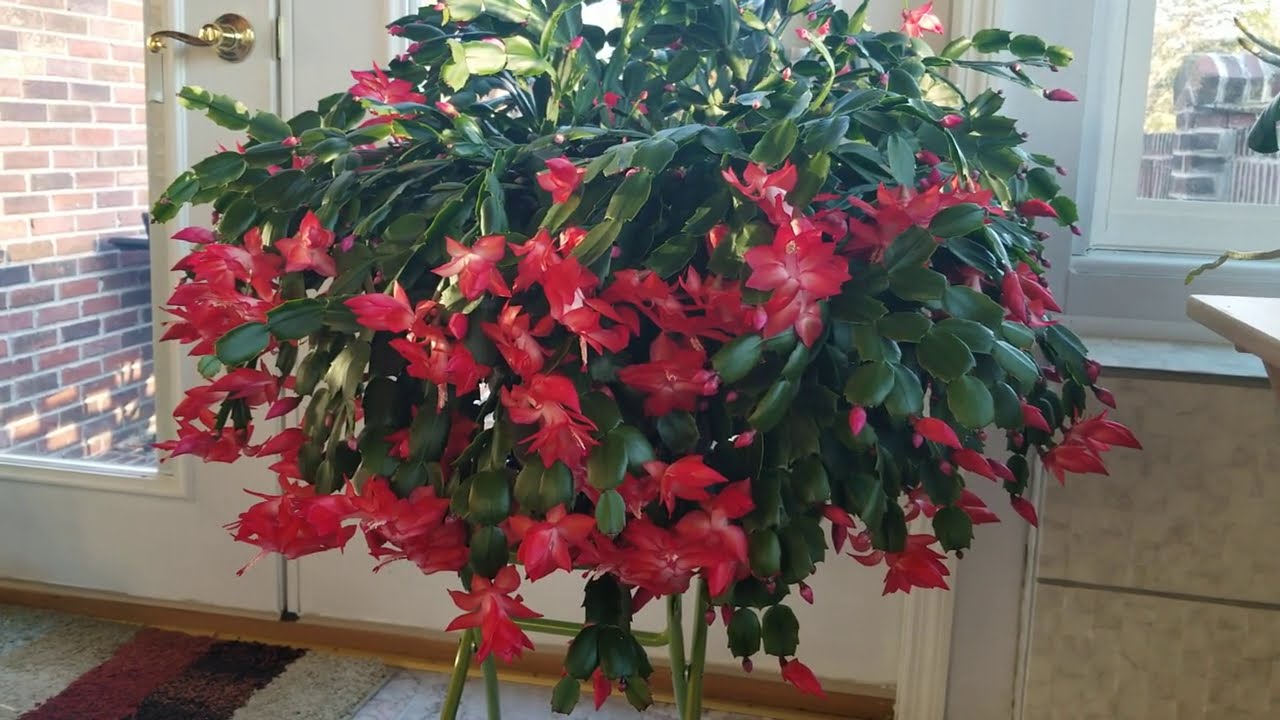
Christmas cacti don’t adhere to the typical “feed once a month and forget it” approach that many houseplants follow. Because Read more
Growing new plants from root cuttings is like discovering a true shortcut in gardening. A single healthy parent plant can Read more
Gardeners constantly explore simple and inventive ways to enhance the health of their plants. One unconventional technique that has sparked Read more

Get a Head Start on Your Garden: Indoor Sowing for Colder Climates There's no need to wait for spring's embrace Read more

Insect-Repelling Greenery: Your Natural Home Defense Transform your home into a sanctuary free from the annoyance of insects such as Read more

The Curious Case of Tomato Slices: A Journey from Kitchen Scrap to Sprout As someone always game for a gardening Read more
If your Christmas cactus has stayed healthy throughout the year but produced only a few flowers last winter, October might Read more

Navigating Aloe Vera Care: Bypassing Usual Oversights Aloe vera, celebrated for its therapeutic properties and eye-catching demeanor, is occasionally compromised Read more
Orchids, admired for their exotic beauty and vast variety, demand specific care to flourish. While many growers rely on commercial Read more

Using Baking Soda for Plant Care To care for your plants or your vegetable garden, have you considered the DIY Read more

Turmeric is a staple ingredient in Asian cuisine. This vibrant yellow spice, often used to flavor curries and stews, is Read more

Orchids are renowned for their stunning blooms and are a favorite among indoor plant enthusiasts. However, getting these temperamental beauties Read more

Using White Vinegar for Garden Maintenance Gardening is never an easy task. Planting, weeding, and watering plants and flowers require Read more
Snake plants (Dracaena trifasciata, formerly known as Sansevieria trifasciata) are renowned for their remarkable resilience. No matter if they receive Read more
Indoor Plants and Their Benefits Indoor plants not only enhance the decor but also bring a touch of lush greenery. Read more
Self-Seeding Flowers: Effortless Beauty That Returns Every Year When I first fell in love with gardening, my mother came to Read more
Sleep is a vital component of our overall health, serving as the foundation for a productive and energized day. Yet, Read more

Cultivating an Avocado Plant Indoors: A Step-by-Step Guide Nurturing an avocado seed into a blossoming plant within the confines of Read more
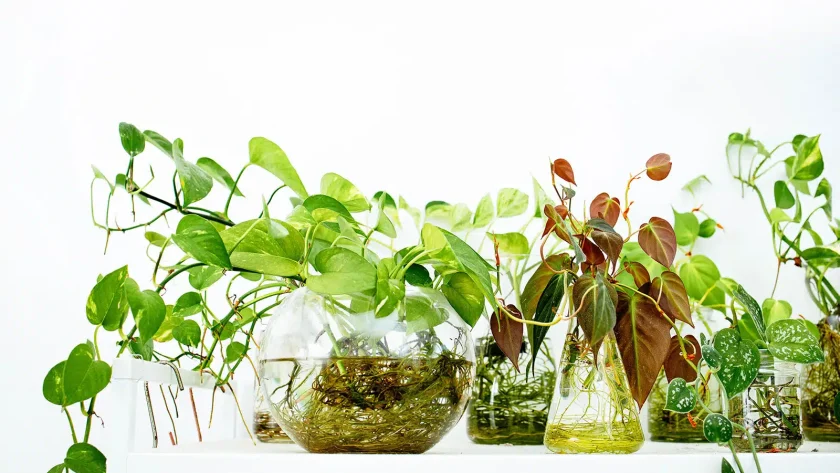
Searching for a distinctive method to incorporate some foliage into your home or workplace? Try cultivating plants hydroponically! Not only Read more
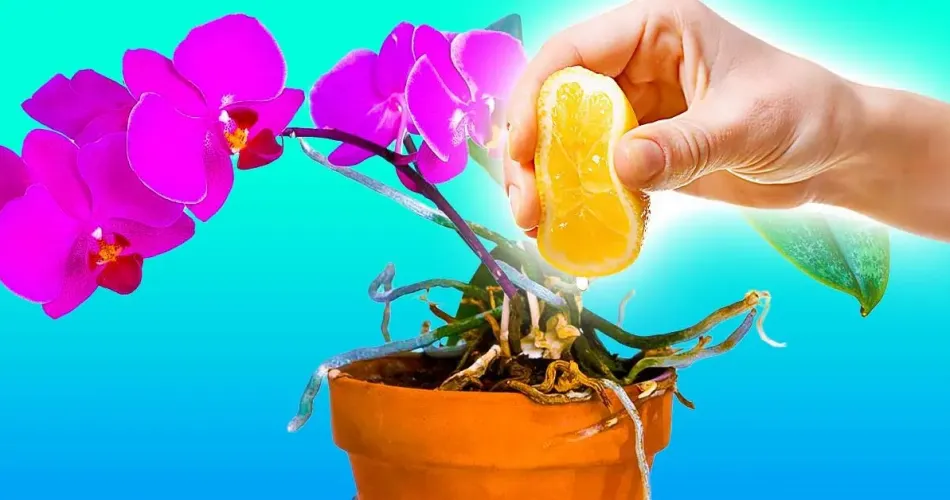
Orchids, with over 28,000 unique species, provide a fascinating insight into the immense diversity found in nature. Originating from the Read more
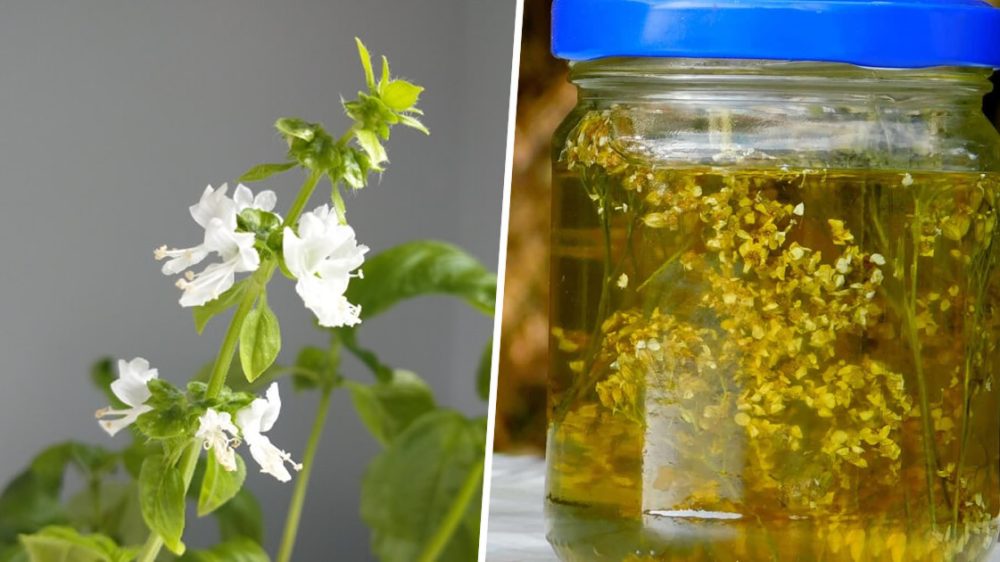
Basil, a cherished herb celebrated in culinary traditions around the globe, is best known for its fragrant leaves. Yet, its Read more

How to Reuse Barbecue Ashes After enjoying a barbecue outdoors on a sunny day, the tendency is often to discard Read more
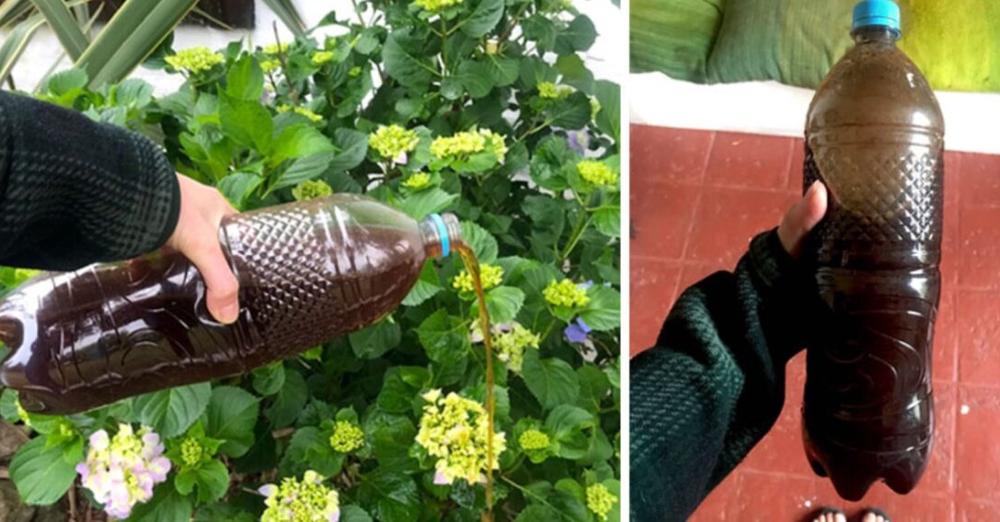
As sustainability and eco-consciousness continue to rise in importance in our daily lives, discovering alternative methods to fertilize our gardens Read more
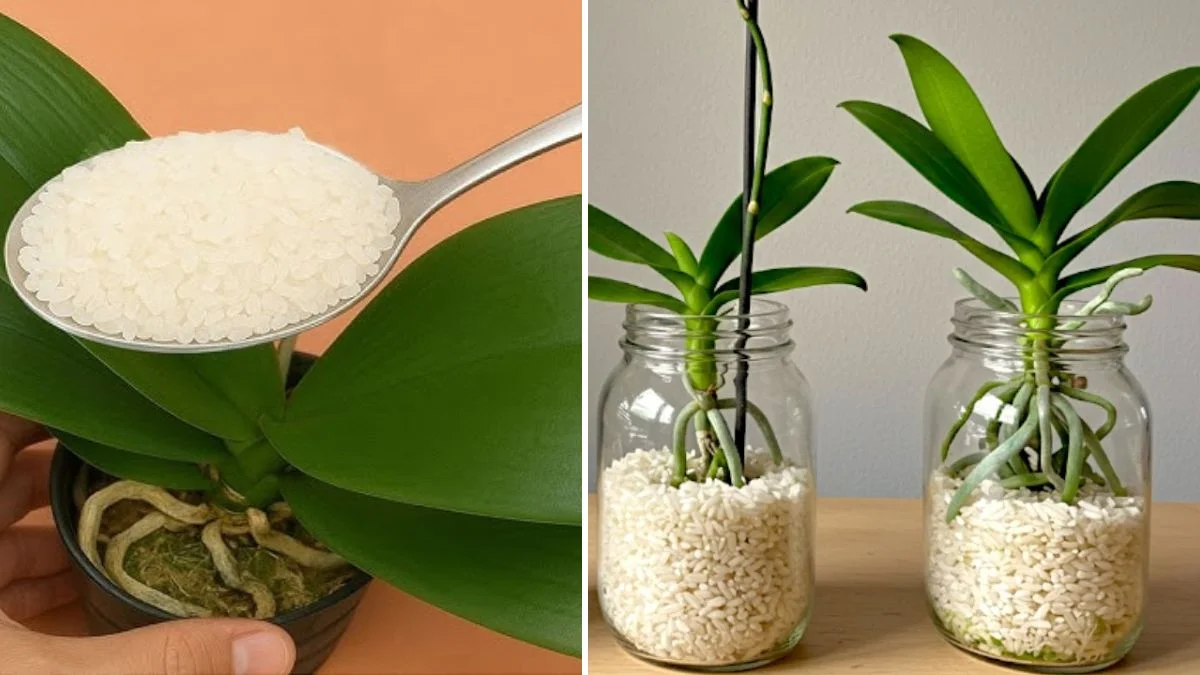
Orchids are among the most cherished ornamental plants worldwide, admired for their exotic flowers, graceful forms, and blooms that last Read more
Easy Clove Growing: From Seed to Spice – A Beginner’s Guide Cloves are among the most treasured spices in the Read more
