

Using a power strip to plug in multiple devices is convenient, practical, and budget-friendly. However, this widespread practice carries significant safety hazards if not approached with caution. Overheating, short circuits, power failures, and even the risk of fires within the home are very real threats.
Before plugging in several devices simultaneously, it is crucial to understand your electrical limitations and recognize which appliances must always be connected straight into a wall outlet.
Always Verify the Maximum Power Rating

Each power strip comes with a maximum wattage rating, typically indicated on the cable or labeled on the back of the unit itself. This rating, measured in watts (W), specifies the total electrical load it can safely support.
To stay safe, sum the wattage of all devices you intend to operate simultaneously. You can locate this information on the appliance’s specification label.
For instance, if your power strip can handle up to 3,500 W and you connect:
An oven rated at 2,500 W
A vacuum cleaner rated at 800 W
A kettle rated at 250 W
The combined load equals 3,550 W—exceeding the strip’s capability. In such a scenario, you must unplug one device to prevent overheating or damage to the electrical system.
9 Appliances You Should Never Plug Into a Power Strip
1. The Oven

Ovens are among the most energy-demanding household appliances. Even if used sporadically, they should always be plugged into a dedicated wall outlet to handle their high electrical demand safely.
2. Refrigerator and Freezer

Refrigerators operate continuously, 24 hours a day. While not always drawing a massive surge of power at once, their nonstop operation can gradually cause a power strip to overheat. The same precaution applies to freezers.
3. Washing Machine and Dryer

These appliances draw substantial electrical current, especially during heating cycles. Using a power strip for them increases the likelihood of short circuits and may result in permanent damage to the equipment.
4. Space Heater

Portable electric heaters continuously consume large amounts of power. Under this heavy and steady load, most power strips can become dangerously overheated.
5. Microwave

Though compact, microwave ovens require a high surge of power when in use. For safety reasons, they should always be plugged directly into a wall outlet rather than a power strip.
6. Coffee Maker

Coffee makers heat water very rapidly, demanding a significant burst of power over a short time period. Therefore, it is safer to connect them directly to a wall socket.
7. Toaster

Despite its small size, a toaster typically uses between 500 and 1,000 W while operating. This represents a considerable load that can easily overload a power strip that’s already near its limit.
8. Another Power Strip
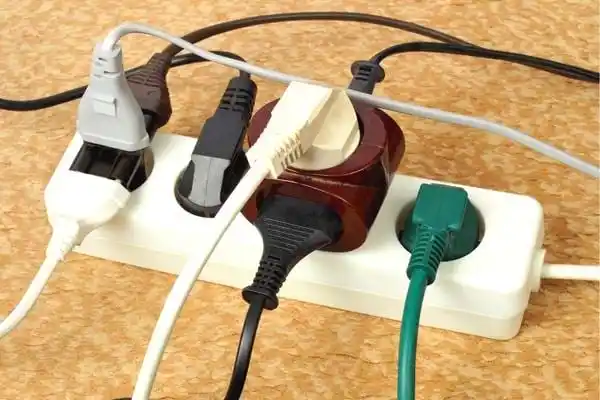
Connecting one power strip into another, a dangerous practice known as “daisy chaining,” drastically raises the risk of electrical overload. This is a common and serious cause of household fires.
9. Internet Router, Computer, and Television

While these devices generally do not consume excessive power, they are highly sensitive to electrical surges. If you must use a power strip for them, ensure that it is equipped with surge protection to safeguard your electronics.
Conclusion
Power strips are undeniably convenient, but they demand responsible use. Adhering to the maximum wattage limits and avoiding plugging in high-energy appliances can significantly reduce the risk of electrical hazards.
When dealing with electricity, it is always better to take preventive measures than to suffer the consequences of an overload or fire.

The Secondary Microphone: A Filter Against Noise Pollution Most modern smartphones incorporate multiple microphones, including a secondary one often hidden Read more

Ingenious Uses for Expired Cornstarch A Natural Cleaner for Windows and Surfaces Did you know that cornstarch can easily substitute Read more

Grease buildup on kitchen cabinets is a widespread issue that many homeowners encounter. Frequent cooking results in grease splatters that Read more

Crabgrass, or Digitaria sanguinalis, is often regarded as an annoying, invasive weed in gardens and urban spaces. However, beneath its reputation Read more

Uncovering the Hidden Mysteries in Everyday Objects Why do certain objects evoke such surprise and curiosity? Whether it’s opening an Read more

Why is the Thickness Gauge Still Essential? The thickness gauge is far more than just an accessory; it proves to Read more

Pigweed, also known as amaranth, is a leafy green plant that has been cherished in various cultures for its nutrient-rich Read more

Purslane (Verdolaga) is no longer a garden menace but a valuable gem! This remarkable plant is reclaiming its place in Read more

Ageratum conyzoides, commonly known as Billygoat Weed or Goatweed, is a flowering plant native to tropical regions of the Americas Read more

Risks Associated with Using Boiling Water in Plumbing Premature Deterioration of Materials Frequently pouring boiling water down your sink can Read more

The Multifaceted Benefits of Spices and Herbs Throughout history, a wide variety of spices and herbs have been cherished not Read more

Cassava: An Essential Plant at the Heart of a Deadly Paradox Whether in the form of flour, tapioca pearls, or Read more

Castor Leaves: A Natural Treasure to Rediscover Used for centuries in traditional medicines around the world, castor leaves are experiencing Read more

Understanding, anticipating, and supporting your dog through every stage of their life is essential to providing them with the best Read more

A Vibrant Coat, More Than Just a Visual Trait Before delving into the nature of these cats, let us first Read more

House 1: A Warm Refuge Perched in the Trees If this suspended house has moved you, it reveals your deep Read more
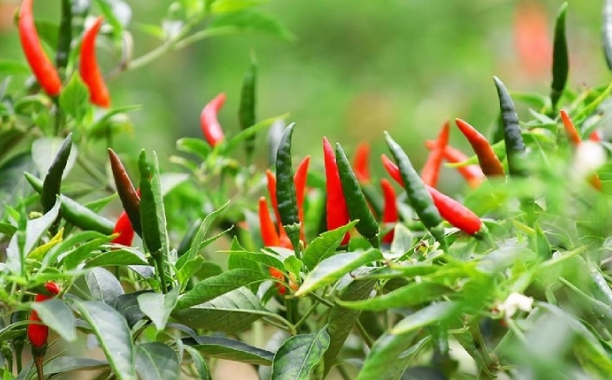
Discover the Untapped Potential of Chili Pepper Leaves: Nutritional Powerhouse for Your Health and Kitchen When you think of chili Read more

A Decision Born from Solitude Agnès did not make her decision lightly. For many years, she hoped for more frequent Read more

Mulberry trees are best known for their luscious summer berries, but their leaves possess an even greater potential as a Read more

Much More Than Just a Decorative Element The presence of multiple pillows on a hotel bed is far more than Read more

Mimosa Pudica, commonly known as the “Sensitive Plant” or “Touch-Me-Not,” is famous for its unique reaction to touch—its leaves fold Read more

A House Offered for Free, But You Must Move It Yourself In Sweden, a peculiar story is capturing attention: Göran Read more

The Hidden Power of Pomegranate Peel: 10 Health Benefits and How to Use It Pomegranate is often celebrated for its Read more

The Ultimate Healing Tonic: A Powerful Natural Drink for Swollen Feet, Diabetes & Poor Circulation Chronic swelling in the feet, Read more

From Military Origins to Artistic Expression Originally, the twirling baton was primarily a tool designed to organize military marches and Read more

Airport staff and baggage handlers have an in-depth understanding of the behind-the-scenes processes involved in handling luggage. Today, they share Read more

Dented Car Body: How to Fix It Yourself Over time, the body of your car can endure a lot. From Read more

Transforming Garlic Peels into Gold for Gardeners: In the rhythm of kitchen prep, garlic peels are often discarded without a Read more

Perfumed Tissues: An Easy DIY Technique The Joy of Scented Tissues: Paper tissues are handy in daily life. While some Read more

She Feels Undervalued Feeling loved is, above all, about feeling recognized and appreciated. When a woman senses that her efforts, Read more

You bought a bag of potatoes, and a few weeks later, you find that they’ve started to sprout? Don’t panic! Read more

White Clover (Trifolium repens): 15 Benefits and Homemade Uses White clover (Trifolium repens) is more than just a common plant Read more

Individuals with Allergies or Sensitivities If you suffer from allergies, it is important to be cautious with avocado! This fruit Read more

Sida acuta, also known as “common wireweed,” is a hardy plant often found in fields and roadsides. While it may Read more

Garlic's Aromatic Enigma: Its Transformation When Burnt The unmistakable scent of garlic is well-known in kitchens worldwide. Esteemed for its Read more
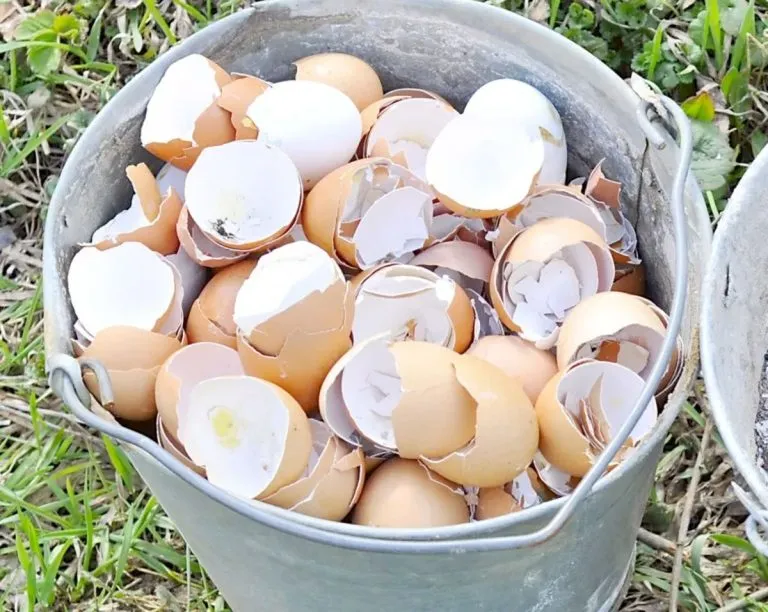
Unlocking the Garden Potential of Eggshells: 10 Innovative Applications Eggshells, often seen as fragile protectors of eggs, are also a Read more

The ingenuity of Swedish furniture design, particularly evident in the flat-pack phenomenon, has transformed how we furnish our homes with Read more
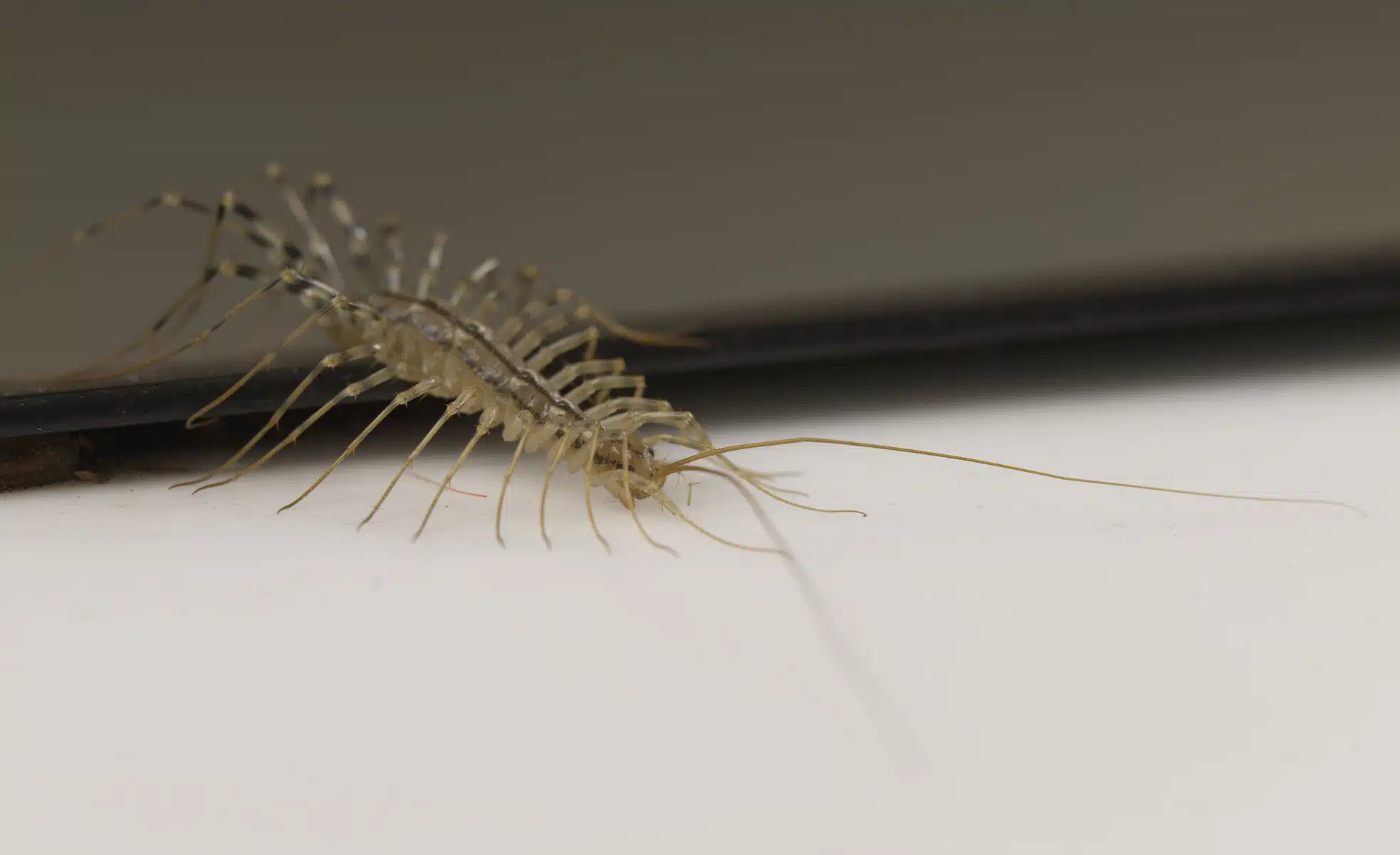
A Quiet and Efficient Predator in Your Home The domestic house centipede (Scutigera coleoptrata) is often regarded as a frightening Read more

Restore the Shine to Your Dull Leather Whether it’s worn-out shoes, tired leather bags, or a sofa that has lost Read more

The Final Blow Within Her Own Home Returning home from work, Phoebe had hoped to find a dinner prepared or Read more
