
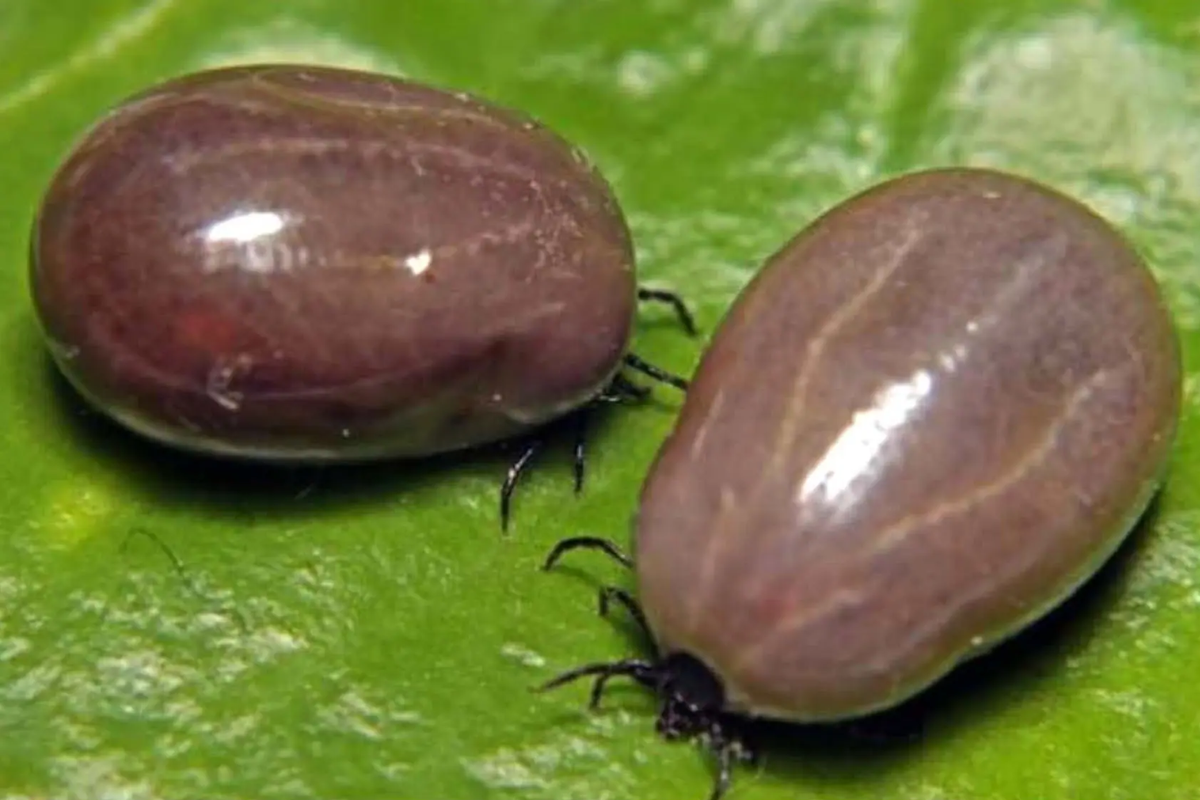
These tiny parasites can send shivers down your spine just by mentioning them. Whether on your skin or that of your pets, ticks represent a genuine nuisance. Unfortunately, improper methods to remove or eliminate them can quickly worsen the situation. Here is everything you need to know to remove ticks safely and effectively.
Critical Mistakes to Avoid

When a tick attaches itself, the immediate reaction is often to want to get rid of it quickly. But be careful: certain actions are dangerous and can promote the transmission of diseases.
Flushing it down the toilet
A common habit, but completely ineffective. Ticks are resilient and can survive in water, even resurfacing. As a result, instead of solving the problem, you increase the risk of proliferation.
Crushing it between your fingers
A natural reflex… but risky! Crushing the tick may release infectious agents into the air or onto your hands. Even slight pressure can increase the danger of contamination.
How to Remove a Tick Correctly
The key is to act with precision and gentleness. Follow these steps:
Use the right tool
A tick remover or a fine curved tweezer is ideal. If unavailable, a sharp pair of regular tweezers can suffice.
Grab the tick at its base
Hold it as close to the skin as possible without crushing it, to avoid leaving the head embedded under the skin.
Pull slowly without twisting
Gently pull it out without sudden movements. If it resists, seek the assistance of a vet or physician.
Disinfect the area
Clean the skin afterward with an antiseptic to prevent infection.
What to Do with the Tick After Removal?
It’s not enough to just pull it out; you must also destroy it to eliminate all risk.
-
With alcohol: Immerse the tick in a small container filled with 70° or 90° alcohol for several minutes.
-
With fire: Burn it with a lighter, which is a quick and definitive method.
Ticks Do Not Disappear in Winter
Contrary to popular belief, ticks do not vanish with the cold. As soon as the temperature rises above 5 °C, they resume their activity, especially in humid and wooded areas. Always inspect your pets—and yourself—after a walk, even in the cold season.
Ticks and the Diseases They Transmit
Not all ticks are dangerous, but some carry serious illnesses:
-
Ixodes ricinus is the primary carrier of Lyme disease.
-
Other species can carry viruses that cause severe neurological disorders.
Protecting Your Pets: A Priority

Dogs and cats are the primary victims of ticks. Vaccines exist for dogs against Lyme disease, but not yet for cats.
Stay alert for any suspicious signs: fatigue, fever, neurological issues. Use appropriate anti-parasitic treatments to limit risks.
Good Practices for the Whole Family

-
Regularly inspect your pets’ skin as well as your own.
-
Remove any ticks found promptly.
-
Apply preventive products.
Ticks are tiny, but their consequences can be serious. By adopting the right habits and remaining vigilant year-round, you will significantly reduce the risks for yourself and your four-legged companions.

Why Is a Temperature of 40°C Not Enough to Effectively Eliminate Bacteria? Many people consider 40°C to be a balanced Read more

Purple Deadnettle (Lamium purpureum): Benefits, Uses & How to Make Tea Often overlooked or mistaken for an ordinary weed, Purple Read more
The Secret of Seasoning: An Essential Traditional Method What if the key to reviving a frying pan lay in an Read more

The Amazing Benefits of Sumac and How to Use It Sumac is more than just a flavorful spice—it’s a powerful Read more

10 Secrets You Need to Know Before Eating Okra Okra, also known as “lady’s finger,” is a green, pod-shaped vegetable Read more

Grease buildup on kitchen cabinets is a widespread issue that many homeowners encounter. Frequent cooking results in grease splatters that Read more

Restore the Shine to Your Dull Leather Whether it’s worn-out shoes, tired leather bags, or a sofa that has lost Read more
When you sink your teeth into a soft, caramel-sweet date, the last thing on your mind is usually the tough Read more

Sweet Violet (Viola odorata): 25 Incredible Benefits & How to Use It Sweet violet (Viola odorata), also known as wood Read more
For centuries, Chelidonium majus, commonly known as Greater Celandine, has held a special place in traditional herbal medicine. Recognized by Read more

How to Make Powerful Super Glue from Styrofoam: The Hidden Chemistry Behind This Viral Trick In a world where DIY Read more

Crabgrass, or Digitaria sanguinalis, is often regarded as an annoying, invasive weed in gardens and urban spaces. However, beneath its reputation Read more
Ingenious Uses for Expired Cornstarch A Natural Cleaner for Windows and Surfaces Did you know that cornstarch can easily substitute Read more

How to Reuse Soap Scraps: Ingenious Ideas Soap bars, after several uses, become tiny and almost unusable. Many of us Read more

The Dog’s Nose: An Organ of Exceptional Sensitivity While humans explore the world primarily through vision, dogs scrutinize it mainly Read more
Discover the Untapped Potential of Chili Pepper Leaves: Nutritional Powerhouse for Your Health and Kitchen When you think of chili Read more
The Brown Marmorated Stink Bugs: A Nuisance Difficult to Ignore Originating from Asia, these insects have found a favorable environment Read more

We experienced several miscarriages. Each time, it was a silent grief, almost invisible to the eyes of others. I learned Read more

Creating a fresh and inviting atmosphere in your kitchen doesn't require expensive air fresheners or synthetic scents. With just a Read more

A Visual Challenge That Sparks Thought This type of visual puzzle captivates through its dual effect: it sharpens observational skills, Read more
When a Simple Pistachio Shell Takes on the Appearance of a Monster It all begins with the desire to clean Read more

Risks Associated with Using Boiling Water in Plumbing Premature Deterioration of Materials Frequently pouring boiling water down your sink can Read more

Pigweed, also known as amaranth, is a leafy green plant that has been cherished in various cultures for its nutrient-rich Read more

A Puzzle Deceptive in Its Simplicity When mentioning "2 mothers," "2 daughters," "1 grandmother," and "1 granddaughter," the immediate image Read more

The Art of Container Flower Combinations Designing with flowers in pots is a delightful blend of horticulture and floral design. Read more

Highland flowers, often found in remote, elevated regions, are more than just a visual delight. These resilient blooms, thriving in Read more

A Fully Integrated Member of Its Tribe Social relationships hold a significant place in the life of a cat. When Read more

When you enter a hotel room, have you ever noticed that long piece of fabric laid across the foot of Read more

Tackling Dog Urine Odor: A Comprehensive Guide The joy of having a canine companion is undeniable, but alongside it come Read more
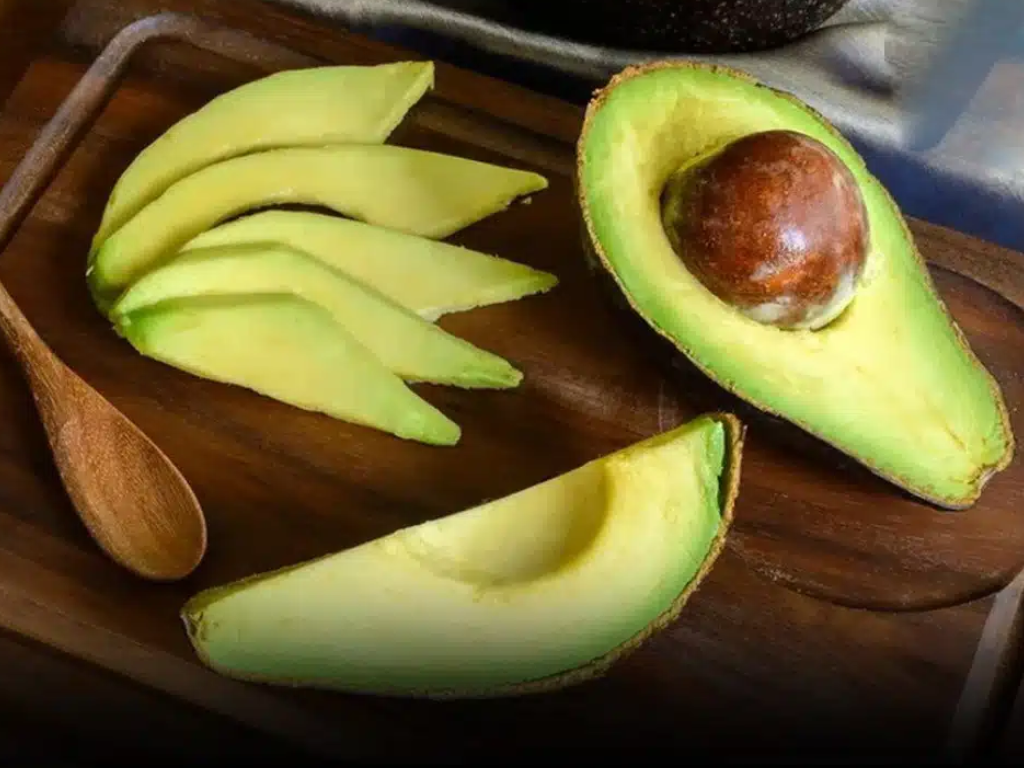
Individuals with Allergies or Sensitivities If you suffer from allergies, it is important to be cautious with avocado! This fruit Read more

Cleaning Grease Off Kitchen Wooden Cabinets: Effective Techniques Removing dirt and embedded grease stains from kitchen wooden cabinets isn't always Read more

Why Do Some People Wash Their Ground Beef? The practice of washing ground beef often comes from a good intention: Read more

A Centenarian Who Embraces Life with Simplicity and Vitality At 101 years old, Ann Angeletti visits her jewelry shop nearly Read more

Mullein (Verbascum thapsus), a tall, woolly plant often seen growing along roadsides and in open fields, has been treasured for Read more

Who among us would like to live in a stifled and dirty home, where unpleasant cooking odors and impurities invade Read more

Mimosa Pudica, commonly known as the “Sensitive Plant” or “Touch-Me-Not,” is famous for its unique reaction to touch—its leaves fold Read more
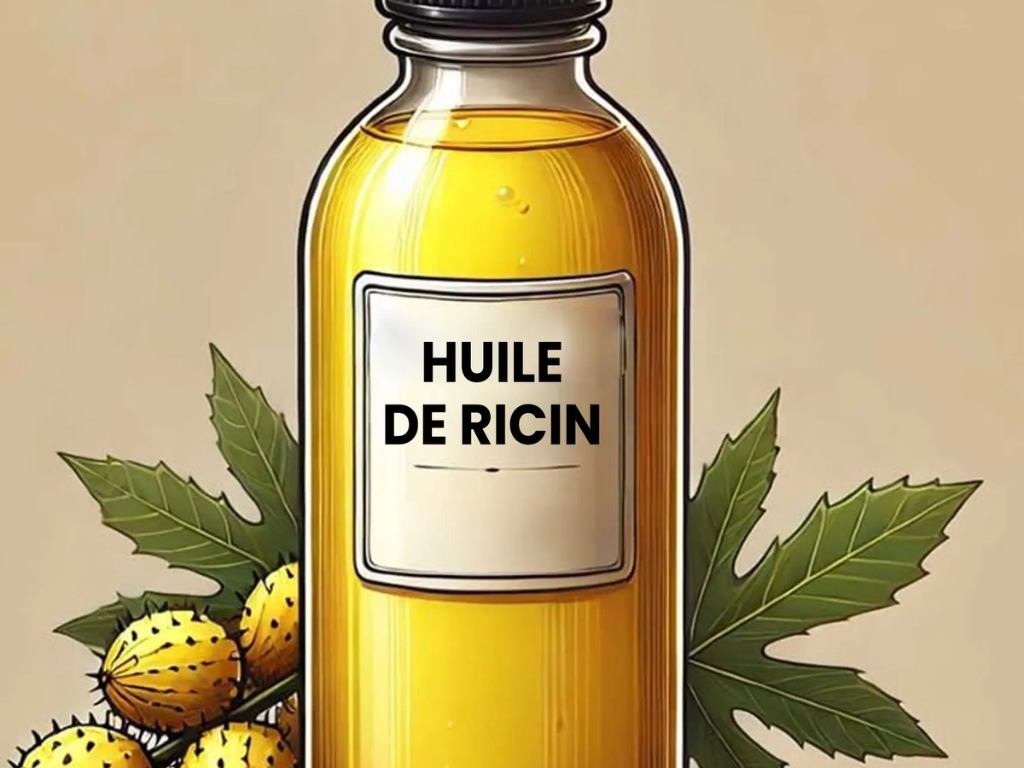
Castor Oil: A Natural Treasure to Rediscover Derived from the seeds of Ricinus communis, this thick, golden plant oil contains Read more

How to Detect Hidden Cameras in a Hotel Room? Hidden cameras can be disguised within seemingly harmless objects, including hotel Read more
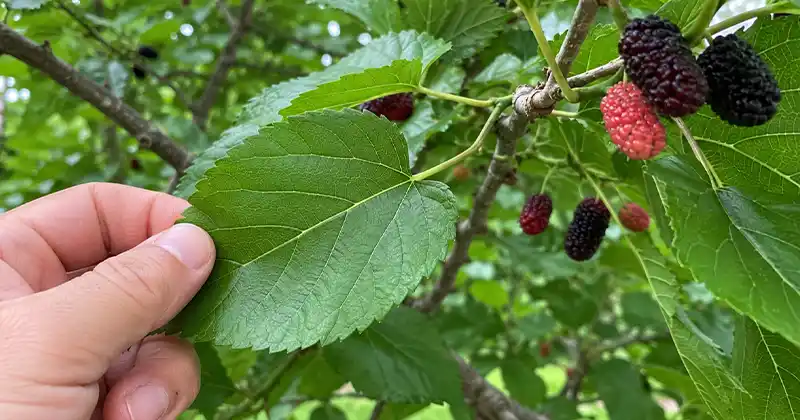
Mulberry trees are best known for their luscious summer berries, but their leaves possess an even greater potential as a Read more
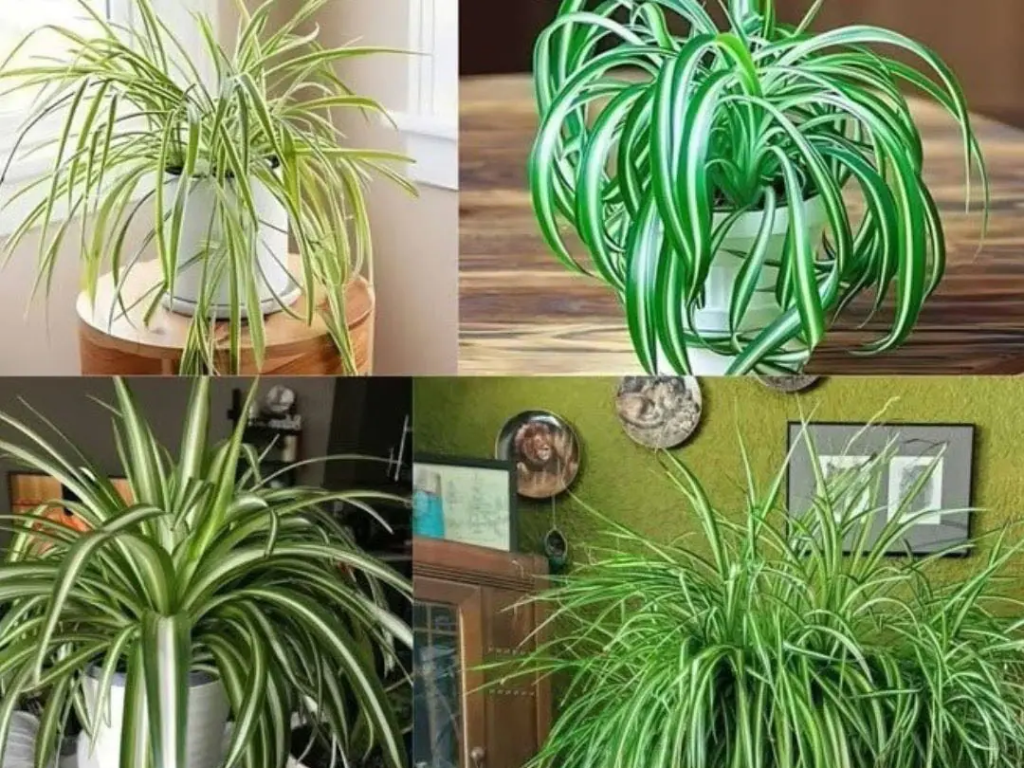
A Natural Ally for a Healthier and More Pleasant Home We admire the spider plant for its delicate and soothing Read more
