
This content is provided for informational purposes only. For medical advice or diagnosis, please consult a healthcare professional.
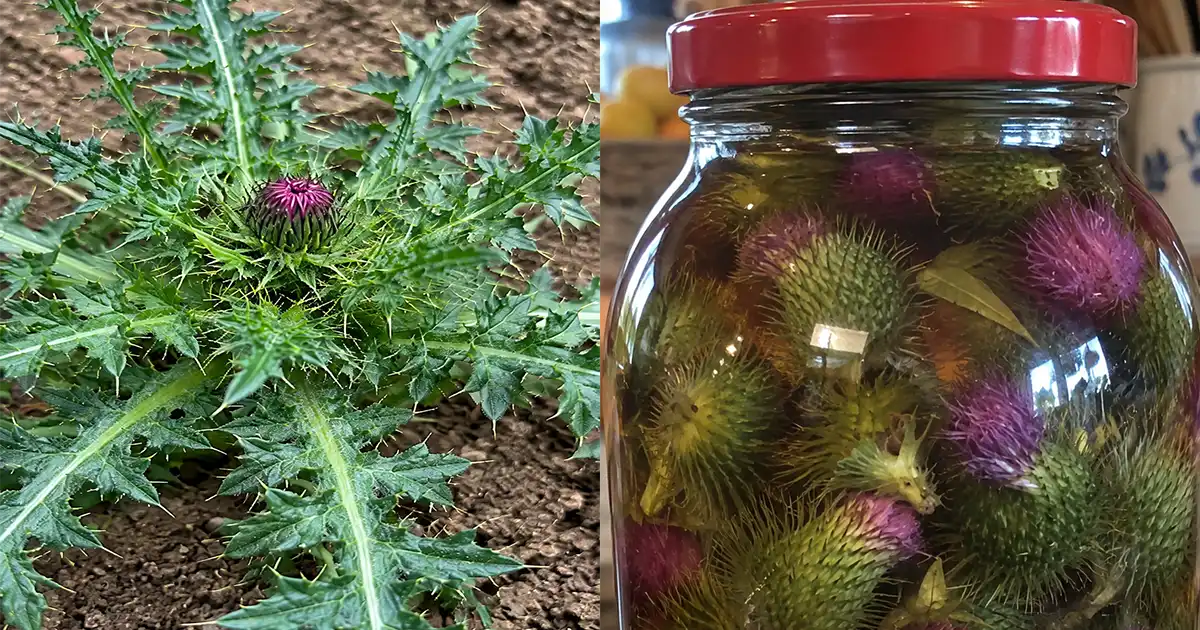
The common thistle (Cirsium vulgare) is often seen as a hardy plant, covered in spines, typical of fields and pastures. Yet, when you closely examine its flower heads at the end of summer, you will discover vivid purple blossoms that harbor surprising benefits. Although its spines may deter many, those who know how to carefully harvest and utilize these flowers can unlock their hidden qualities. This article invites you to explore exclusively the flower head of the common thistle, revealing its natural properties along with simple methods to prepare it at home.
Understanding the Structure of the Flower Head
Before using the plant, it is crucial to understand what makes this flower head so special. It is not merely a cluster of petals but a combination of distinct parts, each with its own role and significance.
The tubular flowers: These small violet or pink corollas crown the top of the flower. Their texture is soft, and they contain pollen, which attracts local bees and other pollinators.
The involucre: Positioned just below the flowers, this green globular base is heavily guarded by fine, sharp spines that protect the flower from external threats.
The receptacle: Hidden inside this green base, this fleshy part resembles a miniature globe artichoke—both in shape and density—similar to ones found in grocery stores.
The Natural Benefits of the Flower Head
The real value of the common thistle’s flower head lies in its moderately astringent properties and the nutritional richness of its dense receptacle. This plant has been used for generations within traditional folk knowledge.
Astringent properties: Various floral parts contain natural compounds that tighten and tone tissues, giving floral extracts significant value in external skin care treatments.
Nutritional value: The fleshy base serves as an excellent source of dietary fiber and inulin, a type of natural starch that acts as a prebiotic, beneficial for intestinal flora.
Natural antioxidants: Like many vividly purple flowers, the small tubular blooms contain antioxidant molecules that help protect cells against aging and daily environmental stressors.
Uses and Homemade Preparations
There’s no need for a laboratory to harness the powers of the common thistle: you can use these flowers at home with simple ingredients like water, oil, or alcohol.
Herbal infusions: Gently pick the small violet flowers, leaving the spiny green base on the ground. Dry them in a warm, dark place, then steep them for ten minutes in boiling water to make a mild, earthy tea traditionally known to aid digestion.
Soothing oil macerations: Immerse whole fresh flower heads in a jar filled with vegetable oil (such as olive oil or sweet almond oil). Place the sealed jar on a sunny windowsill for four to six weeks, gently shaking it from time to time. After straining, you will obtain an infused oil perfect for applying directly to dry or mildly irritated skin.
Alcohol tinctures: Soaking whole flower heads in a clear, strong alcohol (such as vodka) for a month extracts the most concentrated components, resulting in a potent dark tincture. Traditionally, this tincture is used in drops internally to support various bodily functions.
Culinary use: The bulbous green base can be cooked like a small artichoke. After carefully removing the outer spines with a knife, and scraping off the purple fuzz on the top, you are left with a fleshy portion that can be boiled or steamed until tender. It is enjoyed simply with a bit of butter or salt.
Safe Harvesting of the Flower Head
Harvesting is the most delicate operation since the plant defends itself with its spikes. Proper preparation is essential.
Protect your hands: Wear thick gloves made of leather or reinforced rubber, essential to avoid painful pricks from the spiny base.
Use appropriate tools: Opt for sturdy pruning shears or robust scissors. Cut the flower head at the base of the bulb, leaving the spiny stem in place.
Choose the right time: Harvest when the blossom is brightly colored, vivid, and freshly opened. Avoid flowers that have browned or started to release white, cottony seeds, as this indicates they are past their prime.
The flower head of the common thistle perfectly illustrates how a common and often overlooked plant can be a valuable resource. By understanding its different parts, its natural qualities, and the easy preparation methods, you turn a wild plant into a precious ally for your kitchen and home remedies.

8 Surprising Benefits of Water Cloves You Probably Didn’t Know About Cloves are widely recognized for their warm, spicy aroma Read more
Cleavers (Galium aparine): The Herbal Remedy for Detox and Lymphatic Health Cleavers, also known as Galium aparine, is a humble Read more

Unwanted Houseguest: The Fly The fly is arguably the most disliked insect on Earth, primarily due to its bothersome traits. Read more
The Ultimate Healing Tonic: A Powerful Natural Drink for Swollen Feet, Diabetes & Poor Circulation Chronic swelling in the feet, Read more
Garlic: An Ancient Remedy for Better Sleep Since ancient times, garlic has been recognized not only as an essential culinary Read more

A Vibrant Coat, More Than Just a Visual Trait Before delving into the nature of these cats, let us first Read more

Mimosa Pudica, commonly known as the “Sensitive Plant” or “Touch-Me-Not,” is famous for its unique reaction to touch—its leaves fold Read more

Clogged Shower Drain? Try Baking Soda! Experiencing a stagnant pool of water after a refreshing shower can be a mood Read more
Thyme is known by some as the “enemy of toxins,” and it has been part of stories since ancient Greece. Read more
When a Simple Pistachio Shell Takes on the Appearance of a Monster It all begins with the desire to clean Read more

She Feels Undervalued Feeling loved is, above all, about feeling recognized and appreciated. When a woman senses that her efforts, Read more

Understanding, anticipating, and supporting your dog through every stage of their life is essential to providing them with the best Read more

Garlic's Aromatic Enigma: Its Transformation When Burnt The unmistakable scent of garlic is well-known in kitchens worldwide. Esteemed for its Read more

Bathroom Mold: Causes and Solutions Ideal Environment for Mold Growth Bathroom surfaces are prime locations for mold growth. Moisture accumulates Read more
Salt: An Overlooked Treasure in the Home Since ancient times, salt was so valuable that it was even used as Read more

Why Do Some People Wash Their Ground Beef? The practice of washing ground beef often comes from a good intention: Read more

The Brown Marmorated Stink Bugs: A Nuisance Difficult to Ignore Originating from Asia, these insects have found a favorable environment Read more

Ever wish your home could keep that fresh, clean scent for more than a few hours? There’s a simple, natural Read more

Guava is often hailed as a superfruit, but did you know that its leaves also pack an extraordinary punch in Read more
Ingenious Uses for Expired Cornstarch A Natural Cleaner for Windows and Surfaces Did you know that cornstarch can easily substitute Read more
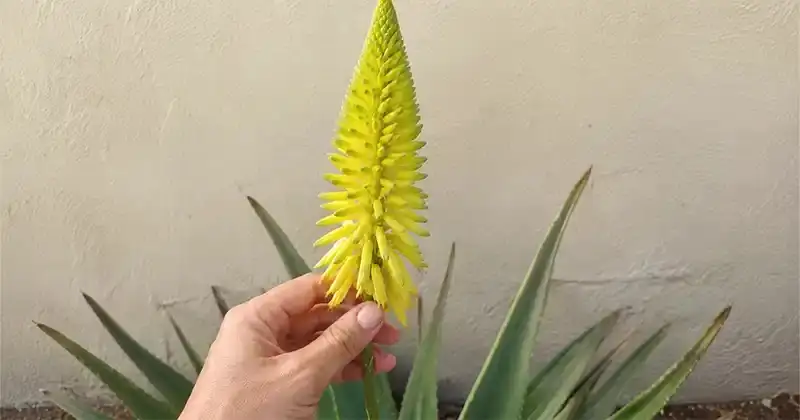
This content is for informational purposes only. For medical advice or diagnosis, please consult a professional. Most people recognize aloe Read more

Why Do We Consistently Wake Up at the Same Time During the Night? Nighttime awakenings can stem from various causes: Read more

A Visual Challenge That Sparks Thought This type of visual puzzle captivates through its dual effect: it sharpens observational skills, Read more

How to Clean a Glass Shower Door Naturally and Keep It Shining Longer Several areas of the bathroom are exposed Read more

The Amazing Benefits of Sumac and How to Use It Sumac is more than just a flavorful spice—it’s a powerful Read more

The Spool of Thread: A Silent Relic of a Bygone Era Let us take a moment to journey back to Read more

How to Reuse Soap Scraps: Ingenious Ideas Soap bars, after several uses, become tiny and almost unusable. Many of us Read more

Pigweed, also known as amaranth, is a leafy green plant that has been cherished in various cultures for its nutrient-rich Read more

Tackling Dog Urine Odor: A Comprehensive Guide The joy of having a canine companion is undeniable, but alongside it come Read more

Juniper, a versatile and aromatic plant, has been valued for centuries for its culinary, medicinal, and therapeutic uses. Known for Read more

Sweet Violet (Viola odorata): 25 Incredible Benefits & How to Use It Sweet violet (Viola odorata), also known as wood Read more

Purple Deadnettle (Lamium purpureum): Benefits, Uses & How to Make Tea Often overlooked or mistaken for an ordinary weed, Purple Read more

Goldenberries, also known as Physalis or Uchuva, are small, orange-yellow fruits enclosed in a delicate, papery husk. Originating from the Read more

The Dog's Nose: A True Superpower It is well known that dogs possess an extraordinary sense of smell. Yet the Read more

What Is the Purpose of the Overflow Hole in a Sink? The small, often overlooked hole located near the edge Read more

Horseweed (Erigeron canadensis): 20 Amazing Benefits and How to Use It Horseweed, also known as Erigeron canadensis or Canadian fleabane, Read more

Why Traditional Household Cleaners Aren't Enough Often praised for their effectiveness, commercial cleaning products don't always succeed in removing stubborn Read more
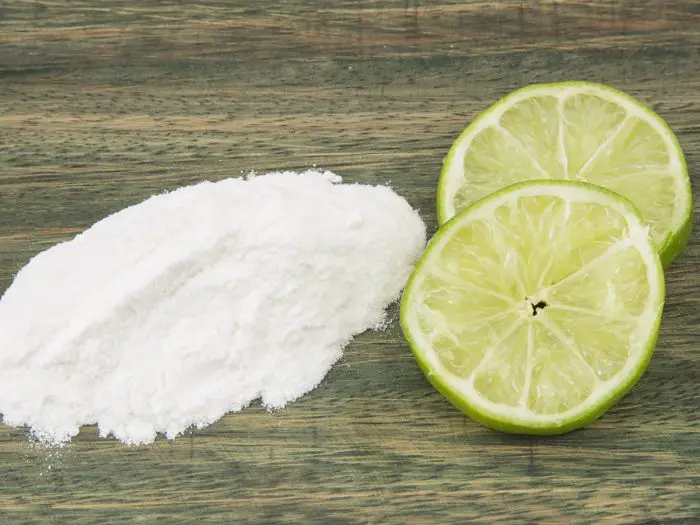
Baking soda and lemon peels are two household items often overlooked but incredibly powerful when combined. This natural duo can Read more

Cassava: An Essential Plant at the Heart of a Deadly Paradox Whether in the form of flour, tapioca pearls, or Read more

Avocados are celebrated for their creamy texture, rich flavor, and numerous health benefits. While typically enjoyed raw, grilling avocados introduces Read more
