

Sweet Violet (Viola odorata): 25 Incredible Benefits & How to Use It
Sweet violet (Viola odorata), also known as wood violet or English violet, is a fragrant flowering plant celebrated for its beauty, aroma, and powerful healing properties. Traditionally used in herbal medicine, this delicate plant has a long history of therapeutic applications for the body and mind. Below, discover 25 remarkable benefits of sweet violet and how to use it safely and effectively.
25 Incredible Benefits of Sweet Violet
-
Soothes Coughs
Its expectorant properties help relieve persistent coughs and bronchitis. -
Eases Sore Throats
Gargling with violet tea can reduce throat inflammation and irritation. -
Relieves Headaches
The plant’s analgesic compounds offer natural pain relief for tension headaches. -
Supports Respiratory Health
Sweet violet loosens phlegm and opens airways. -
Reduces Fever
Taken as a tea, it can help lower body temperature during a fever. -
Fights Infections
The antiseptic properties make it effective against skin and respiratory infections. -
Calms Anxiety
The mild sedative effect helps reduce stress and promote relaxation. -
Improves Sleep
Violet tea or syrup can be used as a natural remedy for insomnia. -
Aids Digestion
It eases indigestion, bloating, and constipation. -
Liver Detoxifier
Helps cleanse the liver and promote bile production. -
Relieves Skin Conditions
Used topically, it soothes eczema, psoriasis, and acne. -
Heals Wounds
Its anti-inflammatory and antimicrobial effects promote wound healing. -
Alleviates Joint Pain
Violet compresses or infused oil can reduce arthritic pain. -
Fights Cancer (Preliminary Studies)
Contains compounds with potential anti-tumor effects, though more research is needed. -
Improves Lymphatic Flow
Helps reduce swollen lymph nodes and detoxify the lymphatic system. -
Moisturizes Dry Skin
Violet-infused oils hydrate and soften skin naturally. -
Treats Mouth Ulcers
Its soothing properties can ease pain and promote healing of canker sores. -
Supports Heart Health
Rich in flavonoids, which may reduce blood pressure and cholesterol. -
Improves Menstrual Discomfort
Helps ease cramps and mood swings during menstruation. -
Relieves Eye Irritation
Mild infusions can be used as eye washes for tired or inflamed eyes. -
Acts as a Mild Diuretic
Supports kidney function and reduces water retention. -
Boosts Immunity
Packed with antioxidants that strengthen the immune response. -
Soothes Burns and Insect Bites
Reduces itching, swelling, and pain when applied topically. -
Freshens Breath
Violet mouth rinses naturally combat bad breath. -
Natural Perfume and Flavor
Adds a sweet floral note to syrups, desserts, and perfumes.
How to Use Sweet Violet
1. Violet Tea
Steep 1 tsp of dried violet leaves and flowers in hot water for 10 minutes. Drink 1–2 cups per day to support respiratory, digestive, or nervous system health.
2. Violet Syrup
Boil fresh flowers in water with sugar or honey to make a soothing cough syrup.
3. Infused Oil
Soak violet leaves and flowers in olive oil for 4–6 weeks. Use for skin care or massage into joints for pain relief.
4. Salves and Balms
Mix violet-infused oil with beeswax to create a healing balm for skin conditions.
5. Poultice
Crush fresh violet leaves and apply directly to irritated skin, wounds, or swollen joints.
6. Tincture
Use drops of violet tincture in water to address internal inflammation or stress-related issues.
Caution:
While sweet violet is generally safe, pregnant or breastfeeding women should consult a healthcare professional before use. Always verify correct plant identification before consumption.
Sweet violet is more than a lovely flower — it’s a gentle yet powerful ally in natural healing. Whether sipped as a tea or applied to the skin, its many uses make it a valuable addition to any herbal toolkit.

The Art of Container Flower Combinations Designing with flowers in pots is a delightful blend of horticulture and floral design. Read more
Bull Thistle (Cirsium vulgare): A Wild Plant with Surprising Benefits The bull thistle (Cirsium vulgare) is often dismissed as a Read more

Garlic's Aromatic Enigma: Its Transformation When Burnt The unmistakable scent of garlic is well-known in kitchens worldwide. Esteemed for its Read more

The Benefits of Combining Eggs and Coffee: A Nutritious and Energizing Pair When it comes to starting your day right, Read more

Cultivating veggies and herbs indoors is more than just a productive task; it's a delightful and aesthetic journey. The magic Read more

Purple Deadnettle (Lamium purpureum): Benefits, Uses & How to Make Tea Often overlooked or mistaken for an ordinary weed, Purple Read more

Unlocking the Garden Potential of Eggshells: 10 Innovative Applications Eggshells, often seen as fragile protectors of eggs, are also a Read more

The Dog's Nose: A True Superpower It is well known that dogs possess an extraordinary sense of smell. Yet the Read more

Clogged Shower Drain? Try Baking Soda! Experiencing a stagnant pool of water after a refreshing shower can be a mood Read more

When you enter a hotel room, have you ever noticed that long piece of fabric laid across the foot of Read more

Dented Car Body: How to Fix It Yourself Over time, the body of your car can endure a lot. From Read more

Creating a fresh and inviting atmosphere in your kitchen doesn't require expensive air fresheners or synthetic scents. With just a Read more
Cleavers (Galium aparine): The Herbal Remedy for Detox and Lymphatic Health Cleavers, also known as Galium aparine, is a humble Read more

When "Need" Takes on a Whole New Meaning For a long time, having a woman in a man’s life was Read more

A Vibrant Coat, More Than Just a Visual Trait Before delving into the nature of these cats, let us first Read more

Kyllinga brevifolia: A Natural Remedy for Health and Wellness Kyllinga brevifolia, commonly known as green kyllinga or shortleaf spikesedge, is Read more
Are Lilacs Edible? Health Benefits of the Beautiful Syringa Blossoms With their sweet fragrance and delicate clusters of flowers, lilacs Read more

Pigweed, also known as amaranth, is a leafy green plant that has been cherished in various cultures for its nutrient-rich Read more

Ever wish your home could keep that fresh, clean scent for more than a few hours? There’s a simple, natural Read more
How can a simple homemade mixture really help make your teeth whiter? Here is the secret that has already captivated Read more

Datura stramonium, commonly known as Jimson weed, thorn apple, or devil's trumpet, is a plant native to North America but Read more
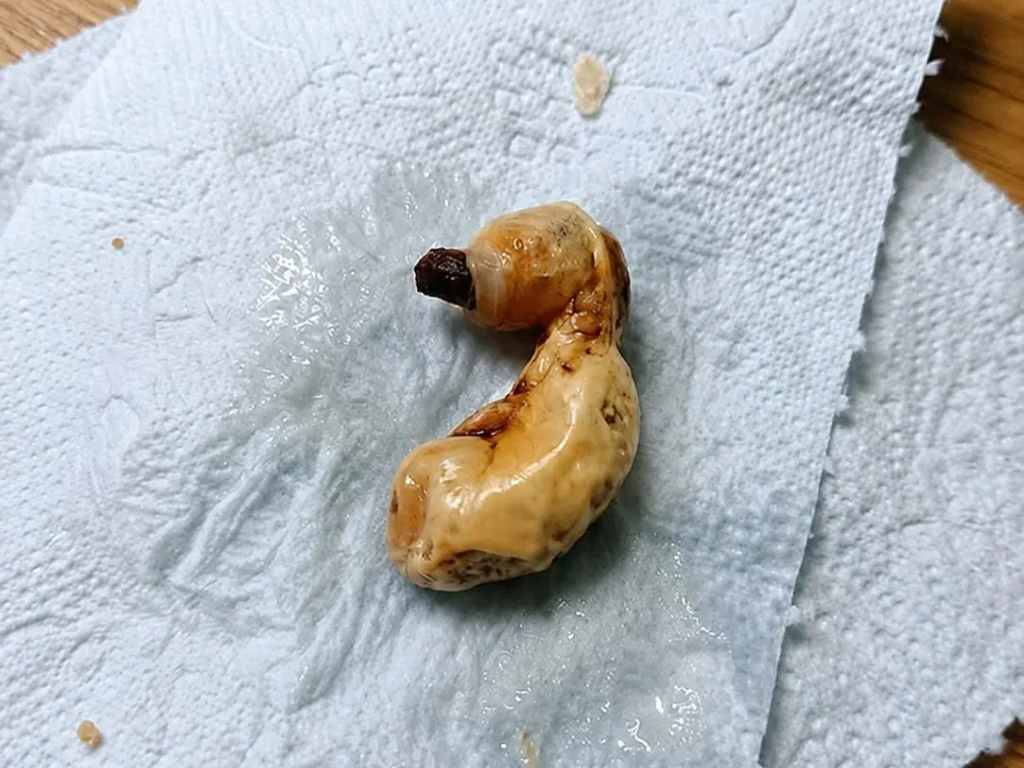
When a Simple Pistachio Shell Takes on the Appearance of a Monster It all begins with the desire to clean Read more

Bathroom Mold: Causes and Solutions Ideal Environment for Mold Growth Bathroom surfaces are prime locations for mold growth. Moisture accumulates Read more

In the realm of gardening, we often stick to traditional methods like basking in sunlight, diligent watering, and soil enriched Read more

Horseweed (Erigeron canadensis): 20 Amazing Benefits and How to Use It Horseweed, also known as Erigeron canadensis or Canadian fleabane, Read more

Highland flowers, often found in remote, elevated regions, are more than just a visual delight. These resilient blooms, thriving in Read more

Transforming Garlic Peels into Gold for Gardeners: In the rhythm of kitchen prep, garlic peels are often discarded without a Read more

Tomatoes, a staple in kitchens worldwide, are loved for their versatility and rich flavor. However, their perishable nature often leads Read more

Euphorbia hirta, commonly known as the “Asthma-plant,” is a medicinal herb renowned in traditional medicine for its diverse health benefits, Read more

How to Clean Bathroom Tiles Quickly and Effectively Cleaning bathroom tiles is a task we all love to postpone. It Read more

Juniper, a versatile and aromatic plant, has been valued for centuries for its culinary, medicinal, and therapeutic uses. Known for Read more

Why does your sleep become fragile precisely between 3 a.m. and 5 a.m.? Is it due to a peculiarity of Read more

Why It's Crucial to Clean Your Oven and How to Do It Naturally The Importance of Cleaning Your Oven The Read more

Ageratum conyzoides, commonly known as Billygoat Weed or Goatweed, is a flowering plant native to tropical regions of the Americas Read more

How to Clean a Glass Shower Door Naturally and Keep It Shining Longer Several areas of the bathroom are exposed Read more

Crabgrass, or Digitaria sanguinalis, is often regarded as an annoying, invasive weed in gardens and urban spaces. However, beneath its reputation Read more

Embracing Organic Gardening with Homemade Onion Elixir The shifting trends in horticulture are leaning heavily towards eco-conscious choices, prompting gardeners Read more

The ingenuity of Swedish furniture design, particularly evident in the flat-pack phenomenon, has transformed how we furnish our homes with Read more

How to Make Powerful Super Glue from Styrofoam: The Hidden Chemistry Behind This Viral Trick In a world where DIY Read more

Eager to master the art of nurturing a Peace Lily? Known scientifically as Spathiphyllum Wallisii, this enchanting plant is often Read more
