

Tackling Dog Urine Odor: A Comprehensive Guide
The joy of having a canine companion is undeniable, but alongside it come certain challenges, such as addressing occasional indoor accidents and the lingering smell of dog urine. While even the best-behaved dogs might have mishaps, it’s essential to address these accidents not just for the sake of a fresh-smelling home, but to discourage repeat incidents. Let’s delve into understanding the makeup of dog urine and provide steps to eradicate its odor and minimize future accidents.
The Science Behind Dog Urine


Before delving into cleaning methods, a basic grasp of the composition of dog urine can be helpful. Dog urine comprises three main components: urea, which produces the potent aroma; urochrome, responsible for its yellow tint; and uric acid. Notably, uric acid crystals, which aren’t water-soluble, tend to bind to surfaces, making the removal process slightly tricky and often requiring specialized cleaning agents.
Prompt Intervention is Key
The primary rule when addressing dog urine is timeliness. Immediate action prevents the urine from seeping deeper into surfaces, making odor removal more manageable. Upon spotting an accident, absorb the liquid using paper towels or a cloth. Avoid rubbing, as this could spread the urine or push it deeper into fabrics.
Effective Cleaning Techniques
Several proven methods can help remove dog urine smell:
1. Vinegar & Baking Soda Solution:
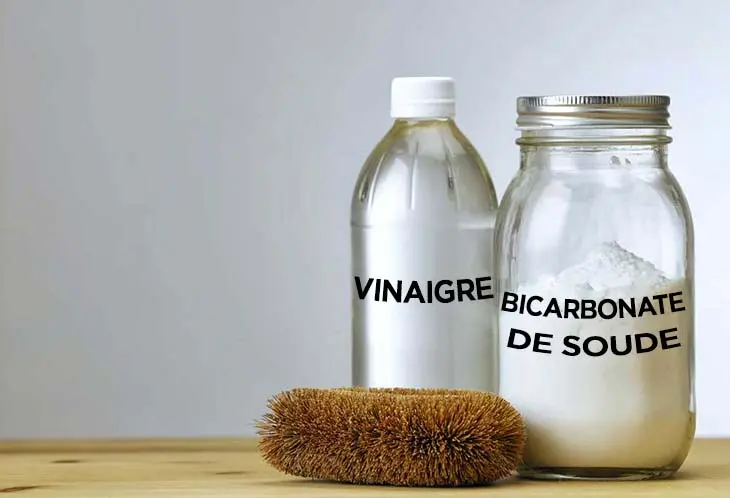
Begin with a mix of equal parts water and white vinegar. After spraying the area and allowing it to rest for 5-10 minutes, dab it dry. Sprinkle baking soda over the spot, wait for 15-20 minutes, and vacuum.
2. Hydrogen Peroxide Mix:
Combine one cup of hydrogen peroxide with two teaspoons of dish soap and two tablespoons of baking soda. Always spot test first to ensure there’s no discoloration. If deemed safe, scrub the affected area with this mix and then pat dry.
3. Enzyme-based Cleaners:
These specialized cleaners contain enzymes that target and break down uric acid crystals. Use as per the product’s guidelines, ensuring the area dries completely.
4. Carpet-Specific Solutions:
For carpeted areas, consider cleaners designed for pet odors. After absorbing as much urine as possible, follow the cleaner’s instructions.
Tips to Prevent Future Incidents

Avoiding accidents from the get-go remains the best strategy. Here’s how:
1. Training Matters:
Reinforce bathroom habits by consistently rewarding your dog for relieving itself outdoors.
2. Scheduled Breaks:
Ensure regular outdoor breaks. While puppies might need hourly trips, adult dogs usually require breaks every 3-4 hours.
3. Heed Their Signs:
Observe your dog for cues that signal a need to relieve itself and act promptly.
4. Crate Training:
Dogs tend not to soil their immediate environment. Crate training can therefore be instrumental in reducing indoor mishaps.
5. Dietary Consistency:
A regular diet can help standardize bowel movements, making bathroom schedules more predictable.
In conclusion, while handling dog urine odor can be challenging, quick intervention and effective cleaning can help maintain a fresh-smelling abode. Moreover, preventive strategies can considerably reduce the frequency of such accidents. With a touch of diligence, you can create a pleasant environment for both you and your furry friend.

You bought a bag of potatoes, and a few weeks later, you find that they’ve started to sprout? Don’t panic! Read more

Goldenberries, also known as Physalis or Uchuva, are small, orange-yellow fruits enclosed in a delicate, papery husk. Originating from the Read more
Garlic: An Ancient Remedy for Better Sleep Since ancient times, garlic has been recognized not only as an essential culinary Read more

Clogged Shower Drain? Try Baking Soda! Experiencing a stagnant pool of water after a refreshing shower can be a mood Read more

The Benefits of Combining Eggs and Coffee: A Nutritious and Energizing Pair When it comes to starting your day right, Read more

Why does your sleep become fragile precisely between 3 a.m. and 5 a.m.? Is it due to a peculiarity of Read more
Unlocking the Garden Potential of Eggshells: 10 Innovative Applications Eggshells, often seen as fragile protectors of eggs, are also a Read more
How can a simple homemade mixture really help make your teeth whiter? Here is the secret that has already captivated Read more

When "Need" Takes on a Whole New Meaning For a long time, having a woman in a man’s life was Read more
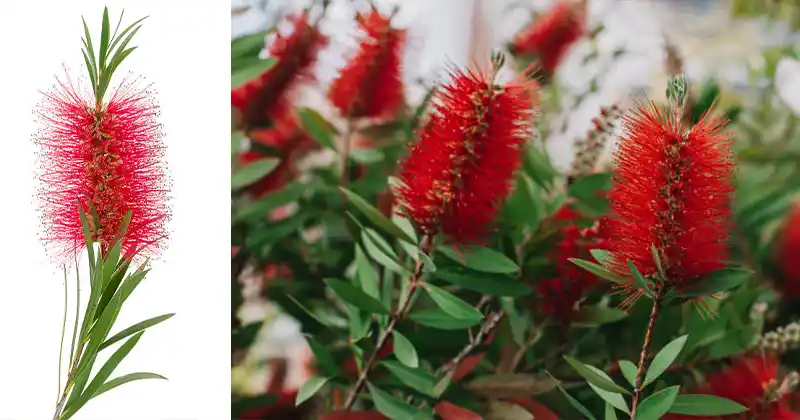
The Hidden Power of Bottlebrush: 15 Benefits and Easy Homemade Uses Nature often hides extraordinary healing power in plain sight—and Read more
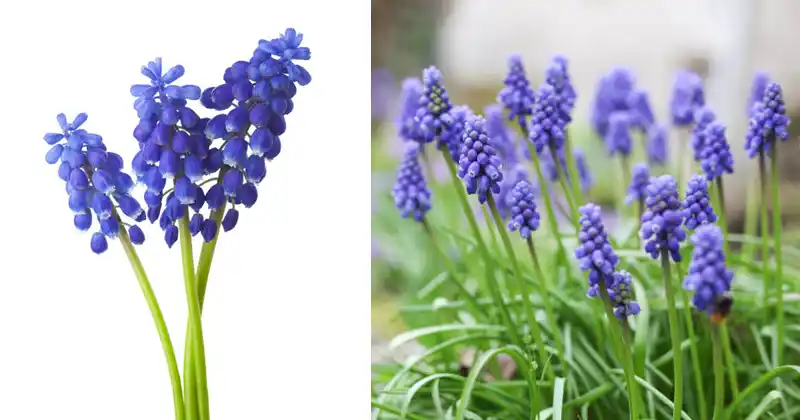
Grape Hyacinth (Muscari): A Beautiful Flower You Can Eat – But Only If You Know Which One The grape hyacinth, Read more
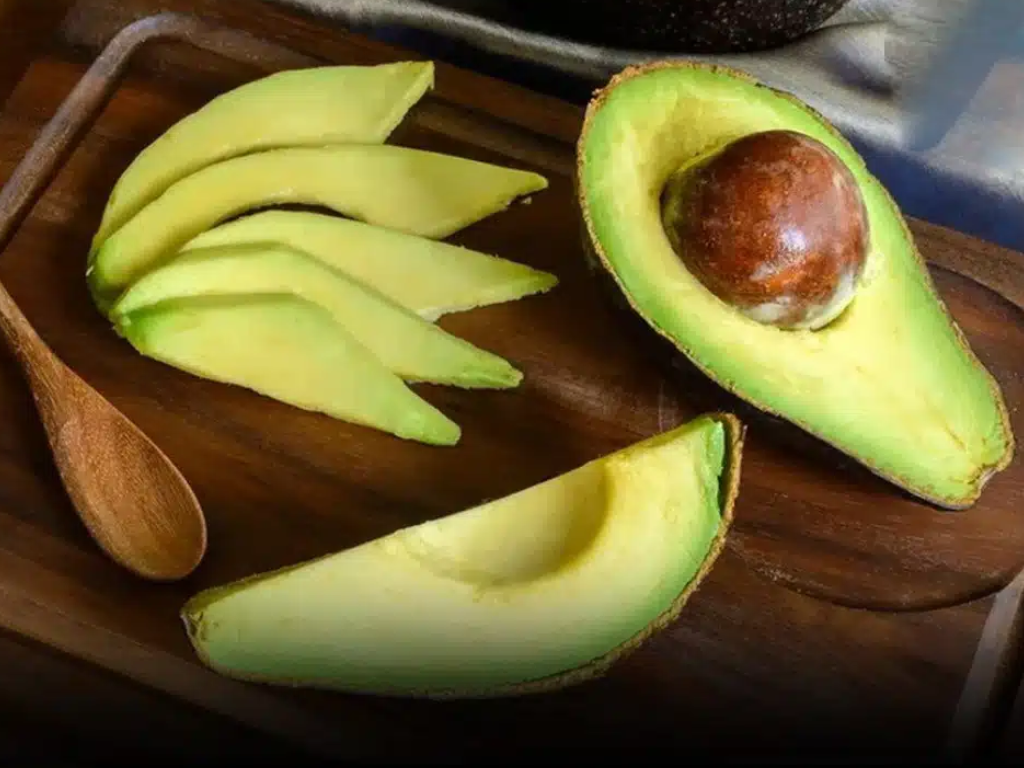
Individuals with Allergies or Sensitivities If you suffer from allergies, it is important to be cautious with avocado! This fruit Read more
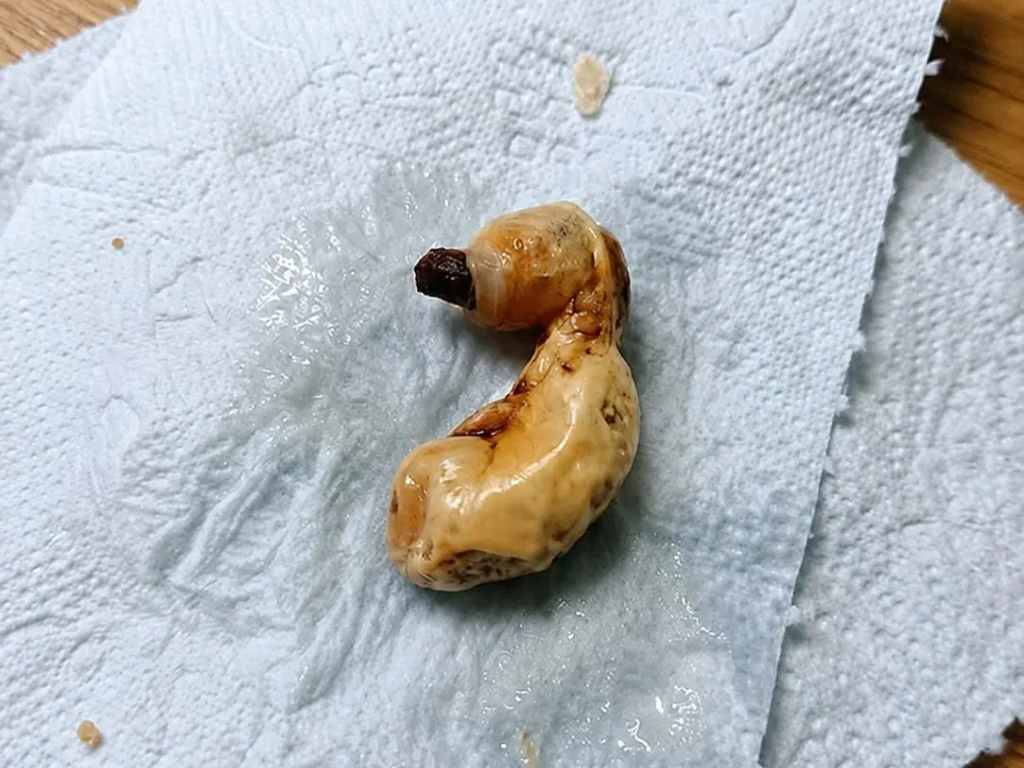
When a Simple Pistachio Shell Takes on the Appearance of a Monster It all begins with the desire to clean Read more
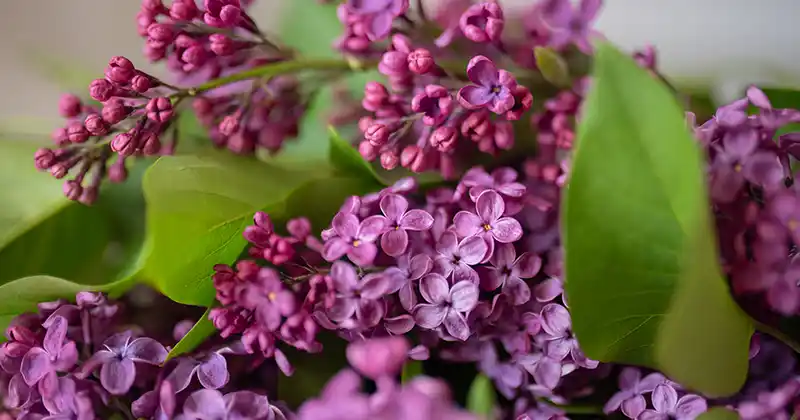
Are Lilacs Edible? Health Benefits of the Beautiful Syringa Blossoms With their sweet fragrance and delicate clusters of flowers, lilacs Read more

Pigweed, also known as amaranth, is a leafy green plant that has been cherished in various cultures for its nutrient-rich Read more

In today's digital age, it's a common sight in households and offices: chargers left in outlets without their corresponding devices. Read more

Tomatoes, a staple in kitchens worldwide, are loved for their versatility and rich flavor. However, their perishable nature often leads Read more

The ingenuity of Swedish furniture design, particularly evident in the flat-pack phenomenon, has transformed how we furnish our homes with Read more

Garlic's Aromatic Enigma: Its Transformation When Burnt The unmistakable scent of garlic is well-known in kitchens worldwide. Esteemed for its Read more

A True Nutritional Treasure in Every Bite Beef tongue stands out primarily for its remarkable nutritional richness. It is an Read more

Dented Car Body: How to Fix It Yourself Over time, the body of your car can endure a lot. From Read more

Who among us would like to live in a stifled and dirty home, where unpleasant cooking odors and impurities invade Read more

Unwanted Houseguest: The Fly The fly is arguably the most disliked insect on Earth, primarily due to its bothersome traits. Read more

How to Reuse Soap Scraps: Ingenious Ideas Soap bars, after several uses, become tiny and almost unusable. Many of us Read more

Horseweed (Erigeron canadensis): 20 Amazing Benefits and How to Use It Horseweed, also known as Erigeron canadensis or Canadian fleabane, Read more

Perfumed Tissues: An Easy DIY Technique The Joy of Scented Tissues: Paper tissues are handy in daily life. While some Read more

Creating a fresh and inviting atmosphere in your kitchen doesn't require expensive air fresheners or synthetic scents. With just a Read more

Embracing Organic Gardening with Homemade Onion Elixir The shifting trends in horticulture are leaning heavily towards eco-conscious choices, prompting gardeners Read more
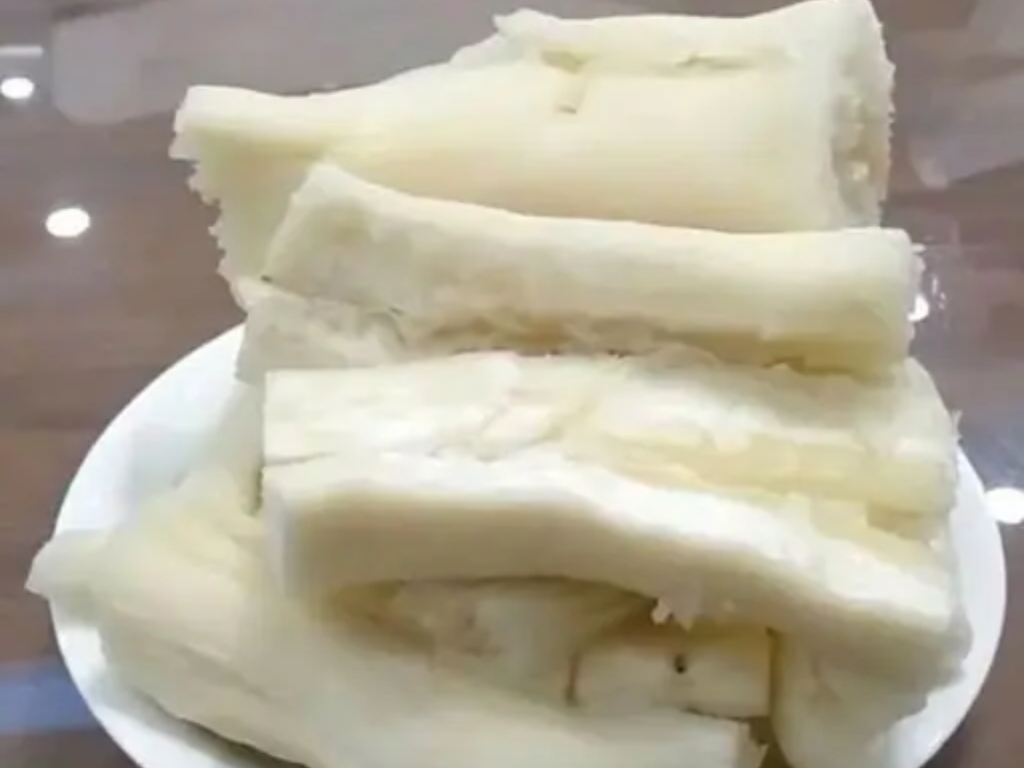
Cassava: An Essential Plant at the Heart of a Deadly Paradox Whether in the form of flour, tapioca pearls, or Read more

Avocados are celebrated for their creamy texture, rich flavor, and numerous health benefits. While typically enjoyed raw, grilling avocados introduces Read more
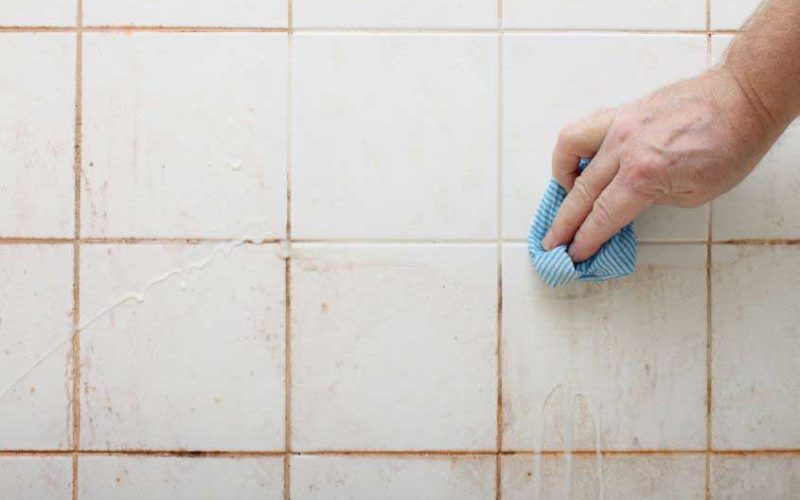
How to Clean Bathroom Tiles Quickly and Effectively Cleaning bathroom tiles is a task we all love to postpone. It Read more
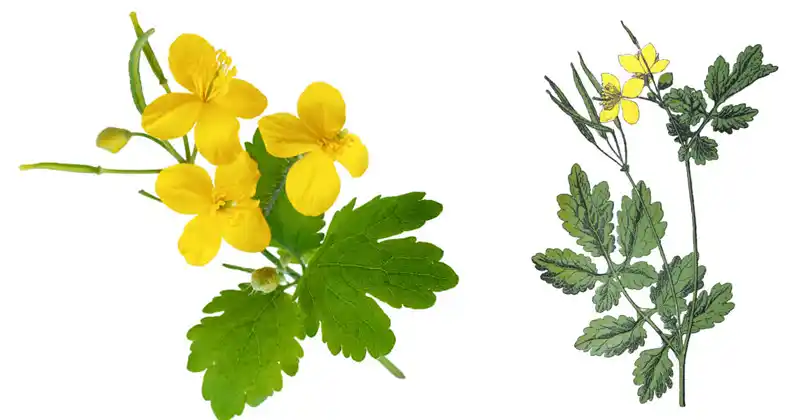
For centuries, Chelidonium majus, commonly known as Greater Celandine, has held a special place in traditional herbal medicine. Recognized by Read more

Shepherd’s Purse (Capsella bursa-pastoris): A Medicinal Herb with Powerful Benefits Shepherd’s Purse, known botanically as Capsella bursa-pastoris, is a small, Read more

Purple Deadnettle (Lamium purpureum): Benefits, Uses & How to Make Tea Often overlooked or mistaken for an ordinary weed, Purple Read more

Transforming Garlic Peels into Gold for Gardeners: In the rhythm of kitchen prep, garlic peels are often discarded without a Read more

Sweet Violet (Viola odorata): 25 Incredible Benefits & How to Use It Sweet violet (Viola odorata), also known as wood Read more
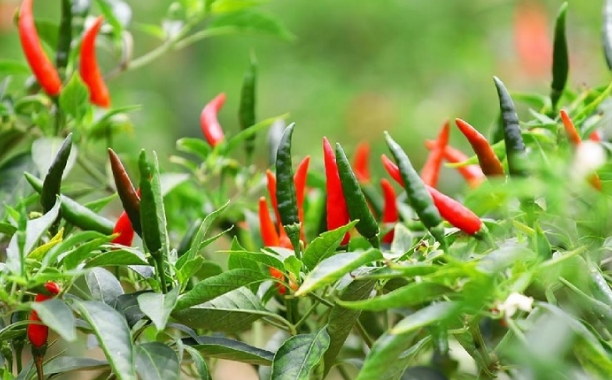
Discover the Untapped Potential of Chili Pepper Leaves: Nutritional Powerhouse for Your Health and Kitchen When you think of chili Read more

The Dog's Nose: A True Superpower It is well known that dogs possess an extraordinary sense of smell. Yet the Read more

The Power of Hawthorn (Genus Crataegus): A Natural Ally for Heart and Cholesterol Health Hawthorn, belonging to the genus Crataegus, Read more

In the realm of gardening, we often stick to traditional methods like basking in sunlight, diligent watering, and soil enriched Read more
