

Bathroom Mold: Causes and Solutions
Ideal Environment for Mold Growth Bathroom surfaces are prime locations for mold growth. Moisture accumulates in areas like tiles, grout, and shower and bathtub curtains, leading to unsightly stains that aren’t always easy to remove. However, with the right methods, one can easily address this issue.
Factors Contributing to Mold in Bathrooms
The bathroom is often exposed to a combination of heat and humidity. And where there’s humidity, mold usually follows. We recommend natural solutions that require minimal preparation time yet demonstrate strong effectiveness against the problems caused by moisture, all without resorting to chemicals or bleach.
The Implications of Mold Beyond Aesthetics
Aside from their unpleasant appearance, which alone would prompt even the laziest among us to start cleaning, molds can spread further. More than just an eyesore, this moisture manifestation poses a health risk too. It can trigger allergies, respiratory issues, and exacerbate symptoms in asthmatic and allergic individuals.

How to Get Rid of Bathroom Mold
A step-by-step guide to eliminating mold from shower cabins, bathtubs, and tiles.
Ingredients You Will Need:
- Half-liter of water
- 200 ml of lemon juice
- 4 tablespoons of baking soda
- 250 ml of white vinegar
Instructions:
1. Preparing the Cleaning Solution:
- In a bowl, mix the white vinegar, water, and lemon juice.
- Stir this mixture well. Dip a microfiber cloth into the solution.
2. Applying the Solution:
- Gently apply the mixture to the mold stains, being careful not to scrub. This is to avoid spreading the mold spores and worsening the situation.
- Leave the solution on for 20 minutes.
- Rinse with clear water before moving on to the next step.
3. Baking Soda Treatment:
- After disinfecting the surface with lemon and vinegar, apply a paste made of baking soda and a little water.
- Use a hard-bristled toothbrush to scrub stained areas, especially tile grout and corners.
- Let it sit for 1 hour.


4. Rinsing and Drying:
- Rinse the treated surfaces, ensuring you also rinse other washable areas.
- Spread hot water to facilitate residue removal and then allow surfaces to dry.
- If you have a window, it’s best to aerate the room; otherwise, consider using a dehumidifier.
- If needed, you can repeat the mold-removal process.
Additional Tip:
- Humidity and mold can be quickly addressed with a common kitchen ingredient: coarse salt.
Eliminating Mold from Shower Curtains

Regardless of whether your shower curtains are made of fabric or plastic, they are vulnerable to the effects of humidity. To combat this:
1. Using Your Washing Machine:
- Place your shower curtains in the washing machine and run a delicate cycle.
- During the wash cycle, pour a mix of baking soda and homemade detergent into the detergent compartment. Add some white vinegar during the rinse cycle.
- Skip the spin cycle and let the items air dry.
Preventing Mold in the Bathroom

Mold occurs due to the presence of humidity. Implementing prevention strategies can significantly reduce its growth:
1. Quick Drying Post-Use:
- After using your shower, make it a habit to dry the tiles, shower curtain, and shower stall.
2. Ensuring Proper Ventilation:
- As previously mentioned, aerating the bathroom helps dissipate hot steam, preventing it from lingering in the room and compromising surfaces. This promotes better air circulation.
3. Using Microfiber Cloths:
- Wipe down surfaces with a microfiber cloth to remove excess moisture.
Regular Cleaning and Maintenance:
- To maximize these solutions, the key is regular cleaning and adopting the right habits. This ensures that you never have to deal with unsightly mold stains again.
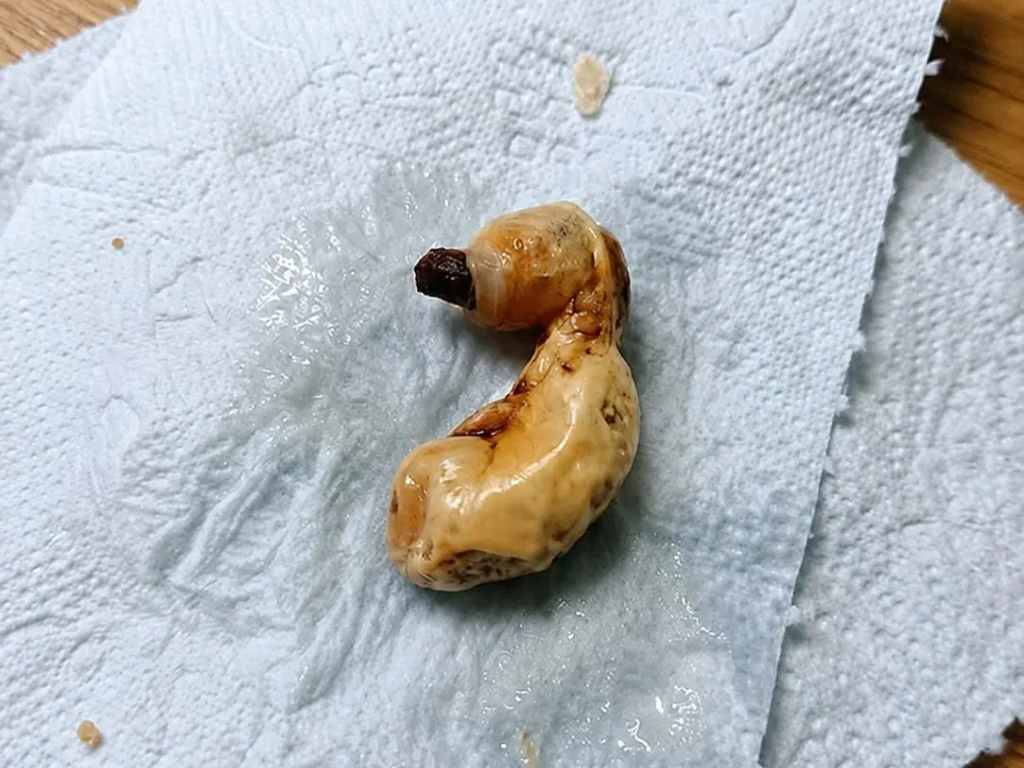
When a Simple Pistachio Shell Takes on the Appearance of a Monster It all begins with the desire to clean Read more

You bought a bag of potatoes, and a few weeks later, you find that they’ve started to sprout? Don’t panic! Read more

Crabgrass, or Digitaria sanguinalis, is often regarded as an annoying, invasive weed in gardens and urban spaces. However, beneath its reputation Read more
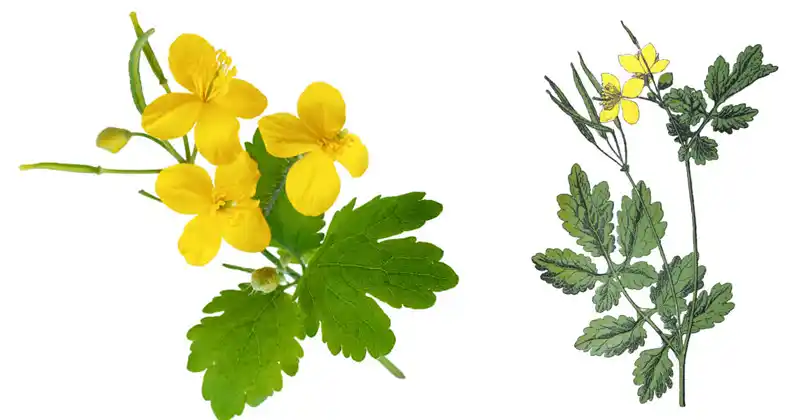
For centuries, Chelidonium majus, commonly known as Greater Celandine, has held a special place in traditional herbal medicine. Recognized by Read more

Mimosa Pudica, commonly known as the “Sensitive Plant” or “Touch-Me-Not,” is famous for its unique reaction to touch—its leaves fold Read more
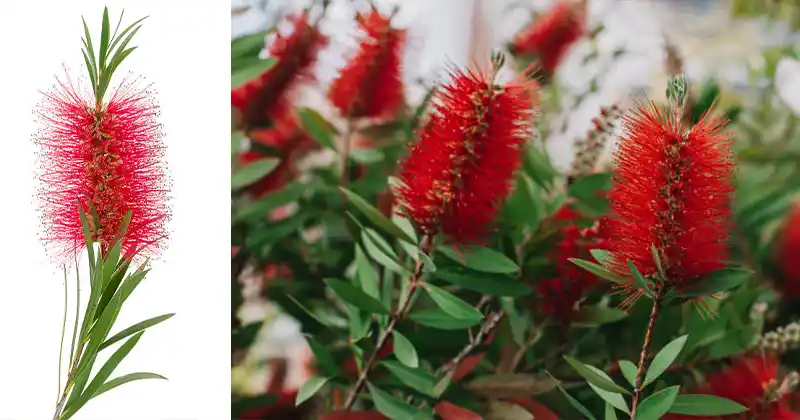
The Hidden Power of Bottlebrush: 15 Benefits and Easy Homemade Uses Nature often hides extraordinary healing power in plain sight—and Read more

Ever wish your home could keep that fresh, clean scent for more than a few hours? There’s a simple, natural Read more

Sida acuta, also known as “common wireweed,” is a hardy plant often found in fields and roadsides. While it may Read more

Euphorbia hirta, commonly known as the “Asthma-plant,” is a medicinal herb renowned in traditional medicine for its diverse health benefits, Read more
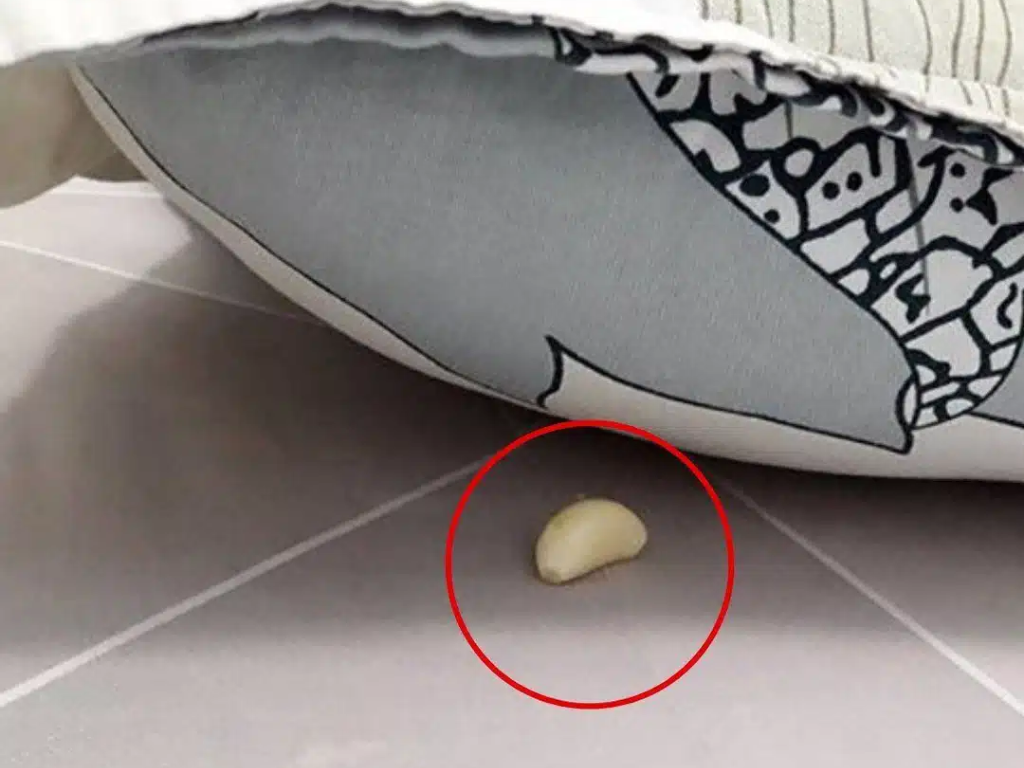
Garlic: An Ancient Remedy for Better Sleep Since ancient times, garlic has been recognized not only as an essential culinary Read more

Transforming Garlic Peels into Gold for Gardeners: In the rhythm of kitchen prep, garlic peels are often discarded without a Read more

Tomatoes, a staple in kitchens worldwide, are loved for their versatility and rich flavor. However, their perishable nature often leads Read more

A Vibrant Coat, More Than Just a Visual Trait Before delving into the nature of these cats, let us first Read more
Thyme is known by some as the “enemy of toxins,” and it has been part of stories since ancient Greece. Read more
Cleaning Grease Off Kitchen Wooden Cabinets: Effective Techniques Removing dirt and embedded grease stains from kitchen wooden cabinets isn't always Read more

Juniper, a versatile and aromatic plant, has been valued for centuries for its culinary, medicinal, and therapeutic uses. Known for Read more

Embracing Organic Gardening with Homemade Onion Elixir The shifting trends in horticulture are leaning heavily towards eco-conscious choices, prompting gardeners Read more
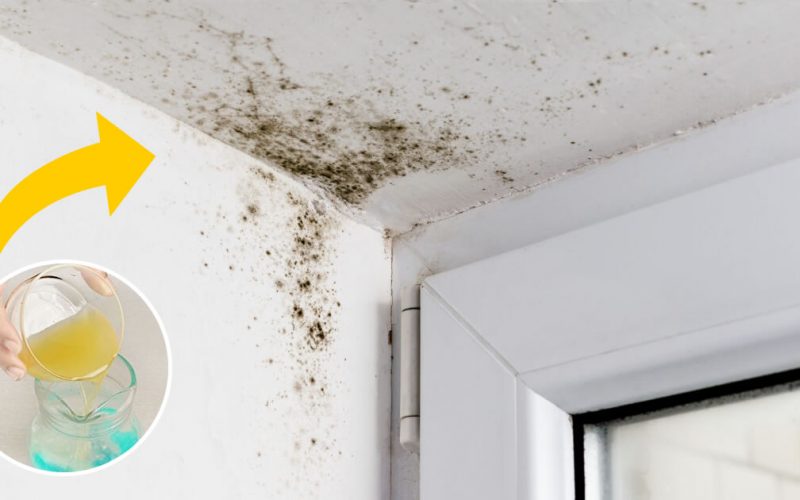
Often, due to poor ventilation or certain climatic conditions, dreaded mold can develop on the walls of our homes. In Read more

Cassava: An Essential Plant at the Heart of a Deadly Paradox Whether in the form of flour, tapioca pearls, or Read more
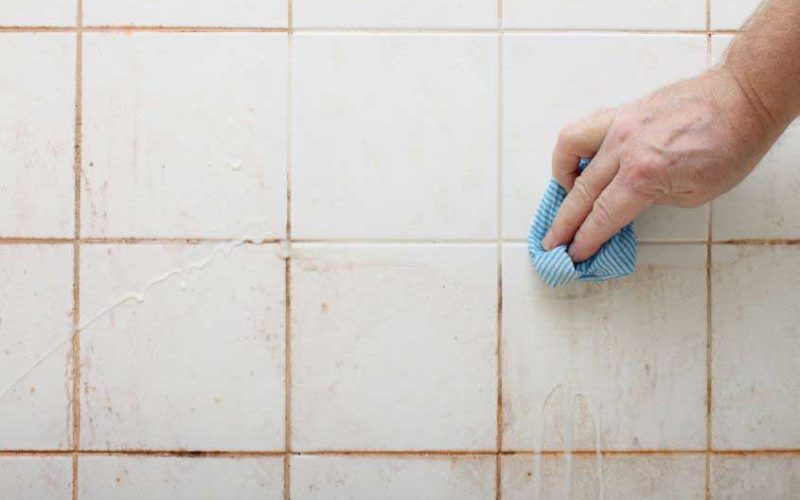
How to Clean Bathroom Tiles Quickly and Effectively Cleaning bathroom tiles is a task we all love to postpone. It Read more

Creating a fresh and inviting atmosphere in your kitchen doesn't require expensive air fresheners or synthetic scents. With just a Read more

Purple Deadnettle (Lamium purpureum): Benefits, Uses & How to Make Tea Often overlooked or mistaken for an ordinary weed, Purple Read more
Discover the Untapped Potential of Chili Pepper Leaves: Nutritional Powerhouse for Your Health and Kitchen When you think of chili Read more

Ageratum conyzoides, commonly known as Billygoat Weed or Goatweed, is a flowering plant native to tropical regions of the Americas Read more

Perfumed Tissues: An Easy DIY Technique The Joy of Scented Tissues: Paper tissues are handy in daily life. While some Read more

Are Lilacs Edible? Health Benefits of the Beautiful Syringa Blossoms With their sweet fragrance and delicate clusters of flowers, lilacs Read more

Shepherd’s Purse (Capsella bursa-pastoris): A Medicinal Herb with Powerful Benefits Shepherd’s Purse, known botanically as Capsella bursa-pastoris, is a small, Read more

The ingenuity of Swedish furniture design, particularly evident in the flat-pack phenomenon, has transformed how we furnish our homes with Read more

Clogged Shower Drain? Try Baking Soda! Experiencing a stagnant pool of water after a refreshing shower can be a mood Read more

When "Need" Takes on a Whole New Meaning For a long time, having a woman in a man’s life was Read more
Faced with increasingly harsh industrial detergents, consumers are turning back to traditional products that are healthier and have long proven Read more

Eager to master the art of nurturing a Peace Lily? Known scientifically as Spathiphyllum Wallisii, this enchanting plant is often Read more

Garlic's Aromatic Enigma: Its Transformation When Burnt The unmistakable scent of garlic is well-known in kitchens worldwide. Esteemed for its Read more

Unveiling the Secrets of Burning Bay Leaves in Your Home The age-old tradition of burning bay leaves, once prevalent in Read more

The Dog's Nose: A True Superpower It is well known that dogs possess an extraordinary sense of smell. Yet the Read more

The Importance of Curtain Cleaning in Your Home Generally, when cleaning the house, after dusting the furniture, one often overlooks Read more

The Amazing Benefits of Sumac and How to Use It Sumac is more than just a flavorful spice—it’s a powerful Read more

When you enter a hotel room, have you ever noticed that long piece of fabric laid across the foot of Read more

Lactuca serriola, commonly known as prickly lettuce, is a plant that often goes unnoticed, dismissed as a mere weed. However, Read more

Horseweed (Erigeron canadensis): 20 Amazing Benefits and How to Use It Horseweed, also known as Erigeron canadensis or Canadian fleabane, Read more
