

Why Does Your Dog Lick Your Hands?

Licking is a natural form of communication for dogs. From their earliest weeks, puppies lick their mother to express their needs, seek attention, or find comfort. This behavior continues into adulthood, especially towards those they love and trust.
A Genuine Sign of Affection
Most often, when your dog licks your hands, it is a demonstration of affection. It expresses attachment, gratitude, and a sense of well-being in your presence. This habit commonly appears during petting sessions or quiet moments, as if to extend the bond and cherish the special time shared.
Through this simple gesture, your canine companion is telling you, “I feel good with you.”
A Calming Gesture, For Him or For You
Dogs absorb a great deal from the emotions around them. If they sense stress, tension, or nervousness in you, some dogs try to soothe the atmosphere by licking you. This repeated behavior also serves as a way for them to manage their own anxiety or confusion.
If you notice your dog licking you more often in emotionally stressful situations, it may be his way of reassuring you by saying, “Everything is going to be okay.”
A Clear Call for Attention
Sometimes, the message is straightforward: “Pay attention to me.” When your dog feels bored, unstimulated, or wants to play, licking becomes a signal for interaction. If you respond by speaking to him, making eye contact, or petting him, this behavior will be encouraged and repeated.
It is not manipulation, but rather an effective form of communication between you.
A Way to Explore the World with His Nose and Tongue
Human hands carry many interesting scents: traces of food, soap, lotion, perfume, or signs brought in from outside. When your dog licks you, he gathers essential information. For him, it’s a natural method of discovering more about his environment and your day.
When Licking Becomes Excessive: Should You Be Concerned?

In most cases, licking is a normal and healthy behavior. However, if your dog starts licking compulsively, excessively frequently, or if the licking is accompanied by other signals such as restlessness, whining, or nervousness, it may indicate deeper distress.
This situation may stem from:
a lack of physical activity or mental stimulation,
prolonged boredom,
chronic stress,
or habits formed without clear boundaries.
In such circumstances, it is important to reassess your dog’s daily routine and, if necessary, seek advice from an animal behavior specialist.
How to Show Affection to Your Dog Without Overwhelming Him
Respect His Limits
Every dog has preferences: some enjoy long hugs, others prefer brief contact, quiet presence, or simply sitting close by. Observing your pet’s reactions is vital so you don’t intrude on his comfort or well-being.
Provide Emotional Support
A calm voice, gentle gestures, and a reassuring attitude have a powerful soothing effect. Dogs are highly perceptive to our intentions, often far beyond the words we say.
Spend Quality Time Together
Walks, playtime, and shared moments of relaxation form the foundation of a balanced and fulfilling relationship. When your dog chooses to lie at your feet or near you, it reflects deep and sincere trust.
Create a Safe Environment
A cozy space—whether a soft cushion or a bed placed near you—helps your dog feel fully integrated into your home and secure.
Trust: The Key to a Harmonious Relationship
By welcoming your dog’s signals with kindness and understanding, including his licking, you strengthen his sense of security. He knows he can express himself freely and that his expressions will be accepted, not rejected.
Understanding why your dog licks your hands goes beyond simply interpreting a sweet gesture: it is about learning to listen to a silent language that nurtures day after day a relationship founded on trust, respect, and a shared love.
The Hidden Power of Bottlebrush: 15 Benefits and Easy Homemade Uses Nature often hides extraordinary healing power in plain sight—and Read more

Why Do We Consistently Wake Up at the Same Time During the Night? Nighttime awakenings can stem from various causes: Read more

Tackling Dog Urine Odor: A Comprehensive Guide The joy of having a canine companion is undeniable, but alongside it come Read more

Why Is a Temperature of 40°C Not Enough to Effectively Eliminate Bacteria? Many people consider 40°C to be a balanced Read more

A Vibrant Coat, More Than Just a Visual Trait Before delving into the nature of these cats, let us first Read more

The Final Blow Within Her Own Home Returning home from work, Phoebe had hoped to find a dinner prepared or Read more

Mimosa Pudica, commonly known as the “Sensitive Plant” or “Touch-Me-Not,” is famous for its unique reaction to touch—its leaves fold Read more

Why Traditional Household Cleaners Aren't Enough Often praised for their effectiveness, commercial cleaning products don't always succeed in removing stubborn Read more

The Power of Hawthorn (Genus Crataegus): A Natural Ally for Heart and Cholesterol Health Hawthorn, belonging to the genus Crataegus, Read more
Thyme is known by some as the “enemy of toxins,” and it has been part of stories since ancient Greece. Read more

8 Surprising Benefits of Water Cloves You Probably Didn’t Know About Cloves are widely recognized for their warm, spicy aroma Read more

White Clover (Trifolium repens): 15 Benefits and Homemade Uses White clover (Trifolium repens) is more than just a common plant Read more

Airport staff and baggage handlers have an in-depth understanding of the behind-the-scenes processes involved in handling luggage. Today, they share Read more

Euphorbia hirta, commonly known as the “Asthma-plant,” is a medicinal herb renowned in traditional medicine for its diverse health benefits, Read more
Salt: An Overlooked Treasure in the Home Since ancient times, salt was so valuable that it was even used as Read more

Avocados are celebrated for their creamy texture, rich flavor, and numerous health benefits. While typically enjoyed raw, grilling avocados introduces Read more

Datura stramonium, commonly known as Jimson weed, thorn apple, or devil's trumpet, is a plant native to North America but Read more
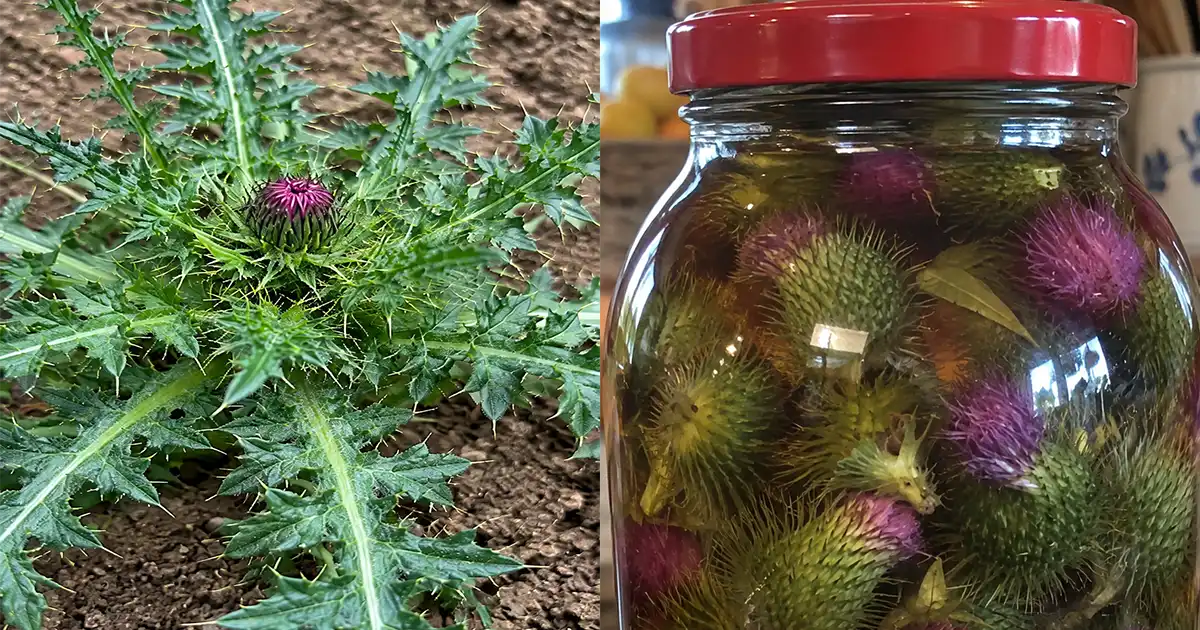
Bull Thistle (Cirsium vulgare): A Wild Plant with Surprising Benefits The bull thistle (Cirsium vulgare) is often dismissed as a Read more

Unveiling the Secrets of Burning Bay Leaves in Your Home The age-old tradition of burning bay leaves, once prevalent in Read more

Sweet Violet (Viola odorata): 25 Incredible Benefits & How to Use It Sweet violet (Viola odorata), also known as wood Read more
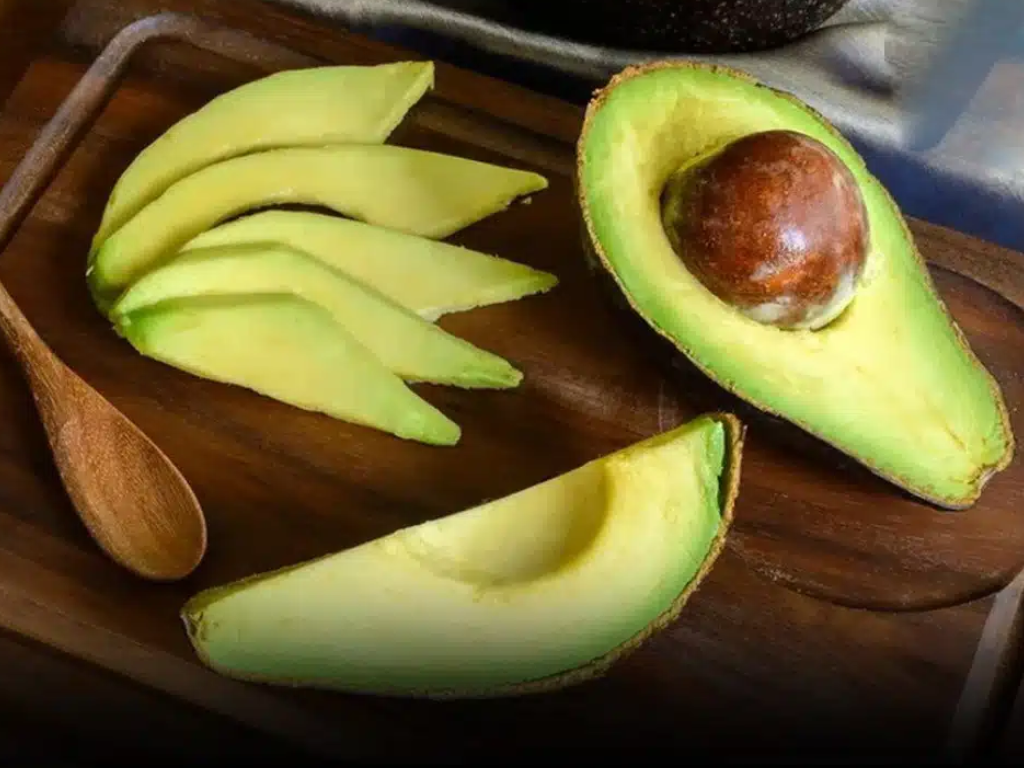
Individuals with Allergies or Sensitivities If you suffer from allergies, it is important to be cautious with avocado! This fruit Read more
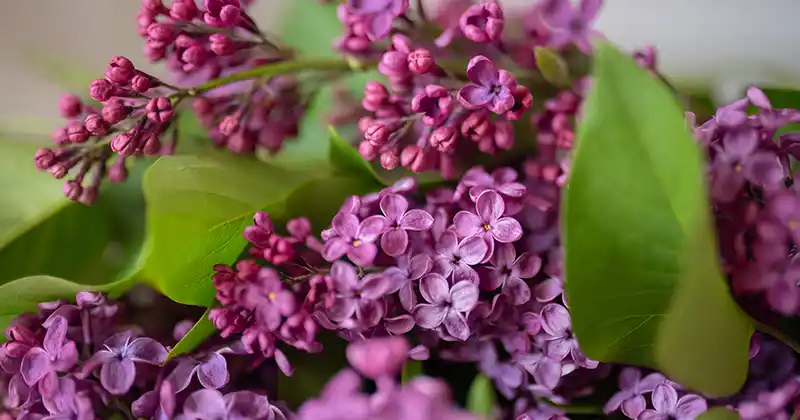
Are Lilacs Edible? Health Benefits of the Beautiful Syringa Blossoms With their sweet fragrance and delicate clusters of flowers, lilacs Read more

The Art of Container Flower Combinations Designing with flowers in pots is a delightful blend of horticulture and floral design. Read more
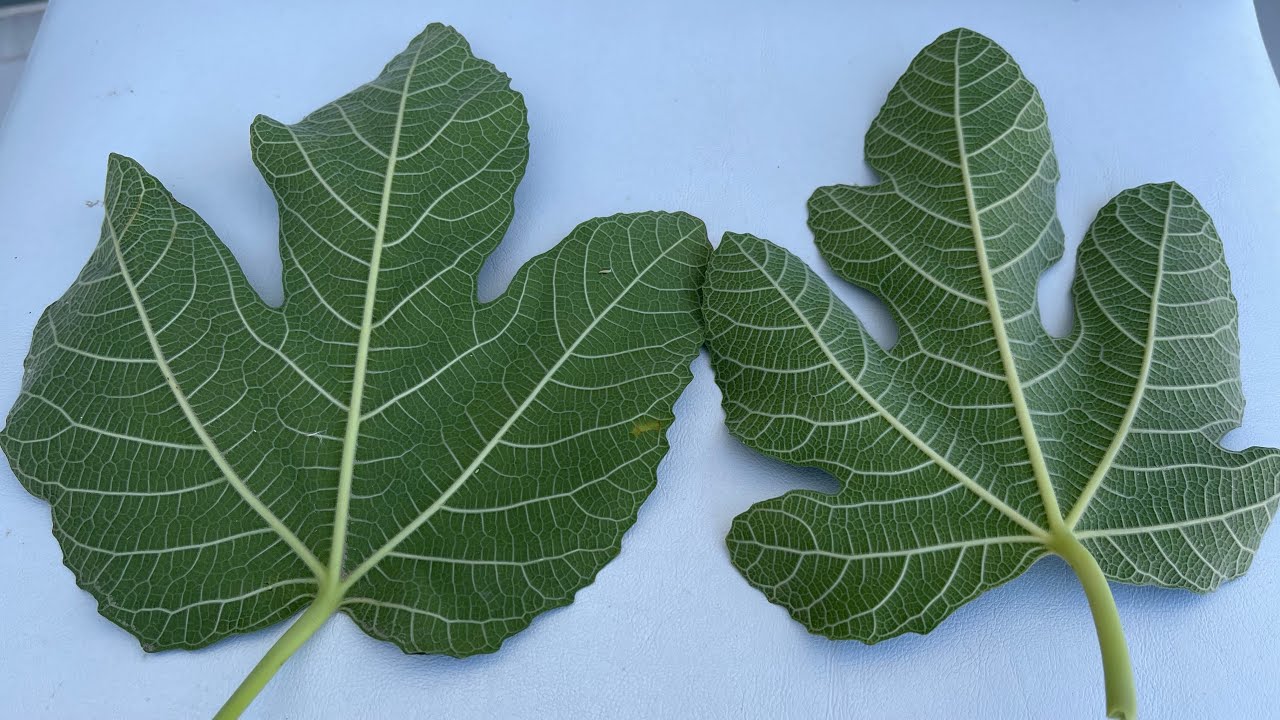
Fig leaves, often overlooked behind the sweet and flavorful fruit they accompany, are an incredible source of numerous health benefits. Read more
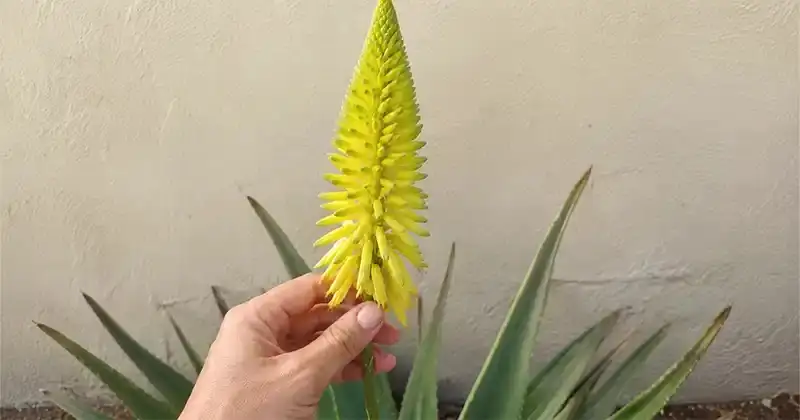
This content is for informational purposes only. For medical advice or diagnosis, please consult a professional. Most people recognize aloe Read more
This content is provided for informational purposes only. For medical advice or diagnosis, please consult a healthcare professional. The common Read more

Perfumed Tissues: An Easy DIY Technique The Joy of Scented Tissues: Paper tissues are handy in daily life. While some Read more
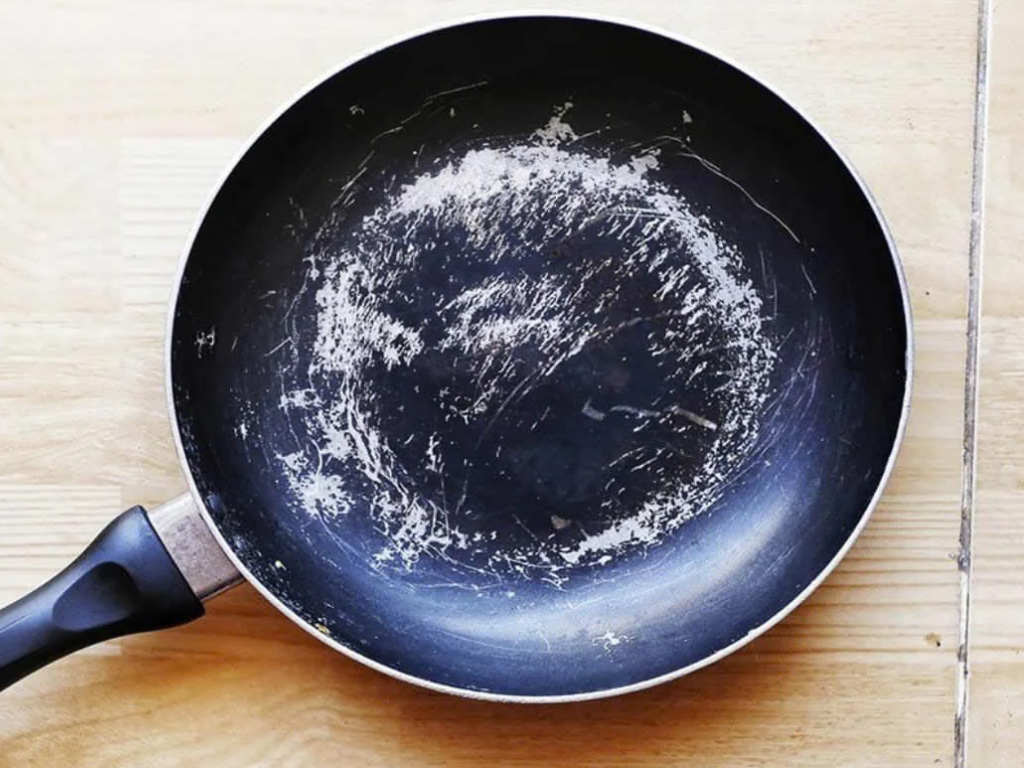
The Secret of Seasoning: An Essential Traditional Method What if the key to reviving a frying pan lay in an Read more

Cleaning Grease Off Kitchen Wooden Cabinets: Effective Techniques Removing dirt and embedded grease stains from kitchen wooden cabinets isn't always Read more

Unwanted Houseguest: The Fly The fly is arguably the most disliked insect on Earth, primarily due to its bothersome traits. Read more
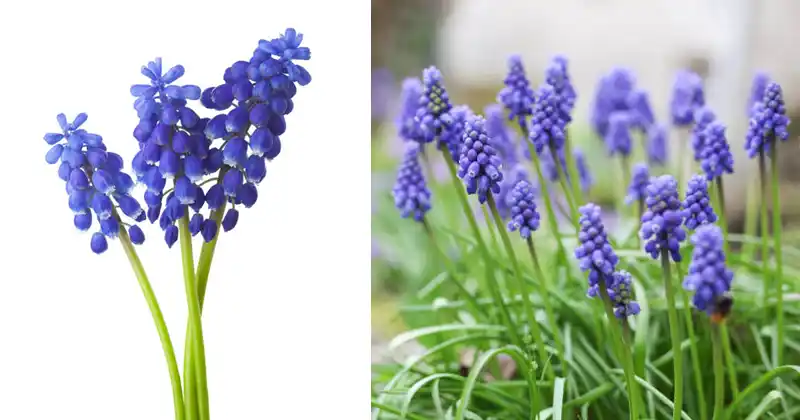
Grape Hyacinth (Muscari): A Beautiful Flower You Can Eat – But Only If You Know Which One The grape hyacinth, Read more

You bought a bag of potatoes, and a few weeks later, you find that they’ve started to sprout? Don’t panic! Read more

How to Clean Bathroom Tiles Quickly and Effectively Cleaning bathroom tiles is a task we all love to postpone. It Read more

Risks Associated with Using Boiling Water in Plumbing Premature Deterioration of Materials Frequently pouring boiling water down your sink can Read more

Shepherd’s Purse (Capsella bursa-pastoris): A Medicinal Herb with Powerful Benefits Shepherd’s Purse, known botanically as Capsella bursa-pastoris, is a small, Read more

A Fully Integrated Member of Its Tribe Social relationships hold a significant place in the life of a cat. When Read more

Ever wish your home could keep that fresh, clean scent for more than a few hours? There’s a simple, natural Read more

The Secret Language of Burglars: A Discreet Warning Signal Burglars use an actual coding system to identify their targets. They Read more
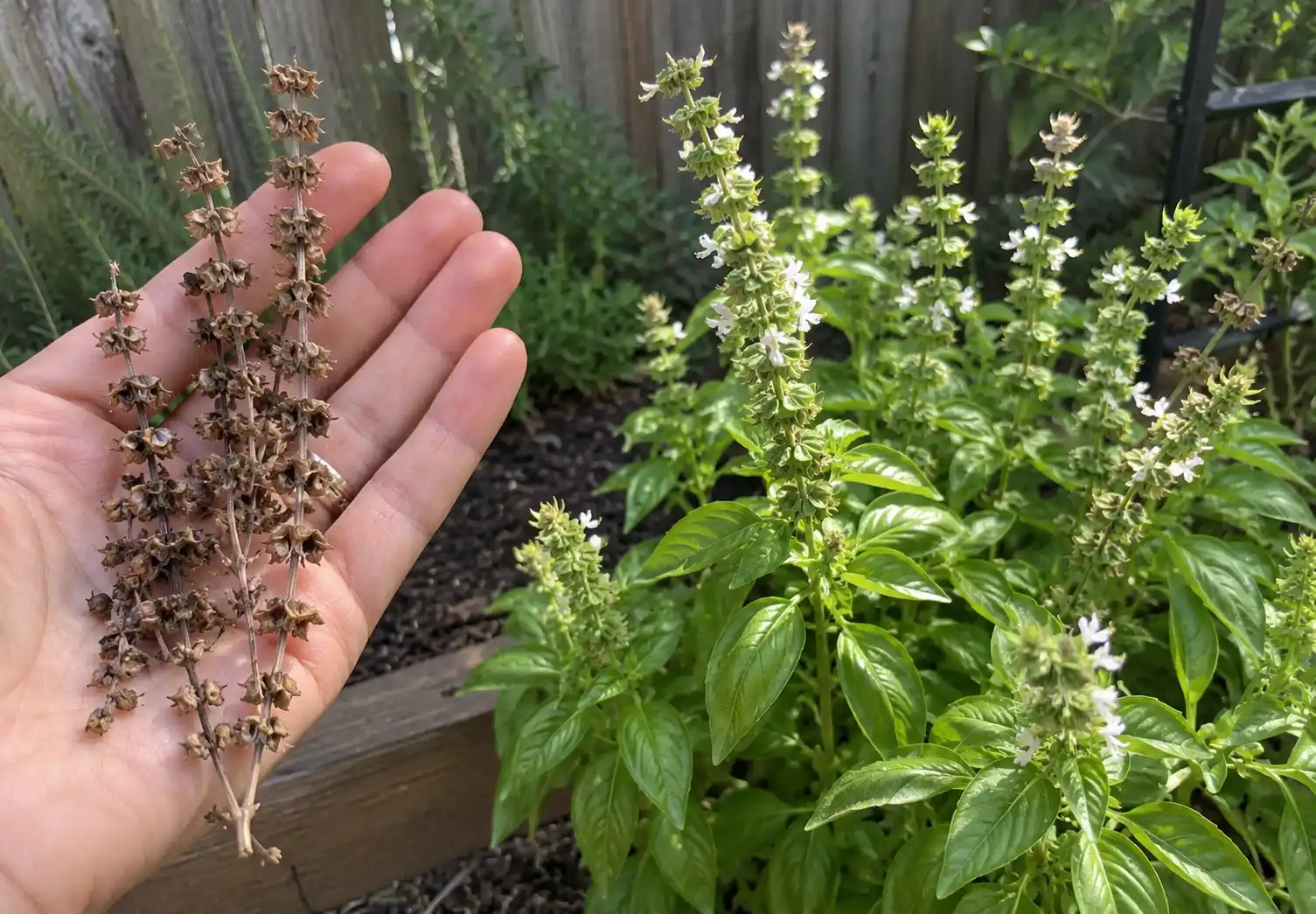
Basil seeds, often referred to as sabja or tukmaria, come from sweet basil. Though tiny, they hold an exceptional nutritional Read more

When Affection Triumphs Over Blood Ties Sharaine and Wilson Caraballo, warm-hearted parents of a large family with five children, opened Read more
