
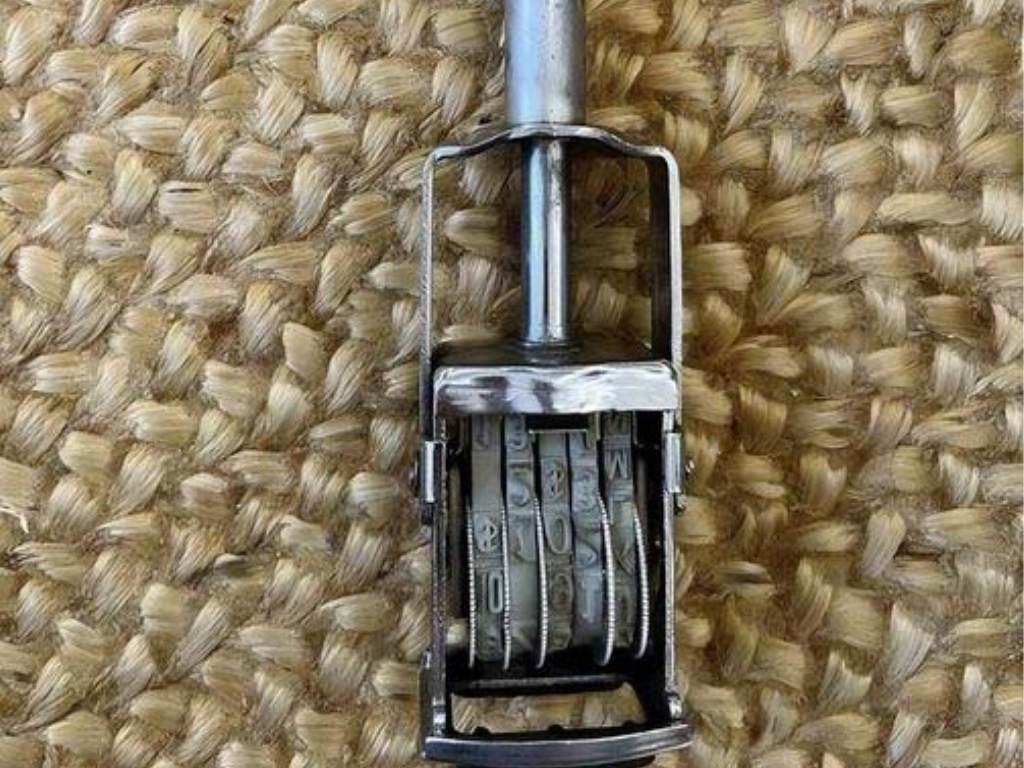
A Fundamental Innovation in the World of Commerce

At the dawn of the twentieth century, merchants faced a recurring challenge: how to quickly and uniformly display the prices of products? It was amidst this pursuit of efficiency that a significant mechanical invention was born: ink stamps for pricing. These ingenious tools revolutionized the way prices were affixed to labels long before the arrival of electronic technologies.
Comprised of adjustable rollers—sometimes accompanied by a user manual—these markers allowed clean printing of numbers and symbols, ensuring perfect legibility. Their mechanism was both simple and clever: rotating bands represented the necessary digits and signs, which could be inked then pressed onto a label to instantly imprint the price.
What Made Them So Successful and Long-Lasting
What factors contributed to the lasting legacy of these ink stamps in commercial history?
Easy customization: simply twisting the rollers changed the price without requiring any additional tools.
Exceptional durability: made of metal or sturdy plastic, these stamps easily withstood the heavy use typical of busy shops.
Remarkable efficiency: significantly faster than handwriting, they profoundly optimized the price-labeling process.
The introduction of self-inking models marked another major advancement, making their use even more straightforward. No longer separated from the ink pad, the integrated ink in the device drastically reduced handling time—a crucial advantage for merchants pressed for time.
The Inevitable Shift to the Digital Age

By the end of the twentieth century, technological progress had deeply transformed commerce. Barcode scanners, digital labels, and inventory management software gradually supplanted older methods, satisfying a growing demand for accuracy and speed in managing commercial information.
Despite their gradual disappearance from shop counters, vintage ink stamps have not been erased from collective memory. Their charm, coupled with their historical significance, has made them sought-after items among collectors and enthusiasts of industrial history.
The Reasons Behind Their Enduring Appeal

Why do these stamps continue to hold unexpected notoriety and popularity?
An authentic retro aesthetic: their detailed mechanics and understated design make them unique and captivating.
Profound historical value: they represent a pivotal stage in the evolution of modern commercial practices.
Exemplary durability: built to last, they exemplify artisanal craftsmanship increasingly rare in an era of fast consumption.
These pieces are found not only in flea markets but also on specialized online platforms, where they attract knowledgeable collectors. Their price naturally depends on their condition and rarity.
A Story of Adaptation and Innovation
The evolution of ink stamps toward digital technologies reflects a fascinating tale of human ingenuity and adaptation. Today, AI-driven systems continue the same mission: to organize, simplify, and enhance the shopping experience. Yet, the connection to these bygone tools remains visible, serving as a continuous thread uniting simplicity and efficiency over a century.
A Tangible and Timeless Legacy
Vintage ink stamps are not mere relics of the past. They symbolize an era when innovation was synonymous with robustness and authenticity. These small but clever objects continue to captivate through their charm and through the significant role they hold in the history of commerce.
The next time you scan a barcode or read a digital label, remember those old-fashioned ink stamps, discreet witnesses of a time when every detail reflected professional and meticulous craftsmanship.

The Final Blow Within Her Own Home Returning home from work, Phoebe had hoped to find a dinner prepared or Read more

We experienced several miscarriages. Each time, it was a silent grief, almost invisible to the eyes of others. I learned Read more

An IQ Test Involving Coffee Cups When it comes to logical reasoning, it is clear that not everyone approaches it Read more

The Hidden Power of Bottlebrush: 15 Benefits and Easy Homemade Uses Nature often hides extraordinary healing power in plain sight—and Read more
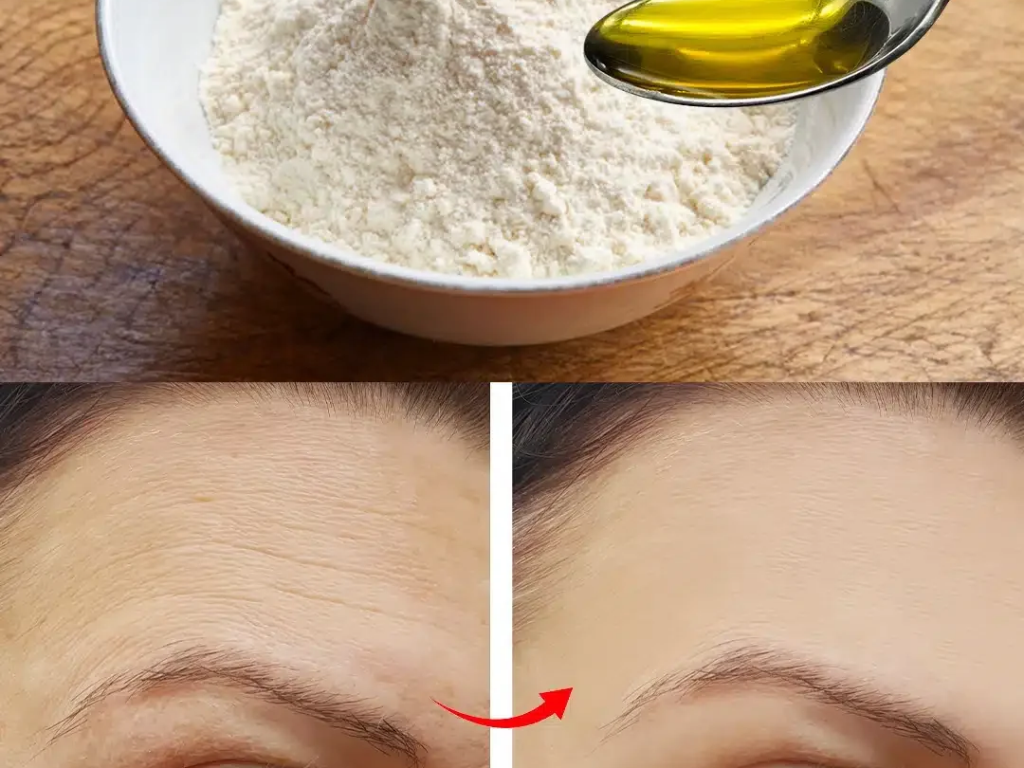
Ingenious Uses for Expired Cornstarch A Natural Cleaner for Windows and Surfaces Did you know that cornstarch can easily substitute Read more

The Power of Hawthorn (Genus Crataegus): A Natural Ally for Heart and Cholesterol Health Hawthorn, belonging to the genus Crataegus, Read more

A True Nutritional Treasure in Every Bite Beef tongue stands out primarily for its remarkable nutritional richness. It is an Read more

The Risks Associated with Excessive Screen Exposure Prolonged exposure to screens can have serious consequences on the overall development of Read more

A Pricing Error That Affects Your Budget We don't always realize it, but pricing errors in supermarkets are far from Read more

Defrosting a freezer is often viewed as a lengthy and tedious task involving ice packs and patience being thoroughly tested. Read more

The Spool of Thread: A Silent Relic of a Bygone Era Let us take a moment to journey back to Read more

Unwanted Houseguest: The Fly The fly is arguably the most disliked insect on Earth, primarily due to its bothersome traits. Read more
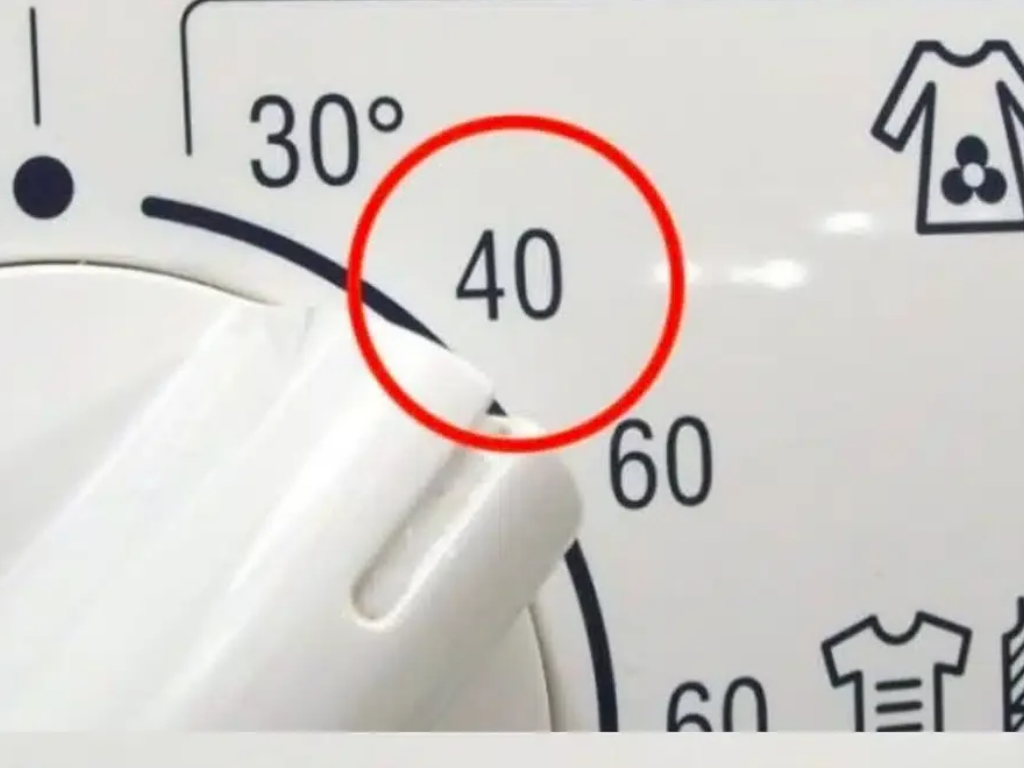
Why Is a Temperature of 40°C Not Enough to Effectively Eliminate Bacteria? Many people consider 40°C to be a balanced Read more

The Amazing Benefits of Sumac and How to Use It Sumac is more than just a flavorful spice—it’s a powerful Read more

Ageratum conyzoides, commonly known as Billygoat Weed or Goatweed, is a flowering plant native to tropical regions of the Americas Read more
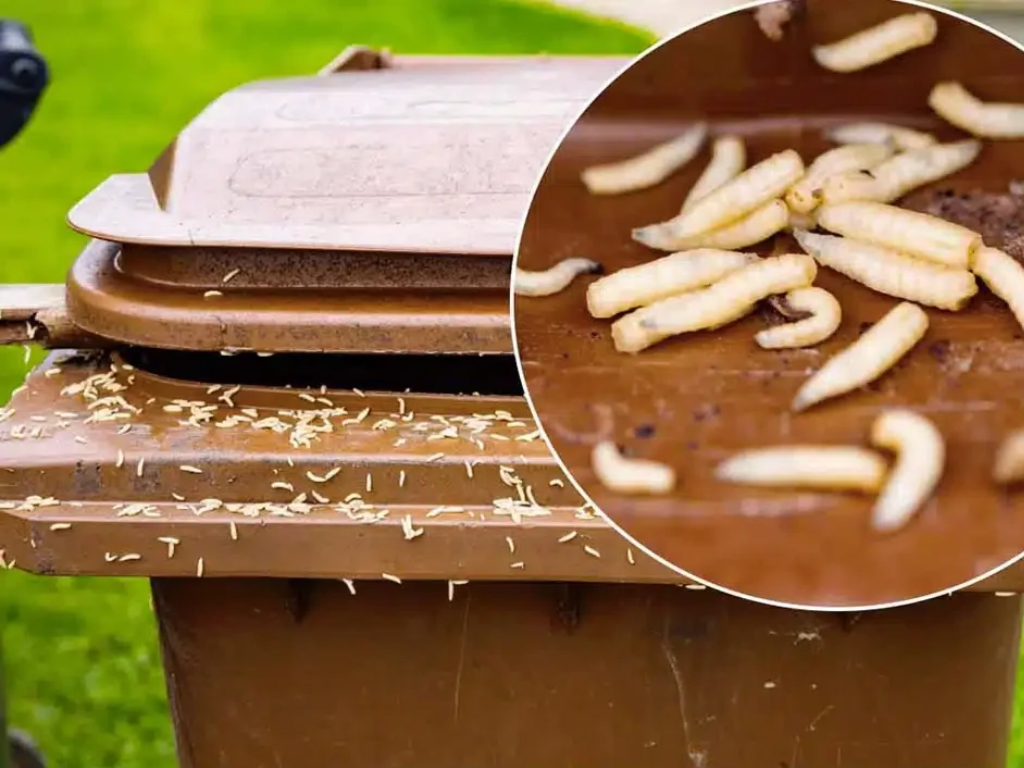
Effective Methods to Eliminate Maggots and Prevent Their Return Vinegar: An Essential Natural Repellent To quickly rid yourself of maggots, Read more

Euphorbia hirta, commonly known as the “Asthma-plant,” is a medicinal herb renowned in traditional medicine for its diverse health benefits, Read more
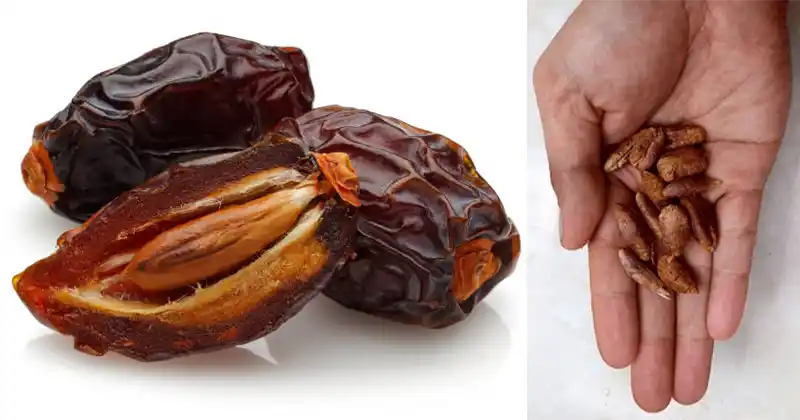
When you sink your teeth into a soft, caramel-sweet date, the last thing on your mind is usually the tough Read more

Why It's Crucial to Clean Your Oven and How to Do It Naturally The Importance of Cleaning Your Oven The Read more

The Disguise Test One morning, Mr. Delaunay put on worn-out clothes, covered himself in dust, and let his beard grow, Read more
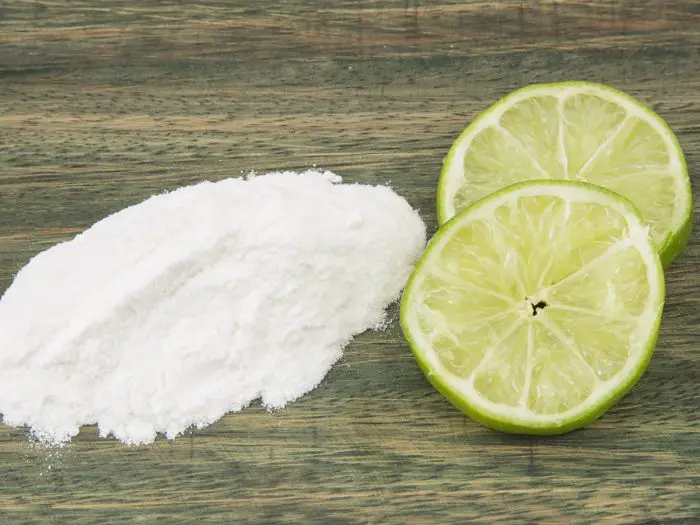
Baking soda and lemon peels are two household items often overlooked but incredibly powerful when combined. This natural duo can Read more
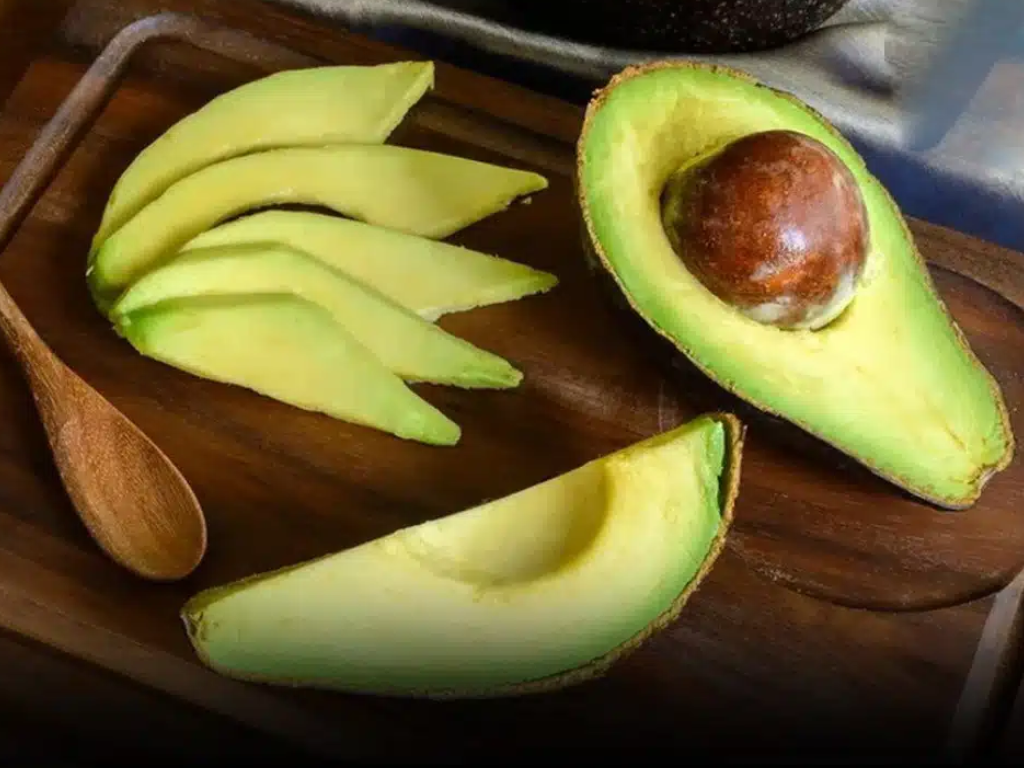
Individuals with Allergies or Sensitivities If you suffer from allergies, it is important to be cautious with avocado! This fruit Read more

Juniper, a versatile and aromatic plant, has been valued for centuries for its culinary, medicinal, and therapeutic uses. Known for Read more

Creating a fresh and inviting atmosphere in your kitchen doesn't require expensive air fresheners or synthetic scents. With just a Read more

The Scents That Attract Them Unintentionally Many laundry detergents and fabric softeners release floral, fruity, or subtly sweet fragrances. While Read more

A Natural Ally for a Healthier and More Pleasant Home We admire the spider plant for its delicate and soothing Read more

How to Clean Bathroom Tiles Quickly and Effectively Cleaning bathroom tiles is a task we all love to postpone. It Read more

Who among us would like to live in a stifled and dirty home, where unpleasant cooking odors and impurities invade Read more

Cultivating veggies and herbs indoors is more than just a productive task; it's a delightful and aesthetic journey. The magic Read more

Cleaning Grease Off Kitchen Wooden Cabinets: Effective Techniques Removing dirt and embedded grease stains from kitchen wooden cabinets isn't always Read more

Garlic's Aromatic Enigma: Its Transformation When Burnt The unmistakable scent of garlic is well-known in kitchens worldwide. Esteemed for its Read more
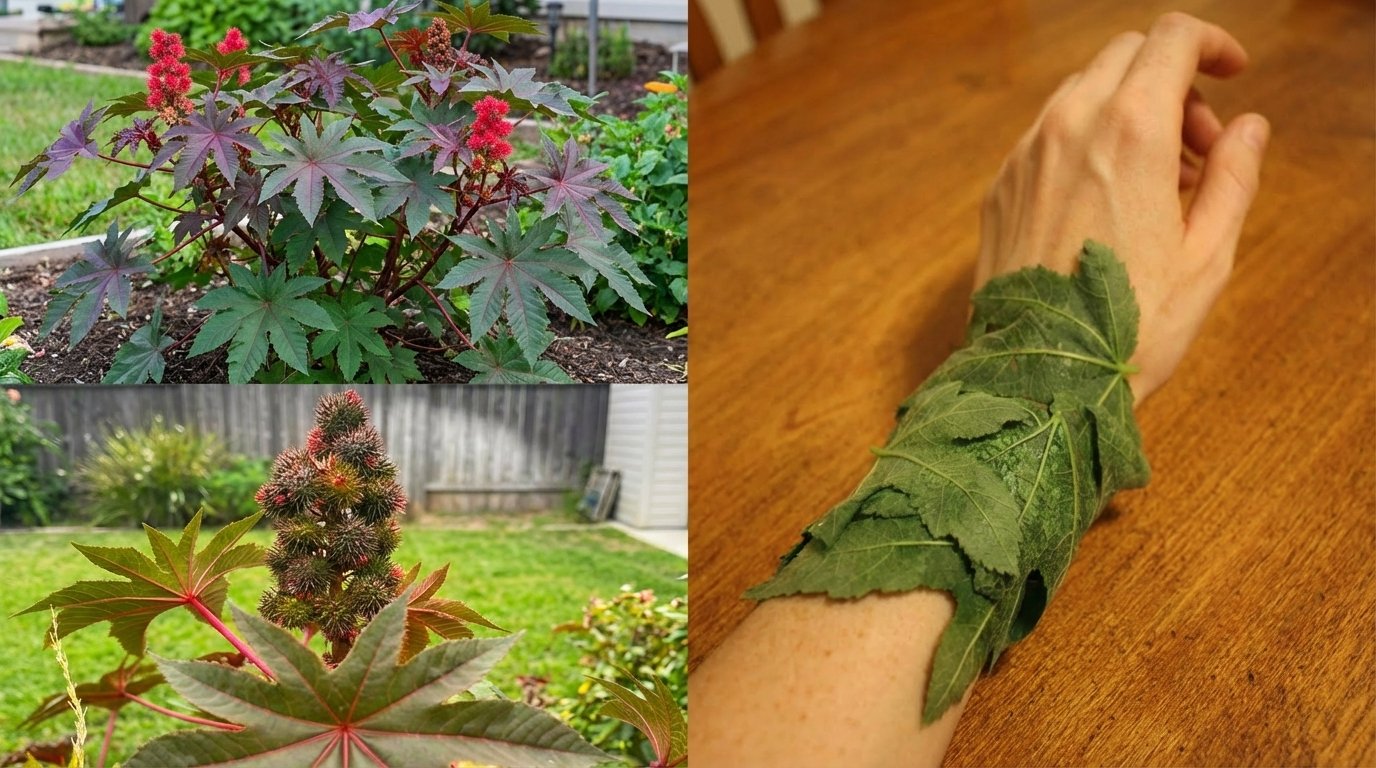
The castor plant (Ricinus communis) is widely known for its seeds, which are the source of castor oil. However, its Read more

Highland flowers, often found in remote, elevated regions, are more than just a visual delight. These resilient blooms, thriving in Read more

Purple Deadnettle (Lamium purpureum): Benefits, Uses & How to Make Tea Often overlooked or mistaken for an ordinary weed, Purple Read more

Tomatoes, a staple in kitchens worldwide, are loved for their versatility and rich flavor. However, their perishable nature often leads Read more
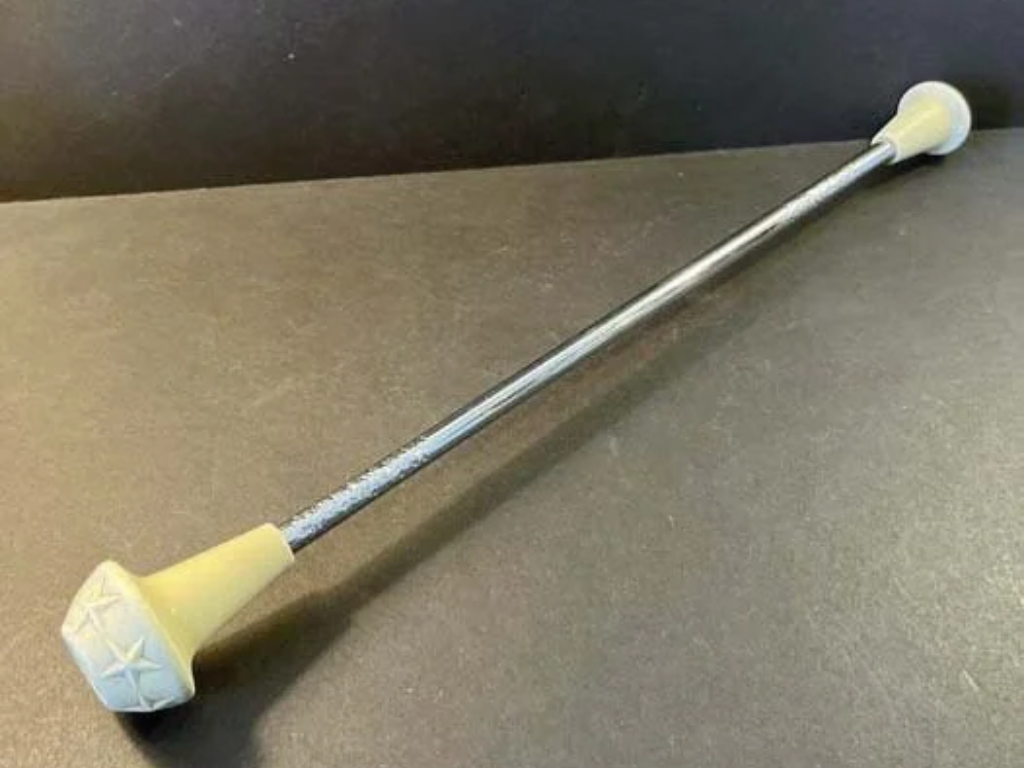
From Military Origins to Artistic Expression Originally, the twirling baton was primarily a tool designed to organize military marches and Read more

Timeless Elegance That Transcends Generations Choosing black often reflects a profound pursuit of refinement and sophistication. This color goes beyond Read more

The Importance of Curtain Cleaning in Your Home Generally, when cleaning the house, after dusting the furniture, one often overlooks Read more

Why does your sleep become fragile precisely between 3 a.m. and 5 a.m.? Is it due to a peculiarity of Read more

Inheritance in France: A Protected Share, Untouchable Even in Cases of Conflict In France, there is a fundamental legal principle Read more
