
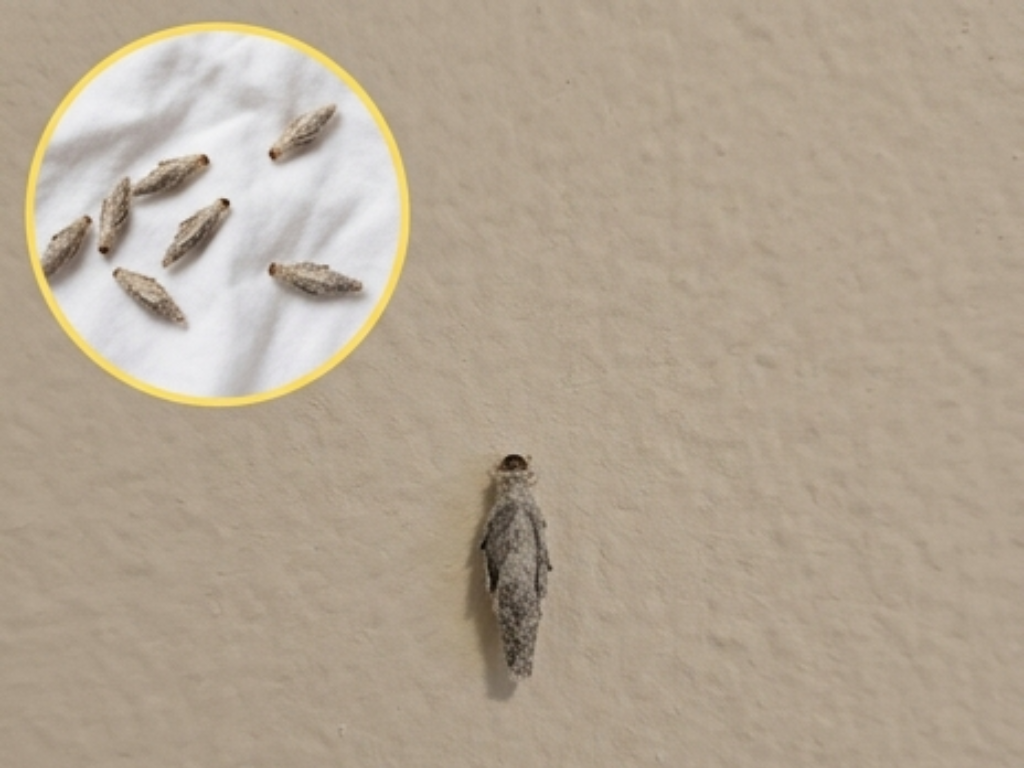
Have you ever noticed those small, discreet “shells” clinging to the walls or nestled in the corners of the ceiling? At first glance, you might mistake them for dust or tiny forgotten fragments. Yet behind these small structures lies a far more surprising reality. Should you be worried, act quickly to get rid of them, or simply ignore them? The answer might just surprise you.
These Mysterious Little Capsules on Your Walls: What Is Their Origin?

We’ve all experienced this moment: while tidying up or cleaning, we discover these small, motionless cases stuck there seemingly by chance. The first reaction is often to think it’s a cleanliness issue. But rest assured, that’s not necessarily the case!
These “capsules” are actually the work of a discreet and little-known insect: the case-bearing moth, also called the case-bearing butterfly. When in its larval stage, it constructs a small portable cocoon that it makes itself. Remarkably, it carefully selects the materials at its disposal: dust, textile fibers, hair, or tiny miscellaneous debris.
The result? Each case is a unique creation, perfectly camouflaged with its environment. A true natural masterpiece of craftsmanship!
Why Do They Take Refuge in Our Homes?
You might be wondering, “Why in my house?” Fortunately, their presence doesn’t necessarily indicate a major hygiene problem.
These larvae simply prefer quiet and seldom-frequented places, such as:
- areas behind furniture,
- high corners often overlooked,
- spaces rarely cleaned on a regular basis.
In other words, they seek tranquility. Even in the most spotless homes, a few forgotten nooks always remain.
The presence of these little larvae is therefore quite common and should not be a cause for excessive alarm.
Do They Pose a Risk to Your Health or Your Home?
This is a frequently asked question, and the answer is rather reassuring.
Contrary to some common misconceptions, these insects are absolutely harmless to health. They do not bite, transmit any diseases, and remain very discreet.
As for the home, their diet consists of materials rich in keratin, such as wool or feathers. However, their consumption is very limited. In other words, they won’t destroy your wardrobe overnight.
So, we are far from a catastrophic scenario!
The Life Cycle of the Case-Bearing Moth: A Fascinating Mechanism
What makes this insect even more captivating is the way it lives.
The life cycle of the case-bearing butterfly begins when the adult female lays between 35 and 50 eggs near food sources. About a week later, the eggs hatch, giving birth to larvae that immediately start to build their famous case. From that moment on, their priority is to feed and grow until they become adults.
These larvae move slowly, barely leaving their shelter to feed before retreating back inside. Their diet mainly consists of materials containing keratin, a protein found in animal-derived elements. This discreet strategy helps them survive effectively.
Imagine these larvae as travelers carrying a mini “caravan” protective home wherever they go!
How to Easily Reduce Their Presence?
There is no need to use complex products or radical solutions. The key lies in regular maintenance.
Here are some simple habits to incorporate:
- frequently dust corners and baseboards,
- vacuum behind and under furniture,
- regularly air out rooms to prevent stagnant humidity,
- periodically clean textiles such as curtains, rugs, and throws.
Ordinary care is more than enough to keep these little larvae at bay.
And most importantly, do not panic at the sight of a few isolated specimens: this remains perfectly normal.
Do You Really Need to Get Rid of Them?
This decision mostly depends on your personal sensitivity. If their presence visually bothers you, a thorough cleaning will quickly solve the problem.
However, these small larvae are an integral part of the quiet domestic ecosystem. They even help recycle certain organic materials present inside the home.
Instead of viewing them as mere intruders, you can also see them as occasional visitors, a bit clumsy but completely harmless.
A healthy home is not measured by the total absence of all forms of life, but by a harmonious balance between comfort, cleanliness, and regular maintenance.

How to Clean a Glass Shower Door Naturally and Keep It Shining Longer Several areas of the bathroom are exposed Read more
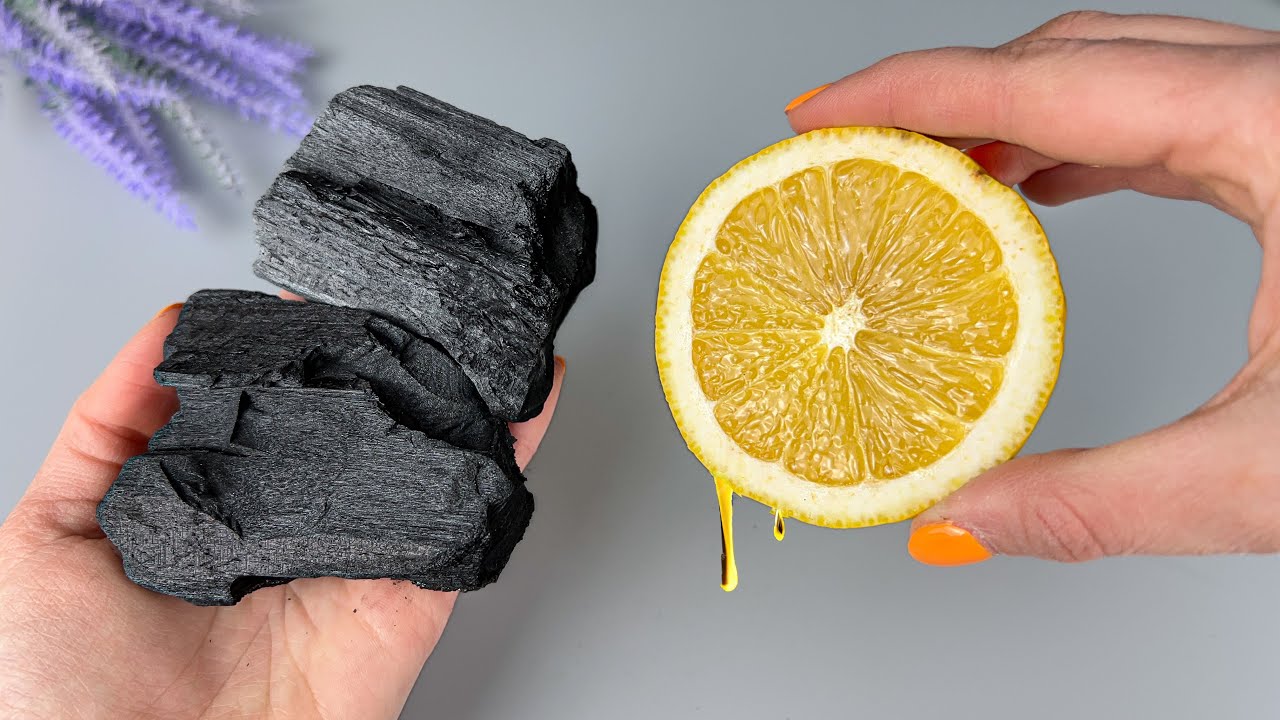
Combining lemon with charcoal may initially seem unusual, yet this potent duo unites the cleansing qualities of activated charcoal with Read more

Purple Deadnettle (Lamium purpureum): Benefits, Uses & How to Make Tea Often overlooked or mistaken for an ordinary weed, Purple Read more

The Secret Language of Burglars: A Discreet Warning Signal Burglars use an actual coding system to identify their targets. They Read more

Mullein (Verbascum thapsus), a tall, woolly plant often seen growing along roadsides and in open fields, has been treasured for Read more

Guava is often hailed as a superfruit, but did you know that its leaves also pack an extraordinary punch in Read more
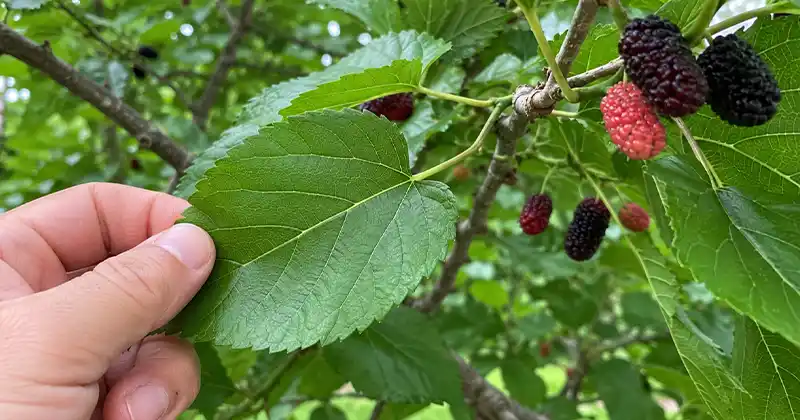
Mulberry trees are best known for their luscious summer berries, but their leaves possess an even greater potential as a Read more

Skin Changes After Age 65 As we age, our skin undergoes natural changes. The epidermis thins and becomes more fragile. Read more

The Benefits of Combining Eggs and Coffee: A Nutritious and Energizing Pair When it comes to starting your day right, Read more

A Morning Filled with Strangeness That morning, the countryside was still wrapped in calm and tranquility. As she followed the Read more
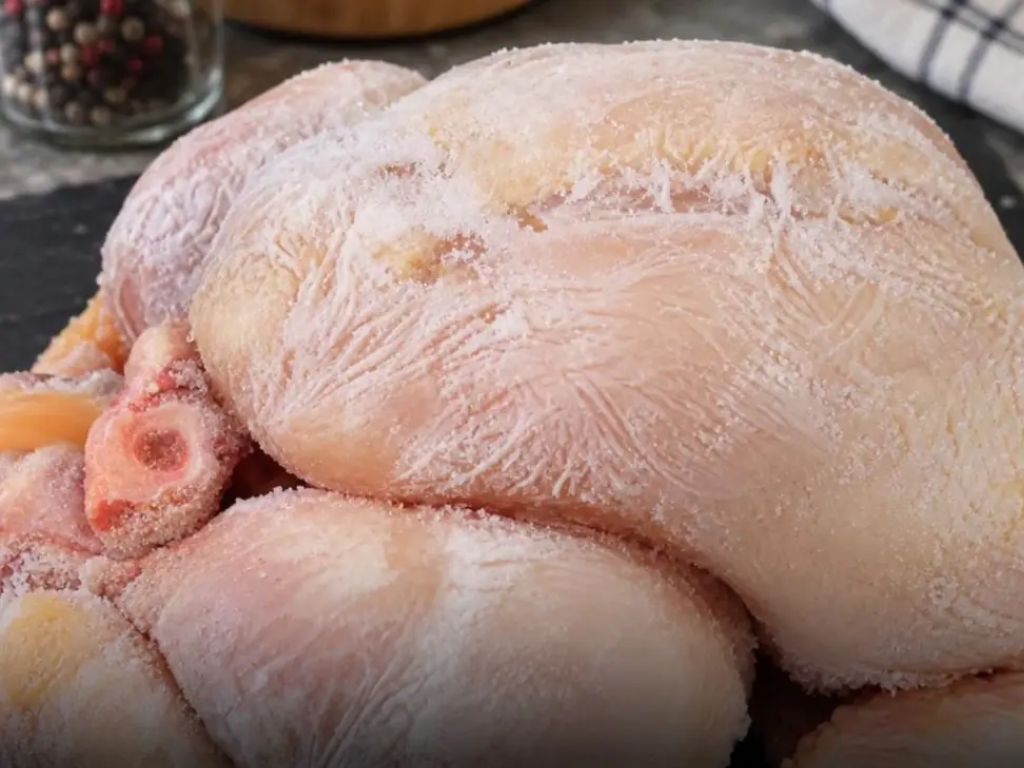
Two Years in the Freezer: Is It Really Too Late? It is common to assume that a long storage date Read more

A Heartbreaking Message Lilo, a gentle and affectionate dog, was found wandering with a leash around her neck and a Read more
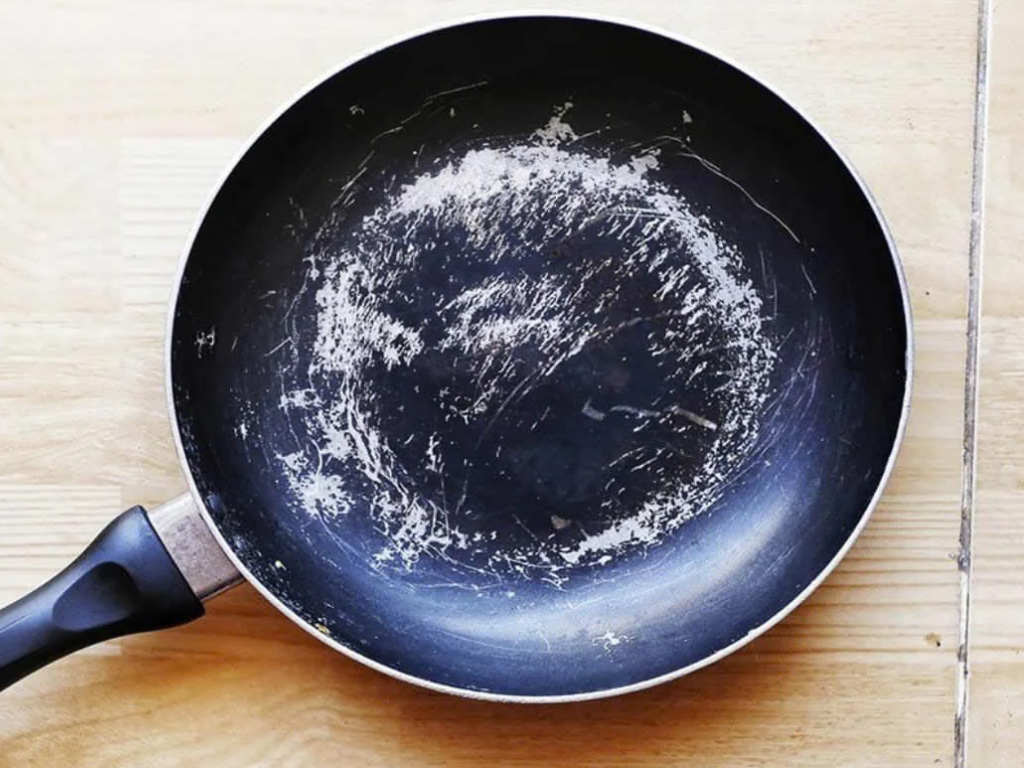
The Secret of Seasoning: An Essential Traditional Method What if the key to reviving a frying pan lay in an Read more

A Reassuring Light Guide in Case of Emergency When staying in an unfamiliar place, it is very easy to lose Read more

The Hidden Power of Dog Rose (Rosa canina): 10 Surprising Health Benefits and How to Use It Nature has given Read more

A Simple Anomaly on the Floor? Not So Fast At first glance, this detail seemed nothing more than an ordinary Read more
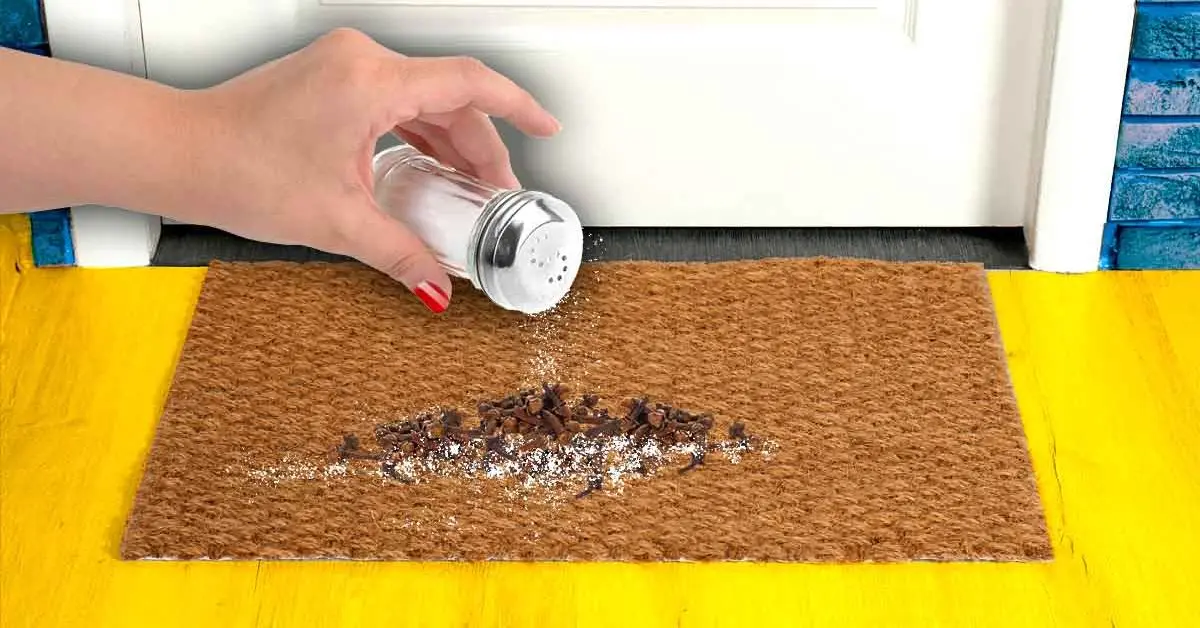
The Multifaceted Benefits of Spices and Herbs Throughout history, a wide variety of spices and herbs have been cherished not Read more

The Risks Associated with Excessive Screen Exposure Prolonged exposure to screens can have serious consequences on the overall development of Read more

Faced with increasingly harsh industrial detergents, consumers are turning back to traditional products that are healthier and have long proven Read more
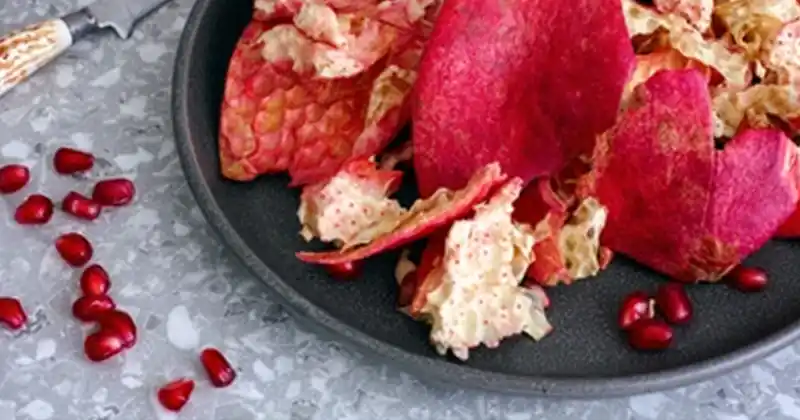
The Hidden Power of Pomegranate Peel: 10 Health Benefits and How to Use It Pomegranate is often celebrated for its Read more

A Centenarian Who Embraces Life with Simplicity and Vitality At 101 years old, Ann Angeletti visits her jewelry shop nearly Read more
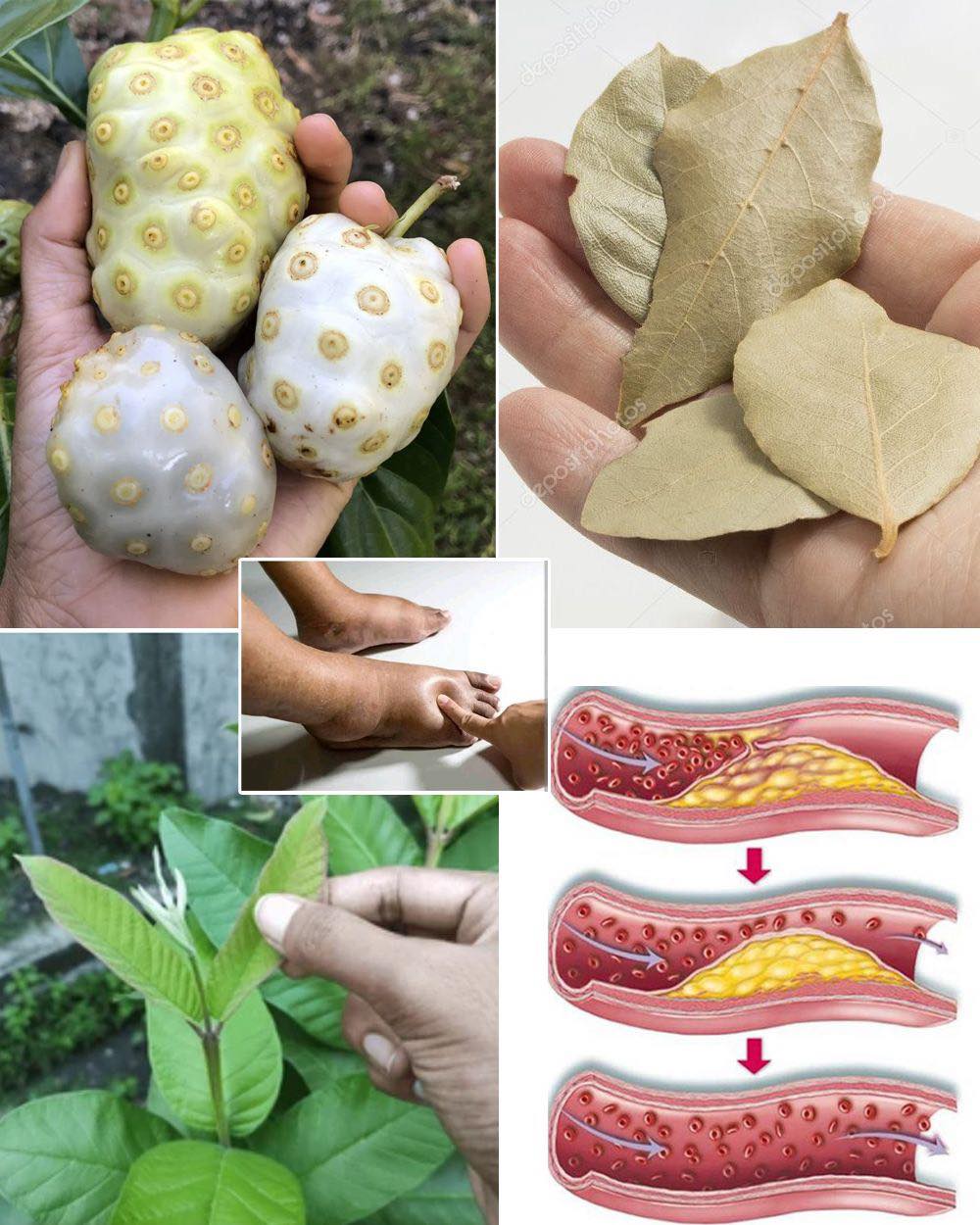
The Ultimate Healing Tonic: A Powerful Natural Drink for Swollen Feet, Diabetes & Poor Circulation Chronic swelling in the feet, Read more
Garlic: An Ancient Remedy for Better Sleep Since ancient times, garlic has been recognized not only as an essential culinary Read more

Airport staff and baggage handlers have an in-depth understanding of the behind-the-scenes processes involved in handling luggage. Today, they share Read more

Lina’s room remains untouched by time, as if she had just left yesterday: colored pencils scattered across the desk, an Read more

The Power of Hawthorn (Genus Crataegus): A Natural Ally for Heart and Cholesterol Health Hawthorn, belonging to the genus Crataegus, Read more
A True Natural Booster for Memory and Concentration Widely known for enhancing the flavors of Mediterranean dishes, rosemary also proves Read more

Sida acuta, also known as “common wireweed,” is a hardy plant often found in fields and roadsides. While it may Read more

How to Detect Hidden Cameras in a Hotel Room? Hidden cameras can be disguised within seemingly harmless objects, including hotel Read more

The Art of Container Flower Combinations Designing with flowers in pots is a delightful blend of horticulture and floral design. Read more

Ageratum conyzoides, commonly known as Billygoat Weed or Goatweed, is a flowering plant native to tropical regions of the Americas Read more

When a Drawer Holds Much More Than Mere Odds and Ends Like many others, my initial reaction upon seeing these Read more

Why is the Thickness Gauge Still Essential? The thickness gauge is far more than just an accessory; it proves to Read more

Pigweed, also known as amaranth, is a leafy green plant that has been cherished in various cultures for its nutrient-rich Read more

Kyllinga brevifolia: A Natural Remedy for Health and Wellness Kyllinga brevifolia, commonly known as green kyllinga or shortleaf spikesedge, is Read more
Bay leaves extend far beyond their mere role as a culinary seasoning or festive decoration. This ancient plant plays a Read more
When a Simple Pistachio Shell Takes on the Appearance of a Monster It all begins with the desire to clean Read more
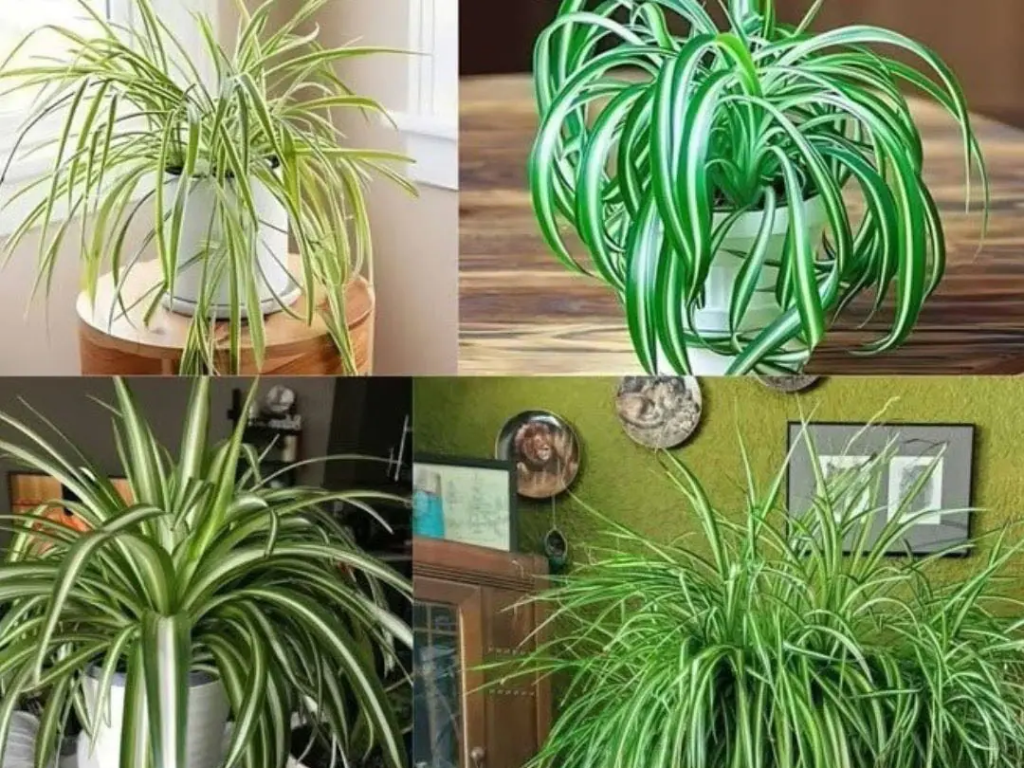
A Natural Ally for a Healthier and More Pleasant Home We admire the spider plant for its delicate and soothing Read more

The Dog's Nose: A True Superpower It is well known that dogs possess an extraordinary sense of smell. Yet the Read more

Shepherd’s Purse (Capsella bursa-pastoris): A Medicinal Herb with Powerful Benefits Shepherd’s Purse, known botanically as Capsella bursa-pastoris, is a small, Read more
