

Thirty Years of Marriage Before a Love at First Sight on a Flight
After three decades of life together, with a deeply established bond and well-worn routines, an unexpected event completely turned things upside down for Maïti Goldman. During a long-haul flight, she met Javier, a South American stranger, and felt an immediate spark of affection. Instead of ending her marriage with Jean-Marie, she chose to live this new relationship without breaking up. What is most surprising is her husband’s reaction: “My husband accepted that I had a lover,” she confides, emphasizing the total absence of jealousy or demands.
The charm quickly took hold between Maïti and Javier. Rather than hiding their attraction, she decided to inform Jean-Marie. He listened, reflected calmly, and then set a clear condition: that he remain “the first” and that this relationship be considered a brief adventure.
A Love at First Sight Revealed with Complete Honesty
Everything began at the airport when Javier, who spoke very little French, repeatedly asked Maïti to translate the flight attendants’ announcements. During the flight, they often found themselves at the back of the plane sharing a soda or a drink, building a budding connection. They exchanged contact information, and upon their return, Javier invited her for coffee, an invitation Maïti accepted, intrigued by this gentleman with a “very interesting” character. At this point, she did not yet imagine a romantic affair but rather a simple friendship.
Before this meeting, however, she warned Jean-Marie: “There might be some somewhat impassioned emails.” To her great surprise, he showed no anger or jealousy, simply replying “very well.” “I don’t feel jealousy. That feeling strikes me more as an instinct of possession than true love,” he explained. To him, a passionate message from an admirer of his wife was not a threat but nearly a compliment.
Jean-Marie: Loving Without the Desire to Possess
Over time, Jean-Marie detached himself from the very idea of jealousy. As a teenager, he had experienced some anxieties related to love but rejected this restrictive model. A passionate reader of 18th and 19th-century literature, he noted that in those novels, women often appeared as masculine property. He categorically refused this conception of marriage. Both of them, already divorced previously, set a simple rule from the beginning: “No secrets, nothing behind my back, we tell each other everything.”
When Javier came to have lunch at their home, Jean-Marie met him almost simultaneously. The two men quickly engaged in conversations on various topics like wine, politics, and current events. Maïti sometimes admitted feeling “a bit left out” during these lively exchanges. For Jean-Marie, Javier was “a person of quality” with whom he took “great pleasure in talking.” He readily accepted this friendship evolving into a consensual extramarital relationship, provided that the boundaries remained clear: “You can have a relationship with this man, but I want to remain the first.” In other words, he gave his consent to a temporary affair, “a passing story.”
A Late Passion That Transforms the Couple After 60 Years of Age
The relationship between Maïti and Javier lasted about a year. Javier lived in Paris, while they resided about thirty kilometers from the capital. The distance and the need to take the train for their meetings limited their encounters’ frequency. For Maïti, this episode marked an important personal turning point. “I was about to turn 70. Hearing a man tell you that you are living a passion and you have to hold on is overwhelming,” she confided. This experience inspired her to write Love at the Right Age, a book recounting this passion discovered late in life and advocating the right to love at any age.
As for Jean-Marie, he saw this interlude as confirmation of an “entirely total trusting relationship” built over many years. Their story illustrates a rare form of chosen non-monogamy, based on prioritizing the official couple, permanent transparency, and the possibility of adjusting the agreement if one partner experiences suffering. When Maïti talks with her readers, many admit to having believed themselves too old to still inspire desire. Their journey shows that a senior couple can, with mutual consent, invent their own rules for living together.
Why Traditional Household Cleaners Aren't Enough Often praised for their effectiveness, commercial cleaning products don't always succeed in removing stubborn Read more

Imagine the scene: you are casually scrolling through your news feed when suddenly, an image grabs your attention and stops Read more

Some people do not make it a habit to unplug chargers from sockets after charging their electronic devices. However, many Read more
The Multifaceted Benefits of Spices and Herbs Throughout history, a variety of spices and herbs have been cherished not only Read more

We often believe that our home belongs to us exclusively. However, as soon as the door closes behind us for Read more

Timeless Elegance That Transcends Generations Choosing black often reflects a profound pursuit of refinement and sophistication. This color goes beyond Read more

What Is the Metal Terminal of an Electrical Outlet? The metal terminal, often referred to as the ground terminal, is Read more
Beware, ticks are making their comeback! These tiny unwanted parasites especially thrive during spring and autumn, their preferred seasons. Consequently, Read more

Red Clover: 15 Amazing Benefits and How to Use This Healing Herb Red clover (Trifolium pratense) is more than just Read more
Have you ever encountered this unusual practice of sprinkling cinnamon powder in front of your front door? At first glance, Read more
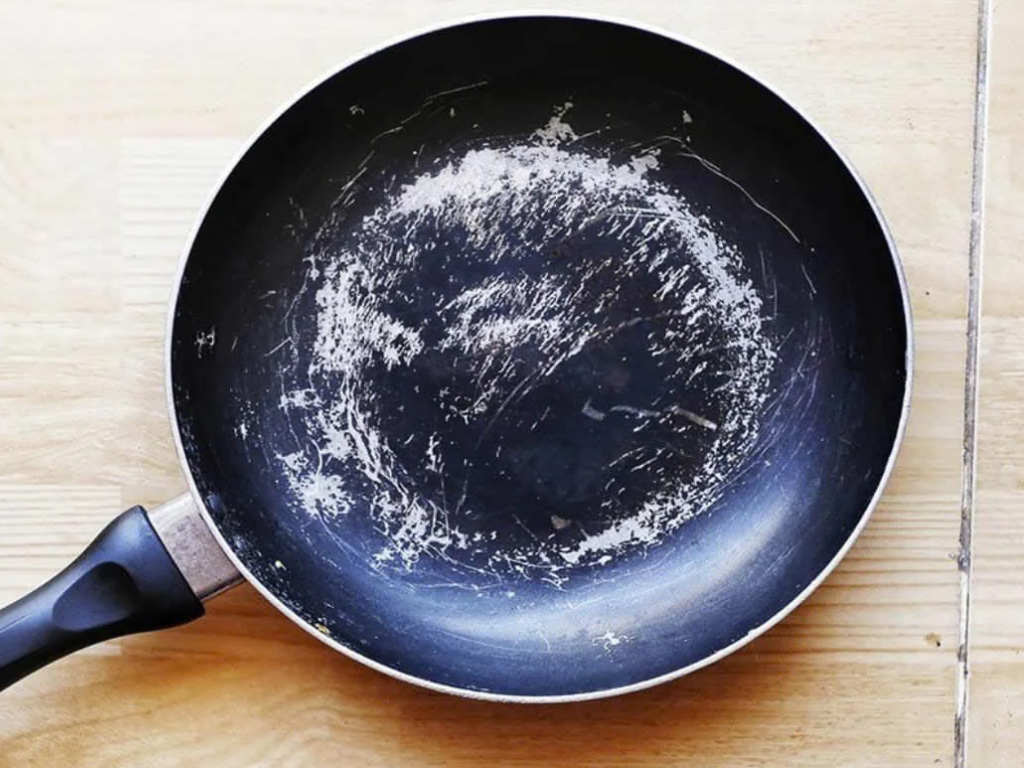
The Secret of Seasoning: An Essential Traditional Method What if the key to reviving a frying pan lay in an Read more

The Fish: A Symbol Steeped in History This discreet fish, sometimes seen on vehicles, is far more than a mere Read more

That morning, you open your shutters... and suddenly, it is there. A white pigeon, motionless, perched on the windowsill, almost Read more

As the leaves fall and temperatures drop, many of us seek the cozy warmth of a heated home. However, we Read more
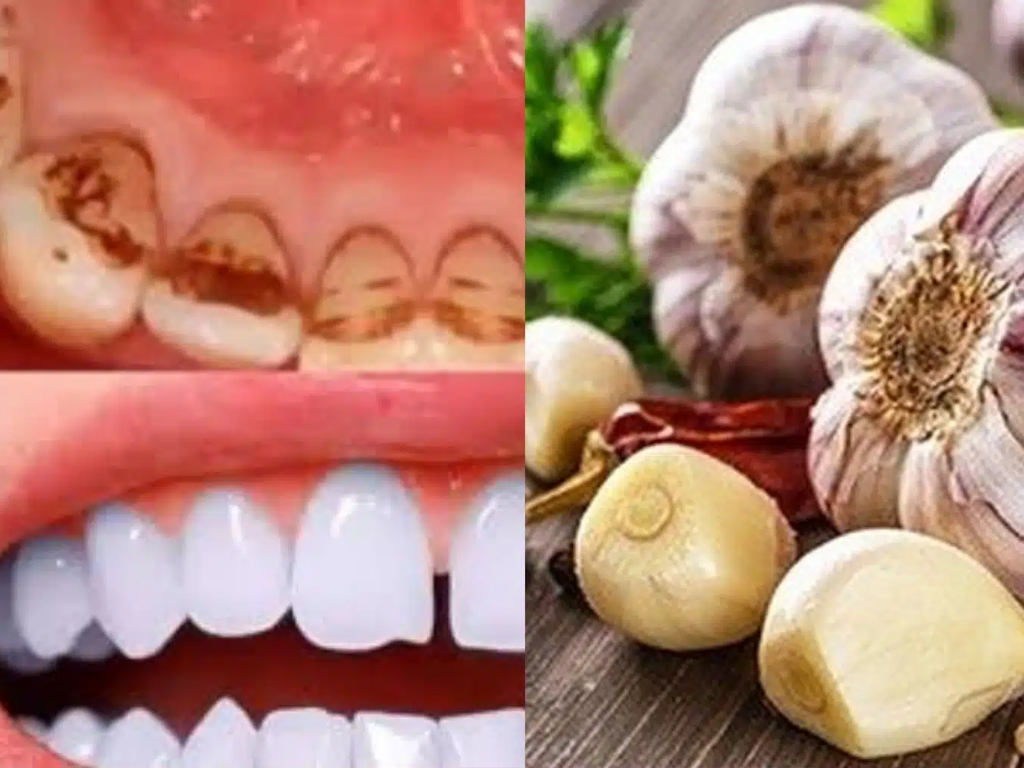
The Silent Enemy: Tartar and Bacteria Tartar is a common affliction affecting our teeth. It forms from the gradual hardening Read more
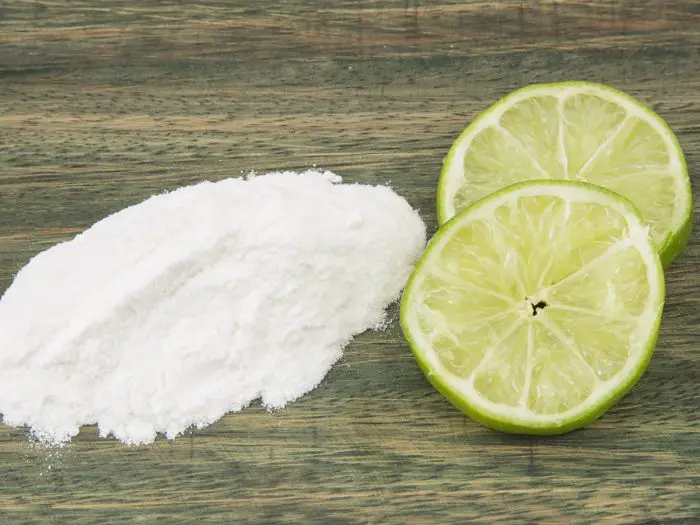
Baking soda and lemon peels are two household items often overlooked but incredibly powerful when combined. This natural duo can Read more

The Power of Hawthorn (Genus Crataegus): A Natural Ally for Heart and Cholesterol Health Hawthorn, belonging to the genus Crataegus, Read more

What spiritual significance might the sudden visit of a praying mantis hold? Here are seven gentle messages that this insect Read more

Sweet Violet (Viola odorata): 25 Incredible Benefits & How to Use It Sweet violet (Viola odorata), also known as wood Read more

Archival Photographs That Evoke Nostalgia for Classic Cinema These archival photographs instantly transport us into a unique atmosphere, blending the Read more

Ticks' Favorite Hiding Spots: Why Your Garden is Their Paradise Ticks have a distinct preference for damp, shaded, and poorly Read more

These tiny parasites can send shivers down your spine just by mentioning them. Whether on your skin or that of Read more
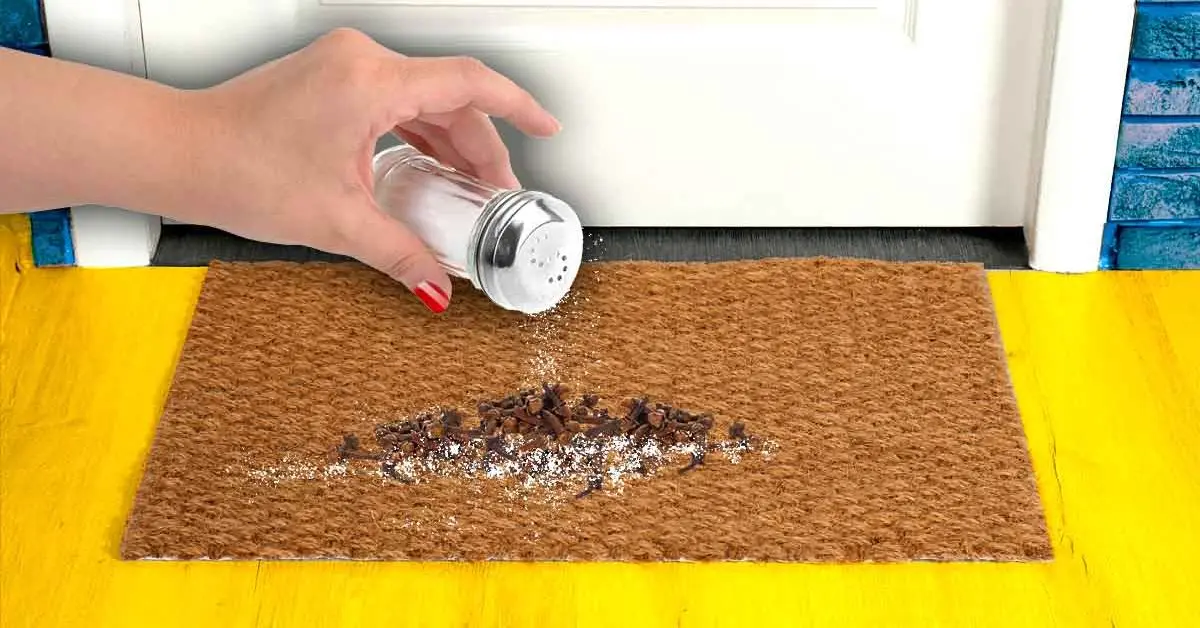
The Multifaceted Benefits of Spices and Herbs Throughout history, a wide variety of spices and herbs have been cherished not Read more

Creating a fresh and inviting atmosphere in your kitchen doesn't require expensive air fresheners or synthetic scents. With just a Read more
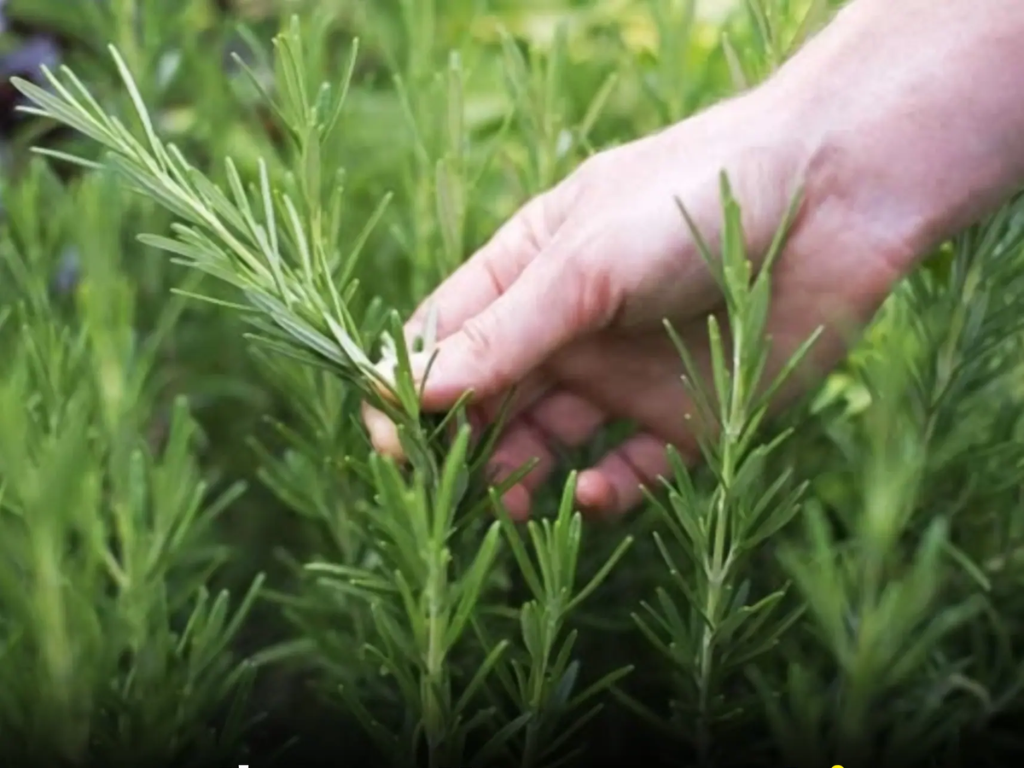
A True Natural Booster for Memory and Concentration Widely known for enhancing the flavors of Mediterranean dishes, rosemary also proves Read more
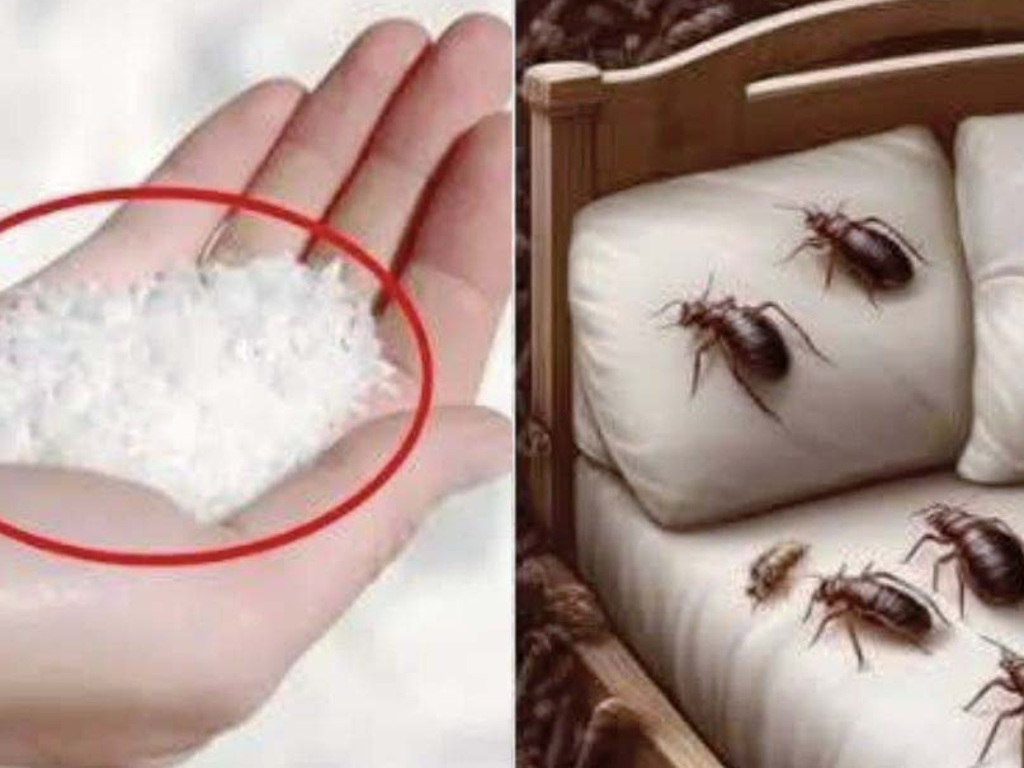
Why Is Salt an Effective Remedy Against Bed Bugs? Salt acts as a powerful dehydrating agent. When it comes into Read more

Kyllinga brevifolia: A Natural Remedy for Health and Wellness Kyllinga brevifolia, commonly known as green kyllinga or shortleaf spikesedge, is Read more

The Brown Recluse Spider: A Small Spider with a Violin-Shaped Mark on Its Body Imagine a tiny spider, modestly brown Read more
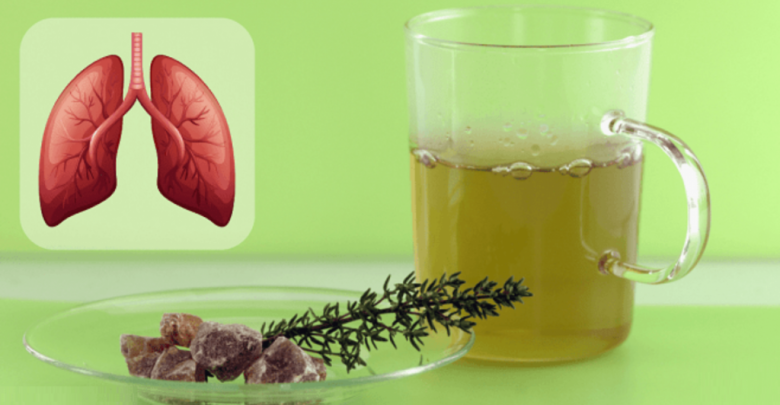
Thyme is known by some as the "enemy of toxins," a reputation that dates back to stories from ancient Greece. Read more

She Feels Undervalued Feeling loved is, above all, about feeling recognized and appreciated. When a woman senses that her efforts, Read more
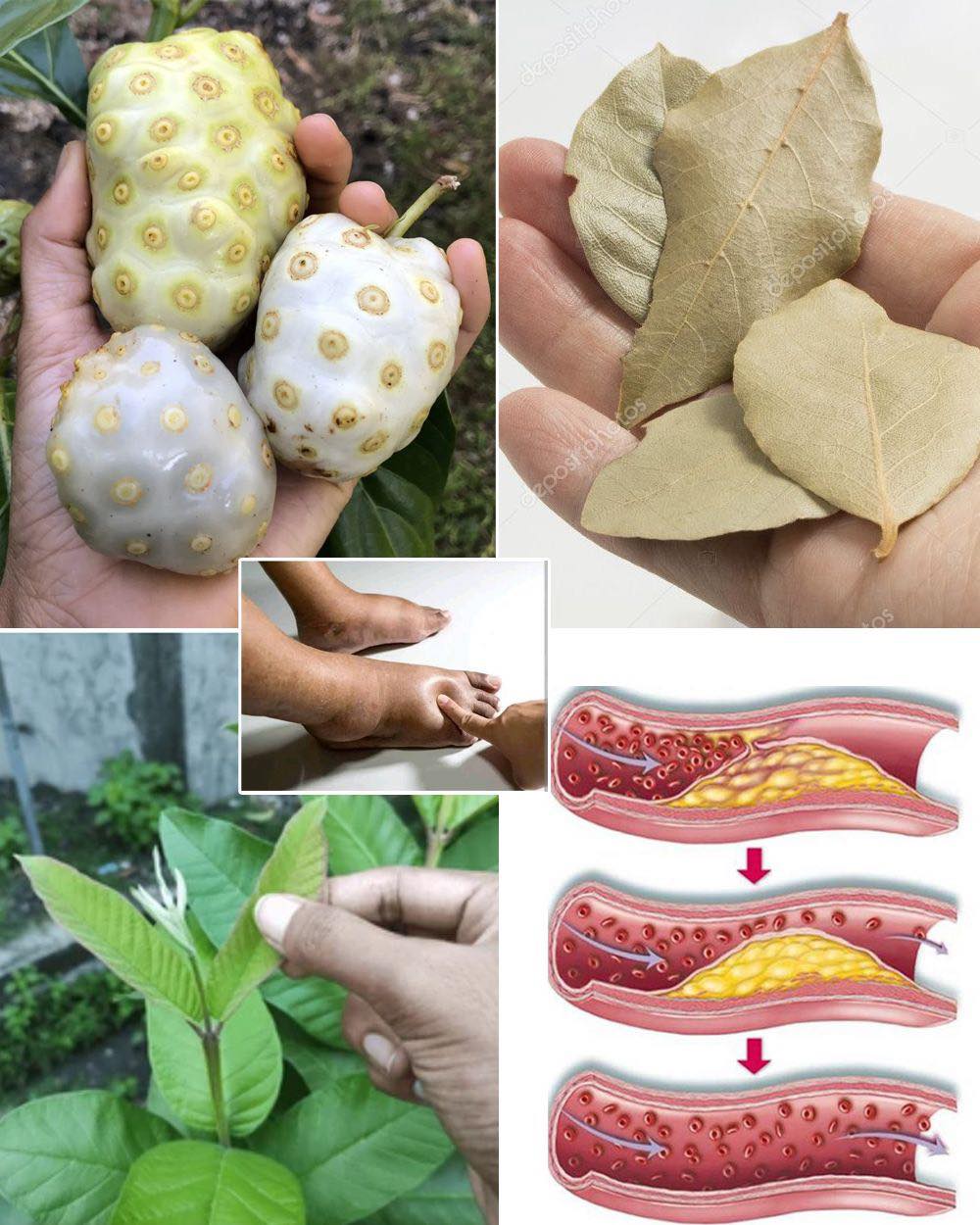
The Ultimate Healing Tonic: A Powerful Natural Drink for Swollen Feet, Diabetes & Poor Circulation Chronic swelling in the feet, Read more

Why Do Some People Wash Their Ground Beef? The practice of washing ground beef often comes from a good intention: Read more
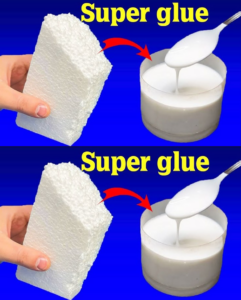
How to Make Powerful Super Glue from Styrofoam: The Hidden Chemistry Behind This Viral Trick In a world where DIY Read more
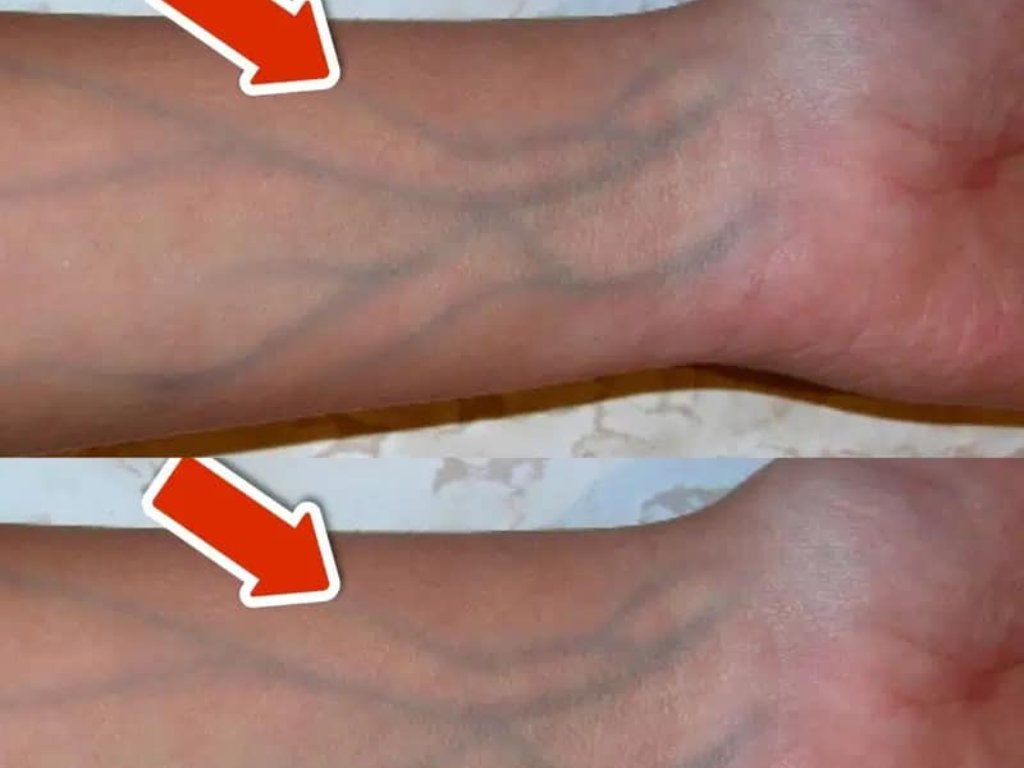
The 5 Unmistakable Signs of Circulatory Disorders You Should Never Ignore Cold Hands and Feet: An Important Warning Signal Do Read more
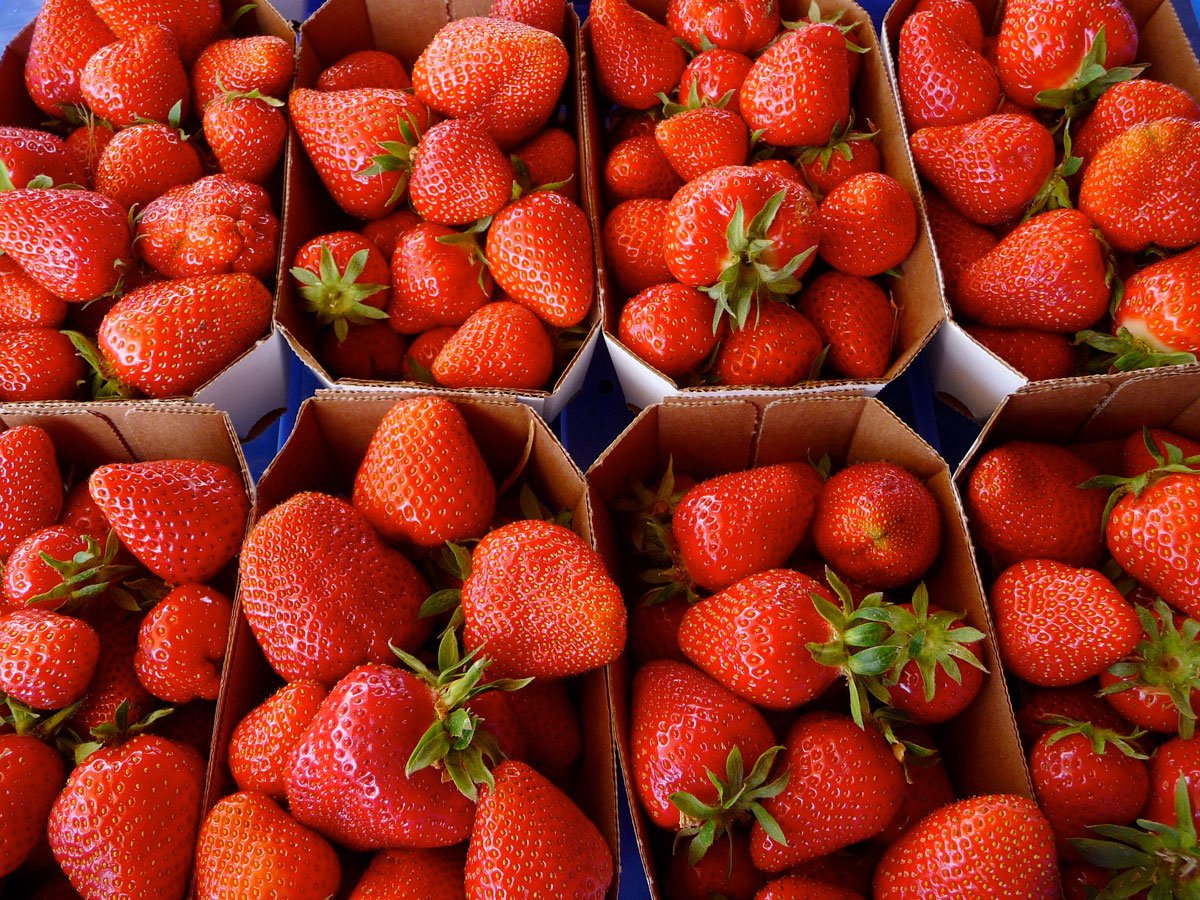
Strawberries are a sweet and nutritious fruit beloved around the world. They are plentiful and affordable when in season, offering Read more

A Morning Filled with Strangeness That morning, the countryside was still wrapped in calm and tranquility. As she followed the Read more

Many families choose to place their washing machine in the bathroom to take advantage of the floor drain. However, it Read more
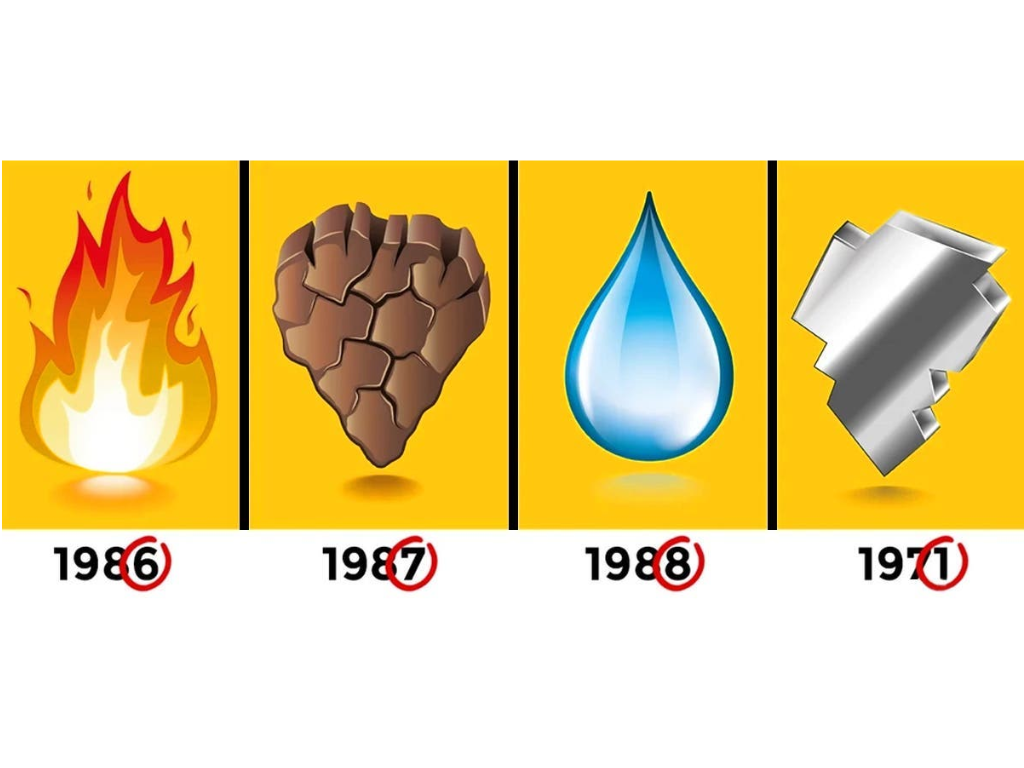
Born in 1951, 61, 71, 81, 91, 01, 11, 12…: An Untamable Competitive Spirit If the last digit of your Read more

Max, a True Fighter The dog advanced cautiously, drawn in by gentle words and a piece of bread offered kindly. Read more

The ingenuity of Swedish furniture design, particularly evident in the flat-pack phenomenon, has transformed how we furnish our homes with Read more
