
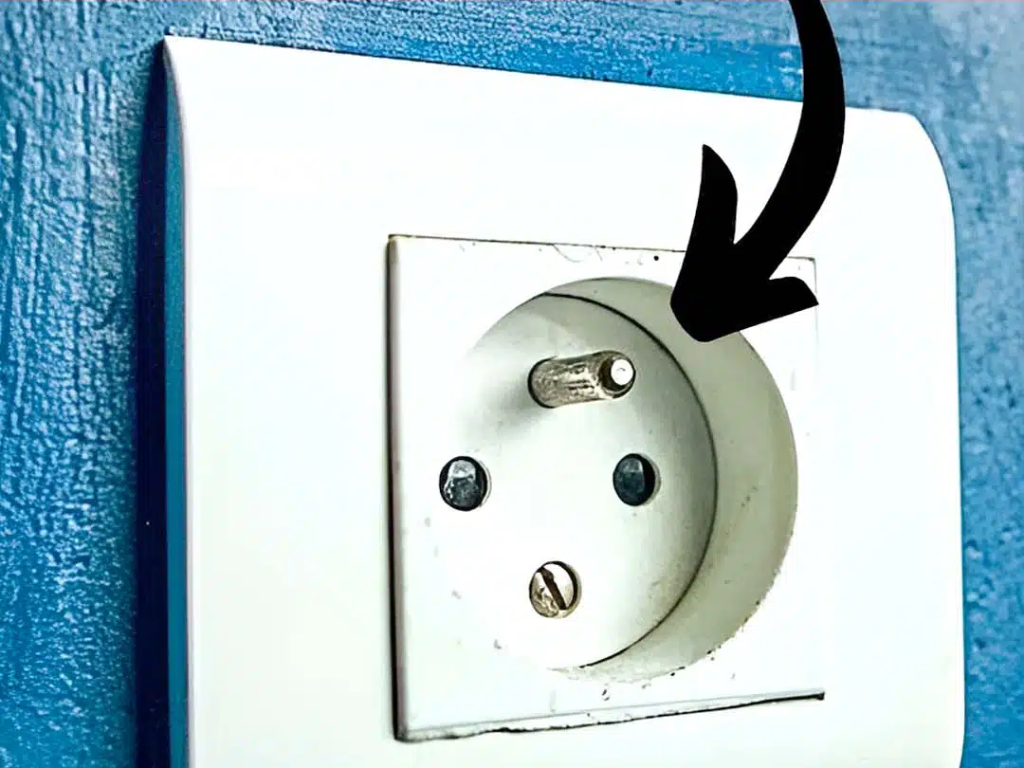
What Is the Metal Terminal of an Electrical Outlet?

The metal terminal, often referred to as the ground terminal, is a crucial component of modern electrical outlets. Its shape varies depending on the country and model:
In France, it typically takes the form of a metallic strip or a central pin located at the top of the outlet.
In other parts of the world, it might appear as additional pins or external connectors.
What is its primary role? It provides the grounding connection for connected devices, thereby reducing the risk of electrical accidents.
Why Is This Metal Terminal Indispensable?

It performs three major protective functions to ensure your safety:
Protection Against Electric Shocks
If a defect occurs in an appliance – such as a bare wire touching a metal casing – the metal terminal directs the electric current safely to the ground instead of allowing it to pass through your body when you touch the device.
Prevention of Short Circuits and Fires
Without proper grounding, current leaks can cause overheating, damage your equipment, and potentially trigger a fire.
Reduction of Electrical Interference
The terminal helps to stabilize electrical flow, notably decreasing electrical noise that can disrupt the performance of sensitive devices like computers or televisions.
A Regulatory Requirement for Modern Installations
Grounding is mandated by current electrical standards. In France, the NF C 15-100 standard requires that all new constructions incorporate a ground circuit to ensure optimal safety.
Reasons for This Obligation
- Occupant Protection: An electrical fault can lead to electrocution.
- Compliance with Standards: All new installations must comply with regulations.
- Compatibility with Modern Appliances: Many household appliances (refrigerators, washing machines, ovens) absolutely require a grounded outlet to function safely.
How the Ground Terminal Works
The grounding system relies on several components:
The metal terminal: the anchoring point on the outlet itself.
The ground conductor: a wire colored yellow and green that connects the outlet to the electrical panel.
The grounding electrode: a metal rod driven into the earth, designed to dissipate electrical current safely into the ground.
In the event of current leakage, electricity is diverted to the earth rather than circulating through the installation, thus neutralizing the risk to people and equipment.
How to Verify the Proper Grounding of Your Outlet

Check the installation: When installing a new outlet, ensure it is correctly connected to the ground terminal.
Perform regular inspections: It is advisable to have your electrical installation inspected by a qualified electrician every 10 years.
Know your appliances: Some devices, notably those classified as Class II, do not require grounding but must be clearly identified as such.
An important reminder:
The combination of a differential circuit breaker with a grounded outlet provides enhanced protection by quickly detecting current leaks and minimizing accident risks.
Conclusion
Although often overlooked, the metal terminal in your electrical outlet serves as a true safety guardian for your electrical system. By enabling effective grounding, it safeguards your home, your devices, and most importantly, your physical safety.
The next time you plug in an appliance, remember that this small metal piece, frequently unrecognized, silently watches over your security.
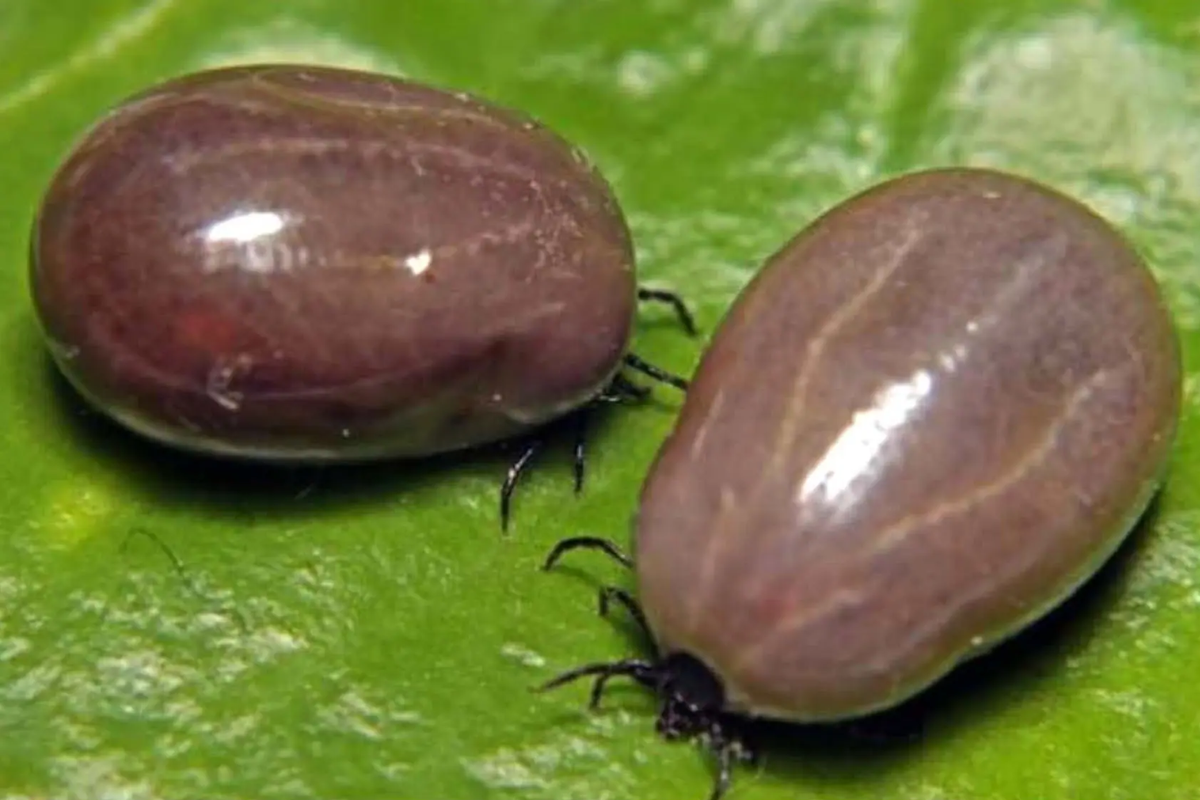
These tiny parasites can send shivers down your spine just by mentioning them. Whether on your skin or that of Read more

Creating a fresh and inviting atmosphere in your kitchen doesn't require expensive air fresheners or synthetic scents. With just a Read more

Throughout our journey in history, the bond between humanity and nature has been inseparable, providing not only sustenance but also Read more

The Benefits of Combining Eggs and Coffee: A Nutritious and Energizing Pair When it comes to starting your day right, Read more

The Ultimate Healing Tonic: A Powerful Natural Drink for Swollen Feet, Diabetes & Poor Circulation Chronic swelling in the feet, Read more

Sometimes, certain births resonate far beyond the boundaries of the family, capturing the attention of the wider public. This was Read more
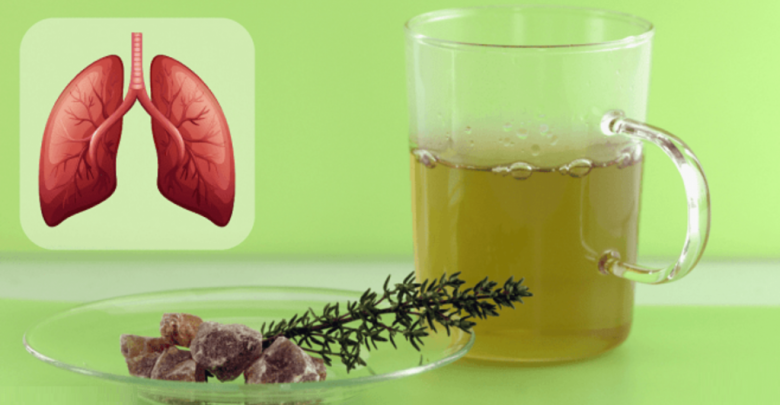
Thyme is known by some as the “enemy of toxins,” and it has been part of stories since ancient Greece. Read more
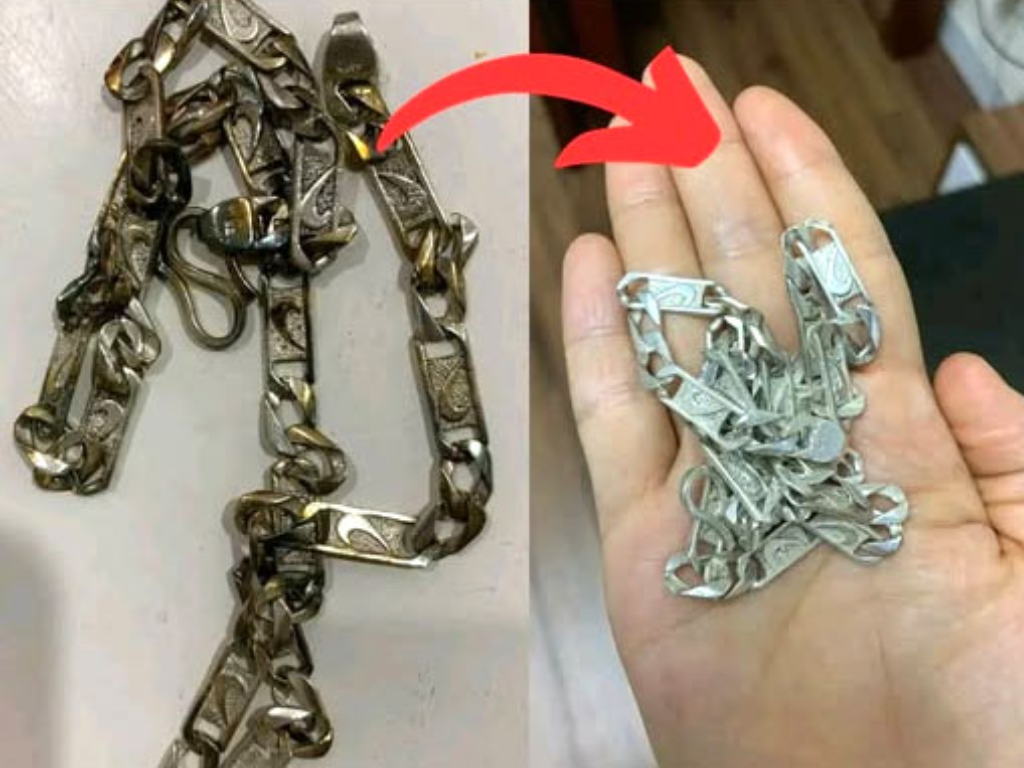
Salt Water: The Natural and Effective Trick If you want to quickly restore the shine to your silver jewelry without Read more

A Heartbreaking Message Lilo, a gentle and affectionate dog, was found wandering with a leash around her neck and a Read more

A Story of Love, Trust… and Betrayal Everything seemed to come straight out of a fairy tale. At just 15 Read more

Inheritance in France: A Protected Share, Untouchable Even in Cases of Conflict In France, there is a fundamental legal principle Read more

Ageratum conyzoides, commonly known as Billygoat Weed or Goatweed, is a flowering plant native to tropical regions of the Americas Read more

That evening, as Thomas crossed the threshold of his expansive home, he never expected to experience a moment of tenderness Read more

Goldenberries, also known as Physalis or Uchuva, are small, orange-yellow fruits enclosed in a delicate, papery husk. Originating from the Read more
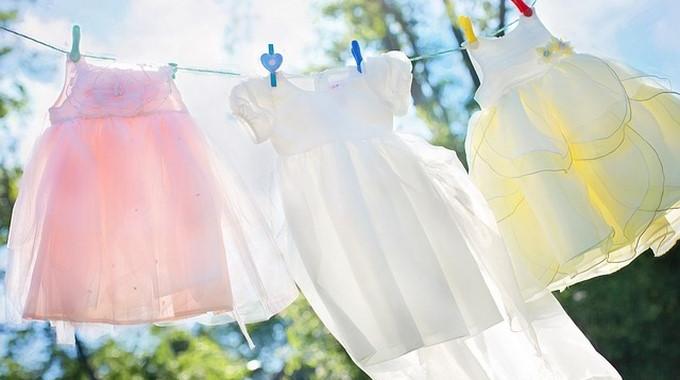
Have you just stained a piece of clothing and don't know how to get rid of it? Rest assured, this Read more

The Secondary Microphone: A Filter Against Noise Pollution Most modern smartphones incorporate multiple microphones, including a secondary one often hidden Read more
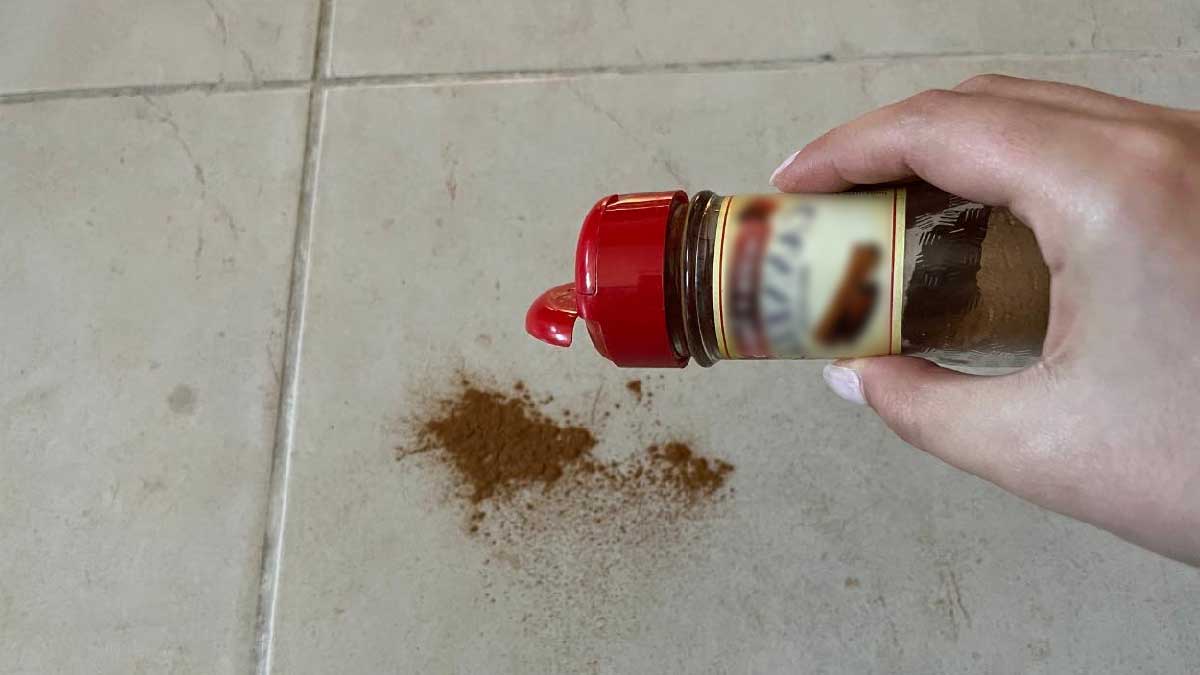
Have you ever encountered this unusual practice of sprinkling cinnamon powder in front of your front door? At first glance, Read more
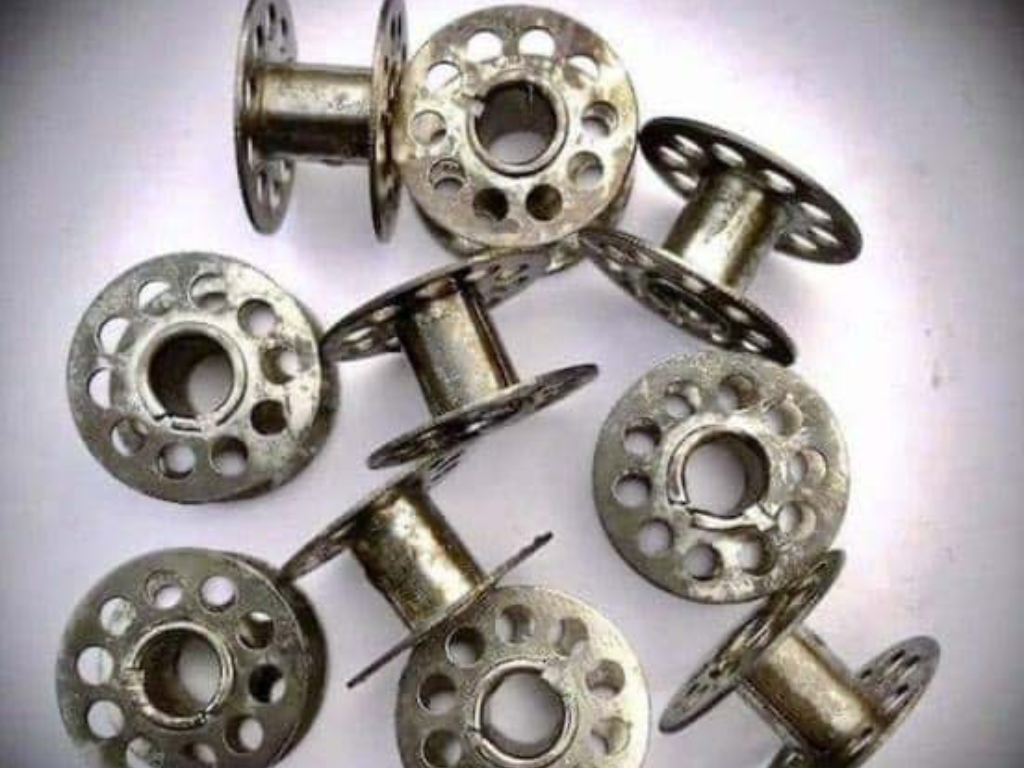
The Spool of Thread: A Silent Relic of a Bygone Era Let us take a moment to journey back to Read more
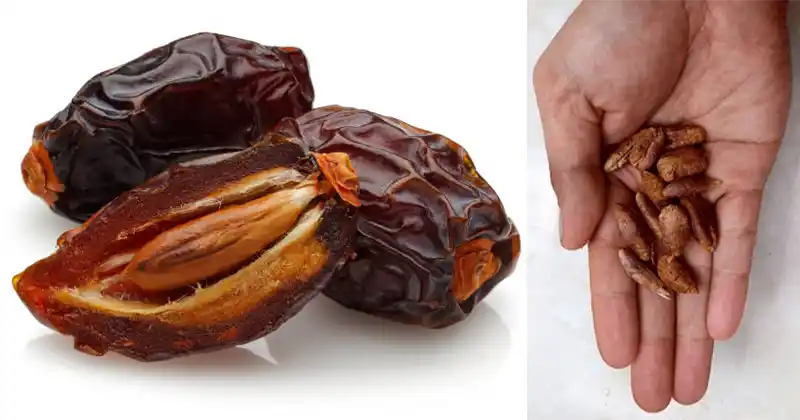
When you sink your teeth into a soft, caramel-sweet date, the last thing on your mind is usually the tough Read more

A Charming Renaissance Step One: Thorough Cleaning and Preparation Before starting the transformation, the dresser needed to be meticulously cleaned: Read more

When "Need" Takes on a Whole New Meaning For a long time, having a woman in a man’s life was Read more

Unwanted Houseguest: The Fly The fly is arguably the most disliked insect on Earth, primarily due to its bothersome traits. Read more

Bull Thistle (Cirsium vulgare): A Wild Plant with Surprising Benefits The bull thistle (Cirsium vulgare) is often dismissed as a Read more
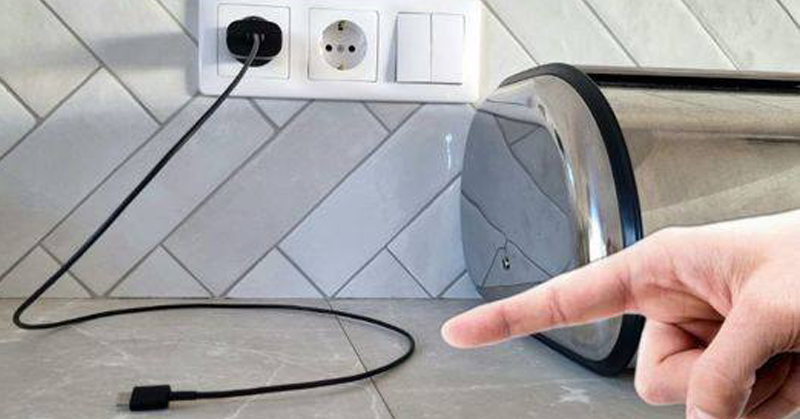
Some people do not make it a habit to unplug chargers from sockets after charging their electronic devices. However, many Read more
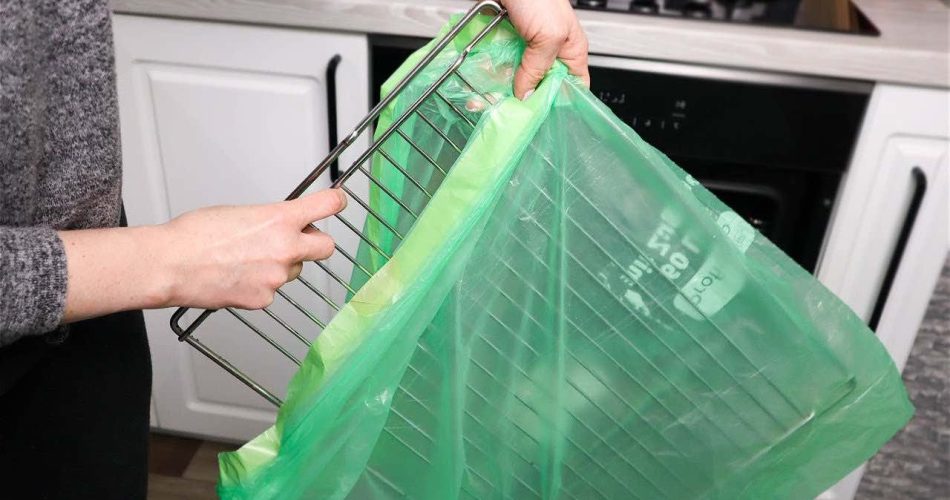
The oven rack can be very difficult to clean, especially if it is frequently used and has ingrained dirt. Let’s Read more

How to Detect Drafts Around Your Windows? Before making any adjustments, it is essential to confirm that your windows are Read more
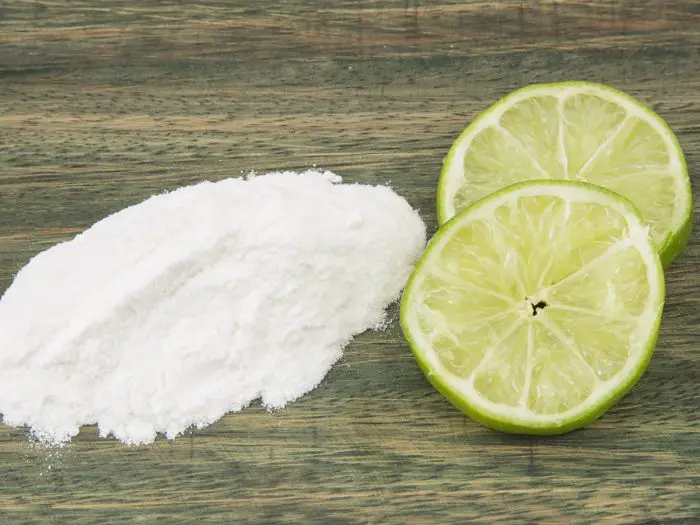
Baking soda and lemon peels are two household items often overlooked but incredibly powerful when combined. This natural duo can Read more

Transforming Garlic Peels into Gold for Gardeners: In the rhythm of kitchen prep, garlic peels are often discarded without a Read more
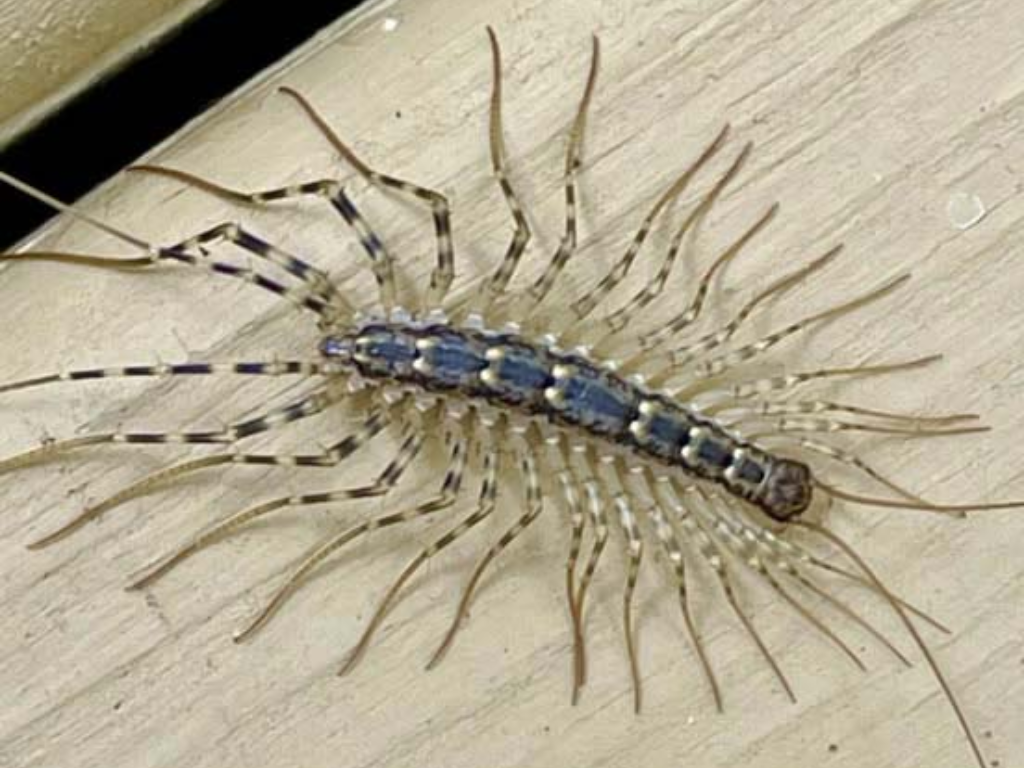
Why Do Centipedes Inspire So Much Fear? With their numerous legs and astonishing speed, centipedes often provoke feelings of fear Read more

In the realm of gardening, we often stick to traditional methods like basking in sunlight, diligent watering, and soil enriched Read more

Why Do Some People Wash Their Ground Beef? The practice of washing ground beef often comes from a good intention: Read more

Understanding, anticipating, and supporting your dog through every stage of their life is essential to providing them with the best Read more

Crabgrass, or Digitaria sanguinalis, is often regarded as an annoying, invasive weed in gardens and urban spaces. However, beneath its reputation Read more
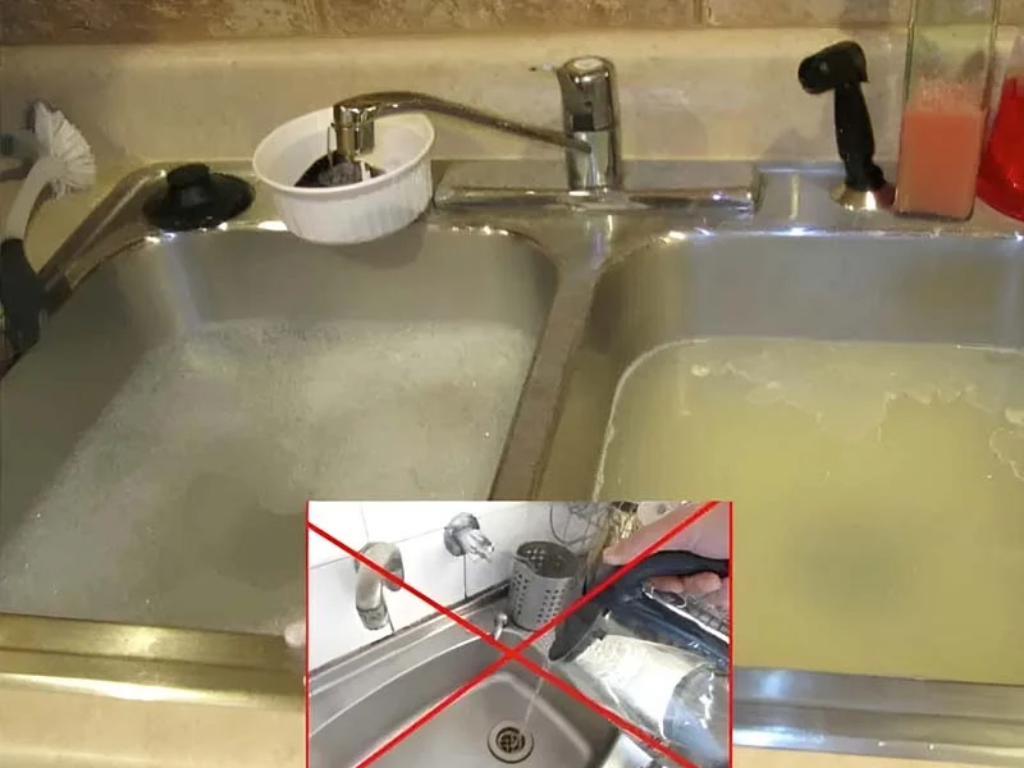
Rice Water and Baking Soda: A Surprising Duo to Unclog Your Drains Few people realize that the water used to Read more

Ingenious Uses for Expired Cornstarch A Natural Cleaner for Windows and Surfaces Did you know that cornstarch can easily substitute Read more
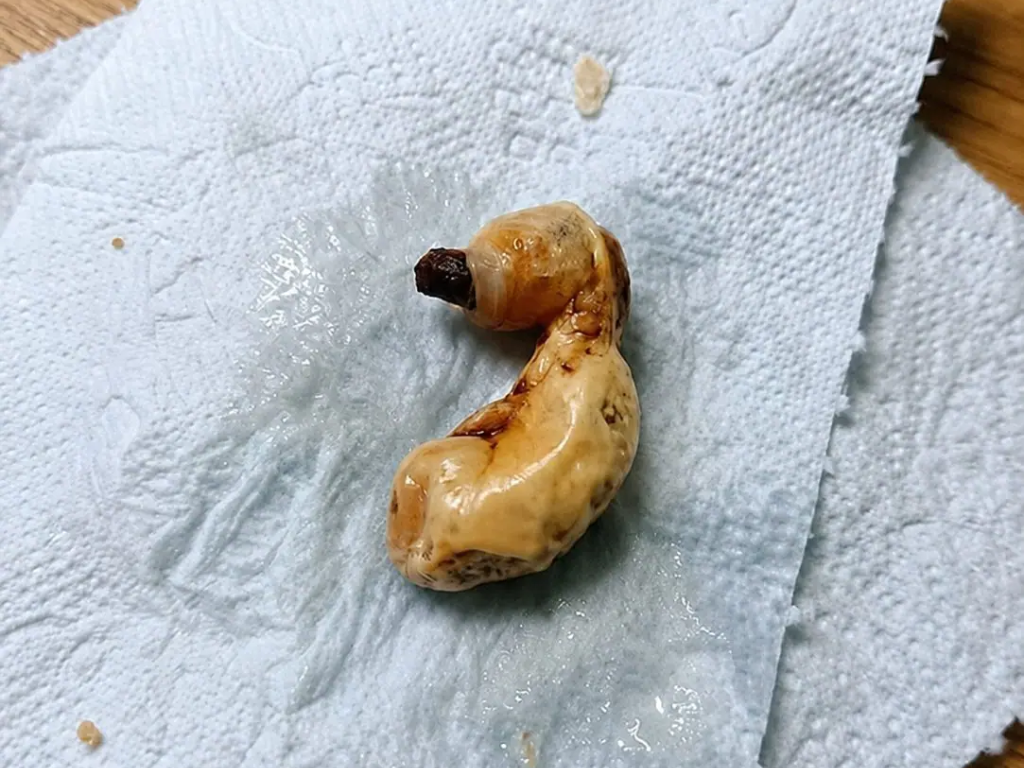
When a Simple Pistachio Shell Takes on the Appearance of a Monster It all begins with the desire to clean Read more

The Final Blow Within Her Own Home Returning home from work, Phoebe had hoped to find a dinner prepared or Read more

Purslane (Verdolaga) is no longer a garden menace but a valuable gem! This remarkable plant is reclaiming its place in Read more

Corn silk, the delicate, hair-like strands that grow on an ear of corn, has a long history of use in Read more

The Fascination of Pareidolia: When Our Minds Discern Faces Where None Exist This captivating phenomenon is known as pareidolia. It Read more
