

Eager to master the art of nurturing a Peace Lily? Known scientifically as Spathiphyllum Wallisii, this enchanting plant is often symbolized as the plant kingdom’s beacon of peace.
Renowned in various spiritual beliefs, the Peace Lily is celebrated for its ability to purify the air, dissipate negative energy, and bring serenity and equilibrium to any space. Its captivating beauty and ease of care have made it a beloved addition in homes and offices worldwide, earning it a spot among the most cherished plants.
With its sleek, shiny green leaves and distinctive white spathes that shelter its true flowers, the Peace Lily exudes vitality when properly cared for. It’s lauded for attracting positivity and happiness, and its versatility allows it to flourish in both indoor and outdoor settings. Even those new to plant care can effortlessly maintain a Peace Lily, making it a fantastic choice for beginner gardeners. By following straightforward care guidelines, you can ensure this South American native remains radiant.
Key Care Tips for the Peace Lily
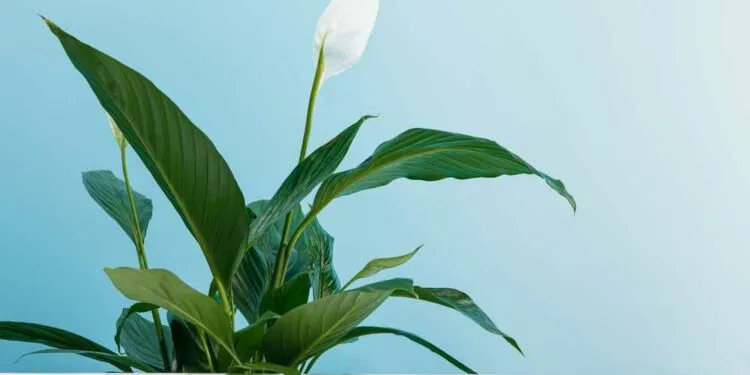
To effectively care for your Peace Lily, focus on three critical factors: its placement, the environmental humidity, and the temperature.
Ideal Placement: Balancing Light and Shade
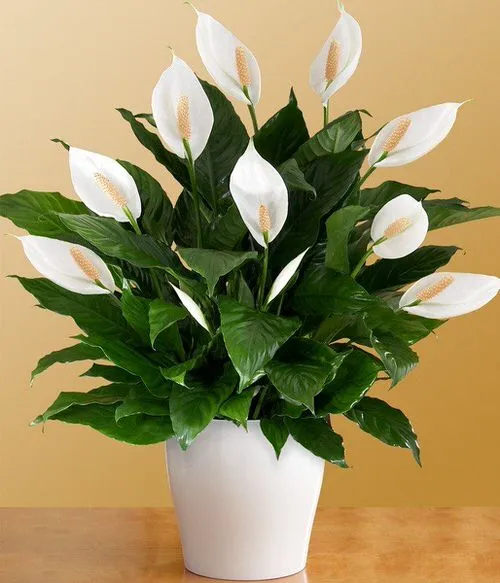
While the Peace Lily prefers shaded areas, it still needs some sunlight. Lack of sunlight can lead to an absence of flowers, whereas too much sun might yellow or scorch its leaves. A spot with soft morning sunlight and partial shade is ideal.
Importance of Humidity

Originating from humid environments, the Peace Lily thrives best in moisture-rich settings. If you return from a trip to find it drooping, a thorough watering can quickly revive it. This plant’s resilience is one of its admirable traits.
Temperature Preferences
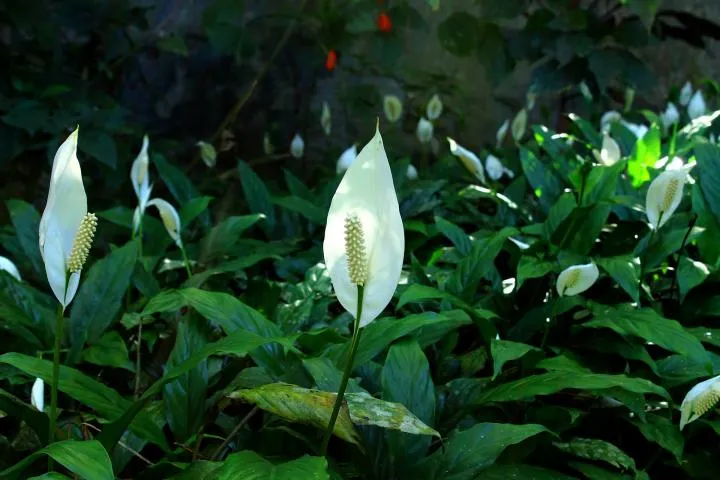
The Peace Lily favors a warm climate but is sensitive to extreme temperatures. It benefits from a few hours of mild morning sun daily. Protecting it from strong winds is crucial, as they can cause the leaves to yellow and lose their vitality. Striking the right balance between light exposure and shade is essential for maintaining the plant’s lush appearance.
Encouraging Blooming in Peace Lilies
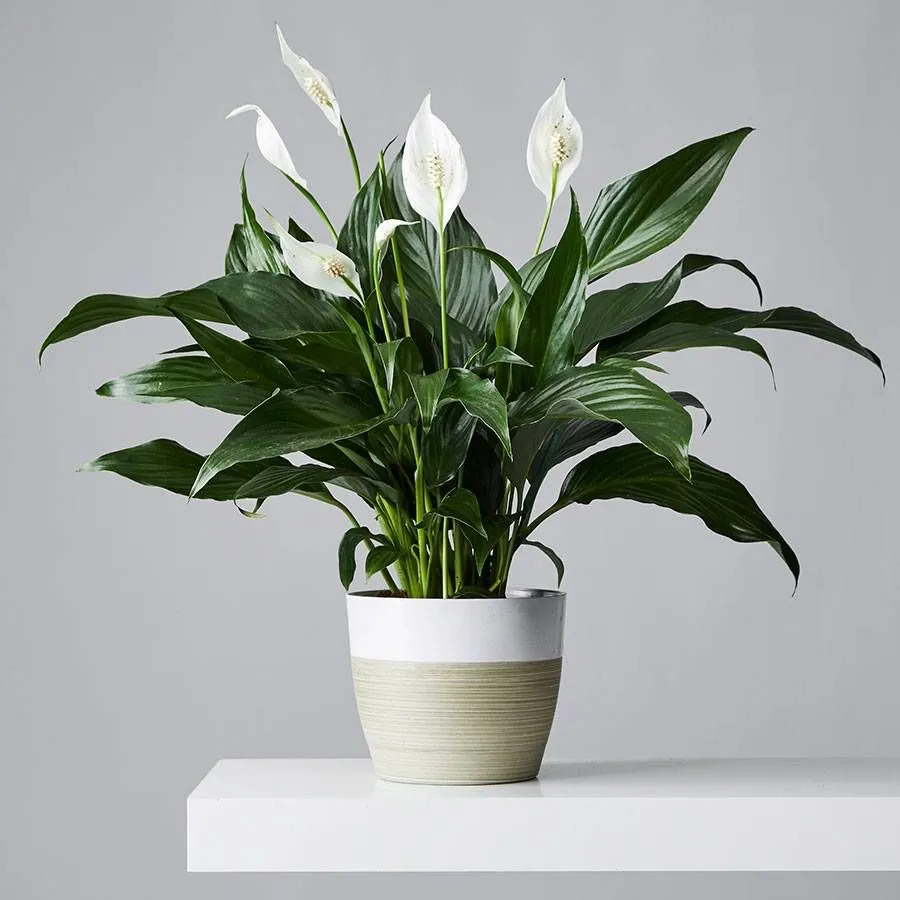
Typically, a Peace Lily will bloom readily in various settings, given its preference for shade, humidity, and warmth. If blooming is scarce, it might signal soil lacking in nutrients or insufficient light. During dry spells, misting the plant can help maintain humidity.
Proper soil nutrition is vital. A failure to bloom can often be linked to nutrient-poor soil. Yearly fertilization and biannual organic nutrient additions are advisable. Natural solutions like coffee grounds, crushed eggshells, or worm castings can be excellent organic fertilizers.
Remember, a low-light plant is not the same as a no-light plant. Complete darkness hinders flowering. Shifting your Peace Lily to a slightly brighter area might encourage blooming.
Seasonal changes also affect blooming. Warmer months, like spring or summer, are typically when Peace Lilies bloom. If yours doesn’t flower in colder seasons, this is normal due to lower temperatures.
Discovering the Best Environments for Cultivating Peace Lilies

Explore these recommendations for nurturing Peace Lilies, aimed at maximizing both their growth and visual charm:
Cultivating Peace Lilies in Your Garden
With its diverse sizes and profound symbolism, the Peace Lily is a sought-after ornamental addition to gardens. Beyond its visual allure, it brings a sense of calmness. For optimal garden placement, choose a shaded area with limited sunlight and ample humidity to make your garden appear more lush and lively.
Adorning Spaces with Peace Lilies in Vases
Placing a Peace Lily in a vase can remarkably transform various spaces, from bathrooms and bedrooms to tabletops and cozy corners. Its adaptability to different settings makes it a perfect decorative element. Opt for humid and dimly lit spots. If the leaves start yellowing or dulling in the vase, shift it to a brighter, more humid spot. Refresh the soil with nutrients biannually for best results.
Peace Lilies in Apartment Settings
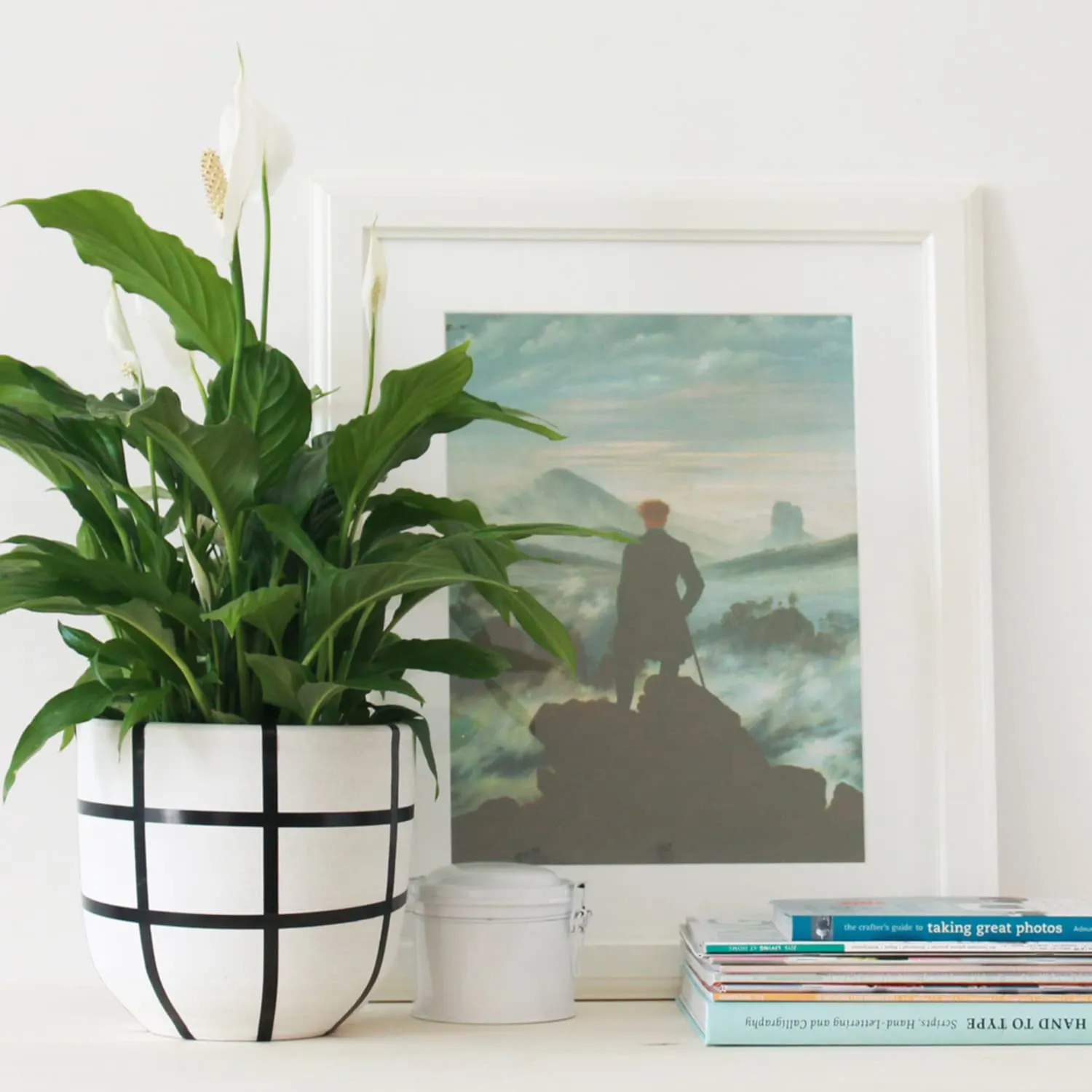
For apartment residents, cultivating plants can be challenging due to constraints like limited light, space, or air quality. Yet, the hardy and low-maintenance Peace Lily is an excellent choice for such environments. Combat dry indoor air with occasional misting to keep the plant thriving, adding a touch of nature to your living space.
Bonus Idea: Crafting Peace Lily Decorations
Now that you’re versed in Peace Lily care, why not use this knowledge to create enchanting Peace Lily arrangements? These can become striking focal points in various settings, including office spaces, events, weddings, and as personalized gifts. Let your creativity flow by combining attractive vases, ornamental stones, wooden accents, and a blend of Peace Lilies with other plants for an eye-catching display.
Incorporating plants in homes and workplaces is a wonderful concept. They not only enliven spaces but also help reduce stress and foster a sense of well-being. Additionally, they purify the air, enhance productivity, spur creativity, and positively impact emotional and mental health.
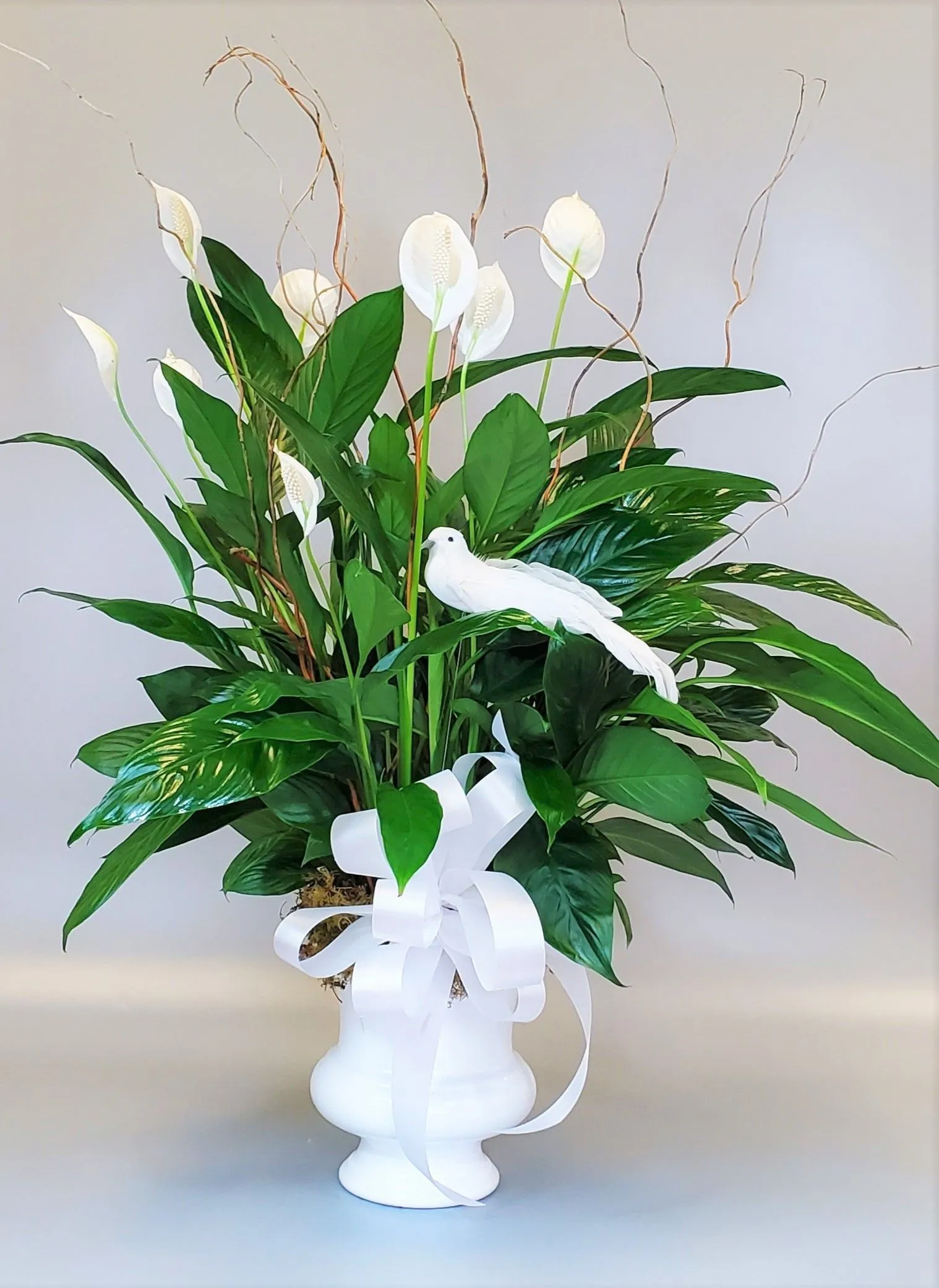
Armed with these insights on Peace Lily care, why not integrate this serene and beautiful plant into your living or working environment for an added touch of tranquility and elegance?
We’d love to hear your experiences with nurturing Peace Lilies and how you plan to cultivate this delightful plant in your own space. Share your journey with us!

The Amazing Benefits of Sumac and How to Use It Sumac is more than just a flavorful spice—it’s a powerful Read more

Unlocking the Garden Potential of Eggshells: 10 Innovative Applications Eggshells, often seen as fragile protectors of eggs, are also a Read more
Discover the Untapped Potential of Chili Pepper Leaves: Nutritional Powerhouse for Your Health and Kitchen When you think of chili Read more

Cultivating veggies and herbs indoors is more than just a productive task; it's a delightful and aesthetic journey. The magic Read more

Avocados are celebrated for their creamy texture, rich flavor, and numerous health benefits. While typically enjoyed raw, grilling avocados introduces Read more

Highland flowers, often found in remote, elevated regions, are more than just a visual delight. These resilient blooms, thriving in Read more

Crabgrass, or Digitaria sanguinalis, is often regarded as an annoying, invasive weed in gardens and urban spaces. However, beneath its reputation Read more

When "Need" Takes on a Whole New Meaning For a long time, having a woman in a man’s life was Read more

Bathroom Mold: Causes and Solutions Ideal Environment for Mold Growth Bathroom surfaces are prime locations for mold growth. Moisture accumulates Read more

10 Secrets You Need to Know Before Eating Okra Okra, also known as “lady’s finger,” is a green, pod-shaped vegetable Read more

How to Reuse Soap Scraps: Ingenious Ideas Soap bars, after several uses, become tiny and almost unusable. Many of us Read more
The Hidden Power of Pomegranate Peel: 10 Health Benefits and How to Use It Pomegranate is often celebrated for its Read more
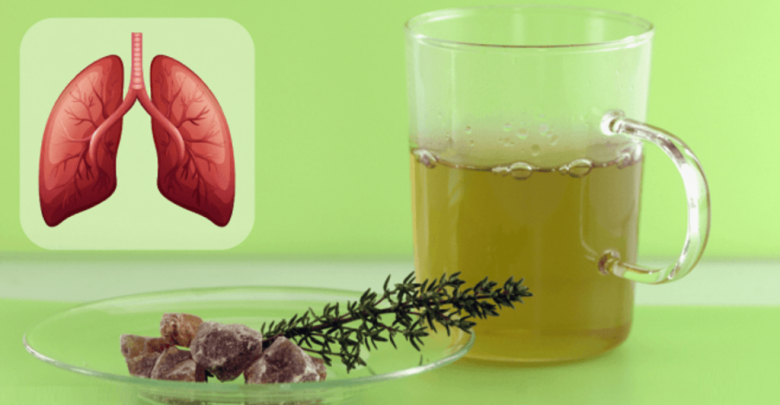
Thyme is known by some as the “enemy of toxins,” and it has been part of stories since ancient Greece. Read more

Perfumed Tissues: An Easy DIY Technique The Joy of Scented Tissues: Paper tissues are handy in daily life. While some Read more
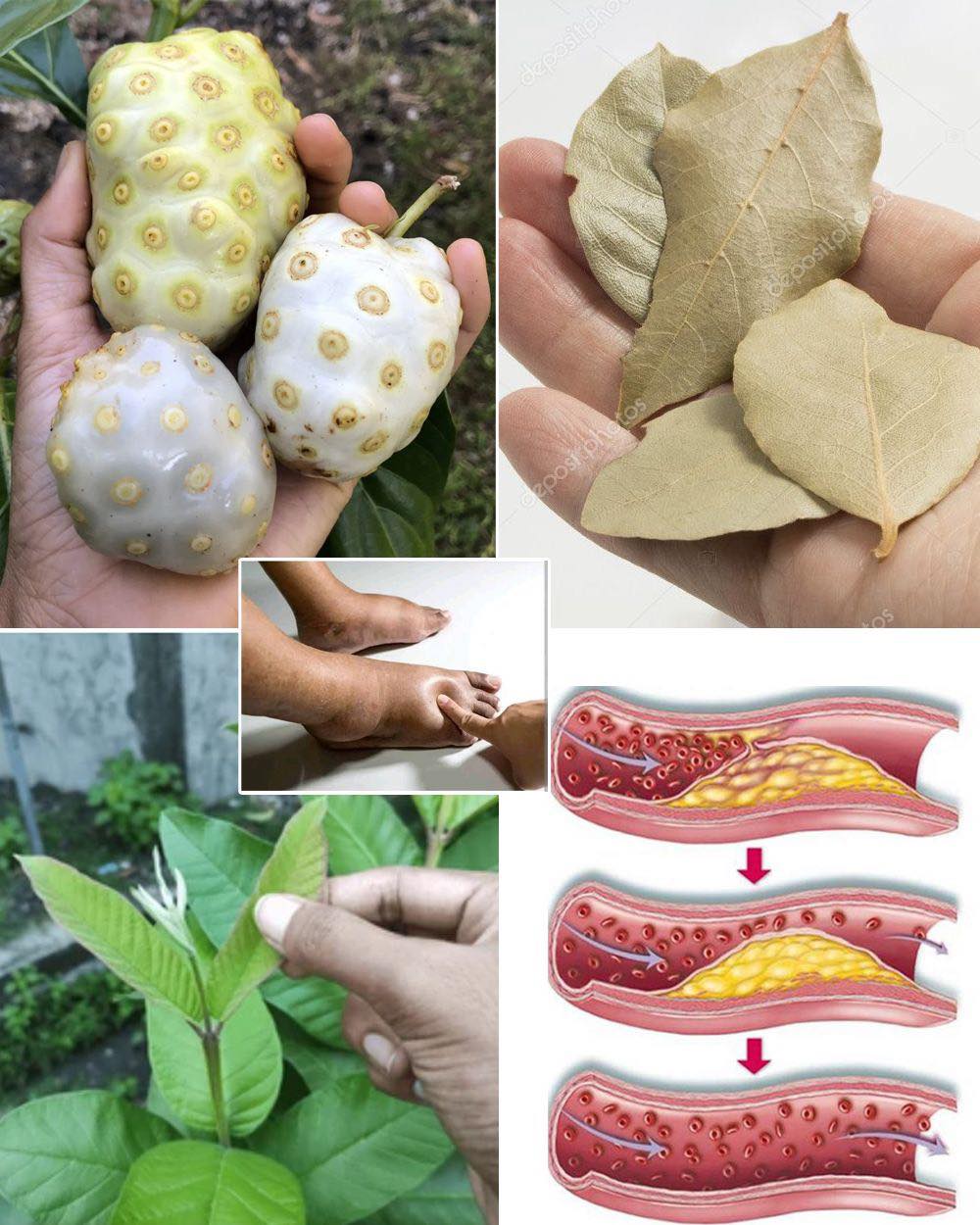
The Ultimate Healing Tonic: A Powerful Natural Drink for Swollen Feet, Diabetes & Poor Circulation Chronic swelling in the feet, Read more

In today's digital age, it's a common sight in households and offices: chargers left in outlets without their corresponding devices. Read more

Sweet Violet (Viola odorata): 25 Incredible Benefits & How to Use It Sweet violet (Viola odorata), also known as wood Read more

Dented Car Body: How to Fix It Yourself Over time, the body of your car can endure a lot. From Read more

Embracing Organic Gardening with Homemade Onion Elixir The shifting trends in horticulture are leaning heavily towards eco-conscious choices, prompting gardeners Read more

Lactuca serriola, commonly known as prickly lettuce, is a plant that often goes unnoticed, dismissed as a mere weed. However, Read more

Cassava: An Essential Plant at the Heart of a Deadly Paradox Whether in the form of flour, tapioca pearls, or Read more

Inheritance in France: A Protected Share, Untouchable Even in Cases of Conflict In France, there is a fundamental legal principle Read more

Creating a fresh and inviting atmosphere in your kitchen doesn't require expensive air fresheners or synthetic scents. With just a Read more

The ingenuity of Swedish furniture design, particularly evident in the flat-pack phenomenon, has transformed how we furnish our homes with Read more

Garlic's Aromatic Enigma: Its Transformation When Burnt The unmistakable scent of garlic is well-known in kitchens worldwide. Esteemed for its Read more

How to Clean Bathroom Tiles Quickly and Effectively Cleaning bathroom tiles is a task we all love to postpone. It Read more

The Benefits of Combining Eggs and Coffee: A Nutritious and Energizing Pair When it comes to starting your day right, Read more

The Art of Container Flower Combinations Designing with flowers in pots is a delightful blend of horticulture and floral design. Read more

Unveiling the Secrets of Burning Bay Leaves in Your Home The age-old tradition of burning bay leaves, once prevalent in Read more

Why It's Crucial to Clean Your Oven and How to Do It Naturally The Importance of Cleaning Your Oven The Read more

Euphorbia hirta, commonly known as the “Asthma-plant,” is a medicinal herb renowned in traditional medicine for its diverse health benefits, Read more

Faced with increasingly harsh industrial detergents, consumers are turning back to traditional products that are healthier and have long proven Read more

Shepherd’s Purse (Capsella bursa-pastoris): A Medicinal Herb with Powerful Benefits Shepherd’s Purse, known botanically as Capsella bursa-pastoris, is a small, Read more

The Dog's Nose: A True Superpower It is well known that dogs possess an extraordinary sense of smell. Yet the Read more

Juniper, a versatile and aromatic plant, has been valued for centuries for its culinary, medicinal, and therapeutic uses. Known for Read more

Why does your sleep become fragile precisely between 3 a.m. and 5 a.m.? Is it due to a peculiarity of Read more

Transforming Garlic Peels into Gold for Gardeners: In the rhythm of kitchen prep, garlic peels are often discarded without a Read more

Pigweed, also known as amaranth, is a leafy green plant that has been cherished in various cultures for its nutrient-rich Read more
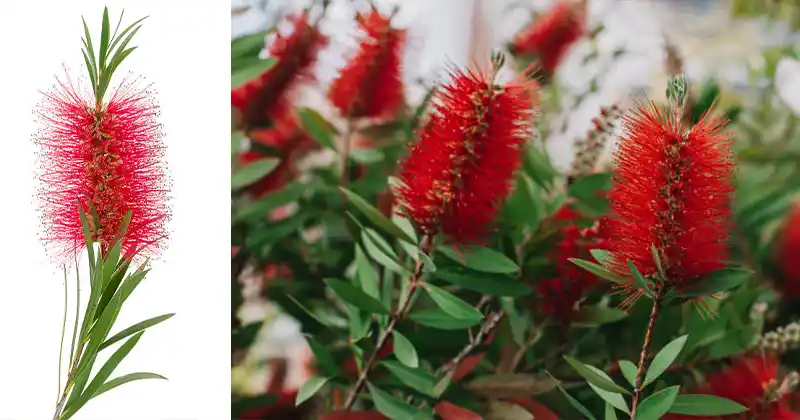
The Hidden Power of Bottlebrush: 15 Benefits and Easy Homemade Uses Nature often hides extraordinary healing power in plain sight—and Read more

Purple Deadnettle (Lamium purpureum): Benefits, Uses & How to Make Tea Often overlooked or mistaken for an ordinary weed, Purple Read more
