
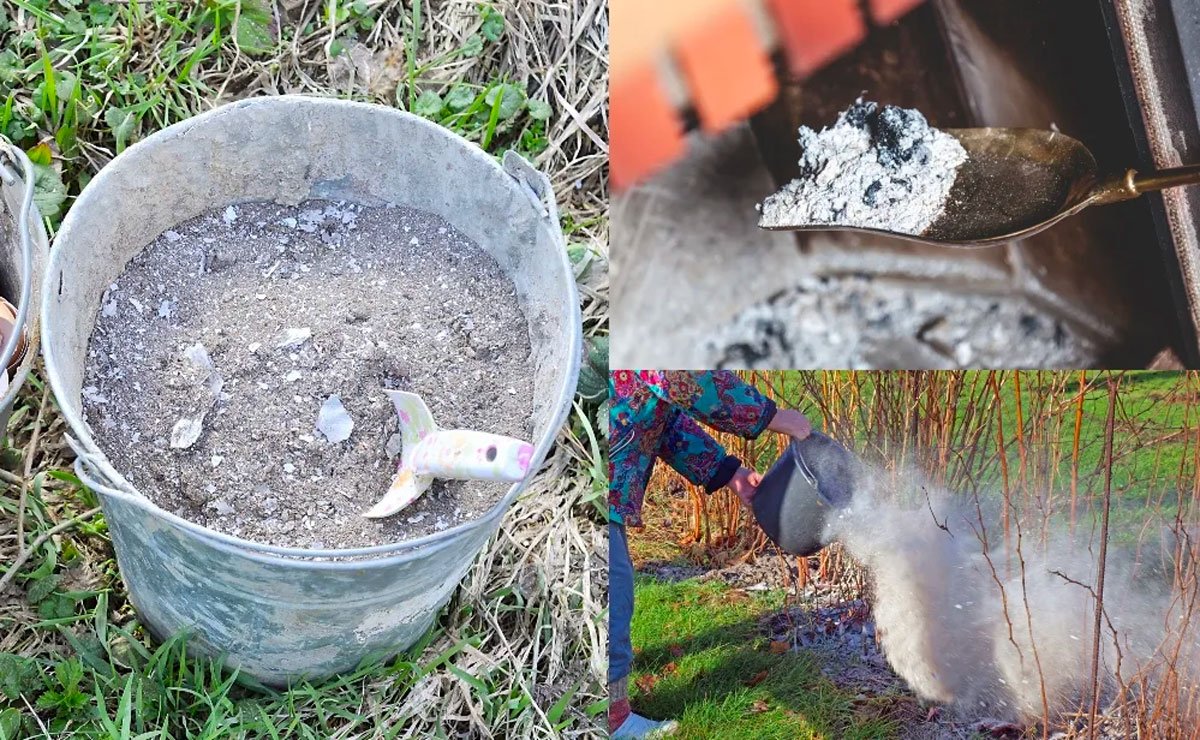
Wood ash is a valuable byproduct generated from burning firewood or wood pellets, offering numerous beneficial properties that can be effectively utilized in the garden. Rather than disposing of this seemingly insignificant residue, gardeners have the opportunity to use it in various practical ways to improve soil fertility, manage pests, and enhance overall plant health. In this article, we delve into ten innovative methods to maximize the use of wood ash in your garden and to help you appreciate the vast potential it holds for cultivating a thriving green space.
1. Soil Amendment:
One of the foremost applications of wood ash is as a soil amendment. Due to its high alkalinity, wood ash can help to neutralize acidic soils, rendering the soil environment more suitable for a wider variety of plants. However, it is crucial to apply wood ash carefully and in moderation, as excessive use can elevate soil pH levels beyond the optimal range needed for healthy plant growth.
2. Source of Essential Nutrients:
Wood ash is rich in essential nutrients such as potassium, calcium, and magnesium, all of which play a vital role in supporting plant growth and development. Incorporating wood ash into your compost pile or directly mixing it into garden soil can serve as a natural nutrient supplement, enhancing the overall fertility and vigor of your garden soil.
3. Pest Control:
Wood ash possesses natural pest-repellent qualities that can help protect your plants from unwanted garden invaders. By sprinkling a thin layer of ash around the base of plants, you can effectively deter pests such as slugs, snails, and certain crawling insects that often cause damage. For sustained protection, reappling after rain or watering is recommended to maintain the ash’s effectiveness.
4. Composting Aid:
Another excellent use for wood ash is in the composting process. Its high carbon content helps to balance out the nitrogen-rich organic materials within the compost pile, promoting efficient decomposition and minimizing unpleasant odors. Adding wood ash to your compost will accelerate the transformation into nutrient-dense humus, which can subsequently be added back into garden beds to enrich soil structure and fertility.
5. Algae Control:
For garden ponds or water features suffering from excessive algae buildup, wood ash can offer an effective solution. Sprinkling a small amount of wood ash on the water surface can suppress algae growth, thanks to its elevated pH and nutrient composition, which create an unfavorable environment for algae proliferation.
6. Tomato Plant Booster:
Tomatoes have particularly high calcium requirements, and wood ash serves as an excellent natural source of this vital nutrient. When preparing to plant tomatoes, adding a modest quantity of wood ash to the planting hole or mixing it into the soil will strengthen the plants, reduce the risk of blossom end rot, and support robust fruit development.
7. Frost Protection:
Wood ash also has insulating properties that can help shield plants from frost damage. Applying a light layer of ash around the base of frost-sensitive plants creates a protective barrier, lessening heat loss and providing a degree of defense against freezing temperatures during cold spells.
8. Odor Control:
Unpleasant odors can sometimes arise in the garden, especially from compost piles or areas where animal waste is present. Wood ash can help to neutralize and absorb these odors, making the garden environment more pleasant. Simply sprinkling wood ash over foul-smelling spots can effectively mitigate undesirable smells and improve the overall atmosphere.
9. Lawn Maintenance:
Wood ash can be beneficial for maintaining a healthy and attractive lawn. Applying a light dusting of wood ash over grass during cooler months discourages moss growth, as the ash’s alkaline nature creates conditions that are unfavorable for moss development. Still, it is important to avoid over-application to prevent any harm to the grass itself.
10. Fertilizer Substitute:
Finally, wood ash can act as a natural alternative to commercial fertilizers. The nutrient profile of wood ash—particularly its potassium content—supports vigorous plant growth and encourages vibrant flowering. Utilizing wood ash as an organic fertilizer reduces reliance on synthetic chemicals while promoting a sustainable and healthy garden ecosystem.
In conclusion, wood ash is a resource not to be overlooked within your gardening toolkit. Rather than discarding it as mere waste, you can harness its multiple benefits to enhance soil fertility, deter pests, and foster healthier plants. Always remember to apply wood ash thoughtfully and in accordance with the specific requirements of your plants and soil conditions. By integrating wood ash into your gardening practices, you transform what appears to be an insignificant residue into a powerful asset that nurtures and sustains your garden’s vitality for many seasons to come.
Do you have indoor plants? They have a unique ability to infuse life and color into any environment, whether it’s Read more
Aphids may be tiny—nearly invisible to the naked eye—but within just a few days, they can cause serious damage to Read more
Three Little-Known Tips to Keep Your Potatoes in Perfect Condition Choosing the Right Location for Storage The way you store Read more

Orchids, celebrated for their intricate beauty and variety, need particular attention for optimal growth. In the realm of orchid care, Read more
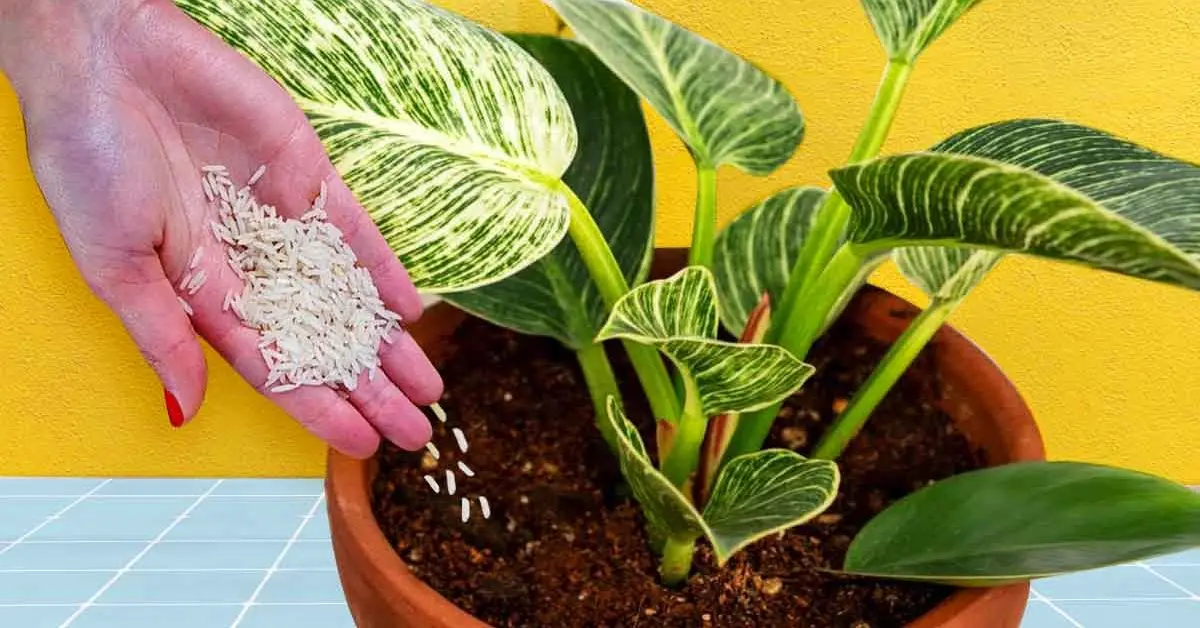
Indoor Plants and Their Benefits Indoor plants not only enhance the decor but also bring a touch of lush greenery. Read more

For gardening enthusiasts, it's a known fact that many plants thrive in humid and warm climates conducive to their growth. Read more

If you don't often get the chance to rejuvenate in the midst of nature, there's an alternative: introducing plants to Read more

Insect-Repelling Greenery: Your Natural Home Defense Transform your home into a sanctuary free from the annoyance of insects such as Read more

The Wonders of Blueberries: A Guide to Growing and Enjoying This Nutrient-Rich Fruit Mildly sweet, the blueberry is a dark Read more

Using White Vinegar for Garden Maintenance Gardening is never an easy task. Planting, weeding, and watering plants and flowers require Read more

Introducing 15 Health-Enhancing Indoor Plants for a Vibrant Home Oasis Embrace a selection of indoor plants that bring more than Read more
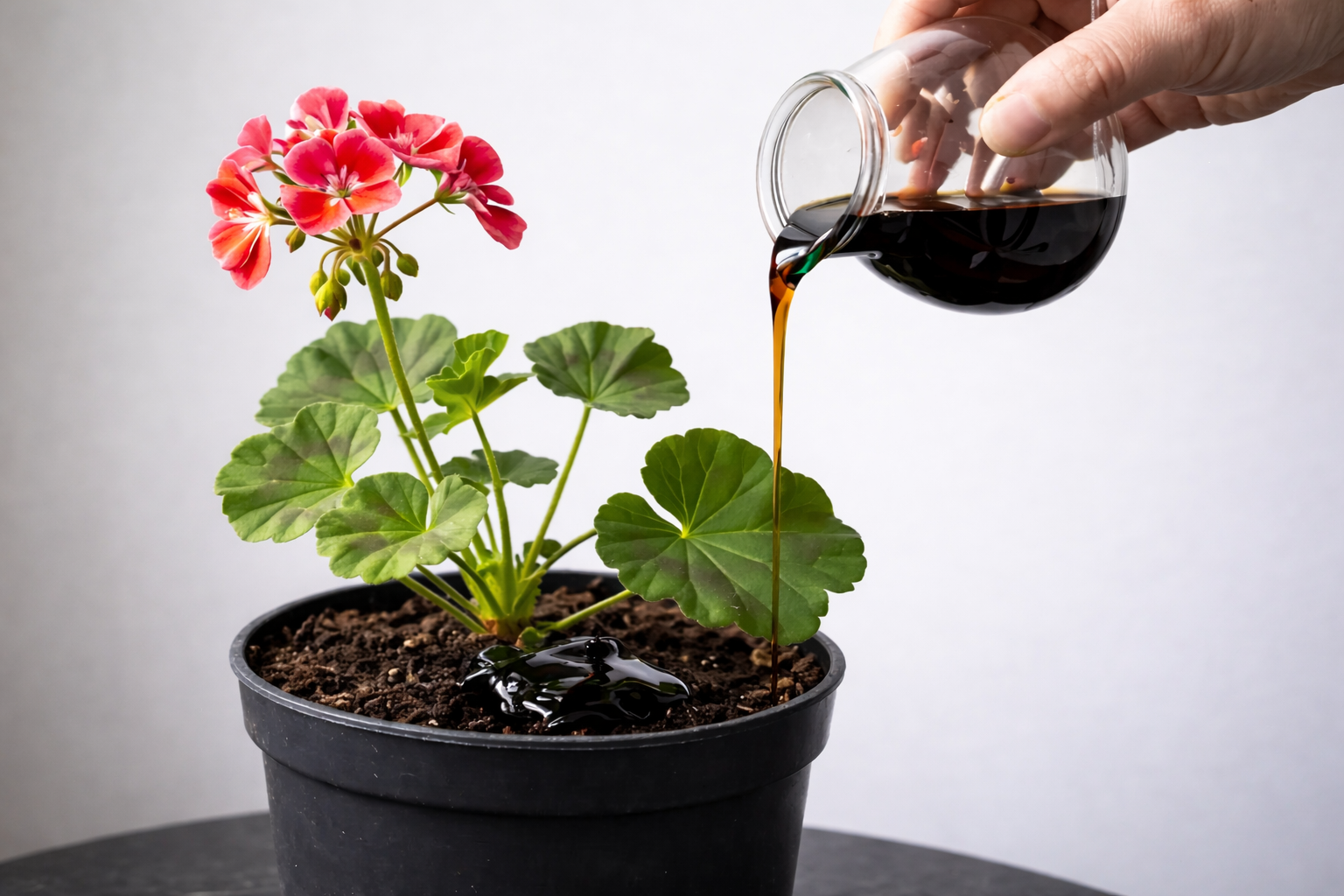
Having geraniums adorned with vibrant blooms for months—sometimes lasting even longer than anticipated—is not a feat reserved solely for expert Read more

Using Baking Soda for Plant Care To care for your plants or your vegetable garden, have you considered the DIY Read more

Growing avocados can be a gratifying experience, especially when you cultivate them right in your backyard. While starting avocados from Read more
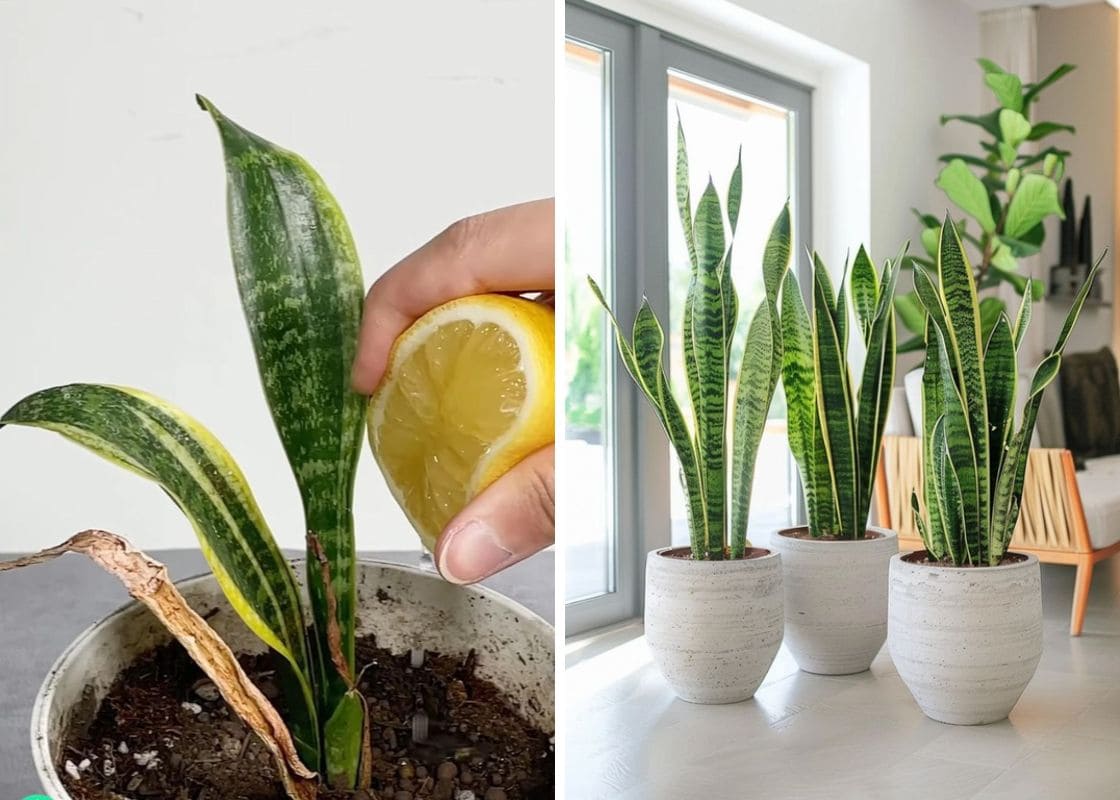
Snake plants are renowned for their resilience, often considered nearly indestructible. They can withstand missed waterings, low light conditions, and Read more

Unlocking the Flowering Potential of Anthuriums Anthuriums are renowned for their stunning, heart-shaped blooms which, under ideal conditions, can grace Read more
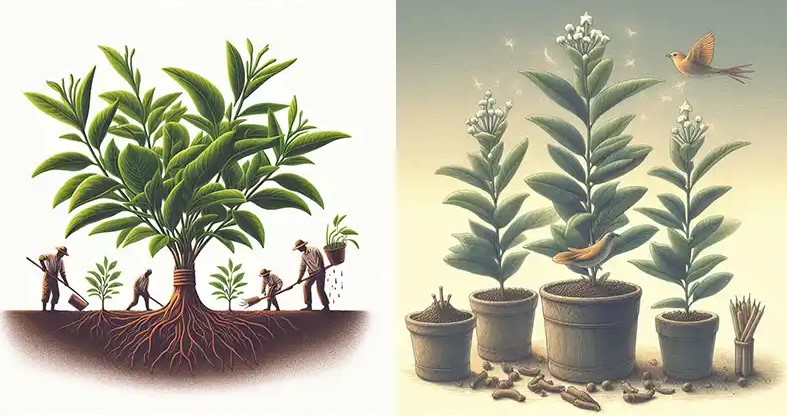
Easy Clove Growing: From Seed to Spice – A Beginner’s Guide Cloves are among the most treasured spices in the Read more

Orchids, with a staggering 28,000 unique species, beautifully demonstrate nature's rich tapestry of diversity. Originating from the Orchidaceae lineage, these Read more
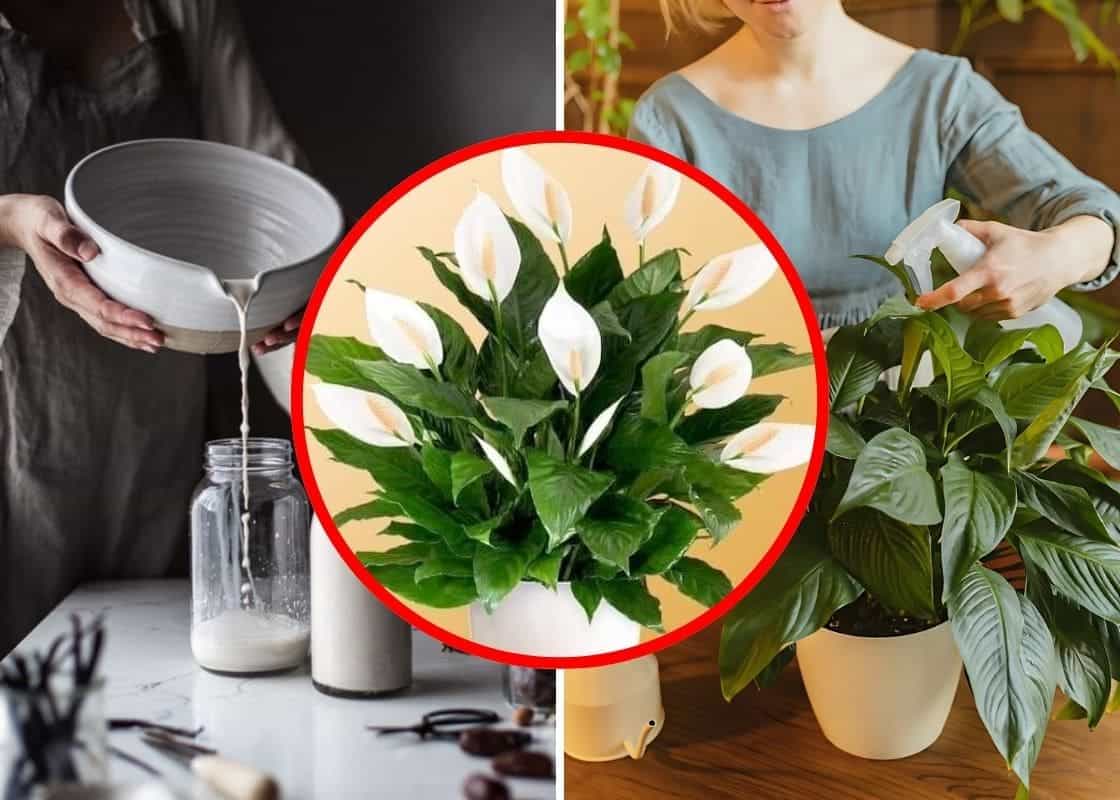
Peace lilies (Spathiphyllum) rank among the most cherished indoor plants, and it’s easy to understand why. Their shiny, deep green Read more
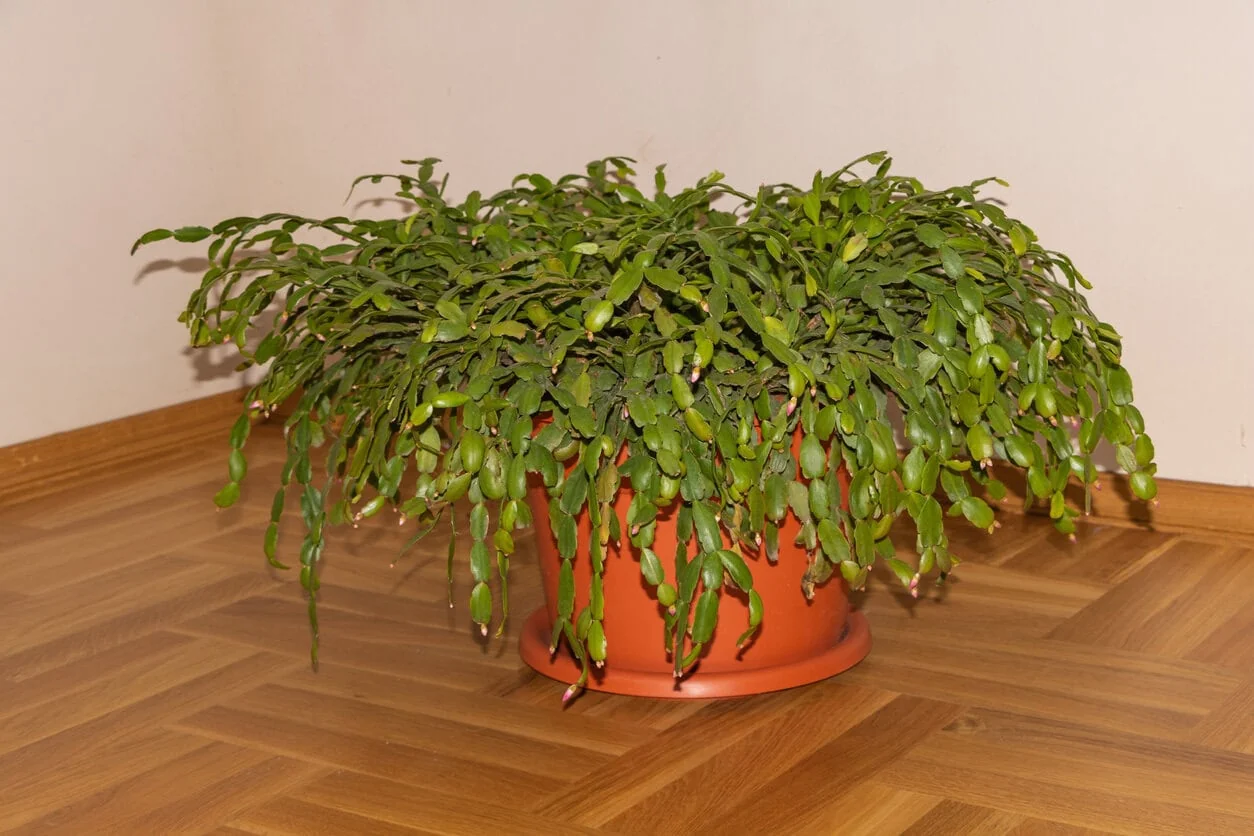
You have probably found yourself here because you are tired of seeing your Christmas cactus looking like the Ghost of Read more
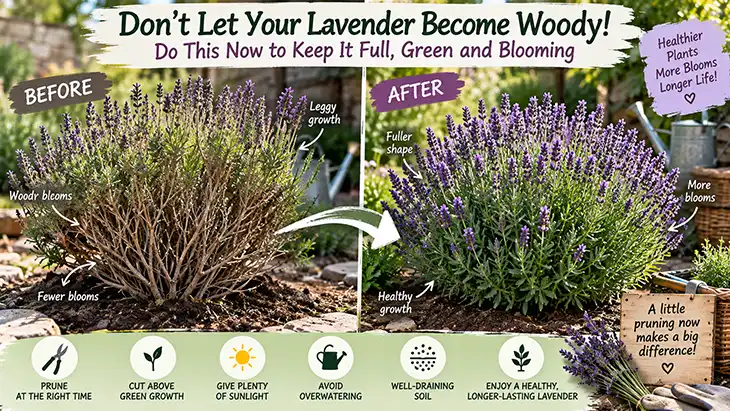
When lavender plants are young, they often present an almost perfect image: a compact shrub with silvery-green foliage, a delightful Read more
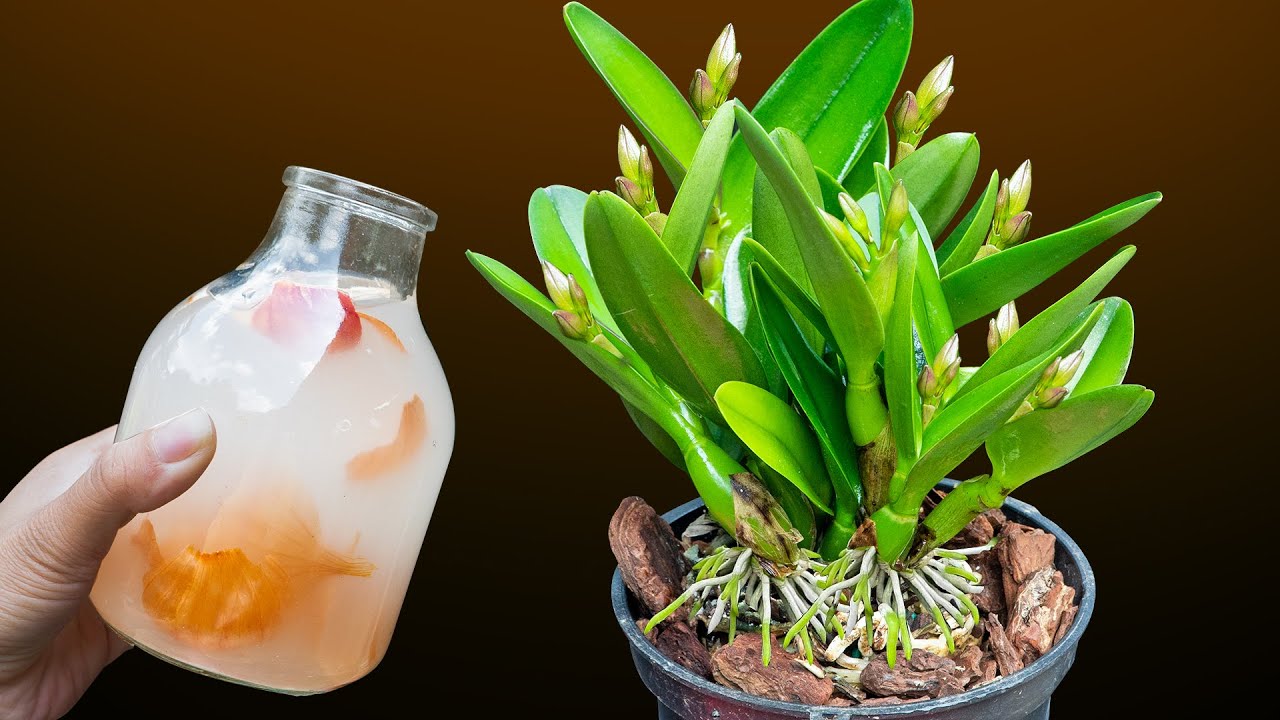
Orchids, admired for their exotic beauty and vast variety, demand specific care to flourish. While many growers rely on commercial Read more

Deadly Nightshade (Atropa belladonna): The Mysterious and Dangerous Plant with a Dark Legacy At first glance, Deadly Nightshade (Atropa belladonna) Read more

Cultivating Zucchini in Containers: A Comprehensive Guide Zucchini is a popular vegetable for gardening aficionados and novices alike. It's simple Read more

As sustainability and eco-consciousness continue to rise in importance in our daily lives, discovering alternative methods to fertilize our gardens Read more
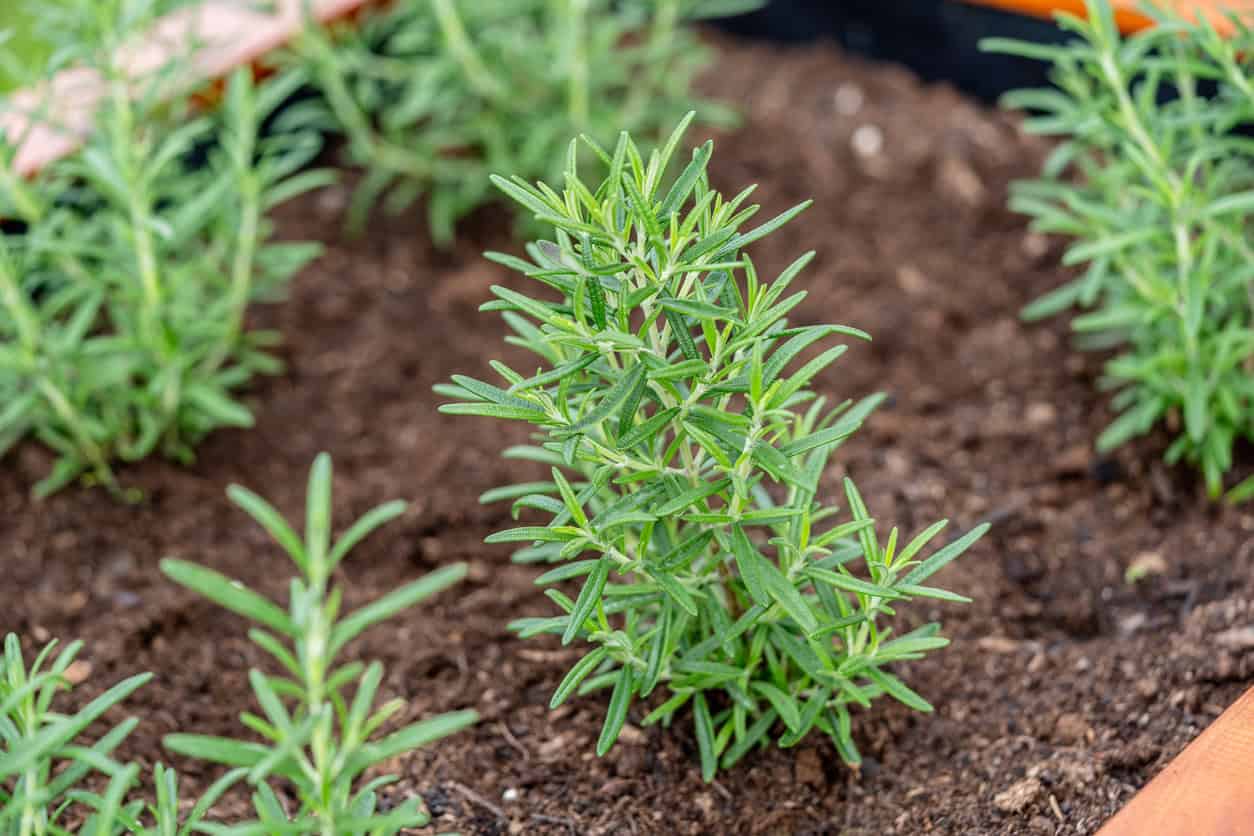
Rosemary is incredibly resilient... truly very robust! If you have ever had the unfortunate experience of adding too much to Read more

Orchids, with their array of species and hybrids exceeding 25,000, stand as a testament to botanical beauty. Cultivators and hobbyists Read more
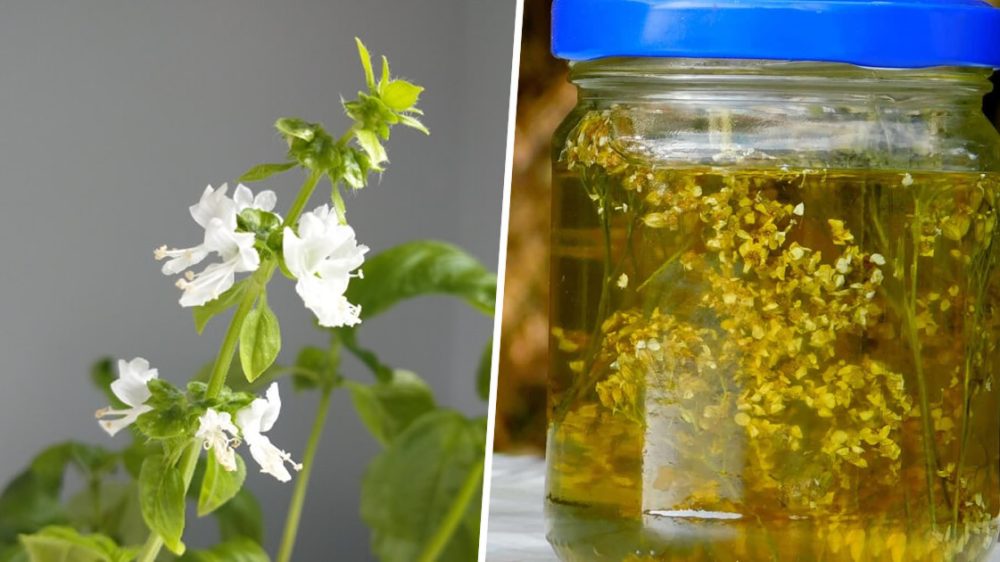
Basil, a cherished herb celebrated in culinary traditions around the globe, is best known for its fragrant leaves. Yet, its Read more

Turmeric is a staple ingredient in Asian cuisine. This vibrant yellow spice, often used to flavor curries and stews, is Read more
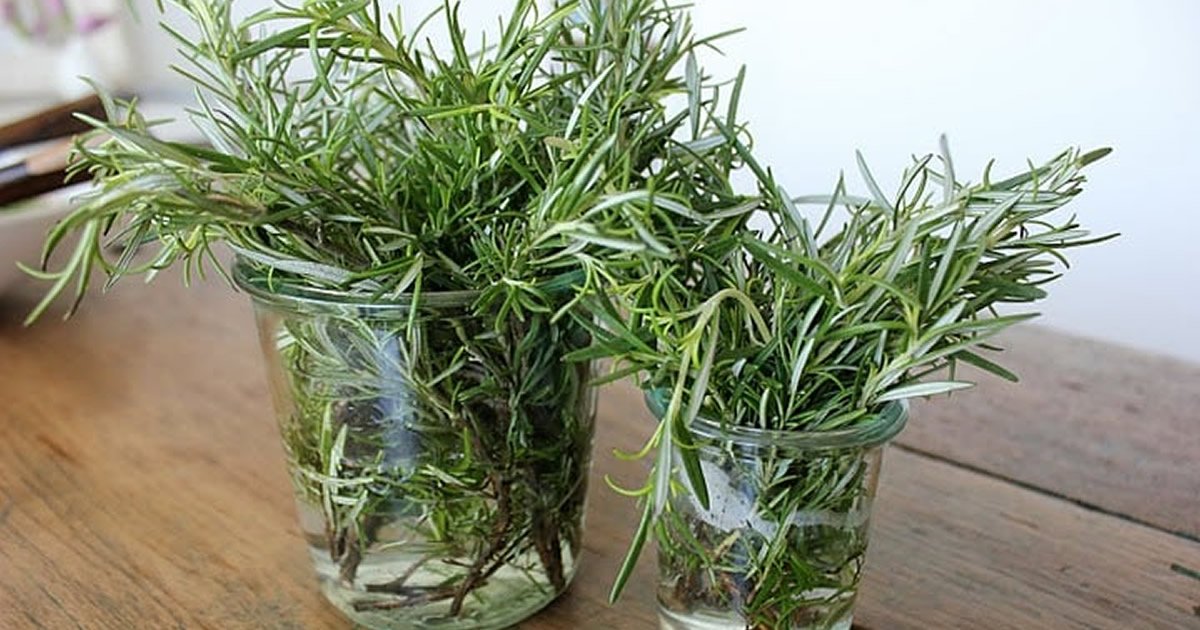
The wisdom and experience of our grandparents often provide invaluable tips and techniques that make our daily lives easier and Read more
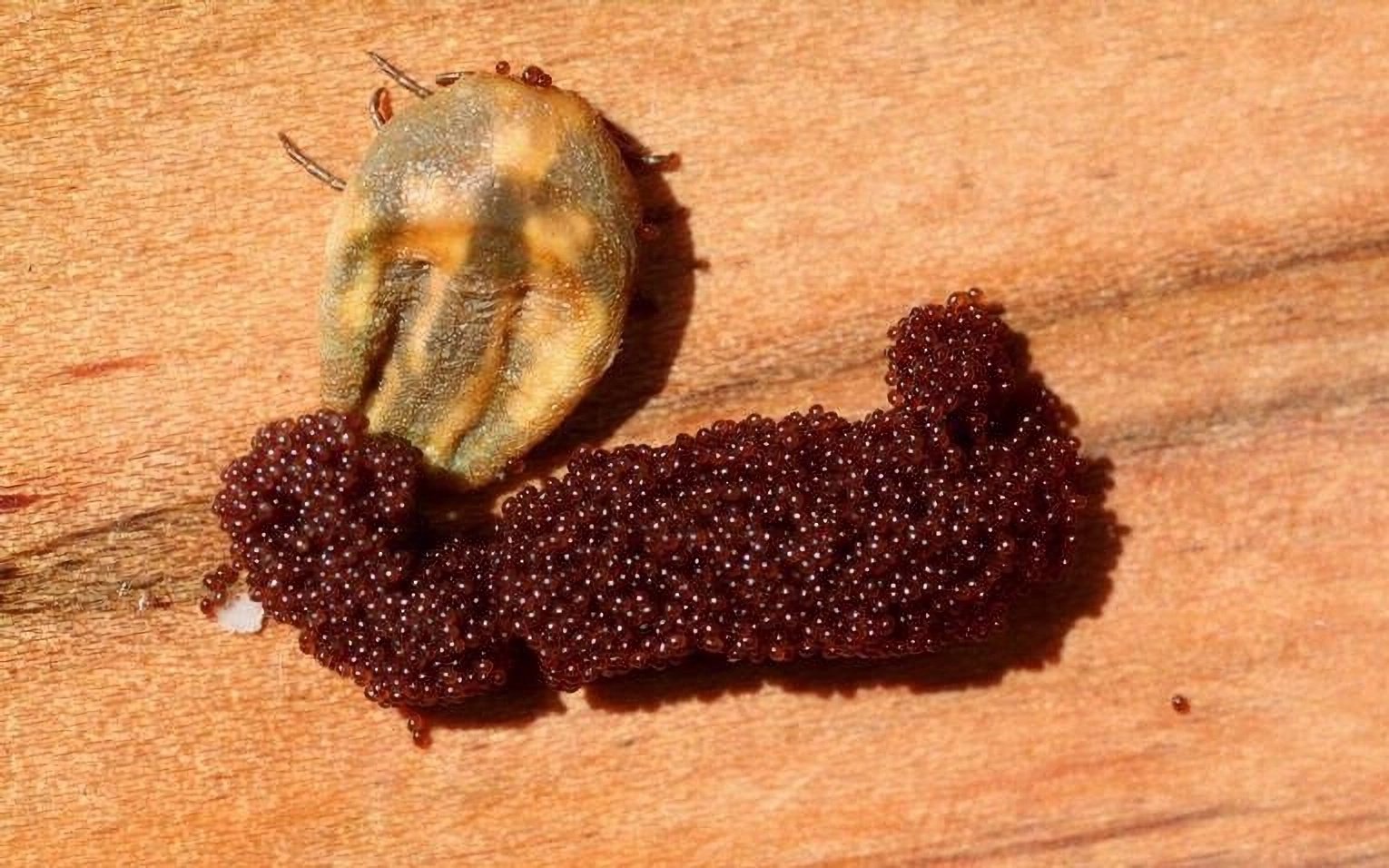
Imagine spending a relaxing afternoon in your backyard, only to stumble upon an unexpected and unwelcome discovery—a cluster of tiny Read more
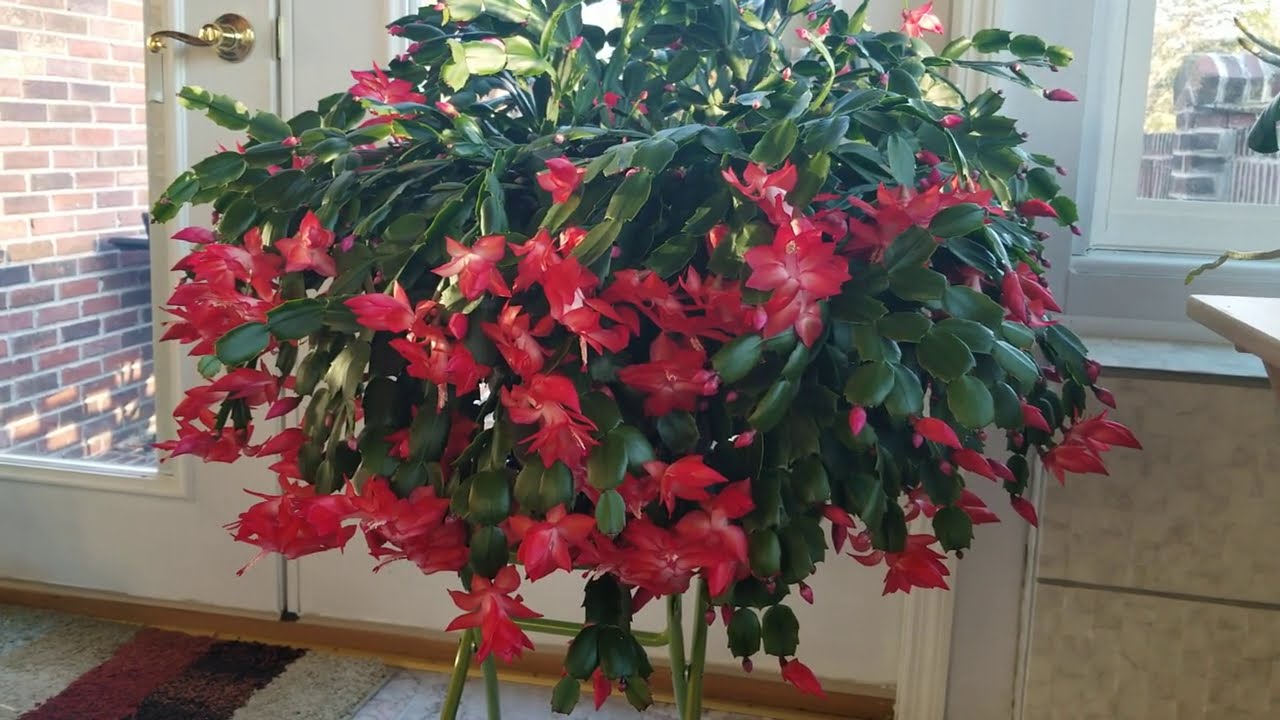
Christmas cacti don’t adhere to the typical “feed once a month and forget it” approach that many houseplants follow. Because Read more
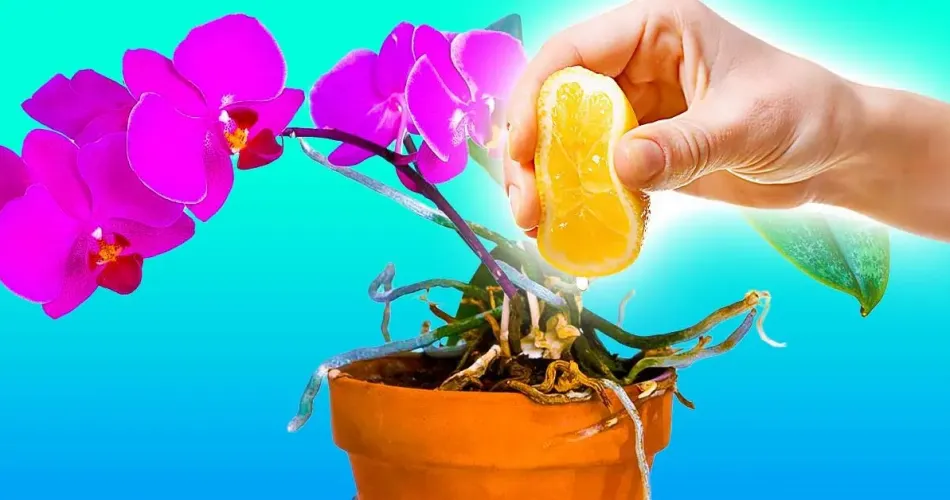
Orchids, with over 28,000 unique species, provide a fascinating insight into the immense diversity found in nature. Originating from the Read more
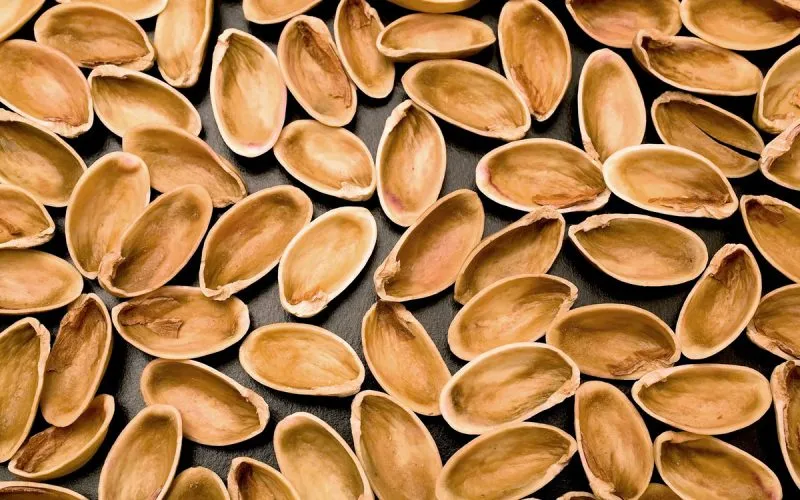
Originating from the arid regions of the Middle East, the pistachio tree (Pistacia vera) is a hardy desert plant celebrated Read more

Excessive moisture within a house can arise due to capillary action, infiltration, or the phenomenon of condensation. The latter is Read more

Different perspectives exist on various aspects of nature, and this holds true for the dandelion, often dismissed as a mere Read more
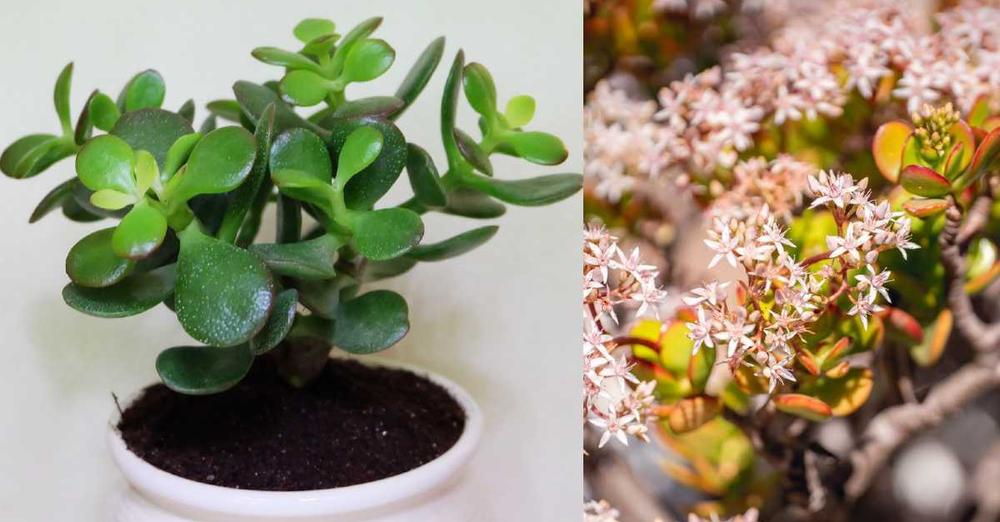
The jade plant boasts stunning foliage, making it an excellent choice for enhancing both garden landscapes and indoor environments. Beyond Read more
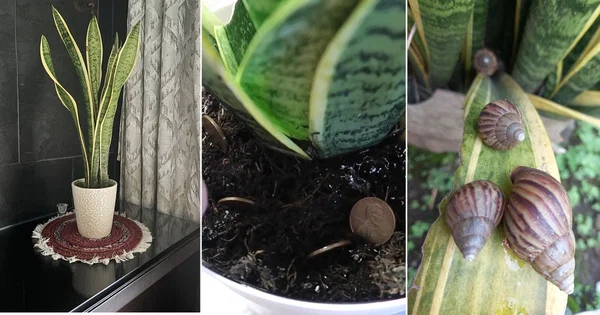
Gardeners constantly explore simple and inventive ways to enhance the health of their plants. One unconventional technique that has sparked Read more

Indoor Plants: A Decorative Air Purifier Indoor plants have become an essential part of modern decor, increasingly sought-after to greenify Read more

Orchids are renowned for their stunning blooms and are a favorite among indoor plant enthusiasts. However, getting these temperamental beauties Read more
