
Warning: The information presented in this article is strictly for informational and educational purposes. It should never be considered medical, veterinary, or professional advice, nor used to diagnose, treat, cure, or prevent any illness. Burning herbs carries risks related to fire and smoke, and individual reactions to the aromas and smoke of plants can vary widely. It is essential to exercise personal judgment and observe safety rules regarding fire and ventilation. The author and publisher disclaim any liability for damage, injury, adverse reaction, or loss resulting from the use or misuse of the information contained herein. If you have asthma, allergies, respiratory issues, medical conditions, pregnancy, or concerns about the safety of pets, consult a qualified health professional or veterinarian before burning sage or using medicinal plants in your home.
Burning sage is a simple, age-old practice used for generations to purify indoor air, mask unpleasant odors, and create a calming atmosphere. While sage bundles sold in stores are common, you don’t need to spend a fortune to practice this tradition correctly. With the right type of sage, some basic tools, and proper safety habits, you can prepare and use sage safely in your own home.
This guide introduces you to the sage varieties best suited for burning, the real effects of burning sage, simple methods to perform at home, and the essential safety rules every household should follow.
The Best Varieties of Sage for Burning
Not all sages burn the same way or emit the same fragrance. The variety you choose greatly influences ease of use, cleanliness of combustion, and olfactory enjoyment.
White Sage (Salvia apiana)
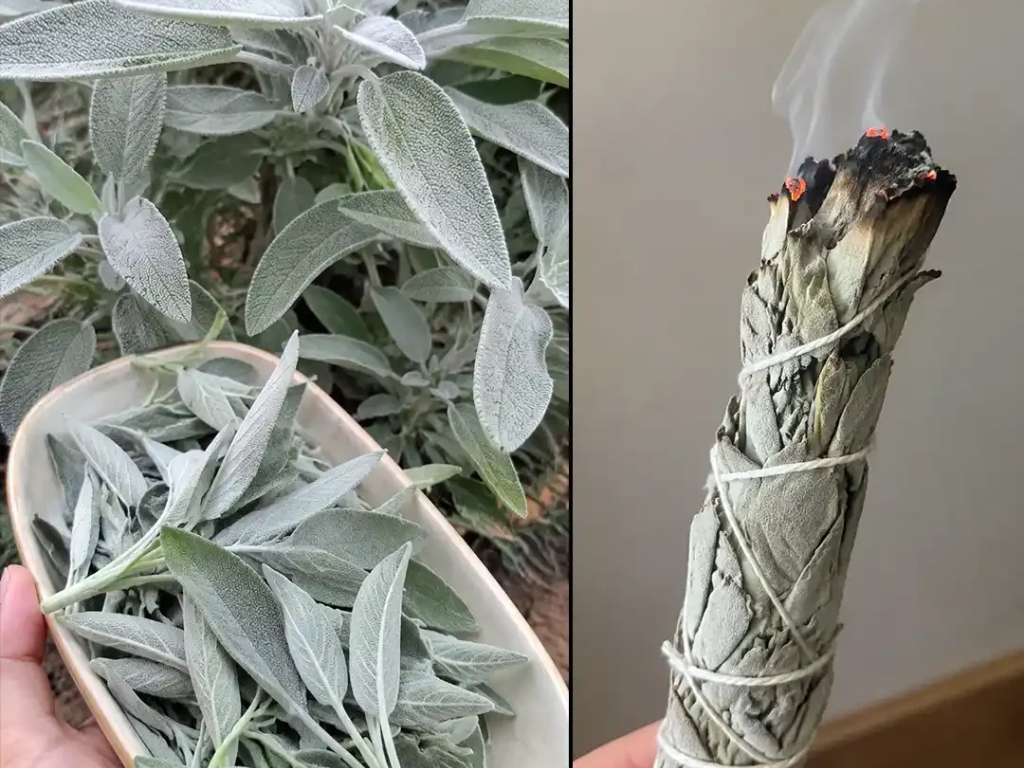
White sage is widely regarded as the best for burning. Native to the dry regions of the southwestern United States and northern Mexico, this woody plant offers many advantages:
Strong aroma: Its thick, silvery leaves contain a high concentration of natural aromatic oils, releasing a sharp, intense scent with a slight resinous quality reminiscent of pine.
Controlled burning: The density and resin of the leaves allow dried white sage to maintain a slow, long-lasting ember, unlike finer herbs.
Purchase advice: Wild white sage is often overharvested in its natural habitat. Favor buying white sage from organic or ethical cultivations rather than bundles harvested from the wild.
Common Garden Sage (Salvia officinalis)
For a practical, economical, and eco-friendly option, the common culinary sage is perfectly suitable:
Easy to grow: It thrives easily in a sunny pot or garden, letting you harvest your own leaves for free.
Softer scent: Its aroma is more subtle, earthy, and herbaceous compared to white sage, making it pleasant in smaller spaces or apartments.
Widely accessible: Fresh bundles are available year-round in most supermarkets and garden centers.
Other Usable Sage Varieties
Several other sage types you might grow in your garden are also suitable for drying and clean burning:
Blue Sage (Salvia clevelandii): Emits a soft, slightly sweet scent, less intense than white sage.
Purple Sage (Salvia officinalis ‘Purpurascens’): A colorful garden sage variety with qualities similar to common sage regarding drying and burning.
Clary Sage (Salvia sclarea): Appreciated for its gentle, earthy, and slightly floral scent when dry.
Important: Only burn untreated sage free from pesticides. Avoid ornamental plants treated with chemical insecticides, fungicides, or synthetic products used to shine leaves.
The Real Benefits of Burning Sage
Many claims circulating online exaggerate the effects of sage smoke. Observing the plant closely allows us to distinguish tangible benefits from myths.
Neutralizes stale odors: Sage leaves contain natural aromatic oils such as eucalyptol (cineole) and camphor. When heated, these oils release a fresh herbaceous scent that helps mask persistent odors from cooking, pets, or stale air in closed rooms.
Promotes calm and focus: The sharp scent of sage is commonly used in aromatherapy to help people feel more alert, relaxed, and centered. Taking a few minutes to slow down, air the room, and breathe in this fresh fragrance provides a simple mental break from daily stress.
Contains bioactive compounds: Laboratory studies on sage extracts and essential oils reveal natural antimicrobial and antioxidant compounds. Burning a small bundle does not disinfect surfaces nor replace household cleaning, but herb fumigation is traditionally employed to refresh living spaces.
Repels certain insects outdoors: The strong odor of burnt sage is unpleasant to many flying insects. Burning dried leaves in a fireproof container on a patio or porch can help deter mosquitoes and flies while enjoying the outdoors.
Offers a sense of renewal: Many burn sage after a thorough cleaning, after hosting guests, or when moving into a new home to symbolize a fresh start and to purify the atmosphere.
How to Make Your Own Sage Bundles at Home
Making your own sage bundles from fresh garden sage is a simple and cost-effective process. The key to a bundle that burns well is thorough drying before use.
Necessary Materials
Fresh sage stems (ideally between 15 and 25 cm in length)
Clean scissors or garden pruners
100% natural cotton twine or hemp cord (avoid nylon, polyester, or any plastic, as these melt and release toxic fumes)
Step-by-Step Preparation
Harvest healthy stems: Cut sage stems in the morning after the dew has dried. Choose clean leaves without dark spots, insects, or dirt.
Clean and dry: Gently shake to remove dust. If rinsing is necessary, thoroughly dry the stems with a clean cloth then leave them in open air for several hours to remove moisture.
Gather the stems: Align 5 to 8 stems together, placing the cut bases evenly. Remove any damaged or loose leaves near the base.
Tie the base: Cut a length of twine three to four times longer than the bundle. Tie a tight knot around the stems at the base, leaving a small loose end of twine.
Twist the twine: Pull the twine firmly, then wrap it spirally upward toward the top of the leaves, then back down crossing the twine to the base. Tighten well to keep the bundle solid during drying. Finish with a secure knot.
Air dry: Hang the bundles upside down in a cool, dark, dry, and well-ventilated spot (pantry, closet, isolated room) avoiding direct light to preserve essential oils.
Dry until brittle: Depending on humidity and bundle thickness, drying takes between 1 and 3 weeks. The bundle is ready once the outer and inner leaves break crisply rather than bend. Never burn damp or partially dry sage as it produces thick, unpleasant smoke and may develop mold inside.
4 Simple Ways to Use Sage at Home
You don’t have to have a tied bundle to enjoy the scent of sage. Choose the method best suited to your space and available materials.
Method 1: Burning a Dried Sage Bundle
The classic method to purify an entire room.
- Ventilate the room: Open doors or windows to ensure air renewal and prevent smoke accumulation.
- Prepare a fireproof container: Place a ceramic bowl, cast iron dish, metal tray, or thick shell under the bundle to catch ashes and sparks.
- Light the tip: Hold a match or lighter to the leafy end of the bundle, slightly tilted downward, until a small flame ignites.
- Blow out the flame: Let it burn for 10 to 15 seconds, then gently extinguish the flame. You should have a glowing ember producing light smoke, not an open flame.
- Move around the room: Walk slowly while holding the container under the glowing tip. Smoke should remain light and passing; 1 to 3 minutes suffices for an average-sized room.
- Fully extinguish: Gently press the glowing tip into a bowl filled with dry sand, clean earth, or salt until fully extinguished with no smoke. Avoid wetting the bundle if you want to reuse it, as damp sage is hard to relight and can mold.
Method 2: Burning Loose Dried Leaves
If you don’t have a bundle or only have whole dried sage leaves from cooking, this method is the simplest and quickest.
Place 2 to 4 whole dried leaves in a fireproof ceramic or metal container.
Light the edge of a leaf with a lighter or match.
As soon as the flame catches, blow it out immediately to allow the leaf to smolder and produce smoke.
Keep the container on a heat-resistant surface, away from fabrics or paper, until the leaves are completely consumed to cold ashes.
Method 3: Crushed Sage on Incense Charcoal
Ideal for larger spaces or outdoor patios where you want slow, long-lasting smoke with crushed or broken sage.
Half-fill a sturdy ceramic or metal bowl with dry sand or small pebbles to isolate the heat.
Hold a self-lighting charcoal disc with metal tongs and ignite one edge until sparks spread across the surface.
Place the lit disc on the sand and wait 1 to 2 minutes until it stops sparking and edges turn light gray.
Sprinkle a small pinch of crumbled dried sage leaves onto the hot disc.
Add a new pinch only when the previous has burned away. Leave the bowl alone until the charcoal is completely cool, which can take over an hour.
Method 4: Sage Potpourri without Smoke (Smoke-Free Alternative)
If you live in a small apartment, have sensitive smoke detectors, or prefer to avoid inhaling smoke, a warming potpourri offers the herbal fragrance of sage without any combustion.
Fill a small saucepan two-thirds full with clean water.
Add a handful of fresh leaves or 2 to 3 tablespoons of dried sage leaves.
For added freshness, optionally include lemon peel slices, a sprig of rosemary, or a cinnamon stick.
Bring the water to a gentle boil, then immediately reduce heat to low to maintain a slight simmer.
Simmer uncovered for 20 to 40 minutes so fragrant steam fills the room.
Carefully monitor the water level, topping up as needed and never leave a saucepan unattended on the stove.
Proper Storage of Homemade Dried Sage
Adequate storage keeps dried sage aromatic while preventing moisture and mold.
Check dryness: Ensure all stems and leaves are completely brittle before storing.
Choose an airtight container: Store loose leaves or finished bundles in a clean glass jar with a tight lid, or in a breathable paper bag if your home is very dry.
Avoid heat and light: Keep containers in a cool, dark cupboard away from ovens, heaters, and sunny windows.
Use within one year: Dried sage retains essential oils and fragrance best for 6 to 12 months.
Essential Safety Guidelines
Burning sage involves open flames, hot embers, and indoor smoke: basic precautions are imperative and non-negotiable.
Fire and ember safety
Never leave burning sage unattended: Even a hidden ember can flare up minutes later.
Always use a heat-resistant container: Ashes can burn skin, melt synthetic fabrics, or damage furniture and carpets.
Check before storing: After extinguishing in sand or earth, allow the bundle to cool for at least 30 minutes in its container before setting it aside. Never discard a still-hot bundle in the trash.
Keep away from flammable materials: Curtains, bedding, papers, aerosols, and dry decorations must be kept well clear.
Respiratory safety
Always ventilate: Open a window before lighting sage since any combustion produces smoke and fine particles harmful in enclosed spaces.
Do not inhale smoke directly: Keep the bundle at arm’s length and avoid placing yourself directly in a thick smoke cloud.
Be cautious with respiratory diseases: People with asthma, allergies, bronchitis, COPD, or other respiratory problems may experience worsening symptoms (coughing, wheezing, irritation). In these cases, prefer the smoke-free warming potpourri method.
Pets, children, and pregnant women
Protect your animals: Dogs, cats, and especially pet birds have very sensitive respiratory tracts. Birds can quickly be affected by smoke and strong fumes. Isolate them in a well-ventilated room before burning sage and wait until all smoke dissipates before bringing them back. Keep dry sage, ashes, and matches out of their reach.
Keep out of reach of babies and young children: Their still-delicate respiratory systems should not be exposed to indoor smoke or hot objects.
Precautions during pregnancy: Pregnant women are often more sensitive to strong odors and smoke. Ensure optimal ventilation or avoid combustion-based methods.
A Quiet and Efficient Predator in Your Home The domestic house centipede (Scutigera coleoptrata) is often regarded as a frightening Read more

Rice Water and Baking Soda: A Surprising Duo to Unclog Your Drains Few people realize that the water used to Read more

Guava is often hailed as a superfruit, but did you know that its leaves also pack an extraordinary punch in Read more

The Dog’s Nose: An Organ of Exceptional Sensitivity While humans explore the world primarily through vision, dogs scrutinize it mainly Read more

Today, we present you with a genuine observation challenge: how many animals can you spot in this image? Take a Read more

Why Does the Plastic of a Washing Machine Yellow Over Time? Over the years, it is common to notice that Read more

The Loyal Friend: The Comfort of the First Choice We all have that steady and comforting person in our lives, Read more

Garlic's Aromatic Enigma: Its Transformation When Burnt The unmistakable scent of garlic is well-known in kitchens worldwide. Esteemed for its Read more

Two Years in the Freezer: Is It Really Too Late? It is common to assume that a long storage date Read more

Datura stramonium, commonly known as Jimson weed, thorn apple, or devil's trumpet, is a plant native to North America but Read more
Throughout our journey in history, the bond between humanity and nature has been inseparable, providing not only sustenance but also Read more

Before chasing a spider out of your home, take a moment to understand why it is preferable to give it Read more

An Ordinary Object Turned Viral Mystery What sparked the excitement? A photo showing a long, curved object made of metal Read more
White Vinegar and Baking Soda: The Natural Solution to Remove Stains White vinegar and baking soda are essential allies in Read more

The Fork Trick: An Ideal Solution for Long Zippers Long zippers, such as those found on jackets or coats, can Read more
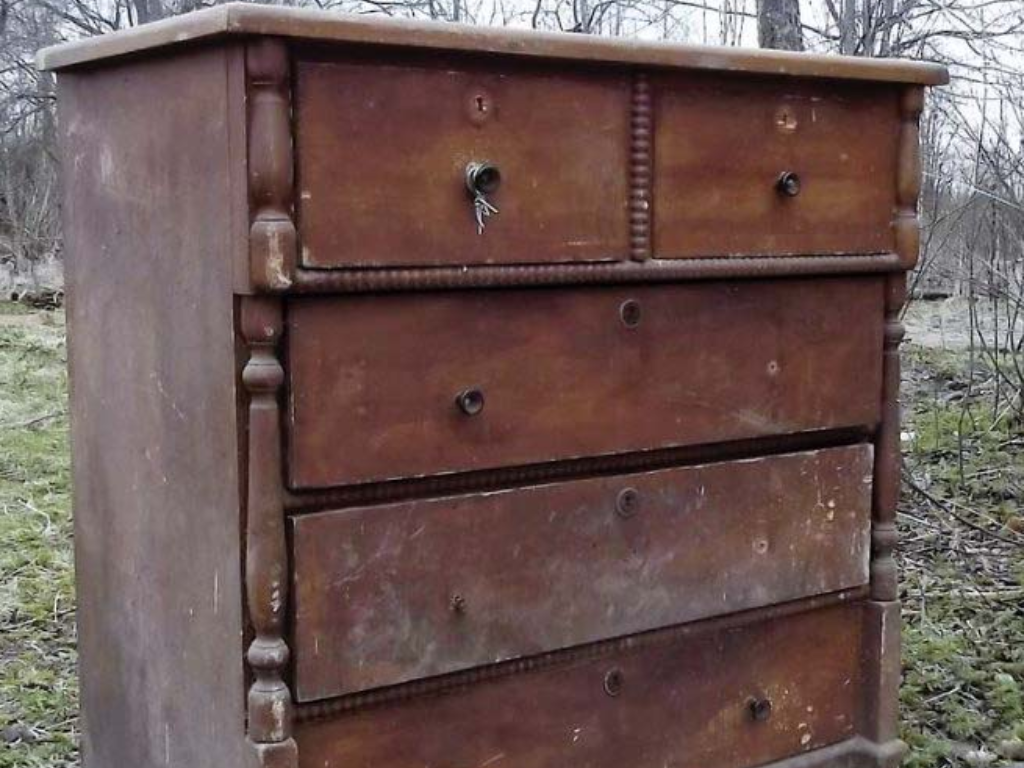
A Charming Renaissance Step One: Thorough Cleaning and Preparation Before starting the transformation, the dresser needed to be meticulously cleaned: Read more

Juniper, a versatile and aromatic plant, has been valued for centuries for its culinary, medicinal, and therapeutic uses. Known for Read more

We spend countless hours behind the wheel, knowing every street by heart, yet still... sometimes important driving habits escape our Read more
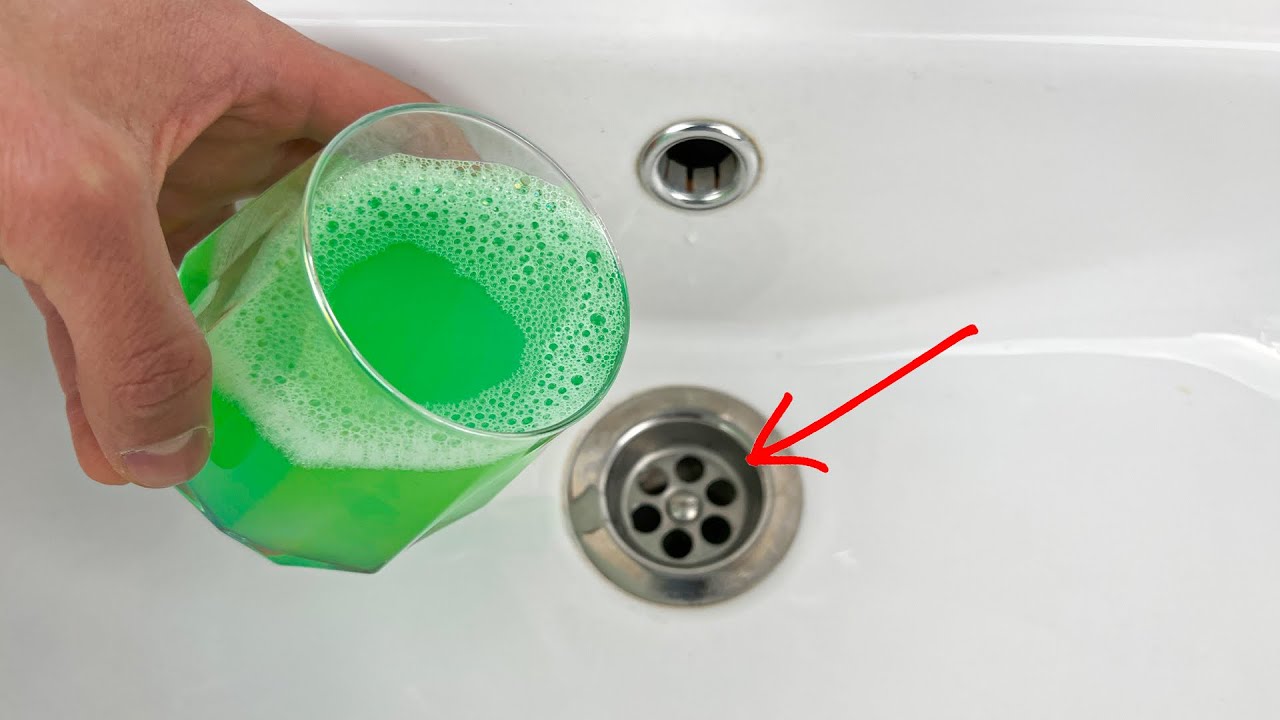
If your sink, bathtub, or shower is draining slowly and you don't have access to a commercial drain opener, you Read more

A Mysterious Silhouette Above the Sea This intriguing photo was captured in the sky above the Tyrrhenian Sea. Upon viewing Read more

What differences exist between textile moths and pantry moths? One infiltrates our food supplies, while the other attacks our clothing. Read more

Goldenberries, also known as Physalis or Uchuva, are small, orange-yellow fruits enclosed in a delicate, papery husk. Originating from the Read more

This Small White Thing in an Egg Has a Name, and It’s Not What You Expect This delicate, slightly translucent Read more

November is a time when expenses quickly pile up, caught between Black Friday deals and the first Christmas purchases. It Read more

When a Simple Pistachio Shell Takes on the Appearance of a Monster It all begins with the desire to clean Read more

How to Clean a Glass Shower Door Naturally and Keep It Shining Longer Several areas of the bathroom are exposed Read more

The Hidden Power of Dog Rose (Rosa canina): 10 Surprising Health Benefits and How to Use It Nature has given Read more
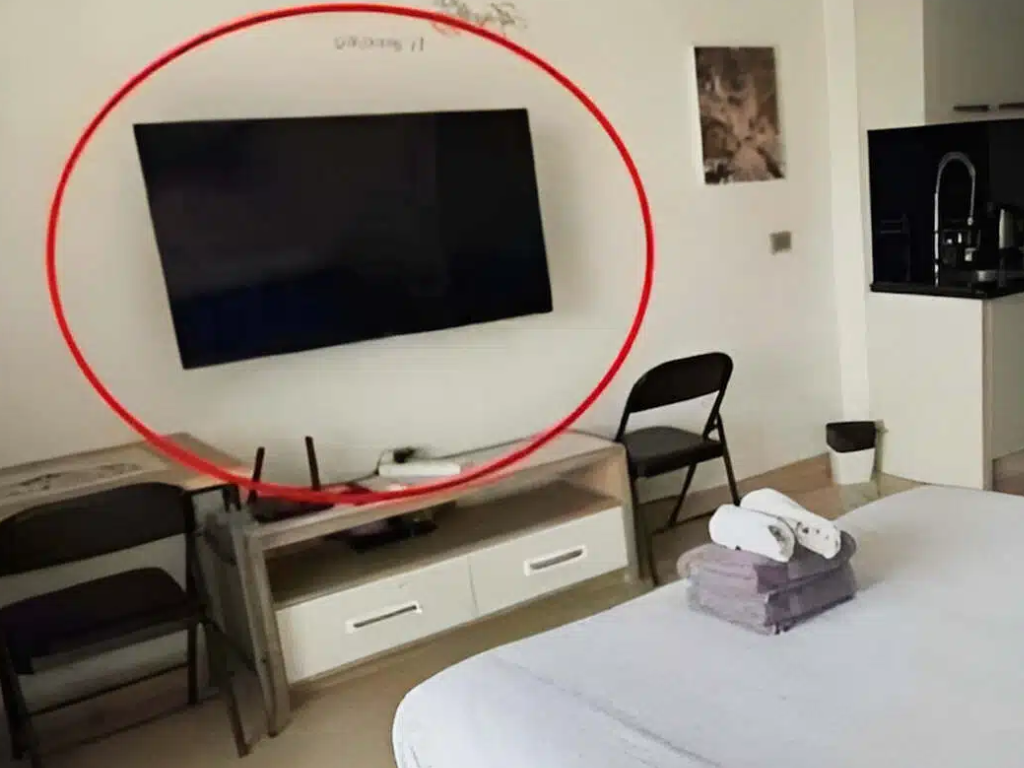
How to Detect Hidden Cameras in a Hotel Room? Hidden cameras can be disguised within seemingly harmless objects, including hotel Read more

Lina’s room remains untouched by time, as if she had just left yesterday: colored pencils scattered across the desk, an Read more

Tackling Dog Urine Odor: A Comprehensive Guide The joy of having a canine companion is undeniable, but alongside it come Read more

Salt Water: The Natural and Effective Trick If you want to quickly restore the shine to your silver jewelry without Read more

How to Clean Bathroom Tiles Quickly and Effectively Cleaning bathroom tiles is a task we all love to postpone. It Read more
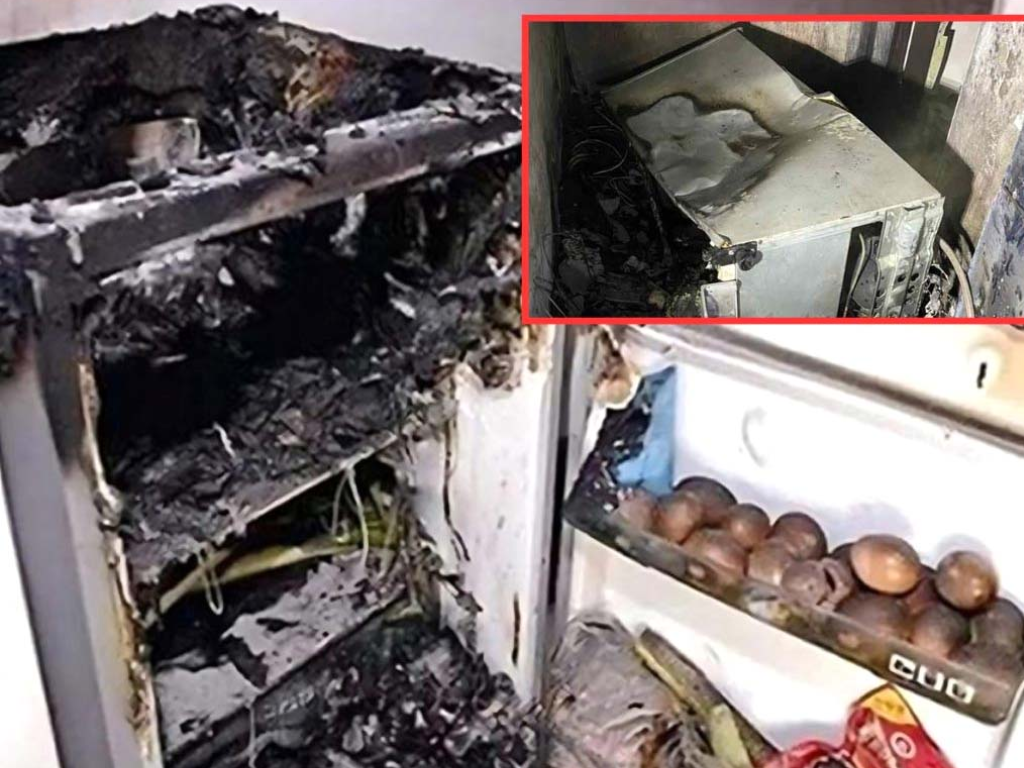
In this article, we present the six main mistakes to avoid in order to preserve your refrigerator and ensure its Read more

Chosen Solitude: A Mindset, Not a Failure In an era where social presence is praised as the norm, the desire Read more

Sometimes, certain births resonate far beyond the boundaries of the family, capturing the attention of the wider public. This was Read more

How to Maintain a Stainless Steel Iron Although sturdy and durable, the stainless steel soleplate of an iron can blacken Read more

Ever wish your home could keep that fresh, clean scent for more than a few hours? There’s a simple, natural Read more
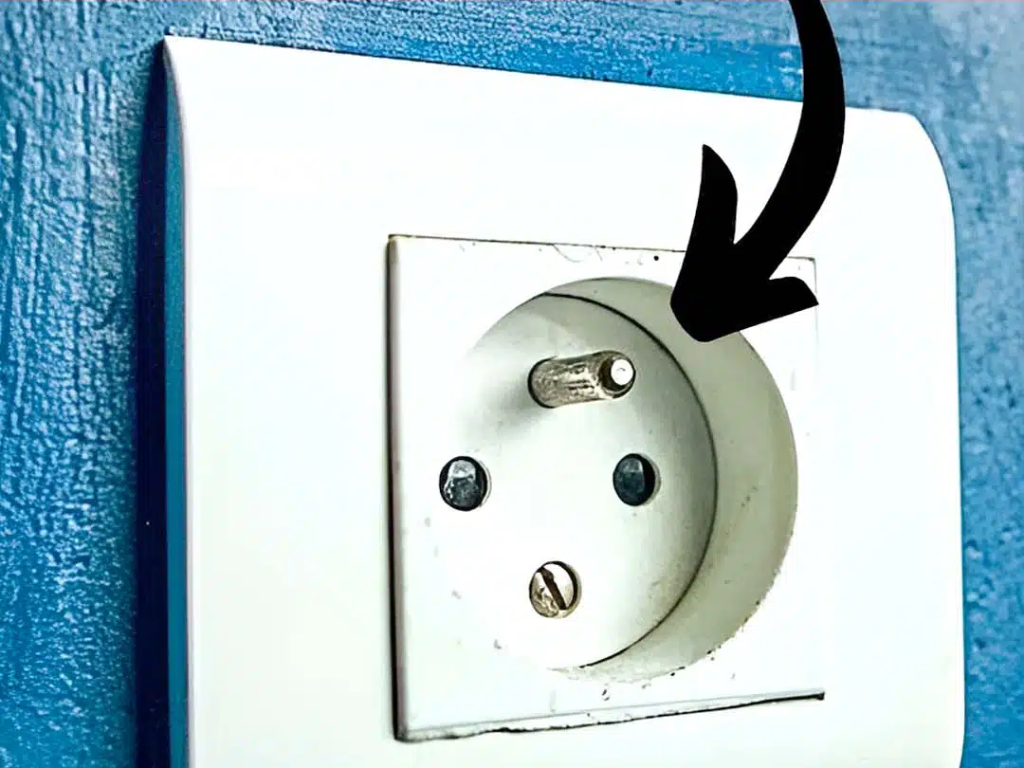
What Is the Metal Terminal of an Electrical Outlet? The metal terminal, often referred to as the ground terminal, is Read more

Airport staff and baggage handlers have an in-depth understanding of the behind-the-scenes processes involved in handling luggage. Today, they share Read more

Why Do Mobile Phone Cables Wear Out So Quickly? Modern charging cables are often designed with delicate materials, especially around Read more
