
These Little Flies in Your Bathroom Could Indicate a Hidden Problem You Haven’t Noticed
You step into your bathroom and spot a tiny fly resting calmly on the wall. At first glance, it seems harmless and nearly unnoticeable. However, if it keeps appearing daily, is not alone, or stays directly around sinks or shower drains, you should take a closer look. This small visitor might be revealing a concealed issue you’ve overlooked until now.

Where Does This Little Fly Actually Come From?
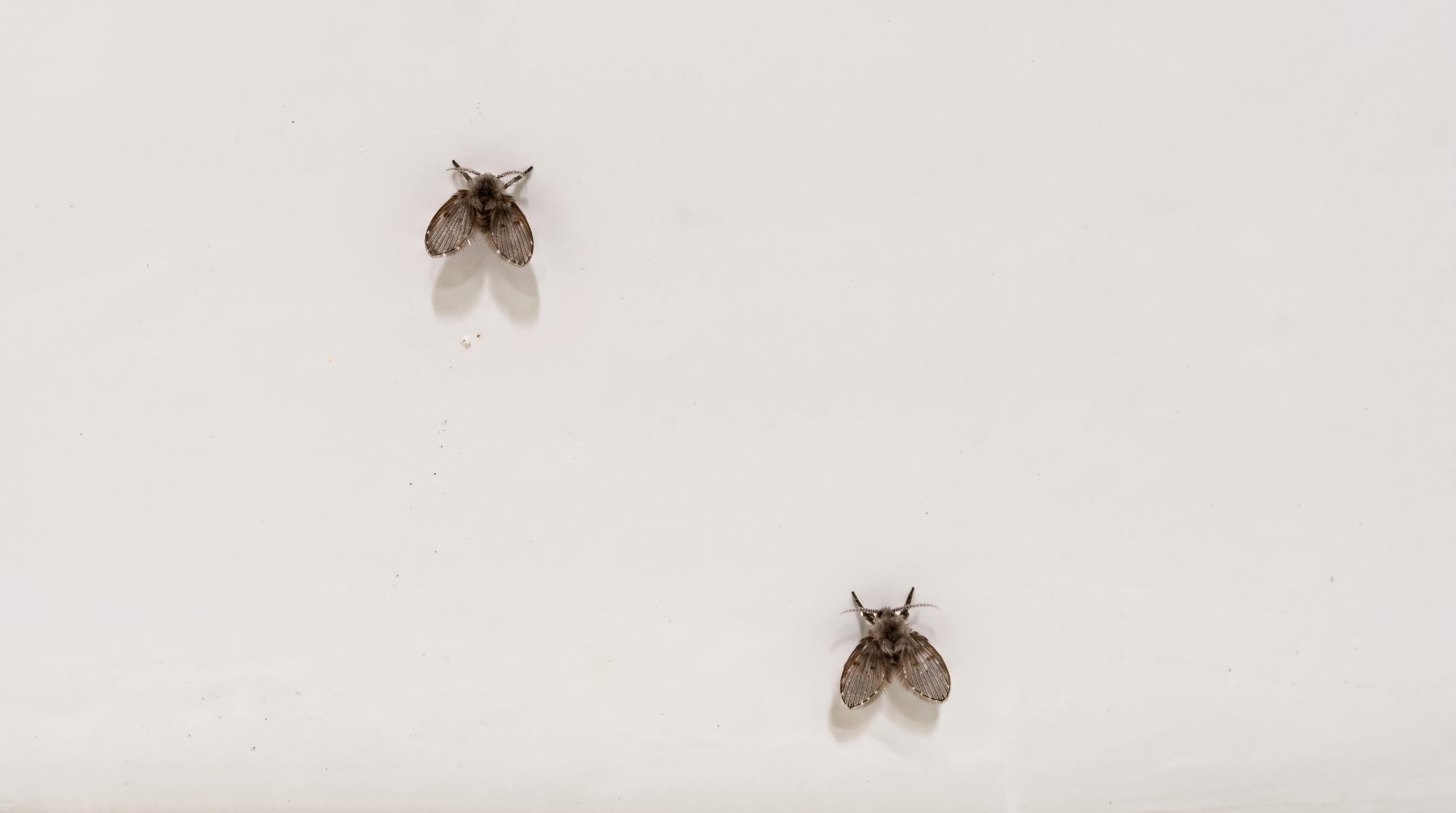
Often called a drain fly, sewer fly, or bathroom fly, this insect is small with a grayish-brown to dark brown color and wings reminiscent of tiny moth wings. Unlike common houseflies, it doesn’t fly far and usually remains near damp areas, crevices, or drains.
Its preferred habitat? Warm, moist, poorly ventilated places where organic residues are present. Your bathroom provides exactly these conditions, making it an ideal refuge for this fly.
What Really Happens Inside Your Drain Pipes
This is where it gets interesting: Your bathroom may appear clean on the surface, yet inside the pipes, it’s often a different story. Hair, soap scum, and greasy deposits combine to form a moist, organic layer—a perfect breeding ground for these insects to lay their eggs.
Additional signs indicating a problem include slow draining water, a persistent faint odor from the drain, or finding these small flies in various spots around your home.

Warning: Insect Sprays Don’t Solve the Root Cause
Your instinct might be to spray and eliminate the flies immediately. However, killing only the visible insects does not offer a long-term solution, as the cause — clogged, dirty pipes — remains intact. New flies will inevitably appear again. It is far more effective to address the problem at its source.
A practical way to determine the affected area is to place a piece of transparent tape with a small air hole over the drain in the evening. The next morning, the area where most flies stick is likely the origin of the infestation.
Deep Cleaning Brings Lasting Improvement
Once you have identified the source, it’s time for a thorough cleaning. Remove the drain cover, clear away visible deposits, and scrub inside the pipes with a flexible brush. Warm water can help dissolve stubborn residues—just be cautious if your plumbing is older.
Enzymatic drain cleaners are a recommended alternative: they gently break down organic substances and can also be used regularly for maintenance. They are both practical and effective.

Proper Ventilation and Simple Everyday Habits
A crucial factor is reducing humidity. Thoroughly ventilate your bathroom after showering, use an exhaust fan, and wipe down wet surfaces. These simple measures lower moisture levels, making it more difficult for the flies to thrive.
Another useful tip: place a bowl with apple cider vinegar and a few drops of dish soap near the drain. These traps attract flies and can temporarily reduce their numbers until a full cleaning is completed.
If the flies persist despite all efforts, calling a plumber may be necessary. There could be a deeper clog or a leak that requires professional repair.
Therefore, a tiny fly can indeed serve as an important clue that your home is quietly sending you a warning.

An Ingenious Mechanism for Transporting Bottles In an era when safely transporting wine was a true challenge, rough roads and Read more

Metal Plates: An Ingenious Solution to Daily Wear and Tear At the beginning of the 20th century, shoes were not Read more

In today's digital age, it's a common sight in households and offices: chargers left in outlets without their corresponding devices. Read more

An Extraordinary Photograph It all began on a peaceful day in the countryside, where a family was enjoying a quiet Read more
A Natural Remedy for Your Well-being For centuries, activated charcoal has been renowned for its exceptional absorption capabilities. Acting like Read more
Why Incorporate Clove Infusion Into Your Daily Routine? A Powerful Source of Antioxidants to Combat Aging Free radicals, those agents Read more
Fig leaves, often overlooked behind the sweet and flavorful fruit they accompany, are an incredible source of numerous health benefits. Read more
Effective Methods to Eliminate Maggots and Prevent Their Return Vinegar: An Essential Natural Repellent To quickly rid yourself of maggots, Read more
From 9 PM to 11 PM: When the Body Prepares for Night In the early evening, your body activates the Read more

Perfumed Tissues: An Easy DIY Technique The Joy of Scented Tissues: Paper tissues are handy in daily life. While some Read more
You have tried everything to sleep better — herbal teas, meditation, ergonomic pillows — but nothing seems to work? What Read more
This content is provided for informational purposes only. For medical advice or diagnosis, please consult a healthcare professional. The common Read more

A Vibrant Coat, More Than Just a Visual Trait Before delving into the nature of these cats, let us first Read more
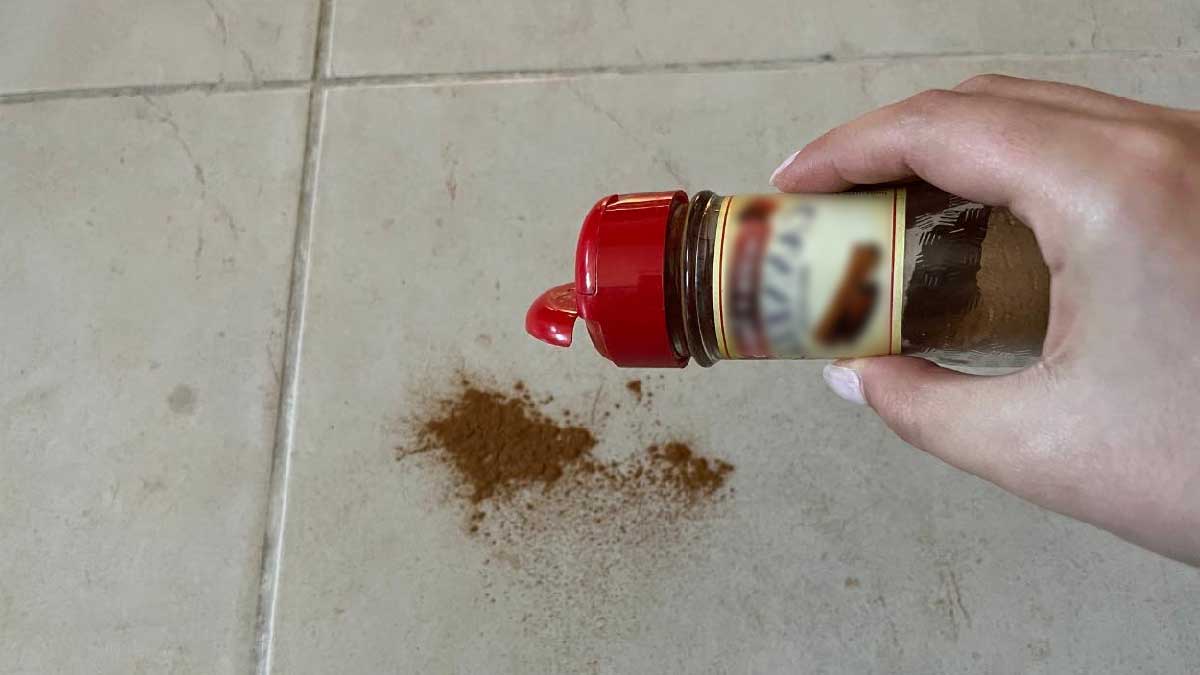
Have you ever encountered this unusual practice of sprinkling cinnamon powder in front of your front door? At first glance, Read more

Castor Oil: A Natural Treasure to Rediscover Derived from the seeds of Ricinus communis, this thick, golden plant oil contains Read more

Why Do These Puzzles Stimulate Your Brain? Visual games are far more than just light entertainment. They intensely engage your Read more
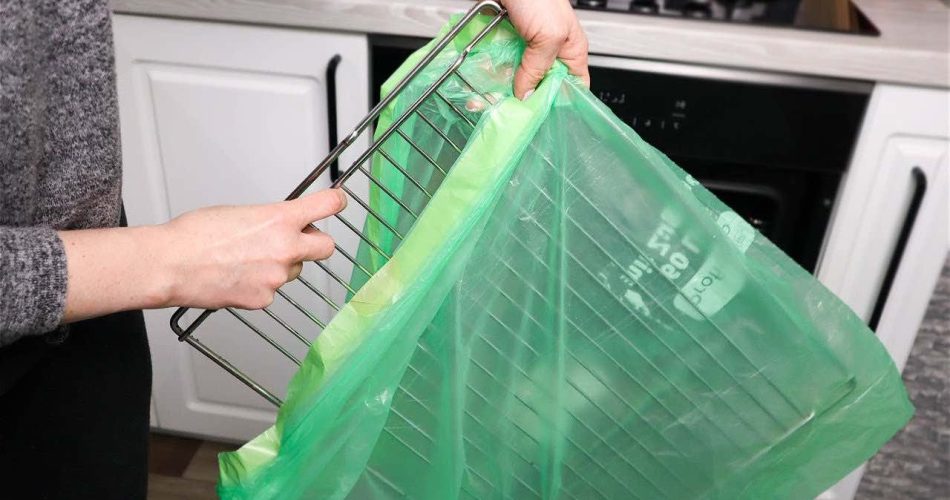
The oven rack can be very difficult to clean, especially if it is frequently used and has ingrained dirt. Let’s Read more

Transforming Garlic Peels into Gold for Gardeners: In the rhythm of kitchen prep, garlic peels are often discarded without a Read more
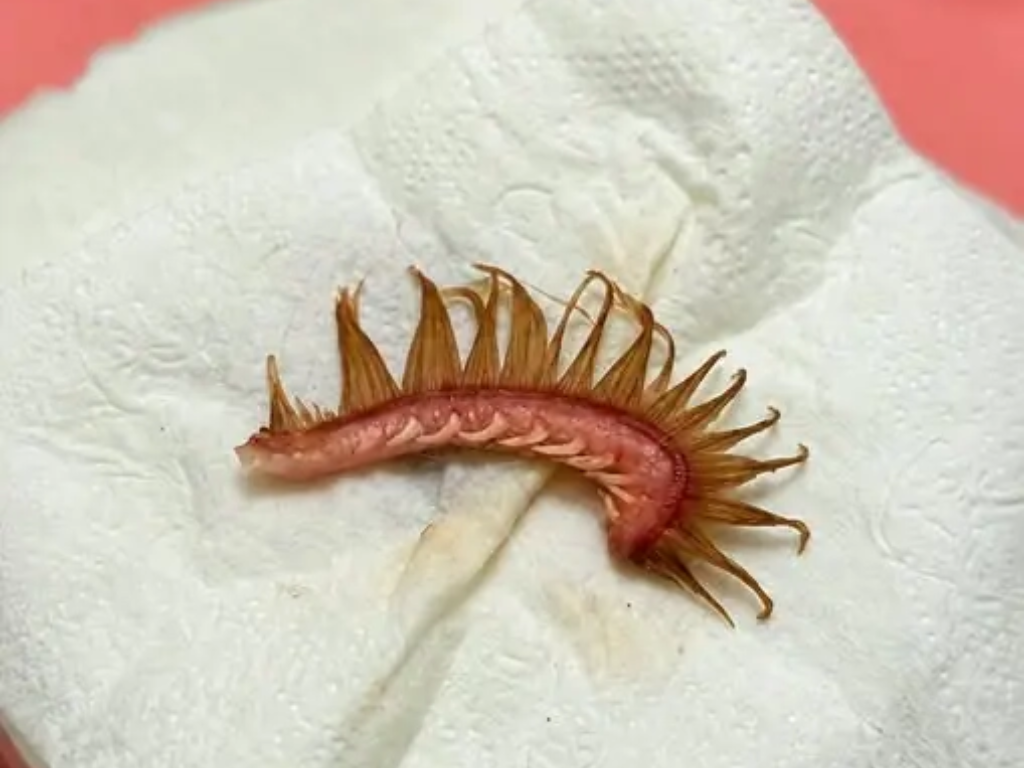
A Walk That Sometimes Holds Unexpected Surprises After a walk, it is common to find our dog with muddy paws, Read more
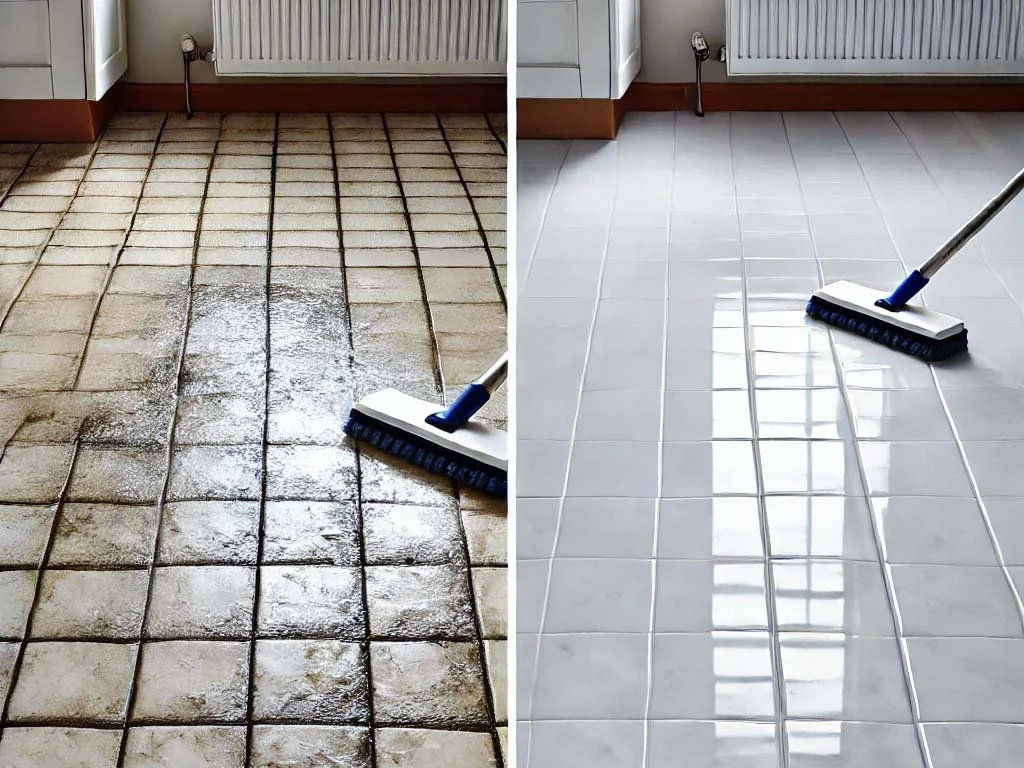
Why Traditional Household Cleaners Aren't Enough Often praised for their effectiveness, commercial cleaning products don't always succeed in removing stubborn Read more
There was a time when going out without high heels was almost unimaginable. In the 1950s, 60s, and even the Read more

Why Should You Avoid Leaving the Key in the Lock? Leaving the key in the lock might initially seem like Read more

You bought a bag of potatoes, and a few weeks later, you find that they’ve started to sprout? Don’t panic! Read more

The Secondary Microphone: A Filter Against Noise Pollution Most modern smartphones incorporate multiple microphones, including a secondary one often hidden Read more
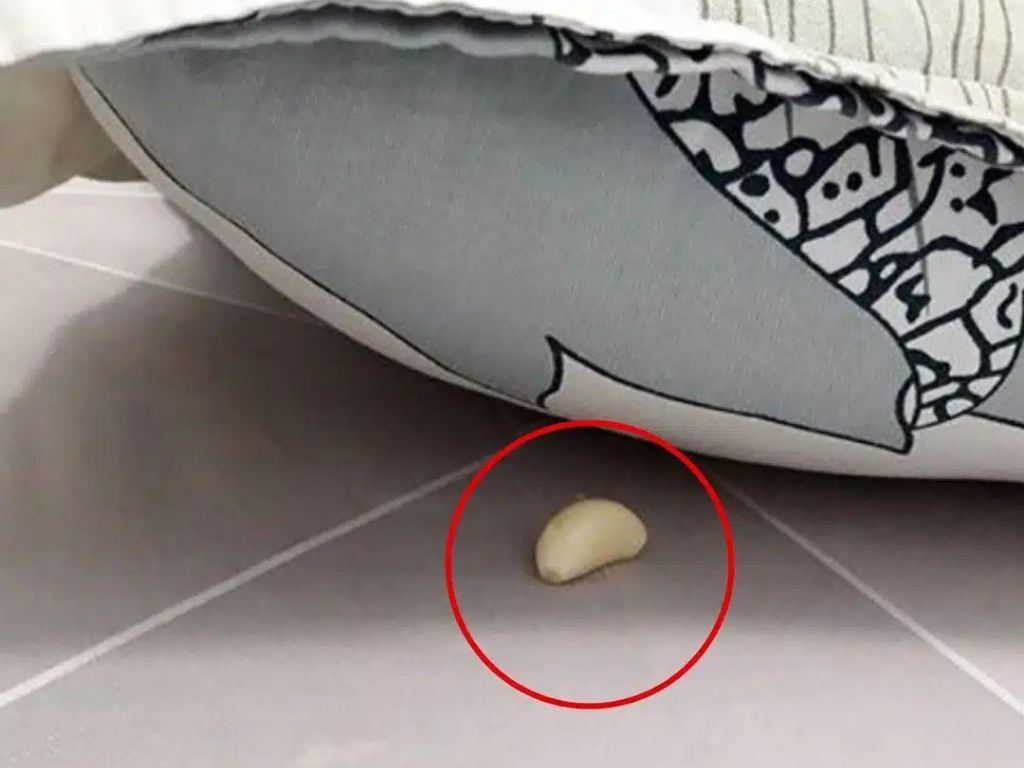
Garlic: An Ancient Remedy for Better Sleep Since ancient times, garlic has been recognized not only as an essential culinary Read more

You have probably come across an intriguing object whose purpose completely eluded you. Whether it was a discovery in a Read more
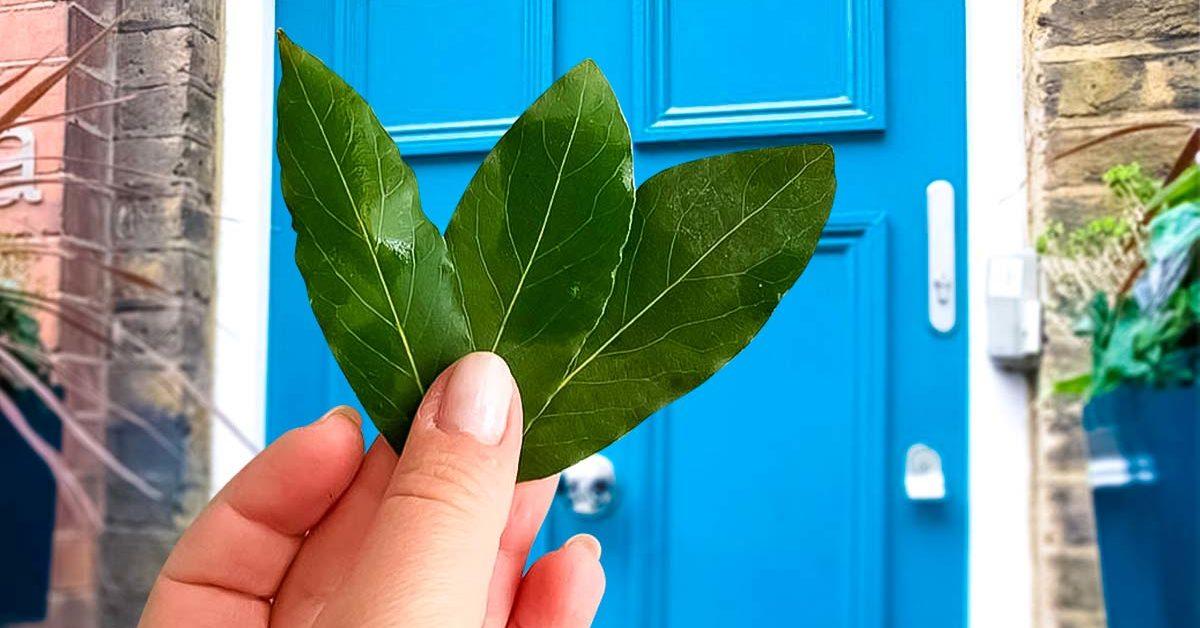
Bay leaves extend far beyond their mere role as a culinary seasoning or festive decoration. This ancient plant plays a Read more

Embracing Organic Gardening with Homemade Onion Elixir The shifting trends in horticulture are leaning heavily towards eco-conscious choices, prompting gardeners Read more

Weasels, although often regarded as charming animals, can quickly become a genuine source of nuisance. These small, solitary, and nocturnal Read more
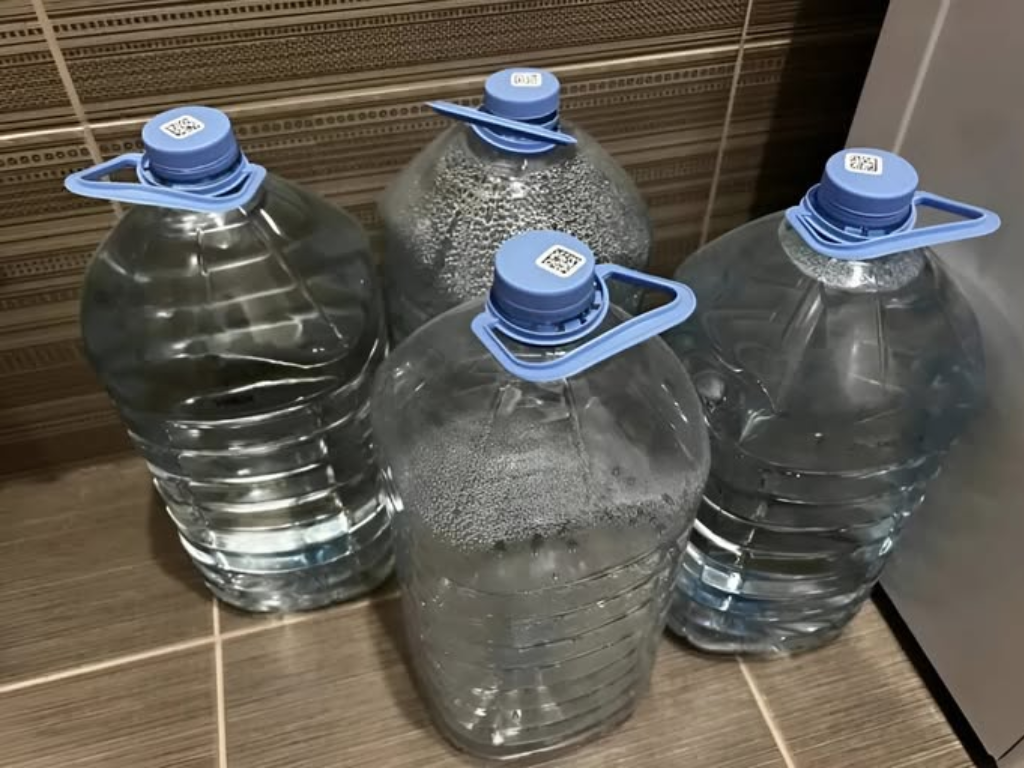
Giving Your Plastic Bottles a Second Life: A Practical and Eco-Friendly Approach Often discarded without a second thought, plastic bottles Read more
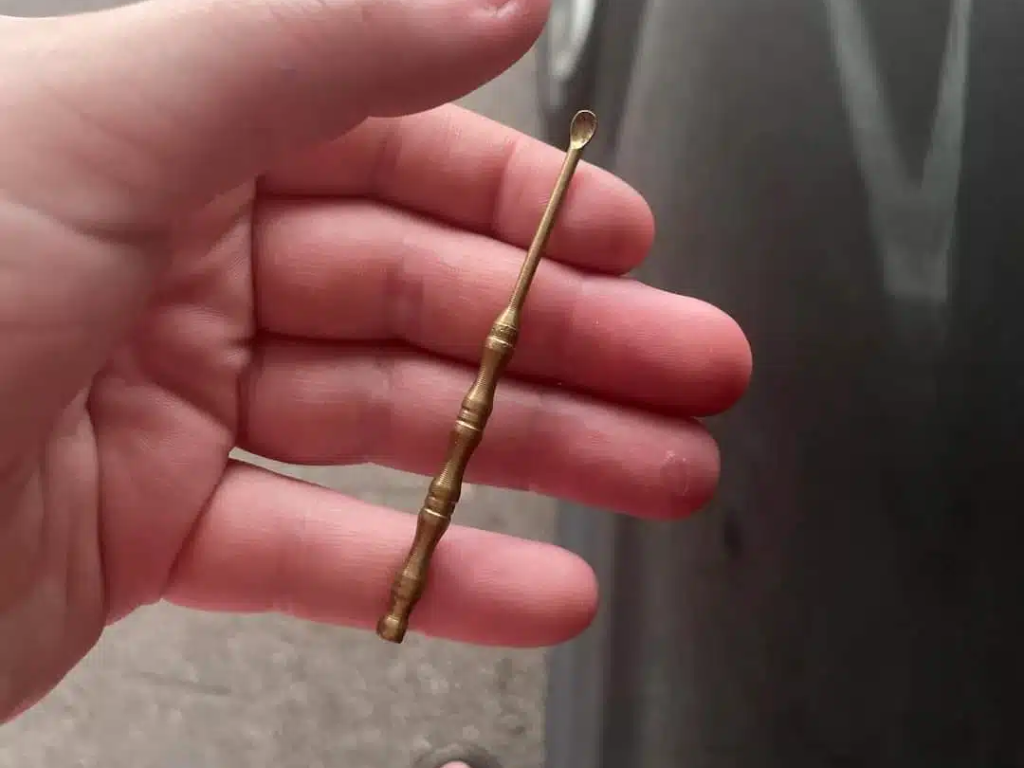
A Wooden Box with Colorful Slats A user was intrigued by a simple wooden box containing slats of various colors. Read more

Creating a fresh and inviting atmosphere in your kitchen doesn't require expensive air fresheners or synthetic scents. With just a Read more
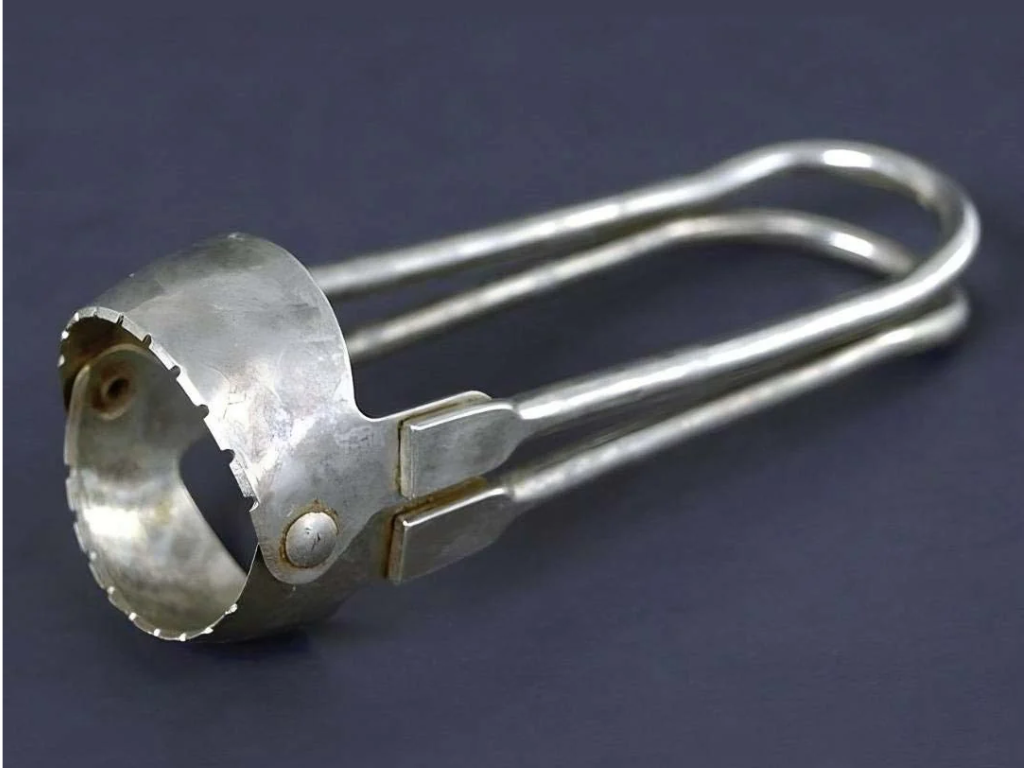
An Invention Born from a Passion for Cooking At the end of the 19th century, the importance placed on healthy Read more
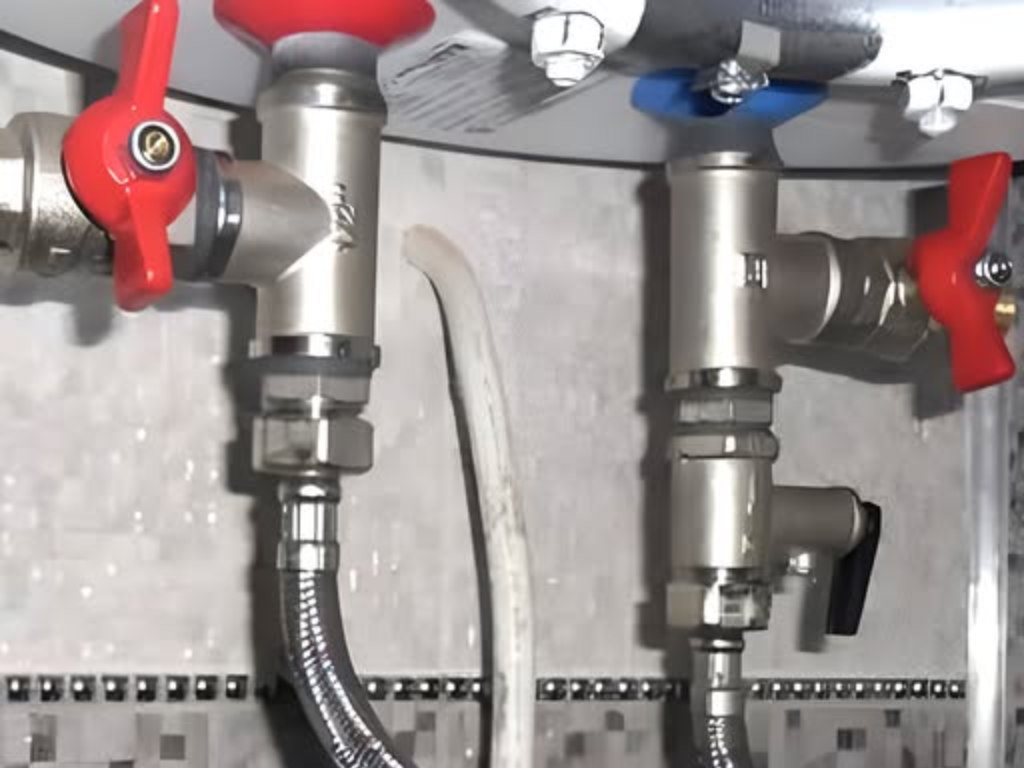
Draining a Boiler: A Crucial Task Often Overlooked A boiler works somewhat like a pressure cooker: it heats water under Read more

An Enigmatic Disappearance at the Heart of the Family Vegetable Garden It all began in Alberta, Canada, several years ago. Read more
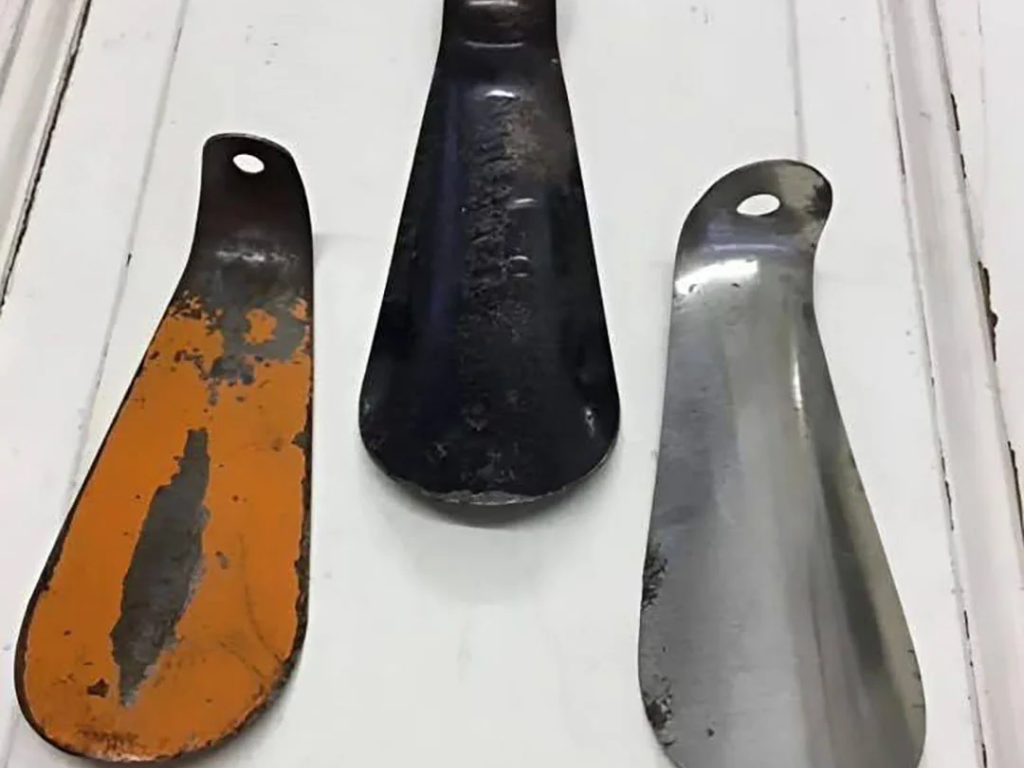
An Ordinary Object Turned Viral Mystery What sparked the excitement? A photo showing a long, curved object made of metal Read more

Sida acuta, also known as “common wireweed,” is a hardy plant often found in fields and roadsides. While it may Read more
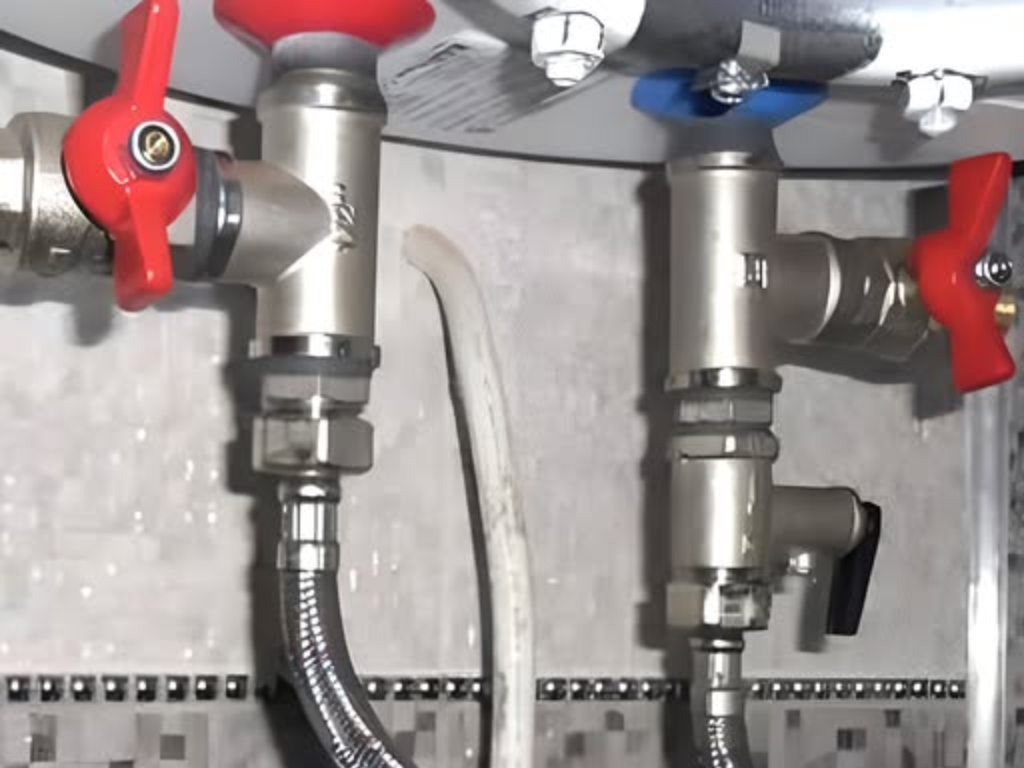
Draining a Boiler: An Essential Task Often Overlooked A boiler operates somewhat like a pressure cooker: it heats water under Read more

Goldenberries, also known as Physalis or Uchuva, are small, orange-yellow fruits enclosed in a delicate, papery husk. Originating from the Read more
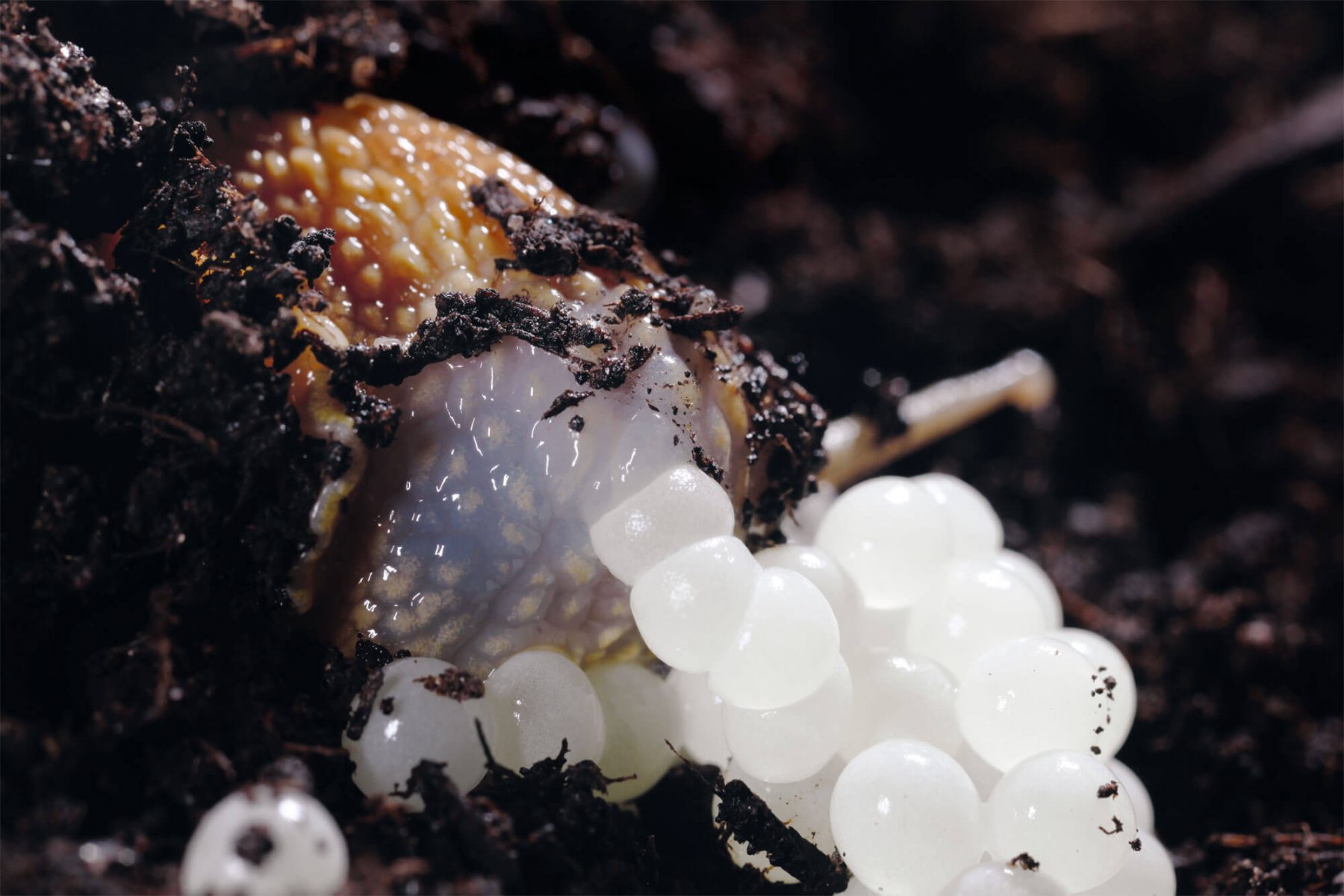
One morning, while watering your plants, you discover small white spheres in the soil.They gleam softly in the sunlight – Read more
