

When Love Turns into Domination
Before becoming Rodrigo’s wife, Marcela had a lush head of hair that cascaded almost down to her waist. She took great pride in it—her mother constantly reminded her that her hair was her most beautiful asset. At the beginning of their relationship, Rodrigo loved to gently stroke her locks while whispering, “Never cut them.”
But six months after their wedding, everything changed. One Sunday morning, he took her to Norma, the neighborhood hairdresser, and simply commanded, “Cut it to your shoulders.” Marcela was twenty-six years old at the time. She obeyed. That day, as she watched strands of her hair fall onto the white tiled floor, tears overwhelmed her. Rodrigo remained silent, quietly watching the scene unfold.
This scenario repeated itself every six to seven months for two long decades. Marcela begged, resisted, and fought back. All in vain. Rodrigo, strangely, never displayed any anger—only an unwavering determination.
A Secret Revealed in a Drawer
The turning point came the day Rodrigo suffered a heart attack on his way to work. When he returned home to retrieve his insurance documents, Marcela dared for the first time to open the locked drawer of her husband’s desk.
Inside, she found a multitude of photographs: a young woman with long brown hair, then the same woman in the hospital with a shaved head, her skull wrapped in a scarf. On the back was written, “Adela, 1997.” Rodrigo had never mentioned his sister. Diagnosed with cancer at twenty-nine, Adela had passed away after losing her hair due to treatments. A yellowed letter explained everything: a trainee hairdresser named Norma had helped her obtain a natural hair wig. Adela had made Rodrigo promise, “If one day you can do for someone what these people did for me, do it.”
Rodrigo had honored that promise. For two decades, he had secretly supplied Marcela’s hair—without her knowledge—to create wigs for sick women and children. Norma carefully preserved each lock in a large wooden box.
A Noble Intention Does Not Justify Everything
Inside the box lay letters from children, drawings, and “before and after” photos. One message, written in childish handwriting, read, “Thank you to the lady with beautiful hair who helped me see myself in the mirror again.” Marcela cried once more. Yet, she was not ready to forgive.
At the hospital, facing a conscious Rodrigo, she asked the questions she had been denied for twenty years. He admitted that he had feared her refusal the first time. Shame then paralyzed him. “I turned a beautiful promise into an excuse to decide for you,” he confessed in front of their children during family therapy.
Three years later, Marcela’s hair had grown back to her waist. Looking at herself in the mirror, she finally found herself again. She then returned to Norma—this time by choice. She requested a haircut meant for donation. As Norma prepared the envelope, Marcela picked up a pen and wrote with her own hand: “Donated by Marcela. With her consent.”
The most beautiful gesture loses all its worth when it denies someone the right to choose.
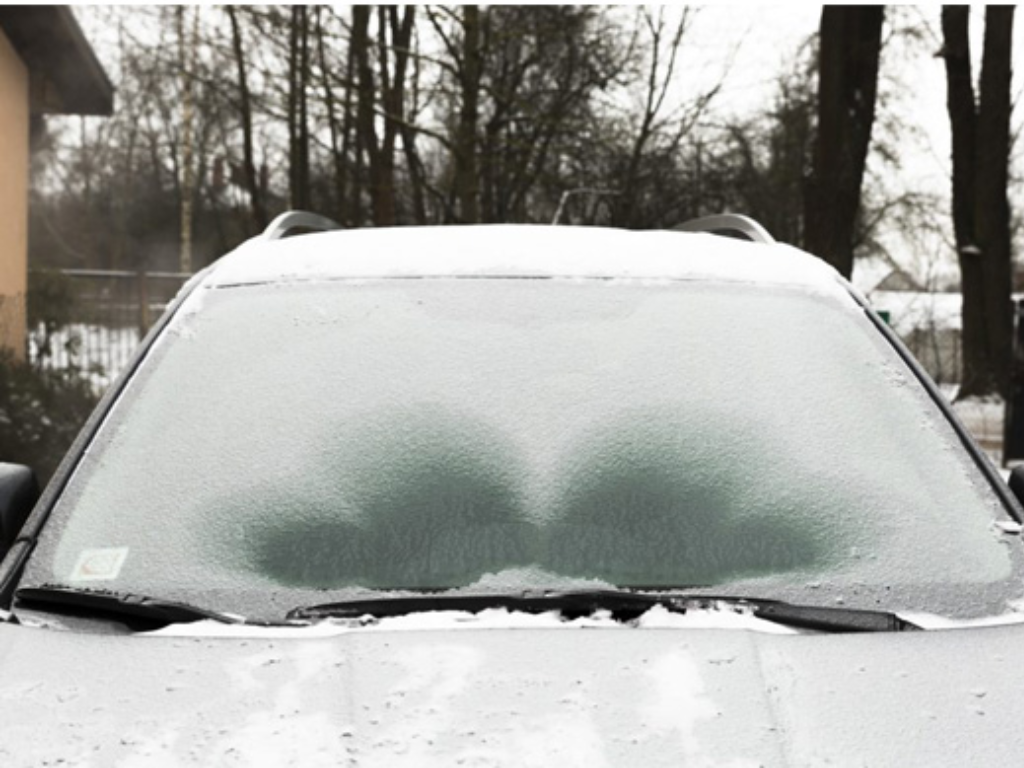
How Long Should You Warm Up Your Vehicle During Winter? Contrary to a widely held belief, only 30 seconds are Read more

Low Beam Headlights: More Ingenious Allies Than You Might Imagine Low beam headlights are essential and activate automatically as soon Read more
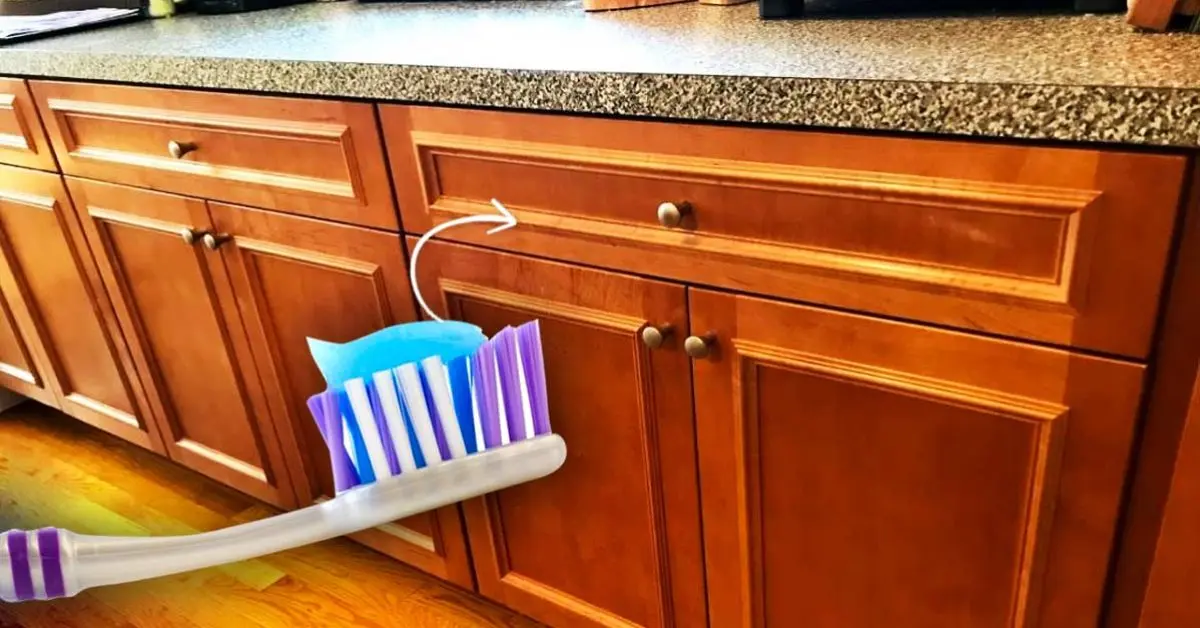
Cleaning Grease Off Kitchen Wooden Cabinets: Effective Techniques Removing dirt and embedded grease stains from kitchen wooden cabinets isn't always Read more

Euphorbia hirta, commonly known as the “Asthma-plant,” is a medicinal herb renowned in traditional medicine for its diverse health benefits, Read more

Tackling Dog Urine Odor: A Comprehensive Guide The joy of having a canine companion is undeniable, but alongside it come Read more

Why Does the Plastic of a Washing Machine Turn Yellow Over Time? Over the years, it is common to notice Read more
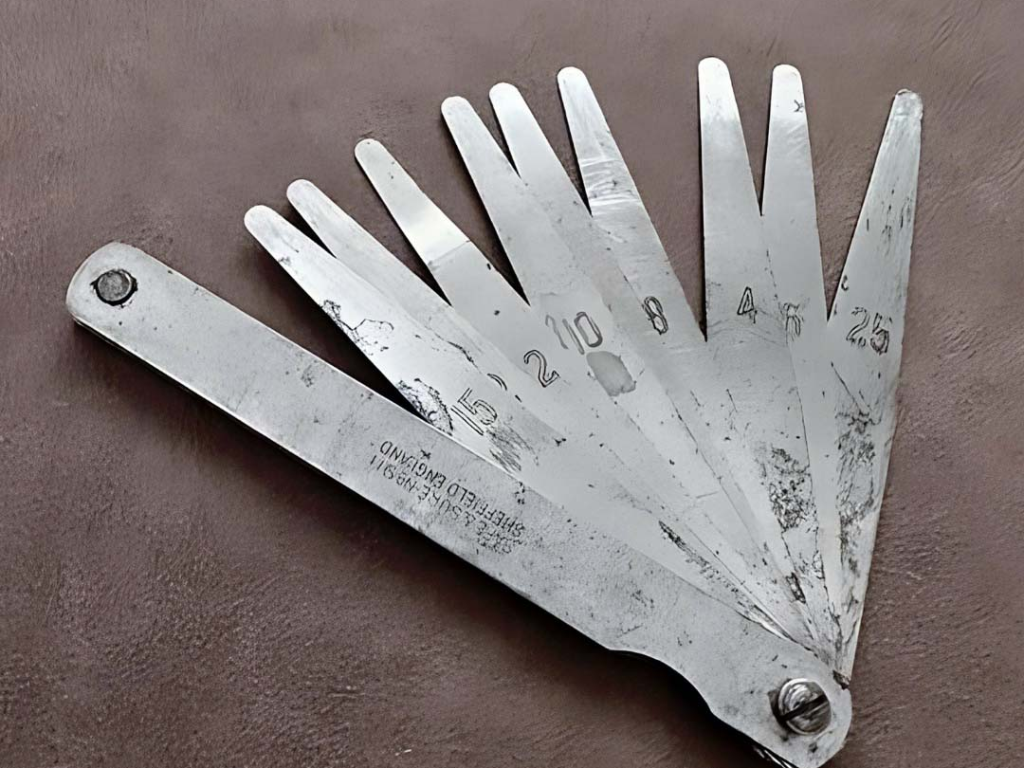
Why is the Thickness Gauge Still Essential? The thickness gauge is far more than just an accessory; it proves to Read more
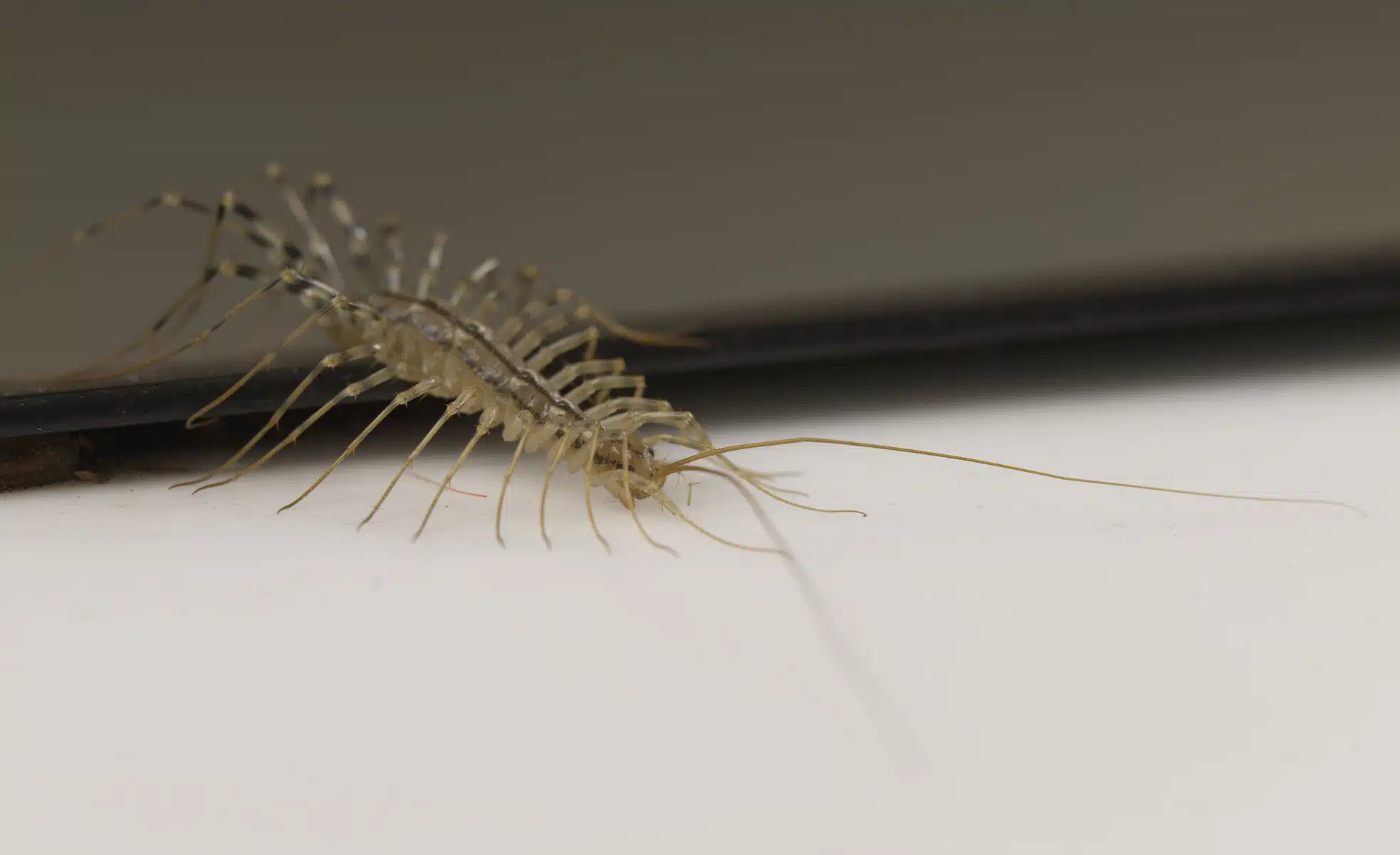
A Quiet and Efficient Predator in Your Home The domestic house centipede (Scutigera coleoptrata) is often regarded as a frightening Read more

Imagine a walk in the forest: leaves crunching beneath your feet, the air filled with the scent of damp moss, Read more

When "Need" Takes on a Whole New Meaning For a long time, having a woman in a man’s life was Read more

Ever wish your home could keep that fresh, clean scent for more than a few hours? There’s a simple, natural Read more

How to Clean a Glass Shower Door Naturally and Keep It Shining Longer Several areas of the bathroom are exposed Read more

Two Years in the Freezer: Is It Really Too Late? It is common to assume that a long storage date Read more

The Silent Enemy: Tartar and Bacteria Tartar is a common affliction affecting our teeth. It forms from the gradual hardening Read more

Why Do We Consistently Wake Up at the Same Time During the Night? Nighttime awakenings can stem from various causes: Read more

The Final Blow Within Her Own Home Returning home from work, Phoebe had hoped to find a dinner prepared or Read more

The Importance of Ventilating Your Home in Winter Indoor air that is overly saturated with humidity is not only uncomfortable Read more

The Color of Egg Yolk Depends Primarily on the Hen’s Diet Few people truly realize that the shade of an Read more

Clogged Shower Drain? Try Baking Soda! Experiencing a stagnant pool of water after a refreshing shower can be a mood Read more

How to Clean Bathroom Tiles Quickly and Effectively Cleaning bathroom tiles is a task we all love to postpone. It Read more

Bathroom Mold: Causes and Solutions Ideal Environment for Mold Growth Bathroom surfaces are prime locations for mold growth. Moisture accumulates Read more

The Importance of Securing Your Hotel Room When traveling, people often focus on the comfort of the bed or the Read more

Mango leaves, often overshadowed by the sweet and juicy fruit they accompany, have long been valued in traditional medicine for Read more
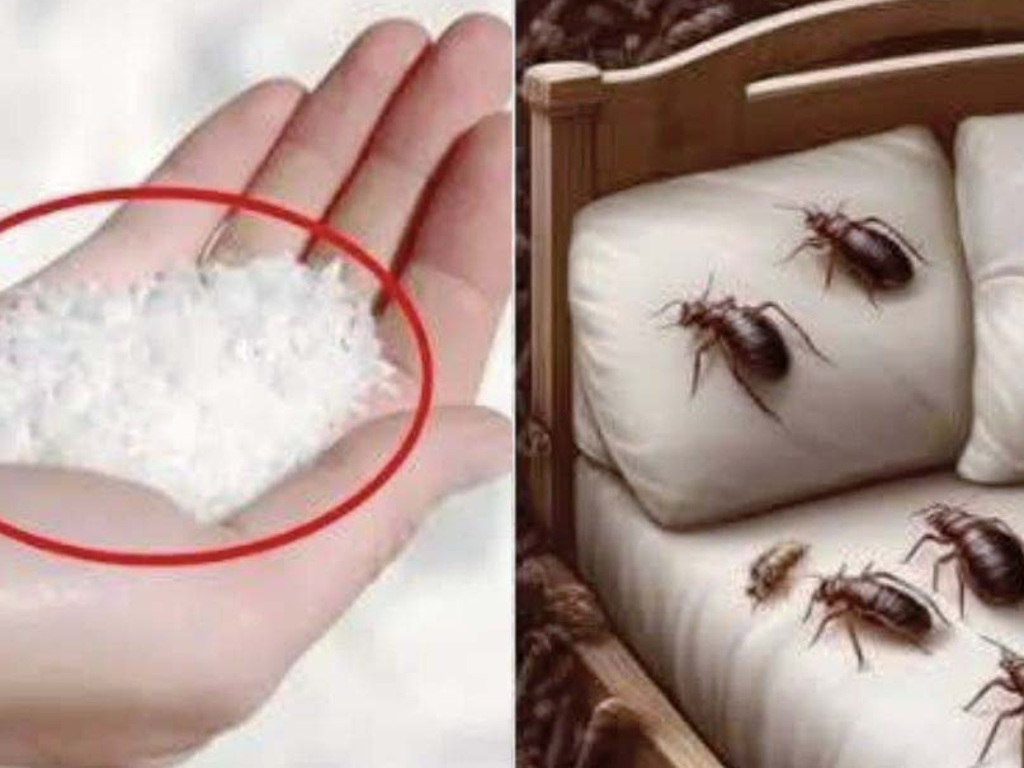
Why Is Salt an Effective Remedy Against Bed Bugs? Salt acts as a powerful dehydrating agent. When it comes into Read more

What Is the Purpose of That Small Panel on Your Car? While heavy vehicles like trucks are equipped with clearly Read more
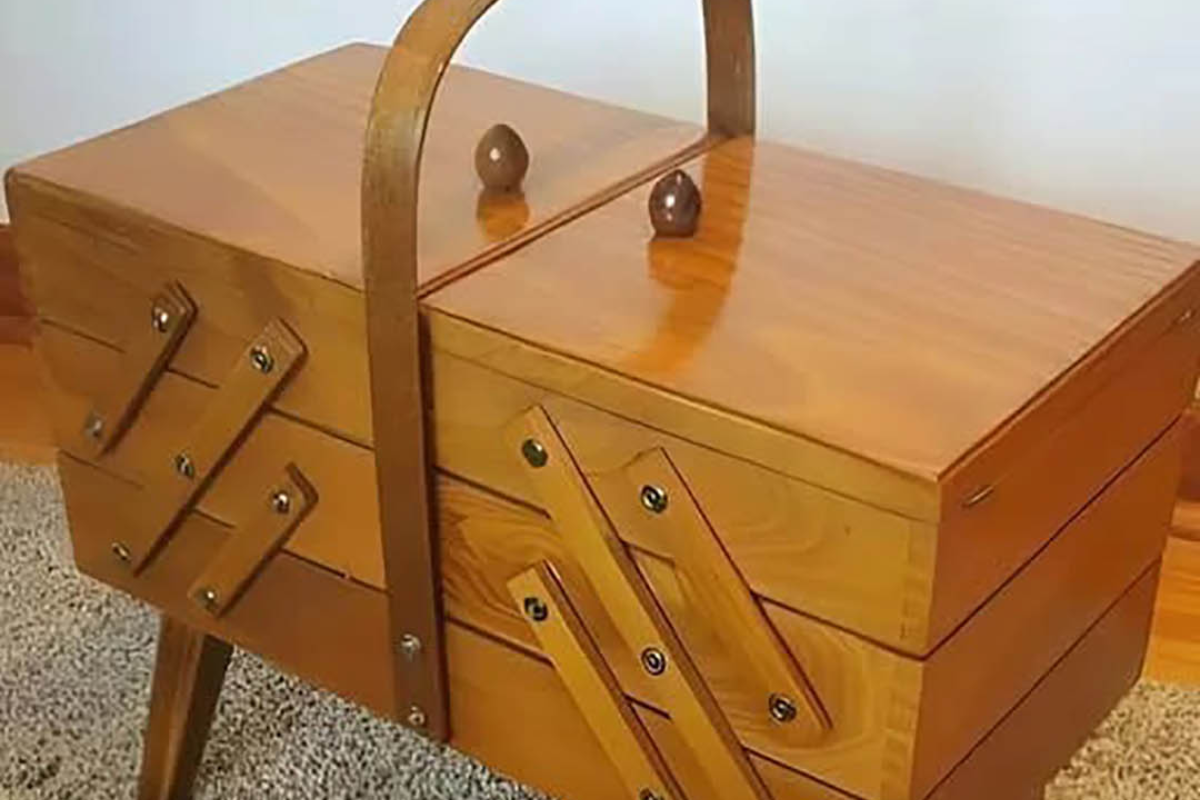
This Small Folding Cabinet with Vintage Charm Conceals a Treasure of Ingenuity With its mysterious box-like appearance and articulated compartments Read more

Why is this discovery so important? What impact could it have on Australian biodiversity? Let us delve deeply into this Read more

Do you remember those holiday evenings when the entire family gathered around a large table, sometimes lingering until the early Read more

A Vibrant Coat, More Than Just a Visual Trait Before delving into the nature of these cats, let us first Read more
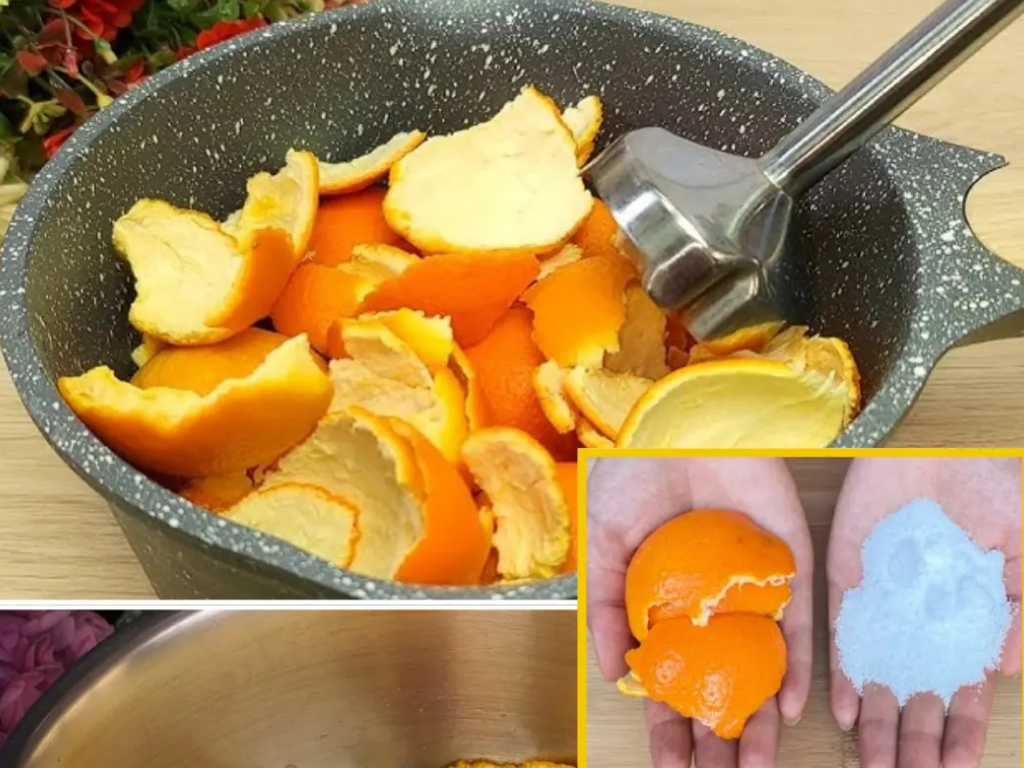
A True Natural Concentrate of Vitality Orange peel is naturally packed with beneficial components widely recognized for their role in Read more

An Enigmatic Disappearance at the Heart of the Family Vegetable Garden It all began in Alberta, Canada, several years ago. Read more
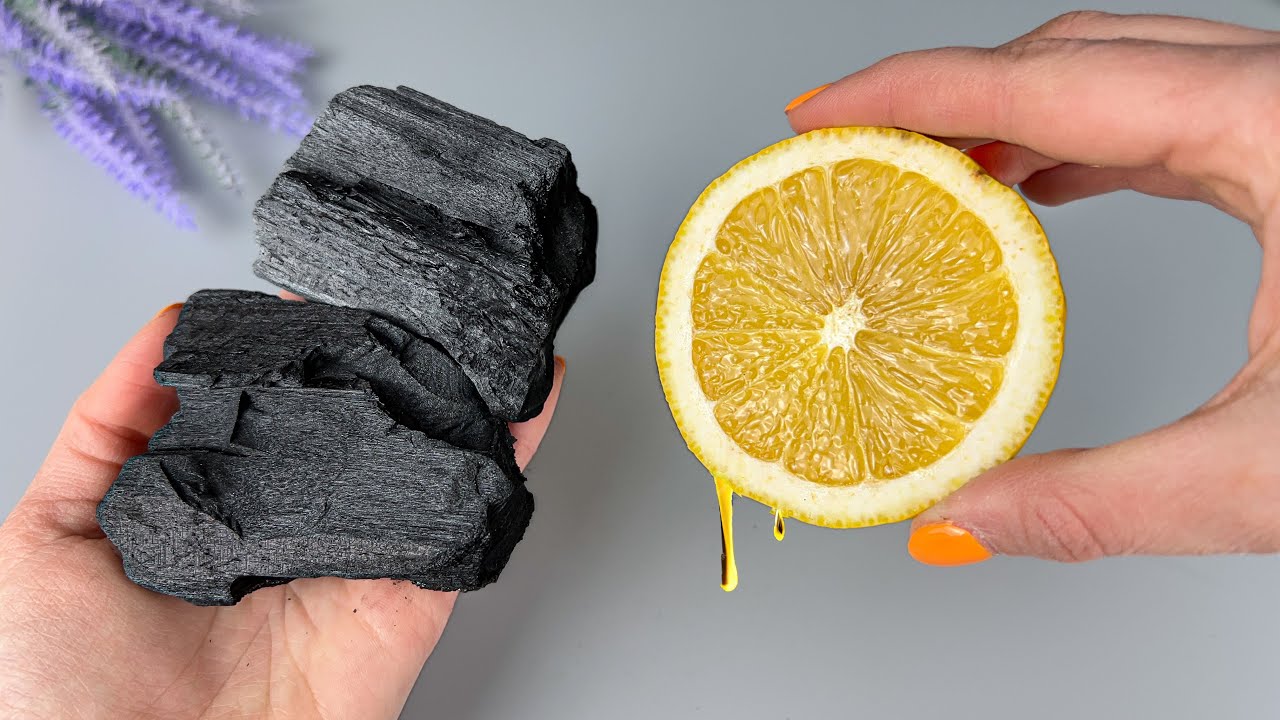
Combining lemon with charcoal may initially seem unusual, yet this potent duo unites the cleansing qualities of activated charcoal with Read more
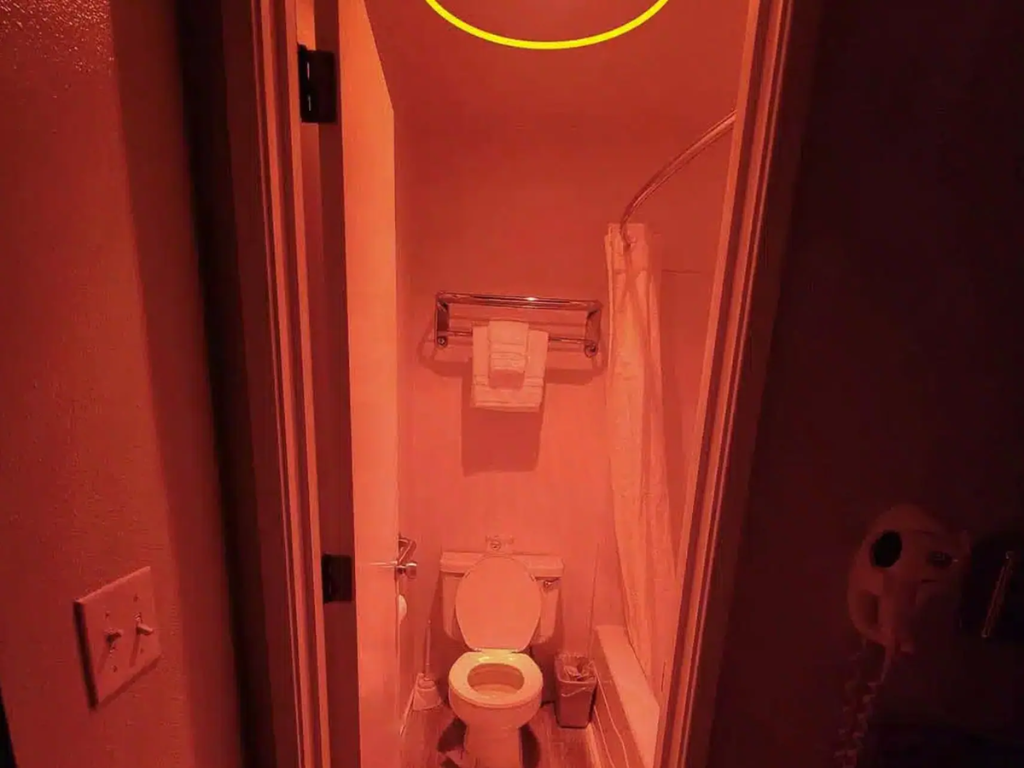
A Reassuring Light Guide in Case of Emergency When staying in an unfamiliar place, it is very easy to lose Read more
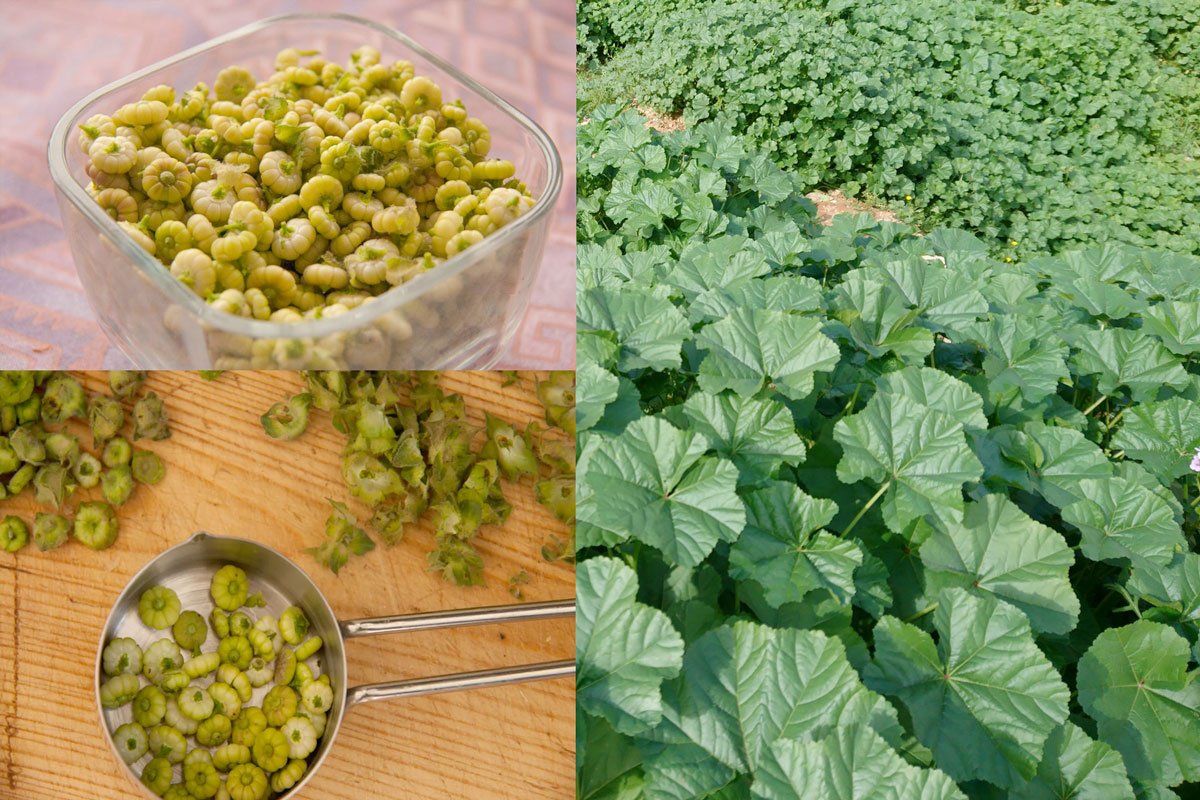
Common Mallow (Malva sylvestris) is a plant often overlooked in wild settings but is far more than merely a visually Read more

In this article, we present the six main mistakes to avoid in order to preserve your refrigerator and ensure its Read more

Horseweed (Erigeron canadensis): 20 Amazing Benefits and How to Use It Horseweed, also known as Erigeron canadensis or Canadian fleabane, Read more
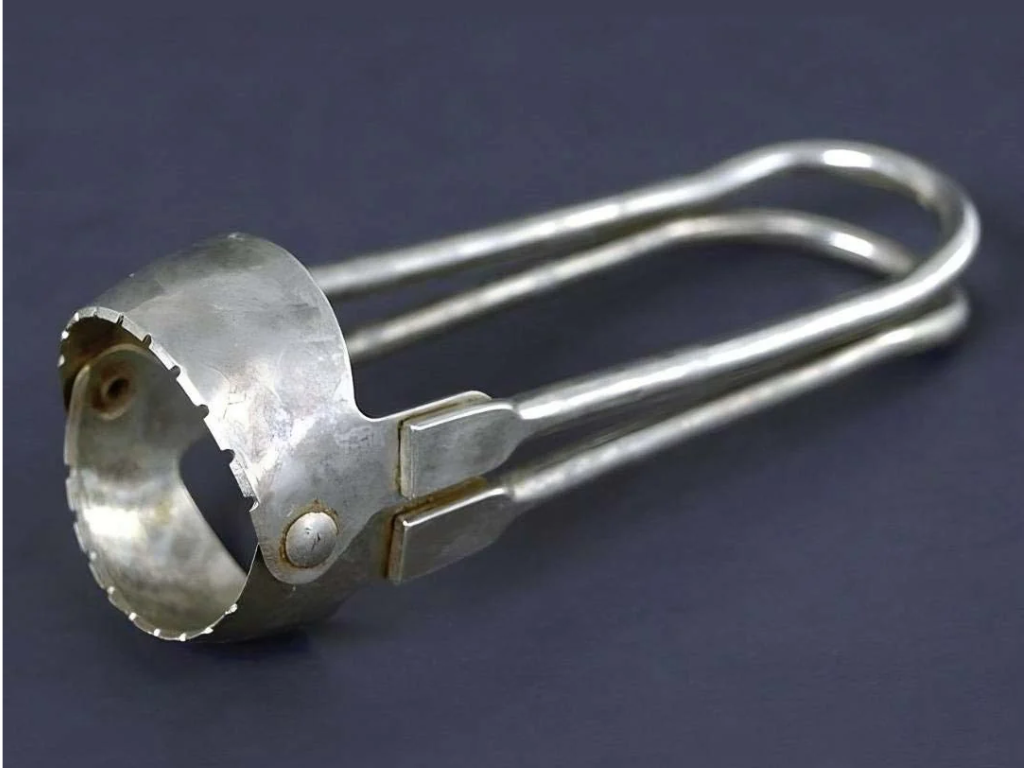
An Invention Born from a Passion for Cooking At the end of the 19th century, the importance placed on healthy Read more

A Simple Anomaly on the Floor? Not So Fast At first glance, this detail seemed nothing more than an ordinary Read more
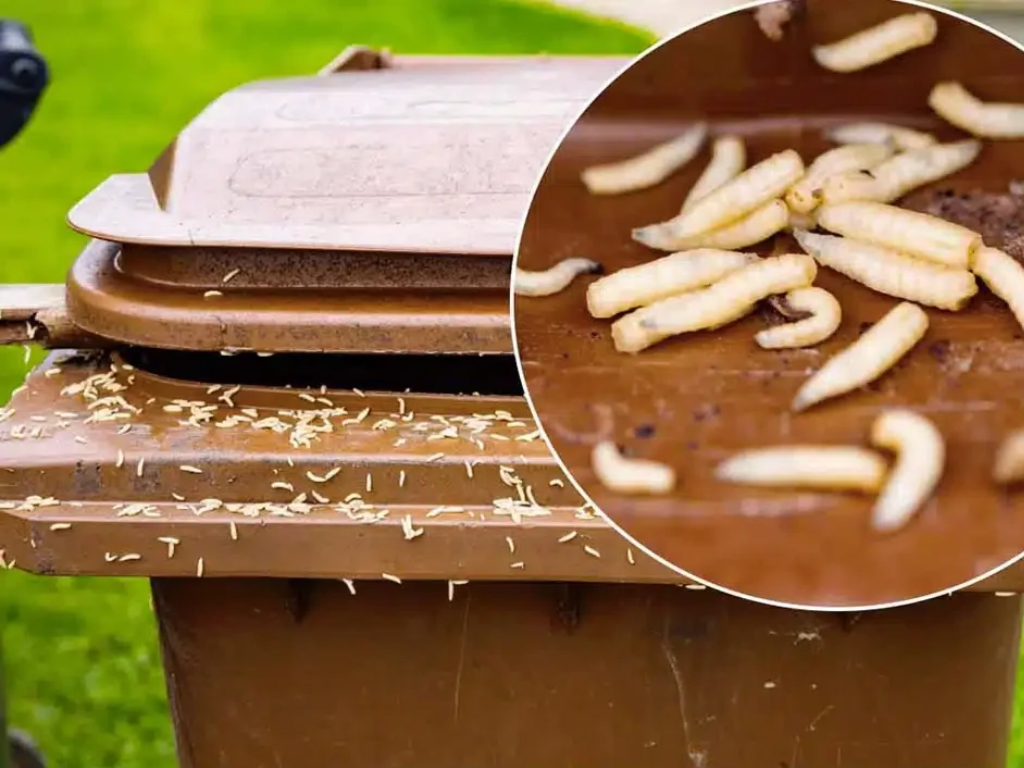
Effective Methods to Eliminate Maggots and Prevent Their Return Vinegar: An Essential Natural Repellent To quickly rid yourself of maggots, Read more

A Simple Meow Reveals a Heartbreaking Truth That morning, Brigadier Johnson was not expecting anything extraordinary from his day. Yet, Read more
