
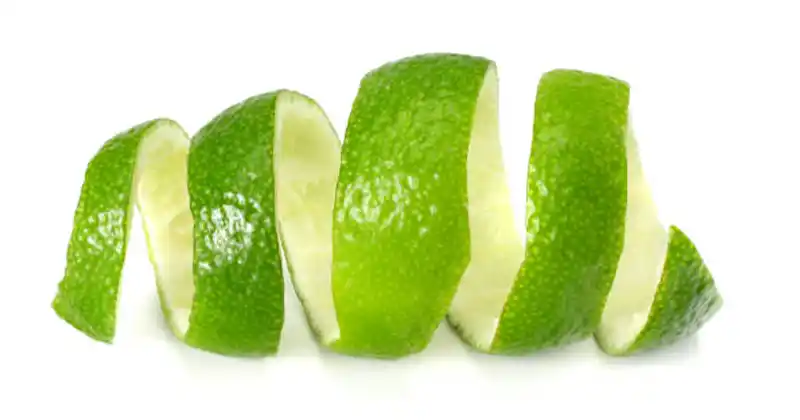
Maintaining a spotless home doesn’t have to involve expensive commercial cleaning products. With just a few simple ingredients commonly found in your kitchen, you can craft a powerful all-purpose cleaner that easily cuts through grease, restores shine, neutralizes unpleasant odors, and lifts stubborn grime from pots, pans, sinks, tiles, and stainless steel surfaces.
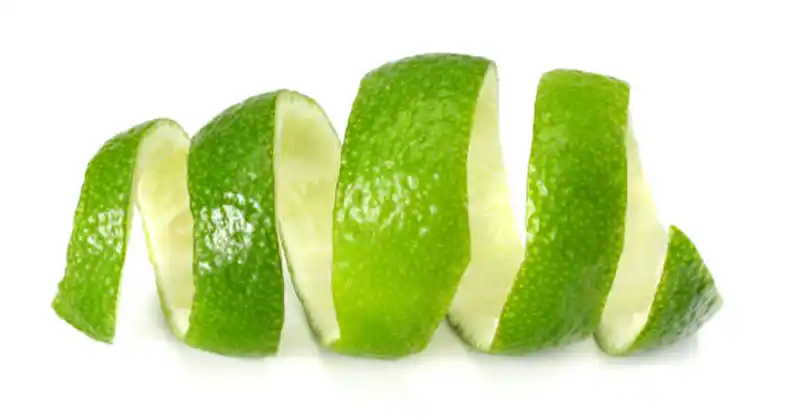
This natural cleaning solution harnesses the potent properties of lemon peels combined with salt, baking soda, vinegar, and dish detergent to create a thick, fragrant concentrate. This mixture not only saves you money but also keeps your home smelling fresh and clean without harsh chemicals.
Why This Homemade Cleaner Is So Effective
Each component in this recipe serves a specific purpose, and when combined, they produce a cleaning formula that rivals many store-bought alternatives:
Lemon peels: Packed with natural oils and citric acid, lemon peels effectively break down grease, dissolve mineral deposits like limescale, and leave behind a refreshing citrus scent.
Salt: Acts as a gentle abrasive that helps to extract the active cleaning agents from the lemon peels while aiding in scrubbing away dirt.
Baking soda: Softens water, helps to remove grime, and neutralizes unpleasant odors, making it a versatile cleaning aid.
Apple cider vinegar: Provides natural antibacterial and antifungal properties, enhancing the disinfecting capabilities of the cleaner.
Dish detergent: Increases the degreasing power and helps form a smooth, gel-like texture, making the cleaner easy to apply and spread.
This blend creates a versatile cleaner that works wonders on cookware, sinks, tiles, countertops, and stainless steel appliances, all at a fraction of the cost compared to commercial cleaning products.
How to Make the DIY Lemon-Peel Cleaner
Ingredients
• 1 liter of water
• Peels from 5 lemons
• 2 tablespoons of salt
• 1 tablespoon of baking soda
• 150 ml of apple cider vinegar
• 1 bottle of liquid dish detergent
Step-by-Step Preparation
1. Heat the Water and Add Lemon Peels
Begin by placing 1 liter of water into a pot. Add the lemon peels to the water as it heats. This process helps to release the natural oils and acids trapped in the peels, laying the foundation for your cleaner’s potency.
2. Add the Salt
Next, stir in 2 tablespoons of salt until it fully dissolves. The salt acts to help draw out more of the lemon’s cleaning compounds and also assists in softening tough grime and residues on surfaces.
3. Add Baking Soda Slowly
Carefully add 1 tablespoon of baking soda to the mixture. This step may cause the liquid to foam slightly, so add the baking soda slowly while stirring continuously. A yellow tint appearing in the mixture indicates the lemon oils are actively being extracted.
4. Strain the Mixture
Once the solution reaches a gentle boil, turn off the heat and strain out the lemon peels. What remains is a warm, lemon-infused cleaning base, ready for the next steps.
5. Add the Vinegar
Slowly pour in 150 ml of apple cider vinegar while stirring gently. Adding the vinegar gradually helps maintain a smooth and stable mixture without causing unwanted separation or excessive fizzing.
6. Mix in the Dish Detergent
Now pour in the entire bottle of dish detergent. Stir carefully until the mixture thickens into a glossy, fragrant gel. This final step boosts the cleaning power and produces a texture that’s easy to apply on various surfaces.
7. Bottle Your Cleaner
Transfer your homemade cleaner to clean, reusable containers. This recipe yields approximately three and a half bottles, making it an extremely cost-effective solution for household cleaning needs.
How to Use Your Homemade Cleaner
1. Burnt Pots and Pans
Apply the cleaner directly to burnt or stuck-on food residues. Allow it to sit for 3 to 5 minutes, then gently scrub. The cleaner loosens burnt-on grime, making it easier to remove without harsh scrubbing.
2. Stainless Steel Surfaces
Use a small amount to wipe away fingerprints, grease, and water stains from stainless steel appliances and fixtures. After application, rinse thoroughly to reveal a bright, polished finish.
3. Sinks and Faucets
Apply the cleaner to sinks and faucets to tackle limescale buildup, yellow stains, and dull metal deposits. Let it sit briefly before rinsing for the best results in restoring shine.
4. Tiles and Countertops
For general surface cleaning and mopping, dilute one or two tablespoons of the cleaner in warm water. This mixture helps maintain cleanliness and freshness across tiled floors and countertops.
5. Tough Grease
Use the cleaner undiluted on stubborn greasy spots such as stovetops, oven doors, and kitchen surfaces. Its concentrated degreasing power cuts through heavy grease buildup effectively.
Tips for Best Results
• Shake gently before each use as natural ingredients may settle or separate after sitting.
• Rinse surfaces with warm water after cleaning to boost the effectiveness and leave surfaces spotless.
• Test the cleaner on small, inconspicuous areas first when using on delicate materials to ensure no damage or discoloration.
• Avoid using on natural stone surfaces like marble or granite, as citric acid in the lemon can cause dullness or etching over time.
Final Thoughts
This DIY lemon-peel cleaner showcases how creating a powerful, effective, and versatile cleaning product doesn’t require harsh chemicals or costly store-bought alternatives. With minimal effort and inexpensive ingredients, you can convert leftover lemon peels into a multipurpose cleaner capable of removing grease, restoring natural shine, and refreshing your entire home.
Not only is this cleaner economical and environmentally friendly, but it’s also simple to prepare. After trying it once, you may find there’s no need to ever purchase commercial cleaning products again.
Most people discard avocado seeds without giving them a second thought, but this often-overlooked component of the fruit is actually Read more

A True Nutritional Treasure in Every Bite Beef tongue stands out primarily for its remarkable nutritional richness. It is an Read more
Cassava: A Widely Consumed Food That Can Sometimes Be Dangerous Cassava is a vital food staple for over 800 million Read more

Tomatoes, a staple in kitchens worldwide, are loved for their versatility and rich flavor. However, their perishable nature often leads Read more

Diseases Transmitted by Ticks When we talk about ticks, Lyme disease immediately comes to mind, and for good reason. However, Read more
Grease buildup on kitchen cabinets is a widespread issue that many homeowners encounter. Frequent cooking results in grease splatters that Read more

When a Simple Pistachio Shell Takes on the Appearance of a Monster It all begins with the desire to clean Read more
Whether in a sandwich, as an appetizer, or in a salad, hard-boiled eggs adapt perfectly to many everyday dishes. If Read more
Why Does Honey Crystallize? The crystallization of honey is a completely natural and harmless phenomenon. It occurs when the sugars Read more

Why It's Crucial to Clean Your Oven and How to Do It Naturally The Importance of Cleaning Your Oven The Read more

Mullein (Verbascum thapsus), a tall, woolly plant often seen growing along roadsides and in open fields, has been treasured for Read more

Perfumed Tissues: An Easy DIY Technique The Joy of Scented Tissues: Paper tissues are handy in daily life. While some Read more

House 1: A Warm Refuge Perched in the Trees If this suspended house has moved you, it reveals your deep Read more

From Military Origins to Artistic Expression Originally, the twirling baton was primarily a tool designed to organize military marches and Read more
How can a simple homemade mixture really help make your teeth whiter? Here is the secret that has already captivated Read more

She Feels Undervalued Feeling loved is, above all, about feeling recognized and appreciated. When a woman senses that her efforts, Read more

Some people do not make it a habit to unplug chargers from sockets after charging their electronic devices. However, many Read more
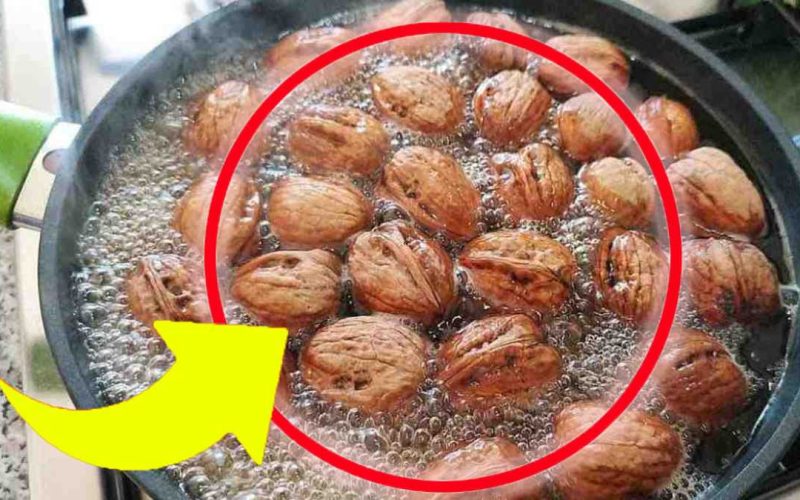
Some people purchase walnuts that are already shelled, while others prefer to buy them in their natural state, still in Read more

Why Do We Consistently Wake Up at the Same Time During the Night? Nighttime awakenings can stem from various causes: Read more

Bull Thistle (Cirsium vulgare): A Wild Plant with Surprising Benefits The bull thistle (Cirsium vulgare) is often dismissed as a Read more
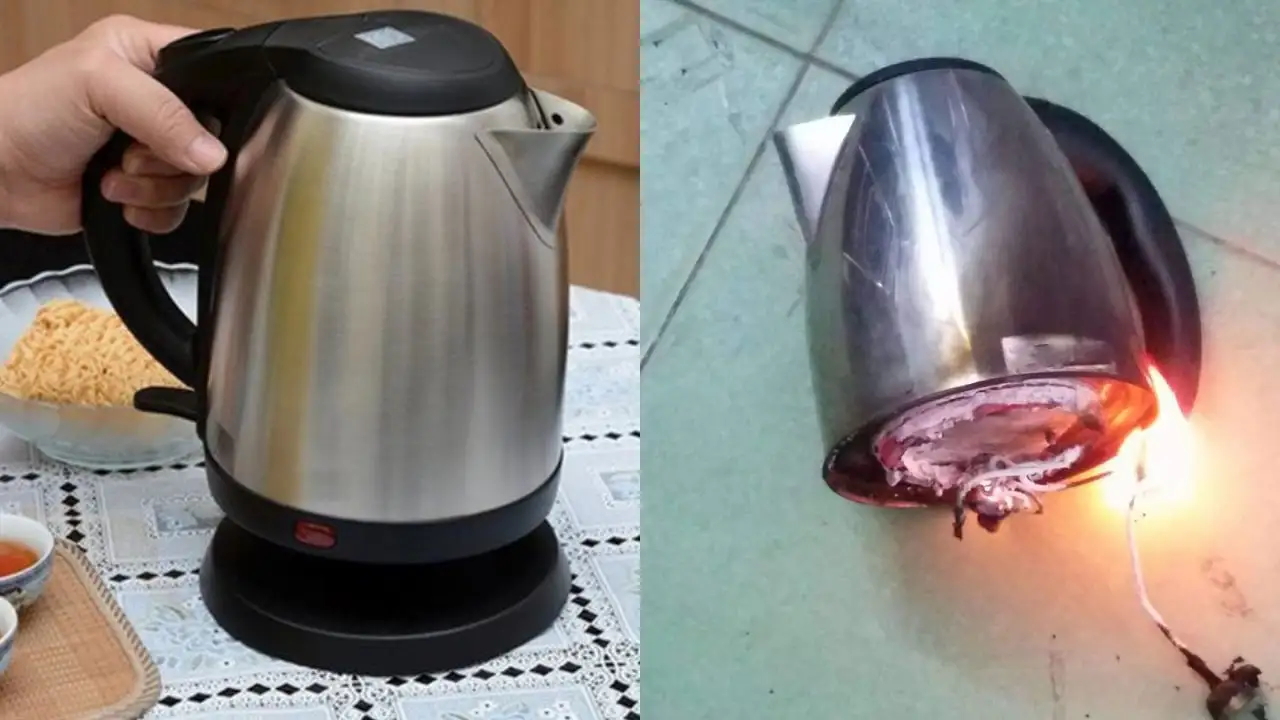
Many people make the mistake of believing that continuously boiling water will save energy once the kettle is already hot. Read more

The Loyal Friend: The Comfort of the First Choice We all have that steady and comforting person in our lives, Read more

The Secondary Microphone: A Filter Against Noise Pollution Most modern smartphones incorporate multiple microphones, including a secondary one often hidden Read more

Castor Oil: A Natural Treasure to Rediscover Derived from the seeds of Ricinus communis, this thick, golden plant oil contains Read more
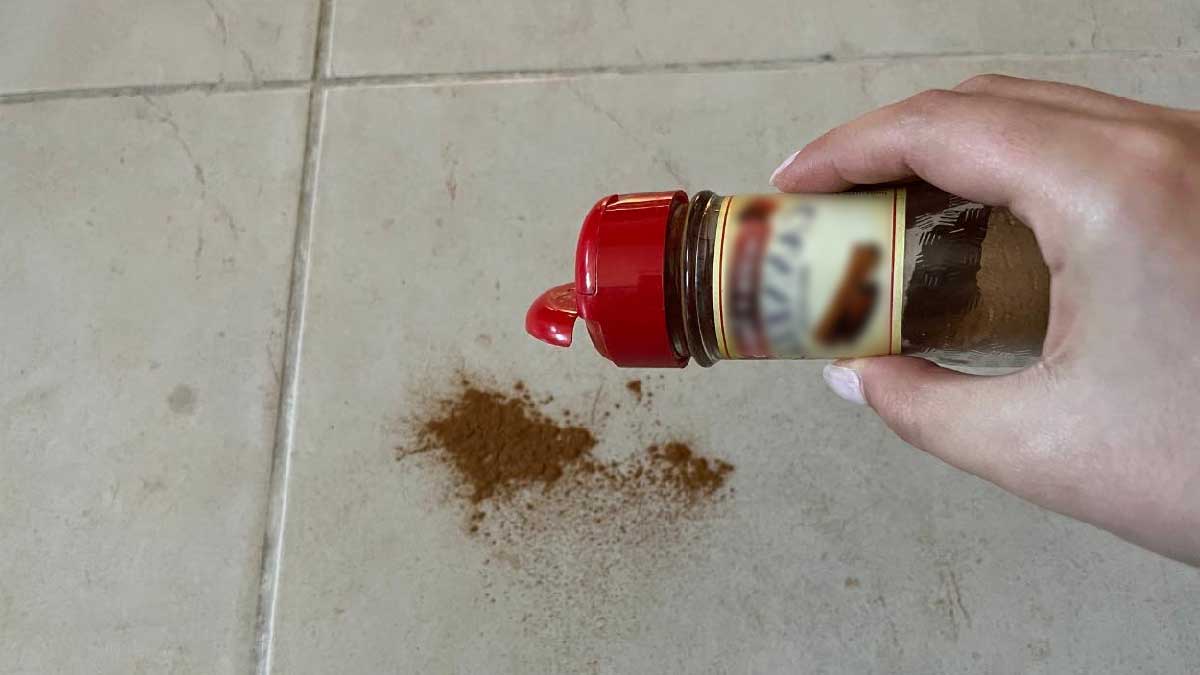
Have you ever encountered this unusual practice of sprinkling cinnamon powder in front of your front door? At first glance, Read more
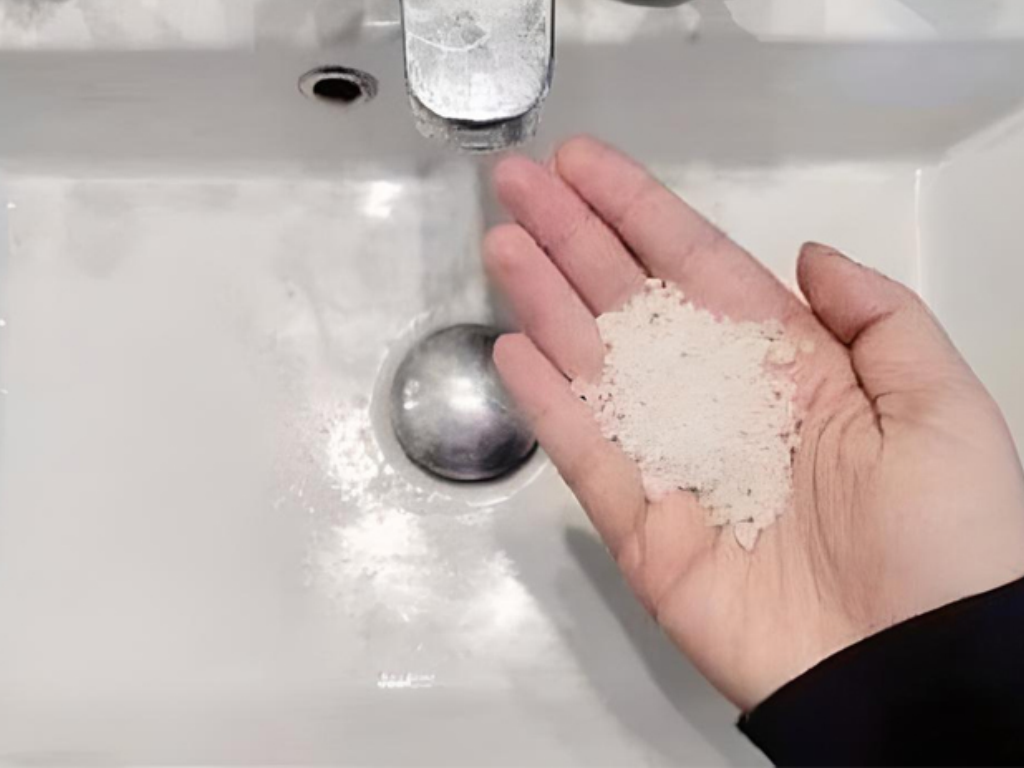
Salt: An Overlooked Treasure in the Home Since ancient times, salt was so valuable that it was even used as Read more

Draining a Boiler: An Essential Task Often Overlooked A boiler operates somewhat like a pressure cooker: it heats water under Read more

The Fascination of Pareidolia: When Our Minds Discern Faces Where None Exist This captivating phenomenon is known as pareidolia. It Read more

When "Need" Takes on a Whole New Meaning For a long time, having a woman in a man’s life was Read more
What Is the Purpose of the Overflow Hole in a Sink? The small, often overlooked hole located near the edge Read more

Why Do Some People Wash Their Ground Beef? The practice of washing ground beef often comes from a good intention: Read more

The Final Blow Within Her Own Home Returning home from work, Phoebe had hoped to find a dinner prepared or Read more
Ingenious Uses for Expired Cornstarch A Natural Cleaner for Windows and Surfaces Did you know that cornstarch can easily substitute Read more
The Multifaceted Benefits of Spices and Herbs Throughout history, a wide variety of spices and herbs have been cherished not Read more

Understanding, anticipating, and supporting your dog through every stage of their life is essential to providing them with the best Read more
Unlocking the Garden Potential of Eggshells: 10 Innovative Applications Eggshells, often seen as fragile protectors of eggs, are also a Read more

Before your next journey, it might be worth reexamining some of your packing habits. What a luggage professional has revealed Read more

Sweet Violet (Viola odorata): 25 Incredible Benefits & How to Use It Sweet violet (Viola odorata), also known as wood Read more
Acetone: A Genuine Miracle Solution or a Trap to Avoid? Acetone, a powerful solvent commonly used to dissolve nail polish Read more
Individuals with Allergies or Sensitivities If you suffer from allergies, it is important to be cautious with avocado! This fruit Read more
