
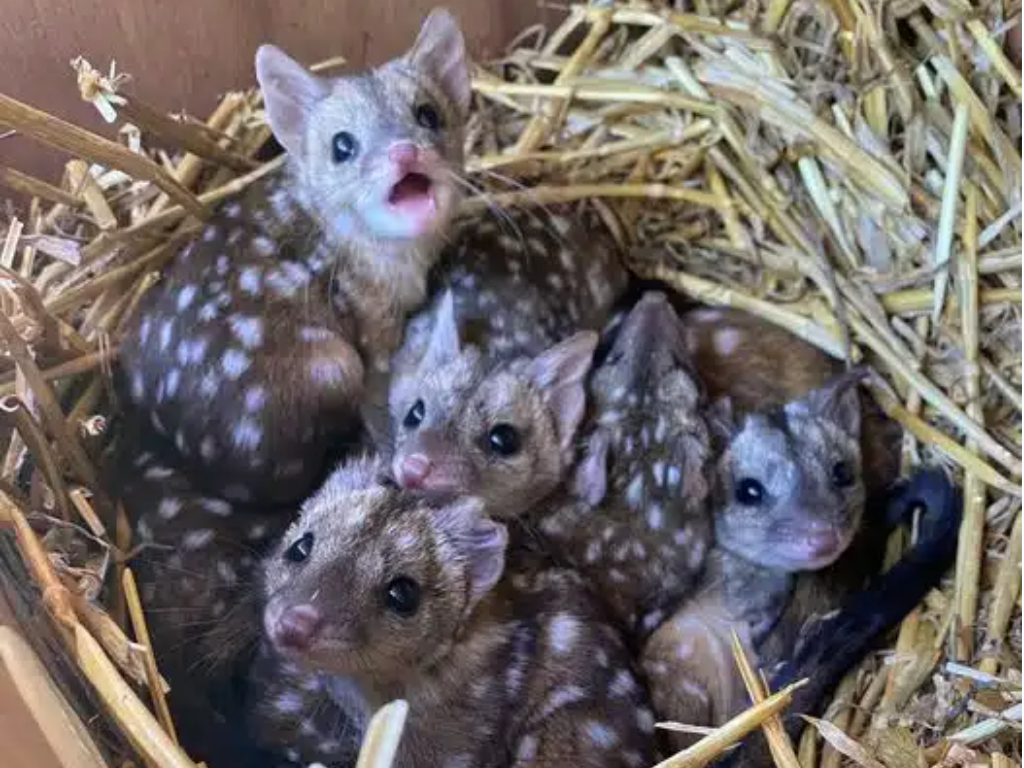
Why is this discovery so important? What impact could it have on Australian biodiversity? Let us delve deeply into this major breakthrough in support of wildlife protection.
The Western Quoll: A Rare and Vital Marsupial

The Western Quoll, also known as the chuditch, is a small carnivorous marsupial with a spotted coat resembling that of a cat. Once widespread throughout Australia, its population dramatically declined after the arrival of European settlers, primarily due to massive deforestation and the introduction of foreign predators such as foxes and feral cats.
Today, this species survives only in the wild in southwestern Australia, existing in small isolated populations. Despite their rarity, these marsupials play a crucial ecological role by regulating populations of small invertebrates, reptiles, and certain birds.
Threatened as a species, the Western Quoll is nevertheless showing encouraging signs of recovery.
A Promising Reintroduction Program

In response to the alarming decline in numbers, Australian researchers and ecologists have launched an ambitious reintroduction program aiming to restore wild populations. Their objective is to provide the quolls with a secure environment where they can survive and reproduce freely.
Over the past several months, several quolls have been released into the Mt Gibson sanctuary, a reserve specially established to protect endangered species. The good news has just arrived: the first young have been born within this protected space!
This birth demonstrates that these marsupials are adapting well to their new environment and are beginning to thrive.
Promising Signs of Adaptation
Georgina Anderson, an ecologist working on the ground for the Australian Wildlife Conservancy (AWC), celebrates the progress observed:
“Regular monitoring shows that the quolls are developing well within the reserve. The birth of the first young is a very positive indicator.”
Among the released individuals, one male has particularly caught the scientists’ attention: Aang, energetic and clever, who quickly learned to retrieve the bait placed by researchers.
This behavior illustrates the quolls’ capacity to adapt to their new habitat, a key factor for their long-term survival.
What Does the Future Hold for This Species?

The birth of the first young quolls marks a decisive advance in safeguarding this fragile species. Nonetheless, numerous challenges remain to ensure their future.
The Experts’ Future Goals:
Create more protected areas to expand their natural habitat.
Strengthen surveillance and control of introduced predators, particularly feral cats and foxes.
Mobilize the general public around the importance of preserving Australian biodiversity and raise awareness of the urgent need to protect these vulnerable species.
With perseverance and targeted actions, these charming marsupials could one day reclaim a stable and widespread place throughout the country.
Renewed Hope for Biodiversity
In a context where environmental news is often alarming, this discovery brings a beacon of hope. It demonstrates that conservation efforts can truly bear fruit and contribute to the survival of endangered species.
And what if this success inspires other similar initiatives?
Let us share this beautiful story and unite our efforts to defend the richness of our wildlife!
This content is for informational purposes only. For medical advice or diagnosis, please consult a professional. Most people recognize aloe Read more
A Quiet and Efficient Predator in Your Home The domestic house centipede (Scutigera coleoptrata) is often regarded as a frightening Read more

November is a time when expenses quickly pile up, caught between Black Friday deals and the first Christmas purchases. It Read more

The Secret Language of Burglars: A Discreet Warning Signal Burglars use an actual coding system to identify their targets. They Read more

In this article, we present the six main mistakes to avoid in order to preserve your refrigerator and ensure its Read more

Sometimes, certain births resonate far beyond the boundaries of the family, capturing the attention of the wider public. This was Read more

House 1: A Warm Refuge Perched in the Trees If this suspended house has moved you, it reveals your deep Read more

You have probably come across an intriguing object whose purpose completely eluded you. Whether it was a discovery in a Read more
From 9 PM to 11 PM: When the Body Prepares for Night In the early evening, your body activates the Read more
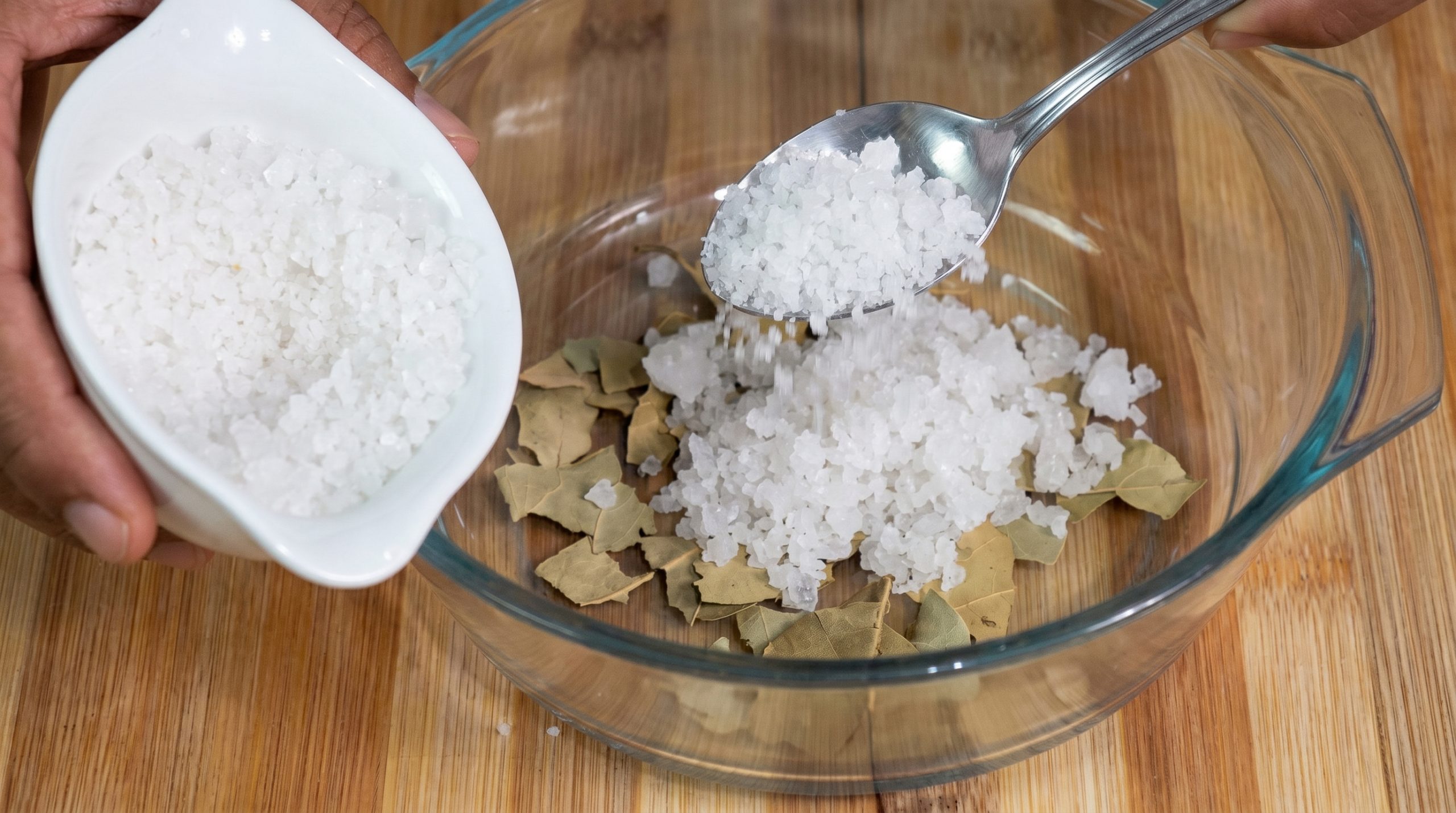
For centuries, the bay leaf has stood as a symbol of protection, wisdom, and soothing comfort. Salt, by contrast, represents Read more

Thyme is known by some as the “enemy of toxins,” and it has been part of stories since ancient Greece. Read more
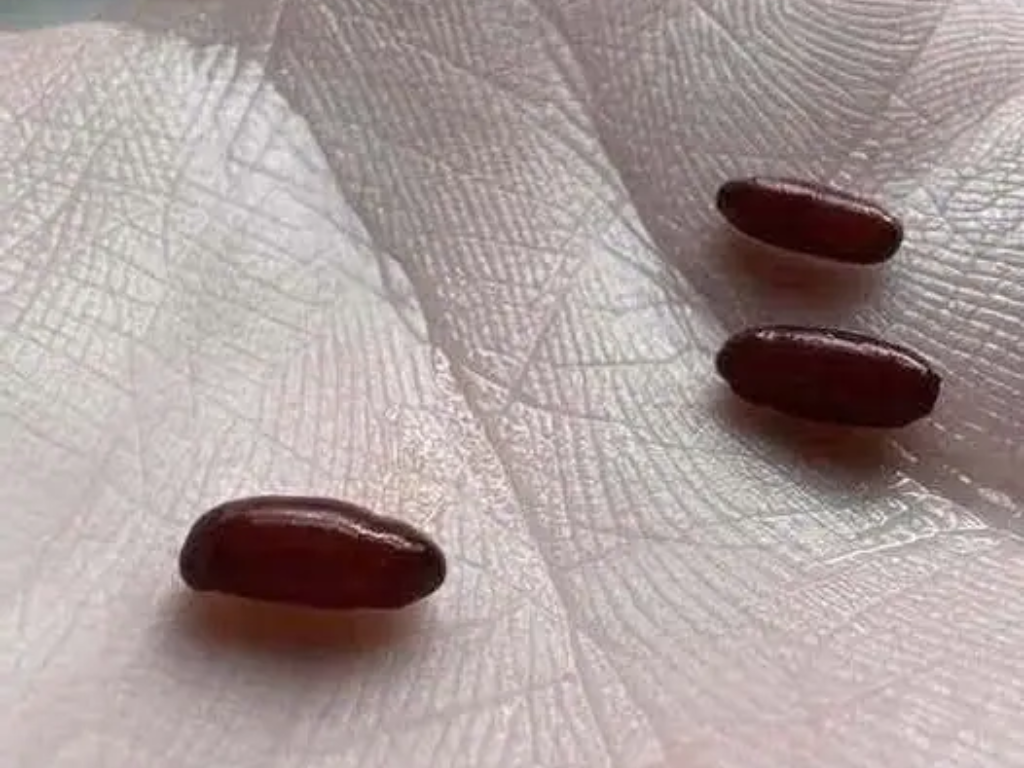
Diseases Transmitted by Ticks When we talk about ticks, Lyme disease immediately comes to mind, and for good reason. However, Read more

Salt Water: The Natural and Effective Trick If you want to quickly restore the shine to your silver jewelry without Read more
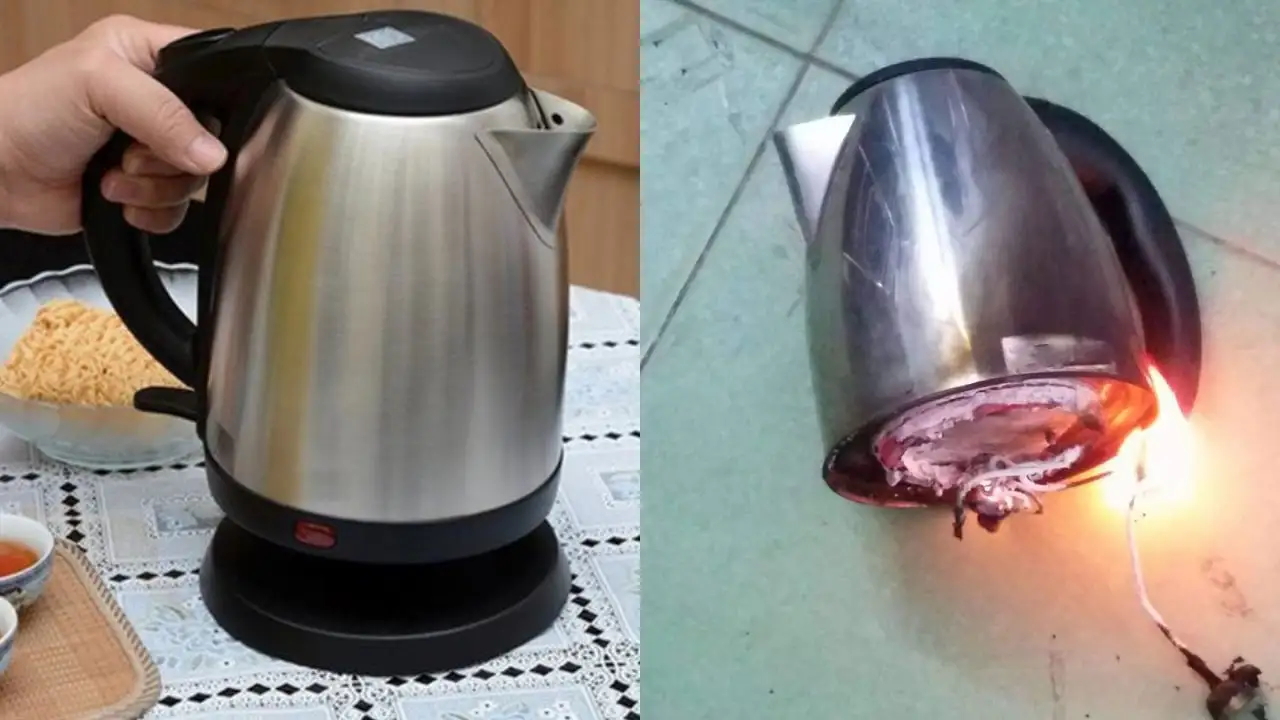
Many people make the mistake of believing that continuously boiling water will save energy once the kettle is already hot. Read more

Excessive Water Bill: What Steps Should You Take First? When I discovered that our water consumption had reached 140,000 liters Read more

Euphorbia hirta, commonly known as the “Asthma-plant,” is a medicinal herb renowned in traditional medicine for its diverse health benefits, Read more
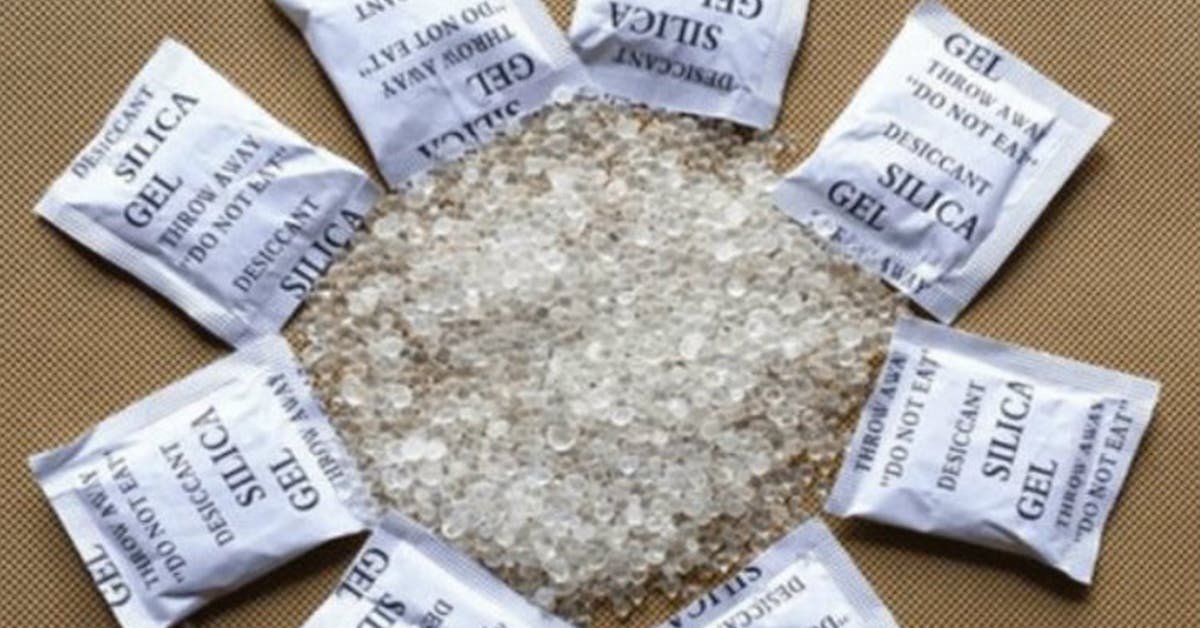
Silica gel packets are frequently included in the packaging of electronics, clothing, and many other products. These small sachets contain Read more

The Spool of Thread: A Silent Relic of a Bygone Era Let us take a moment to journey back to Read more

Garlic's Aromatic Enigma: Its Transformation When Burnt The unmistakable scent of garlic is well-known in kitchens worldwide. Esteemed for its Read more

Whether in a sandwich, as an appetizer, or in a salad, hard-boiled eggs adapt perfectly to many everyday dishes. If Read more

Why Ventilating in the Morning Can Harm Indoor Air Quality During Winter On a chilly winter morning, the outdoor air Read more

A Morning Filled with Strangeness That morning, the countryside was still wrapped in calm and tranquility. As she followed the Read more

When you enter a hotel room, have you ever noticed that long piece of fabric laid across the foot of Read more
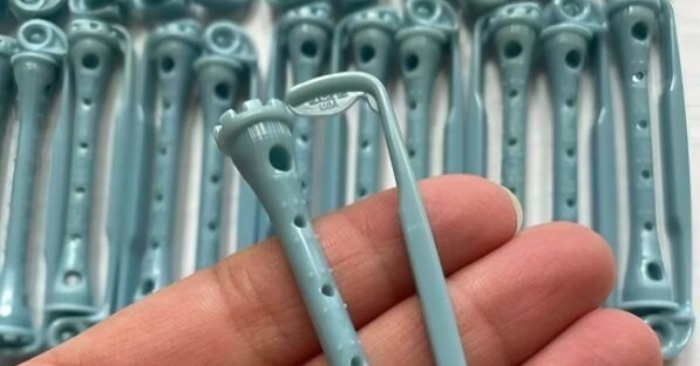
When a Drawer Holds Much More Than Mere Odds and Ends Like many others, my initial reaction upon seeing these Read more

Kyllinga brevifolia: A Natural Remedy for Health and Wellness Kyllinga brevifolia, commonly known as green kyllinga or shortleaf spikesedge, is Read more
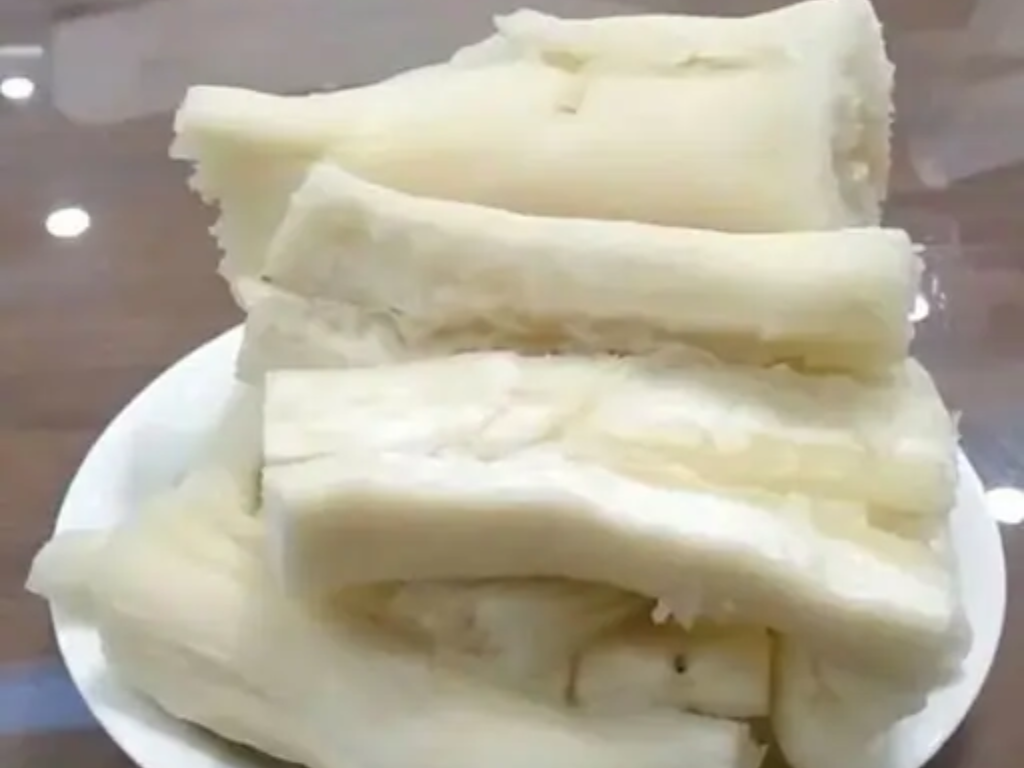
Cassava: An Essential Plant at the Heart of a Deadly Paradox Whether in the form of flour, tapioca pearls, or Read more

The Fascination of Pareidolia: When Our Minds Discern Faces Where None Exist This captivating phenomenon is known as pareidolia. It Read more

The Effective Recipe to Defrost Your Windshield in One Minute To Quickly Eliminate Frost from Your Windshield, Here Are the Read more
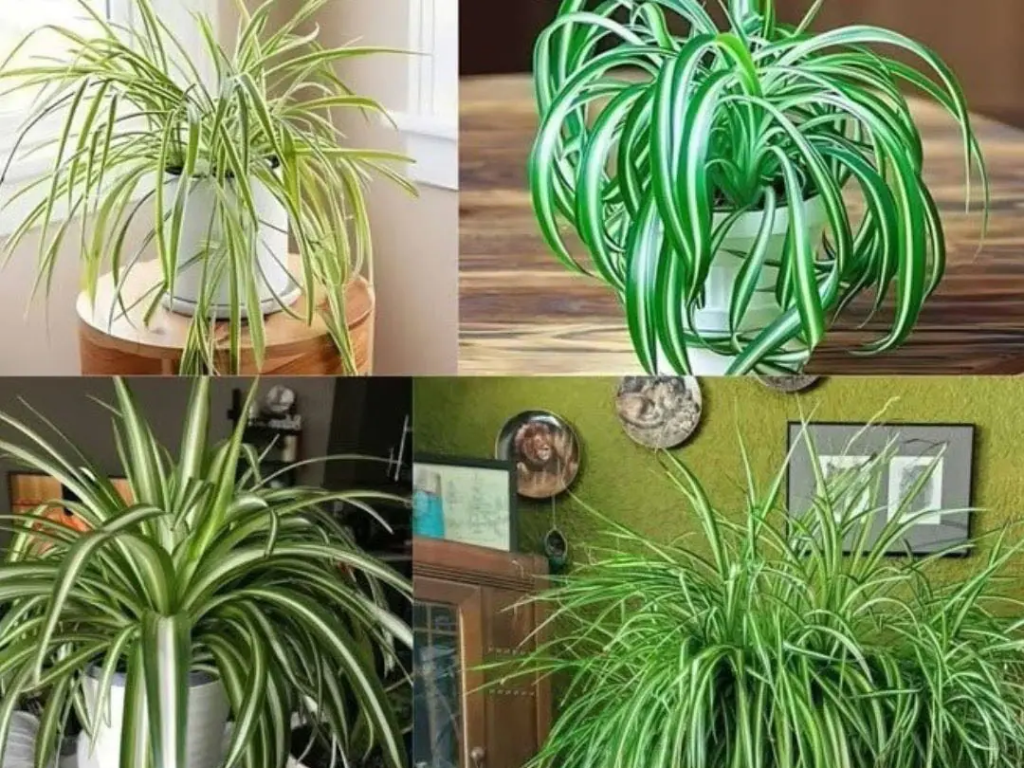
A Natural Ally for a Healthier and More Pleasant Home We admire the spider plant for its delicate and soothing Read more

A Fully Integrated Member of Its Tribe Social relationships hold a significant place in the life of a cat. When Read more

When "Need" Takes on a Whole New Meaning For a long time, having a woman in a man’s life was Read more

Goldenberries, also known as Physalis or Uchuva, are small, orange-yellow fruits enclosed in a delicate, papery husk. Originating from the Read more
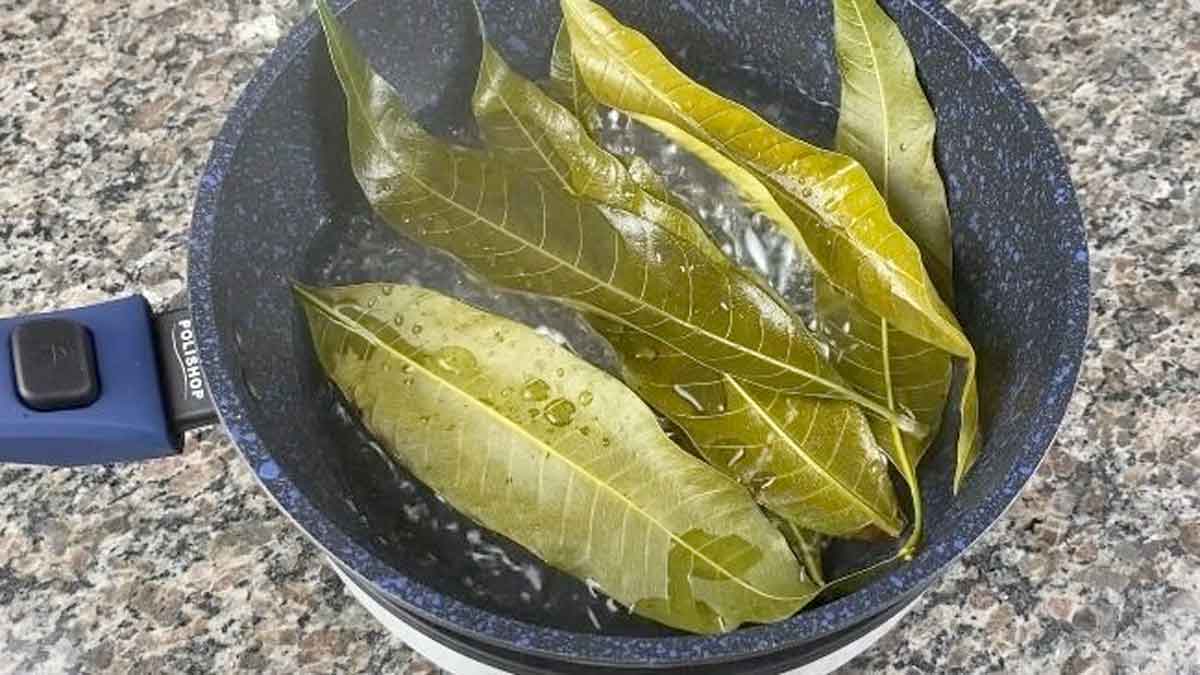
Mango leaves, often overshadowed by the sweet and juicy fruit they accompany, have long been valued in traditional medicine for Read more
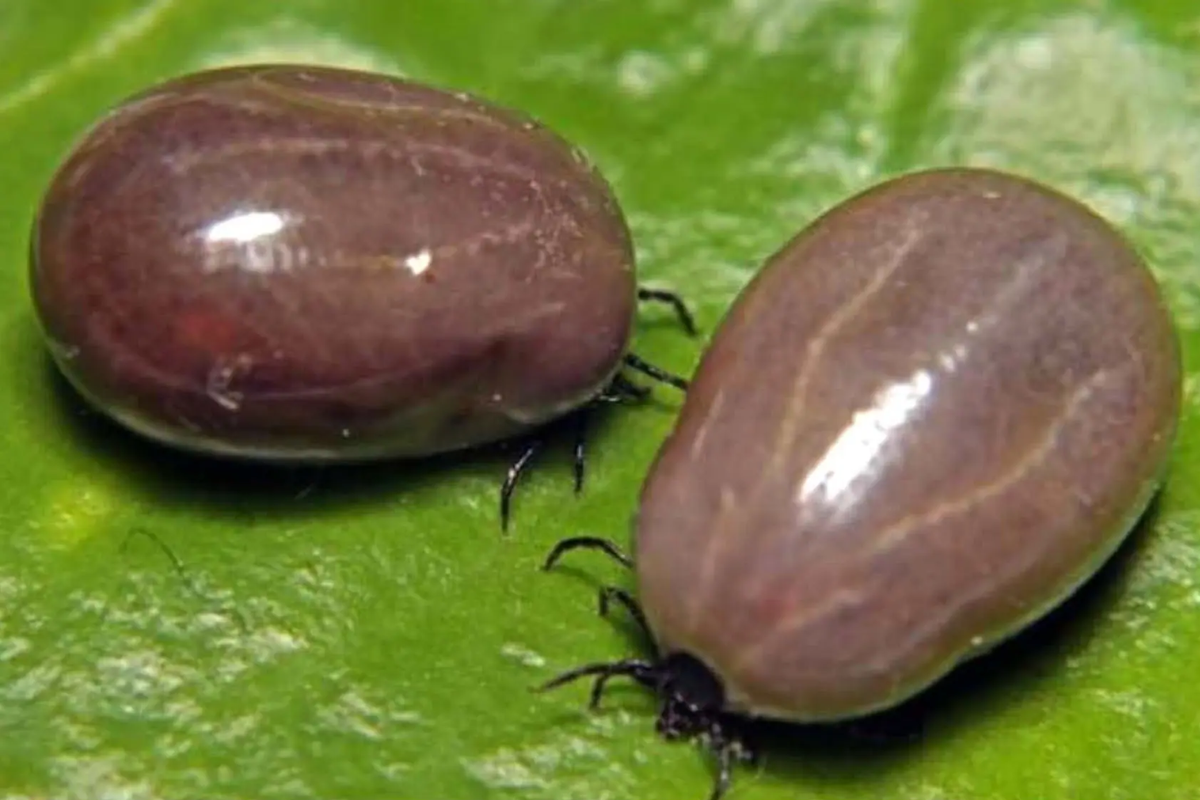
These tiny parasites can send shivers down your spine just by mentioning them. Whether on your skin or that of Read more
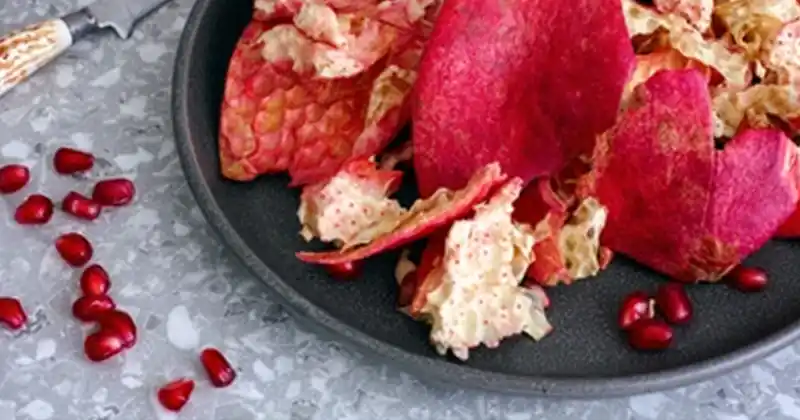
The Hidden Power of Pomegranate Peel: 10 Health Benefits and How to Use It Pomegranate is often celebrated for its Read more

Grease buildup on kitchen cabinets is a widespread issue that many homeowners encounter. Frequent cooking results in grease splatters that Read more

We spend countless hours behind the wheel, knowing every street by heart, yet still... sometimes important driving habits escape our Read more
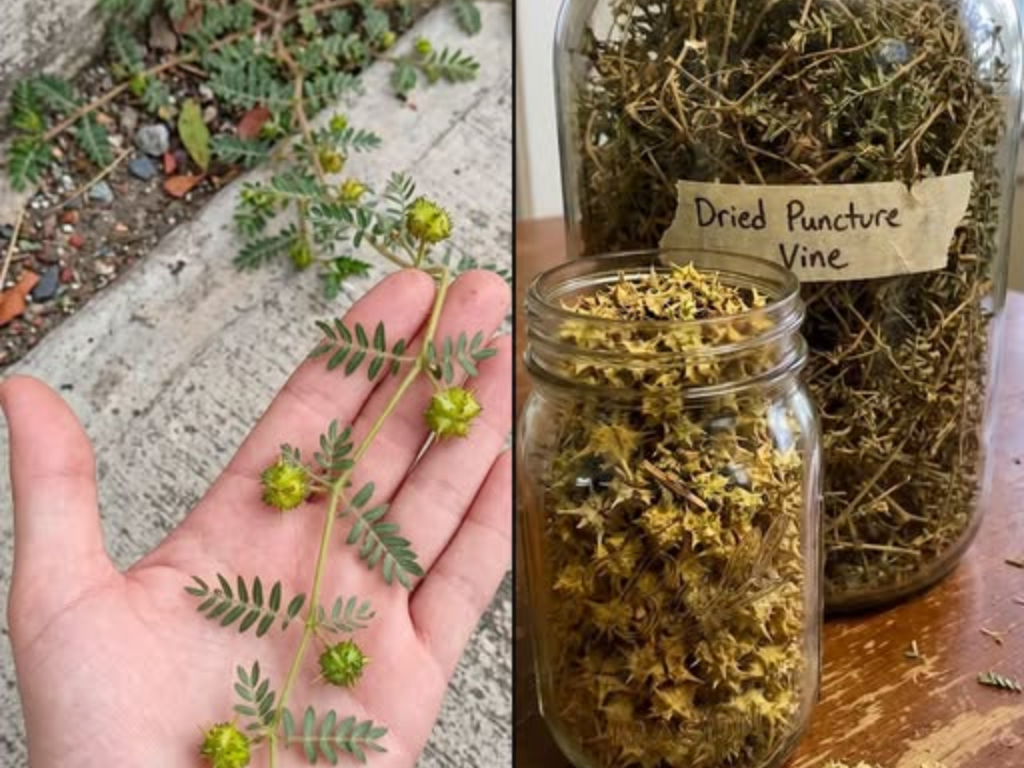
Warning: The information provided in this article is solely for educational and informational purposes. It is based on traditional herbal Read more

Much More Than Just a Decorative Element The presence of multiple pillows on a hotel bed is far more than Read more
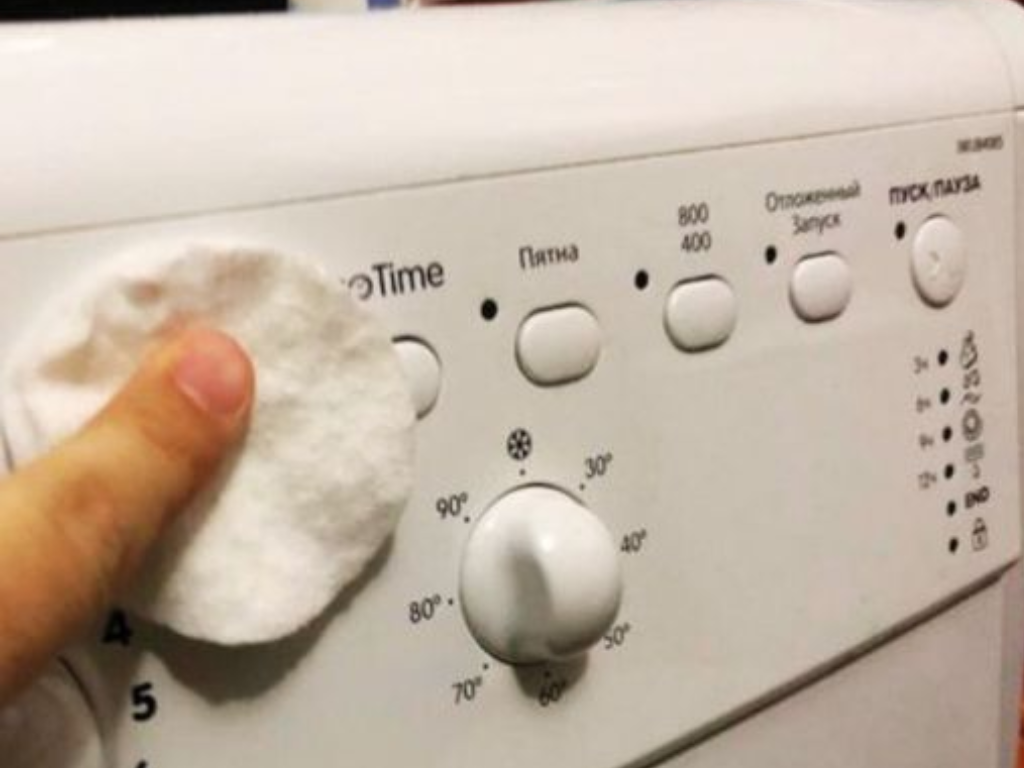
Why Does the Plastic of a Washing Machine Turn Yellow Over Time? Over the years, it is common to notice Read more
