
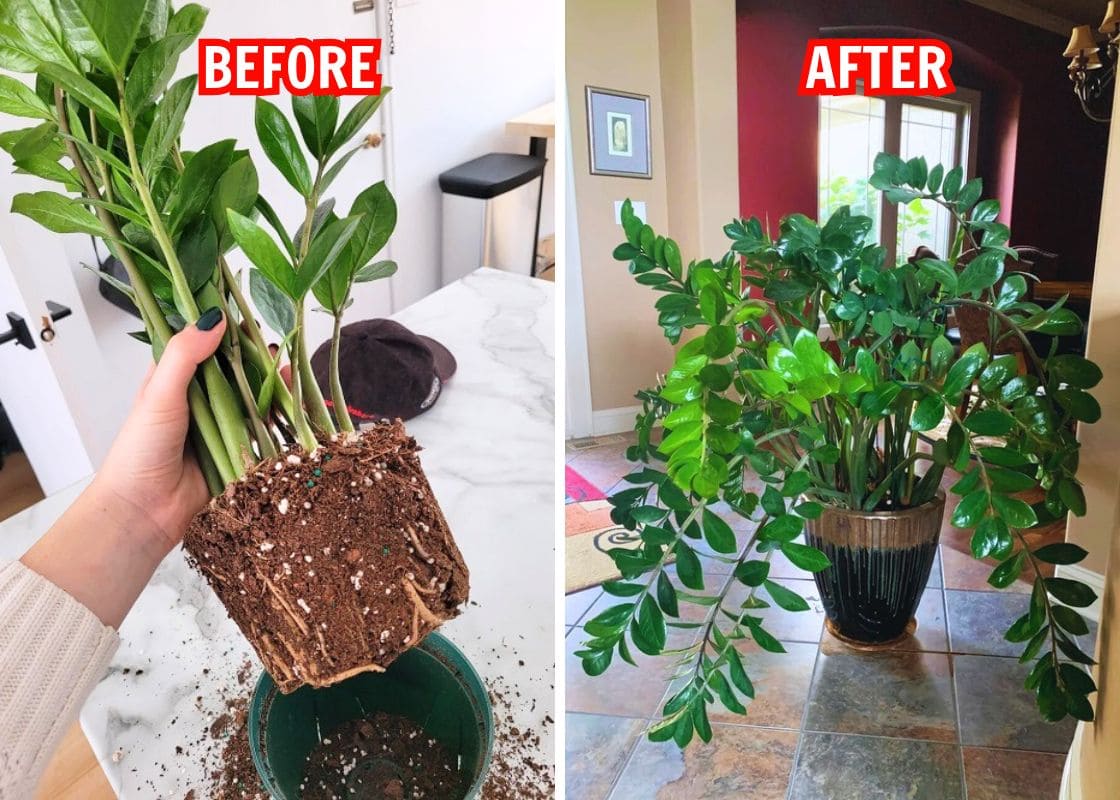
The ZZ plant (Zamioculcas zamiifolia) has earned its reputation as one of the most resilient houseplants available. It can endure low light conditions, is forgiving of occasional missed waterings, and thrives in environments that would typically stress most indoor plants.
However, while keeping a ZZ plant alive is relatively straightforward, encouraging it to multiply and develop into a lush, full specimen requires a bit more thoughtful care. The first step to fostering its growth is understanding the way this plant grows.
ZZ plants grow from thick underground rhizomes that serve as reservoirs for water and nutrients. Every new stem pushing through the soil begins as an extension from these rhizomes. By properly supporting these rhizomes, you will encourage more shoots to emerge over time.
1. Keep Your ZZ Slightly Root-Bound
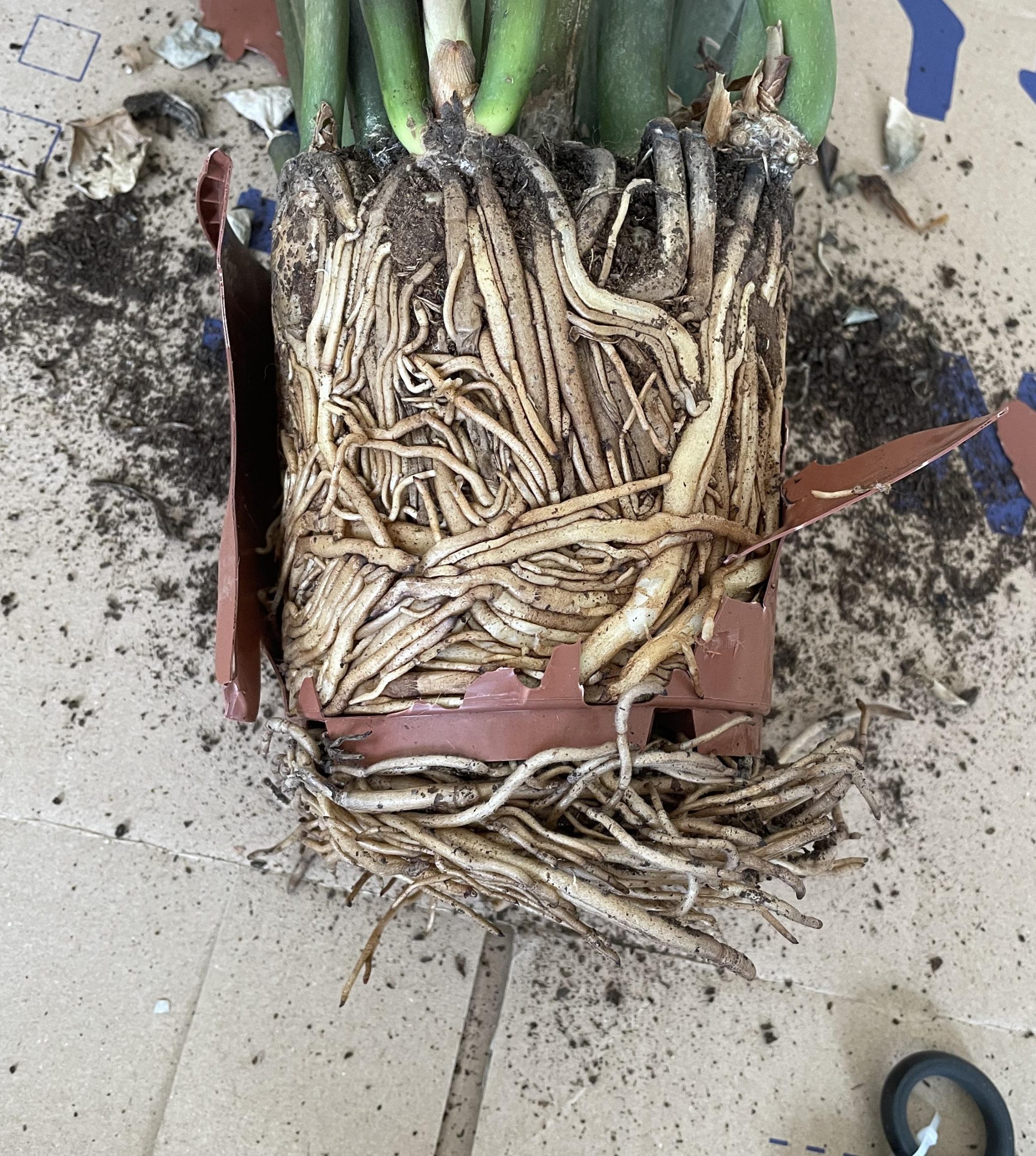
Unlike many fast-growing tropical plants, ZZ plants actually thrive when they are a bit snug within their containers. A slightly root-bound environment encourages the rhizomes to cluster and push out new shoots rather than spreading extensively into excess soil.
Select a pot that is only one size larger than the current rhizome mass. Excessively large pots will cause the plant to focus energy on root expansion instead of producing new stems and foliage.
2. Provide Bright, Indirect Light
Although ZZ plants can survive in low light environments, simply surviving is not the same as thriving. To encourage your plant to multiply and flourish, bright, indirect light is essential.
Place your ZZ plant close to an east- or south-facing window, preferably filtered through sheer curtains to soften the intensity. Higher light conditions provide the rhizomes with more energy, which directly supports the development of stronger and more frequent new shoots.
3. Master the Watering Balance
Since ZZ plants store water in their thick rhizomes, they do not require frequent watering. Nevertheless, consistent neglect can slow down their growth considerably.
Employ the soak-and-dry method: water the plant thoroughly until excess water drains out, then allow the soil to dry completely before watering again. This pattern keeps the rhizomes full and active.
Be cautious not to overwater, as this can lead to root and rhizome rot. Conversely, prolonged underwatering forces the plant into survival mode, significantly reducing the emergence of new growth.
4. Feed During the Growing Season
Spring and summer mark the active growing periods for ZZ plants. This is the optimal time to provide extra nutrients to encourage multiplication and vibrant growth.
Supply a balanced, diluted liquid fertilizer such as 10-10-10 approximately once per month. It is important to avoid overfeeding since too much fertilizer can harm the roots and rhizomes. During fall and winter, pause fertilization while the plant naturally slows its growth cycle.
5. Use a Well-Draining Soil Mix
Healthy rhizomes are the foundation of new growth, and they require soil that drains efficiently. ZZ plants do not tolerate soggy conditions.
Enhance standard potting soil with amendments like perlite, coarse sand, or orchid bark to improve aeration and drainage. A light, airy soil mix allows roots to breathe while retaining just enough moisture to remain hydrated without becoming waterlogged.
6. Don’t Remove Aging Stems Too Quickly
Older stems on ZZ plants may lose their glossy appearance or start to yellow. While you might feel tempted to prune them immediately, these aging stems often continue to transfer valuable energy back to the rhizomes.
Allow the stems to dry out completely before removing them. This practice ensures the plant recovers important stored nutrients, which can then fuel the development of new shoots and growth.
7. Be Patient and Consistent
ZZ plants are naturally slow-growing. Even when provided with ideal conditions, you may only notice a handful of new shoots each year.
Consistency is crucial. Maintaining steady light exposure, balanced watering habits, and appropriate seasonal feeding helps build momentum over time. Eventually, you will see small green shoots pushing through the soil—clear signs that your plant is multiplying and becoming fuller.
Bonus Tip: Gentle Stress Can Encourage Growth
In their natural habitat, ZZ plants are accustomed to cycles of drought followed by rainfall. Some plant owners replicate this pattern by allowing the soil to dry slightly longer than usual before resuming deep watering.
This mild, controlled stress can awaken the rhizomes, stimulating them to send out fresh shoots. When applied carefully, this technique provides the gentle nudge your plant needs to expand and become more vigorous.
With the right balance of light, water, nutrients, and careful patience, your ZZ plant can transform from a single-stemmed survivor into a dense, eye-catching focal point within your indoor garden.

Using Baking Soda for Plant Care To care for your plants or your vegetable garden, have you considered the DIY Read more
Three Little-Known Tips to Keep Your Potatoes in Perfect Condition Choosing the Right Location for Storage The way you store Read more

In the culinary world, garlic is a staple ingredient that is hard to do without. Cultivating it benefits many plants Read more
When lavender plants are young, they often present an almost perfect image: a compact shrub with silvery-green foliage, a delightful Read more

How to Reuse Barbecue Ashes After enjoying a barbecue outdoors on a sunny day, the tendency is often to discard Read more

Lavender, a charming addition to any garden, is known for its enchanting aroma and vibrant purple hues. This plant comes Read more
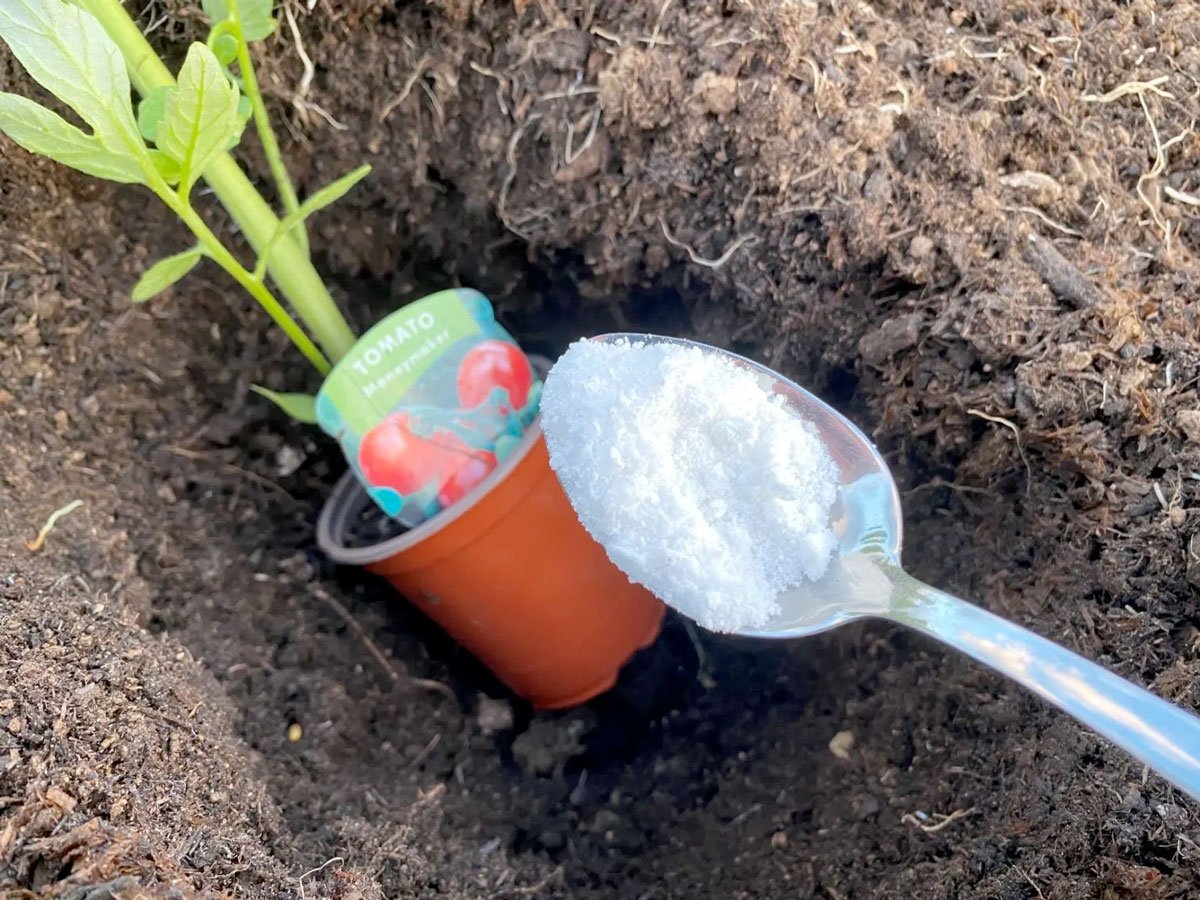
When it comes to gardening, enthusiasts are always eager to discover effective and affordable methods to boost plant growth and Read more
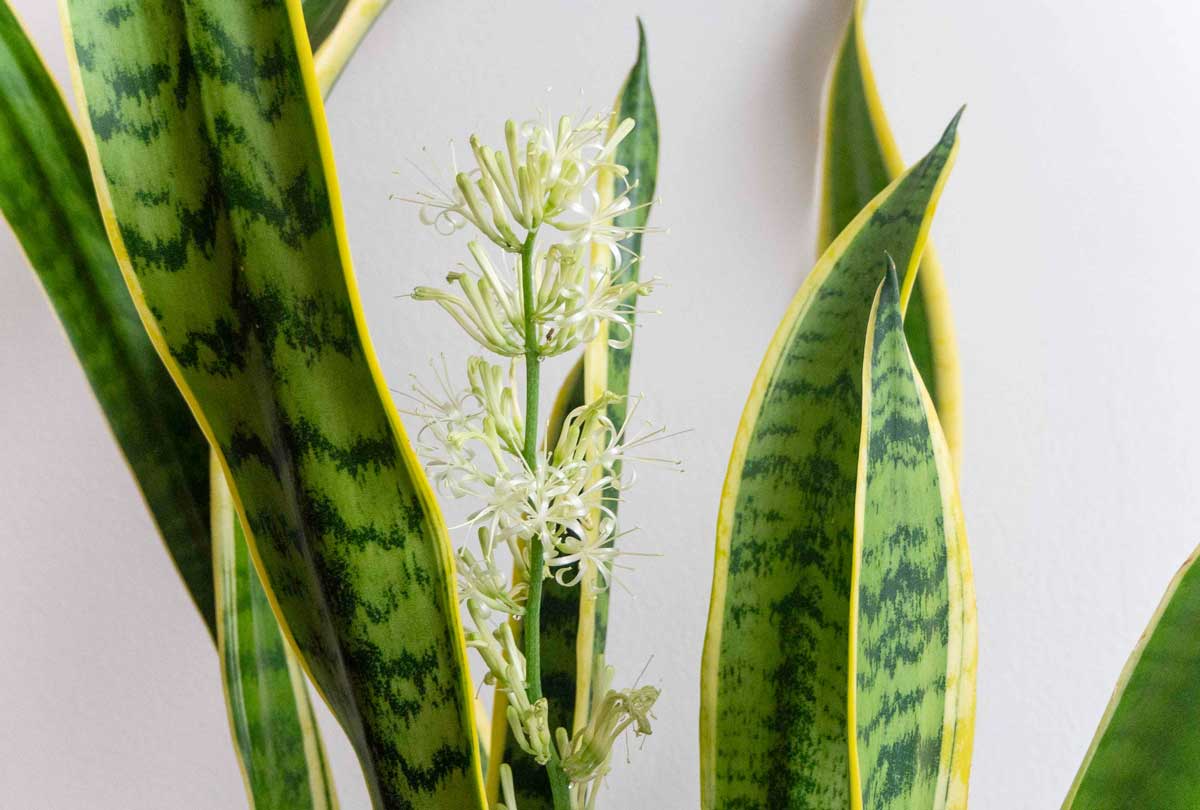
Snake plants, scientifically known as Dracaena trifasciata and previously classified as Sansevieria, are favored houseplants admired for their resilience and Read more
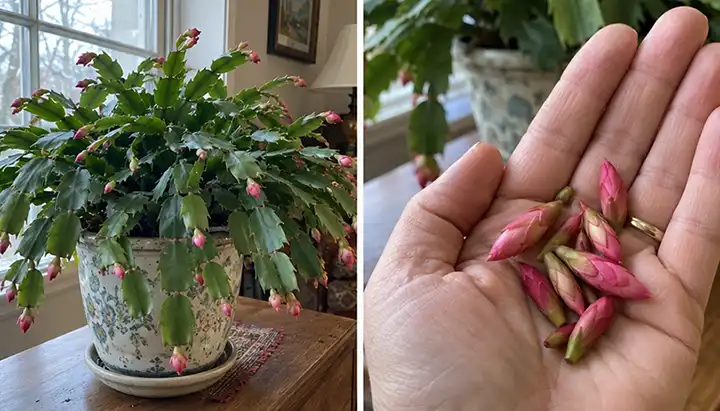
If your Christmas cactus has stayed healthy throughout the year but produced only a few flowers last winter, October might Read more

In this exploration, we uncover eight homemade, natural solutions that act as effective rooting agents for plant propagation through cuttings. Read more
Sleep is a vital component of our overall health, serving as the foundation for a productive and energized day. Yet, Read more
Indoor Plants and Their Benefits Indoor plants not only enhance the decor but also bring a touch of lush greenery. Read more

Tea, the staple of morning routines and afternoon breaks, may have a second life beyond the cup that's often ignored. Read more
Do you have indoor plants? They have a unique ability to infuse life and color into any environment, whether it’s Read more

Originating from the arid regions of the Middle East, the pistachio tree (Pistacia vera) is a hardy desert plant celebrated Read more

Indoor Plants: A Decorative Air Purifier Indoor plants have become an essential part of modern decor, increasingly sought-after to greenify Read more

The Importance and Care of House Plants House plants not only serve as a significant decorative element but also play Read more

Unlocking the Flowering Potential of Anthuriums Anthuriums are renowned for their stunning, heart-shaped blooms which, under ideal conditions, can grace Read more

Orchids are renowned for their stunning blooms and are a favorite among indoor plant enthusiasts. However, getting these temperamental beauties Read more
Orchids, admired for their exotic beauty and vast variety, demand specific care to flourish. While many growers rely on commercial Read more

Bananas are a delightful treat, but their peels can be a garden's treasure. Rather than discarding banana peels into compost, Read more
Having geraniums adorned with vibrant blooms for months—sometimes lasting even longer than anticipated—is not a feat reserved solely for expert Read more

Using White Vinegar for Garden Maintenance Gardening is never an easy task. Planting, weeding, and watering plants and flowers require Read more

Safety and Medical Disclaimer: The information provided in this article is intended solely for educational and informational purposes. We disclaim Read more

Understanding Fertilizers for Plants Fertilizer is a product that can be spread or mixed into the soil to provide plants Read more
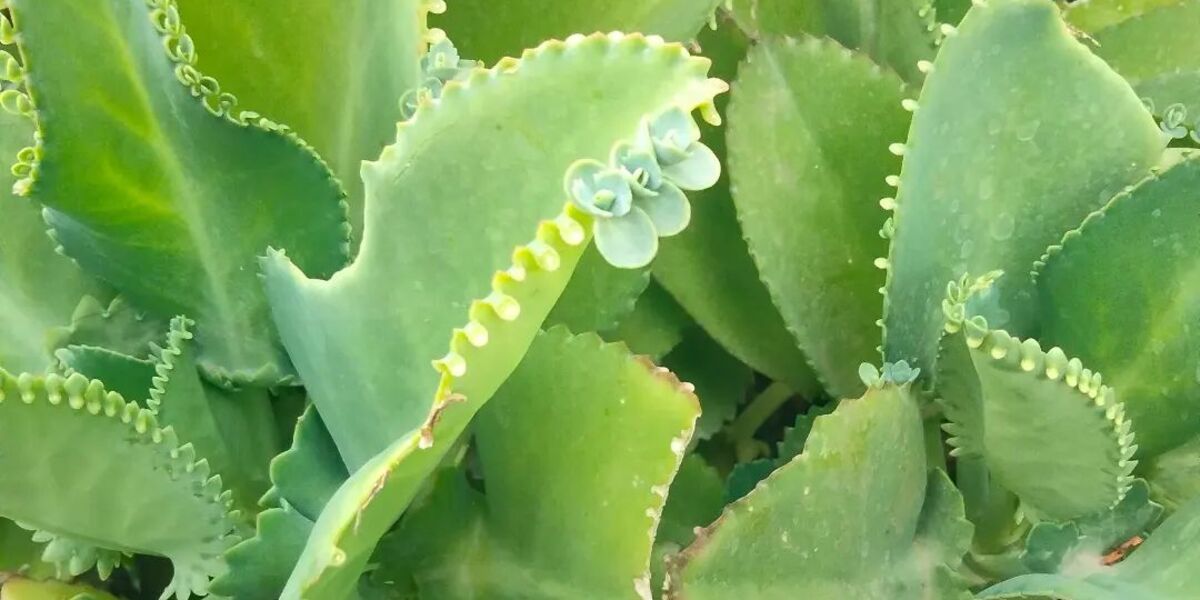
Kalanchoe, a stunning and adaptable succulent plant, is admired not only for its ornamental beauty but also for its strong Read more

Caring for orchids, known for their exquisite and delicate nature, involves a precise approach to hydration. Orchids differ from typical Read more

Excessive moisture within a house can arise due to capillary action, infiltration, or the phenomenon of condensation. The latter is Read more

Wild Medicinal Plants: Harnessing the Hidden Virtues of Earth’s Greenery In the wilderness of our environment—ranging from the expanse of Read more
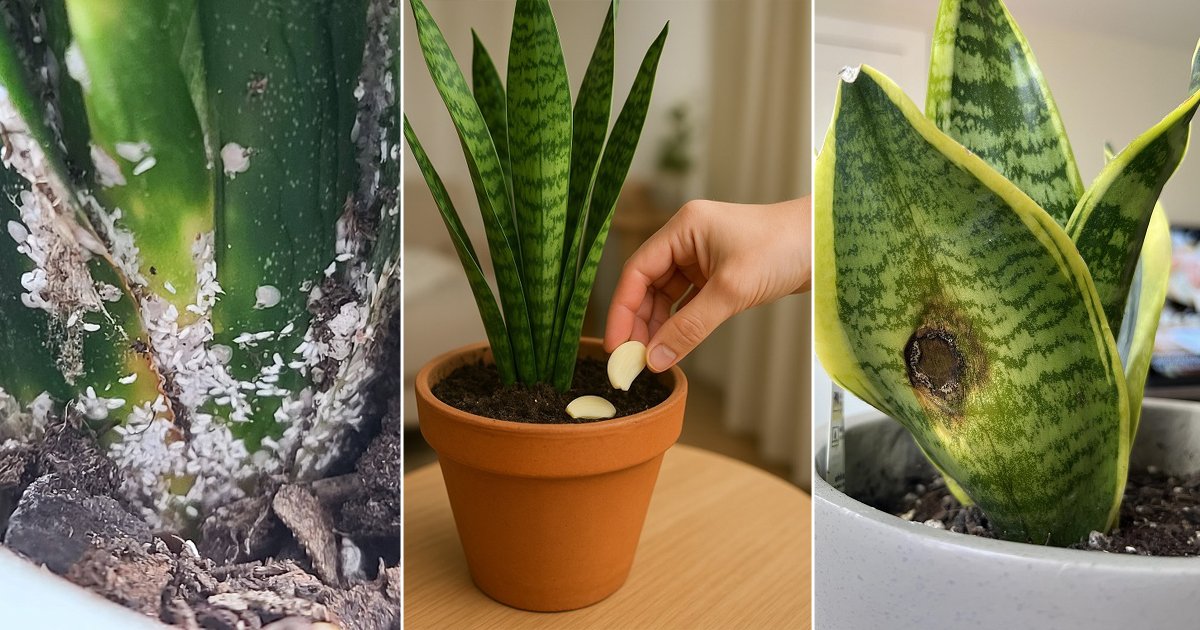
Discover how a simple kitchen ingredient can effectively repel pests, combat diseases, and promote healthier growth in your plants. Snake Read more

Transforming Garlic Peels into Gold for Gardeners: In the rhythm of kitchen prep, garlic peels are often discarded without a Read more
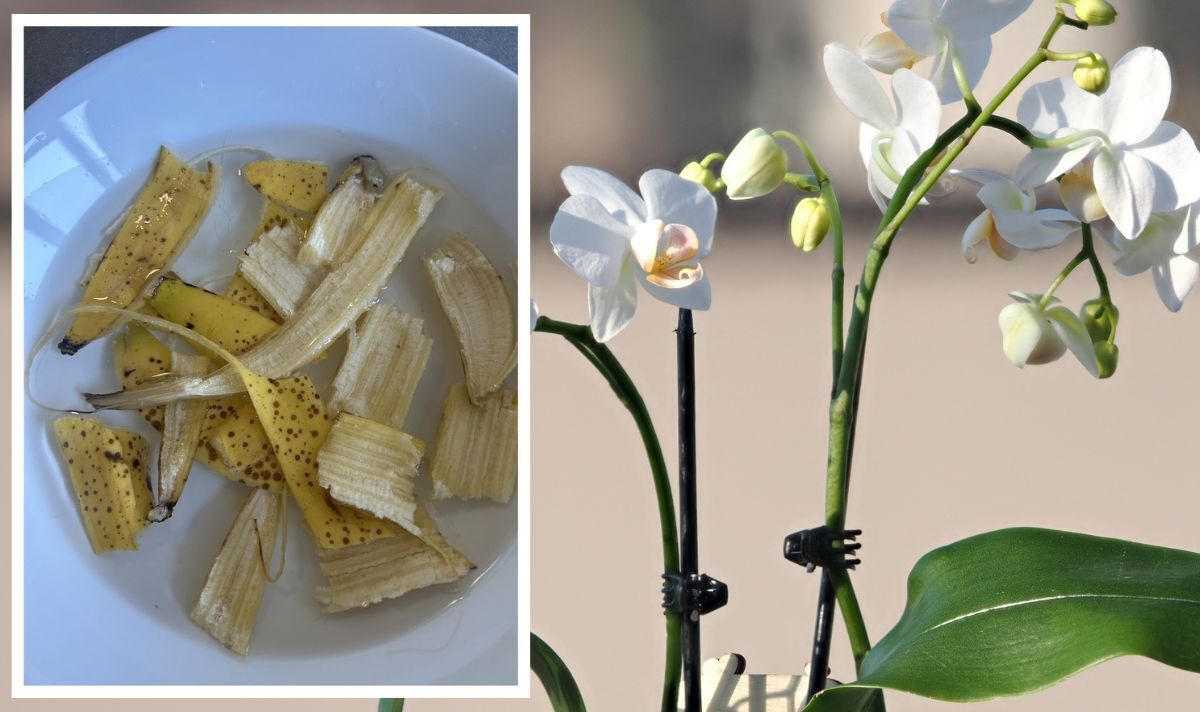
Orchids rank among the most exquisite houseplants cherished by many, yet they are often recognized for their delicacy and their Read more
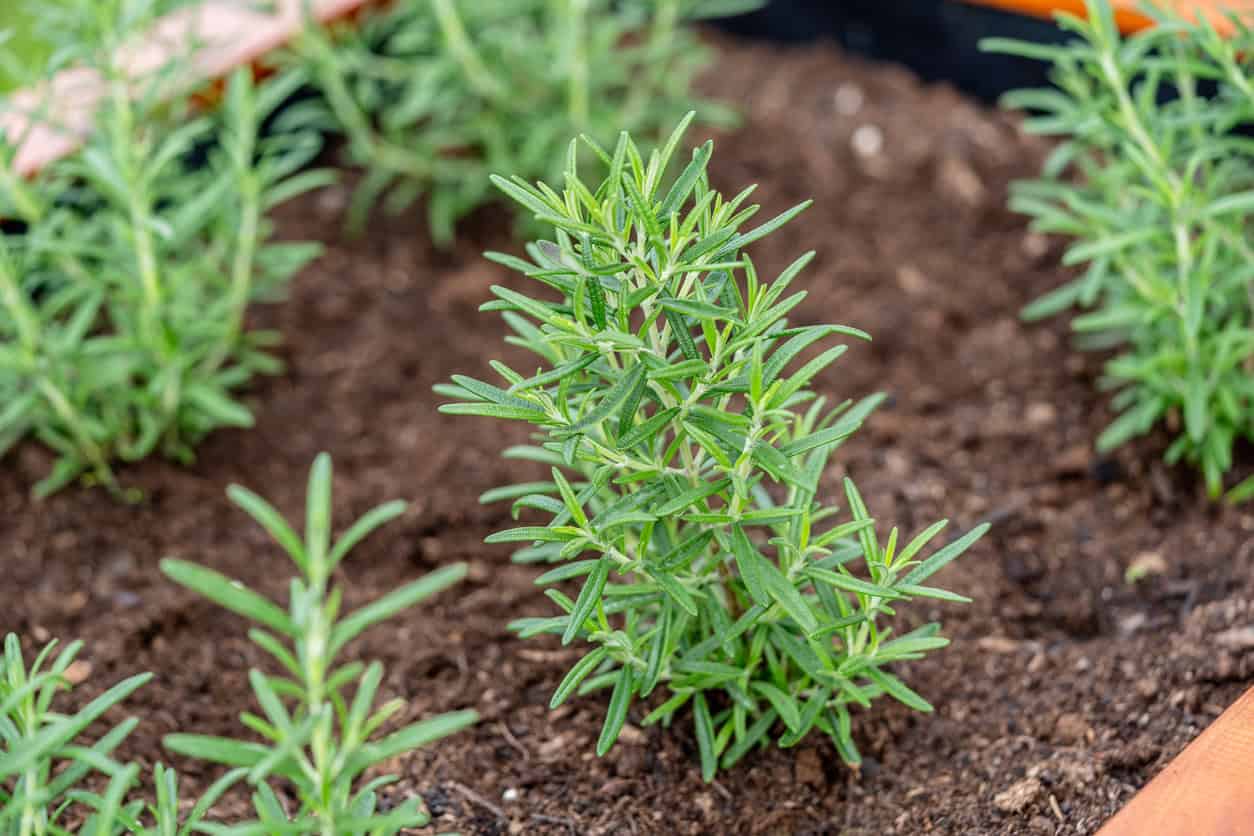
Rosemary is incredibly resilient... truly very robust! If you have ever had the unfortunate experience of adding too much to Read more

The Curious Case of Tomato Slices: A Journey from Kitchen Scrap to Sprout As someone always game for a gardening Read more
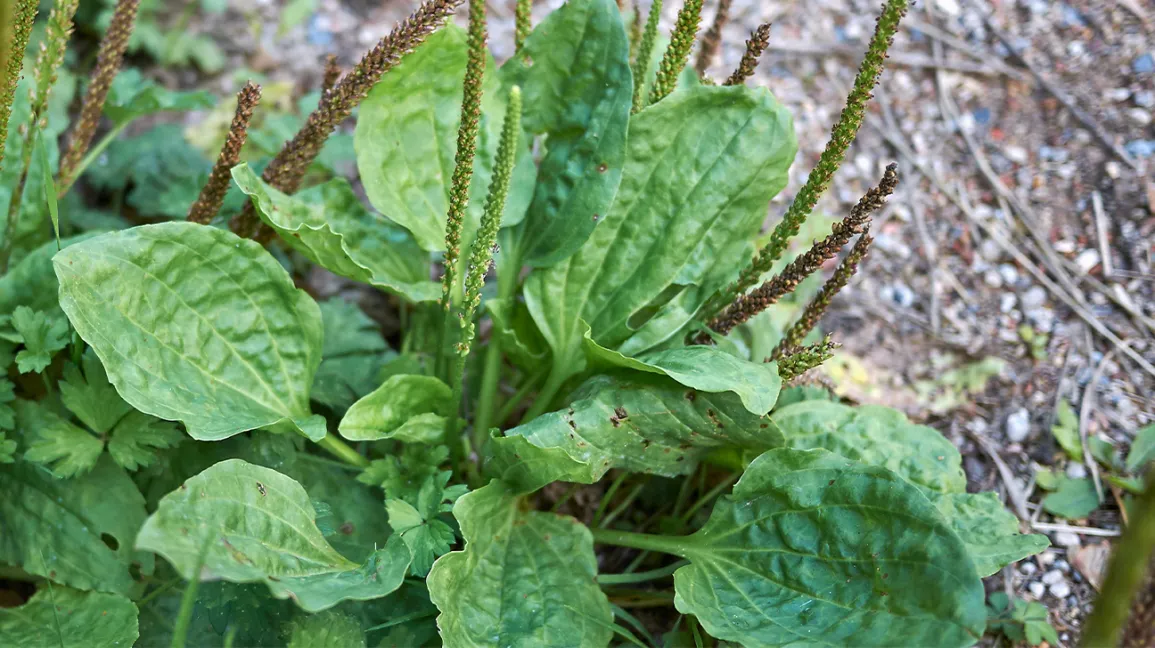
Nature provides us with countless remedies in the form of wild medicinal plants, surrounding us everywhere we go. These healing Read more

Orchids, celebrated for their intricate beauty and variety, need particular attention for optimal growth. In the realm of orchid care, Read more
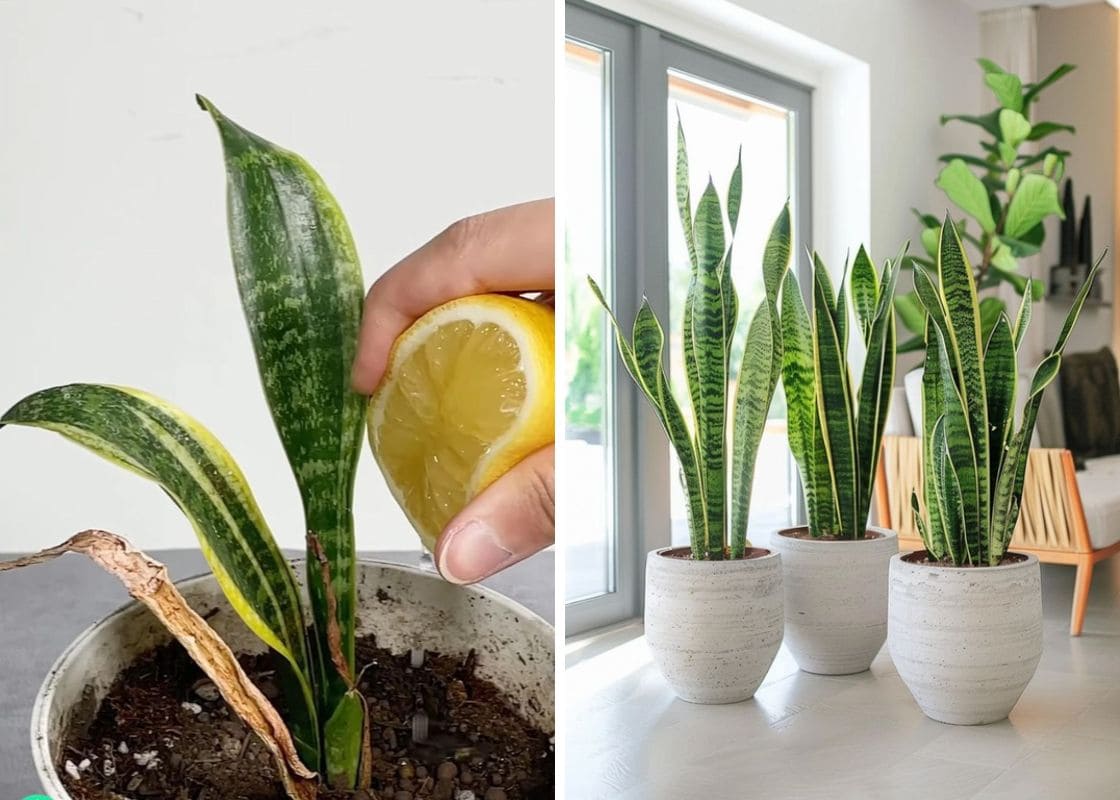
Snake plants are renowned for their resilience, often considered nearly indestructible. They can withstand missed waterings, low light conditions, and Read more
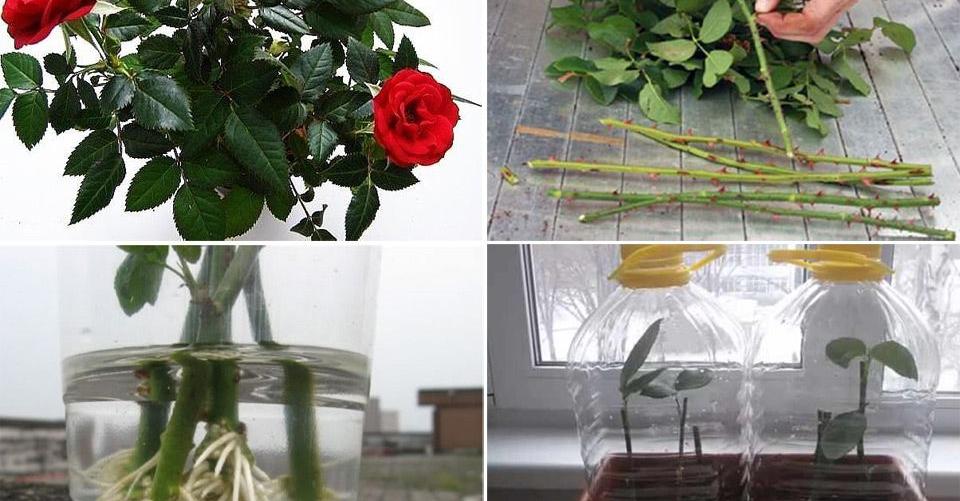
Florists and rose lovers alike understand that the allure of roses need not be ephemeral. It is entirely possible to Read more

Have you ever noticed how a tomato freshly picked from your garden tastes far superior to one bought off a Read more

Different perspectives exist on various aspects of nature, and this holds true for the dandelion, often dismissed as a mere Read more
