

If You Chose Number 1: Intensity and the Urge to Act
Symbolically, this choice expresses a strong need to intervene immediately when a problem arises. On a personal level, this profile corresponds to those who express their emotions through their actions. When a loved one is going through a period of sadness, these individuals do not merely stand by as passive observers. They instinctively seek to protect, support, and find a solution. Their tenderness often reveals itself through an unexpected phone call, a surprise visit, or the willingness to pause their own routine in order to dedicate time to the other person. The main challenge here is learning to understand that not every suffering requires an instant reaction. Sometimes, the person by your side simply wants to be heard, without anyone rushing to fix the problem right away. The essential question to consider is: can you fully listen before trying to repair? This interpretation remains symbolic: throwing water on a flaming pan is dangerous and should never be imitated.
If You Chose Number 2: Trust Built on Consistency
The second choice represents a thoughtful and attentive approach to human relationships. In intimacy, this profile values consistency above all else. A promise kept, respectful communication, and the feeling that you can count on someone often mean much more than a passionate declaration. You might recognize yourself in the habit of gradually revealing your feelings. First, you observe, then you slowly grow your trust, and once you feel safe, you allow glimpses of your more private world to show. An important point to watch is not to wait for everything to be perfectly clear before showing affection. A relationship also requires an element of uncertainty and vulnerability. Something to reflect on: does the person you love truly know what you feel, or do they have to guess?
If You Chose Number 3: Spontaneity and the Search for Lightness
The third choice highlights spontaneity. When in a couple, this profile appreciates simple closeness without excessive formality. A lively conversation lasting until dawn, a well-timed joke, or an impromptu outing are all ways to create connection. You may identify with someone who tries to ease tension with humor. Making the other person smile can be a way of saying, “I am here, with you.” But this pursuit of lightness has its limits. When the subject is sensitive, quickly reducing it to a joke can make the other person feel unheard or misunderstood. The reflection you need to make is: do you use humor to build connection, or to avoid difficult conversations? In the real context of the image, simply blowing air will not extinguish a fire.
If You Preferred Number 4: Attention and Emotional Commitment
This option symbolizes a person deeply involved in their surroundings. In intimate relationships, this profile picks up on subtle mood shifts, notices the absence of small gestures, and pays close attention to tone nuances and genuine presence. Their tenderness expresses itself through everyday attentions: remembering a detail mentioned by the other, asking how an important meeting went, or sensing that a silence carries a different message. The challenge is not to carry the emotional burdens of those you love alone. Being there for the other should not mean sacrificing your own needs. It is important to ask yourself: do you take care of yourself with as much attention as you give to others? Waving cloths over flames is not a safe method.
If You Chose Number 5: The Need for Space and Protection
The fifth choice symbolizes a desire to protect oneself in uncomfortable situations. On an intimate level, this profile requires time to build trust and clarify emotions. During a difficult conversation, they might prefer to step away for a few moments before continuing the discussion. When expressed respectfully, this need for space can foster calm dialogue. The problem arises when this pause turns into prolonged silence, leaving the other person uncertain. If this description fits you, it is helpful to distinguish protecting your boundaries from blocking any approach altogether. The reflection to have is: can you ask for space without making the other person feel rejected? It is worth noting that sweeping a pan on fire with a broom is not an appropriate way to extinguish it.
Ultimately, Who Is Acting Correctly in the Image?
Person number 2 embodies the proper response to a small fire contained in a pan: smothering it using a suitable lid. When safely possible, the pan should be completely covered with a metal lid or a heat-resistant dish, then the heat source should be turned off. The lid must remain in place until the pan has fully cooled. Never throw water on the fire or attempt to move the burning pan. If the fire spreads or if you doubt your safety, it is imperative to move away and call emergency services. Identifying the correct response demonstrates an understanding of the situation, but it never serves to judge a person’s intelligence quotient or their behavior within a relationship.
What Can This Exercise Really Reveal?
You may have chosen one number yet fully identify with the description of another profile. This is entirely normal: human complexity far exceeds merely five options. The true value lies in the questions this evokes. Do you openly show your affection? Are you able to listen without interrupting? Can you express what bothers you? Do you respect your own limits as well as those of your partner? More than the number you chose, your answers to these questions will help you better understand your role in intimacy.

Cleaning Grease Off Kitchen Wooden Cabinets: Effective Techniques Removing dirt and embedded grease stains from kitchen wooden cabinets isn't always Read more

Unlocking the Garden Potential of Eggshells: 10 Innovative Applications Eggshells, often seen as fragile protectors of eggs, are also a Read more

Discover the Untapped Potential of Chili Pepper Leaves: Nutritional Powerhouse for Your Health and Kitchen When you think of chili Read more

A Decision Born from Solitude Agnès did not make her decision lightly. For many years, she hoped for more frequent Read more

Garlic's Aromatic Enigma: Its Transformation When Burnt The unmistakable scent of garlic is well-known in kitchens worldwide. Esteemed for its Read more

Unveiling the Secrets of Burning Bay Leaves in Your Home The age-old tradition of burning bay leaves, once prevalent in Read more
Thyme is known by some as the "enemy of toxins," a reputation that dates back to stories from ancient Greece. Read more

Much More Than Just a Decorative Element The presence of multiple pillows on a hotel bed is far more than Read more

Restore the Shine to Your Dull Leather Whether it’s worn-out shoes, tired leather bags, or a sofa that has lost Read more

Inheritance in France: A Protected Share, Untouchable Even in Cases of Conflict In France, there is a fundamental legal principle Read more

An Enigmatic Capsule: Description and Speculations At first glance, this small brass capsule, lightweight and perfectly airtight, appears ordinary. Yet Read more

How Long Should You Warm Up Your Vehicle During Winter? Contrary to a widely held belief, only 30 seconds are Read more

Silica gel packets are frequently included in the packaging of electronics, clothing, and many other products. These small sachets contain Read more

Datura stramonium, commonly known as Jimson weed, thorn apple, or devil's trumpet, is a plant native to North America but Read more

Cultivating veggies and herbs indoors is more than just a productive task; it's a delightful and aesthetic journey. The magic Read more
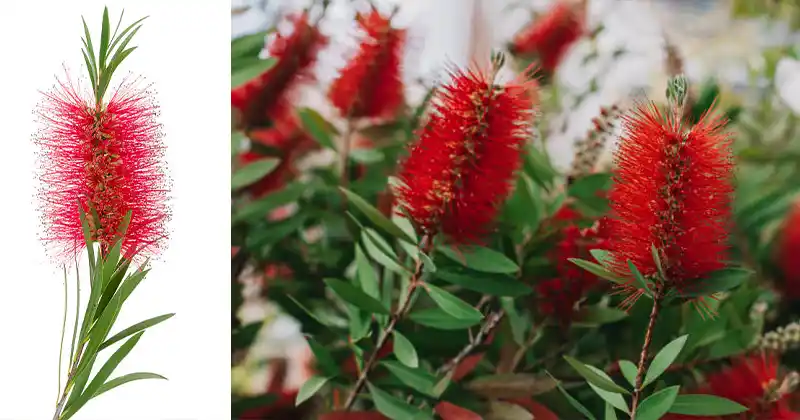
The Hidden Power of Bottlebrush: 15 Benefits and Easy Homemade Uses Nature often hides extraordinary healing power in plain sight—and Read more
The Multifaceted Benefits of Spices and Herbs Throughout history, a wide variety of spices and herbs have been cherished not Read more

These tiny parasites can send shivers down your spine just by mentioning them. Whether on your skin or that of Read more

A Story of Love, Trust… and Betrayal Everything seemed to come straight out of a fairy tale. At just 15 Read more

Mimosa Pudica, commonly known as the “Sensitive Plant” or “Touch-Me-Not,” is famous for its unique reaction to touch—its leaves fold Read more

When a Drawer Holds Much More Than Mere Odds and Ends Like many others, my initial reaction upon seeing these Read more

A Morning Filled with Strangeness That morning, the countryside was still wrapped in calm and tranquility. As she followed the Read more
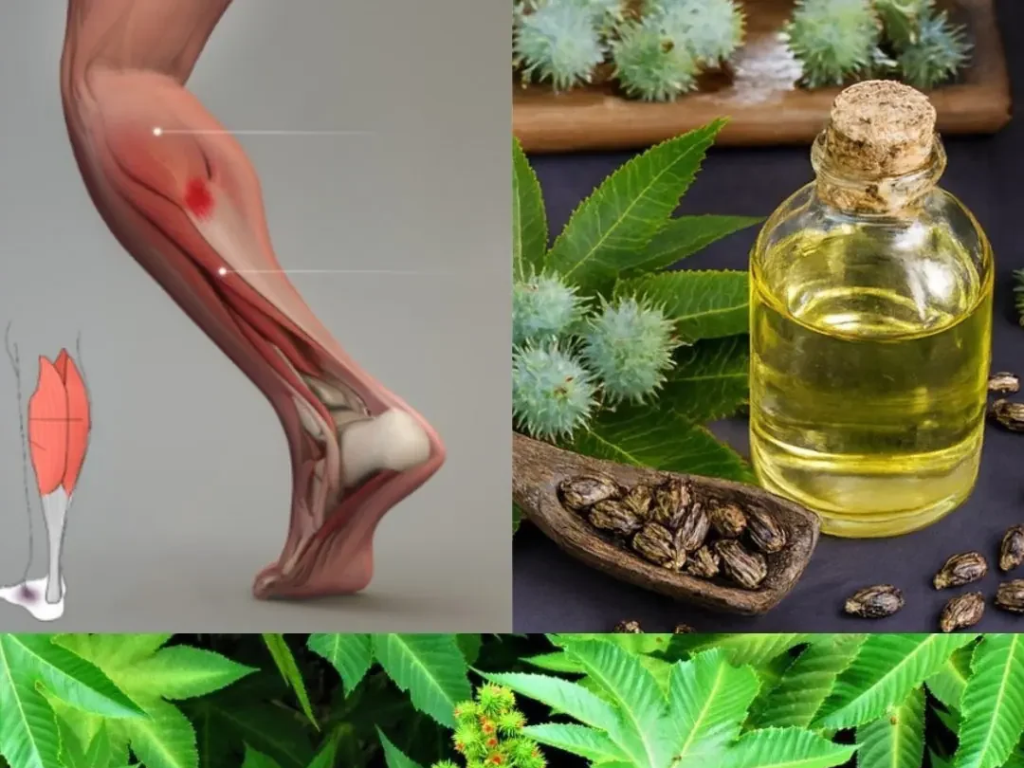
Castor Leaves: A Natural Treasure to Rediscover Used for centuries in traditional medicines around the world, castor leaves are experiencing Read more

Horseweed (Erigeron canadensis): 20 Amazing Benefits and How to Use It Horseweed, also known as Erigeron canadensis or Canadian fleabane, Read more

The Risks Associated with Excessive Screen Exposure Prolonged exposure to screens can have serious consequences on the overall development of Read more

The Amazing Benefits of Sumac and How to Use It Sumac is more than just a flavorful spice—it’s a powerful Read more

Unwanted Houseguest: The Fly The fly is arguably the most disliked insect on Earth, primarily due to its bothersome traits. Read more
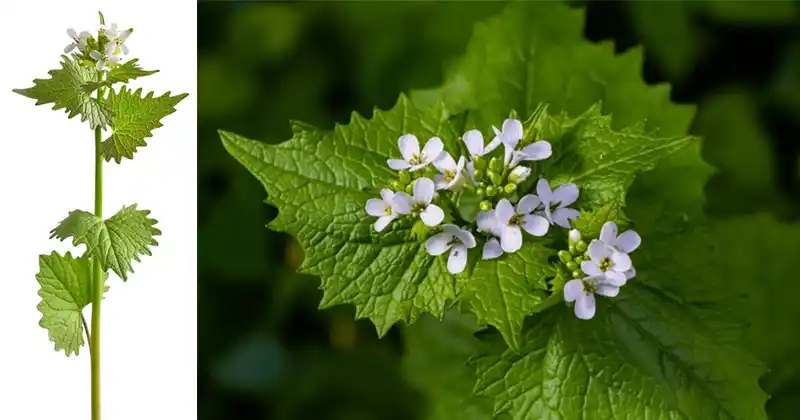
Garlic Mustard (Alliaria petiolata): 20 Surprising Benefits and Homemade Uses Garlic mustard (Alliaria petiolata) is often dismissed as a stubborn Read more

Airport staff and baggage handlers have an in-depth understanding of the behind-the-scenes processes involved in handling luggage. Today, they share Read more
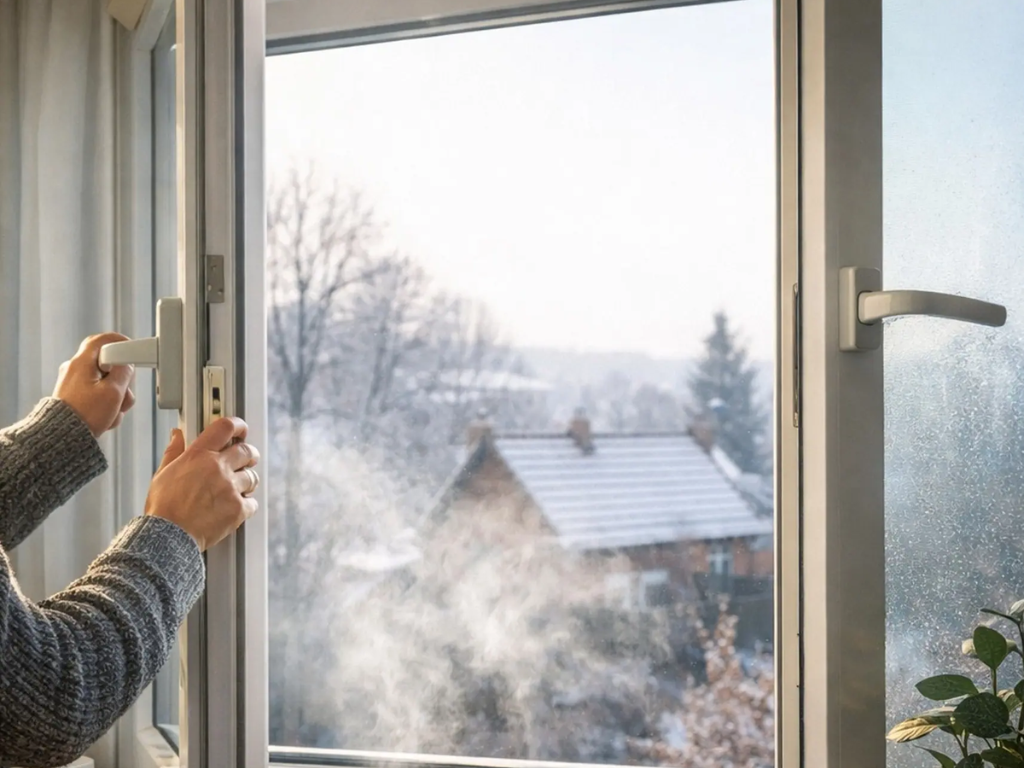
Why Ventilating in the Morning Can Harm Indoor Air Quality During Winter On a chilly winter morning, the outdoor air Read more

In the realm of gardening, we often stick to traditional methods like basking in sunlight, diligent watering, and soil enriched Read more

Rice Water and Baking Soda: A Surprising Duo to Unclog Your Drains Few people realize that the water used to Read more
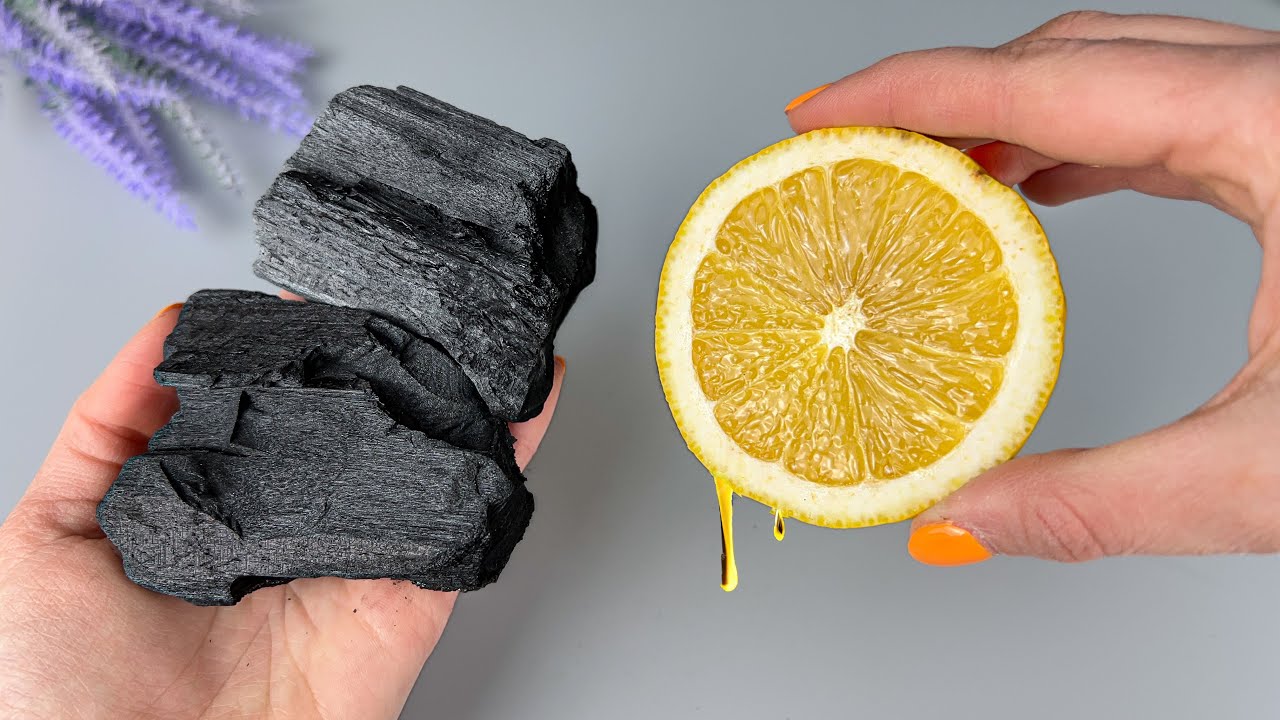
Combining lemon with charcoal may initially seem unusual, yet this potent duo unites the cleansing qualities of activated charcoal with Read more

Creating a fresh and inviting atmosphere in your kitchen doesn't require expensive air fresheners or synthetic scents. With just a Read more

Why Does the Plastic of a Washing Machine Yellow Over Time? Over the years, it is common to notice that Read more

A Walk That Sometimes Holds Unexpected Surprises After a walk, it is common to find our dog with muddy paws, Read more

Tomatoes, a staple in kitchens worldwide, are loved for their versatility and rich flavor. However, their perishable nature often leads Read more

When a Simple Pistachio Shell Takes on the Appearance of a Monster It all begins with the desire to clean Read more

Metal Plates: An Ingenious Solution to Daily Wear and Tear At the beginning of the 20th century, shoes were not Read more

Faced with increasingly harsh industrial detergents, consumers are turning back to traditional products that are healthier and have long proven Read more
