

Whether in a sandwich, as an appetizer, or in a salad, hard-boiled eggs adapt perfectly to many everyday dishes. If you enjoy this cooking method, you may have already noticed a green ring forming around the yolk. Do you know what this indicates? Is it safe to eat hard-boiled eggs with this greenish ring? We will explain everything to you.
When you need to quickly satisfy hunger or grab a bite on the go, preparing hard-boiled eggs is an ideal alternative to frozen meals or highly processed foods that we sometimes resort to for convenience in the kitchen. Nutritionally rich and flavorful, eggs offer numerous health benefits and can be enjoyed in various forms. Before explaining the meaning behind the green ring sometimes present on hard-boiled egg yolks, let’s review their advantages for the body.
What Are the Benefits of Eggs?
Whether eaten at breakfast or during any other meal of the day, eggs are packed with nutrients that promote good health. They are rich in B vitamins which stimulate brain function and enhance concentration and memory. Additionally, eggs provide zinc, iron, magnesium, and phosphorus—essential minerals that contribute to maintaining strong and healthy bones.
This ally in weight management also represents an excellent source of protein. With low calories, eggs can easily be incorporated into many diets aimed at healthy weight loss, while also promoting a feeling of fullness during meals. It is also worth noting that eggs contain a significant amount of lutein, an important antioxidant for eye health.

What Does the Green Ring Around the Hard-Boiled Egg Yolk Mean?
Contrary to what many might think, the green ring surrounding the yolk of hard-boiled eggs poses no health risk. In reality, it simply means that the eggs were cooked for too long! This greenish layer, which can sometimes appear black, results from the oxidation of iron found in the yolk when it comes into contact with hydrogen sulfide produced during the cooking of the egg white. Therefore, the egg remains perfectly safe to eat despite this somewhat unappetizing ring.
You may also notice a color change if the egg was cut or peeled too long before eating, slightly darkening the yolk. To avoid this, it’s best to cool the egg promptly in cold water and peel it just before eating.
How to Boil Eggs to Perfection?
To prepare hard-boiled eggs without them cracking or sticking to the shell, there are some handy tips to follow. The thermal shock that occurs when eggs are placed directly in hot water can cause them to crack during cooking. It is therefore preferable to remove the eggs from the refrigerator about an hour before boiling. A grandmother’s trick is to add a few drops of white vinegar to the water to help prevent shells from breaking.
Once ready, bring the water to a boil. Then gently lower the eggs into the pot and let them simmer for 9 to 10 minutes if you want them fully cooked. Those who prefer slightly less cooked eggs may choose to cook them for 8 minutes. It’s important not to exceed 11 minutes to avoid the yolk crumbling and the white becoming unpleasantly textured.
When the cooking time is up, immediately remove the eggs from the hot water and immerse them in cold water. You will then be ready to peel them and prepare a healthy breakfast or delicious deviled eggs.
To avoid guessing cooking times, remember the 3-6-9 rule: 3 minutes for soft-boiled eggs, 6 minutes for medium-boiled eggs, and 9 minutes for hard-boiled eggs!

Grease buildup on kitchen cabinets is a widespread issue that many homeowners encounter. Frequent cooking results in grease splatters that Read more

Cultivating veggies and herbs indoors is more than just a productive task; it's a delightful and aesthetic journey. The magic Read more

How to Detect Hidden Cameras in a Hotel Room? Hidden cameras can be disguised within seemingly harmless objects, including hotel Read more

How to Make Powerful Super Glue from Styrofoam: The Hidden Chemistry Behind This Viral Trick In a world where DIY Read more

The Multifaceted Benefits of Spices and Herbs Throughout history, a wide variety of spices and herbs have been cherished not Read more
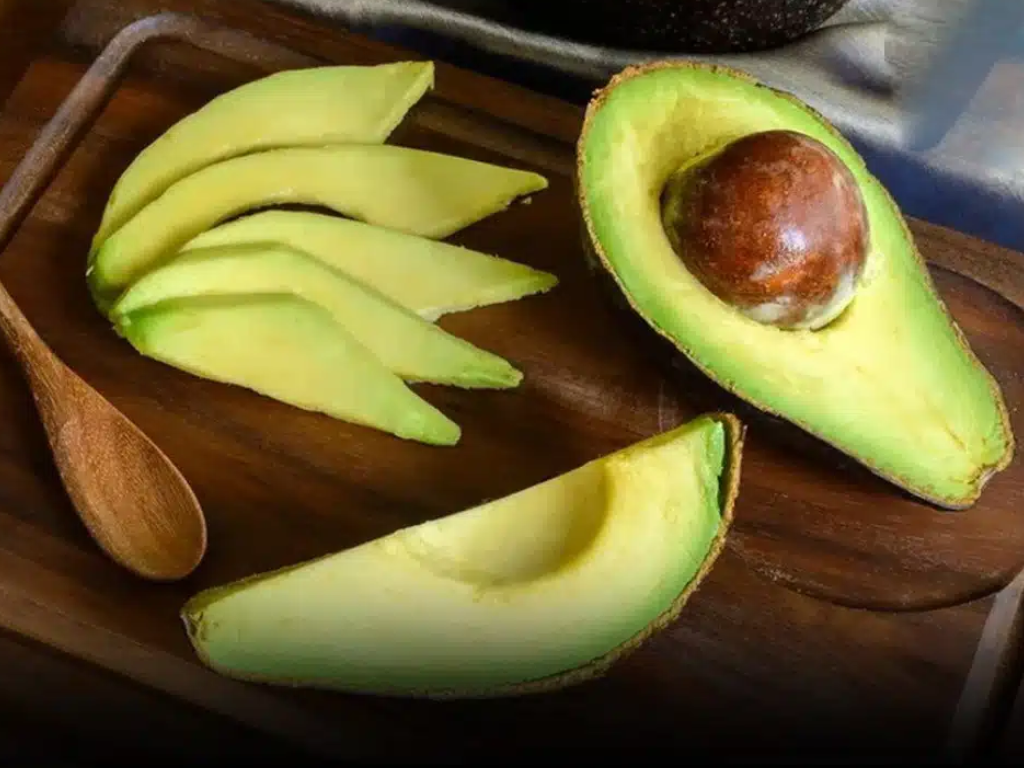
Individuals with Allergies or Sensitivities If you suffer from allergies, it is important to be cautious with avocado! This fruit Read more

How can a simple homemade mixture really help make your teeth whiter? Here is the secret that has already captivated Read more

Faced with increasingly harsh industrial detergents, consumers are turning back to traditional products that are healthier and have long proven Read more

The Spool of Thread: A Silent Relic of a Bygone Era Let us take a moment to journey back to Read more

Cleaning Grease Off Kitchen Wooden Cabinets: Effective Techniques Removing dirt and embedded grease stains from kitchen wooden cabinets isn't always Read more

From Military Origins to Artistic Expression Originally, the twirling baton was primarily a tool designed to organize military marches and Read more

Sweet Violet (Viola odorata): 25 Incredible Benefits & How to Use It Sweet violet (Viola odorata), also known as wood Read more
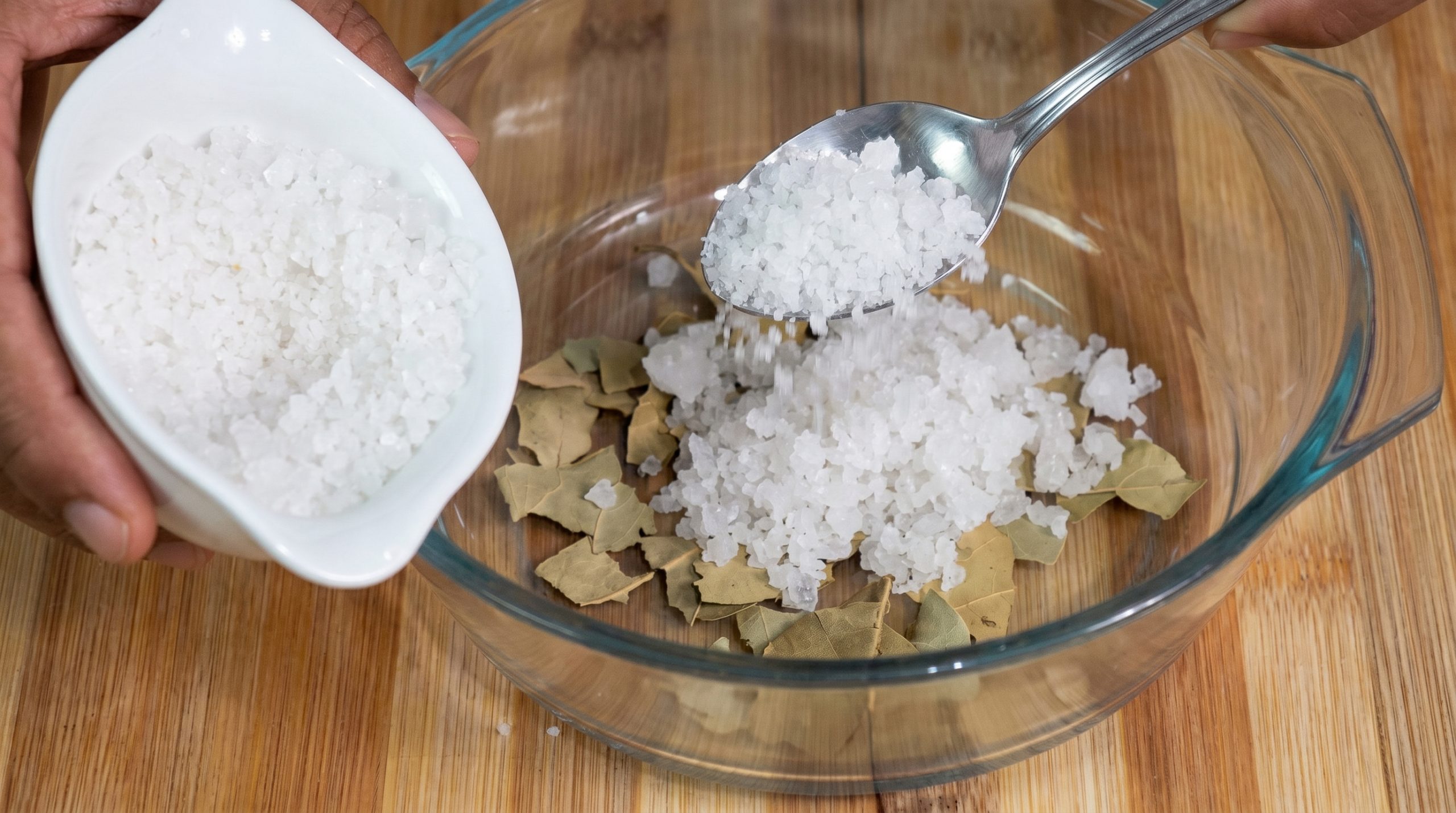
For centuries, the bay leaf has stood as a symbol of protection, wisdom, and soothing comfort. Salt, by contrast, represents Read more

What Is the Purpose of the Overflow Hole in a Sink? The small, often overlooked hole located near the edge Read more

The ingenuity of Swedish furniture design, particularly evident in the flat-pack phenomenon, has transformed how we furnish our homes with Read more

10 Secrets You Need to Know Before Eating Okra Okra, also known as “lady’s finger,” is a green, pod-shaped vegetable Read more

Red Clover: 15 Amazing Benefits and How to Use This Healing Herb Red clover (Trifolium pratense) is more than just Read more
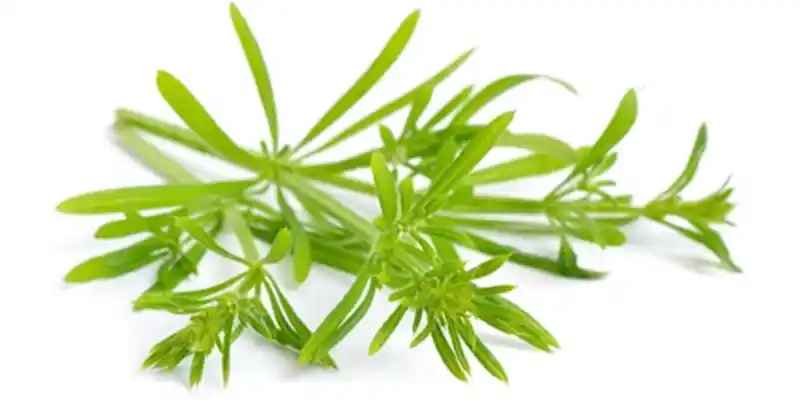
Cleavers (Galium aparine): The Herbal Remedy for Detox and Lymphatic Health Cleavers, also known as Galium aparine, is a humble Read more

This heartbreaking story touched millions of internet users. After a long eight months of disappearance, a dog finally reunited with Read more

Who among us would like to live in a stifled and dirty home, where unpleasant cooking odors and impurities invade Read more
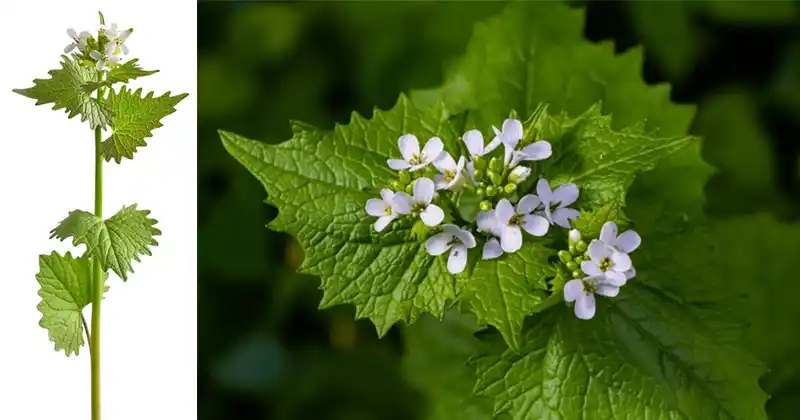
Garlic Mustard (Alliaria petiolata): 20 Surprising Benefits and Homemade Uses Garlic mustard (Alliaria petiolata) is often dismissed as a stubborn Read more
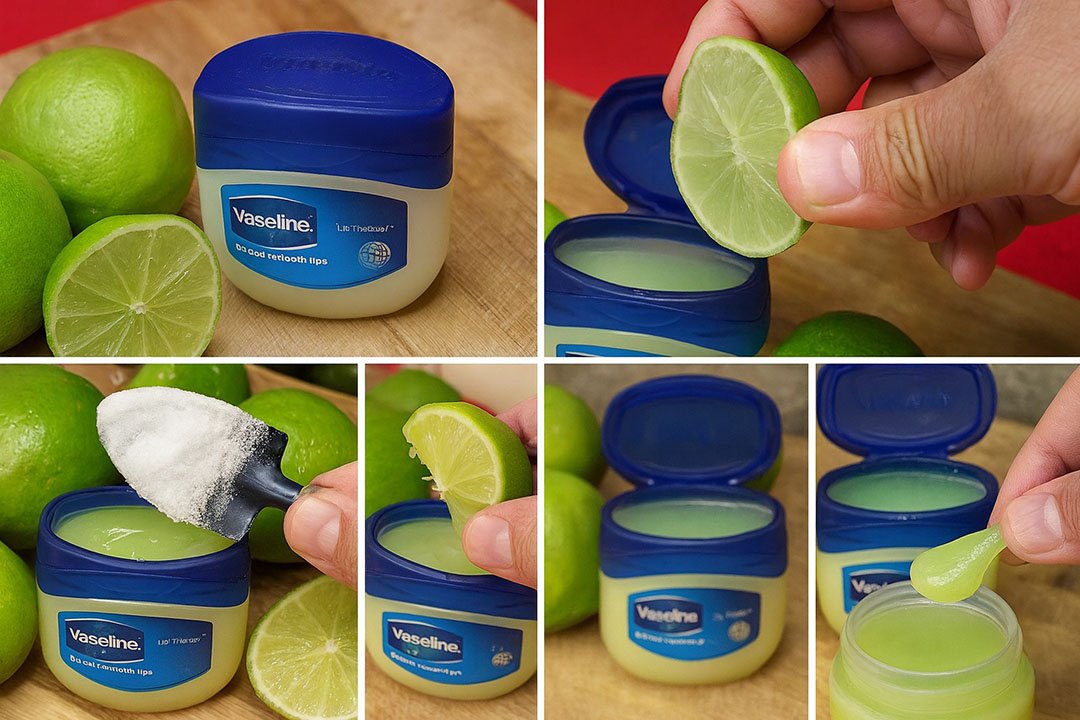
Imagine a remedy so simple that you likely already have it in your home. A homemade mixture capable of enhancing Read more

Ageratum conyzoides, commonly known as Billygoat Weed or Goatweed, is a flowering plant native to tropical regions of the Americas Read more
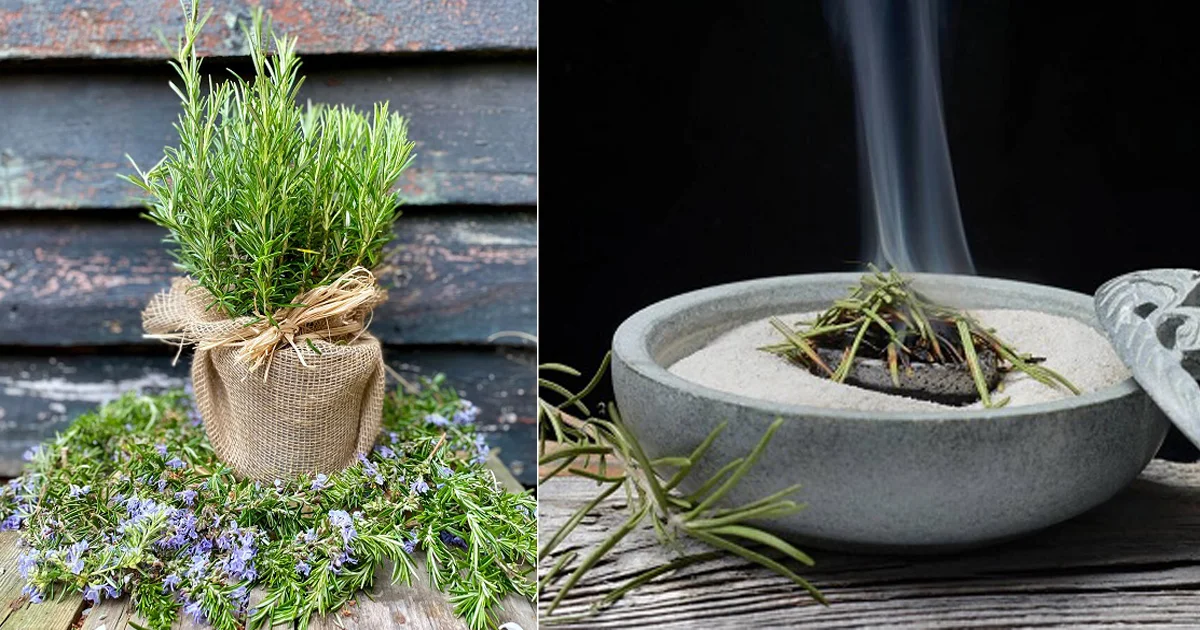
Rosemary, scientifically identified as Rosmarinus officinalis, is widely recognized not only for its role in cooking but also for its Read more

The Art of Container Flower Combinations Designing with flowers in pots is a delightful blend of horticulture and floral design. Read more
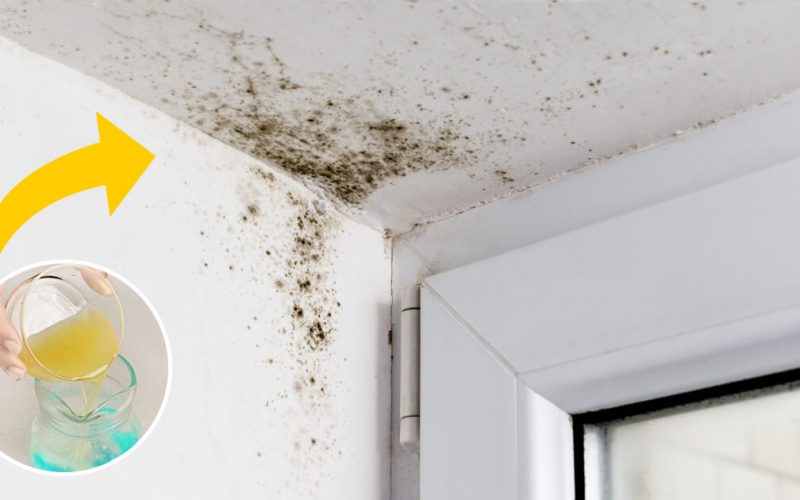
Often, due to poor ventilation or certain climatic conditions, dreaded mold can develop on the walls of our homes. In Read more

How to Reuse Soap Scraps: Ingenious Ideas Soap bars, after several uses, become tiny and almost unusable. Many of us Read more

Shepherd’s Purse (Capsella bursa-pastoris): A Medicinal Herb with Powerful Benefits Shepherd’s Purse, known botanically as Capsella bursa-pastoris, is a small, Read more

Most people discard avocado seeds without giving them a second thought, but this often-overlooked component of the fruit is actually Read more
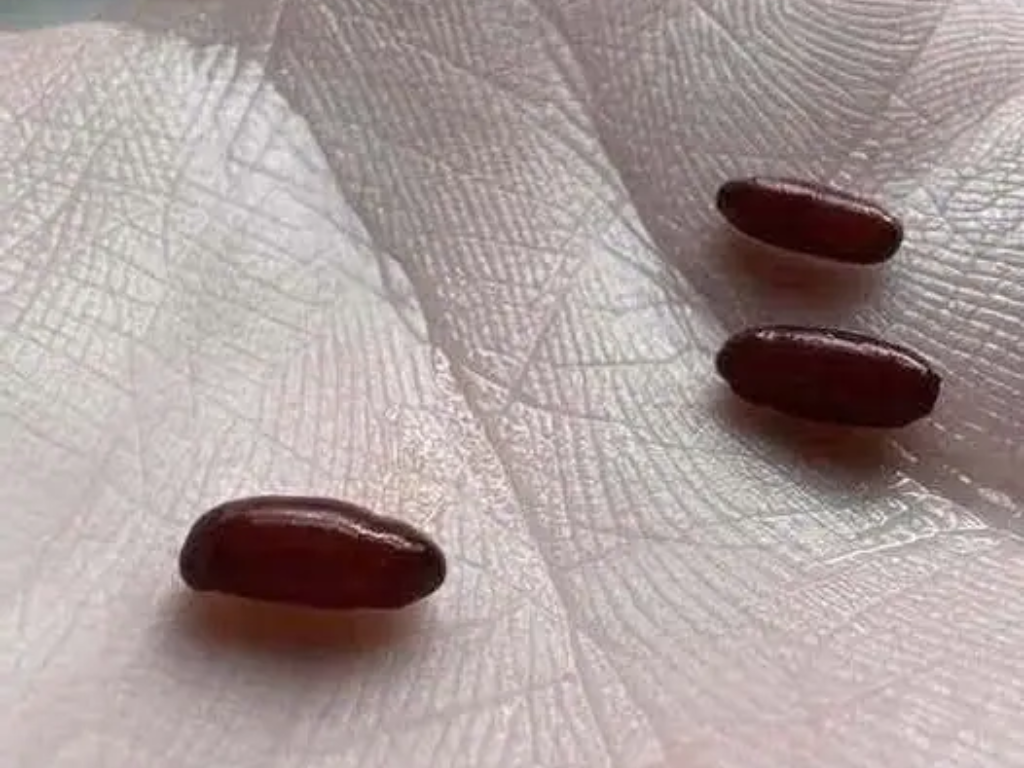
Diseases Transmitted by Ticks When we talk about ticks, Lyme disease immediately comes to mind, and for good reason. However, Read more

Throughout our journey in history, the bond between humanity and nature has been inseparable, providing not only sustenance but also Read more

Inheritance in France: A Protected Share, Untouchable Even in Cases of Conflict In France, there is a fundamental legal principle Read more
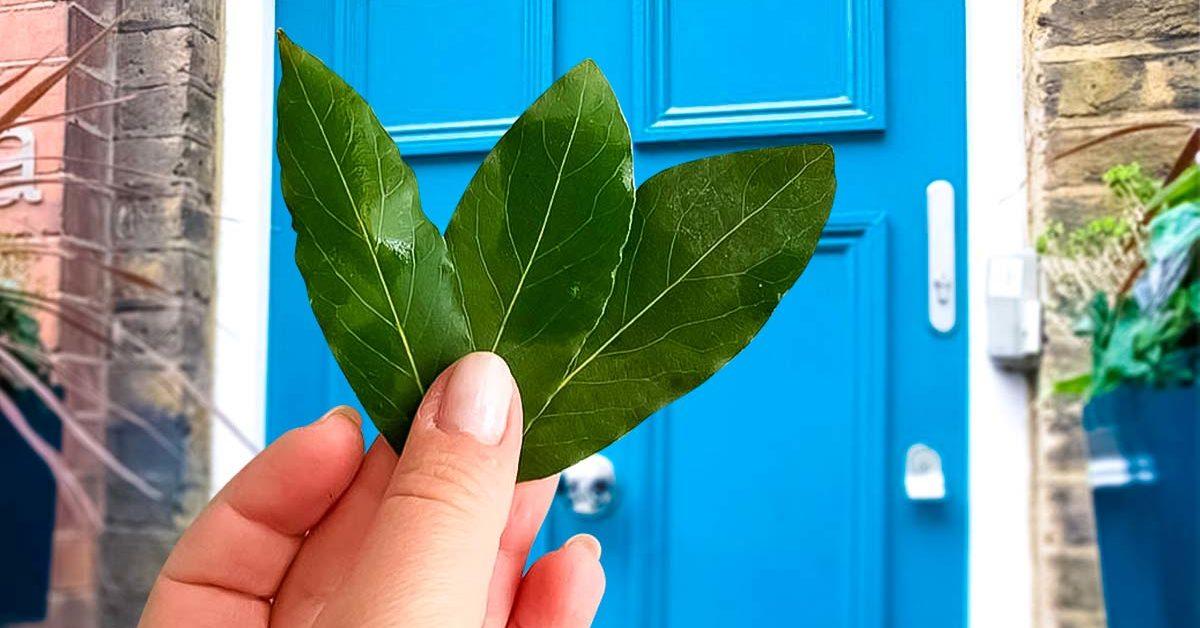
Bay leaves extend far beyond their mere role as a culinary seasoning or festive decoration. This ancient plant plays a Read more
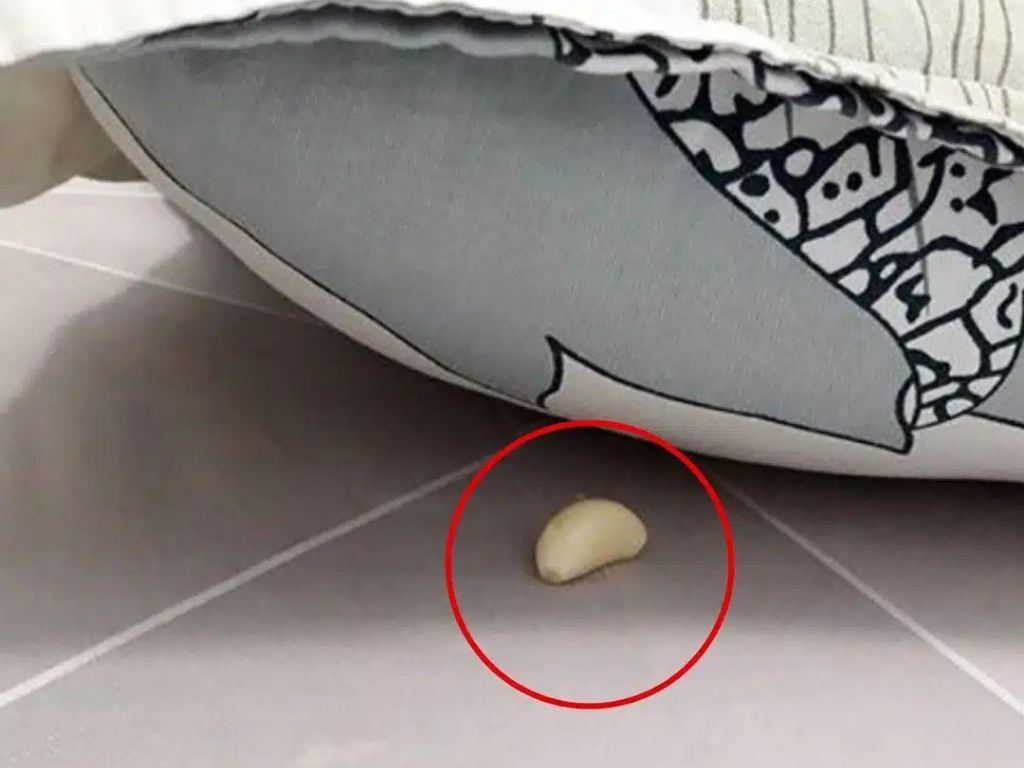
Garlic: An Ancient Remedy for Better Sleep Since ancient times, garlic has been recognized not only as an essential culinary Read more

This content is for informational purposes only. For medical advice or diagnosis, please consult a professional. Most people recognize aloe Read more

The Secondary Microphone: A Filter Against Noise Pollution Most modern smartphones incorporate multiple microphones, including a secondary one often hidden Read more

That evening, as Thomas crossed the threshold of his expansive home, he never expected to experience a moment of tenderness Read more
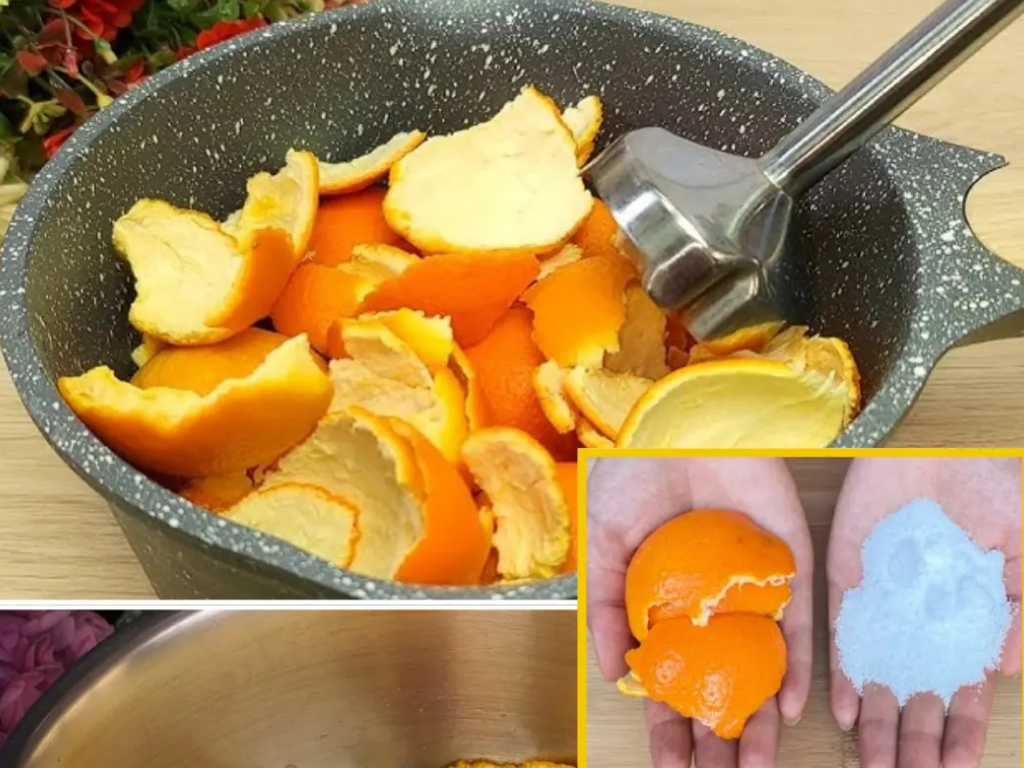
A True Natural Concentrate of Vitality Orange peel is naturally packed with beneficial components widely recognized for their role in Read more

Perfumed Tissues: An Easy DIY Technique The Joy of Scented Tissues: Paper tissues are handy in daily life. While some Read more

When "Need" Takes on a Whole New Meaning For a long time, having a woman in a man’s life was Read more
