

Lactuca serriola, commonly known as prickly lettuce, is a plant that often goes unnoticed, dismissed as a mere weed. However, hidden beneath its spiky exterior lies a rich history of medicinal use and nutritional value. This article aims to shed light on the myriad properties of prickly lettuce, its applications, and even some recipes to help you harness its benefits.
1. Overview of Lactuca Serriola (Prickly Lettuce)

Origins and Identification:
Native to Europe and Asia, prickly lettuce has now spread across many parts of the world. It is easily identified by its tall, slender stature, bluish-green leaves adorned with prickly edges, and small yellow flowers.

Historical Context:
Historically, prickly lettuce was esteemed by the ancient Egyptians and Greeks for its sedative properties and was often used in traditional medicines.
2. Medicinal and Nutritional Properties

Lactucarium:
The milky sap, or lactucarium, found in prickly lettuce has been dubbed “lettuce opium” because of its mild sedative and analgesic properties.
Nutritional Content:
Though not as popular as its cultivated lettuce cousins, prickly lettuce is still a source of vitamins and minerals, including vitamin A, vitamin K, and iron.
Antioxidant Properties:
Some studies suggest that prickly lettuce has antioxidant properties which can combat free radicals in the body, promoting overall health.
3. How to Harvest Wild Lettuce

It’s best to harvest young leaves for culinary uses, as older leaves can be bitter. For medicinal uses, the plant’s sap or lactucarium can be harvested by making a small incision on the stem.
4. How to Use Prickly Lettuce

Medicinal Uses:
The sedative properties of prickly lettuce have been traditionally used to treat insomnia and anxiety. It can be used in tinctures, teas, or poultices.
Culinary Uses:
Young leaves can be added to salads or cooked similarly to greens. The stems can be boiled or stir-fried.
Precautions:
As with any wild plant, it’s essential to be confident in your identification skills to avoid consuming potentially harmful lookalikes. Furthermore, always consult with a healthcare professional before using prickly lettuce or any other plant for medicinal purposes.

5. Initial Plant Preparation
After collecting your plants, they can either be dried for extended storage or utilized immediately in their fresh state. Both approaches have their merits, although I do lean towards one over the other.

Before proceeding with either method, I always remove the leaves. I’ve experimented with incorporating the stems into my extract, but found them to be more hassle than they’re worth for drying and breaking down. That said, if you own an exceptionally powerful blender, you might find the process more manageable.

Removing the leaves is a breeze. I grasp the plant and glide my hand against the direction of its growth, and the leaves detach seamlessly. However, mature plants sometimes grow secondary stems, making this process slightly more time-consuming. This is one reason why I opt for younger plants.
Diving Right in with Fresh Plants
If you’re keen to begin with fresh plants, blend the leaves with a sufficient amount of potent alcohol (I use 190 proof) to achieve a smooth consistency. Minimizing the leaf size maximizes the surface for quicker extraction.
At this point, you’ve essentially crafted a wild lettuce tincture. I let it steep, ranging from a few hours to a couple of weeks, stored in a room-temperature jar. Yet, I often favor starting with dried leaves for reasons I’ll outline below.
The Role of Alcohol in Potent Wild Lettuce Extracts

Alcohol plays a pivotal role in the initial extraction. In my trials, I compared wild lettuce extracts made solely with water against those initiated with alcohol and then followed by water. Given that Lactucin (and Lactucopicrin) have a pronounced bitter taste, it can serve as a gauge for potency. Water-only extractions always yielded a milder flavor. Conversely, beginning with alcohol invariably resulted in a strikingly bitter extract, hinting at a stronger potency.
When using dried plants, achieving a high alcohol concentration is straightforward since there’s no water content in the plant. However, fresh plants contribute water, which means you’d need a substantial amount of alcohol to maintain the desired ratio.
Optimal Drying of Wild Lettuce
My go-to drying method employs a dehydrator. Sun drying has occasionally led to a slightly deteriorated end product. In contrast, a dehydrator delivers consistent and vibrant results, retaining the plant’s original hue.

A dehydrator isn’t just beneficial for wild lettuce but a myriad of foraging endeavors. It’s a tool that any forager would find indispensable.
Starting with Desiccated Plants
Post-drying, I pulverize the wild lettuce leaves in a blender.
Measure the resulting crushed wild lettuce. Based on this weight, I add 4-5 times the alcohol quantity and let it steep for a span ranging from a few hours to multiple days.

Sometimes, I introduce mild heat (maintained below 180°F and capped) during this alcohol-infused extraction phase. Although I haven’t definitively gauged its impact on the final extract’s potency, I’ve observed a “gummy” layer form on its surface post-heating, hinting at a more efficient extraction.

Water Extraction with Heat
Following the alcohol-based extraction, water is added, doubling the volume or more. This mixture is then gently heated, hovering around 180°F, with occasional stirring for a few hours, ensuring the lid is kept closed.

The subsequent step involves separating the liquid from the plant residue. A cloth filter effectively squeezes out the liquid. Occasionally, I deploy a potato ricer for added efficiency.

Refining the Wild Lettuce Extract
The initial extract is too dilute for practical use. The solution? Slow evaporation to enhance its concentration, boosting both its strength and preservability.

Maintaining the temperature below 180°F and removing the lid, I allow the liquid to evaporate to approximately 1/8th of its original volume. For those working with a larger vessel, transferring to a smaller container can prevent scorching. You can even shift the solution to a metal bowl and set it in an oven at its lowest possible temperature (~170°F). Patience is key.

Once it reaches a thick, syrupy consistency, you can transfer it to a jar for long-term storage in a fridge or freezer. Alternatively, spread it on silicone pads in a dehydrator, set at around 135°F, for a more resinous end product.


Finishing Touches
This highly concentrated extract can be a bit challenging to administer. To circumvent this, I blend it with alcohol, turning it into a liquid that’s easy to dose and remains shelf-stable.

Dosage Guidelines
For my personal use, I typically opt for 2-3 dropperfuls mixed with water in the evening for its sedative properties. However, dosage might vary based on individual needs and the potency of the particular batch. Always start with smaller quantities and gradually adjust as needed.

Lactuca serriola, or prickly lettuce, is a testament to the fact that nature often hides its most potent treasures in plain sight. Whether you’re intrigued by its medicinal potential, its culinary value, or both, prickly lettuce is undoubtedly a plant worth getting to know better. Always approach its use with caution, respect its history, and it might just find a regular spot in your garden, kitchen, and natural medicine cabinet.

Goldenberries, also known as Physalis or Uchuva, are small, orange-yellow fruits enclosed in a delicate, papery husk. Originating from the Read more

Perfumed Tissues: An Easy DIY Technique The Joy of Scented Tissues: Paper tissues are handy in daily life. While some Read more

A Vibrant Coat, More Than Just a Visual Trait Before delving into the nature of these cats, let us first Read more

Eager to master the art of nurturing a Peace Lily? Known scientifically as Spathiphyllum Wallisii, this enchanting plant is often Read more

Unveiling the Secrets of Burning Bay Leaves in Your Home The age-old tradition of burning bay leaves, once prevalent in Read more

The Benefits of Combining Eggs and Coffee: A Nutritious and Energizing Pair When it comes to starting your day right, Read more

How to Clean a Glass Shower Door Naturally and Keep It Shining Longer Several areas of the bathroom are exposed Read more

Cleaning Grease Off Kitchen Wooden Cabinets: Effective Techniques Removing dirt and embedded grease stains from kitchen wooden cabinets isn't always Read more

Guava is often hailed as a superfruit, but did you know that its leaves also pack an extraordinary punch in Read more
Bull Thistle (Cirsium vulgare): A Wild Plant with Surprising Benefits The bull thistle (Cirsium vulgare) is often dismissed as a Read more
When a Simple Pistachio Shell Takes on the Appearance of a Monster It all begins with the desire to clean Read more
For centuries, Chelidonium majus, commonly known as Greater Celandine, has held a special place in traditional herbal medicine. Recognized by Read more

The Amazing Benefits of Sumac and How to Use It Sumac is more than just a flavorful spice—it’s a powerful Read more

In the realm of gardening, we often stick to traditional methods like basking in sunlight, diligent watering, and soil enriched Read more
Grape Hyacinth (Muscari): A Beautiful Flower You Can Eat – But Only If You Know Which One The grape hyacinth, Read more

How to Make Powerful Super Glue from Styrofoam: The Hidden Chemistry Behind This Viral Trick In a world where DIY Read more

Inheritance in France: A Protected Share, Untouchable Even in Cases of Conflict In France, there is a fundamental legal principle Read more

Are Lilacs Edible? Health Benefits of the Beautiful Syringa Blossoms With their sweet fragrance and delicate clusters of flowers, lilacs Read more

Avocados are celebrated for their creamy texture, rich flavor, and numerous health benefits. While typically enjoyed raw, grilling avocados introduces Read more

Unlocking the Garden Potential of Eggshells: 10 Innovative Applications Eggshells, often seen as fragile protectors of eggs, are also a Read more

Purple Deadnettle (Lamium purpureum): Benefits, Uses & How to Make Tea Often overlooked or mistaken for an ordinary weed, Purple Read more
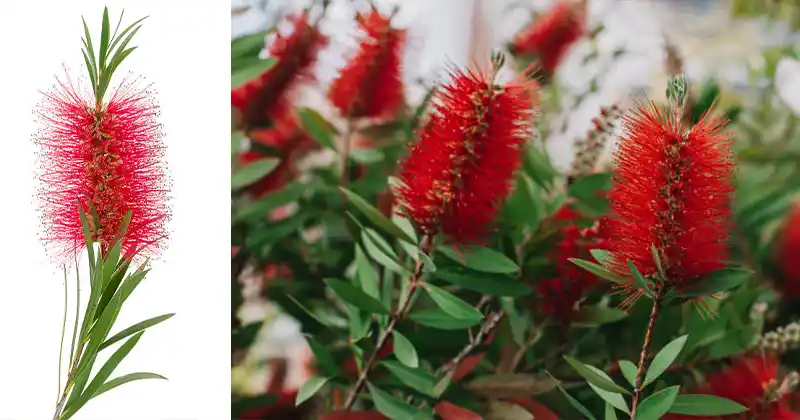
The Hidden Power of Bottlebrush: 15 Benefits and Easy Homemade Uses Nature often hides extraordinary healing power in plain sight—and Read more
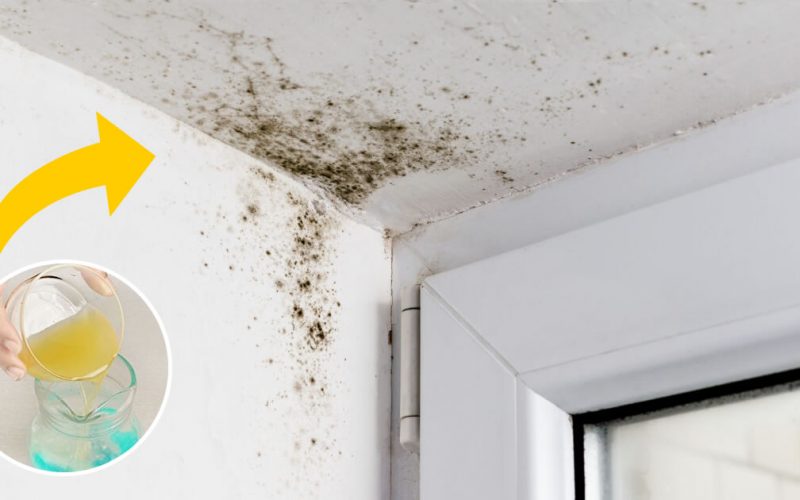
Often, due to poor ventilation or certain climatic conditions, dreaded mold can develop on the walls of our homes. In Read more

The ingenuity of Swedish furniture design, particularly evident in the flat-pack phenomenon, has transformed how we furnish our homes with Read more

Highland flowers, often found in remote, elevated regions, are more than just a visual delight. These resilient blooms, thriving in Read more

How can a simple homemade mixture really help make your teeth whiter? Here is the secret that has already captivated Read more

Dented Car Body: How to Fix It Yourself Over time, the body of your car can endure a lot. From Read more

Datura stramonium, commonly known as Jimson weed, thorn apple, or devil's trumpet, is a plant native to North America but Read more

When you enter a hotel room, have you ever noticed that long piece of fabric laid across the foot of Read more

Who among us would like to live in a stifled and dirty home, where unpleasant cooking odors and impurities invade Read more

Cassava: An Essential Plant at the Heart of a Deadly Paradox Whether in the form of flour, tapioca pearls, or Read more

Horseweed (Erigeron canadensis): 20 Amazing Benefits and How to Use It Horseweed, also known as Erigeron canadensis or Canadian fleabane, Read more
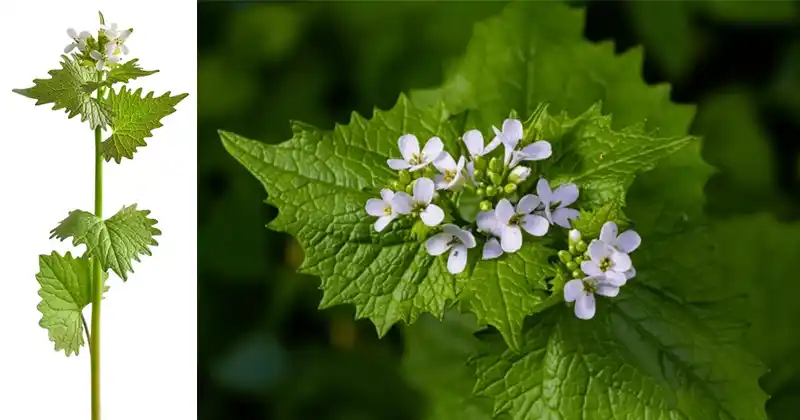
Garlic Mustard (Alliaria petiolata): 20 Surprising Benefits and Homemade Uses Garlic mustard (Alliaria petiolata) is often dismissed as a stubborn Read more

10 Secrets You Need to Know Before Eating Okra Okra, also known as “lady’s finger,” is a green, pod-shaped vegetable Read more

The Importance of Curtain Cleaning in Your Home Generally, when cleaning the house, after dusting the furniture, one often overlooks Read more

In today's digital age, it's a common sight in households and offices: chargers left in outlets without their corresponding devices. Read more

Red Clover: 15 Amazing Benefits and How to Use This Healing Herb Red clover (Trifolium pratense) is more than just Read more
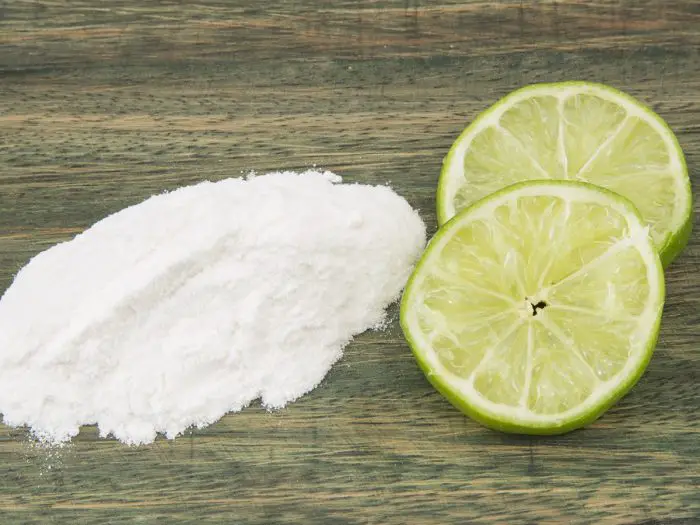
Baking soda and lemon peels are two household items often overlooked but incredibly powerful when combined. This natural duo can Read more

8 Surprising Benefits of Water Cloves You Probably Didn’t Know About Cloves are widely recognized for their warm, spicy aroma Read more

Juniper, a versatile and aromatic plant, has been valued for centuries for its culinary, medicinal, and therapeutic uses. Known for Read more
