

Unlocking the Flowering Potential of Anthuriums
Anthuriums are renowned for their stunning, heart-shaped blooms which, under ideal conditions, can grace your space year-round. Yet, sometimes these exotic beauties may withhold their colorful flowers. If you’re left wondering why your Anthurium isn’t flourishing, it could be a sign to reassess its care.
These plants are quite particular about their environment, thriving on a delicate balance of light, warmth, and humidity. The type of soil they’re rooted in and how they’re watered also play significant roles in their ability to bloom.

When your Anthurium’s blooms are scarce, it might be time to examine your fertilization habits or even consider repotting to a larger home with fresh, nutrient-rich soil. Let’s explore how to encourage your Anthurium to put on a spectacular floral show.
The Floral Spectacle of Anthuriums
Anthuriums belong to a large family of plants, each boasting their own unique flower clusters surrounded by eye-catching bracts.
The showy part of an Anthurium that most mistake for the flower is actually a modified leaf called the spathe. The real flowers are tiny and densely clustered on the spadix, the protruding part from the spathe. Together, they form what’s known as the inflorescence.

For simplicity, we’ll refer to them collectively as “flower displays.”
In the United States, Anthuriums are adored for their large, heart-shaped leaves. Their flowers come in a variety of colors such as red, pink, and white, which has earned them the nickname “Flamingo Flower.” A well-cared-for plant features shiny, lush green leaves along with lustrous spathes.
Originating from the tropics, Anthuriums don’t adhere to the seasons. They prefer to bloom in cycles: three months of flowering followed by a few months of rest. When happy, they’ll continue this cycle indefinitely.

However, maintaining this perpetual state of contentment can be tricky. While Anthuriums aren’t the most high-maintenance houseplants, they can become reluctant to flower if their needs aren’t met.
If you’re facing a bloom shortage, let’s delve into how to rekindle your Anthurium’s flowering fervor.
1. Master the Art of Watering
Watering is a delicate dance. Overwatering can dampen your Anthurium’s flowering ambition and cause root rot. To prevent overwatering, water only when the topsoil layer feels dry to the touch and ensure any excess water can drain freely from the pot.

If your plant’s leaves start to yellow and develop brown tips, it’s a classic sign of overwatering.
2. Ensure Proper Drainage

Avoid waterlogged roots by choosing pots with adequate drainage holes. You can also add a layer of pebbles at the bottom of the pot to facilitate better water flow, but this should be in addition to, not instead of, proper drainage holes.
3. Select the Right Soil Mix
Anthuriums flourish in loose, well-draining soil. Consider starting with an orchid mix and amending it with ingredients like peat moss, compost, small stones, bark chips, perlite, and coconut coir to create an airy substrate that allows roots to breathe and grow.
4. Provide the Perfect Light

Bright, indirect light is the sweet spot for Anthuriums.

Mimic their native rainforest habitat by ensuring they receive filtered light, avoiding the direct sun which can scorch their leaves and bracts.
5. Create a Humid Haven
Anthuriums bask in the humidity of their native rainforest homes. To replicate these conditions, regular misting is essential, or you might want to use a humidifier to maintain the moisture level around your plant.

A pebble tray with water beneath the plant pot can also increase humidity without oversaturating the soil.
6. Consistent Temperature is Crucial

These tropical natives do not fare well with fluctuating temperatures. Secure a warm spot in your home that’s consistently between 70-85°F (21-29°C) and draft-free to keep your Anthurium happy.
7. Prune Wisely

Encourage new growth by cutting away spent blooms, a practice known as deadheading. Doing so channels the plant’s energy into producing new flowers. Always use clean pruning tools, sterilized with rubbing alcohol or a mild bleach solution to prevent the spread of disease.
8. Feed with Finesse

If blooms are scarce, your Anthurium may need a gentle push from fertilizer. In their natural habitat, they receive a steady flow of nutrients from rainwater and decomposing leaves. Recreate this with a diluted, phosphorus-rich fertilizer given regularly but sparingly, at about 10-20% of the recommended strength.
9. Flush Out Fertilizer Salts

To avoid salt build-up from fertilizers, which can impede growth, flush the soil with water occasionally. Let the water run through the pot freely, then drain it out thoroughly. Before rewatering, always let the topsoil dry out slightly.
10. Consider Repotting

If your Anthurium’s roots look cramped or start to peek out of the pot, it’s time to repot. Doing this every few years gives your plant room to grow. Select a new pot that is slightly larger, providing more room for the roots to expand.
Wrapping Up
With careful attention to their specific needs, Anthuriums can provide a year-round display of spectacular blooms. Balance the basics of light and water first, then move on to the more subtle aspects of their care. Patience and attentive nurturing are often all it takes to rejuvenate a resting Anthurium. With just a bit of extra care, your Anthurium can return to its full splendor.
Ginger, renowned for its distinct flavor and numerous health advantages, is a fundamental ingredient in many culinary traditions around the Read more
Sleep is a vital component of our overall health, serving as the foundation for a productive and energized day. Yet, Read more
Kalanchoe, a stunning and adaptable succulent plant, is admired not only for its ornamental beauty but also for its strong Read more
Searching for a distinctive method to incorporate some foliage into your home or workplace? Try cultivating plants hydroponically! Not only Read more

Gardening: The Harmony of Craft and Nature Gardening brings out a dance between human creativity and the wonders of nature. Read more

For gardening enthusiasts, it's a known fact that many plants thrive in humid and warm climates conducive to their growth. Read more
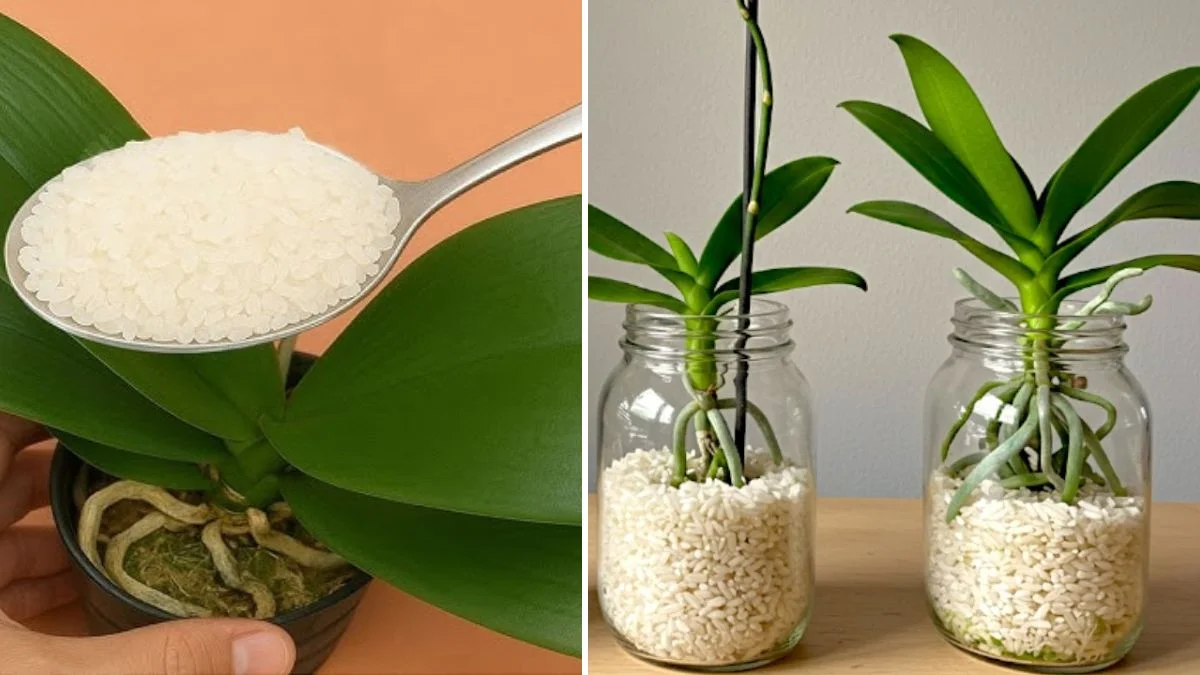
Orchids are among the most cherished ornamental plants worldwide, admired for their exotic flowers, graceful forms, and blooms that last Read more

Indoor Plants: A Decorative Air Purifier Indoor plants have become an essential part of modern decor, increasingly sought-after to greenify Read more
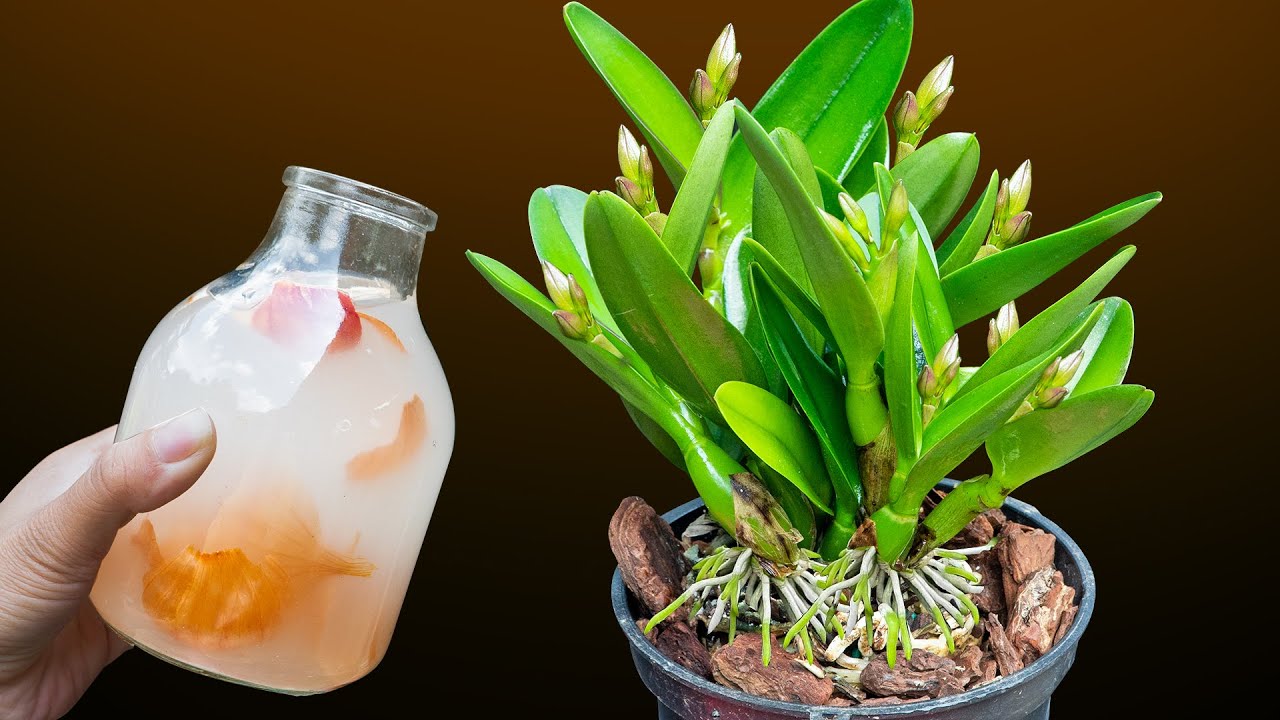
Orchids, celebrated for their exotic beauty and remarkable variety, require tailored care to flourish. While most growers rely on commercial Read more
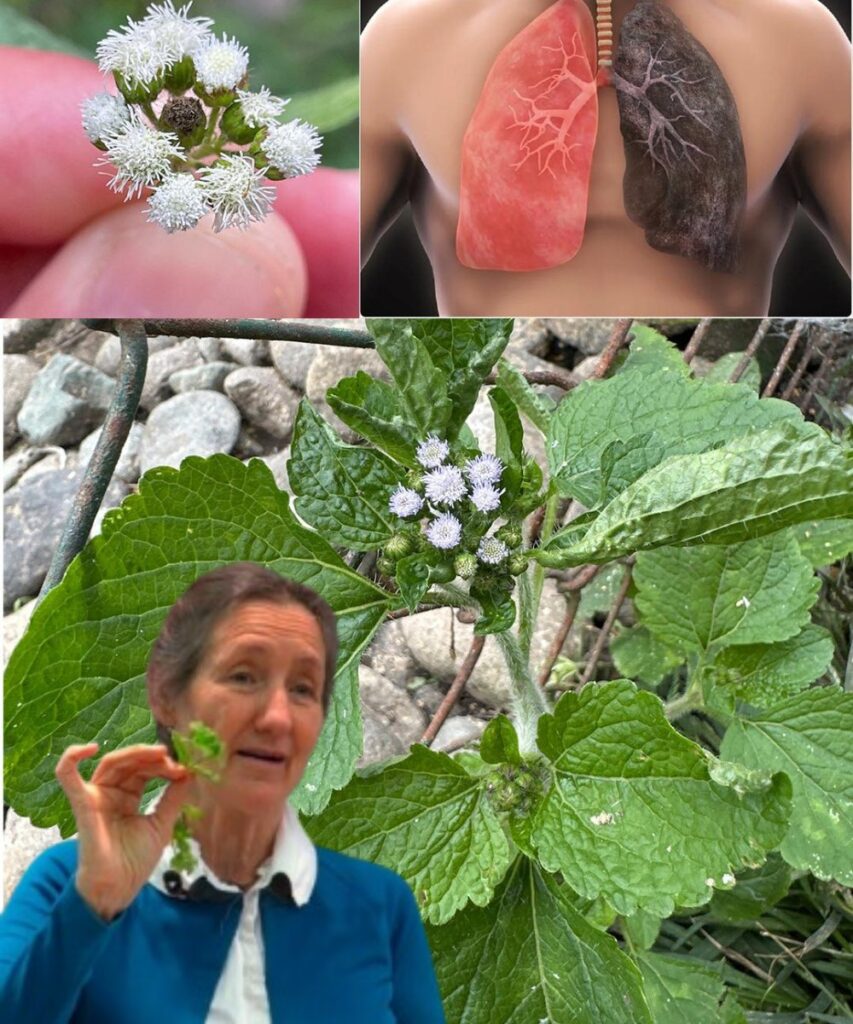
The Incredible Healing Power of Billygoat Weed (Ageratum conyzoides): 15 Health Benefits You Should Know About Billygoat weed, also known Read more

Insect-Repelling Greenery: Your Natural Home Defense Transform your home into a sanctuary free from the annoyance of insects such as Read more
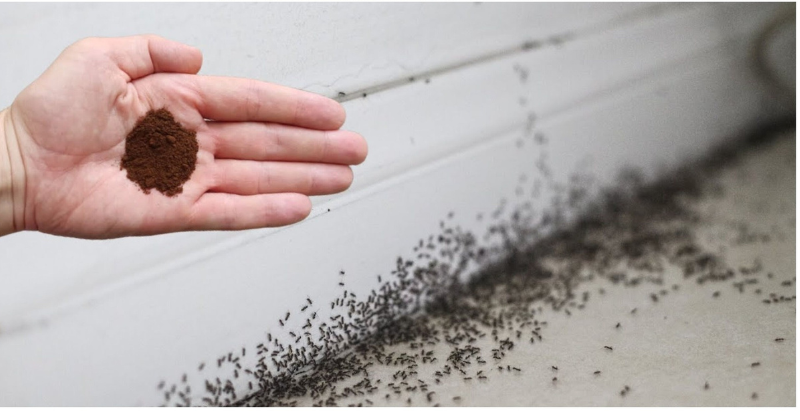
Quick Victory: The Ultimate Homemade Insecticide to Say Goodbye to Ants Have you ever encountered an invading army of ants Read more
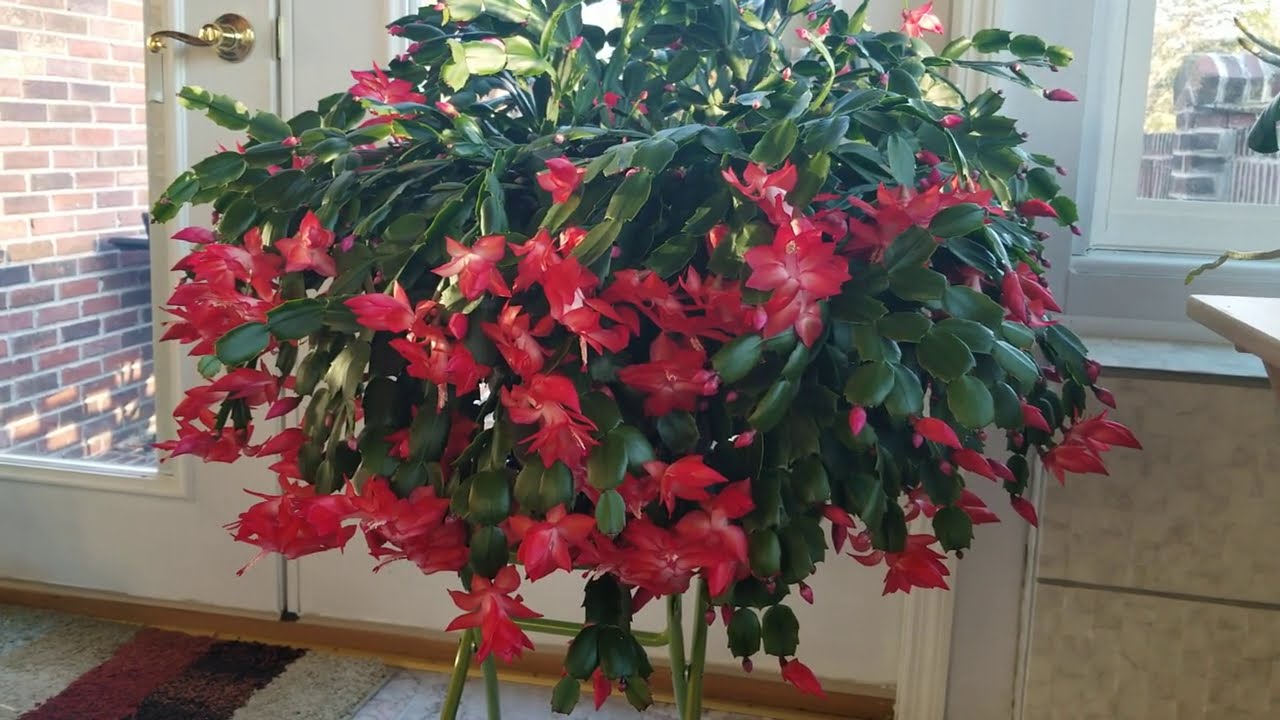
Christmas cacti don’t adhere to the typical “feed once a month and forget it” approach that many houseplants follow. Because Read more
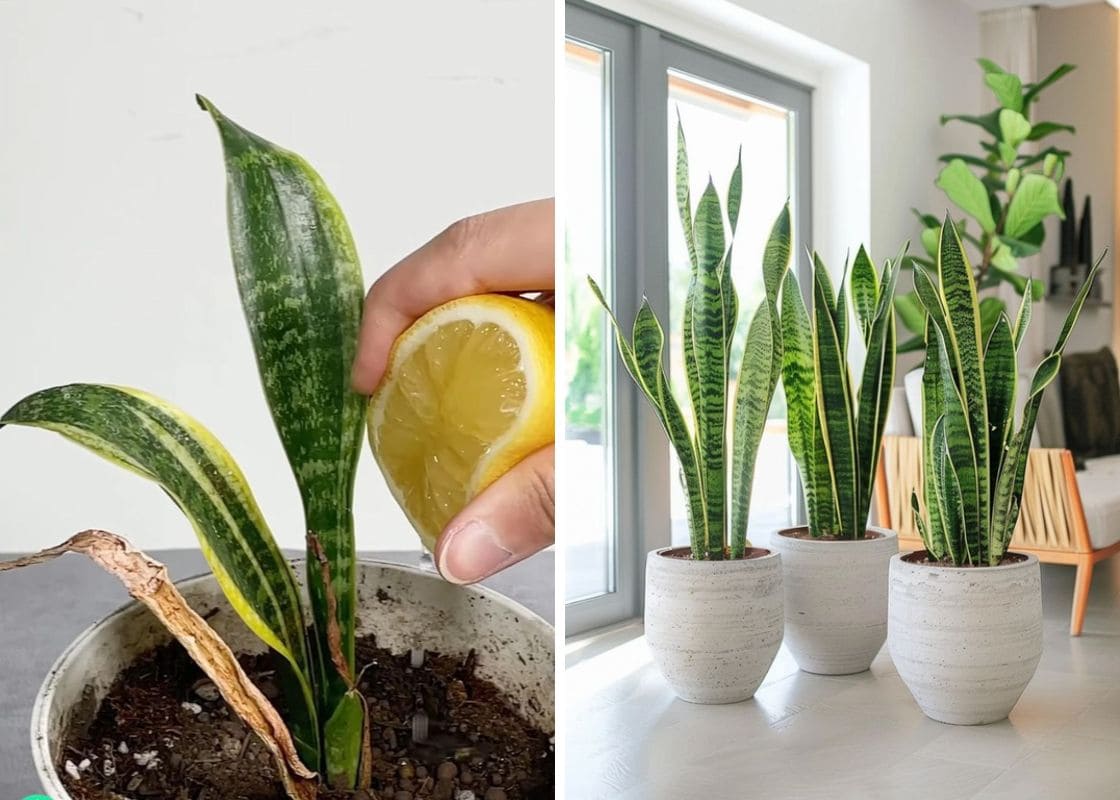
Snake plants are renowned for their resilience, often considered nearly indestructible. They can withstand missed waterings, low light conditions, and Read more
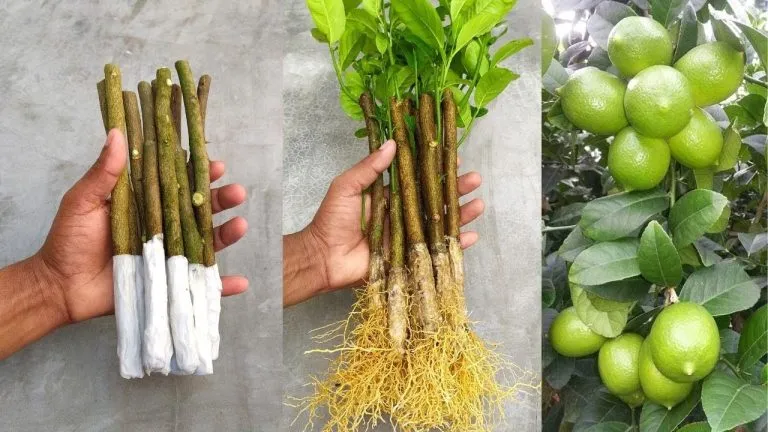
Cultivating lemon trees in your garden or home brings not only visual charm but also the practical advantage of homegrown Read more

In this exploration, we uncover eight homemade, natural solutions that act as effective rooting agents for plant propagation through cuttings. Read more
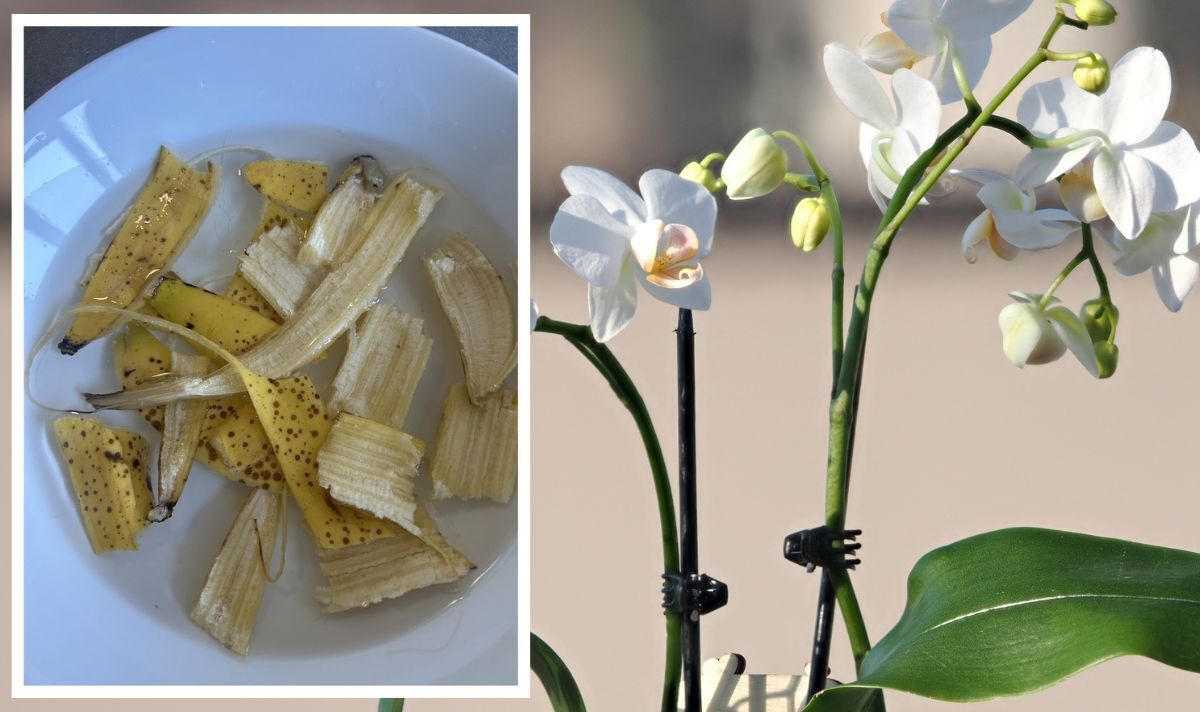
Orchids rank among the most exquisite houseplants cherished by many, yet they are often recognized for their delicacy and their Read more

Cultivating Zucchini in Containers: A Comprehensive Guide Zucchini is a popular vegetable for gardening aficionados and novices alike. It's simple Read more

Orchids are renowned for their stunning blooms and are a favorite among indoor plant enthusiasts. However, getting these temperamental beauties Read more
Gardeners constantly explore simple and inventive ways to enhance the health of their plants. One unconventional technique that has sparked Read more

How to Reuse Barbecue Ashes After enjoying a barbecue outdoors on a sunny day, the tendency is often to discard Read more
You carefully plan your getaway, pack your bags, double-check your tickets… and just as you are about to close the Read more

Using White Vinegar for Garden Maintenance Gardening is never an easy task. Planting, weeding, and watering plants and flowers require Read more

Excessive moisture within a house can arise due to capillary action, infiltration, or the phenomenon of condensation. The latter is Read more
If your Christmas cactus has stayed healthy throughout the year but produced only a few flowers last winter, October might Read more
Having geraniums adorned with vibrant blooms for months—sometimes lasting even longer than anticipated—is not a feat reserved solely for expert Read more
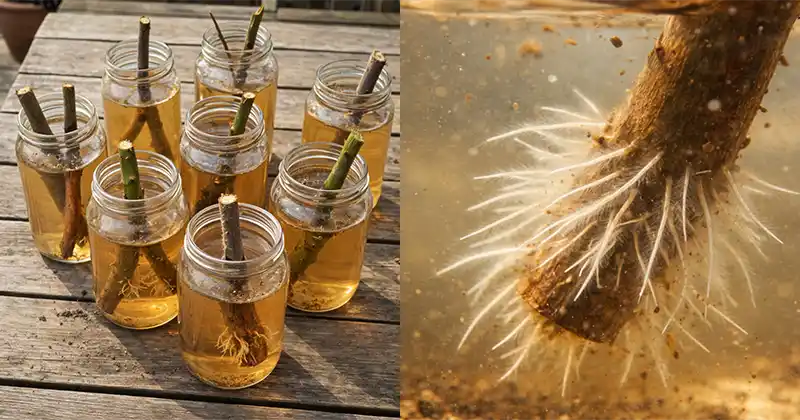
Growing new plants from root cuttings is like discovering a true shortcut in gardening. A single healthy parent plant can Read more

Tea, the staple of morning routines and afternoon breaks, may have a second life beyond the cup that's often ignored. Read more

Orchids, with a staggering 28,000 unique species, beautifully demonstrate nature's rich tapestry of diversity. Originating from the Orchidaceae lineage, these Read more
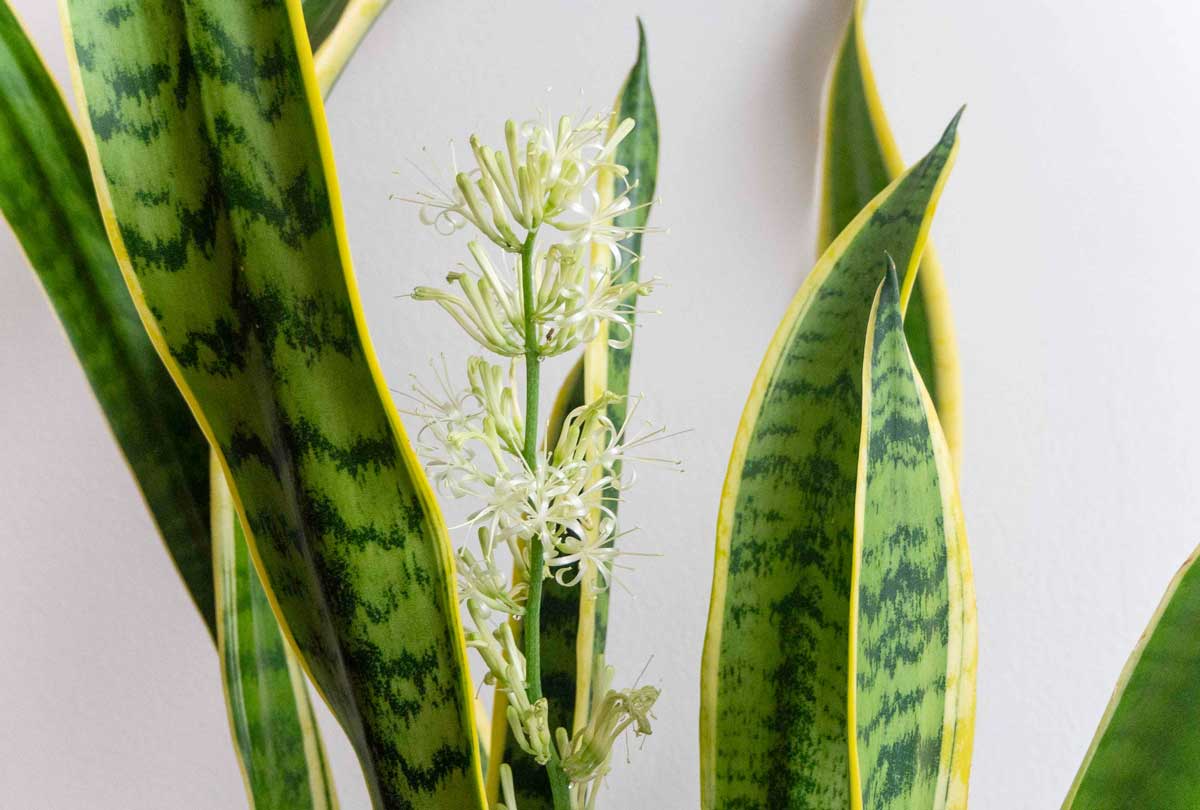
Snake plants, scientifically known as Dracaena trifasciata and previously classified as Sansevieria, are favored houseplants admired for their resilience and Read more

Orchids, celebrated for their intricate beauty and variety, need particular attention for optimal growth. In the realm of orchid care, Read more
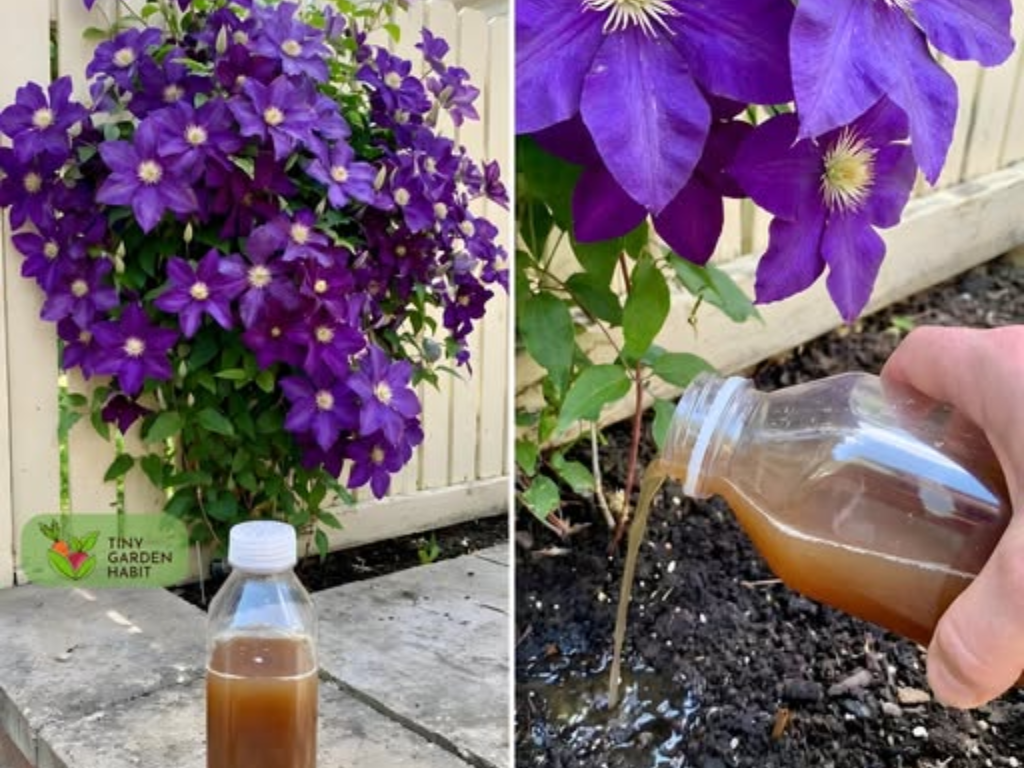
Clematis plants are fundamentally simple organisms, almost mechanical in nature, driven by basic principles of plant hydraulics and a kind Read more
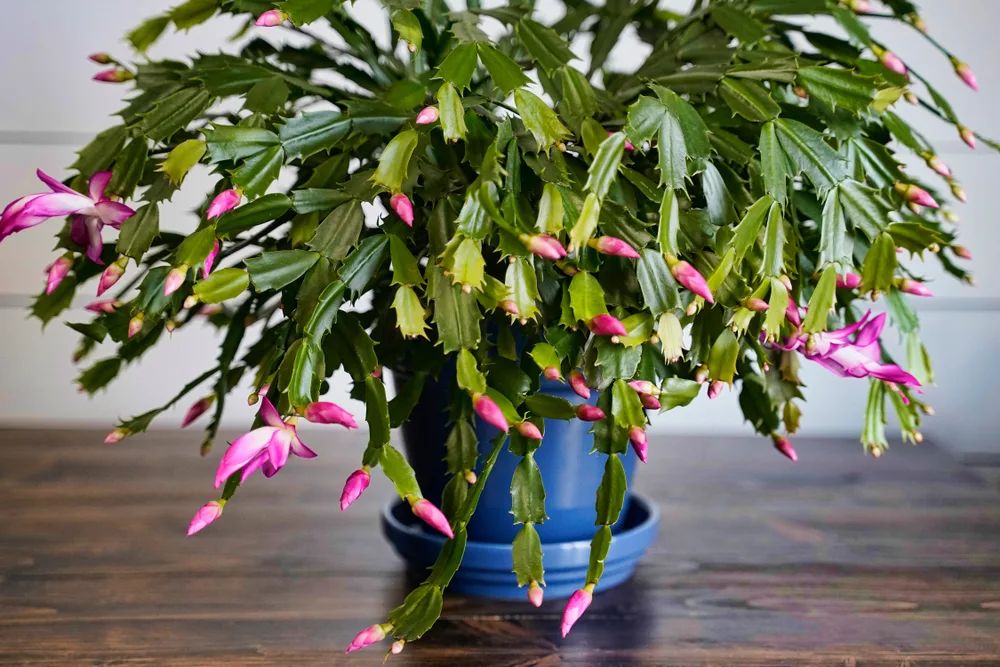
Unlocking the Mystery of the Festive Cactus The festive cactuses often baffle indoor gardeners. There's a lingering myth that these Read more
Orchids, with over 28,000 unique species, provide a fascinating insight into the immense diversity found in nature. Originating from the Read more

Understanding Fertilizers for Plants Fertilizer is a product that can be spread or mixed into the soil to provide plants Read more
Are you considering adding a Snake Plant to your indoor garden? Whether you're a complete novice or a seasoned plant Read more
Do you have indoor plants? They have a unique ability to infuse life and color into any environment, whether it’s Read more
Deadly Nightshade (Atropa belladonna): The Mysterious and Dangerous Plant with a Dark Legacy At first glance, Deadly Nightshade (Atropa belladonna) Read more

Cultivating an Avocado Plant Indoors: A Step-by-Step Guide Nurturing an avocado seed into a blossoming plant within the confines of Read more

The Curious Case of Tomato Slices: A Journey from Kitchen Scrap to Sprout As someone always game for a gardening Read more
