

Indoor Plants: A Decorative Air Purifier
Indoor plants have become an essential part of modern decor, increasingly sought-after to greenify and beautify our living spaces. In an era where we crave nature and all things organic, plants offer more than just aesthetic value – they also effectively enhance indoor air quality. Dive into a list of 11 plants recommended by NASA research for their air-purifying abilities.
The Many Benefits of Plants
Plants come with a host of advantages, and some are particularly known for their detoxifying properties, capable of absorbing harmful airborne particles. If you’re on the hunt for the best indoor plants, NASA’s recommendations are a great place to start.
Why Indoor Air Quality Matters
Maintaining good air quality at home is crucial, especially in the room where you sleep. Accumulated pollutants can pose long-term risks, leading to allergies. These pollutants might be mold particles in the air or even more toxic substances like formaldehyde, commonly used in furniture manufacturing, which can get trapped within walls and ceilings. Thankfully, certain indoor green plants can absorb these harmful chemicals.
Science Backs It Up!
In 1989, scientist Bill Wolverton conducted research that showcased the health benefits of living with plants, proving their essential role in promoting indoor wellness.

NASA’s Recommended Air-Purifying Plants
In a 1984 study conducted by NASA regarding manned space flights, experiments showed that the leaves and root microbiomes of certain plants contributed to improving indoor air quality. Let’s explore each of these plants:
1. Gerbera
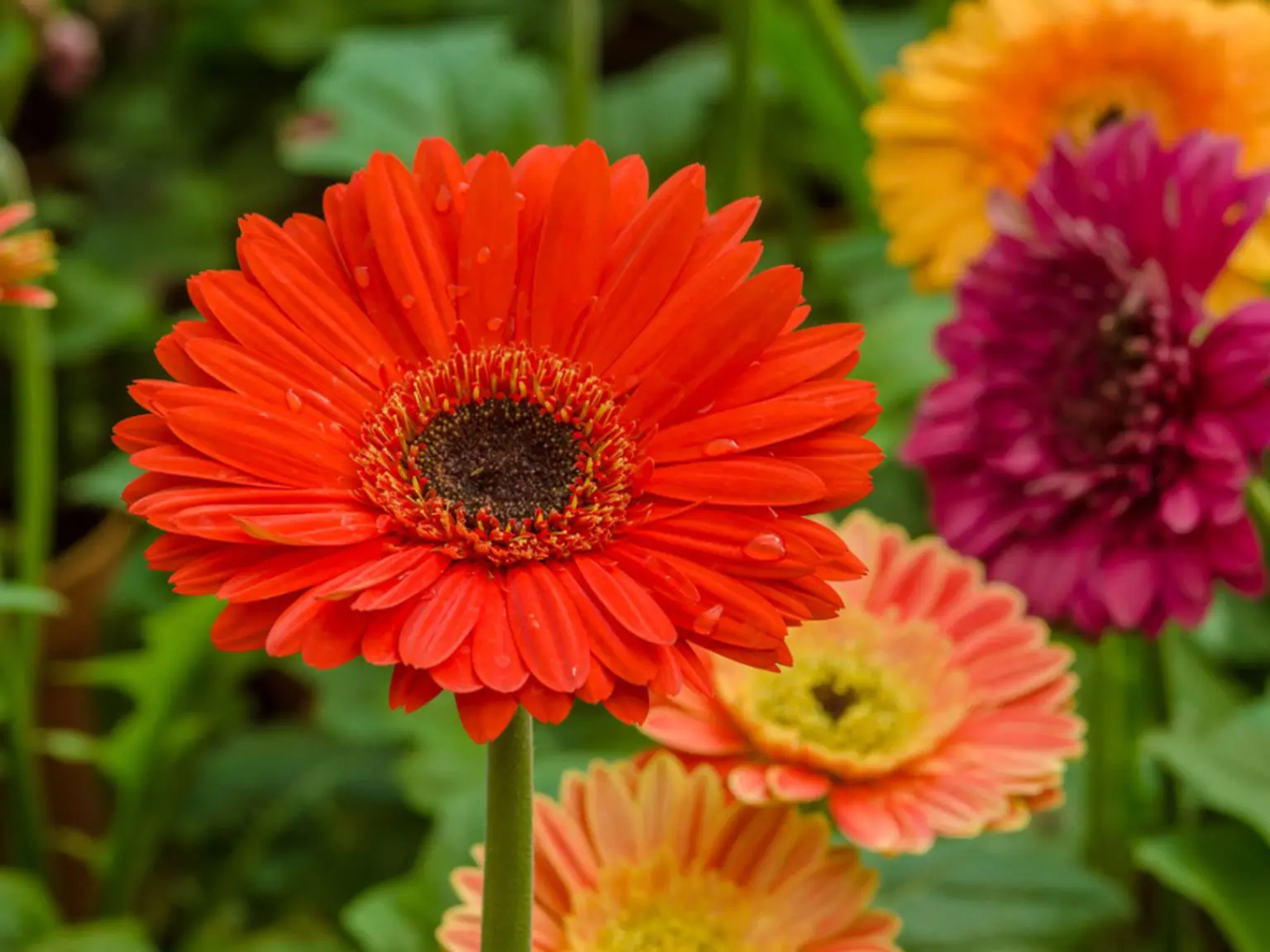
Bright flower colors bring life to your space.
Absorbs benzene, making it ideal for smokers.
Place near laundry as it also absorbs trichloroethylene found in some detergents.
2. Bamboo Palm

Purifies air by removing benzene, trichloroethylene, and formaldehyde (common in furniture glues).
Low-maintenance, great for bedrooms to enhance air purity.
3. Aglaonema
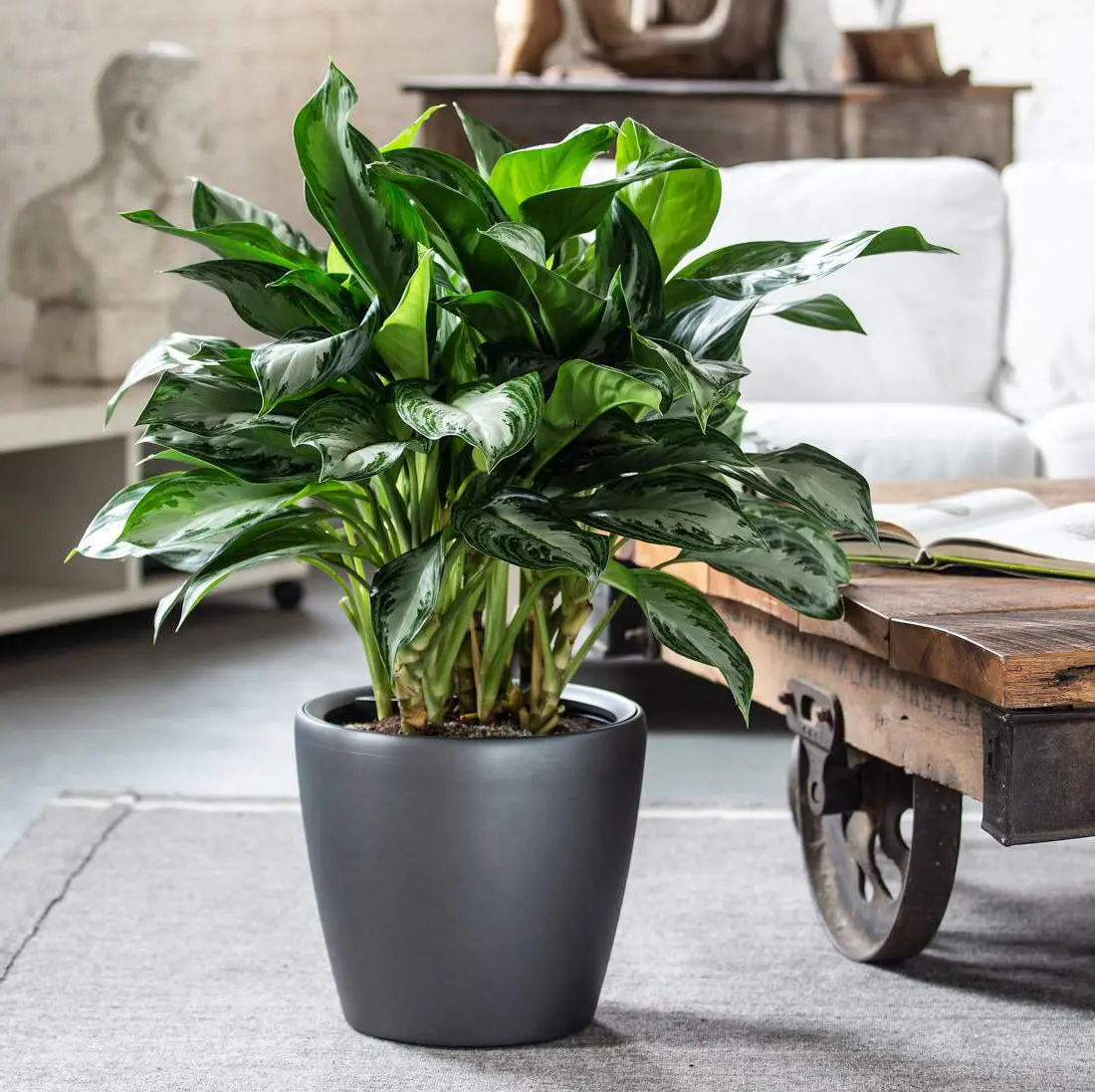
Aesthetically pleasing with red/orange leaves and fruits.
Offers air-purifying benefits and tolerates shade.
Caution: leaves and fruits are toxic if ingested and can irritate the skin.
4. Ivy

Effective at absorbing airborne toxins.
Known for respiratory health benefits.
Grow in a hanging pot indoors for decoration and health advantages.
5. Dracaena
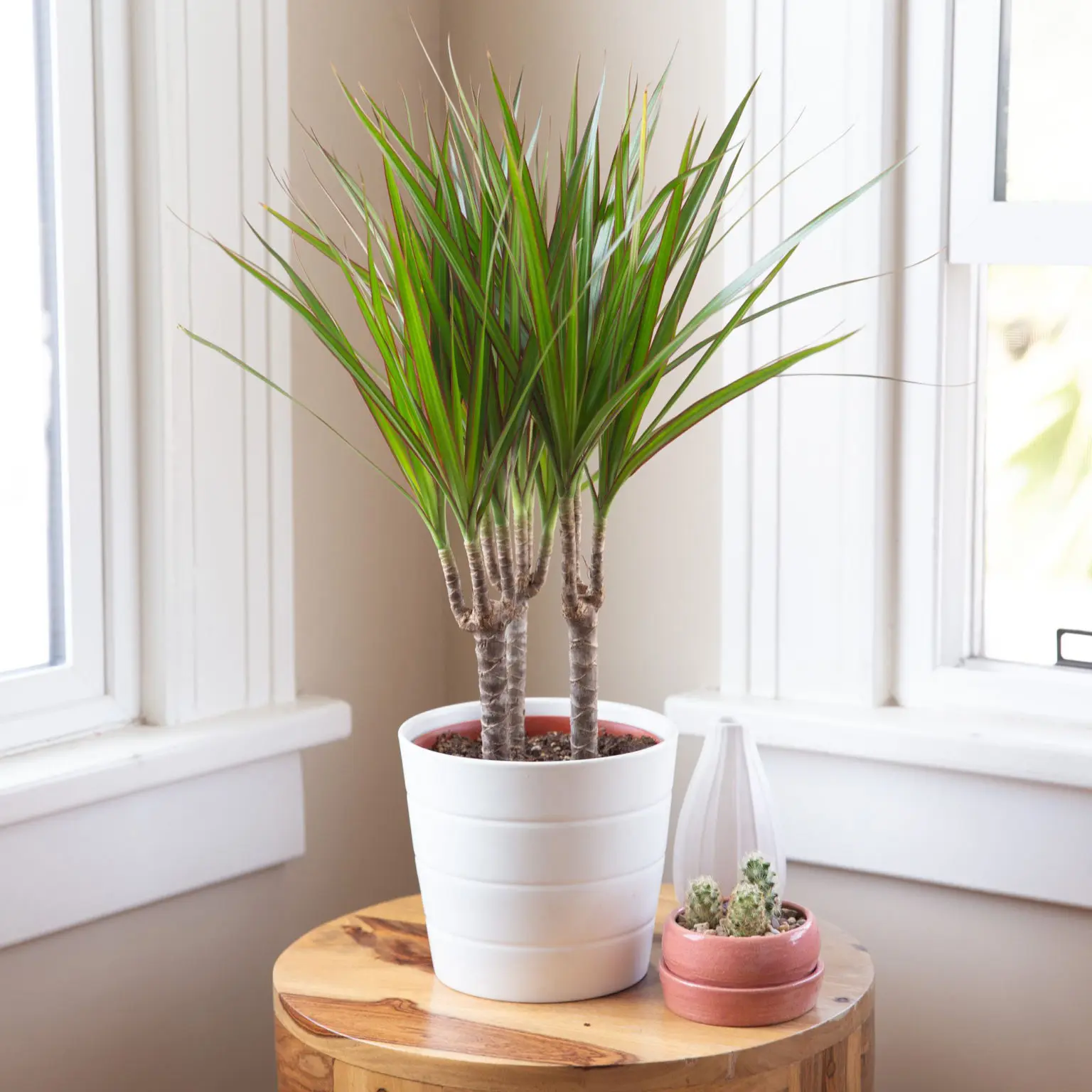
Exotic-looking plant with long green leaves.
Acts as an air purifier, especially against tobacco smoke toxins.
Requires a well-lit area and regular watering.
6. Madagascar Dragon Tree
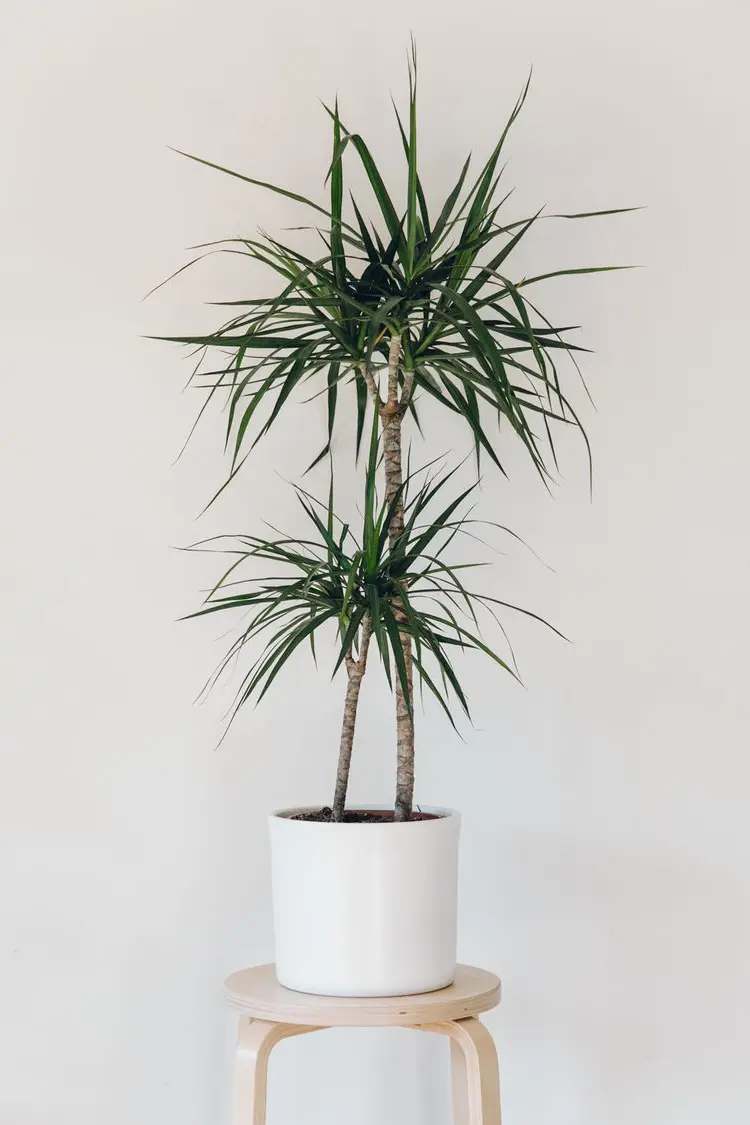
Has pointier and thinner leaves than the standard dracaena.
An efficient air-purifying plant.
Water moderately and ensure space for growth.
7. Fragrant Dracaena

Another air-purifying option.
Popular for indoor use due to its attractive foliage and ease of care.
8. Sansevieria (Snake Plant)
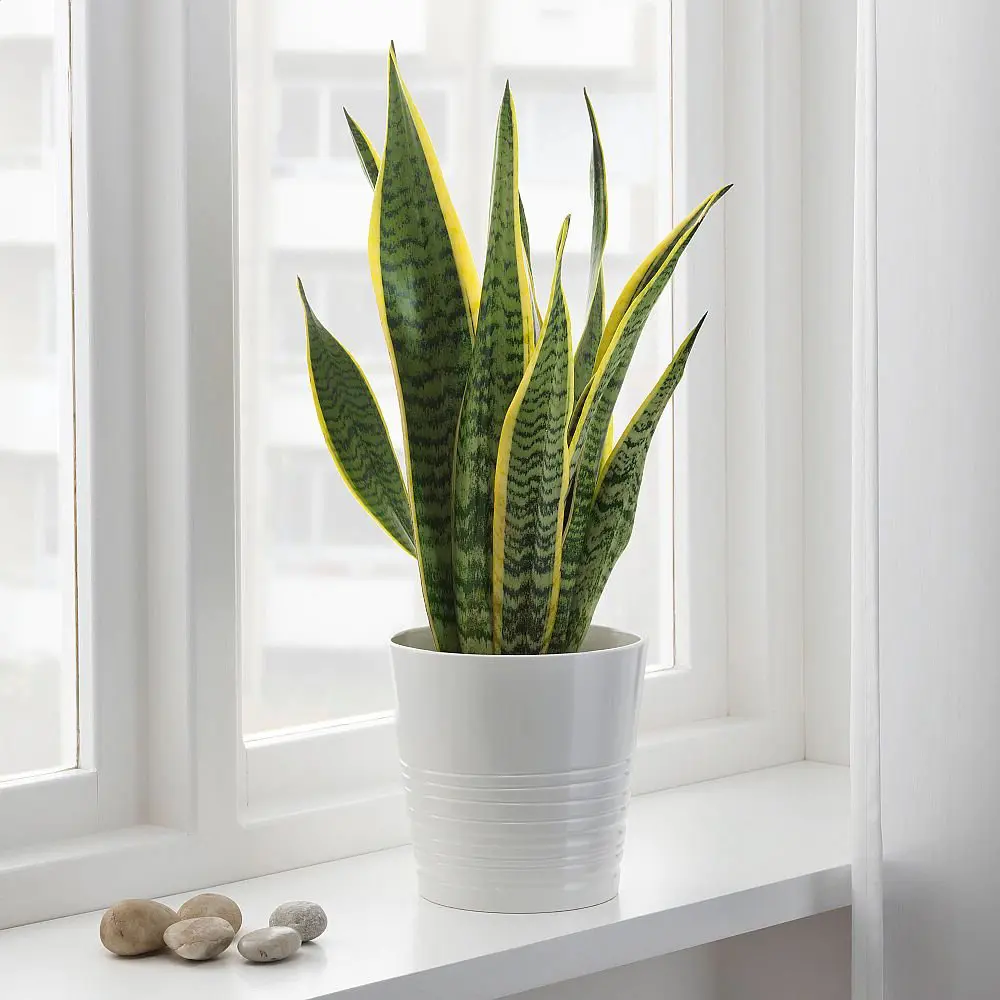
Absorbs harmful substances and releases fresh oxygen.
Low-maintenance and resilient.
According to feng shui, reputed to ward off negative energies.
9. Chrysanthemum
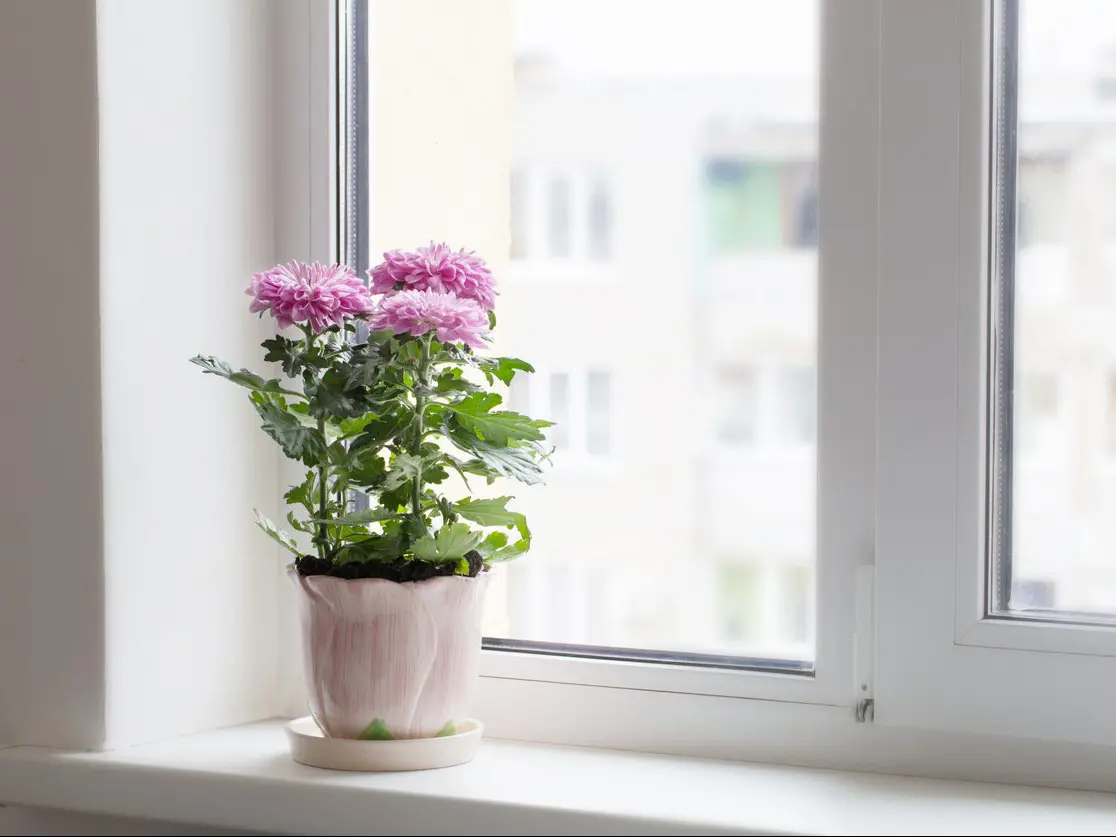
Gentle, colorful plant with calming and antiseptic properties.
Used traditionally in Chinese medicine for health benefits.
Fights indoor pollution by absorbing chemicals.
10. Weeping Fig
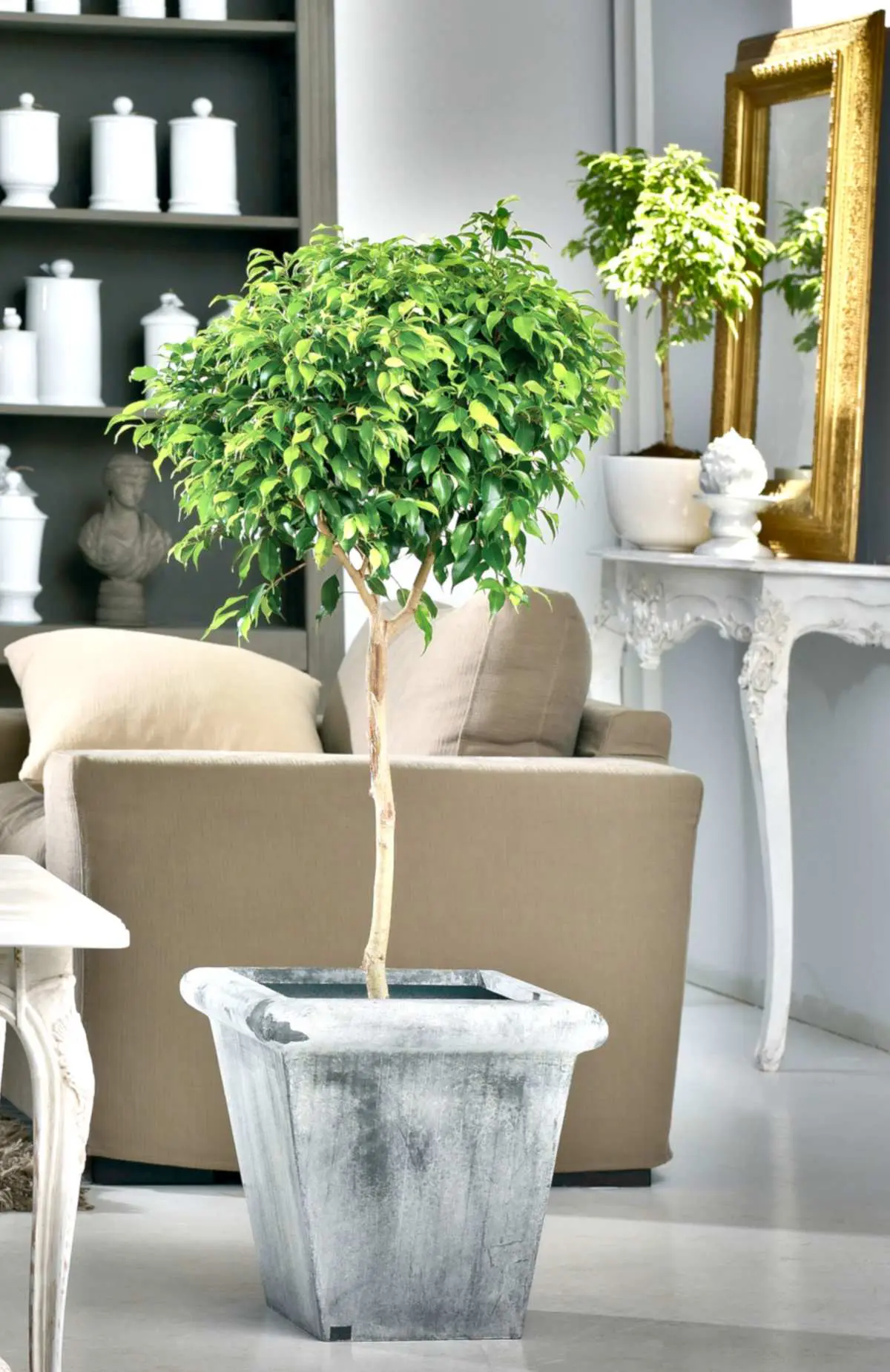
Low-maintenance plant.
Helps remove formaldehyde and xylene from indoor air.
11. Peace Lily
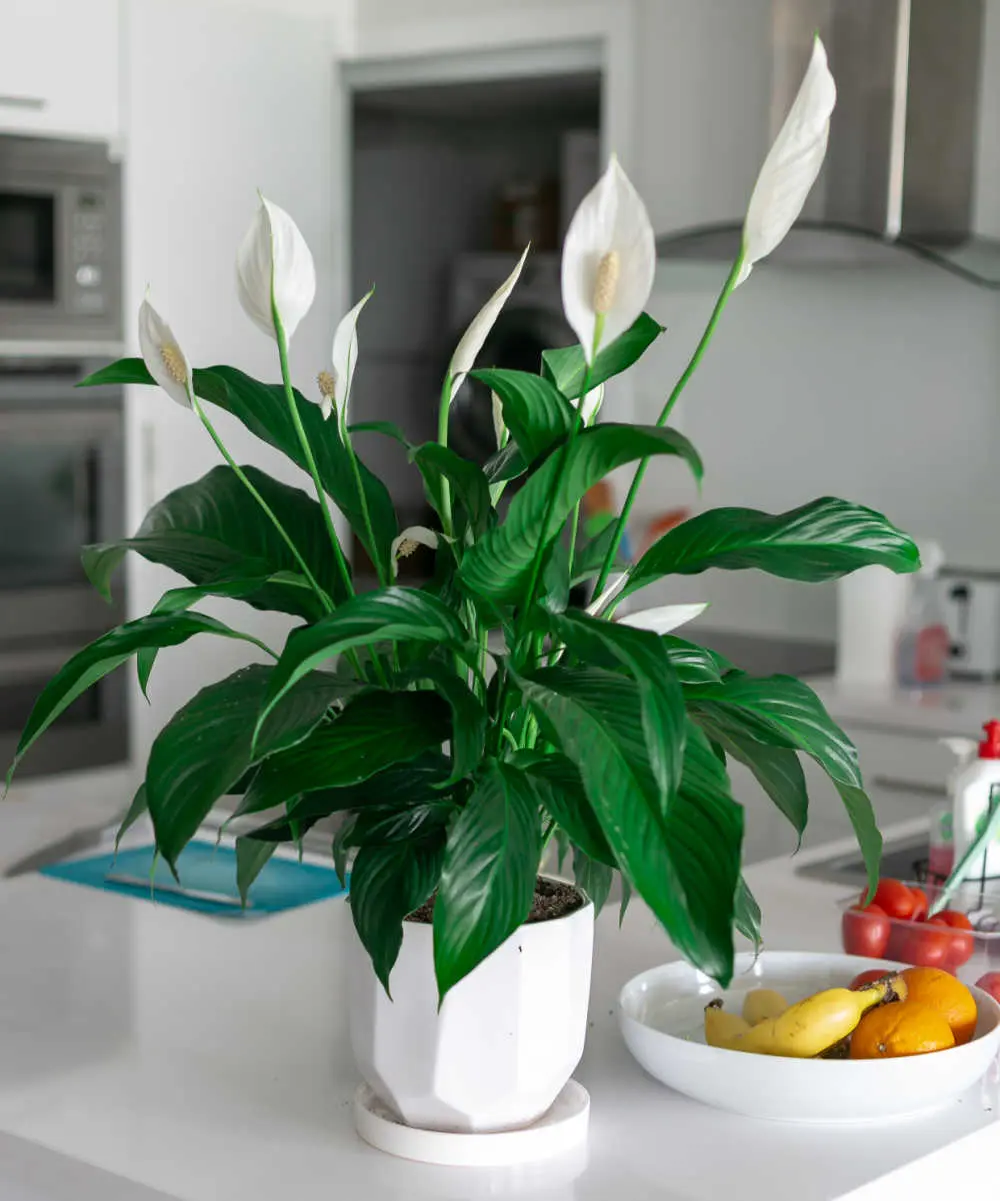
Features beautiful flowers that bring serenity.
Purifies and humidifies indoor air.
Believed to enhance sleep quality while beautifully decorating your space.
Indoor pollution can sometimes be more harmful than outdoor pollution, becoming a genuine concern in daily life. Today, we know certain plants can enhance indoor air quality. Instead of investing in expensive air purifiers, these plants alone can make indoor air healthier and more breathable.

Introducing 15 Health-Enhancing Indoor Plants for a Vibrant Home Oasis Embrace a selection of indoor plants that bring more than Read more

Wild Medicinal Plants: Harnessing the Hidden Virtues of Earth’s Greenery In the wilderness of our environment—ranging from the expanse of Read more
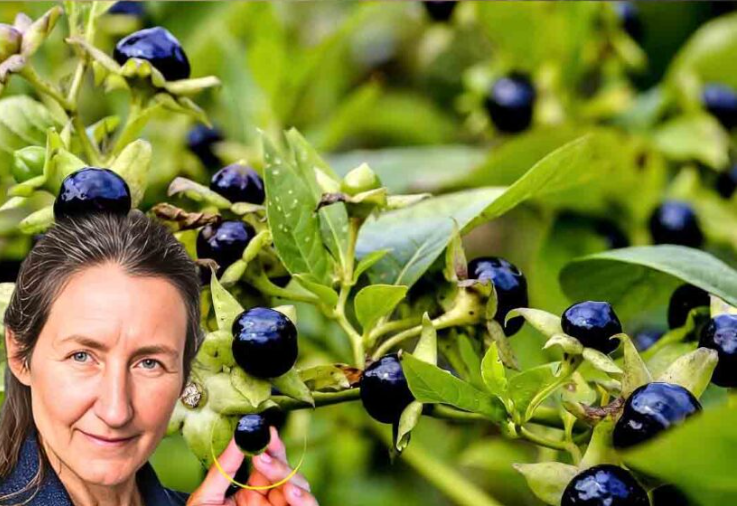
Deadly Nightshade (Atropa belladonna): The Mysterious and Dangerous Plant with a Dark Legacy At first glance, Deadly Nightshade (Atropa belladonna) Read more

Navigating Aloe Vera Care: Bypassing Usual Oversights Aloe vera, celebrated for its therapeutic properties and eye-catching demeanor, is occasionally compromised Read more
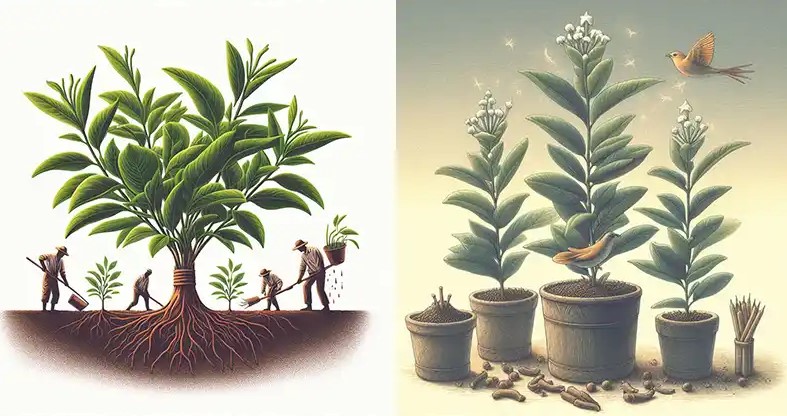
Easy Clove Growing: From Seed to Spice – A Beginner’s Guide Cloves are among the most treasured spices in the Read more

Bananas are a delightful treat, but their peels can be a garden's treasure. Rather than discarding banana peels into compost, Read more

Get a Head Start on Your Garden: Indoor Sowing for Colder Climates There's no need to wait for spring's embrace Read more

Gardening: The Harmony of Craft and Nature Gardening brings out a dance between human creativity and the wonders of nature. Read more

Mastering Chilli Cultivation in Diverse Climates: A Detailed Guide It may seem unlikely, but growing chillies across different climates is Read more

Insect-Repelling Greenery: Your Natural Home Defense Transform your home into a sanctuary free from the annoyance of insects such as Read more

Cultivating Zucchini in Containers: A Comprehensive Guide Zucchini is a popular vegetable for gardening aficionados and novices alike. It's simple Read more

Understanding Fertilizers for Plants Fertilizer is a product that can be spread or mixed into the soil to provide plants Read more

Lavender, a charming addition to any garden, is known for its enchanting aroma and vibrant purple hues. This plant comes Read more
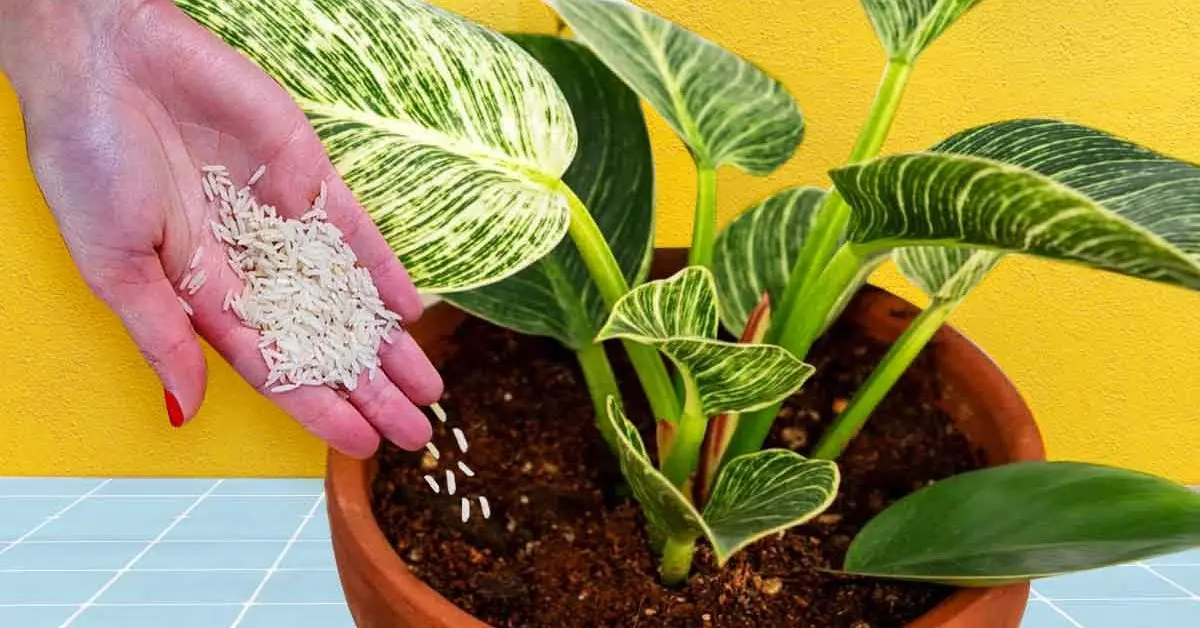
Indoor Plants and Their Benefits Indoor plants not only enhance the decor but also bring a touch of lush greenery. Read more

Using White Vinegar for Garden Maintenance Gardening is never an easy task. Planting, weeding, and watering plants and flowers require Read more

The Importance and Care of House Plants House plants not only serve as a significant decorative element but also play Read more

For gardening enthusiasts, it's a known fact that many plants thrive in humid and warm climates conducive to their growth. Read more
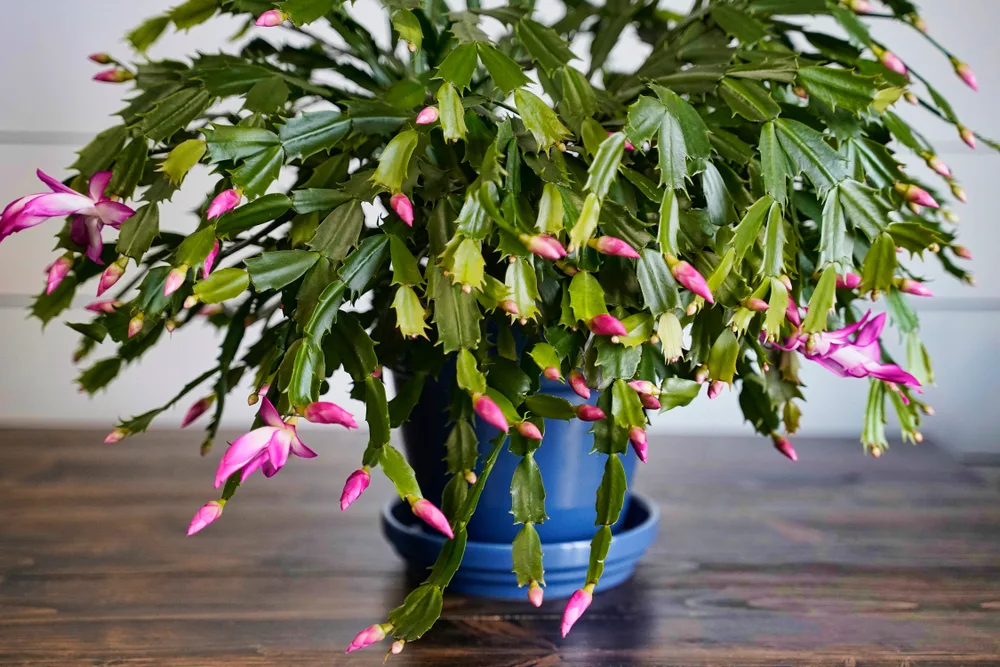
Unlocking the Mystery of the Festive Cactus The festive cactuses often baffle indoor gardeners. There's a lingering myth that these Read more

The Curious Case of Tomato Slices: A Journey from Kitchen Scrap to Sprout As someone always game for a gardening Read more

Different perspectives exist on various aspects of nature, and this holds true for the dandelion, often dismissed as a mere Read more

Orchids are renowned for their stunning blooms and are a favorite among indoor plant enthusiasts. However, getting these temperamental beauties Read more
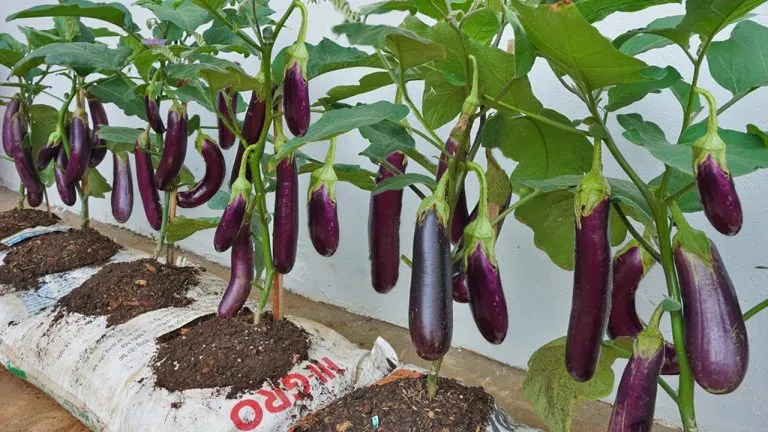
Exploring the World of Eggplants: A Gardener's Guide Eggplants, with their divisive nature, are often a subject of culinary debate. Read more

Growing avocados can be a gratifying experience, especially when you cultivate them right in your backyard. While starting avocados from Read more
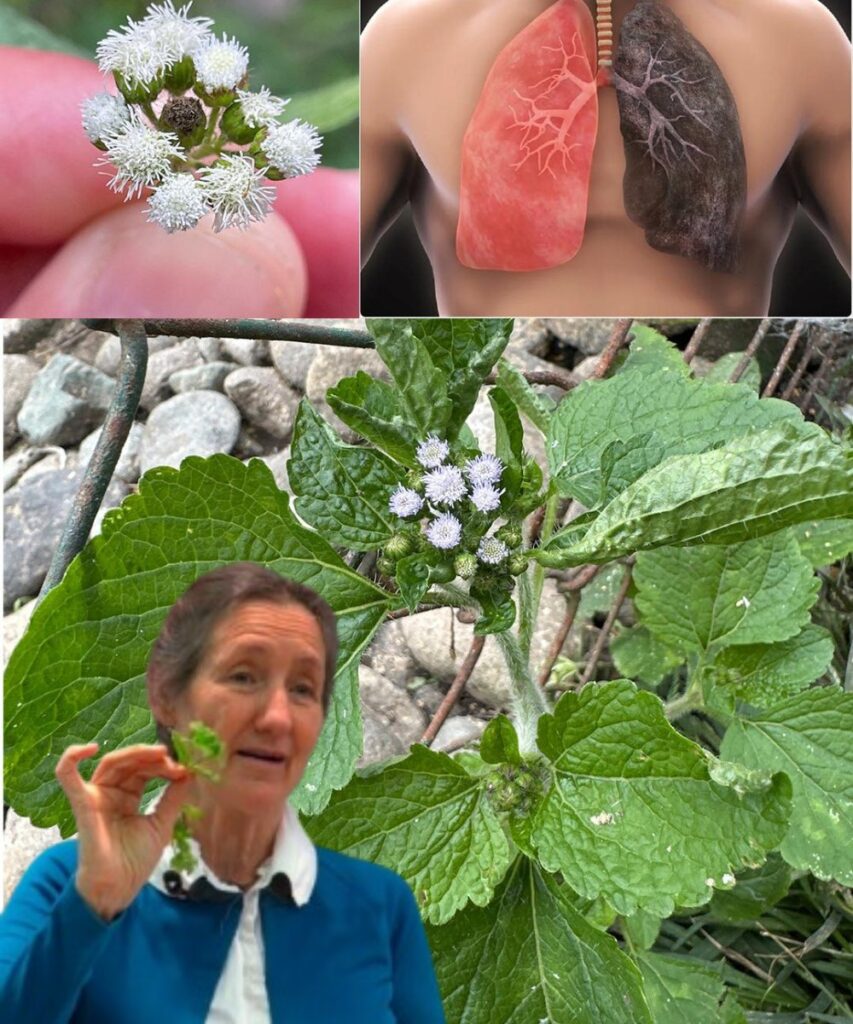
The Incredible Healing Power of Billygoat Weed (Ageratum conyzoides): 15 Health Benefits You Should Know About Billygoat weed, also known Read more

In the culinary world, garlic is a staple ingredient that is hard to do without. Cultivating it benefits many plants Read more

If you don't often get the chance to rejuvenate in the midst of nature, there's an alternative: introducing plants to Read more

How to Reuse Barbecue Ashes After enjoying a barbecue outdoors on a sunny day, the tendency is often to discard Read more
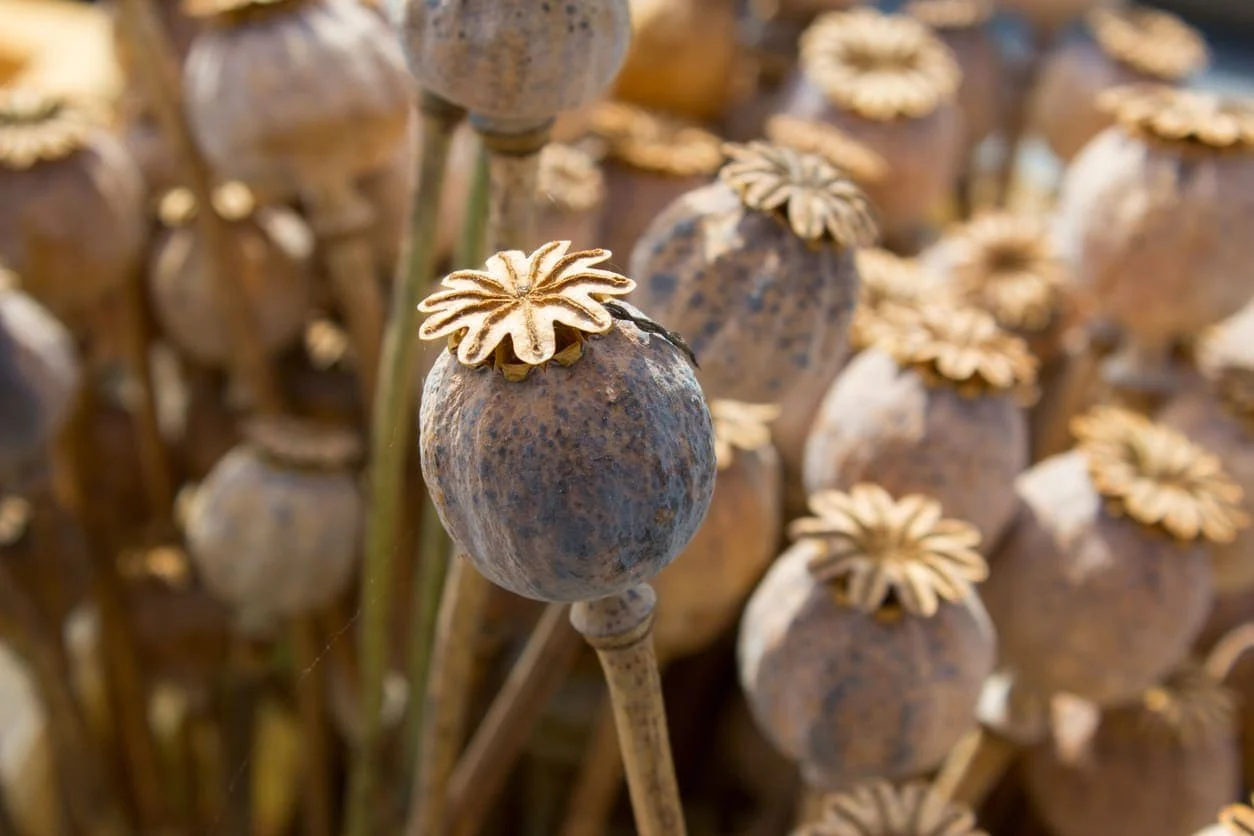
Self-Seeding Flowers: Effortless Beauty That Returns Every Year When I first fell in love with gardening, my mother came to Read more

Using Baking Soda for Plant Care To care for your plants or your vegetable garden, have you considered the DIY Read more
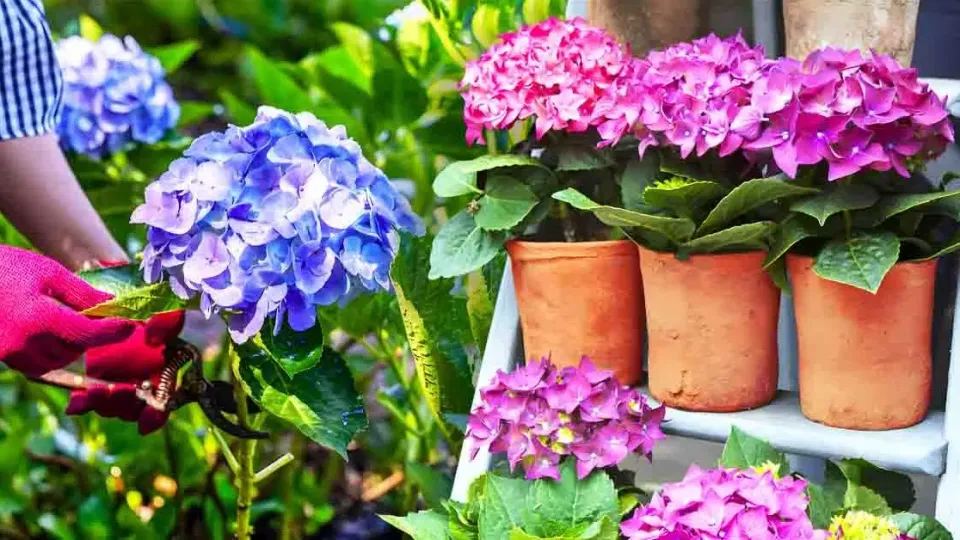
Hydrangeas, with their breathtaking blooms, stand out as one of the most enchanting deciduous flowering bushes. If you've wandered through Read more

Turmeric is a staple ingredient in Asian cuisine. This vibrant yellow spice, often used to flavor curries and stews, is Read more

Excessive moisture within a house can arise due to capillary action, infiltration, or the phenomenon of condensation. The latter is Read more

The Wonders of Blueberries: A Guide to Growing and Enjoying This Nutrient-Rich Fruit Mildly sweet, the blueberry is a dark Read more
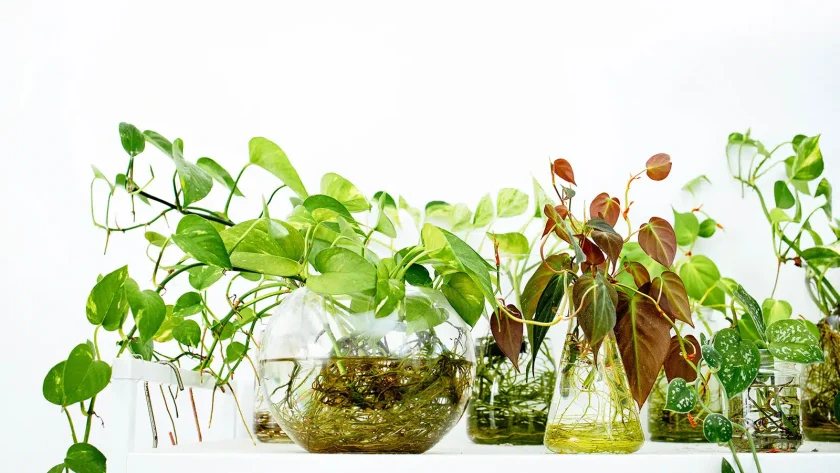
Searching for a distinctive method to incorporate some foliage into your home or workplace? Try cultivating plants hydroponically! Not only Read more

In this exploration, we uncover eight homemade, natural solutions that act as effective rooting agents for plant propagation through cuttings. Read more

Orchids, with their array of species and hybrids exceeding 25,000, stand as a testament to botanical beauty. Cultivators and hobbyists Read more

Tea, the staple of morning routines and afternoon breaks, may have a second life beyond the cup that's often ignored. Read more

Caring for orchids, known for their exquisite and delicate nature, involves a precise approach to hydration. Orchids differ from typical Read more
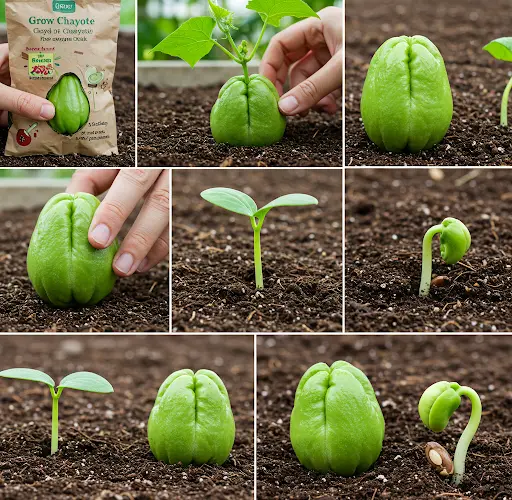
Growing Chayote from Supermarket Fruit: Abundant Harvests Made Easy If you've ever strolled through the produce aisle and spotted a Read more

Unlocking the Flowering Potential of Anthuriums Anthuriums are renowned for their stunning, heart-shaped blooms which, under ideal conditions, can grace Read more
