
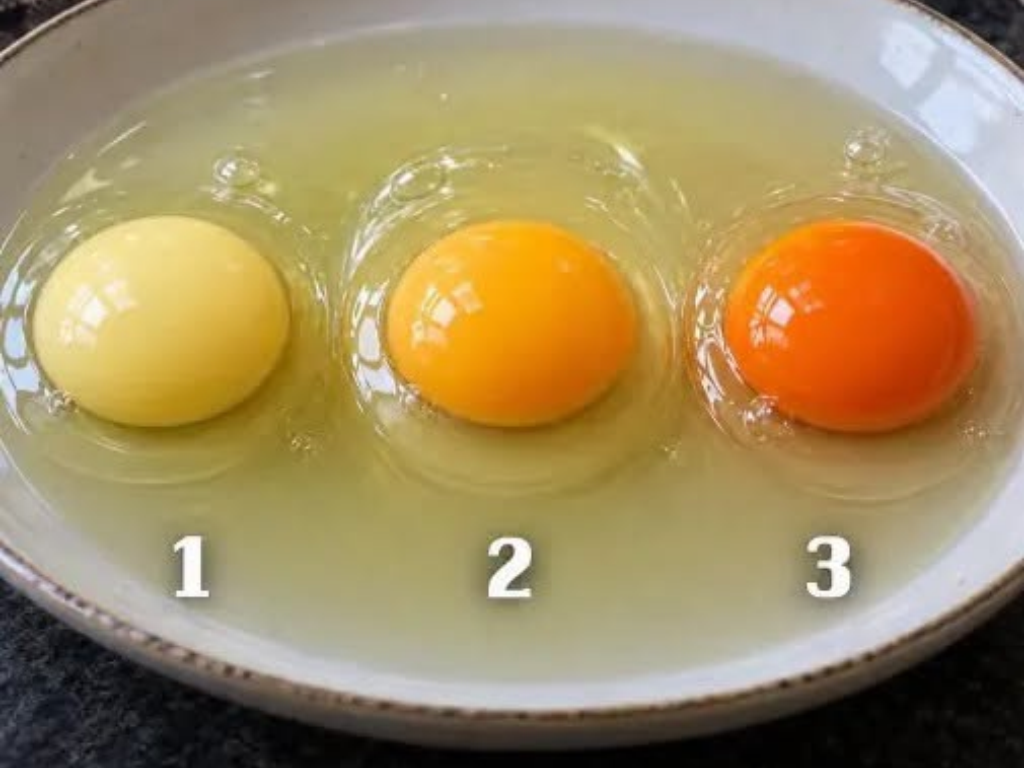
The Color of Egg Yolk Depends Primarily on the Hen’s Diet
Few people truly realize that the shade of an egg yolk is almost entirely determined by what the hen eats. It is neither the hen’s health nor its overall welfare that influences the color, but rather the daily diet it consumes.
Hens fed foods rich in carotenoids — those natural pigments found in corn, marigold petals, alfalfa, or certain green vegetables — lay eggs with yolks ranging from golden yellow to deep orange. Conversely, when their diet is low in these pigments, the egg yolks naturally appear lighter. The explanation is surprisingly straightforward: it all comes down to what is on the plate.

An Orange Egg Yolk Does Not Necessarily Mean Higher Quality
This is where the reality becomes fascinating. Some producers are not hesitant to add carotenoid-rich ingredients to their hens’ feed purely to produce yolks with a particularly intense color. The result? Bright orange yolks, which in no way indicate respectful or optimal farming conditions.
On the other hand, a hen raised outdoors, healthy and in ethical conditions, can very well lay eggs with pale yolks if its diet is low in these natural pigments. In summary, the yolk’s color provides no reliable clue about the egg’s quality or origin.
How to Make an Informed Choice When Buying Eggs?
So, how do you choose eggs without being misled by yolk color alone? Some concrete markers are much more revealing than this single visual indication.
First, freshness: a truly fresh egg, when cracked into a pan, shows a dense white surrounding a firm, domed yolk. Conversely, if the white spreads out thinly and liquidly, this is a sign the egg has lost its freshness.
Then, examine the labels on the carton. In France, certifications such as “free-range,” “organic,” or “Label Rouge” guarantee strict criteria relating to the farming conditions. These designations are far more trustworthy than the hue of the egg yolk.
Finally, keep in mind that shell color — whether white or brown — has no impact on the nutritional value of the egg. This depends solely on the breed of the hen that laid it.

The True Nutritional Benefits of Eggs
Regardless of the shade of the yolk, the egg remains one of the most nutrient-rich and complete foods available. It provides a significant source of high-quality protein, as well as essential vitamins like B12 and D, not to mention selenium, choline, and lutein. These nutrients are crucial for proper muscle function, brain activity, and eye health.
Studies have shown that eggs laid by hens raised outdoors can contain more omega-3 fatty acids and certain vitamins. But again, this all depends on the hen’s diet, not the color of the yolk.
The next time you stand in front of the egg section, look beyond the yolk color and focus instead on the information printed on the packaging. That is where the truth about your eggs’ quality truly lies.

Using a power strip to plug in multiple devices is convenient, practical, and budget-friendly. However, this widespread practice carries significant Read more

Much More Than Just a Decorative Element The presence of multiple pillows on a hotel bed is far more than Read more

Do you remember those holiday evenings when the entire family gathered around a large table, sometimes lingering until the early Read more

Transforming Garlic Peels into Gold for Gardeners: In the rhythm of kitchen prep, garlic peels are often discarded without a Read more

Many families choose to place their washing machine in the bathroom to take advantage of the floor drain. However, it Read more
This content is provided for informational purposes only. For medical advice or diagnosis, please consult a healthcare professional. The common Read more
Bay leaves extend far beyond their mere role as a culinary seasoning or festive decoration. This ancient plant plays a Read more
Garlic Mustard (Alliaria petiolata): 20 Surprising Benefits and Homemade Uses Garlic mustard (Alliaria petiolata) is often dismissed as a stubborn Read more

Unwanted Houseguest: The Fly The fly is arguably the most disliked insect on Earth, primarily due to its bothersome traits. Read more
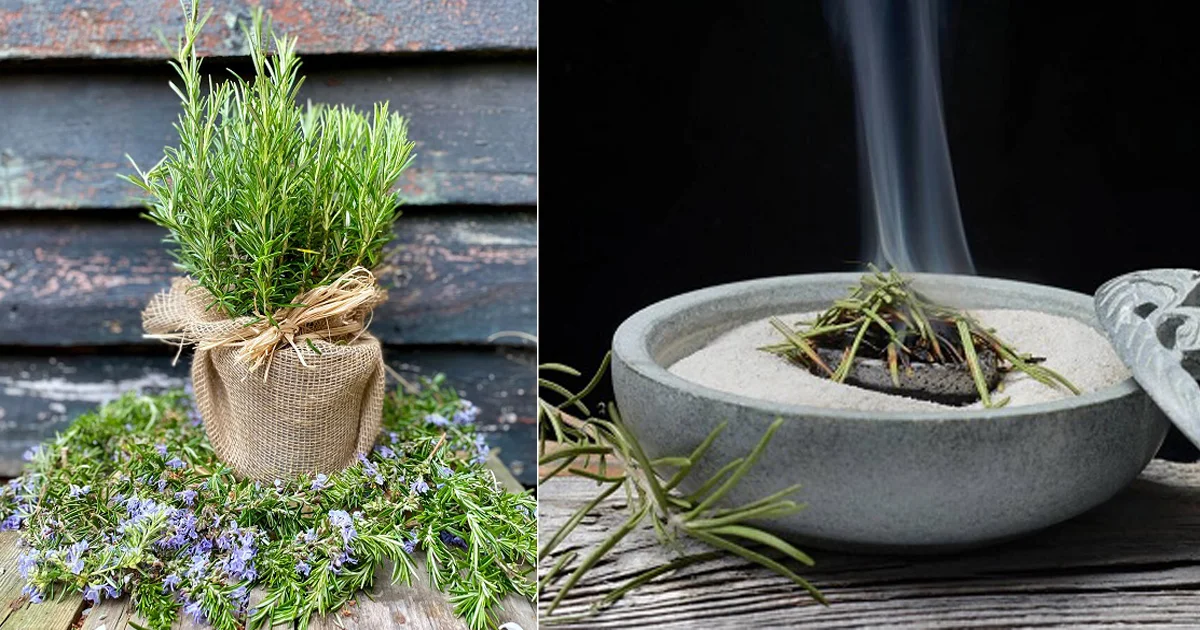
Rosemary, scientifically identified as Rosmarinus officinalis, is widely recognized not only for its role in cooking but also for its Read more

Crabgrass, or Digitaria sanguinalis, is often regarded as an annoying, invasive weed in gardens and urban spaces. However, beneath its reputation Read more
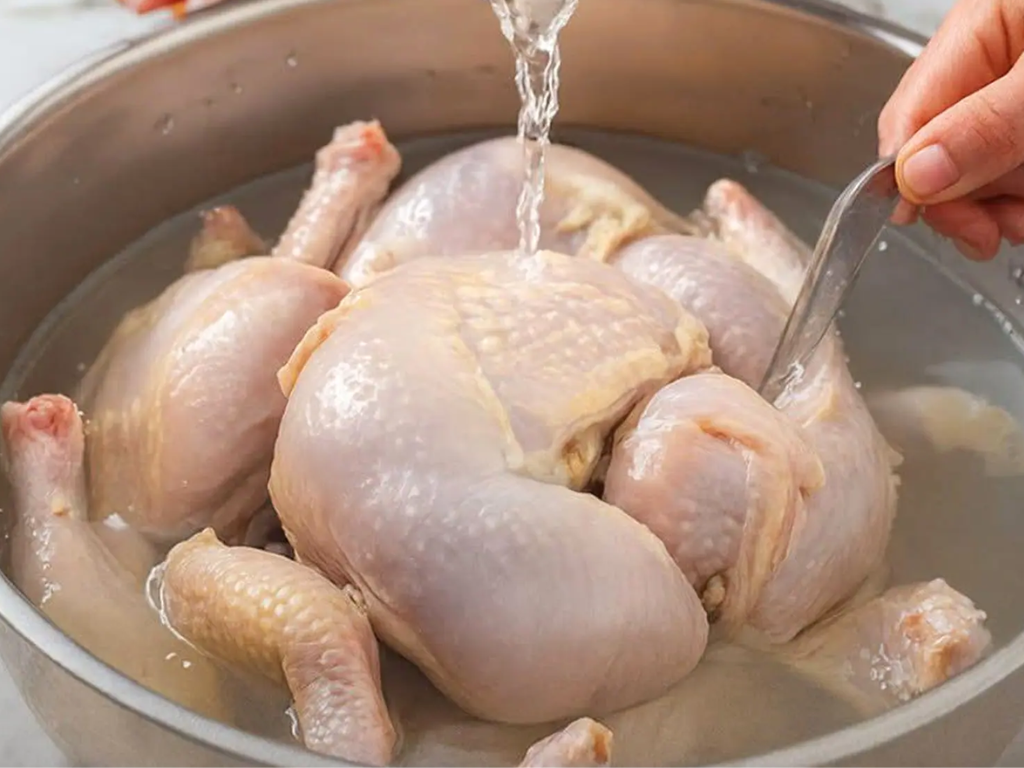
Behind the Scenes of Chicken Sold in Supermarkets At first glance, the neatly pink chicken breasts and shiny thighs displayed Read more

Embroideries and Refined Details: Don't Throw Away Your Textile Treasures Some old towels hold true treasures: hand-embroidered initials, delicate lace, Read more

A Decision Born from Solitude Agnès did not make her decision lightly. For many years, she hoped for more frequent Read more

An Invention Born from a Passion for Cooking At the end of the 19th century, the importance placed on healthy Read more

How to Detect Hidden Cameras in a Hotel Room? Hidden cameras can be disguised within seemingly harmless objects, including hotel Read more

How to Reuse Soap Scraps: Ingenious Ideas Soap bars, after several uses, become tiny and almost unusable. Many of us Read more

Dented Car Body: How to Fix It Yourself Over time, the body of your car can endure a lot. From Read more
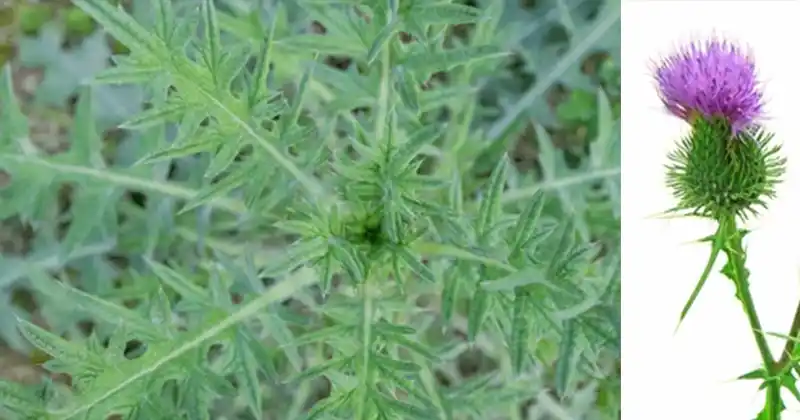
Bull Thistle (Cirsium vulgare): A Wild Plant with Surprising Benefits The bull thistle (Cirsium vulgare) is often dismissed as a Read more

The Benefits of Combining Eggs and Coffee: A Nutritious and Energizing Pair When it comes to starting your day right, Read more

Why It's Crucial to Clean Your Oven and How to Do It Naturally The Importance of Cleaning Your Oven The Read more
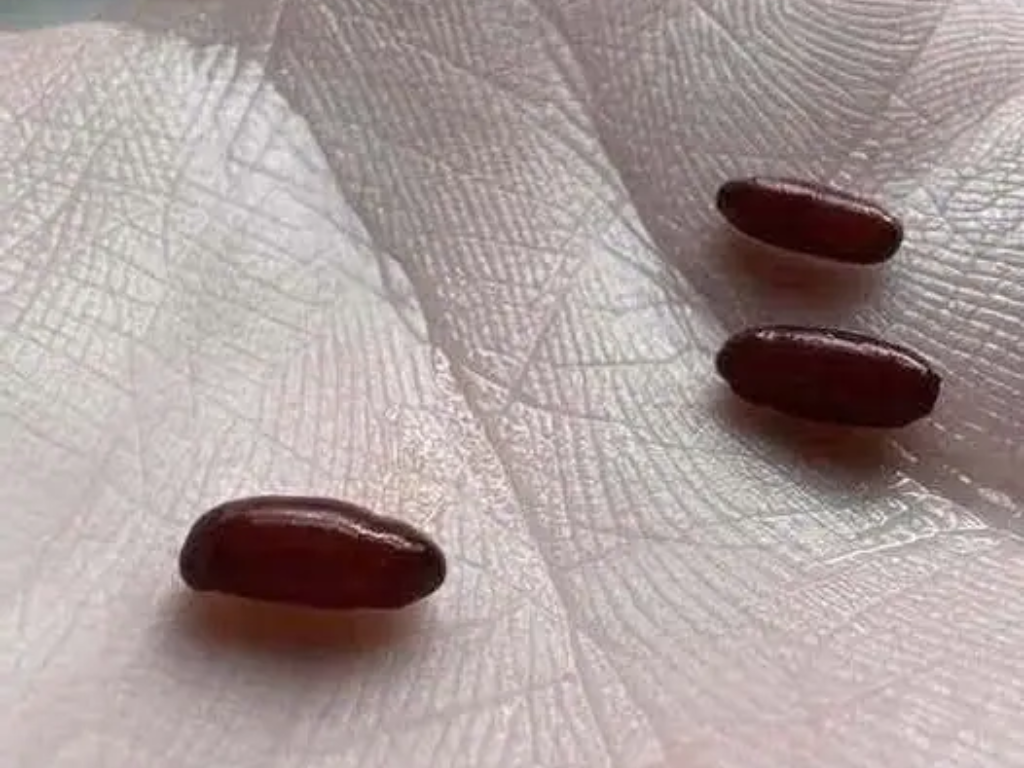
Diseases Transmitted by Ticks When we talk about ticks, Lyme disease immediately comes to mind, and for good reason. However, Read more
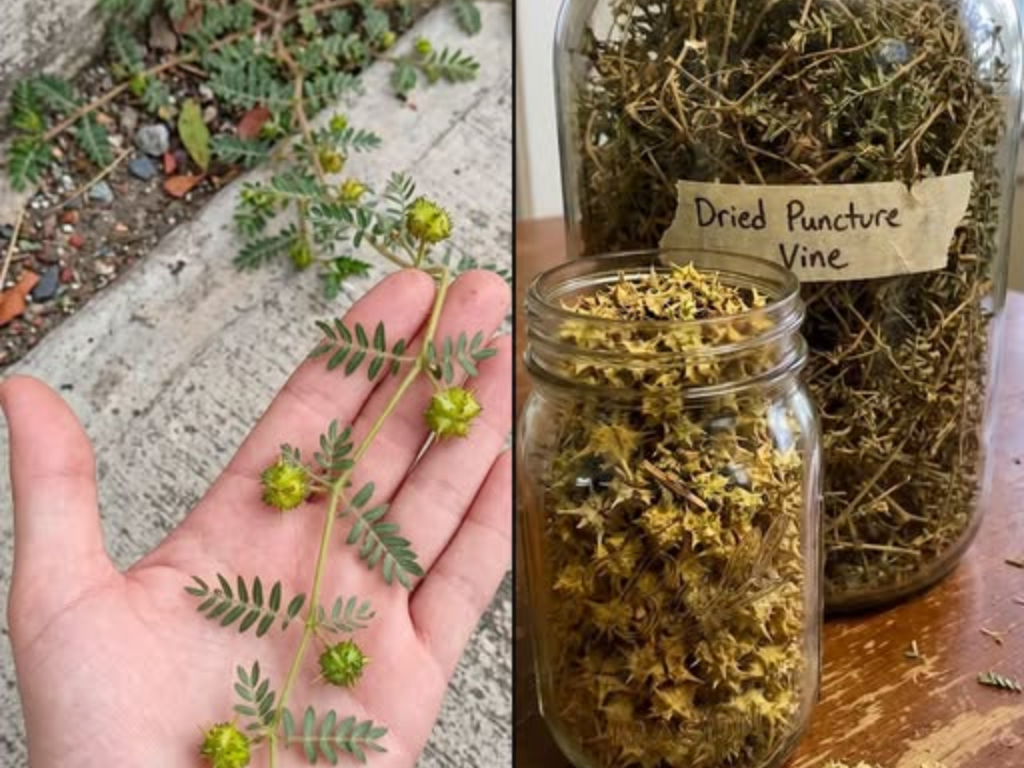
Warning: The information provided in this article is solely for educational and informational purposes. It is based on traditional herbal Read more

How to Clean a Glass Shower Door Naturally and Keep It Shining Longer Several areas of the bathroom are exposed Read more
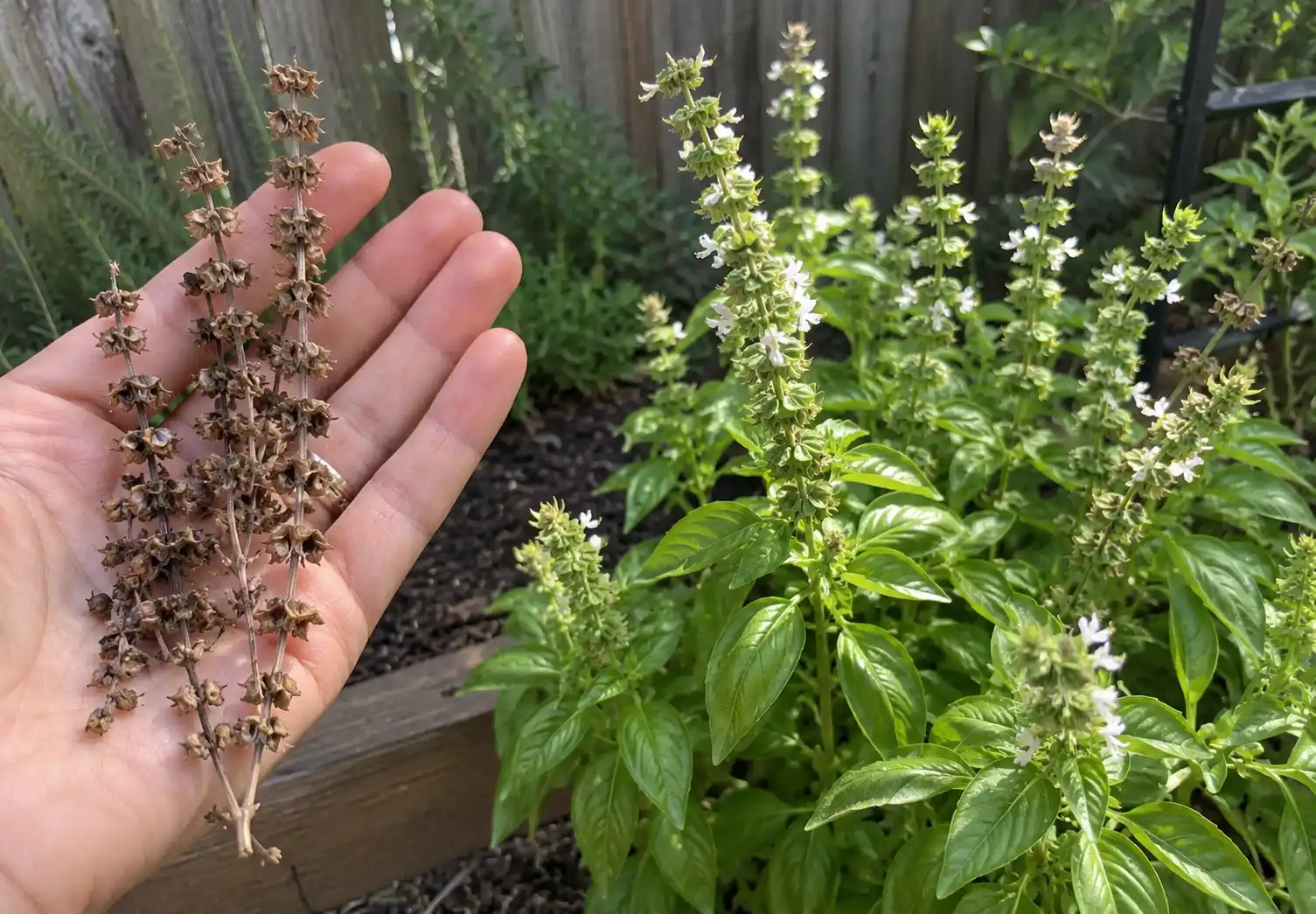
Basil seeds, often referred to as sabja or tukmaria, come from sweet basil. Though tiny, they hold an exceptional nutritional Read more

We experienced several miscarriages. Each time, it was a silent grief, almost invisible to the eyes of others. I learned Read more

The Amazing Benefits of Sumac and How to Use It Sumac is more than just a flavorful spice—it’s a powerful Read more

That evening, as Thomas crossed the threshold of his expansive home, he never expected to experience a moment of tenderness Read more

These tiny parasites can send shivers down your spine just by mentioning them. Whether on your skin or that of Read more
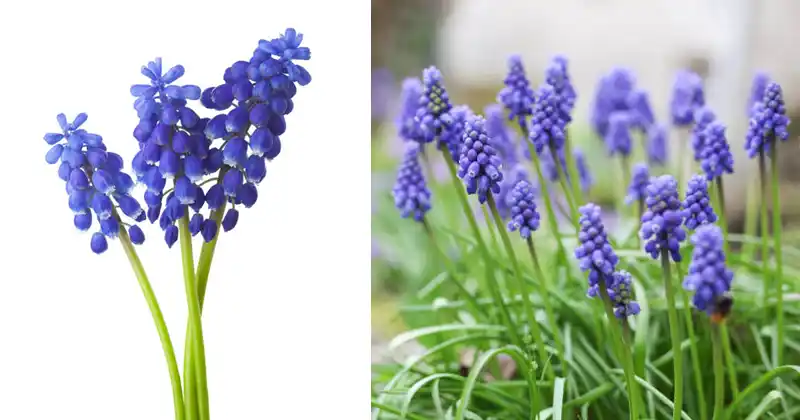
Grape Hyacinth (Muscari): A Beautiful Flower You Can Eat – But Only If You Know Which One The grape hyacinth, Read more

The Risks Associated with Excessive Screen Exposure Prolonged exposure to screens can have serious consequences on the overall development of Read more

The Loyal Friend: The Comfort of the First Choice We all have that steady and comforting person in our lives, Read more

Grease buildup on kitchen cabinets is a widespread issue that many homeowners encounter. Frequent cooking results in grease splatters that Read more
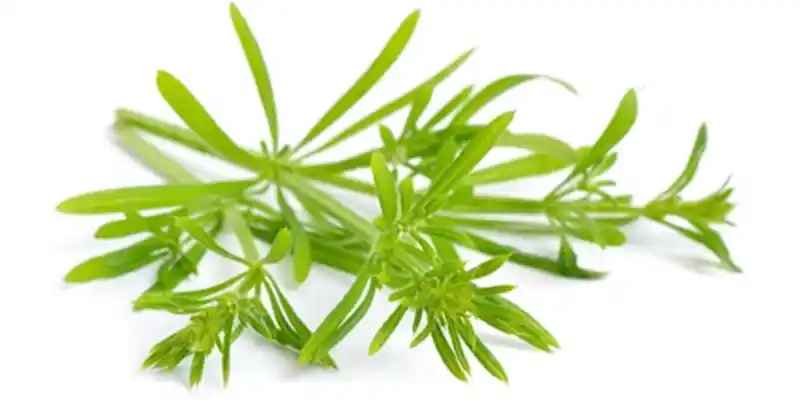
Cleavers (Galium aparine): The Herbal Remedy for Detox and Lymphatic Health Cleavers, also known as Galium aparine, is a humble Read more
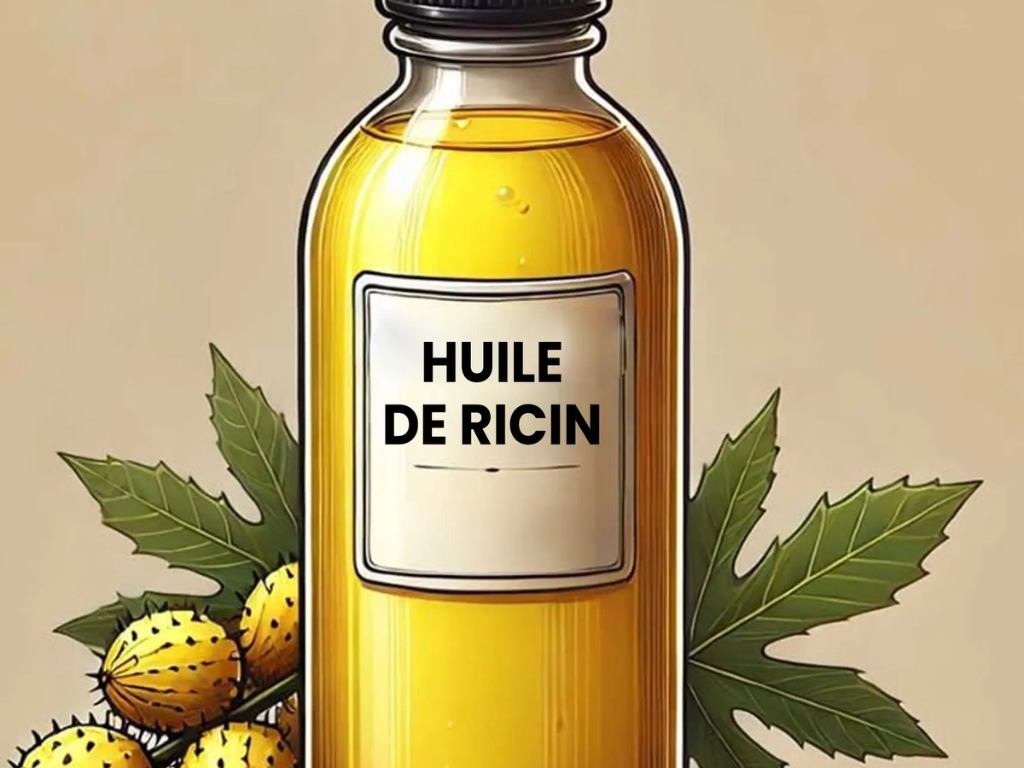
Castor Oil: A Natural Treasure to Rediscover Derived from the seeds of Ricinus communis, this thick, golden plant oil contains Read more

Defrosting a freezer is often viewed as a lengthy and tedious task involving ice packs and patience being thoroughly tested. Read more

Clogged Shower Drain? Try Baking Soda! Experiencing a stagnant pool of water after a refreshing shower can be a mood Read more

Sometimes, certain births resonate far beyond the boundaries of the family, capturing the attention of the wider public. This was Read more

A Bold Dream Transformed into an Unexpected Haven of Peace At some point in our lives, we have all dreamed Read more

The Dog’s Nose: An Organ of Exceptional Sensitivity While humans explore the world primarily through vision, dogs scrutinize it mainly Read more
