

Why Can Cooked Rice Become Dangerous?

Few people realize that once cooked, rice can quickly turn into a breeding ground for a hidden bacterium if left too long at room temperature. This bacterium, Bacillus cereus, has the unique ability to survive cooking. It then slowly multiplies if the rice cools too gradually or is simply left unrefrigerated.
The danger is very real: eating this rice the next day can cause unpleasant symptoms such as nausea, abdominal cramps, and even sudden diarrhea. What makes the situation even more delicate is that neither the taste nor the smell of the rice changes — there are absolutely no warning signs.
Good Practices to Keep Your Rice Safe

Fortunately, avoiding any risk of food poisoning only requires following a few simple steps:
Never leave your rice to cool for more than one hour outside the refrigerator. This timeframe is crucial to curb bacterial growth.
Spread the rice out on a large plate or shallow dish, uncovered. This method speeds up the cooling process.
Once cooled, transfer the rice to a sealed container before placing it in the refrigerator.
Consume the rice within a maximum of 24 to 48 hours to avoid any health risks.
Always reheat your rice evenly to a temperature above 70°C. Avoid reheating it multiple times in the microwave; a single reheating is sufficient.
How to Freeze Rice Without Losing Quality or Safety

The good news is that rice freezes very well if the proper methods are observed:
Allow it to cool quickly, always within one hour.
Divide the rice into small portions to make thawing and quick meals easier.
Use freezer-safe containers or bags to prevent crystal formation and preserve flavor.
Be sure to label the date on the container.
Under these conditions, rice can be stored up to one month in the freezer.
When thawing, never leave the rice at room temperature. Instead, choose to reheat it directly in a pan or microwave until it is thoroughly hot.
Essential Points to Remember So You Never Make Mistakes Again
Regardless of the type of rice—white, wholegrain, basmati, or jasmine—the risks remain the same.
The offending bacterium does not alter the appearance or smell of the rice: continuous vigilance is therefore essential.
The toxin produced by Bacillus cereus withstands heat. As a result, once it is present, cooking can no longer eliminate it.
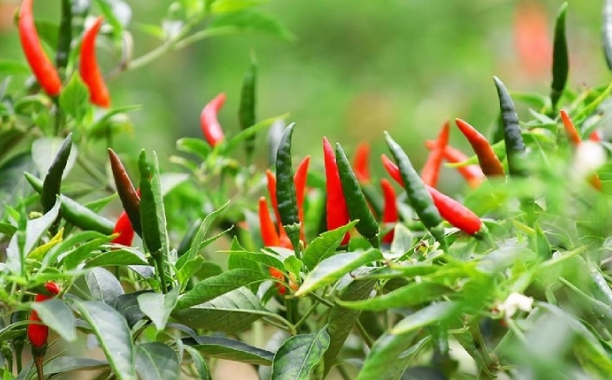
Discover the Untapped Potential of Chili Pepper Leaves: Nutritional Powerhouse for Your Health and Kitchen When you think of chili Read more

An Extraordinary Photograph It all began on a peaceful day in the countryside, where a family was enjoying a quiet Read more
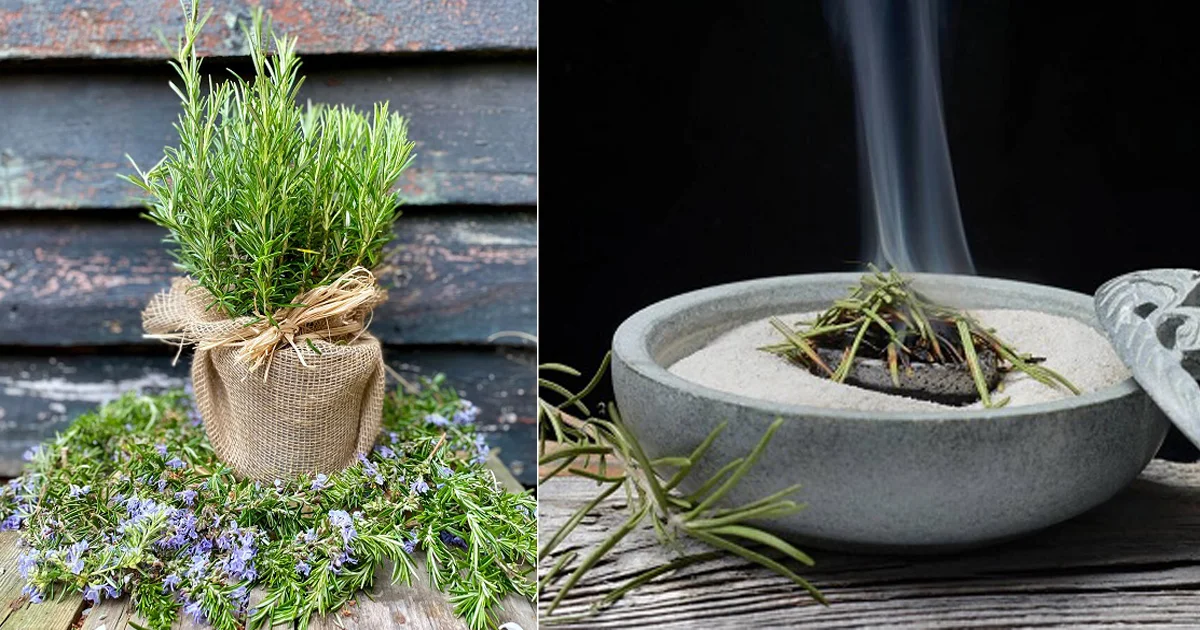
Rosemary, scientifically identified as Rosmarinus officinalis, is widely recognized not only for its role in cooking but also for its Read more

The Symbolic Significance of Slugs Inside the Home Since ancient times, various cultures have assigned deep symbolic meanings to slugs. Read more

That morning, you open your shutters... and suddenly, it is there. A white pigeon, motionless, perched on the windowsill, almost Read more

Who among us would like to live in a stifled and dirty home, where unpleasant cooking odors and impurities invade Read more

Juniper, a versatile and aromatic plant, has been valued for centuries for its culinary, medicinal, and therapeutic uses. Known for Read more

This image does more than just trick our eyes; it also reveals a lot about our personality. Depending on what Read more

The Amazing Benefits of Sumac and How to Use It Sumac is more than just a flavorful spice—it’s a powerful Read more

Sweet Violet (Viola odorata): 25 Incredible Benefits & How to Use It Sweet violet (Viola odorata), also known as wood Read more

Giving Your Plastic Bottles a Second Life: A Practical and Eco-Friendly Approach Often discarded without a second thought, plastic bottles Read more

A Heartbreaking Message Lilo, a gentle and affectionate dog, was found wandering with a leash around her neck and a Read more

Max, a True Fighter The dog advanced cautiously, drawn in by gentle words and a piece of bread offered kindly. Read more

The Art of Container Flower Combinations Designing with flowers in pots is a delightful blend of horticulture and floral design. Read more

Many people make the mistake of believing that continuously boiling water will save energy once the kettle is already hot. Read more

Why Does Honey Crystallize? The crystallization of honey is a completely natural and harmless phenomenon. It occurs when the sugars Read more
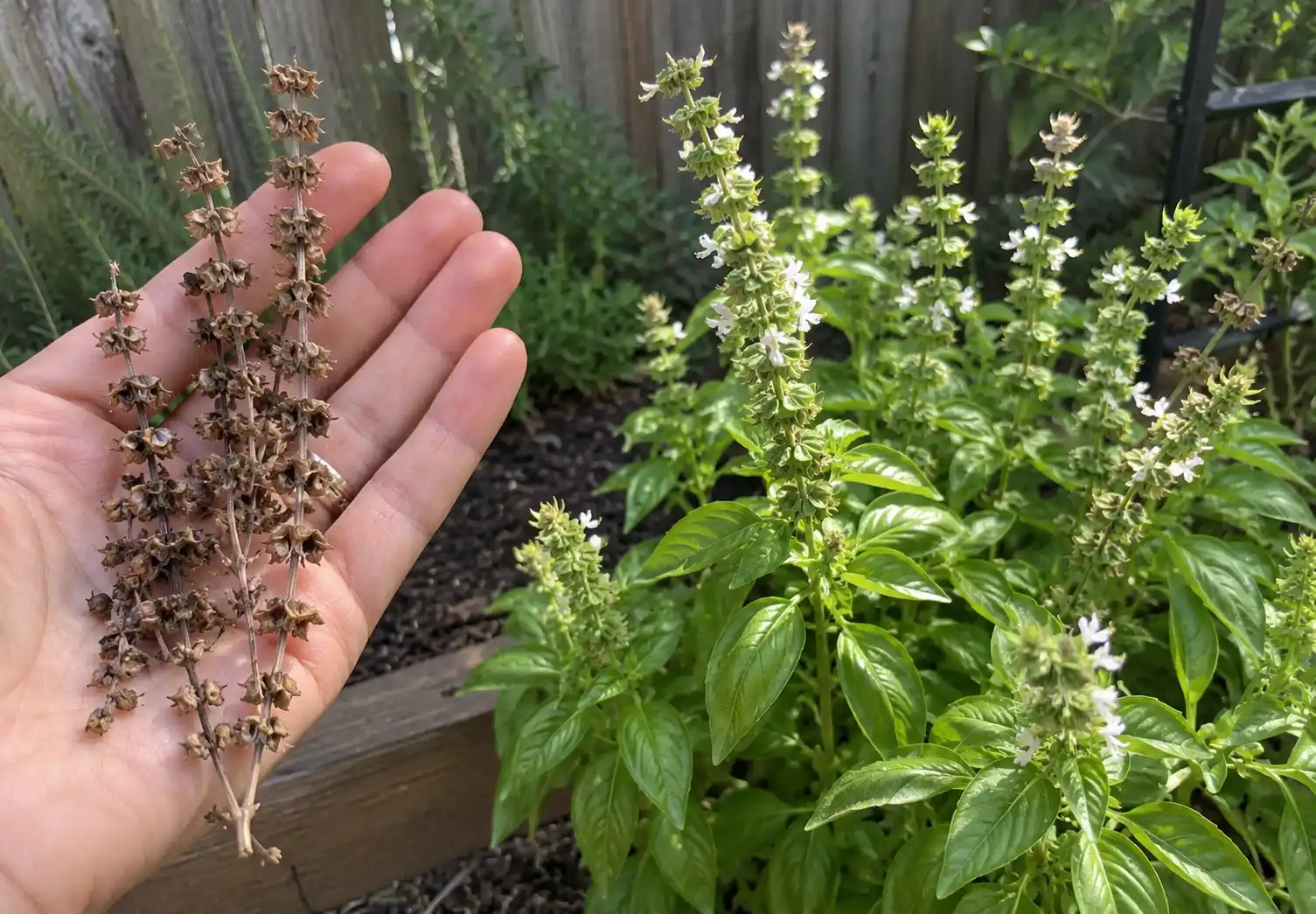
Basil seeds, often referred to as sabja or tukmaria, come from sweet basil. Though tiny, they hold an exceptional nutritional Read more

A Puzzle Deceptive in Its Simplicity When mentioning "2 mothers," "2 daughters," "1 grandmother," and "1 granddaughter," the immediate image Read more

Mullein (Verbascum thapsus), a tall, woolly plant often seen growing along roadsides and in open fields, has been treasured for Read more

Timeless Elegance That Transcends Generations Choosing black often reflects a profound pursuit of refinement and sophistication. This color goes beyond Read more

Salt: An Overlooked Treasure in the Home Since ancient times, salt was so valuable that it was even used as Read more

It might sound unusual, but an increasing number of homeowners have tried placing aluminum foil inside their toilet tanks. This Read more

Why Does the Plastic of a Washing Machine Yellow Over Time? Over the years, it is common to notice that Read more

What Is the Purpose of the Overflow Hole in a Sink? The small, often overlooked hole located near the edge Read more

Why Is It Essential to Regularly Defrost Your Freezer? The gradual buildup of frost inside your freezer goes beyond just Read more

Sida acuta, also known as “common wireweed,” is a hardy plant often found in fields and roadsides. While it may Read more

November is a time when expenses quickly pile up, caught between Black Friday deals and the first Christmas purchases. It Read more

Tomatoes, a staple in kitchens worldwide, are loved for their versatility and rich flavor. However, their perishable nature often leads Read more

Garlic's Aromatic Enigma: Its Transformation When Burnt The unmistakable scent of garlic is well-known in kitchens worldwide. Esteemed for its Read more

The Spool of Thread: A Silent Relic of a Bygone Era Let us take a moment to journey back to Read more

Uncovering the Hidden Mysteries in Everyday Objects Why do certain objects evoke such surprise and curiosity? Whether it’s opening an Read more

Whether in a sandwich, as an appetizer, or in a salad, hard-boiled eggs adapt perfectly to many everyday dishes. If Read more
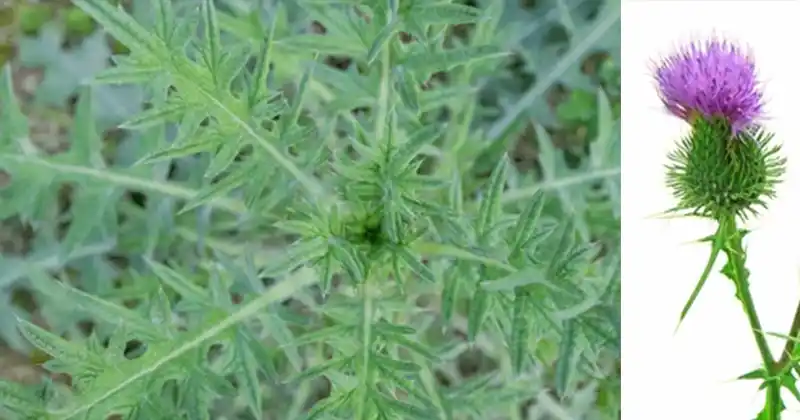
Bull Thistle (Cirsium vulgare): A Wild Plant with Surprising Benefits The bull thistle (Cirsium vulgare) is often dismissed as a Read more

Acetone: A Genuine Miracle Solution or a Trap to Avoid? Acetone, a powerful solvent commonly used to dissolve nail polish Read more

Why Traditional Household Cleaners Aren't Enough Often praised for their effectiveness, commercial cleaning products don't always succeed in removing stubborn Read more
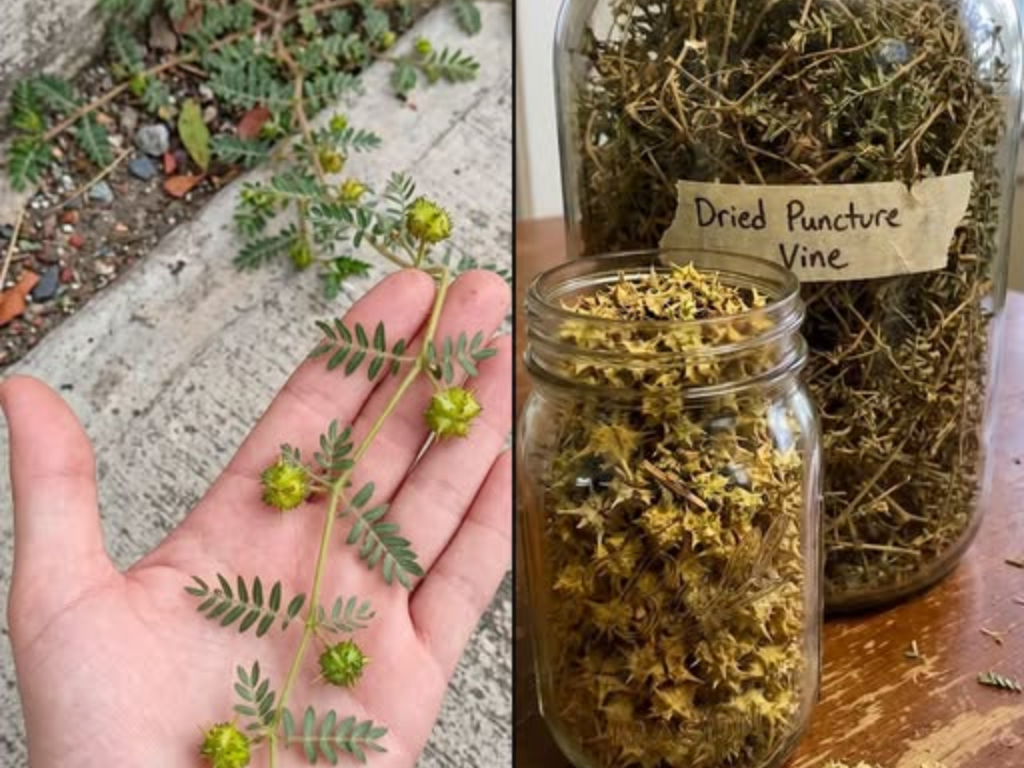
Warning: The information provided in this article is solely for educational and informational purposes. It is based on traditional herbal Read more

10 Secrets You Need to Know Before Eating Okra Okra, also known as “lady’s finger,” is a green, pod-shaped vegetable Read more

Most people discard avocado seeds without giving them a second thought, but this often-overlooked component of the fruit is actually Read more
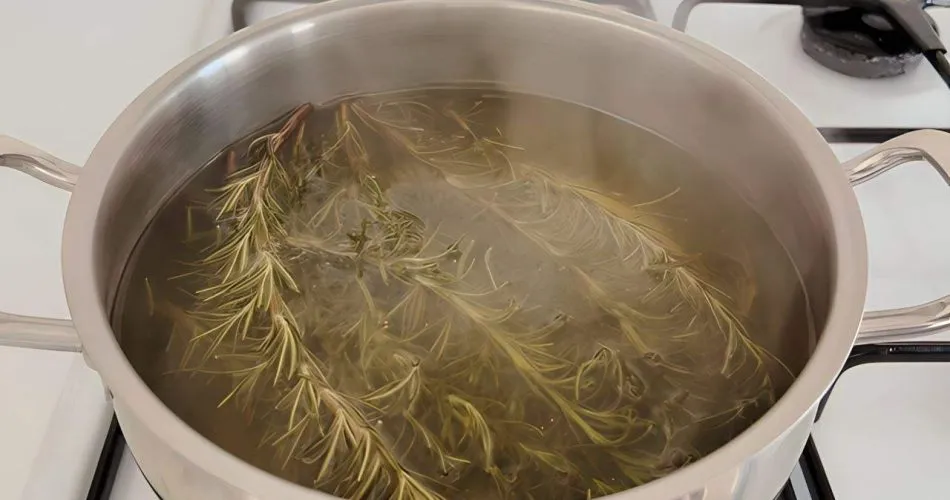
Rosemary is a herb renowned not only for its fragrant aroma in cooking but also for its extensive health advantages, Read more
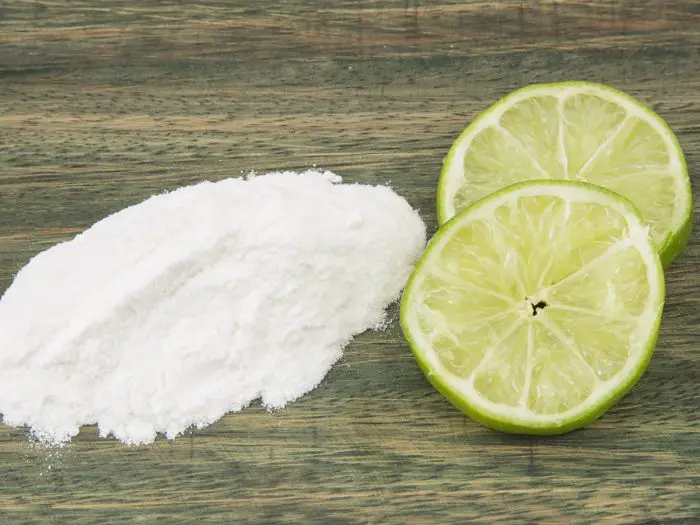
Baking soda and lemon peels are two household items often overlooked but incredibly powerful when combined. This natural duo can Read more
