
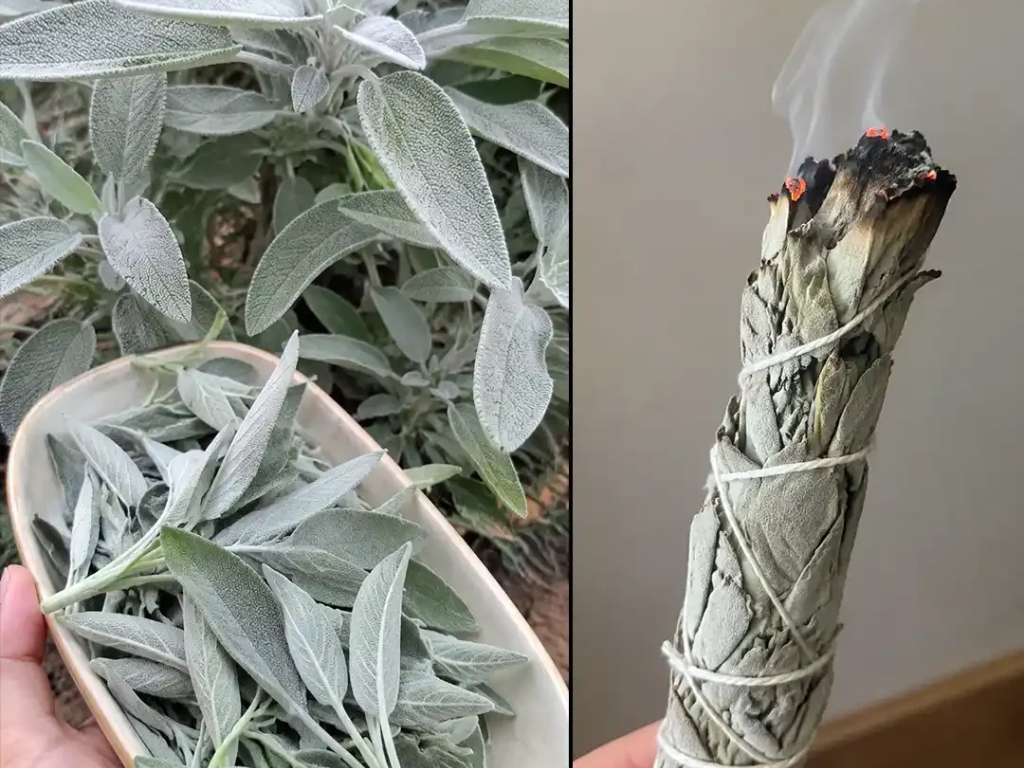
Warning: The information presented in this article is strictly for informational and educational purposes. It should never be considered medical, veterinary, or professional advice, nor used to diagnose, treat, cure, or prevent any illness. Burning herbs carries risks related to fire and smoke, and individual reactions to the aromas and smoke of plants can vary widely. It is essential to exercise personal judgment and observe safety rules regarding fire and ventilation. The author and publisher disclaim any liability for damage, injury, adverse reaction, or loss resulting from the use or misuse of the information contained herein. If you have asthma, allergies, respiratory issues, medical conditions, pregnancy, or concerns about the safety of pets, consult a qualified health professional or veterinarian before burning sage or using medicinal plants in your home.
Burning sage is a simple, age-old practice used for generations to purify indoor air, mask unpleasant odors, and create a calming atmosphere. While sage bundles sold in stores are common, you don’t need to spend a fortune to practice this tradition correctly. With the right type of sage, some basic tools, and proper safety habits, you can prepare and use sage safely in your own home.
This guide introduces you to the sage varieties best suited for burning, the real effects of burning sage, simple methods to perform at home, and the essential safety rules every household should follow.
The Best Varieties of Sage for Burning
Not all sages burn the same way or emit the same fragrance. The variety you choose greatly influences ease of use, cleanliness of combustion, and olfactory enjoyment.
White Sage (Salvia apiana)
White sage is widely regarded as the best for burning. Native to the dry regions of the southwestern United States and northern Mexico, this woody plant offers many advantages:
Strong aroma: Its thick, silvery leaves contain a high concentration of natural aromatic oils, releasing a sharp, intense scent with a slight resinous quality reminiscent of pine.
Controlled burning: The density and resin of the leaves allow dried white sage to maintain a slow, long-lasting ember, unlike finer herbs.
Purchase advice: Wild white sage is often overharvested in its natural habitat. Favor buying white sage from organic or ethical cultivations rather than bundles harvested from the wild.
Common Garden Sage (Salvia officinalis)
For a practical, economical, and eco-friendly option, the common culinary sage is perfectly suitable:
Easy to grow: It thrives easily in a sunny pot or garden, letting you harvest your own leaves for free.
Softer scent: Its aroma is more subtle, earthy, and herbaceous compared to white sage, making it pleasant in smaller spaces or apartments.
Widely accessible: Fresh bundles are available year-round in most supermarkets and garden centers.
Other Usable Sage Varieties
Several other sage types you might grow in your garden are also suitable for drying and clean burning:
Blue Sage (Salvia clevelandii): Emits a soft, slightly sweet scent, less intense than white sage.
Purple Sage (Salvia officinalis ‘Purpurascens’): A colorful garden sage variety with qualities similar to common sage regarding drying and burning.
Clary Sage (Salvia sclarea): Appreciated for its gentle, earthy, and slightly floral scent when dry.
Important: Only burn untreated sage free from pesticides. Avoid ornamental plants treated with chemical insecticides, fungicides, or synthetic products used to shine leaves.
The Real Benefits of Burning Sage
Many claims circulating online exaggerate the effects of sage smoke. Observing the plant closely allows us to distinguish tangible benefits from myths.
Neutralizes stale odors: Sage leaves contain natural aromatic oils such as eucalyptol (cineole) and camphor. When heated, these oils release a fresh herbaceous scent that helps mask persistent odors from cooking, pets, or stale air in closed rooms.
Promotes calm and focus: The sharp scent of sage is commonly used in aromatherapy to help people feel more alert, relaxed, and centered. Taking a few minutes to slow down, air the room, and breathe in this fresh fragrance provides a simple mental break from daily stress.
Contains bioactive compounds: Laboratory studies on sage extracts and essential oils reveal natural antimicrobial and antioxidant compounds. Burning a small bundle does not disinfect surfaces nor replace household cleaning, but herb fumigation is traditionally employed to refresh living spaces.
Repels certain insects outdoors: The strong odor of burnt sage is unpleasant to many flying insects. Burning dried leaves in a fireproof container on a patio or porch can help deter mosquitoes and flies while enjoying the outdoors.
Offers a sense of renewal: Many burn sage after a thorough cleaning, after hosting guests, or when moving into a new home to symbolize a fresh start and to purify the atmosphere.
How to Make Your Own Sage Bundles at Home
Making your own sage bundles from fresh garden sage is a simple and cost-effective process. The key to a bundle that burns well is thorough drying before use.
Necessary Materials
Fresh sage stems (ideally between 15 and 25 cm in length)
Clean scissors or garden pruners
100% natural cotton twine or hemp cord (avoid nylon, polyester, or any plastic, as these melt and release toxic fumes)
Step-by-Step Preparation
Harvest healthy stems: Cut sage stems in the morning after the dew has dried. Choose clean leaves without dark spots, insects, or dirt.
Clean and dry: Gently shake to remove dust. If rinsing is necessary, thoroughly dry the stems with a clean cloth then leave them in open air for several hours to remove moisture.
Gather the stems: Align 5 to 8 stems together, placing the cut bases evenly. Remove any damaged or loose leaves near the base.
Tie the base: Cut a length of twine three to four times longer than the bundle. Tie a tight knot around the stems at the base, leaving a small loose end of twine.
Twist the twine: Pull the twine firmly, then wrap it spirally upward toward the top of the leaves, then back down crossing the twine to the base. Tighten well to keep the bundle solid during drying. Finish with a secure knot.
Air dry: Hang the bundles upside down in a cool, dark, dry, and well-ventilated spot (pantry, closet, isolated room) avoiding direct light to preserve essential oils.
Dry until brittle: Depending on humidity and bundle thickness, drying takes between 1 and 3 weeks. The bundle is ready once the outer and inner leaves break crisply rather than bend. Never burn damp or partially dry sage as it produces thick, unpleasant smoke and may develop mold inside.
4 Simple Ways to Use Sage at Home
You don’t have to have a tied bundle to enjoy the scent of sage. Choose the method best suited to your space and available materials.
Method 1: Burning a Dried Sage Bundle
The classic method to purify an entire room.
- Ventilate the room: Open doors or windows to ensure air renewal and prevent smoke accumulation.
- Prepare a fireproof container: Place a ceramic bowl, cast iron dish, metal tray, or thick shell under the bundle to catch ashes and sparks.
- Light the tip: Hold a match or lighter to the leafy end of the bundle, slightly tilted downward, until a small flame ignites.
- Blow out the flame: Let it burn for 10 to 15 seconds, then gently extinguish the flame. You should have a glowing ember producing light smoke, not an open flame.
- Move around the room: Walk slowly while holding the container under the glowing tip. Smoke should remain light and passing; 1 to 3 minutes suffices for an average-sized room.
- Fully extinguish: Gently press the glowing tip into a bowl filled with dry sand, clean earth, or salt until fully extinguished with no smoke. Avoid wetting the bundle if you want to reuse it, as damp sage is hard to relight and can mold.
Method 2: Burning Loose Dried Leaves
If you don’t have a bundle or only have whole dried sage leaves from cooking, this method is the simplest and quickest.
Place 2 to 4 whole dried leaves in a fireproof ceramic or metal container.
Light the edge of a leaf with a lighter or match.
As soon as the flame catches, blow it out immediately to allow the leaf to smolder and produce smoke.
Keep the container on a heat-resistant surface, away from fabrics or paper, until the leaves are completely consumed to cold ashes.
Method 3: Crushed Sage on Incense Charcoal
Ideal for larger spaces or outdoor patios where you want slow, long-lasting smoke with crushed or broken sage.
Half-fill a sturdy ceramic or metal bowl with dry sand or small pebbles to isolate the heat.
Hold a self-lighting charcoal disc with metal tongs and ignite one edge until sparks spread across the surface.
Place the lit disc on the sand and wait 1 to 2 minutes until it stops sparking and edges turn light gray.
Sprinkle a small pinch of crumbled dried sage leaves onto the hot disc.
Add a new pinch only when the previous has burned away. Leave the bowl alone until the charcoal is completely cool, which can take over an hour.
Method 4: Sage Potpourri without Smoke (Smoke-Free Alternative)
If you live in a small apartment, have sensitive smoke detectors, or prefer to avoid inhaling smoke, a warming potpourri offers the herbal fragrance of sage without any combustion.
Fill a small saucepan two-thirds full with clean water.
Add a handful of fresh leaves or 2 to 3 tablespoons of dried sage leaves.
For added freshness, optionally include lemon peel slices, a sprig of rosemary, or a cinnamon stick.
Bring the water to a gentle boil, then immediately reduce heat to low to maintain a slight simmer.
Simmer uncovered for 20 to 40 minutes so fragrant steam fills the room.
Carefully monitor the water level, topping up as needed and never leave a saucepan unattended on the stove.
Proper Storage of Homemade Dried Sage
Adequate storage keeps dried sage aromatic while preventing moisture and mold.
Check dryness: Ensure all stems and leaves are completely brittle before storing.
Choose an airtight container: Store loose leaves or finished bundles in a clean glass jar with a tight lid, or in a breathable paper bag if your home is very dry.
Avoid heat and light: Keep containers in a cool, dark cupboard away from ovens, heaters, and sunny windows.
Use within one year: Dried sage retains essential oils and fragrance best for 6 to 12 months.
Essential Safety Guidelines
Burning sage involves open flames, hot embers, and indoor smoke: basic precautions are imperative and non-negotiable.
Fire and ember safety
Never leave burning sage unattended: Even a hidden ember can flare up minutes later.
Always use a heat-resistant container: Ashes can burn skin, melt synthetic fabrics, or damage furniture and carpets.
Check before storing: After extinguishing in sand or earth, allow the bundle to cool for at least 30 minutes in its container before setting it aside. Never discard a still-hot bundle in the trash.
Keep away from flammable materials: Curtains, bedding, papers, aerosols, and dry decorations must be kept well clear.
Respiratory safety
Always ventilate: Open a window before lighting sage since any combustion produces smoke and fine particles harmful in enclosed spaces.
Do not inhale smoke directly: Keep the bundle at arm’s length and avoid placing yourself directly in a thick smoke cloud.
Be cautious with respiratory diseases: People with asthma, allergies, bronchitis, COPD, or other respiratory problems may experience worsening symptoms (coughing, wheezing, irritation). In these cases, prefer the smoke-free warming potpourri method.
Pets, children, and pregnant women
Protect your animals: Dogs, cats, and especially pet birds have very sensitive respiratory tracts. Birds can quickly be affected by smoke and strong fumes. Isolate them in a well-ventilated room before burning sage and wait until all smoke dissipates before bringing them back. Keep dry sage, ashes, and matches out of their reach.
Keep out of reach of babies and young children: Their still-delicate respiratory systems should not be exposed to indoor smoke or hot objects.
Precautions during pregnancy: Pregnant women are often more sensitive to strong odors and smoke. Ensure optimal ventilation or avoid combustion-based methods.

How to Clean Bathroom Tiles Quickly and Effectively Cleaning bathroom tiles is a task we all love to postpone. It Read more
The Multifaceted Benefits of Spices and Herbs Throughout history, a variety of spices and herbs have been cherished not only Read more
Have you just stained a piece of clothing and don't know how to get rid of it? Rest assured, this Read more

Storms have been growing stronger in recent years, significantly increasing the risk that your electronic devices may suffer irreversible damage Read more

Low Beam Headlights: More Ingenious Allies Than You Might Imagine Low beam headlights are essential and activate automatically as soon Read more
You have tried everything to sleep better — herbal teas, meditation, ergonomic pillows — but nothing seems to work? What Read more

How can a simple homemade mixture really help make your teeth whiter? Here is the secret that has already captivated Read more

A Puzzle Deceptive in Its Simplicity When mentioning "2 mothers," "2 daughters," "1 grandmother," and "1 granddaughter," the immediate image Read more

Shepherd’s Purse (Capsella bursa-pastoris): A Medicinal Herb with Powerful Benefits Shepherd’s Purse, known botanically as Capsella bursa-pastoris, is a small, Read more
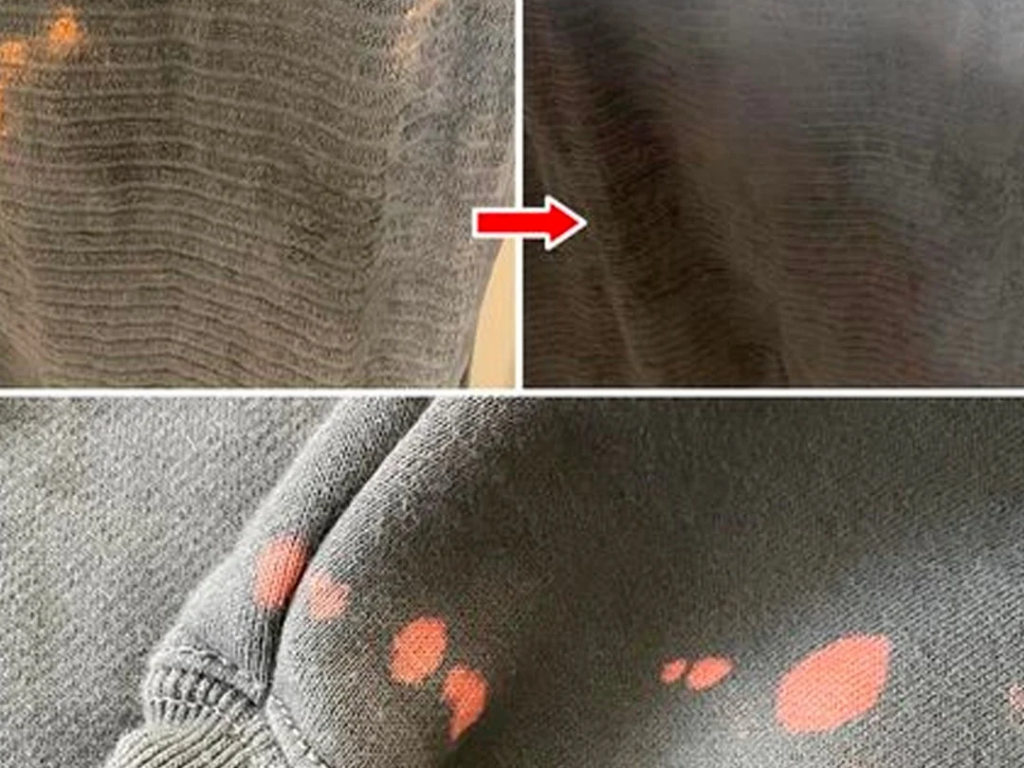
White Vinegar and Baking Soda: The Natural Solution to Remove Stains White vinegar and baking soda are essential allies in Read more

November is a time when expenses quickly pile up, caught between Black Friday deals and the first Christmas purchases. It Read more
Thyme is known by some as the "enemy of toxins," a reputation that dates back to stories from ancient Greece. Read more

Imagine preparing a simple meal for your loved ones, only to discover that your chicken breast falls apart into long, Read more
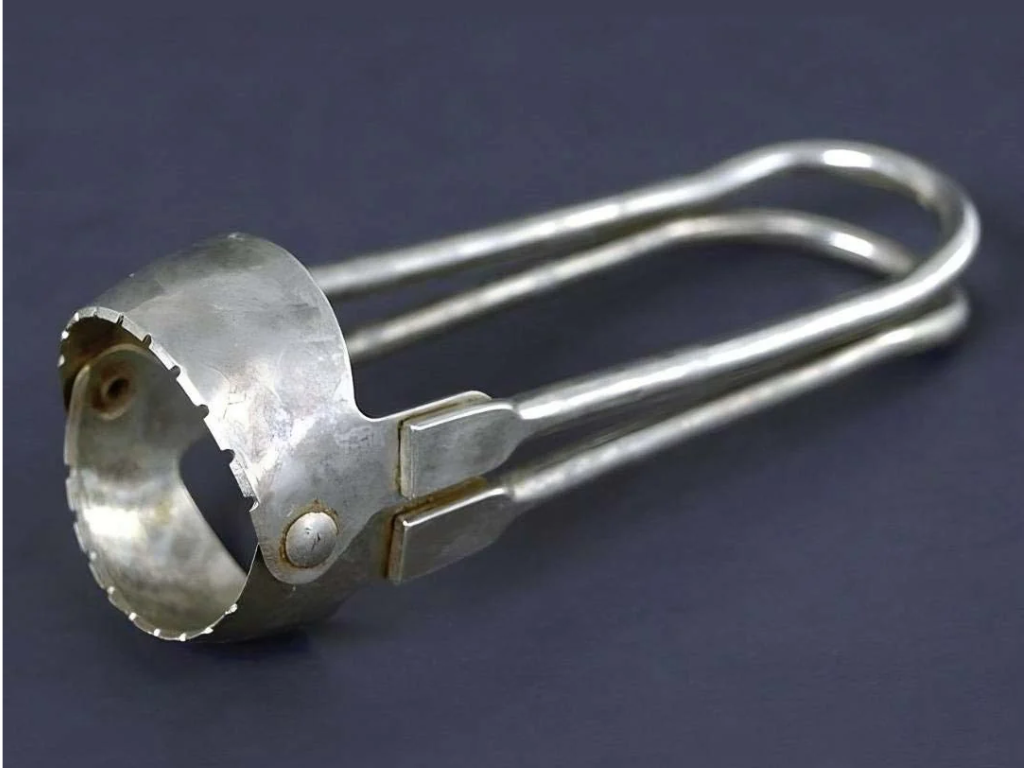
An Invention Born from a Passion for Cooking At the end of the 19th century, the importance placed on healthy Read more
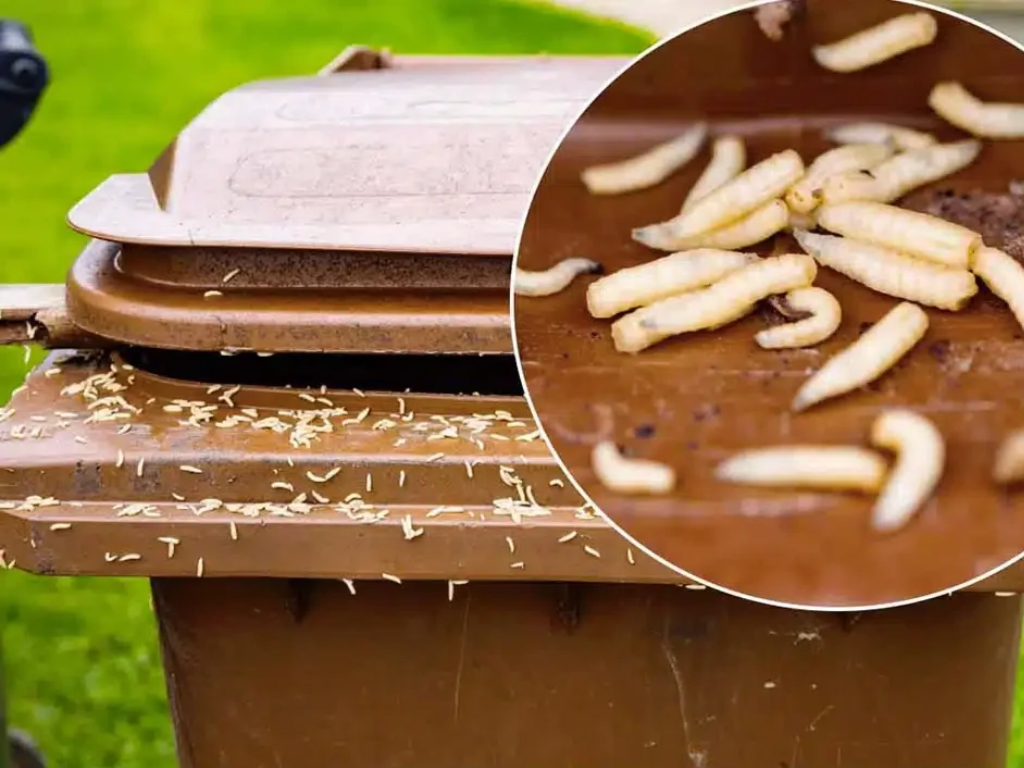
Effective Methods to Eliminate Maggots and Prevent Their Return Vinegar: An Essential Natural Repellent To quickly rid yourself of maggots, Read more

A Pricing Error That Affects Your Budget We don't always realize it, but pricing errors in supermarkets are far from Read more
Thyme is known by some as the “enemy of toxins,” and it has been part of stories since ancient Greece. Read more

You are walking, your mind elsewhere, and suddenly, a metallic glimmer catches your eye. A forgotten coin rests there in Read more

The Risks Associated with Excessive Screen Exposure Prolonged exposure to screens can have serious consequences on the overall development of Read more

Before chasing a spider out of your home, take a moment to understand why it is better to give it Read more

Today, we present you with a genuine observation challenge: how many animals can you spot in this image? Take a Read more

The Symbolic Significance of Slugs Inside the Home Since ancient times, various cultures have assigned deep symbolic meanings to slugs. Read more

Bathroom Mold: Causes and Solutions Ideal Environment for Mold Growth Bathroom surfaces are prime locations for mold growth. Moisture accumulates Read more
An Enticing Salad… But One Detail Caught Our Eye The atmosphere was perfect: pleasant music, a carefully arranged setting, and Read more

Thirty Years of Marriage Before a Love at First Sight on a Flight After three decades of life together, with Read more
Why Does the Airfryer Appeal So Strongly to French Households? In 2023, nearly one million households in France chose to Read more

Why does your sleep become fragile precisely between 3 a.m. and 5 a.m.? Is it due to a peculiarity of Read more

A Story of Love, Trust… and Betrayal Everything seemed to come straight out of a fairy tale. At just 15 Read more

An IQ Test Involving Coffee Cups When it comes to logical reasoning, it is clear that not everyone approaches it Read more
Cleavers (Galium aparine): The Herbal Remedy for Detox and Lymphatic Health Cleavers, also known as Galium aparine, is a humble Read more

Unveiling the Secrets of Burning Bay Leaves in Your Home The age-old tradition of burning bay leaves, once prevalent in Read more

How to Detect and Keep Rats Nesting in Your Walls Away The warning signs are often subtle: faint footsteps heard Read more

The Horse Optical Illusion: Why Our Perception Plays Tricks on Us When confronted with this type of illusion, our brain Read more

Why Does the Plastic of a Washing Machine Turn Yellow Over Time? Over the years, it is common to notice Read more
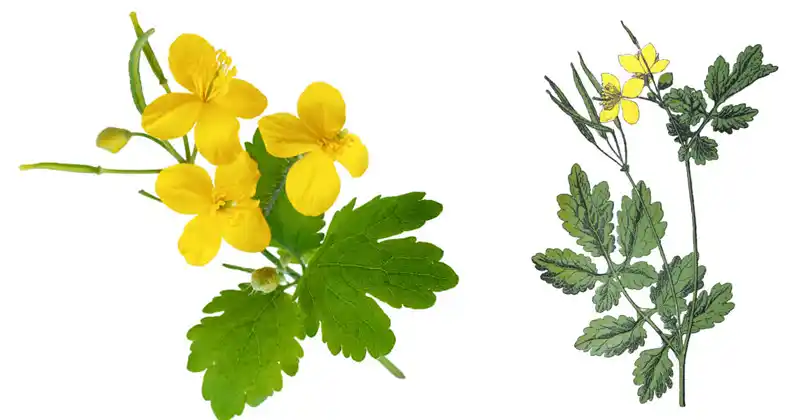
For centuries, Chelidonium majus, commonly known as Greater Celandine, has held a special place in traditional herbal medicine. Recognized by Read more

Much More Than Just a Decorative Element The presence of multiple pillows on a hotel bed is far more than Read more

A Heartbreaking Message Lilo, a gentle and affectionate dog, was found wandering with a leash around her neck and a Read more
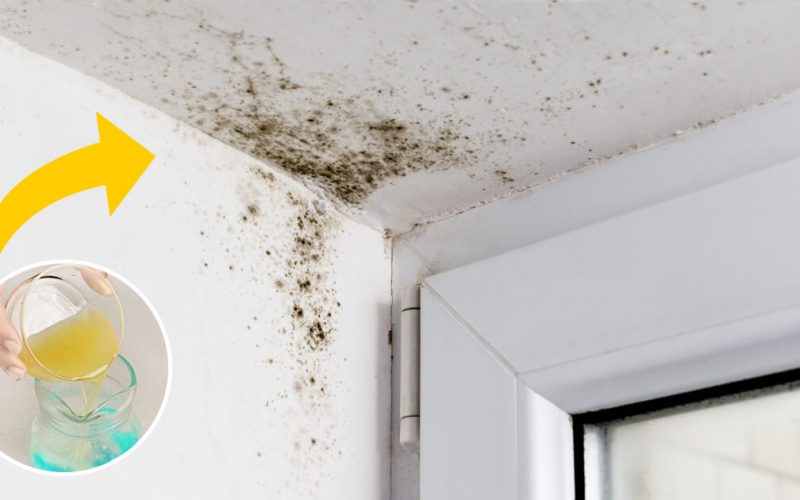
Often, due to poor ventilation or certain climatic conditions, dreaded mold can develop on the walls of our homes. In Read more

Salt Water: The Natural and Effective Trick If you want to quickly restore the shine to your silver jewelry without Read more

A Decision Born from Solitude Agnès did not make her decision lightly. For many years, she hoped for more frequent Read more
