
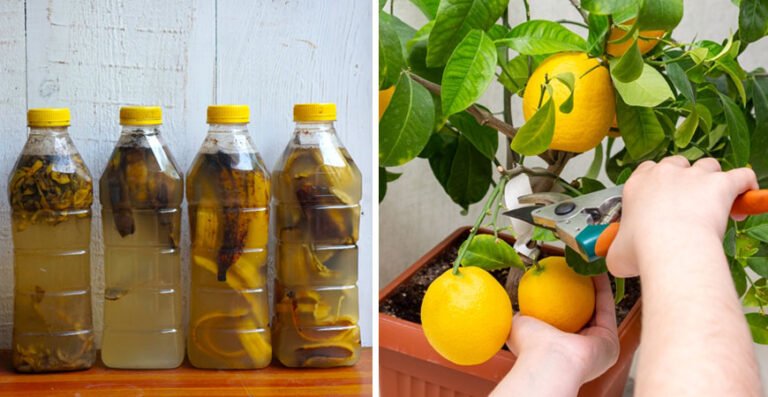
Applying fertilizers to our patios or gardens is a practice that enriches the soil by supplying essential nutrients such as phosphorus, potassium, and nitrogen. This boost in nutrients supports the robust and healthy development of plants, which in turn improves their overall yield.
Among the various types of fertilizers available, chemical fertilizers, which are synthetically produced, are widely used. While they can effectively supply the required nutrients, improper or excessive use of these chemical fertilizers can cause harmful effects on both the soil quality and the plants themselves.
On the other hand, organic fertilizers, crafted from natural ingredients, present an environmentally friendly and economical alternative to chemical options.
Let us explore the preparation of two types of organic fertilizers known to significantly enhance the fruit-bearing potential of your plants.
1. Fertilizer from Banana Peels
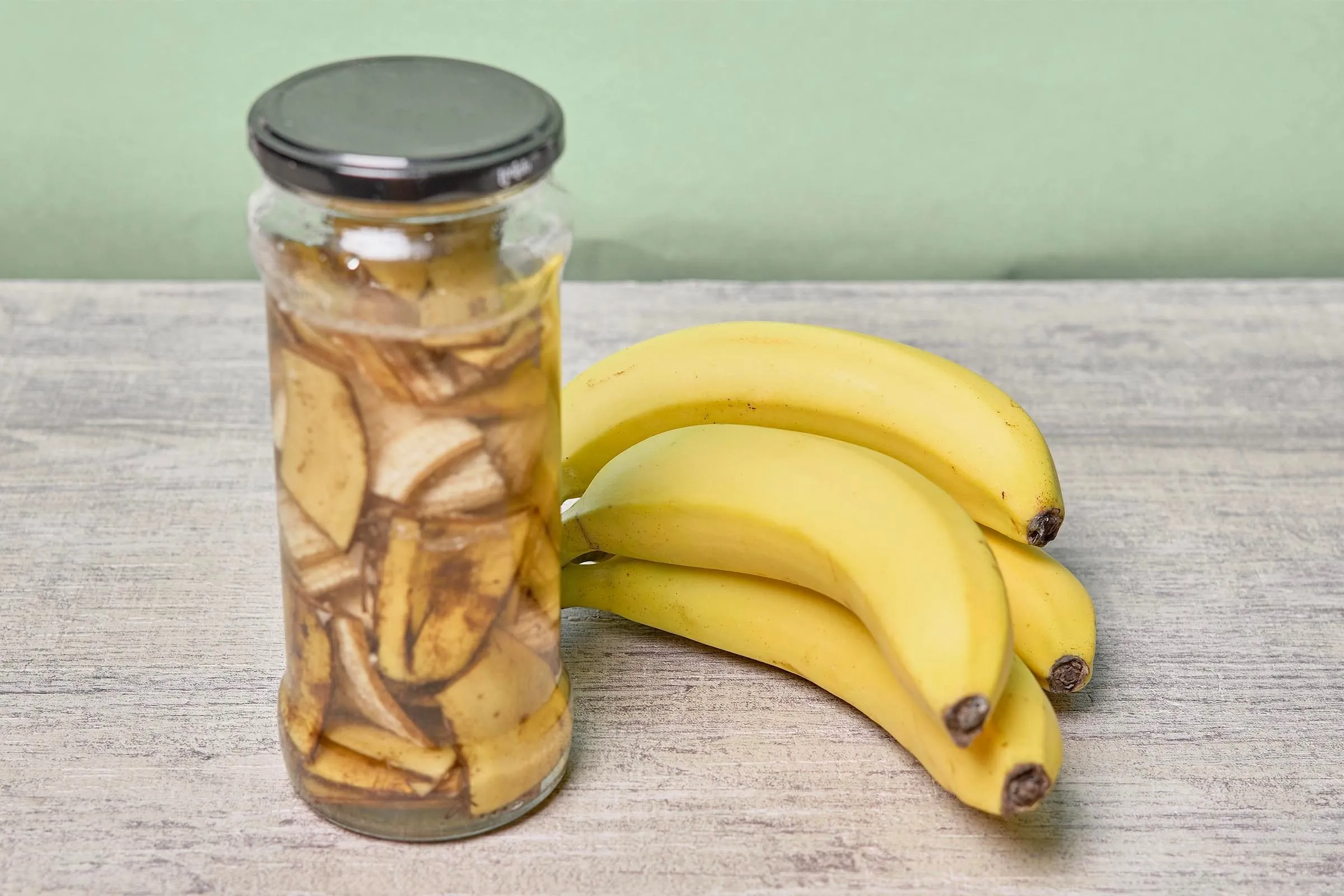
Potassium deficiency in plants often manifests as yellowing leaves or curling at the leaf edges. This banana peel fertilizer, abundant in vital nutrients, helps maintain the vibrant natural color of leaves and fruits.
The ingredients required are five banana peels, one and a half liters of water, a medium-sized pot, and a bottle for storing the fertilizer.
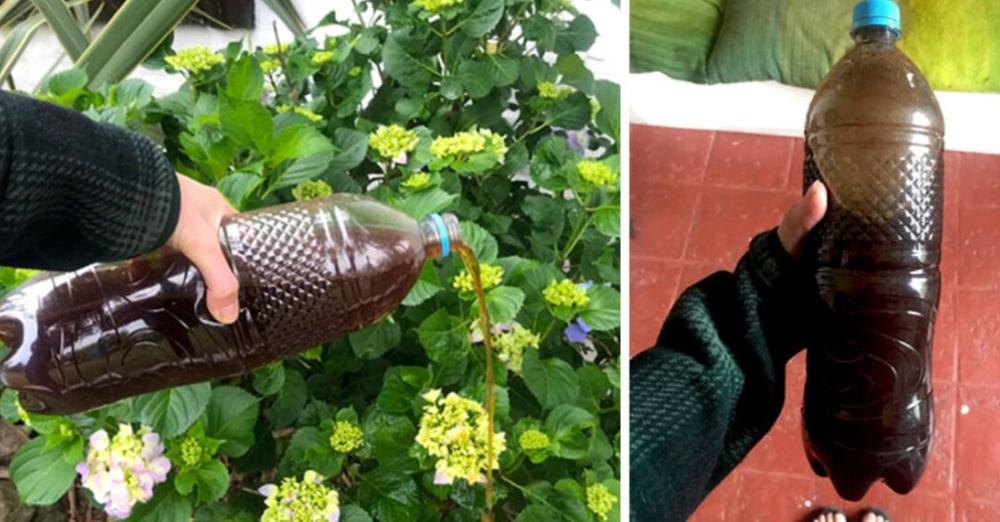
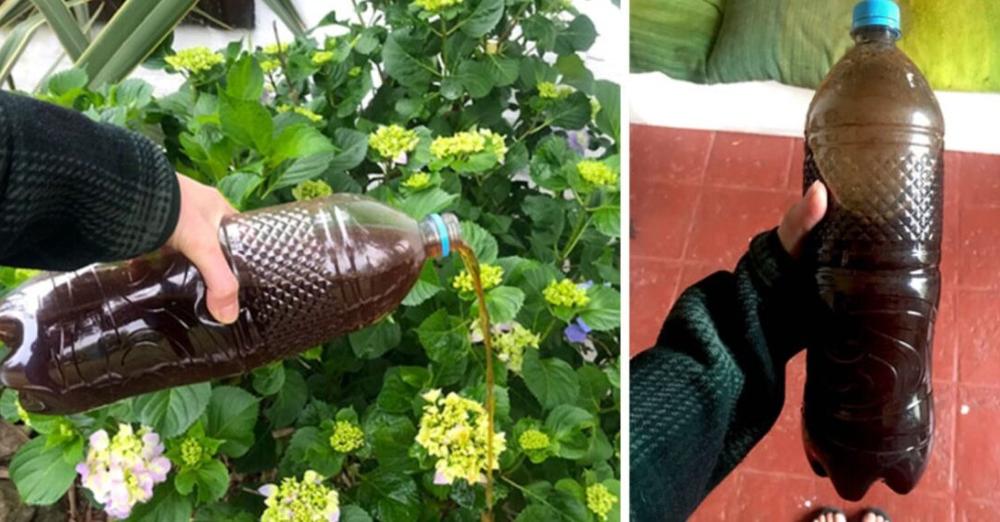
Begin by finely chopping the banana peels into small pieces. Pour the water into the pot, add the chopped peels, and heat the mixture over medium heat for approximately 15 minutes or until the water adopts a brown tint from the banana peels.
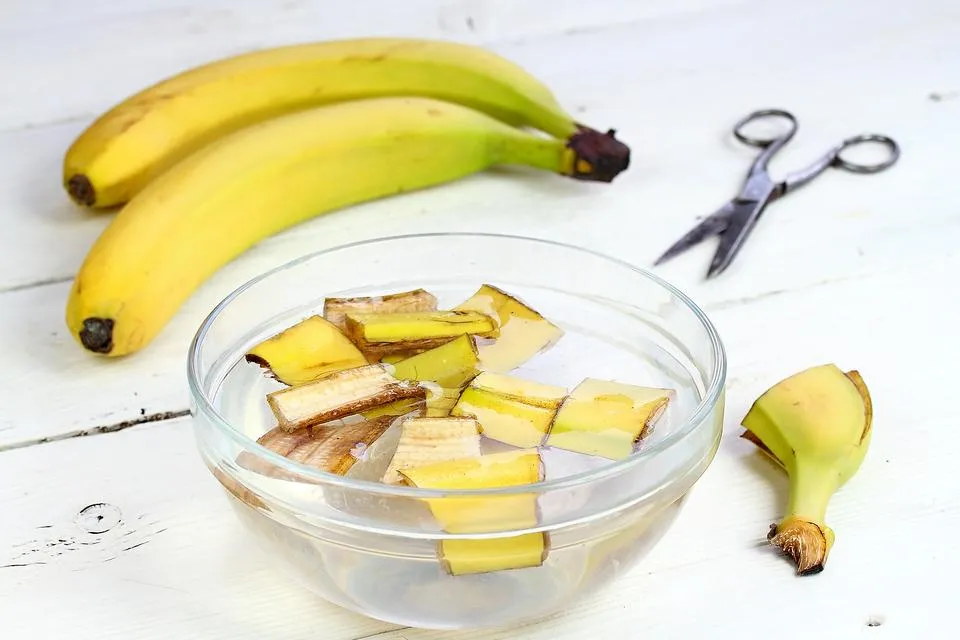
After heating, remove the pot from the heat source and let the liquid cool completely before transferring it to the bottle.
When applying this fertilizer, dilute one part fertilizer with five parts water and use this solution weekly. During the blooming period, you may use the undiluted fertilizer every two weeks for better results.
An alternative way to use this fertilizer is to bury small pieces of banana peel directly into the potting soil. This method gradually releases magnesium, potassium, and other nutrients into the soil over time.
A significant advantage of this liquid fertilizer is its low risk of causing nutrient overload since it decomposes slowly. However, one limitation is its relatively short shelf life once prepared.
2. Eggshell-Based Fertilizer

To make this fertilizer, gather five or six eggshells, two liters of water, a blender, a spoon, a medium-sized pot, and a bottle for storage.
Place the eggshells in the blender and blend them for a few minutes to start breaking them down. Use the spoon to stir the mixture and loosen any larger shell fragments, then blend again until you achieve a fine powder. If a blender is not available, a mortar and pestle can be used to grind the shells into powder. The finer the powder, the easier it will dissolve in the soil.
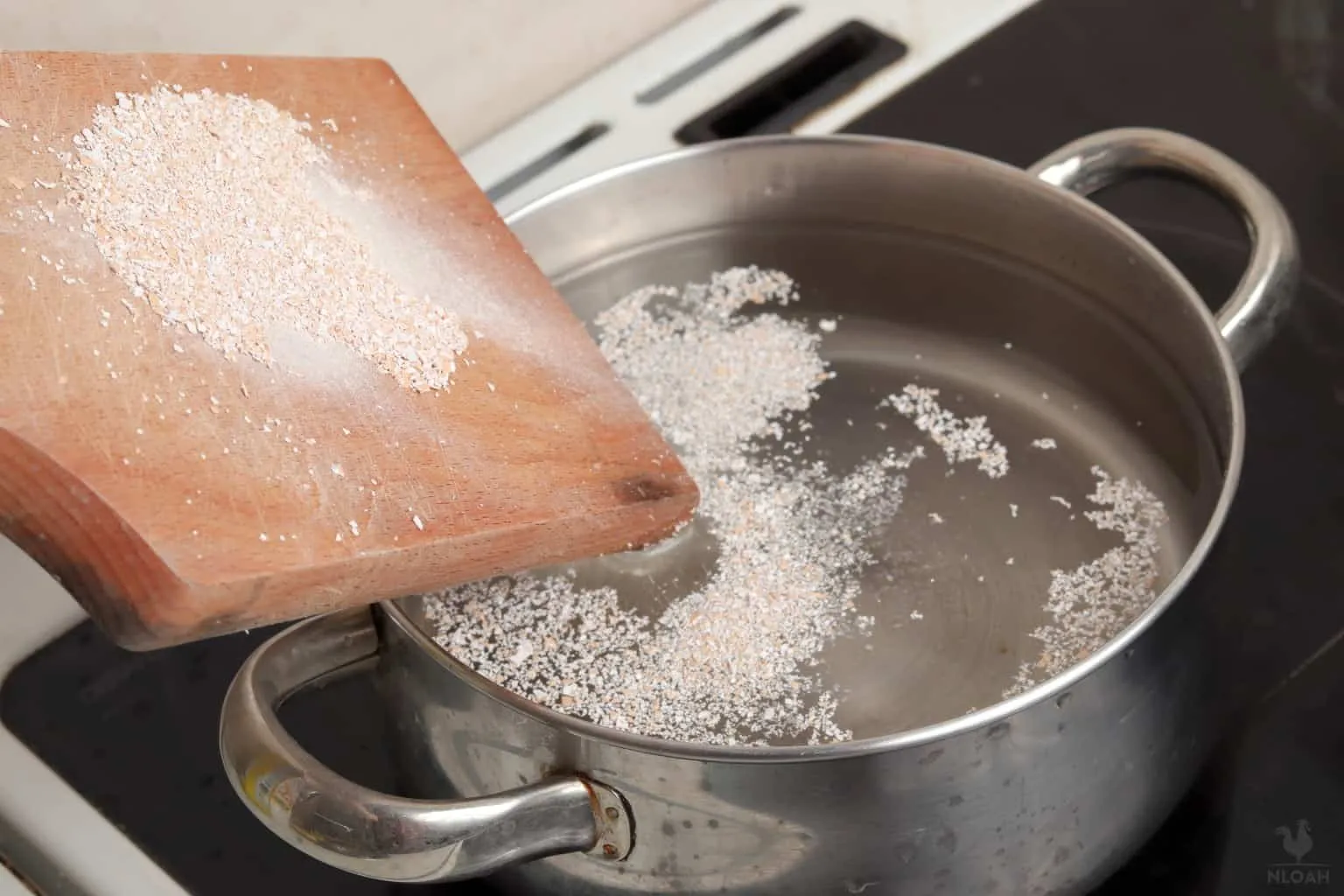
The infusion process mirrors that of the banana peel fertilizer. Add the powdered eggshells to the pot of water, bring it to a boil, and then allow it to simmer gently for another five minutes. Turn off the heat and let the mixture cool thoroughly.
Once cooled, pour the liquid into the bottle, ready to be used as fertilizer. Apply a small amount of this eggshell infusion to the soil when watering your plants. This infusion enriches the soil by supplying magnesium, potassium, and phosphorus, which are essential for plant growth and health.
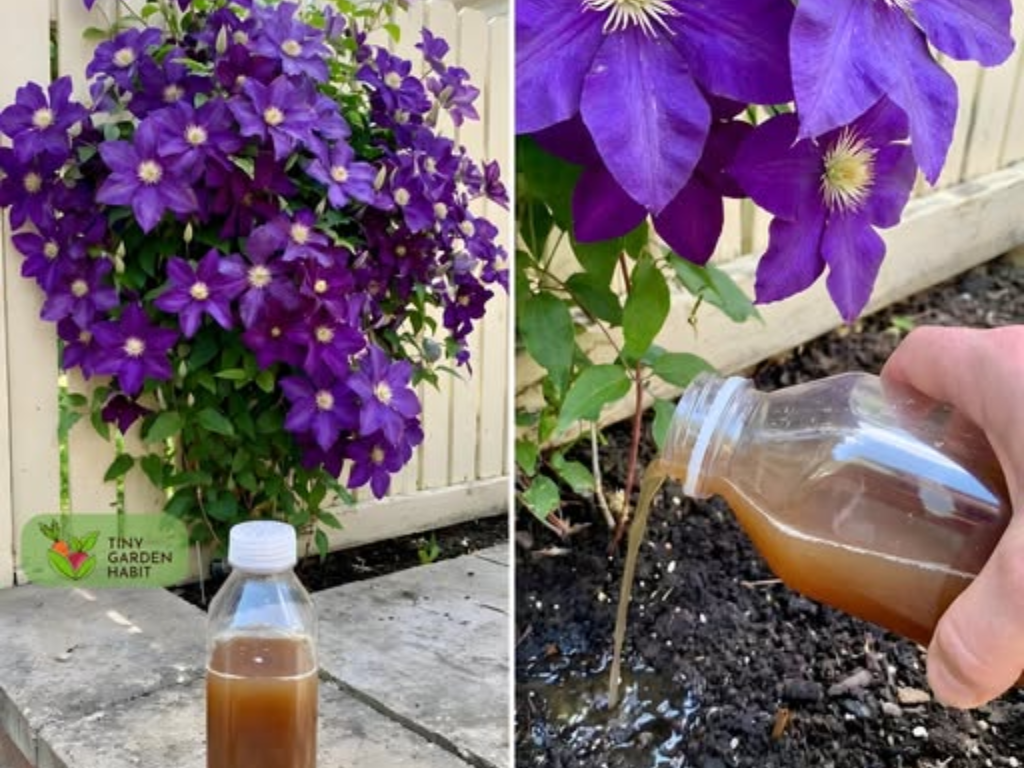
Clematis plants are fundamentally simple organisms, almost mechanical in nature, driven by basic principles of plant hydraulics and a kind Read more
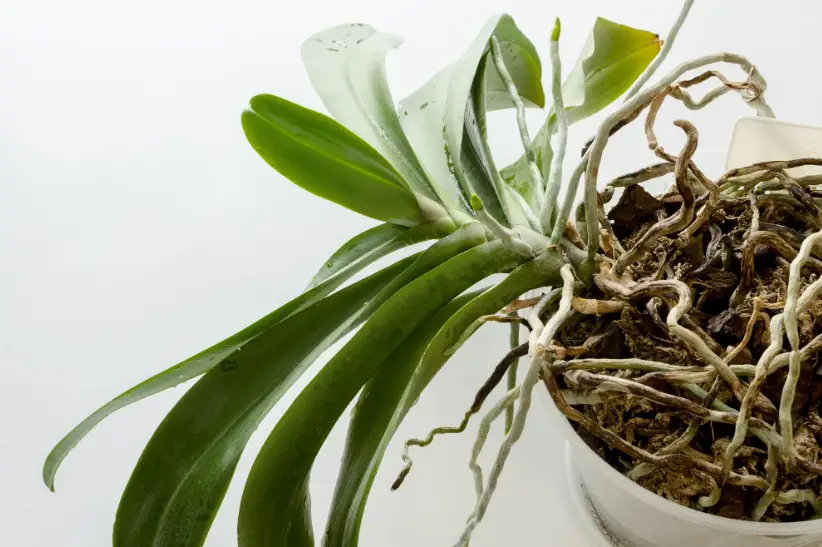
Have you noticed your orchid displaying signs of distress or appearing sickly, seemingly on the brink of death? Don’t lose Read more

Lavender, a charming addition to any garden, is known for its enchanting aroma and vibrant purple hues. This plant comes Read more
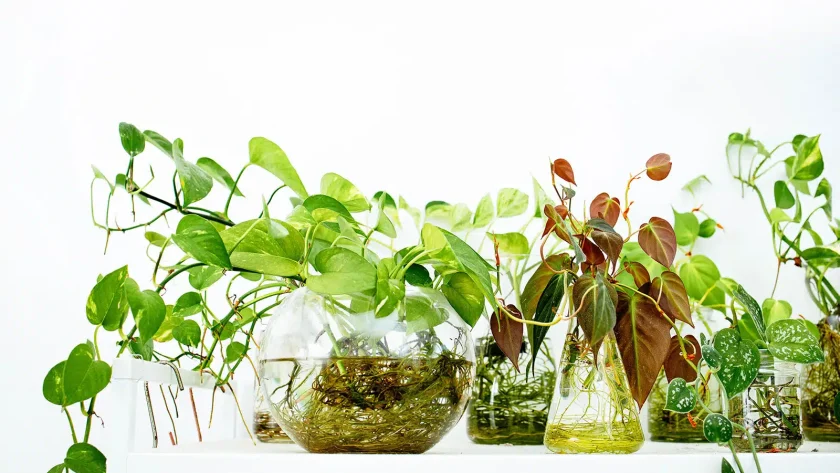
Searching for a distinctive method to incorporate some foliage into your home or workplace? Try cultivating plants hydroponically! Not only Read more
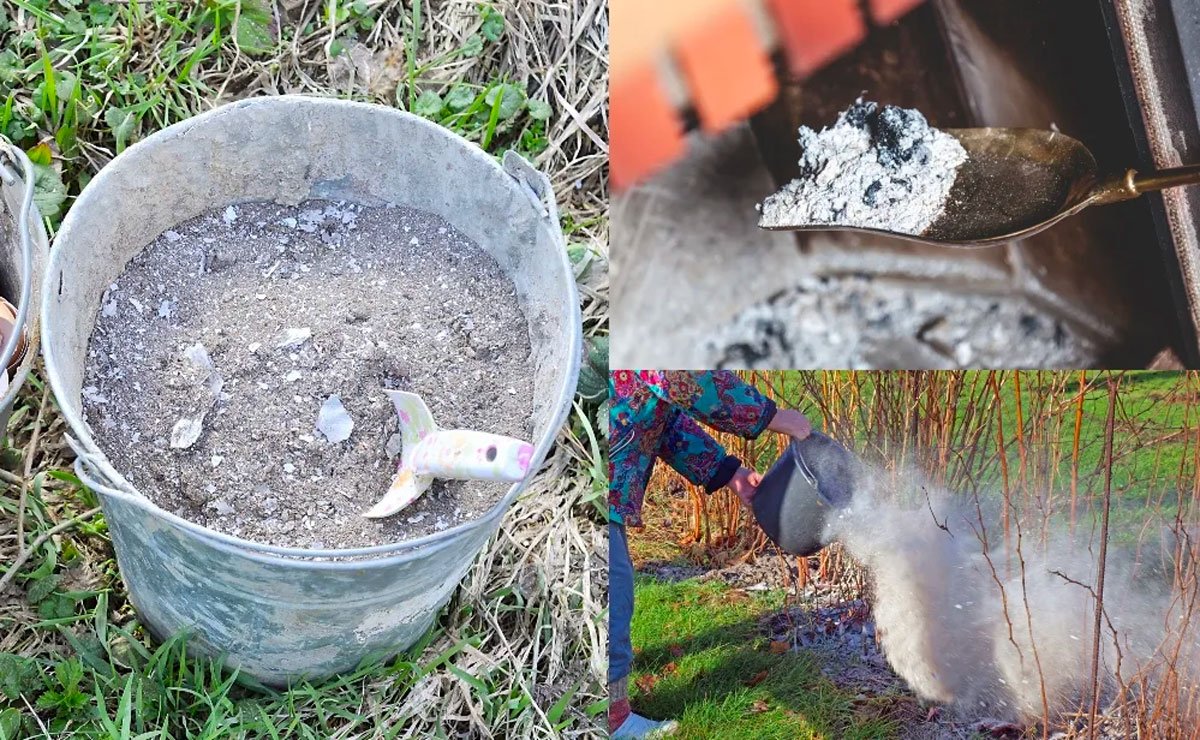
Wood ash is a valuable byproduct generated from burning firewood or wood pellets, offering numerous beneficial properties that can be Read more
Easy Clove Growing: From Seed to Spice – A Beginner’s Guide Cloves are among the most treasured spices in the Read more

Orchids, celebrated for their intricate beauty and variety, need particular attention for optimal growth. In the realm of orchid care, Read more

Bananas are a delightful treat, but their peels can be a garden's treasure. Rather than discarding banana peels into compost, Read more

Orchids, with their array of species and hybrids exceeding 25,000, stand as a testament to botanical beauty. Cultivators and hobbyists Read more
As sustainability and eco-consciousness continue to play a vital role in our everyday lives, discovering alternative methods to fertilize our Read more
The jade plant boasts stunning foliage, making it an excellent choice for enhancing both garden landscapes and indoor environments. Beyond Read more
As sustainability and eco-consciousness increasingly shape our everyday habits, discovering alternative methods to fertilize our gardens grows ever more essential. Read more
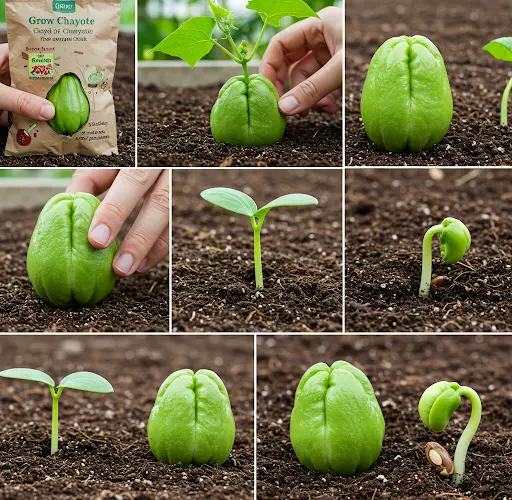
Growing Chayote from Supermarket Fruit: Abundant Harvests Made Easy If you've ever strolled through the produce aisle and spotted a Read more
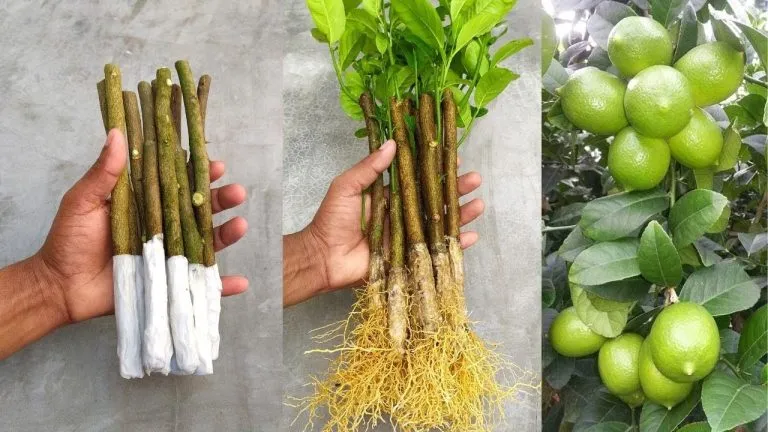
Cultivating lemon trees in your garden or home brings not only visual charm but also the practical advantage of homegrown Read more
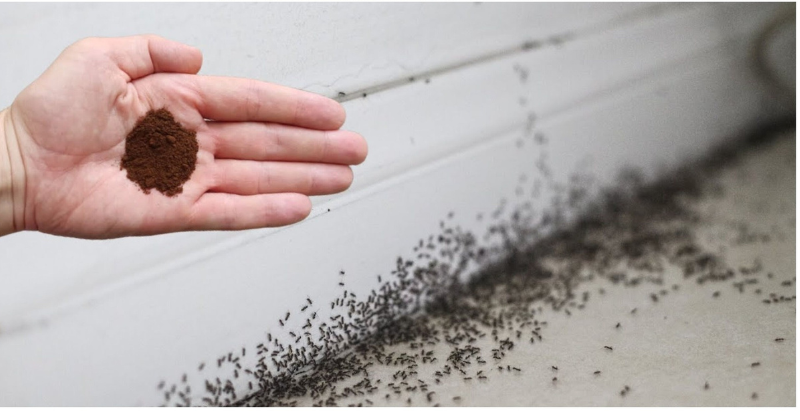
Quick Victory: The Ultimate Homemade Insecticide to Say Goodbye to Ants Have you ever encountered an invading army of ants Read more
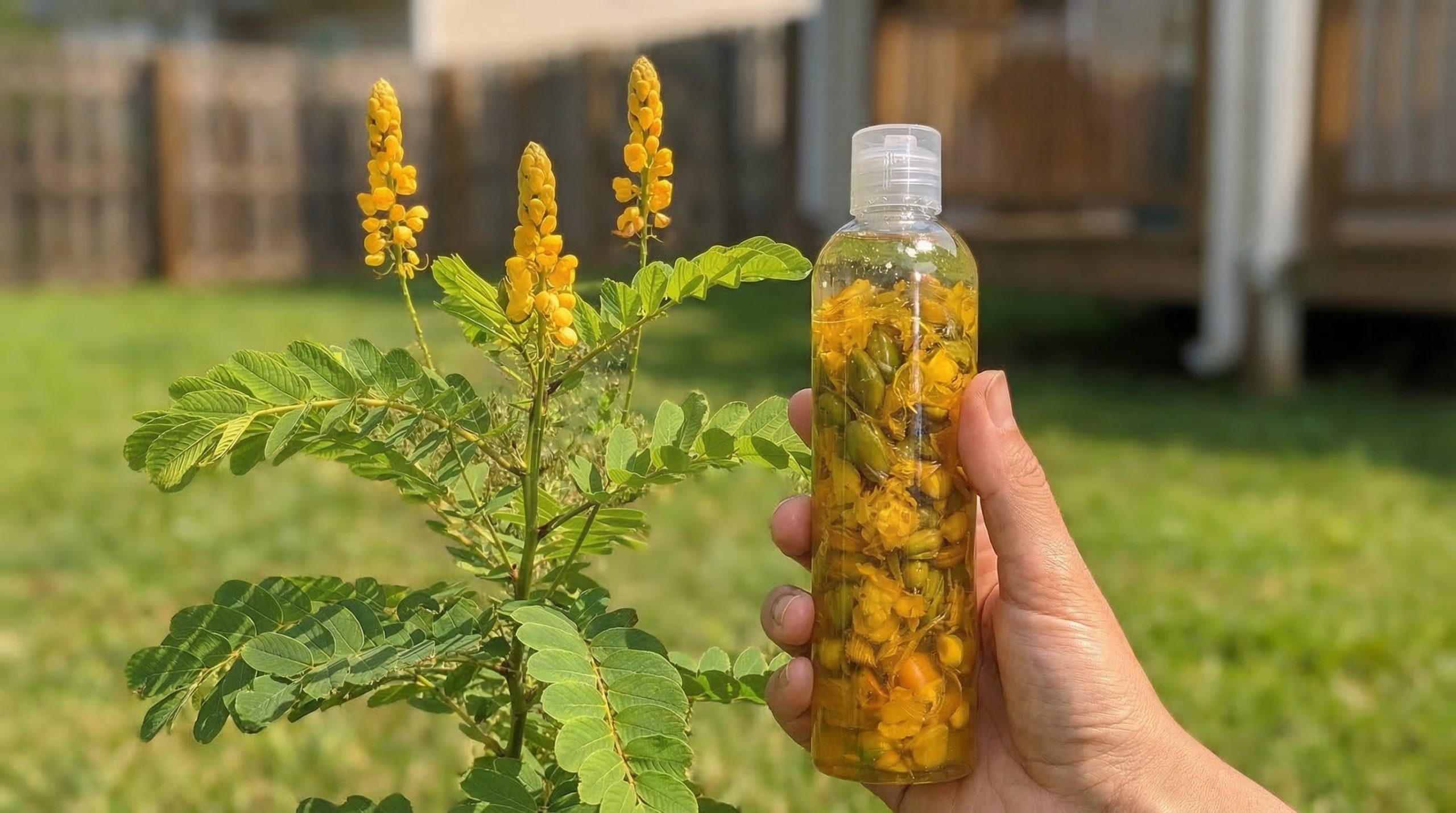
Senna alata, widely known as the Candle Bush, Ringworm Bush, or Empress Candle Plant, is a visually captivating tropical shrub Read more
The ZZ plant (Zamioculcas zamiifolia) has earned its reputation as one of the most resilient houseplants available. It can endure Read more
Why Do Certain Plants Purify the Air Inside Our Homes? Imagine having a small air purification station right on your Read more
Do you have indoor plants? They have a unique ability to infuse life and color into any environment, whether it’s Read more

The Importance and Care of House Plants House plants not only serve as a significant decorative element but also play Read more

Different perspectives exist on various aspects of nature, and this holds true for the dandelion, often dismissed as a mere Read more

For gardening enthusiasts, it's a known fact that many plants thrive in humid and warm climates conducive to their growth. Read more

Gardening: The Harmony of Craft and Nature Gardening brings out a dance between human creativity and the wonders of nature. Read more
Orchids, admired for their exotic beauty and vast variety, demand specific care to flourish. While many growers rely on commercial Read more

Cultivating an Avocado Plant Indoors: A Step-by-Step Guide Nurturing an avocado seed into a blossoming plant within the confines of Read more
Nature provides us with countless remedies in the form of wild medicinal plants, surrounding us everywhere we go. These healing Read more
Snake plants (Dracaena trifasciata, formerly known as Sansevieria trifasciata) are renowned for their remarkable resilience. No matter if they receive Read more
Deadly Nightshade (Atropa belladonna): The Mysterious and Dangerous Plant with a Dark Legacy At first glance, Deadly Nightshade (Atropa belladonna) Read more

Understanding Fertilizers for Plants Fertilizer is a product that can be spread or mixed into the soil to provide plants Read more

Insect-Repelling Greenery: Your Natural Home Defense Transform your home into a sanctuary free from the annoyance of insects such as Read more
Orchids rank among the most exquisite houseplants cherished by many, yet they are often recognized for their delicacy and their Read more
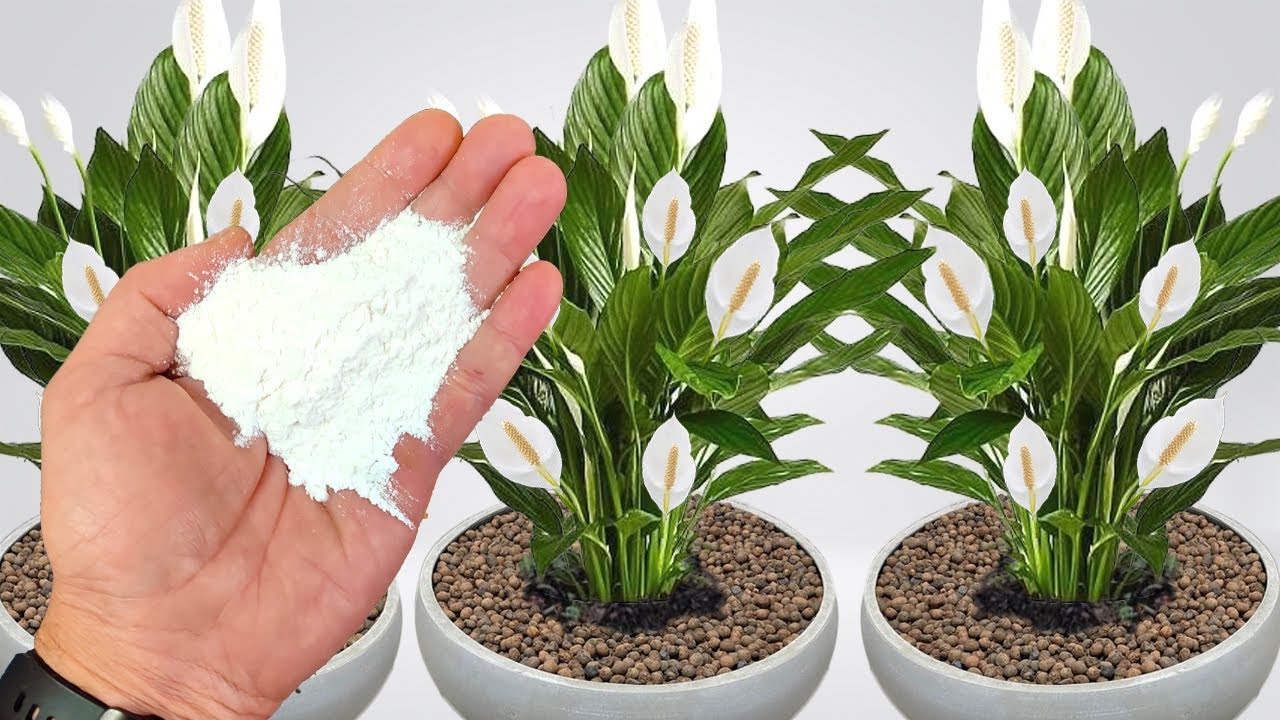
Are you searching for an affordable and eco-friendly alternative to chemical fertilizers? An unexpectedly powerful solution might already be in Read more
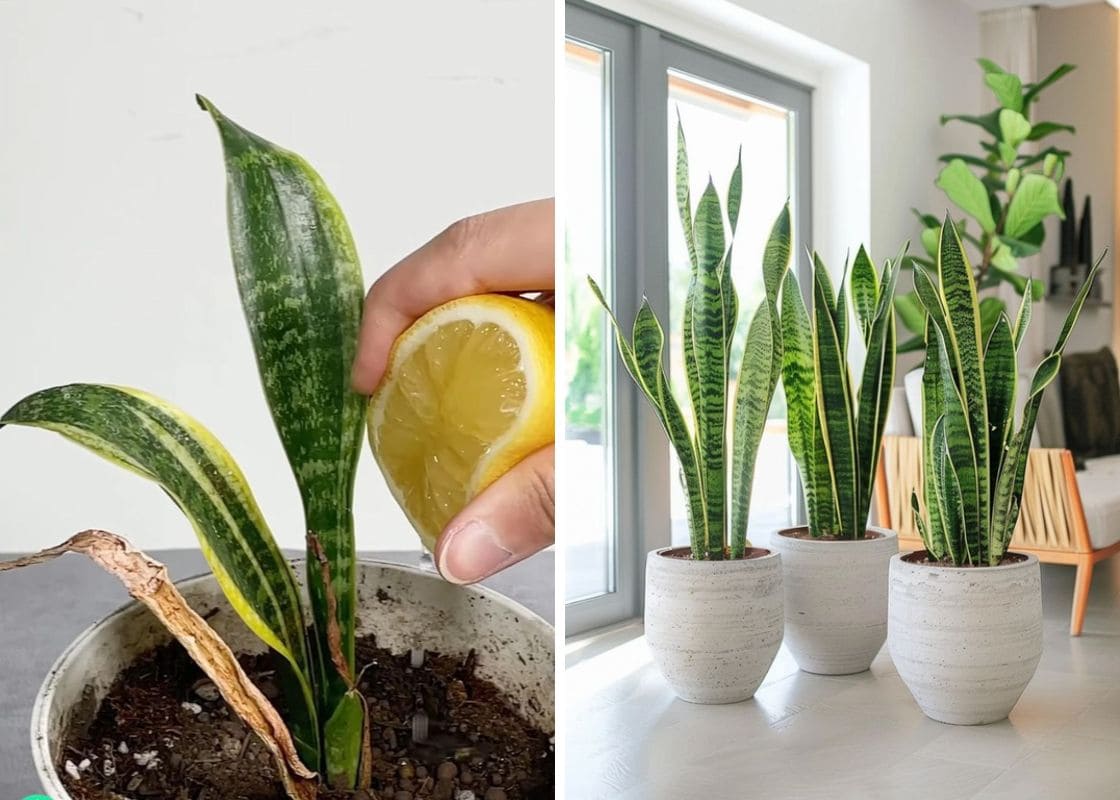
Snake plants are renowned for their resilience, often considered nearly indestructible. They can withstand missed waterings, low light conditions, and Read more

Orchids, with a staggering 28,000 unique species, beautifully demonstrate nature's rich tapestry of diversity. Originating from the Orchidaceae lineage, these Read more

Tea, the staple of morning routines and afternoon breaks, may have a second life beyond the cup that's often ignored. Read more
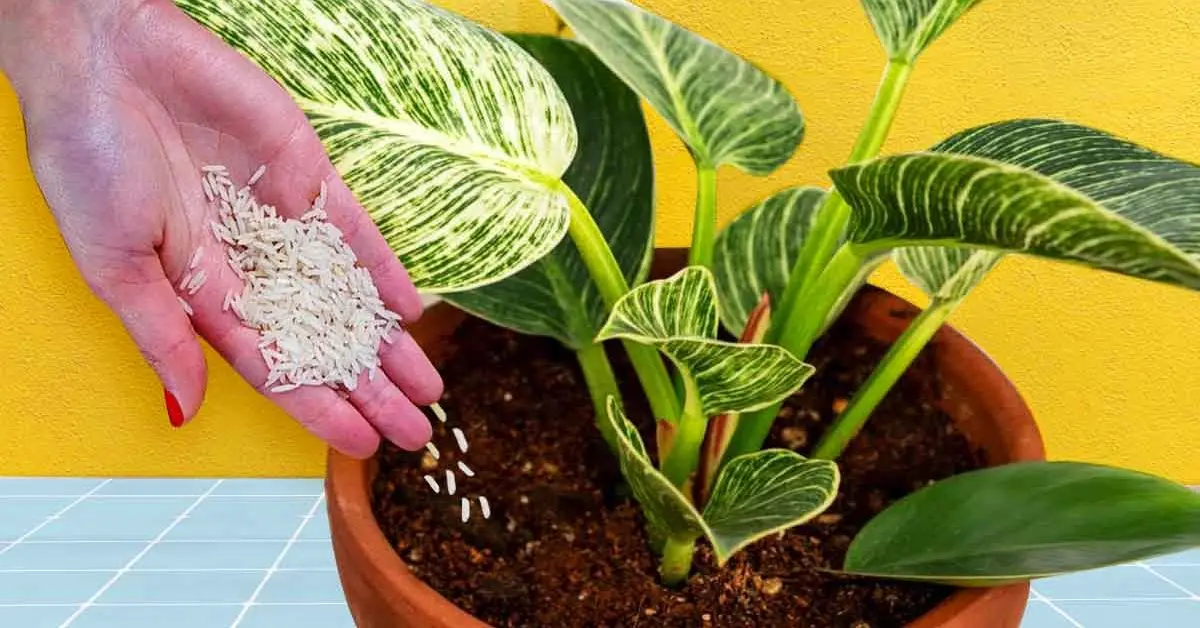
Indoor Plants and Their Benefits Indoor plants not only enhance the decor but also bring a touch of lush greenery. Read more
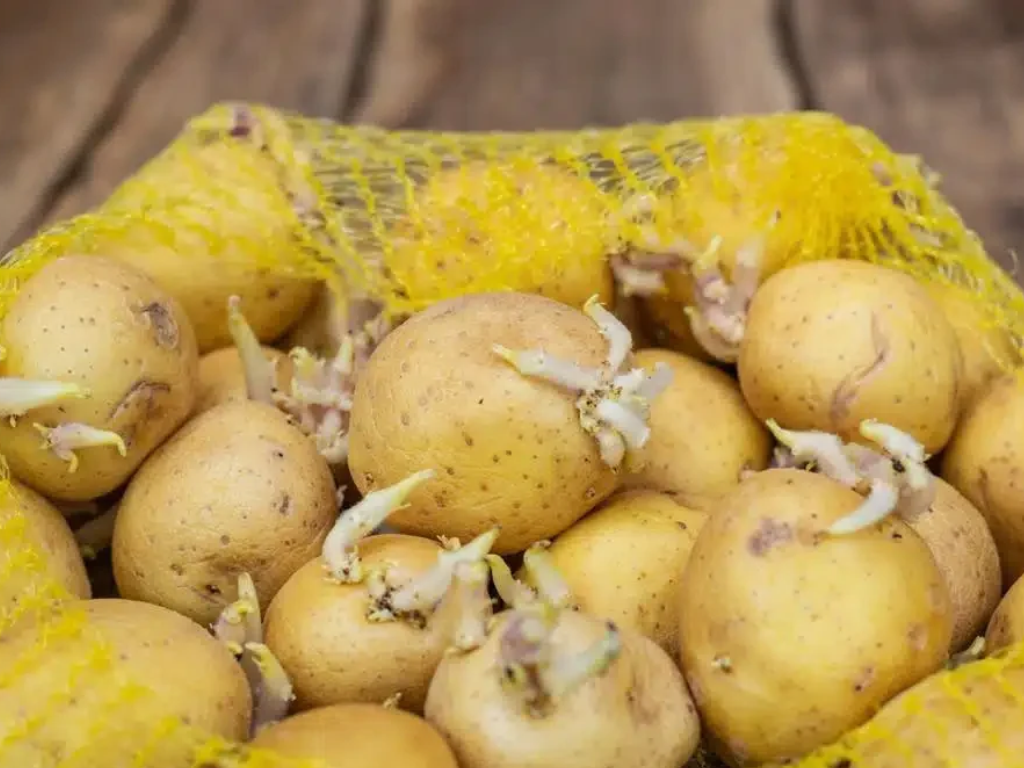
Three Little-Known Tips to Keep Your Potatoes in Perfect Condition Choosing the Right Location for Storage The way you store Read more
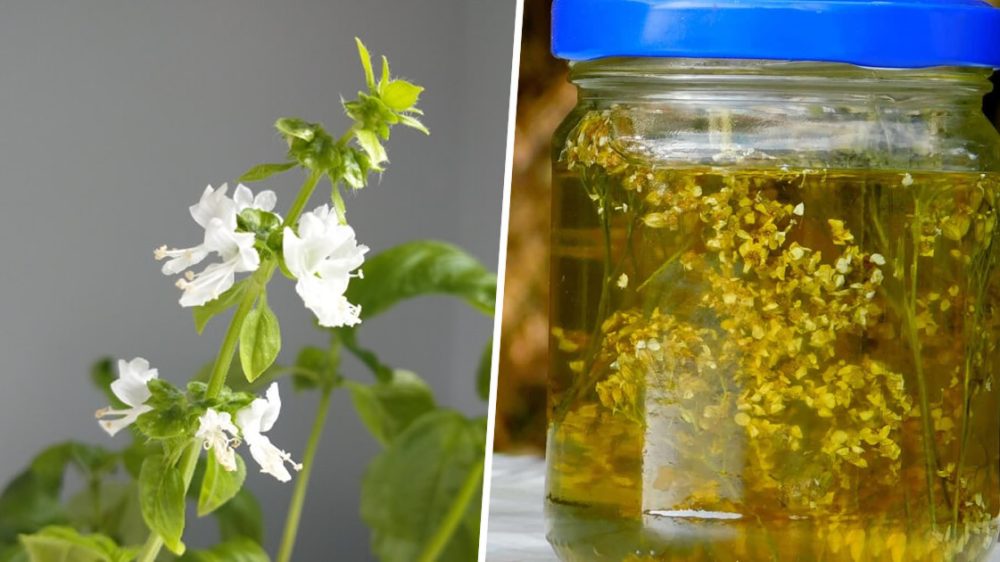
Basil, a cherished herb celebrated in culinary traditions around the globe, is best known for its fragrant leaves. Yet, its Read more
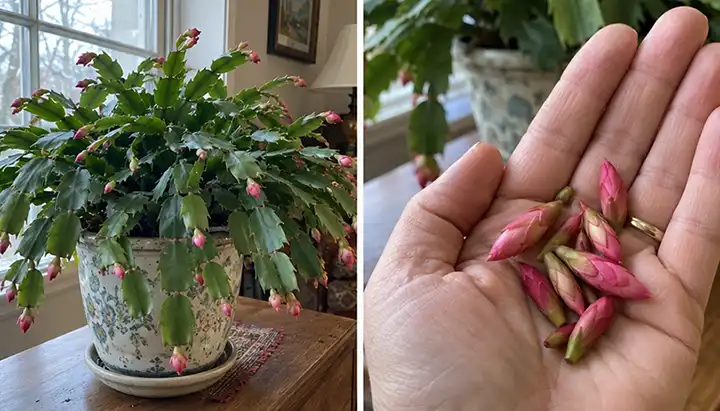
If your Christmas cactus has stayed healthy throughout the year but produced only a few flowers last winter, October might Read more

Using White Vinegar for Garden Maintenance Gardening is never an easy task. Planting, weeding, and watering plants and flowers require Read more
