
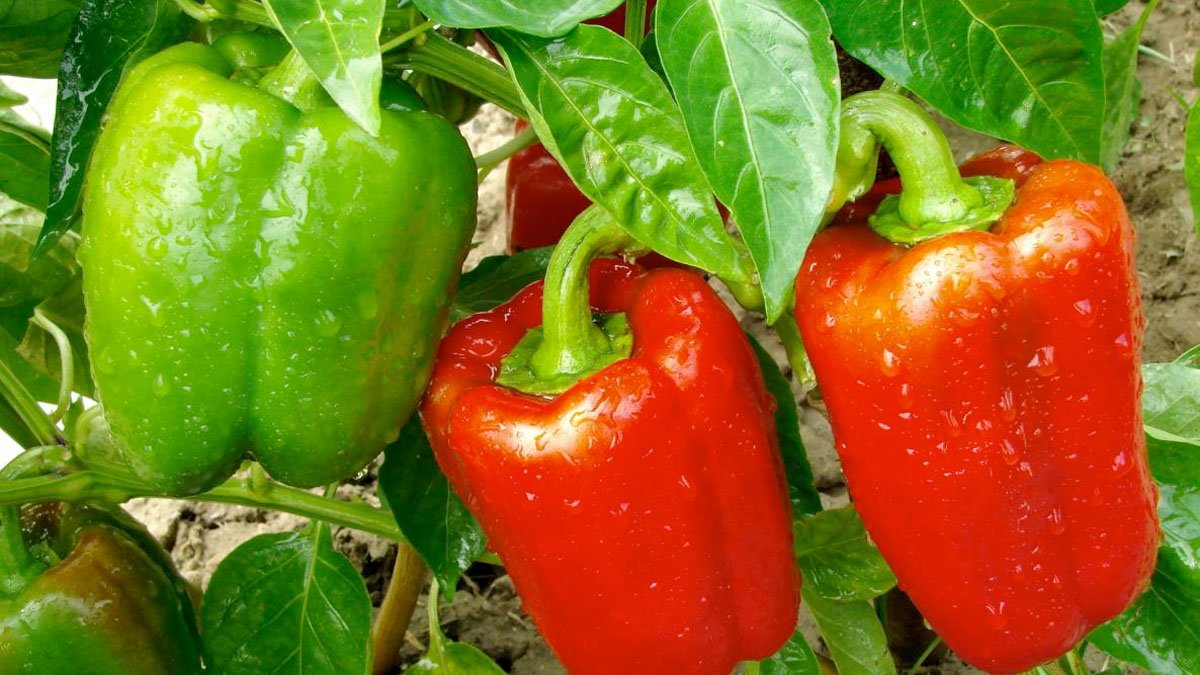
Pepper plants are a favorite addition to any home garden, offering an impressive variety of flavors, colors, and levels of heat. Whether you are an experienced gardener or just embarking on your gardening journey, mastering the art of cultivating vibrant and healthy pepper plants can be a deeply satisfying endeavor. In this guide, we will reveal eleven essential secrets and indispensable tips to help you grow the finest pepper plants possible in your garden. Let’s begin!
1. Start with the Right Variety:

Selecting the correct pepper variety is fundamental to achieving a successful harvest. Take into account factors like heat tolerance, resistance to diseases, and growth patterns to ensure you pick the variety that best suits your garden’s environment and your personal preferences.
2. Optimal Soil Conditions:

Pepper plants flourish in soil that drains well and is rich in organic material. Aim for a soil pH between 6.0 and 6.8 for ideal growing conditions. Enhance your soil by mixing in compost or well-aged manure to boost fertility and improve moisture retention.
3. Adequate Sunlight:

Pepper plants thrive under abundant sunshine. Choose a location in your garden that receives at least six to eight hours of direct sunlight daily. Maximizing exposure to sunlight will encourage strong growth and plentiful fruit development.
4. Proper Watering:

Consistent and appropriate watering is vital for nurturing healthy pepper plants. Water thoroughly, providing approximately one inch of water per week, ensuring the soil remains moist yet not soggy. Avoid watering from above, as wet leaves can lead to diseases.
5. Mulching for Moisture and Weed Control:

Using mulch around pepper plants aids in conserving soil moisture, suppressing weed growth, and moderating soil temperature. Apply a generous layer of organic mulch such as straw or wood chips at the plant base, making sure to leave a small gap around stems to prevent rot.
6. Adequate Spacing:

Provide ample room for your pepper plants to expand and breathe. Space them roughly 18 to 24 inches apart to promote proper air circulation, minimize disease risks, and ensure each plant can access sufficient nutrients.
7. Regular Feeding:

Pepper plants are nutrient-hungry and benefit greatly from consistent feeding. Use a balanced organic fertilizer or blend compost into the soil before planting. During the growing season, apply a side dressing of compost or a slow-release fertilizer to maintain nutrient availability.
8. Pruning for Productivity:

Pruning pepper plants enhances airflow, reduces the chance of disease, and stimulates greater fruit production. Pinch back the tips of young plants to encourage bushier growth. Quickly remove any leaves that appear diseased or damaged to maintain plant health.
9. Supportive Staking:

Taller pepper varieties often need staking or other forms of support to keep them upright, especially when loaded with fruit. Insert stakes or cages around plants at the time of planting to provide the necessary support as they grow.
10. Pest and Disease Management:

Stay alert for common pests such as aphids, whiteflies, and hornworms. Employ natural pest control measures like handpicking insects, releasing beneficial predators, or applying organic insecticides when needed. Prevent diseases by ensuring proper plant spacing, adequate air circulation, and by avoiding overhead watering techniques.
11. Harvesting at the Right Time:

Harvest peppers once they have achieved your preferred size and color. Different pepper varieties mature at different rates. Use sharp scissors or pruners to clip the peppers, leaving a small stem attached to prolong freshness.
By applying these eleven vital secrets and essential tips, you will be well prepared to cultivate the best pepper plants in your garden. From selecting the ideal variety to providing optimal conditions, caring attentively, and managing pests effectively, your pepper plants are sure to flourish and reward you with a bounty of delicious and colorful peppers. Enjoy your gardening journey!
Quick Victory: The Ultimate Homemade Insecticide to Say Goodbye to Ants Have you ever encountered an invading army of ants Read more
Clematis plants are fundamentally simple organisms, almost mechanical in nature, driven by basic principles of plant hydraulics and a kind Read more
The Incredible Healing Power of Billygoat Weed (Ageratum conyzoides): 15 Health Benefits You Should Know About Billygoat weed, also known Read more

Orchids, with their array of species and hybrids exceeding 25,000, stand as a testament to botanical beauty. Cultivators and hobbyists Read more

Cultivating Zucchini in Containers: A Comprehensive Guide Zucchini is a popular vegetable for gardening aficionados and novices alike. It's simple Read more

Different perspectives exist on various aspects of nature, and this holds true for the dandelion, often dismissed as a mere Read more
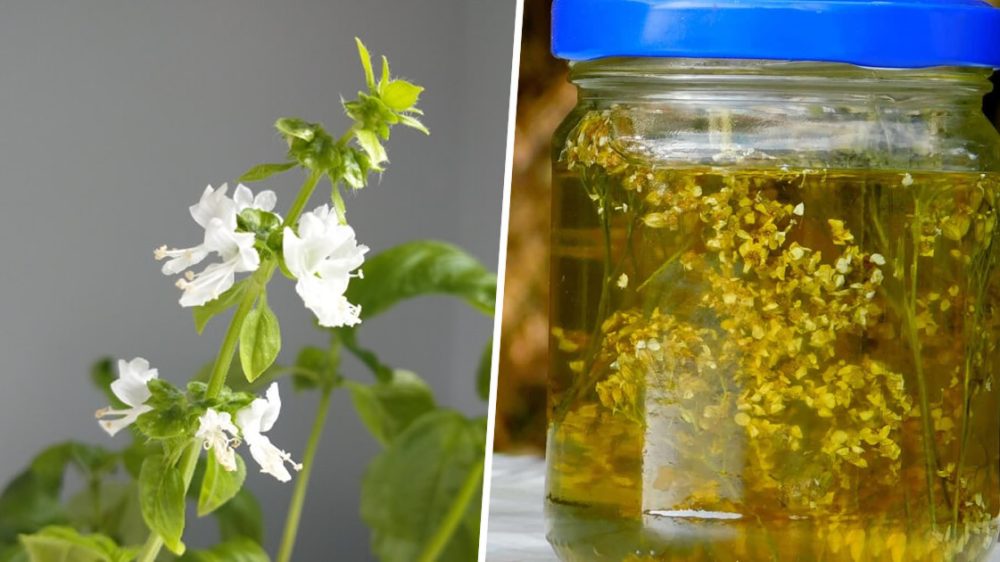
Basil, a cherished herb celebrated in culinary traditions around the globe, is best known for its fragrant leaves. Yet, its Read more
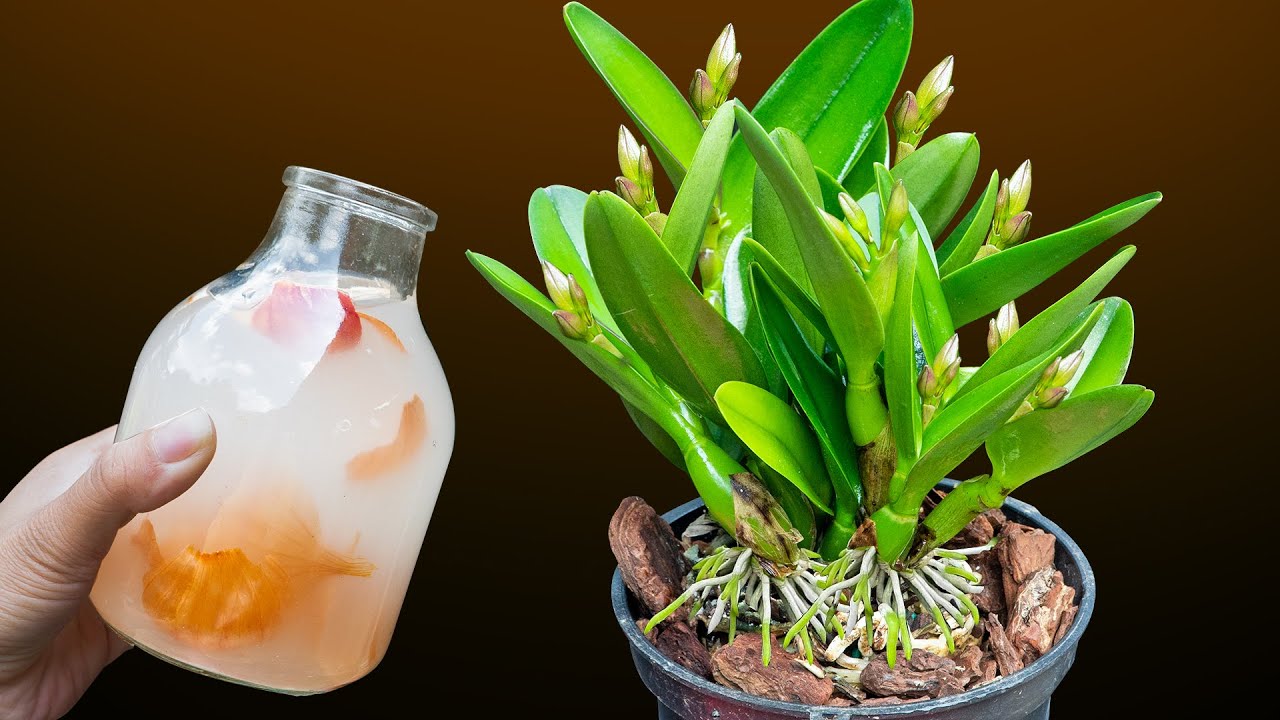
Orchids, celebrated for their exotic beauty and remarkable variety, require tailored care to flourish. While most growers rely on commercial Read more
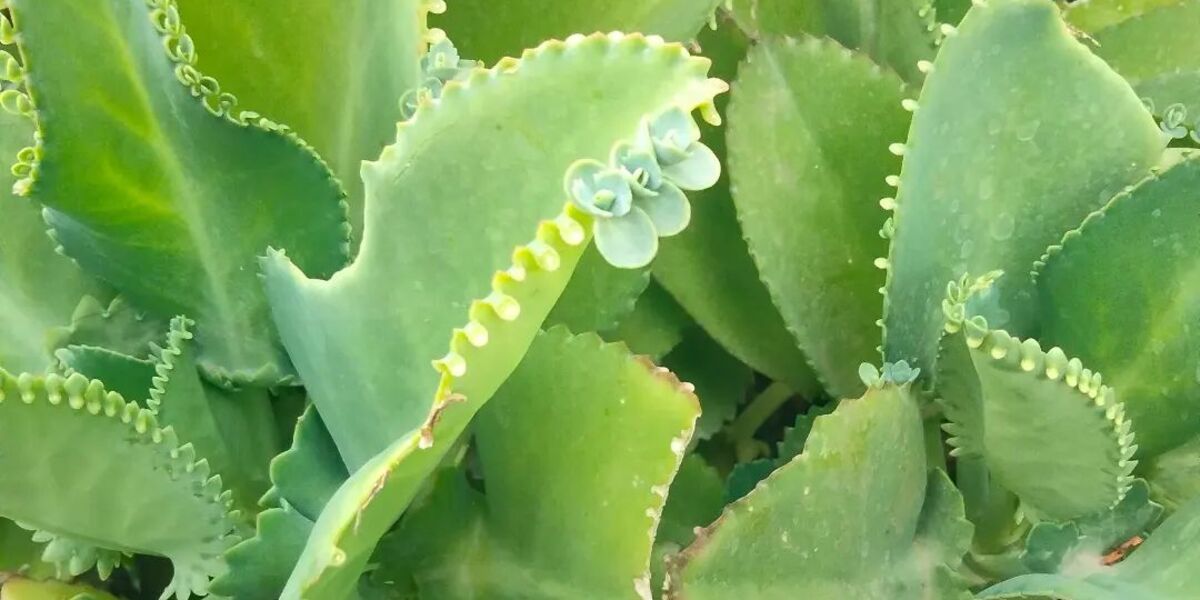
Kalanchoe, a stunning and adaptable succulent plant, is admired not only for its ornamental beauty but also for its strong Read more
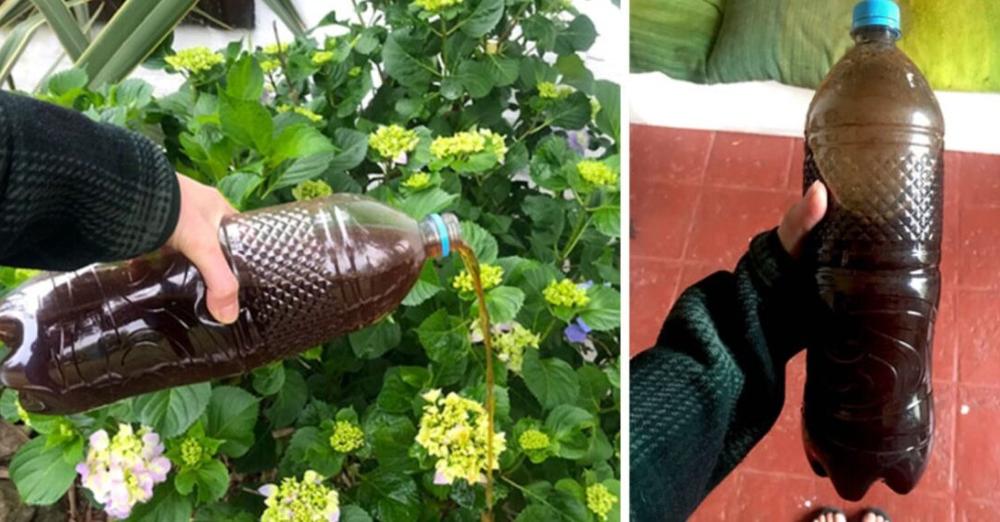
As sustainability and eco-consciousness increasingly shape our everyday habits, discovering alternative methods to fertilize our gardens grows ever more essential. Read more

Orchids are renowned for their stunning blooms and are a favorite among indoor plant enthusiasts. However, getting these temperamental beauties Read more

The Importance and Care of House Plants House plants not only serve as a significant decorative element but also play Read more

Orchids, celebrated for their intricate beauty and variety, need particular attention for optimal growth. In the realm of orchid care, Read more

Using White Vinegar for Garden Maintenance Gardening is never an easy task. Planting, weeding, and watering plants and flowers require Read more
The wisdom and experience of our grandparents often provide invaluable tips and techniques that make our daily lives easier and Read more

How to Reuse Barbecue Ashes After enjoying a barbecue outdoors on a sunny day, the tendency is often to discard Read more

The Curious Case of Tomato Slices: A Journey from Kitchen Scrap to Sprout As someone always game for a gardening Read more

Tea, the staple of morning routines and afternoon breaks, may have a second life beyond the cup that's often ignored. Read more
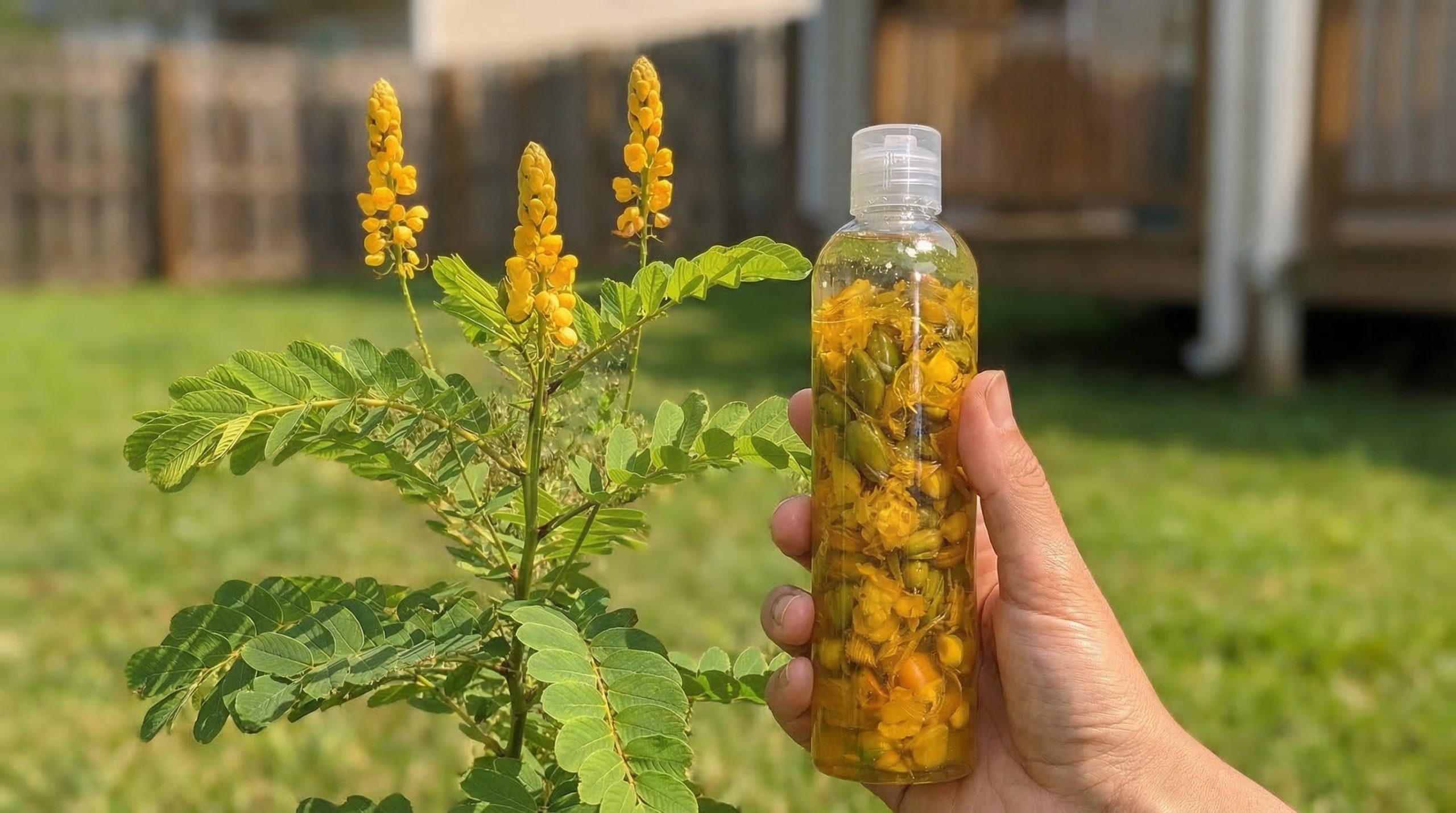
Senna alata, widely known as the Candle Bush, Ringworm Bush, or Empress Candle Plant, is a visually captivating tropical shrub Read more

Lavender, a charming addition to any garden, is known for its enchanting aroma and vibrant purple hues. This plant comes Read more

The Wonders of Blueberries: A Guide to Growing and Enjoying This Nutrient-Rich Fruit Mildly sweet, the blueberry is a dark Read more
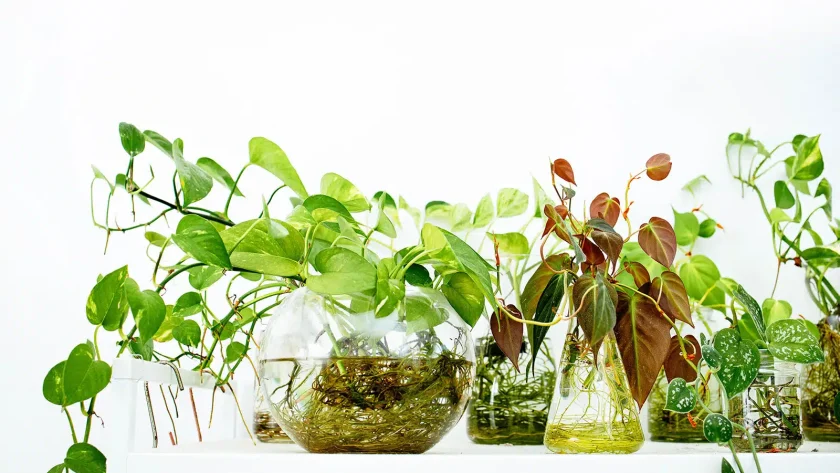
Searching for a distinctive method to incorporate some foliage into your home or workplace? Try cultivating plants hydroponically! Not only Read more
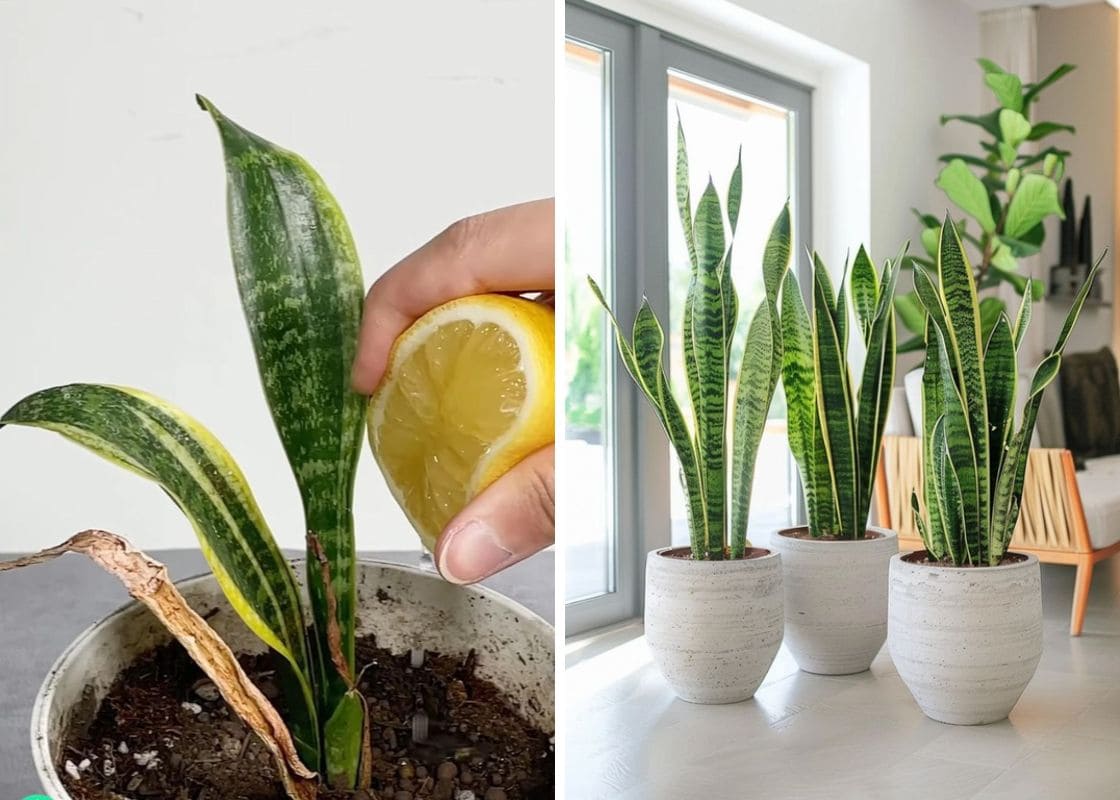
Snake plants are renowned for their resilience, often considered nearly indestructible. They can withstand missed waterings, low light conditions, and Read more
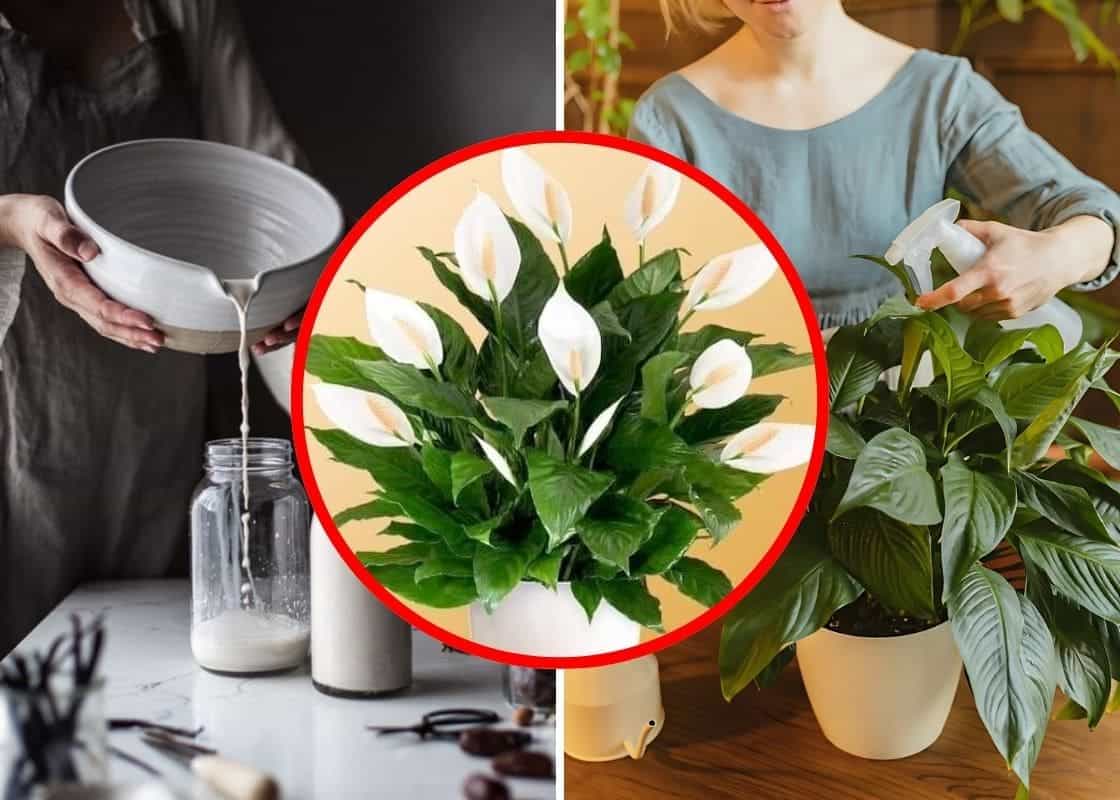
Peace lilies (Spathiphyllum) rank among the most cherished indoor plants, and it’s easy to understand why. Their shiny, deep green Read more
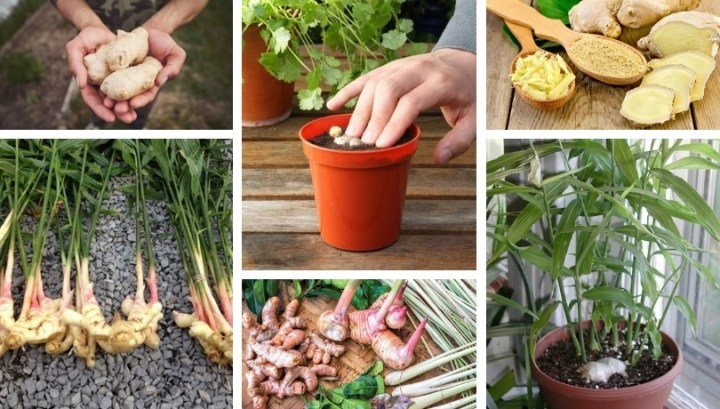
Ginger, renowned for its distinct flavor and numerous health advantages, is a fundamental ingredient in many culinary traditions around the Read more

Navigating Aloe Vera Care: Bypassing Usual Oversights Aloe vera, celebrated for its therapeutic properties and eye-catching demeanor, is occasionally compromised Read more

Gardening: The Harmony of Craft and Nature Gardening brings out a dance between human creativity and the wonders of nature. Read more
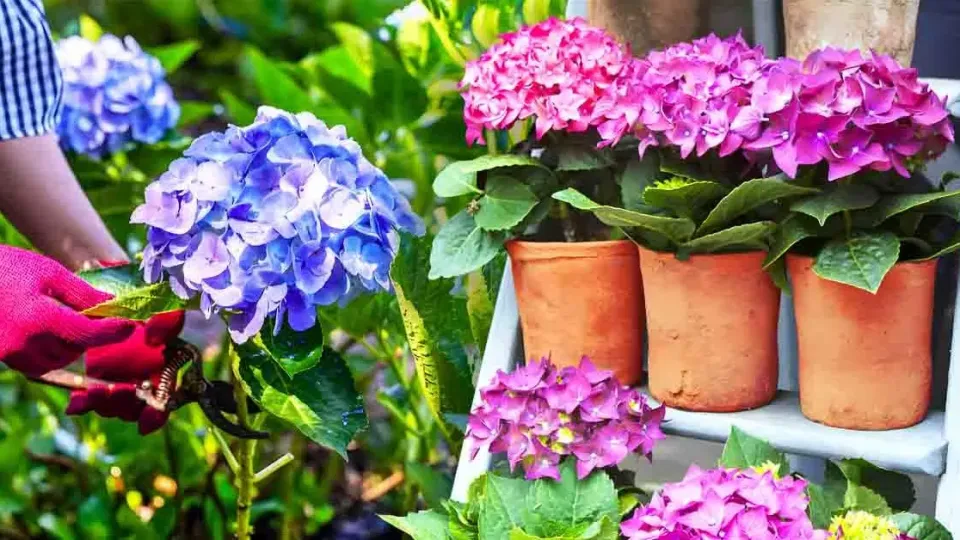
Hydrangeas, with their breathtaking blooms, stand out as one of the most enchanting deciduous flowering bushes. If you've wandered through Read more
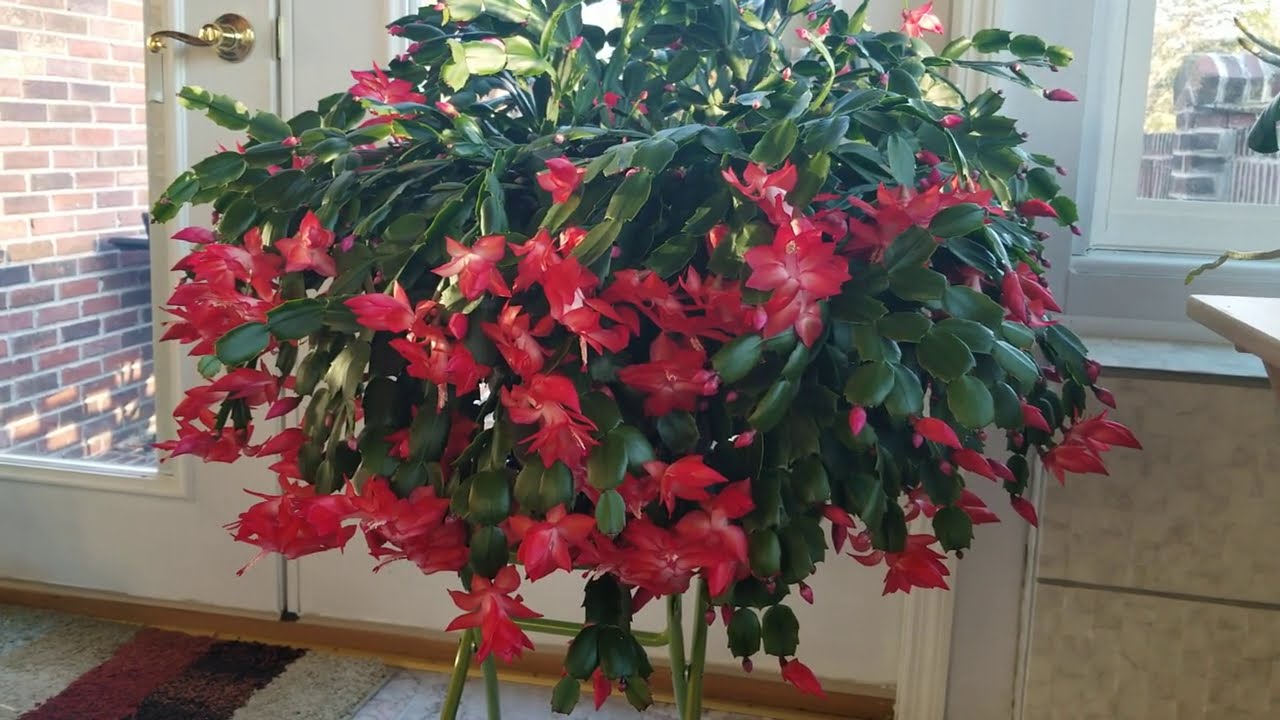
Christmas cacti don’t adhere to the typical “feed once a month and forget it” approach that many houseplants follow. Because Read more
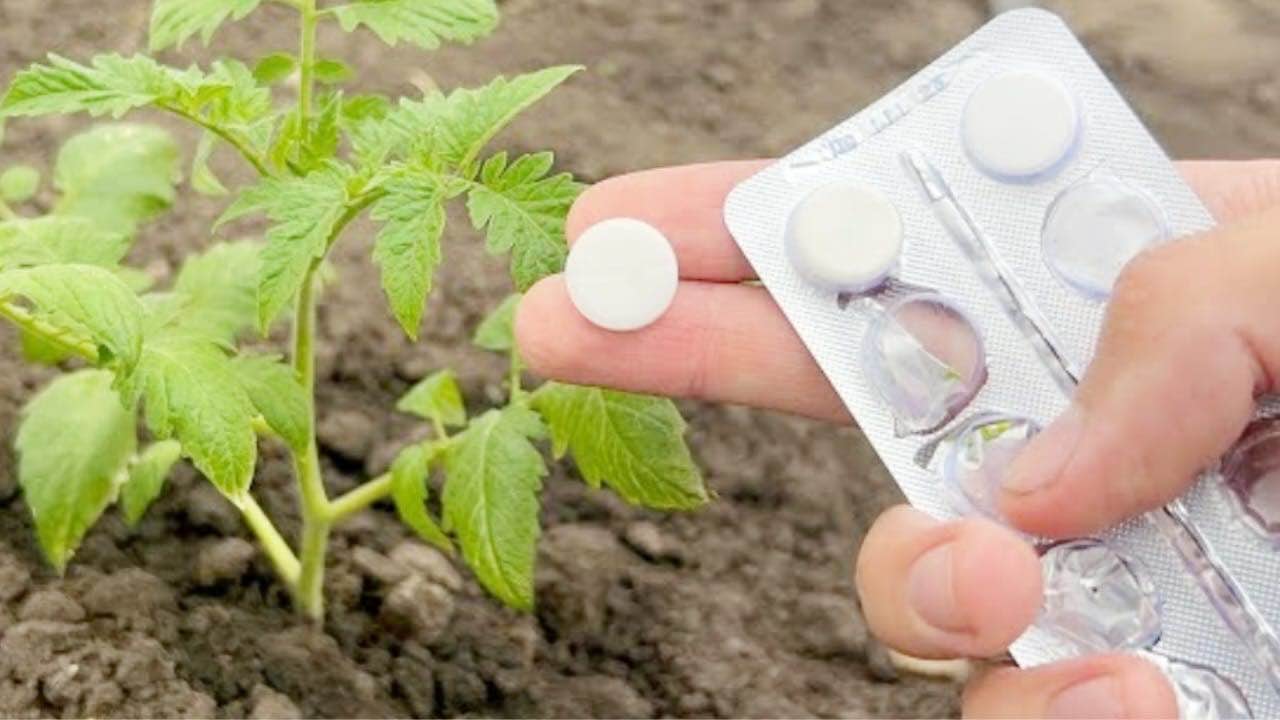
Have you ever noticed how a tomato freshly picked from your garden tastes far superior to one bought off a Read more
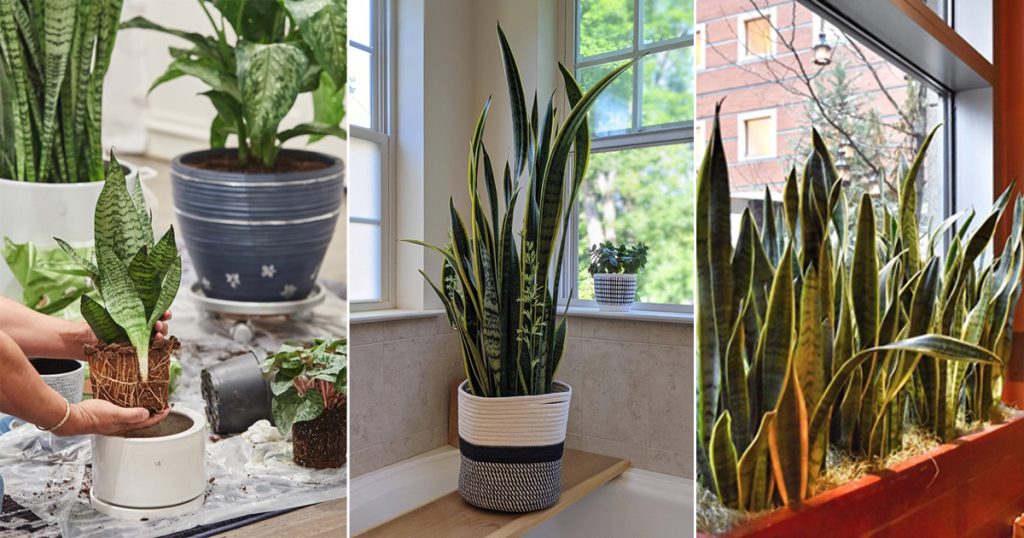
Are you considering adding a Snake Plant to your indoor garden? Whether you're a complete novice or a seasoned plant Read more
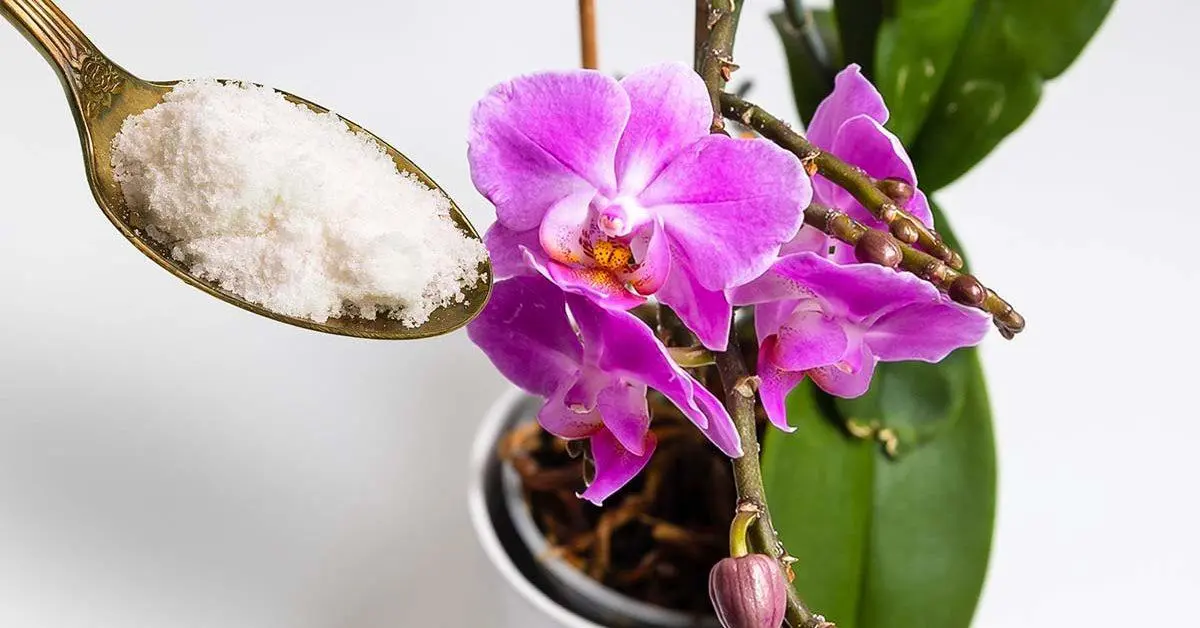
Do you have indoor plants? They have a unique ability to infuse life and color into any environment, whether it’s Read more
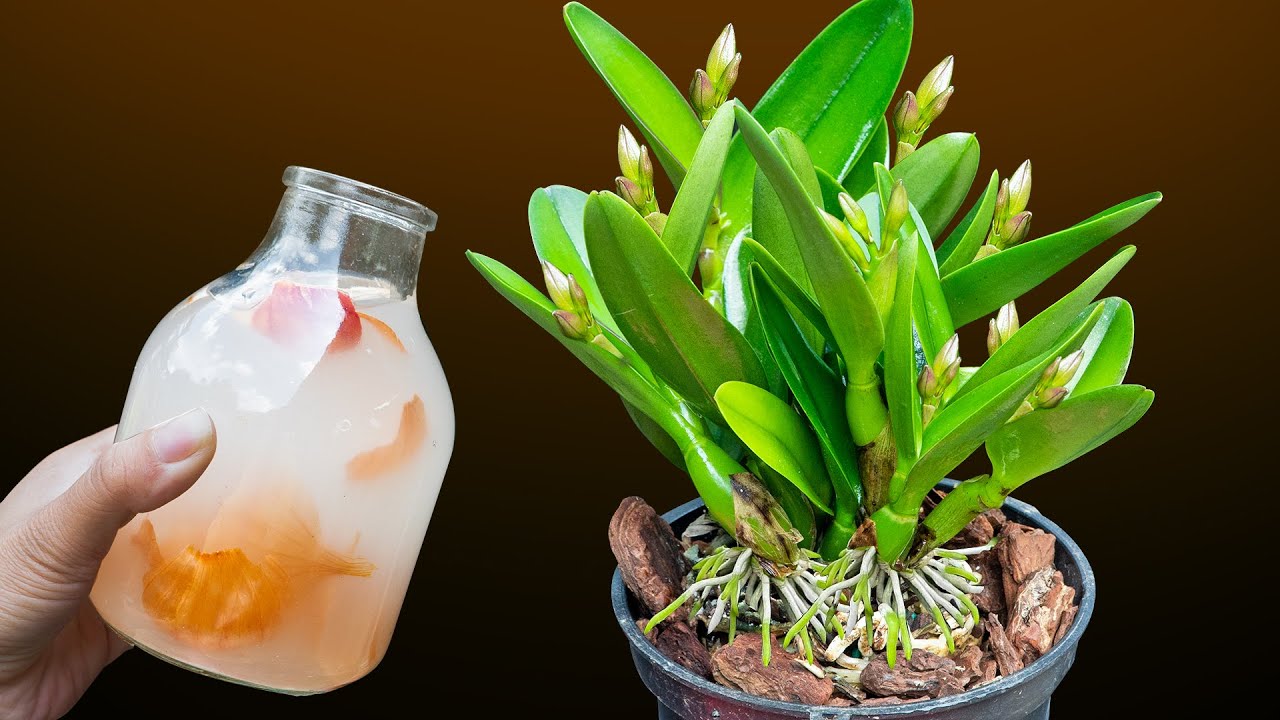
Orchids, admired for their exotic beauty and vast variety, demand specific care to flourish. While many growers rely on commercial Read more

Wild Medicinal Plants: Harnessing the Hidden Virtues of Earth’s Greenery In the wilderness of our environment—ranging from the expanse of Read more
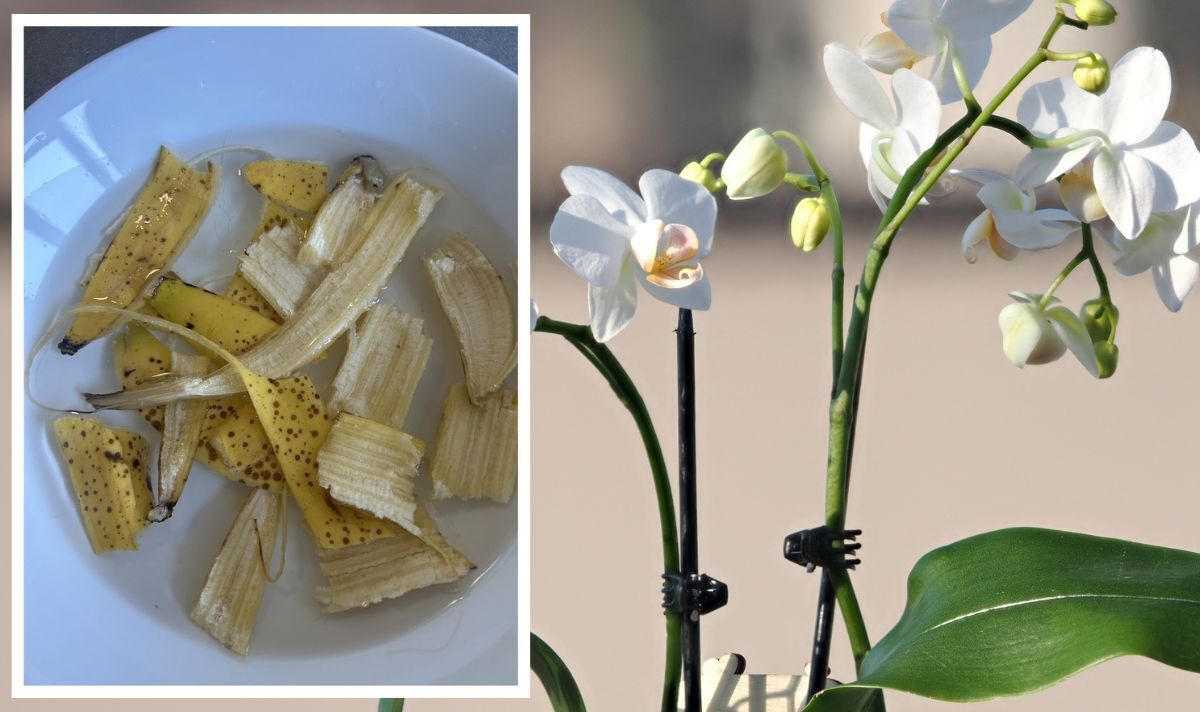
Orchids rank among the most exquisite houseplants cherished by many, yet they are often recognized for their delicacy and their Read more
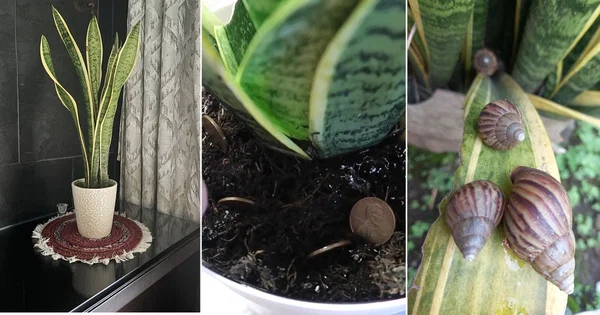
Gardeners constantly explore simple and inventive ways to enhance the health of their plants. One unconventional technique that has sparked Read more

Introducing 15 Health-Enhancing Indoor Plants for a Vibrant Home Oasis Embrace a selection of indoor plants that bring more than Read more
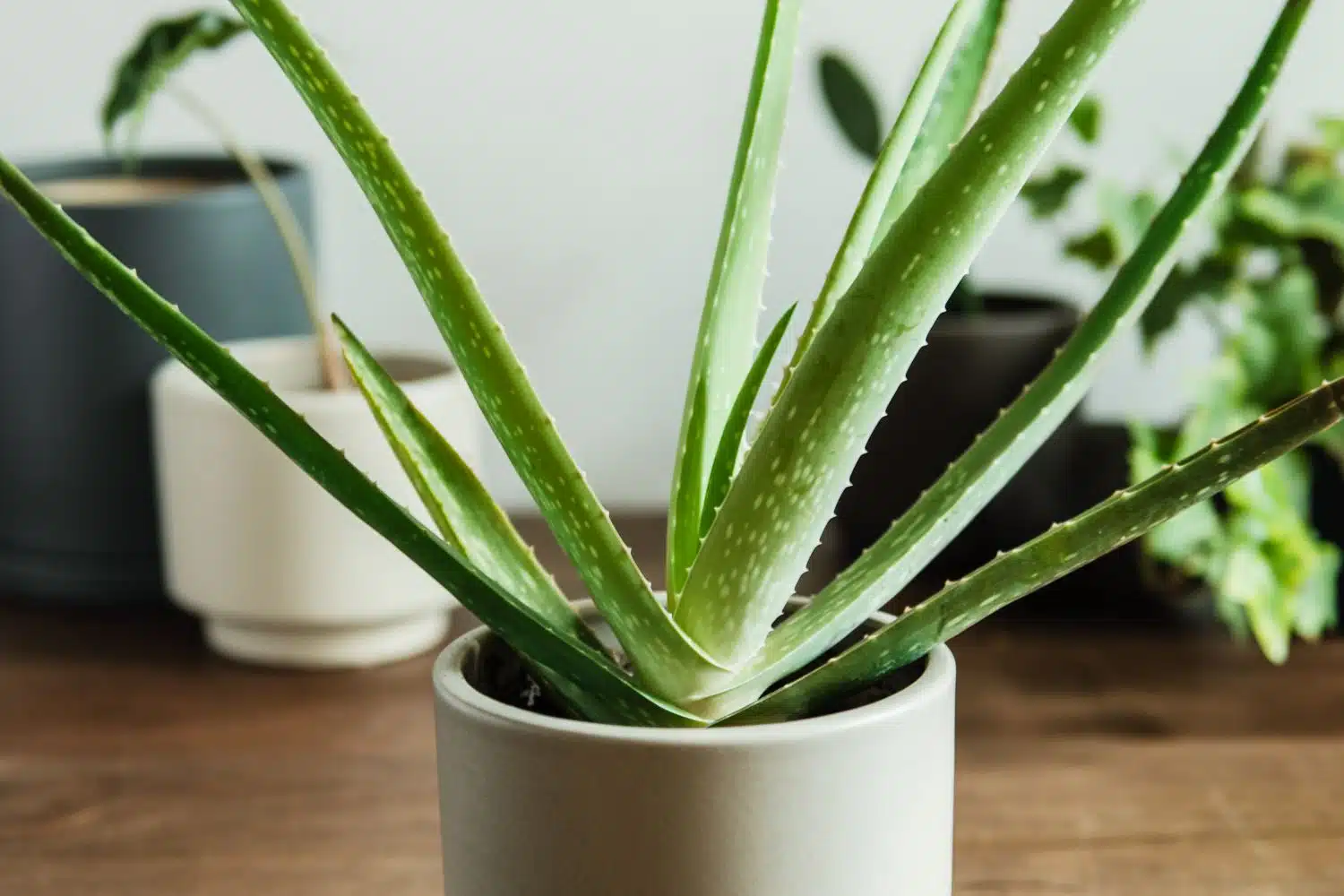
Why Do Certain Plants Purify the Air Inside Our Homes? Imagine having a small air purification station right on your Read more
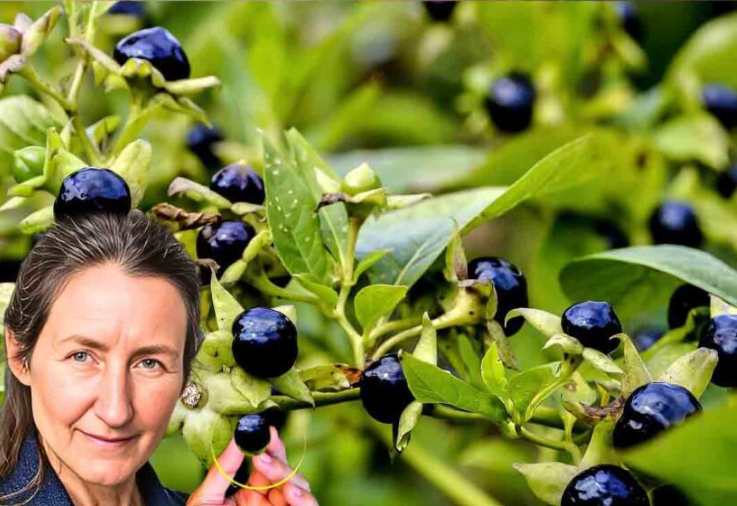
Deadly Nightshade (Atropa belladonna): The Mysterious and Dangerous Plant with a Dark Legacy At first glance, Deadly Nightshade (Atropa belladonna) Read more

In the culinary world, garlic is a staple ingredient that is hard to do without. Cultivating it benefits many plants Read more
