
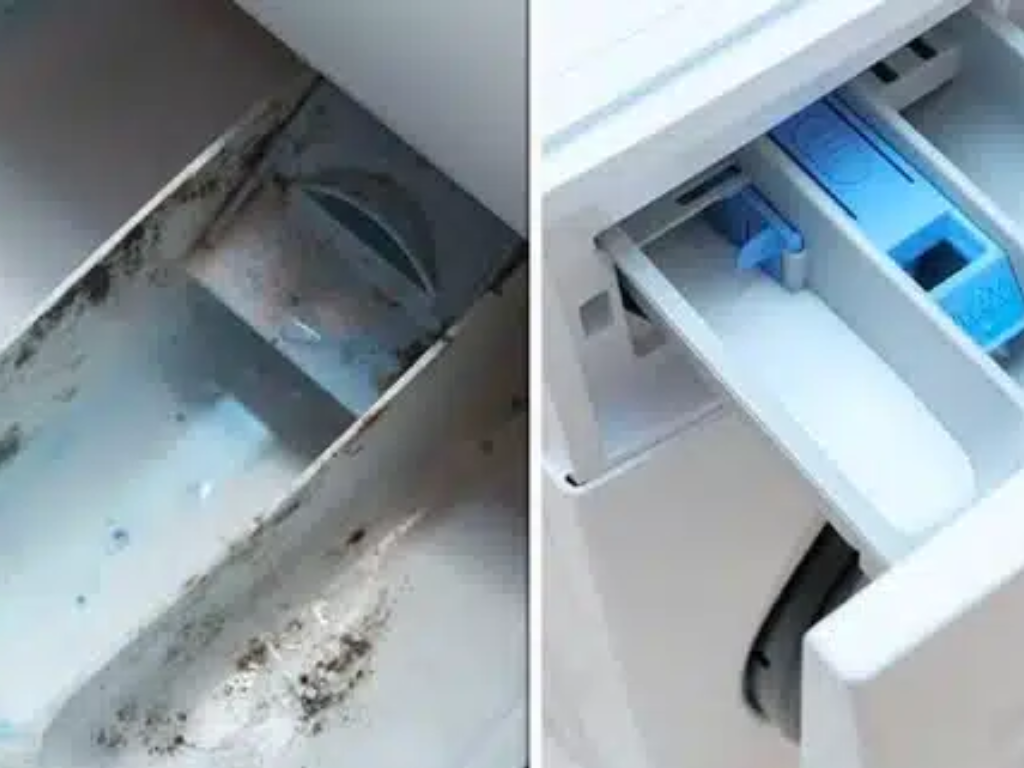
Why Does Mold Appear in the Drawer of Your Washing Machine?

Mold develops in environments where moisture, heat, and organic residues are present—making the drawer of your washing machine the perfect breeding ground. Several factors explain why mold appears there:
Stagnant moisture: After each wash, water often remains in the drawer, creating a damp environment that is ideal for mold growth.
Residues of detergent and fabric softener: These products leave sticky deposits that not only clog your machine but also serve as food for microscopic fungi.
Insufficient ventilation: When the drawer remains closed between washes, moisture cannot escape, which encourages the spores of mold to grow.
Lack of regular maintenance: A drawer that is seldom cleaned accumulates more dirt and becomes a true refuge for mold.
Effective Steps to Clean Mold from Your Washing Machine Drawer
Fortunately, there are simple, natural, and safe methods for your appliance that will help you get rid of stubborn mold.
1. Remove the drawer to make cleaning easier
To access the dirtiest and hardest-to-reach areas, start by removing the detergent drawer from your washing machine. If you are unsure how to do this, check the user manual to avoid forcing it and causing damage.
2. Clean with white vinegar and baking soda

White vinegar is well known for its antifungal properties, while baking soda helps dissolve stubborn residues. Here is how to proceed:
Pour equal parts white vinegar and hot water into a container.
Add one to two tablespoons of baking soda.
Soak a sponge or an old toothbrush in this mixture and scrub vigorously the areas affected by mold.
Be sure to focus on the corners and edges where dirt tends to accumulate.
If stains persist, allow the solution to sit for about ten minutes before rinsing thoroughly with clear water.
3. Clean the cavity where the drawer fits
While the drawer is drying, take a cloth soaked in white vinegar and wipe inside the washing machine where the drawer fits. This helps destroy invisible spores responsible for future contamination.
4. Dry completely and reposition the drawer

Before putting the drawer back, make sure it is completely dry. A quick wipe with an absorbent cloth is usually sufficient, but you can also allow it to air dry for a few minutes to guarantee all moisture is eliminated.
How to Prevent Mold from Returning in Your Washing Machine
Once your drawer is free from mold, adopt these simple habits to prevent its return and extend the life of your machine:
Leave the drawer open after each wash: This encourages ventilation and helps evaporate any remaining moisture.
Wipe the drawer after each use: Quickly passing a dry cloth over it prevents water and residue build-up.
Follow the recommended detergent doses: Overusing detergent promotes deposits that, in turn, feed mold.
Clean the drawer at least once a month: Regular maintenance with white vinegar and baking soda prevents the formation of ingrained dirt.
Run a hot wash cycle empty with white vinegar: Once a month, run your machine at a high temperature adding a glass of white vinegar to sanitize the entire appliance.
Although the presence of mold in the washing machine drawer may seem trivial, it causes unpleasant odors and can jeopardize the proper functioning of your washer. With a little attention and simple actions, you can maintain a clean, healthy, and long-lasting machine.
If you found these tips helpful, do not hesitate to share this article to assist others in maintaining their washing machines and permanently eliminating mold!

How to Detect Hidden Cameras in a Hotel Room? Hidden cameras can be disguised within seemingly harmless objects, including hotel Read more

Ageratum conyzoides, commonly known as Billygoat Weed or Goatweed, is a flowering plant native to tropical regions of the Americas Read more
The Float Test: A Simple and Revealing Method Imagine yourself holding a bowl filled with water and an egg in Read more

Kyllinga brevifolia: A Natural Remedy for Health and Wellness Kyllinga brevifolia, commonly known as green kyllinga or shortleaf spikesedge, is Read more
You have probably come across an intriguing object whose purpose completely eluded you. Whether it was a discovery in a Read more
The Hidden Power of Pomegranate Peel: 10 Health Benefits and How to Use It Pomegranate is often celebrated for its Read more

The Dog's Nose: A True Superpower It is well known that dogs possess an extraordinary sense of smell. Yet the Read more
Garlic Mustard (Alliaria petiolata): 20 Surprising Benefits and Homemade Uses Garlic mustard (Alliaria petiolata) is often dismissed as a stubborn Read more
When you sink your teeth into a soft, caramel-sweet date, the last thing on your mind is usually the tough Read more
A Modest Tool Serving a Clever Function Have you ever wondered why a specific utensil is needed to separate an Read more

A Pricing Error That Affects Your Budget We don't always realize it, but pricing errors in supermarkets are far from Read more
Maintaining a spotless home doesn’t have to involve expensive commercial cleaning products. With just a few simple ingredients commonly found Read more
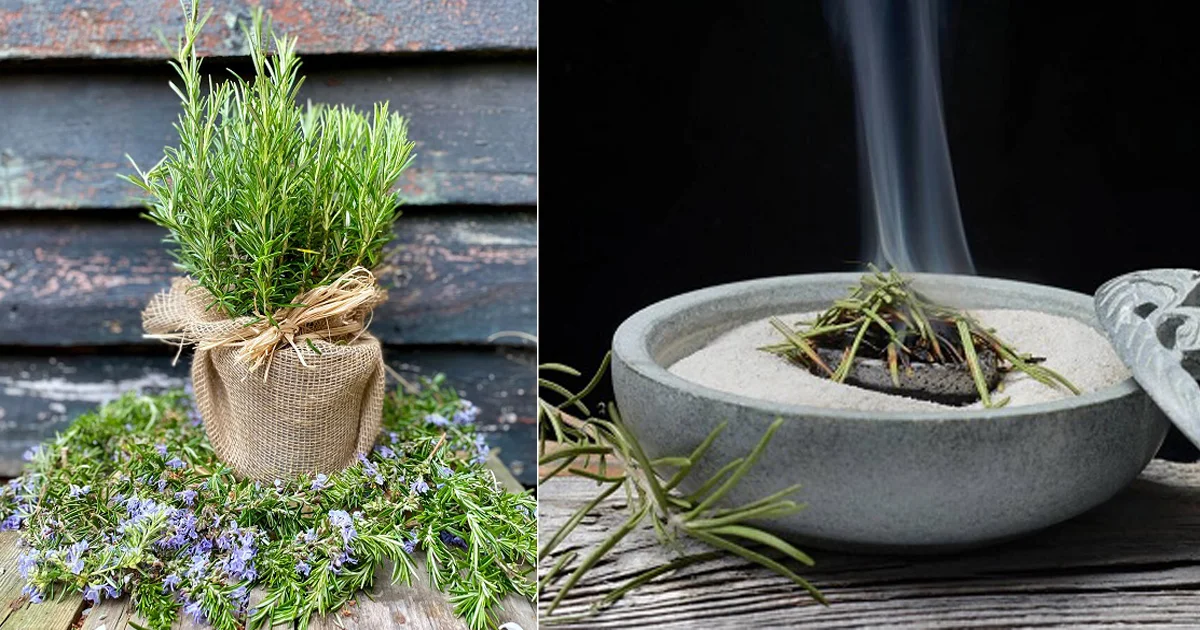
Rosemary, scientifically identified as Rosmarinus officinalis, is widely recognized not only for its role in cooking but also for its Read more

The Importance of Ventilating Your Home in Winter Indoor air that is overly saturated with humidity is not only uncomfortable Read more

Sweet Violet (Viola odorata): 25 Incredible Benefits & How to Use It Sweet violet (Viola odorata), also known as wood Read more

Why does your sleep become fragile precisely between 3 a.m. and 5 a.m.? Is it due to a peculiarity of Read more

Giving Your Plastic Bottles a Second Life: A Practical and Eco-Friendly Approach Often discarded without a second thought, plastic bottles Read more
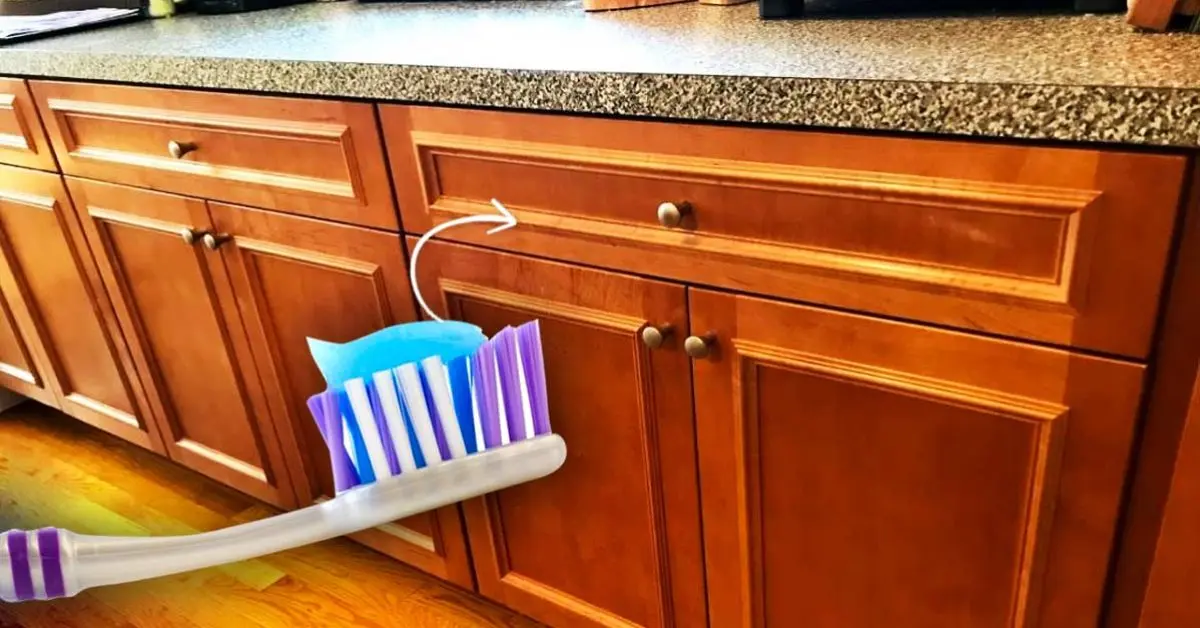
Cleaning Grease Off Kitchen Wooden Cabinets: Effective Techniques Removing dirt and embedded grease stains from kitchen wooden cabinets isn't always Read more

The Dog’s Nose: An Organ of Exceptional Sensitivity While humans explore the world primarily through vision, dogs scrutinize it mainly Read more

Why Does Your Dog Lick Your Hands? Licking is a natural form of communication for dogs. From their earliest weeks, Read more

The Symbolic Significance of Slugs Inside the Home Since ancient times, various cultures have assigned deep symbolic meanings to slugs. Read more
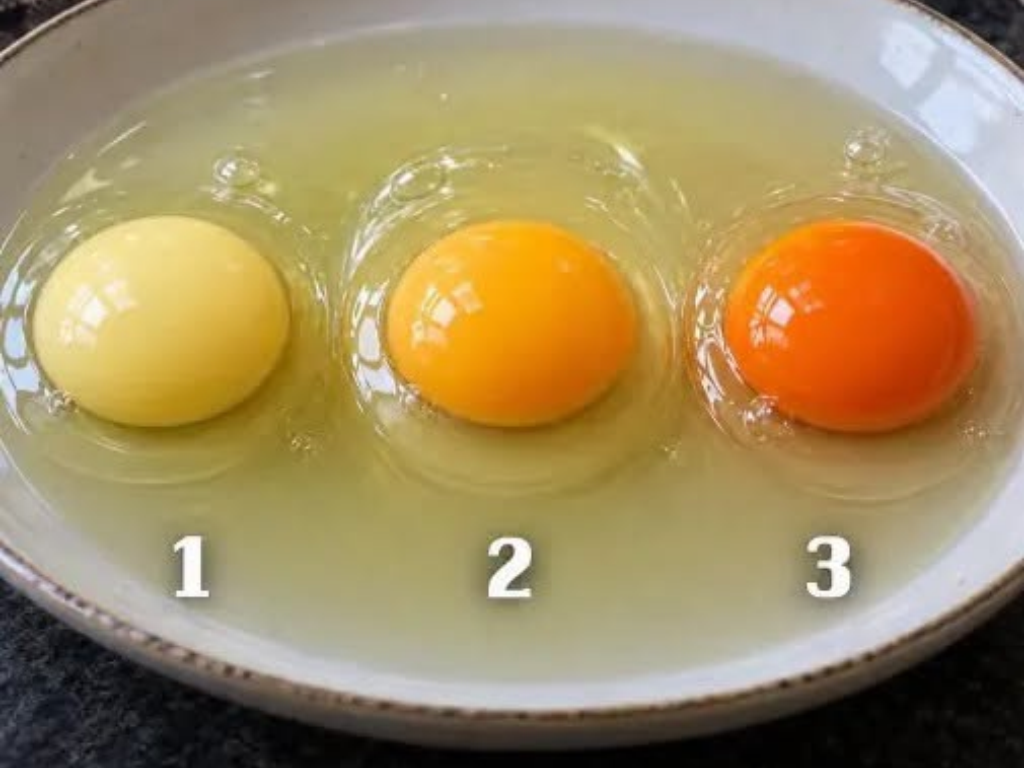
The Color of Egg Yolk Depends Primarily on the Hen’s Diet Few people truly realize that the shade of an Read more
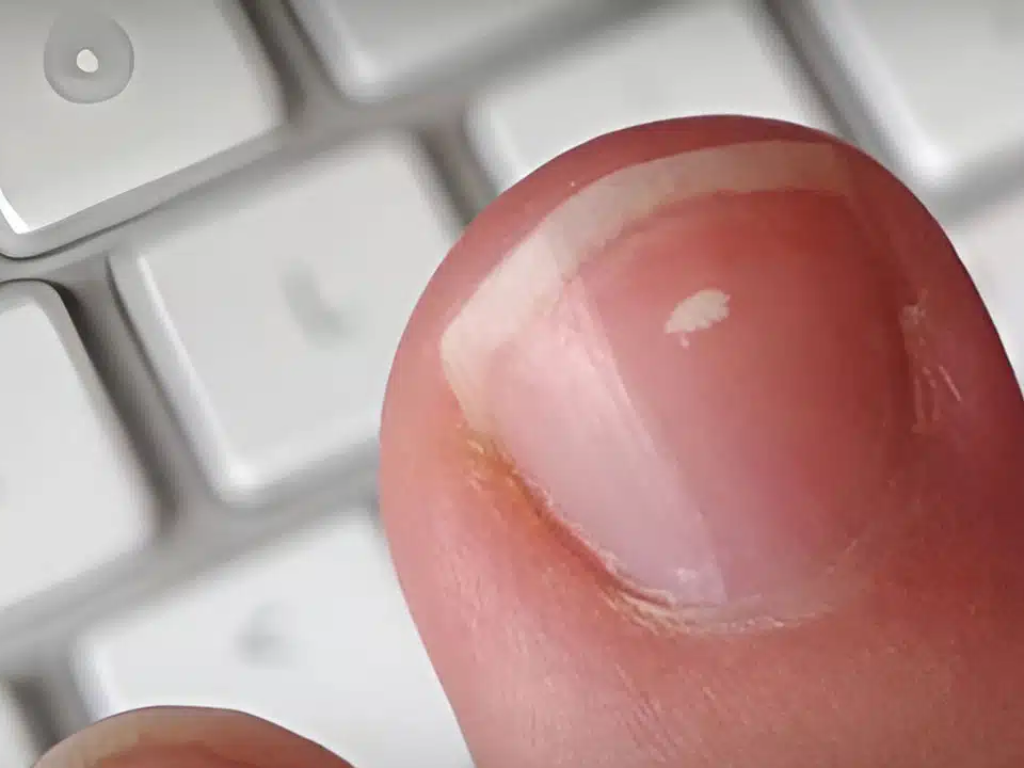
Main Causes of White Spots on Nails The small white spots sometimes seen on nails are scientifically known as "leukonychia." Read more

Why Does Honey Crystallize? The crystallization of honey is a completely natural and harmless phenomenon. It occurs when the sugars Read more
A Walk That Sometimes Holds Unexpected Surprises After a walk, it is common to find our dog with muddy paws, Read more

Castor Oil: A Natural Treasure to Rediscover Derived from the seeds of Ricinus communis, this thick, golden plant oil contains Read more

Clogged Shower Drain? Try Baking Soda! Experiencing a stagnant pool of water after a refreshing shower can be a mood Read more

Urinating While Standing, Tail Twitching: A Deliberate Behavior When you discover a small puddle of urine on a wall or Read more

Garlic's Aromatic Enigma: Its Transformation When Burnt The unmistakable scent of garlic is well-known in kitchens worldwide. Esteemed for its Read more

Restore the Shine to Your Dull Leather Whether it’s worn-out shoes, tired leather bags, or a sofa that has lost Read more

How to Detect Drafts Around Your Windows? Before making any adjustments, it is essential to confirm that your windows are Read more
Why Does the Plastic of a Washing Machine Yellow Over Time? Over the years, it is common to notice that Read more
The Dangers of Prolonged Sitting on the Toilet A Natural Reflex Put to the Test Sitting too long on the Read more
Throughout our journey in history, the bond between humanity and nature has been inseparable, providing not only sustenance but also Read more
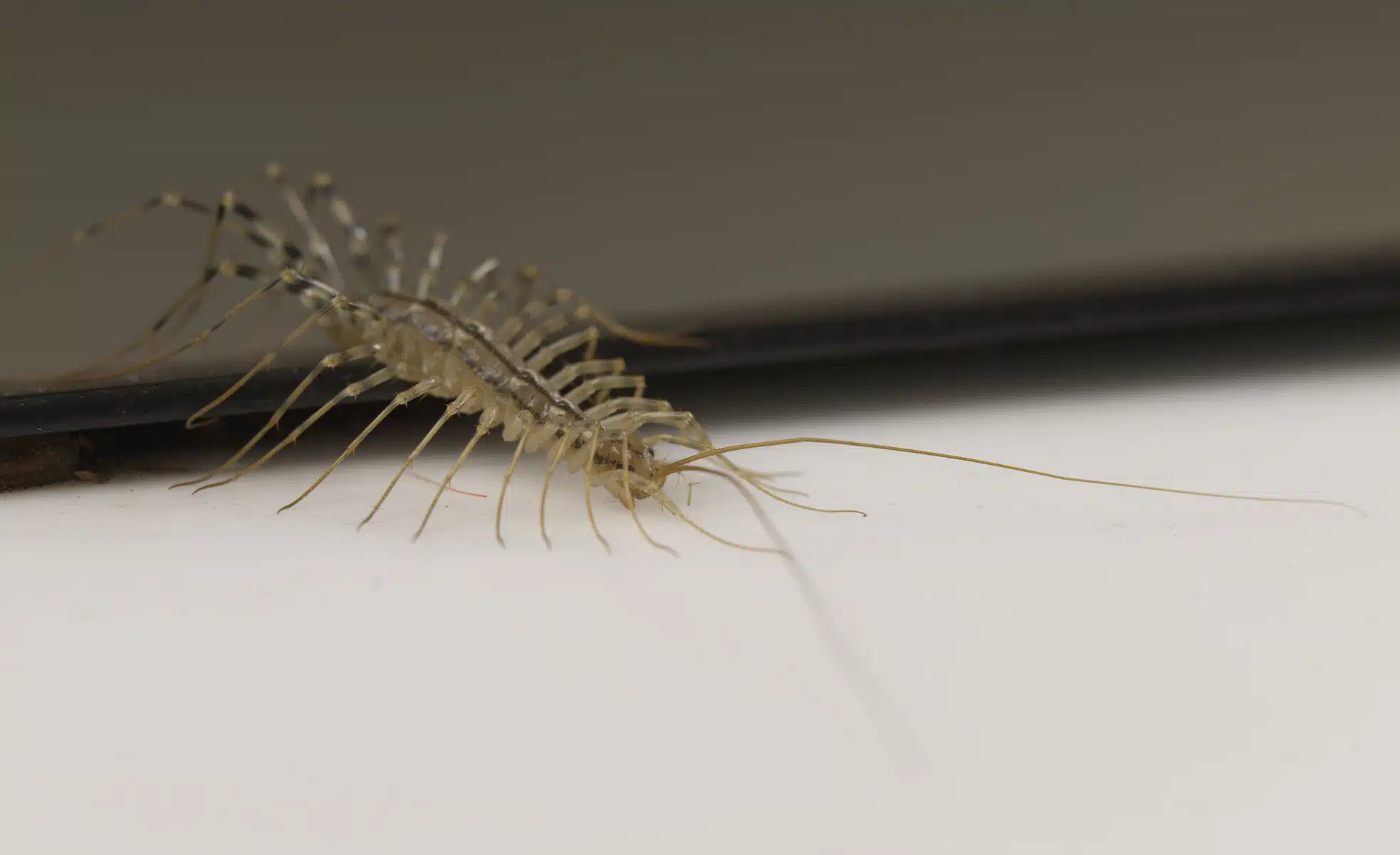
A Quiet and Efficient Predator in Your Home The domestic house centipede (Scutigera coleoptrata) is often regarded as a frightening Read more

The Risks Associated with Excessive Screen Exposure Prolonged exposure to screens can have serious consequences on the overall development of Read more
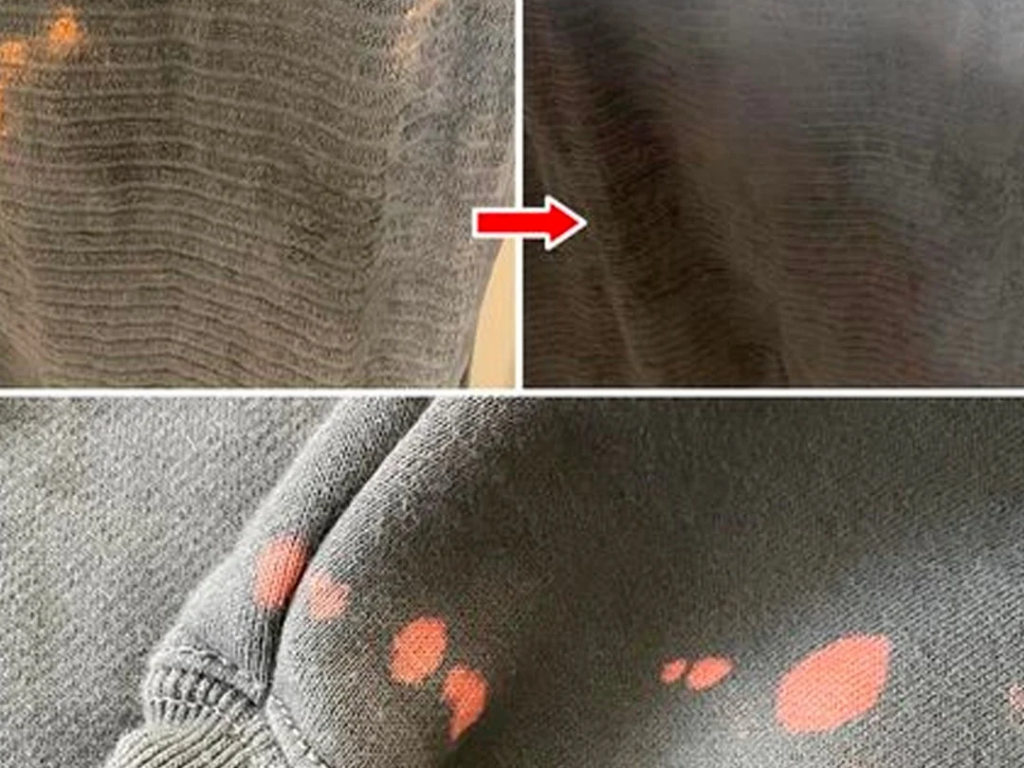
White Vinegar and Baking Soda: The Natural Solution to Remove Stains White vinegar and baking soda are essential allies in Read more
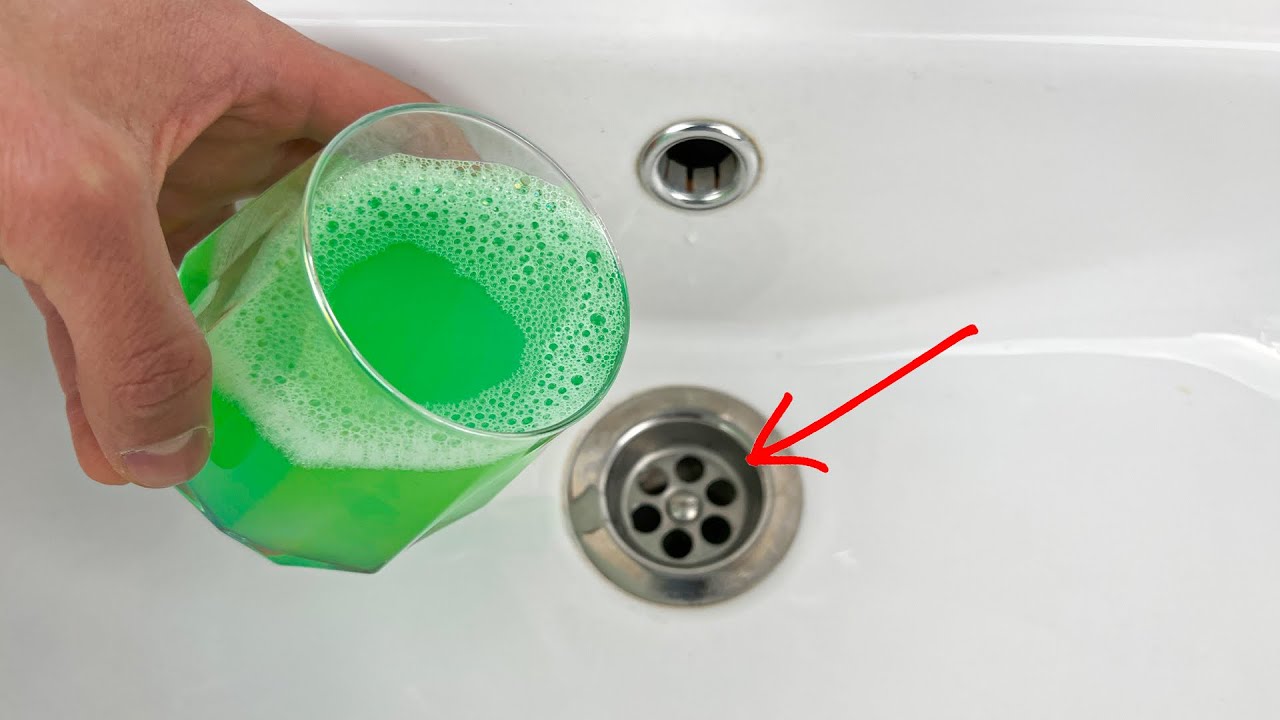
If your sink, bathtub, or shower is draining slowly and you don't have access to a commercial drain opener, you Read more
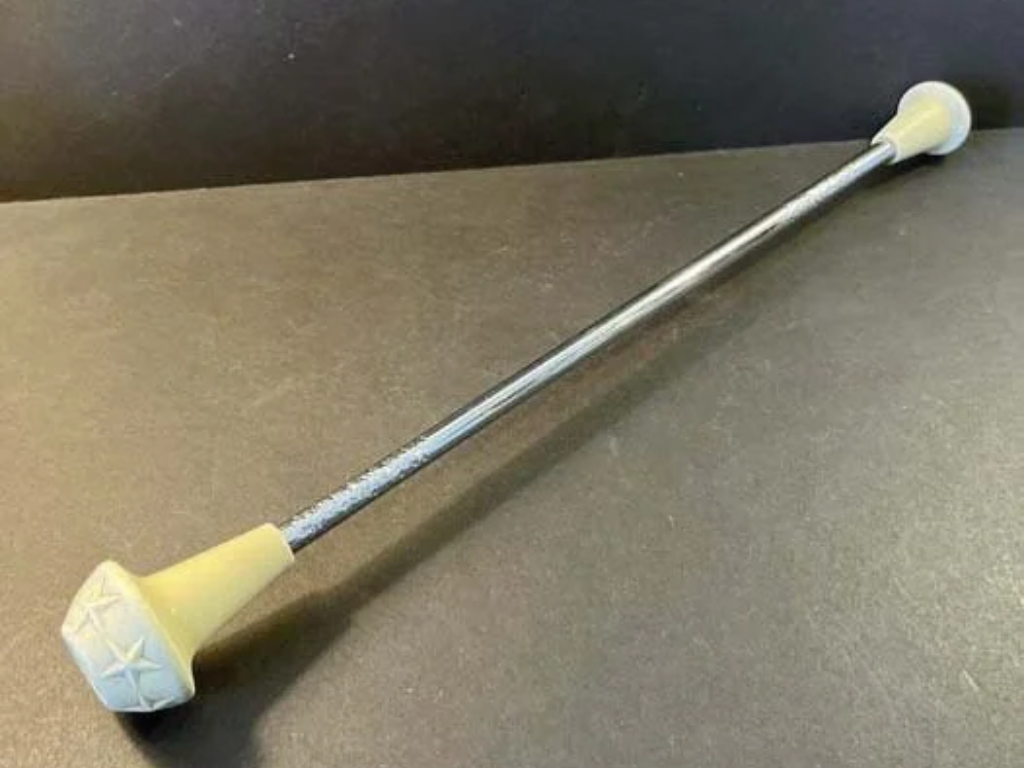
From Military Origins to Artistic Expression Originally, the twirling baton was primarily a tool designed to organize military marches and Read more
Grease buildup on kitchen cabinets is a widespread issue that many homeowners encounter. Frequent cooking results in grease splatters that Read more
