

Excessive Water Bill: What Steps Should You Take First?
When I discovered that our water consumption had reached 140,000 liters in just one month, I immediately thought it must be a mistake. Indeed, compared to the national average of around 4,470 liters per person per month, this figure seemed completely abnormal. So, I contacted our water provider to report this anomaly. Their response? A meter reading error. After correction, our actual consumption was 47,000 liters. While still high for a household of three, this figure was far more plausible.
If you receive a water bill that seems disproportionately high, the first step is to verify that your meter reading was taken correctly. Sometimes, a simple administrative error can result in an expensive overestimation.
How to Easily Check Your Water Meter?

To ensure our meter was functioning properly, I performed a simple and quick test:
I noted the numbers displayed on the meter.
I filled a container with a capacity of three liters of water.
I observed the new numbers on the meter to measure the difference.
The result: the meter showed the expected consumption, confirming there was neither a technical malfunction nor a major leak in our system.
If you suspect a leak, another easy way to check is to note the meter reading at night before going to bed, and then check again in the morning without using any water during the night. If the meter has advanced, there is a strong chance that a leak is present.
Reducing Water Consumption: Simple and Effective Actions

Once I confirmed that our high consumption was real, it was essential to find solutions. By observing our daily usage, one important fact caught my attention: the water pressure in our apartment was very high. This meant that every time a tap was opened, a larger amount of water than necessary was flowing out.
So, I undertook a simple action: I partially closed the water supply valves to reduce the pressure.
The result? We still had sufficient water for our needs, but the amount wasted by taps and the shower had significantly decreased. The only downside was that the bathtub took a little longer to fill.
Additionally, other small, easy-to-implement actions also help limit water consumption:
Installing aerators on taps to reduce flow without losing comfort.
Preferring short showers rather than baths, which consume much more water.
Regularly checking the toilet flushes and taps to detect any invisible leaks.
The Tangible Impact on Our Water Consumption

After a month of applying these adjustments, our consumption dropped from 47,000 liters to 37,000 liters. Although this volume remains relatively high, we have already taken a significant step toward substantial savings.
However, when sharing this experience, I was warned that partially adjusting the valves could accelerate their wear. So far, I have noticed no issues, but this is a point that deserves long-term monitoring.

When a Simple Pistachio Shell Takes on the Appearance of a Monster It all begins with the desire to clean Read more

Timeless Elegance That Transcends Generations Choosing black often reflects a profound pursuit of refinement and sophistication. This color goes beyond Read more
Some people purchase walnuts that are already shelled, while others prefer to buy them in their natural state, still in Read more
Rosemary, scientifically identified as Rosmarinus officinalis, is widely recognized not only for its role in cooking but also for its Read more
A Modest Tool Serving a Clever Function Have you ever wondered why a specific utensil is needed to separate an Read more

What Is the Purpose of That Small Panel on Your Car? While heavy vehicles like trucks are equipped with clearly Read more
Have you just stained a piece of clothing and don't know how to get rid of it? Rest assured, this Read more

A Simple Anomaly on the Floor? Not So Fast At first glance, this detail seemed nothing more than an ordinary Read more
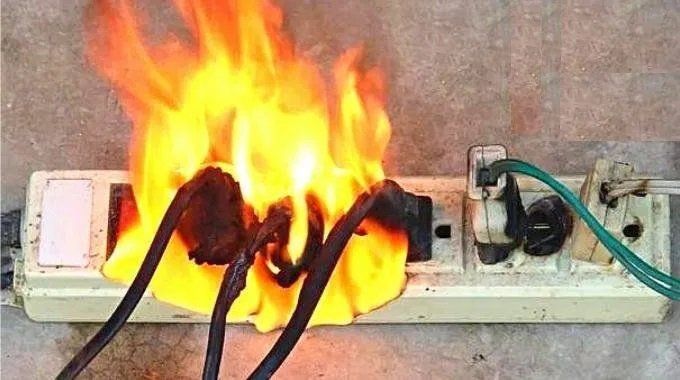
Using a power strip to plug in multiple devices is convenient, practical, and budget-friendly. However, this widespread practice carries significant Read more

When "Need" Takes on a Whole New Meaning For a long time, having a woman in a man’s life was Read more
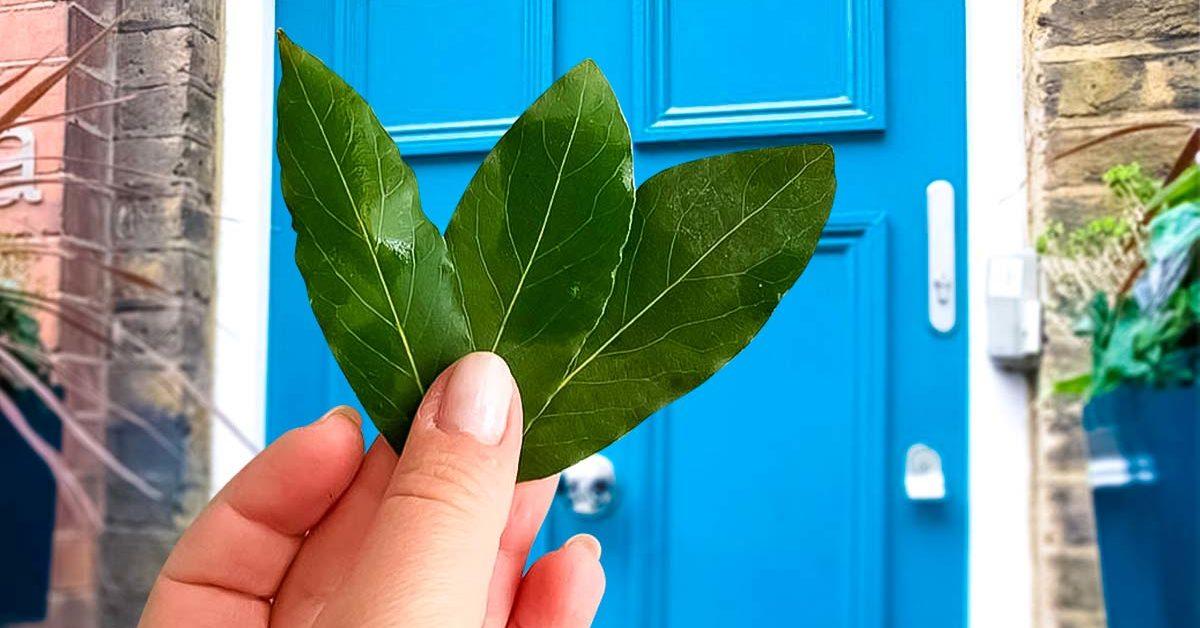
Bay leaves extend far beyond their mere role as a culinary seasoning or festive decoration. This ancient plant plays a Read more

Juniper, a versatile and aromatic plant, has been valued for centuries for its culinary, medicinal, and therapeutic uses. Known for Read more

Kyllinga brevifolia: A Natural Remedy for Health and Wellness Kyllinga brevifolia, commonly known as green kyllinga or shortleaf spikesedge, is Read more
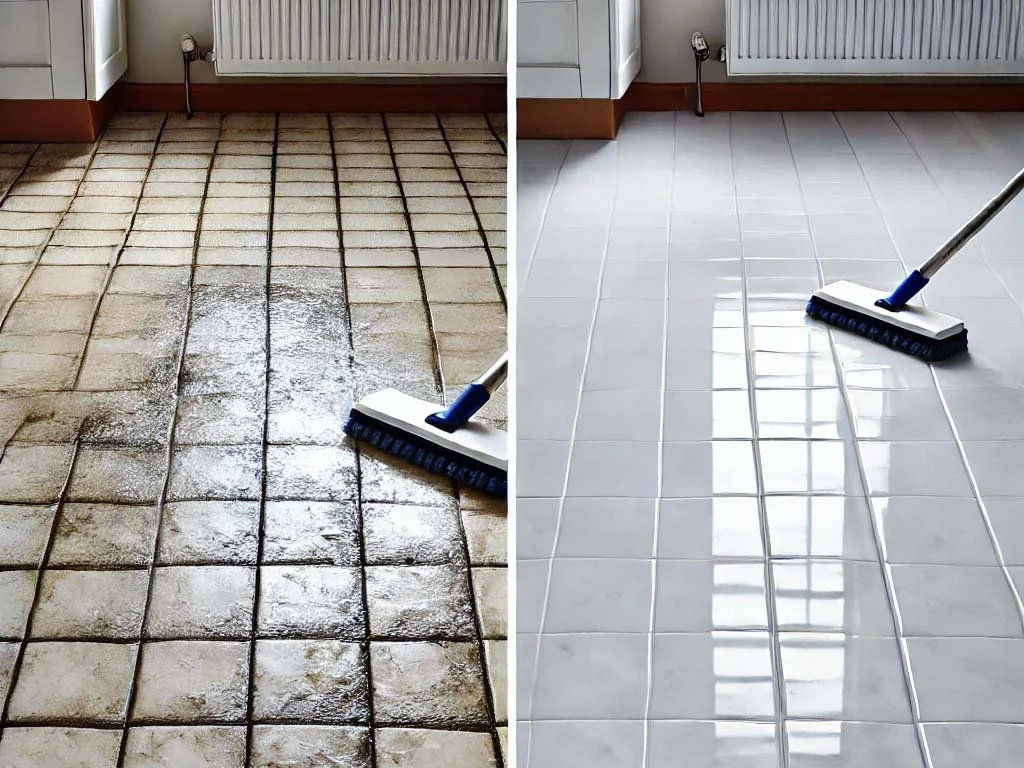
Why Traditional Household Cleaners Aren't Enough Often praised for their effectiveness, commercial cleaning products don't always succeed in removing stubborn Read more

An Enigmatic Capsule: Description and Speculations At first glance, this small brass capsule, lightweight and perfectly airtight, appears ordinary. Yet Read more
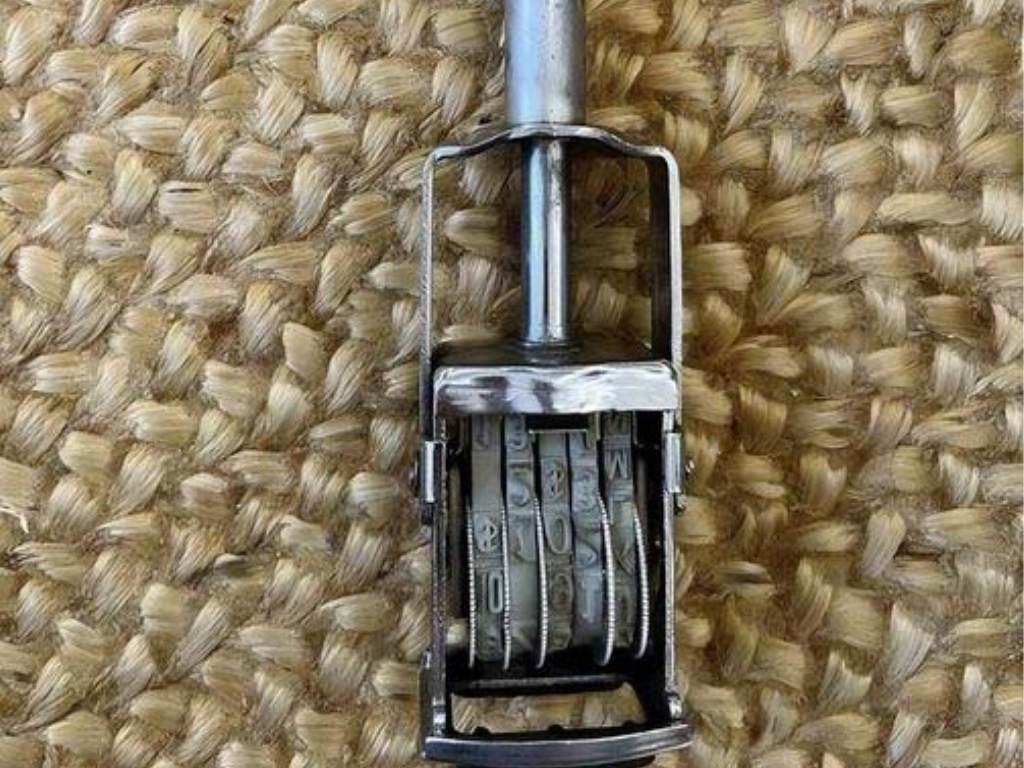
A Fundamental Innovation in the World of Commerce At the dawn of the twentieth century, merchants faced a recurring challenge: Read more
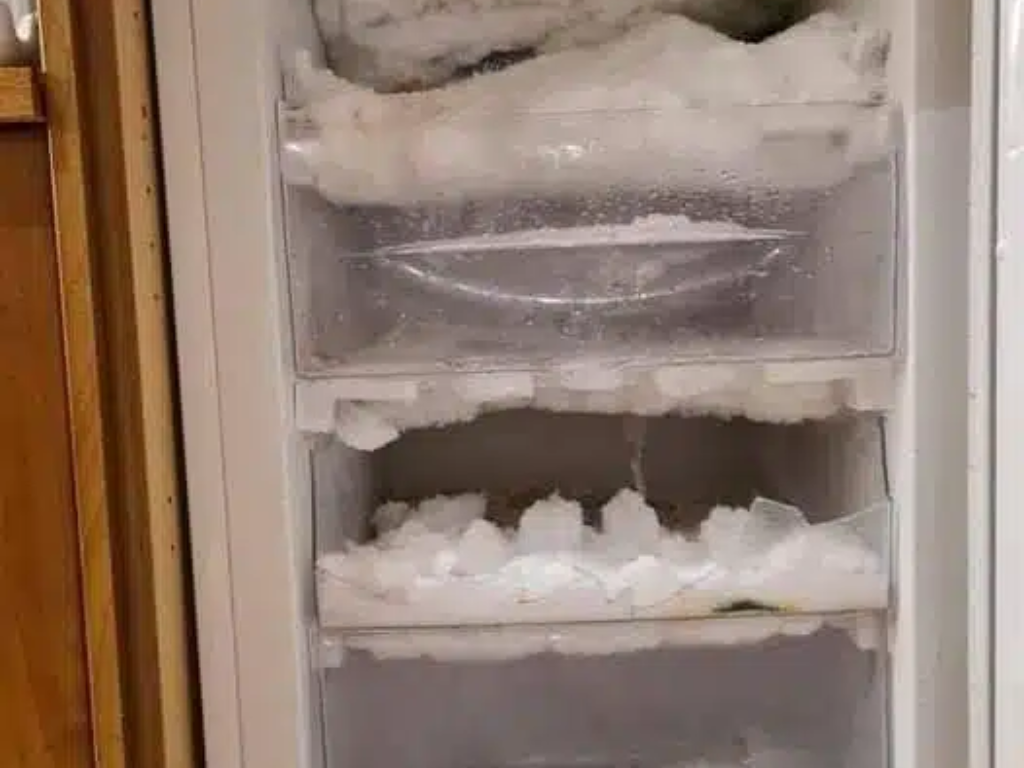
Why Is It Essential to Regularly Defrost Your Freezer? The gradual buildup of frost inside your freezer goes beyond just Read more
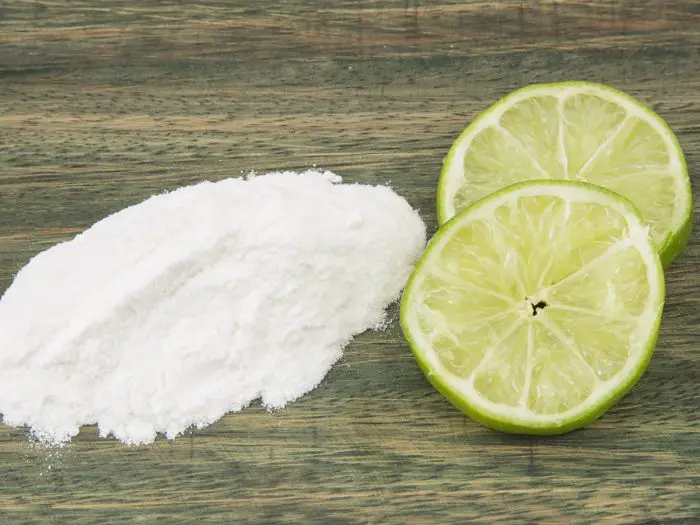
Baking soda and lemon peels are two household items often overlooked but incredibly powerful when combined. This natural duo can Read more
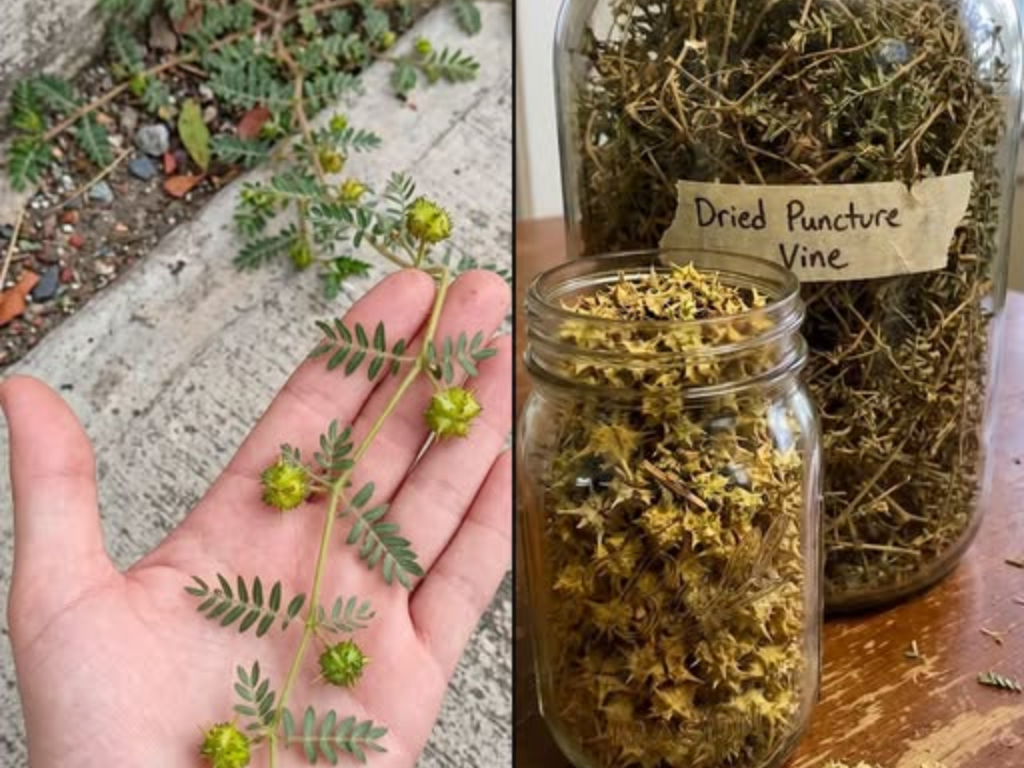
Warning: The information provided in this article is solely for educational and informational purposes. It is based on traditional herbal Read more
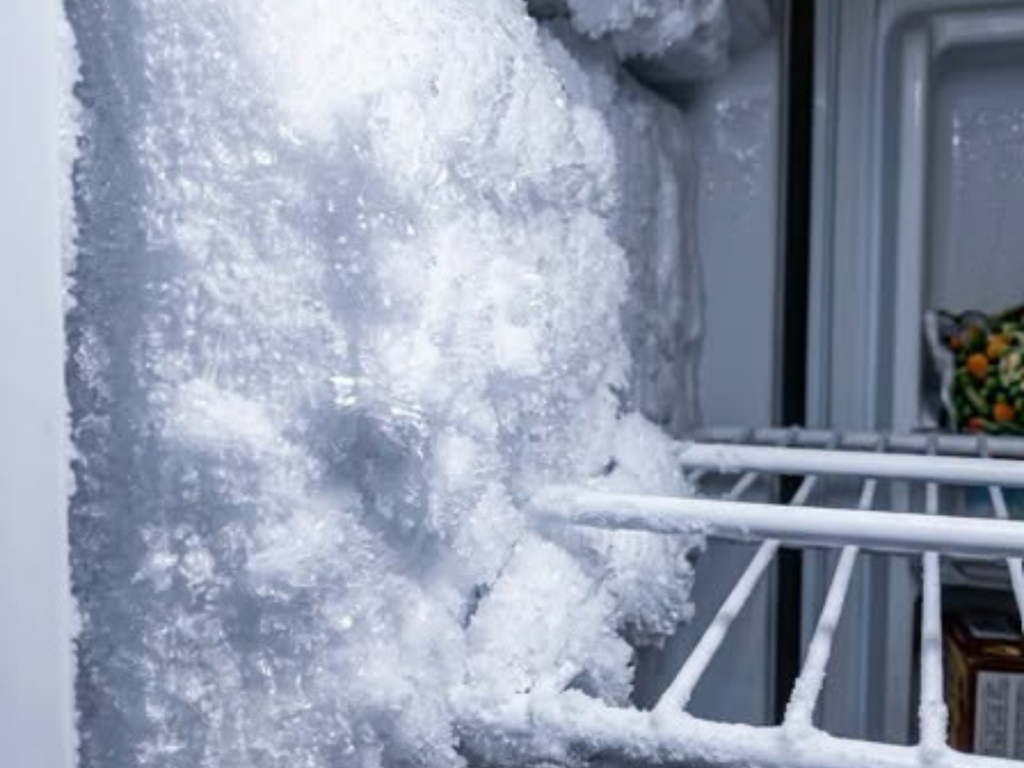
Defrosting a freezer is often viewed as a lengthy and tedious task involving ice packs and patience being thoroughly tested. Read more

Why Are We Fascinated by Optical Illusions? Whether seen on the Internet or in magazines, trompe-l’œil images enjoy undeniable popularity. Read more

Goldenberries, also known as Physalis or Uchuva, are small, orange-yellow fruits enclosed in a delicate, papery husk. Originating from the Read more

The Art of Container Flower Combinations Designing with flowers in pots is a delightful blend of horticulture and floral design. Read more
A Cry in the Face of an Unexpected Mystery Startled, the man let out an involuntary cry upon discovering what Read more

How to Detect Hidden Cameras in a Hotel Room? Hidden cameras can be disguised within seemingly harmless objects, including hotel Read more

A Vibrant Coat, More Than Just a Visual Trait Before delving into the nature of these cats, let us first Read more
Have you ever noticed those small, discreet "shells" clinging to the walls or nestled in the corners of the ceiling? Read more

Tackling Dog Urine Odor: A Comprehensive Guide The joy of having a canine companion is undeniable, but alongside it come Read more
Why Does the Plastic of a Washing Machine Yellow Over Time? Over the years, it is common to notice that Read more
Fig leaves, often overlooked behind the sweet and flavorful fruit they accompany, are an incredible source of numerous health benefits. Read more
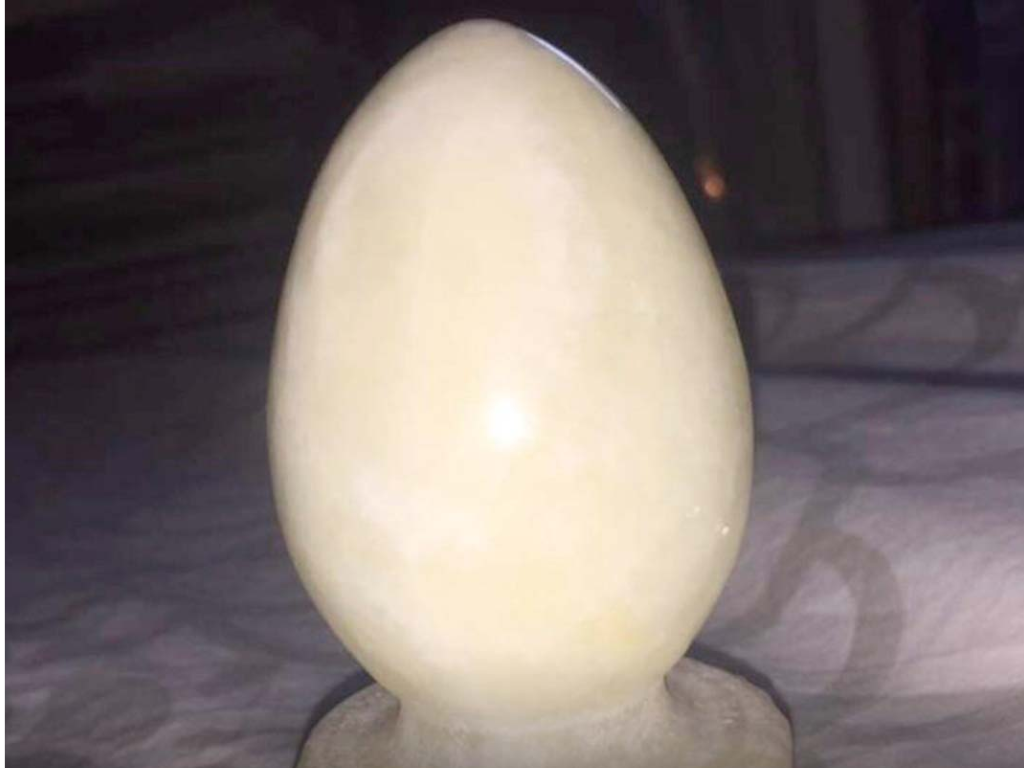
Uncovering the Hidden Mysteries in Everyday Objects Why do certain objects evoke such surprise and curiosity? Whether it’s opening an Read more
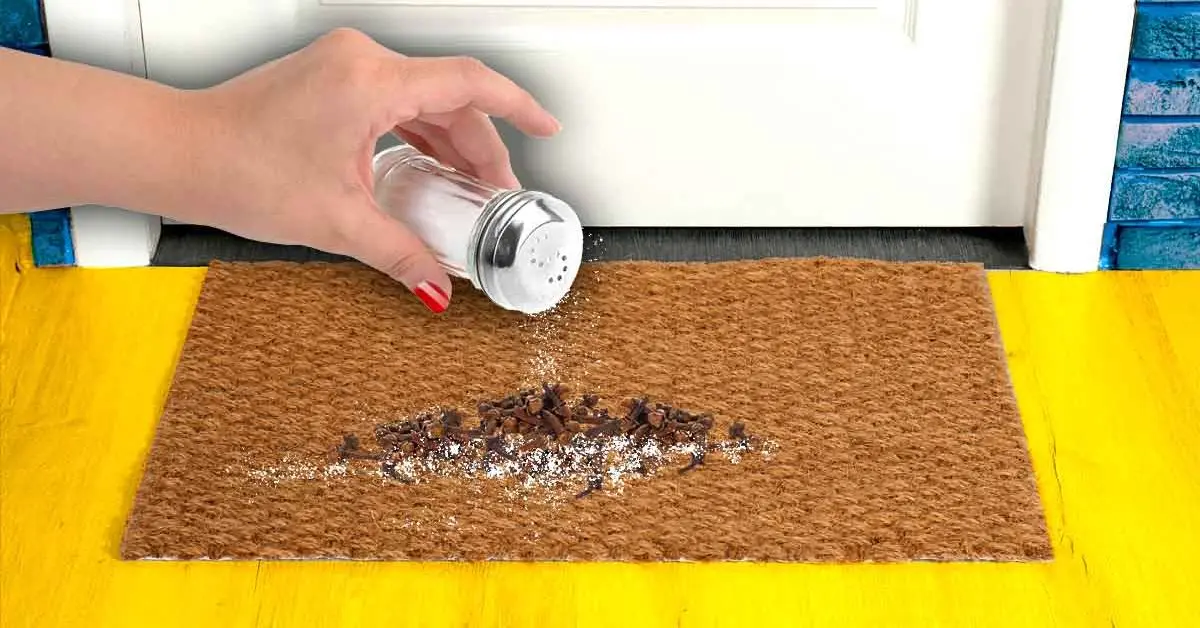
The Multifaceted Benefits of Spices and Herbs Throughout history, a wide variety of spices and herbs have been cherished not Read more

Purple Deadnettle (Lamium purpureum): Benefits, Uses & How to Make Tea Often overlooked or mistaken for an ordinary weed, Purple Read more
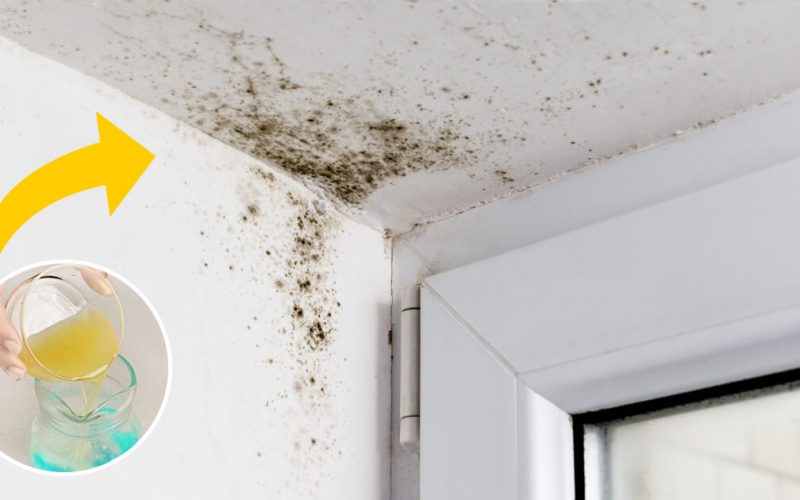
Often, due to poor ventilation or certain climatic conditions, dreaded mold can develop on the walls of our homes. In Read more

A Walk That Sometimes Holds Unexpected Surprises After a walk, it is common to find our dog with muddy paws, Read more
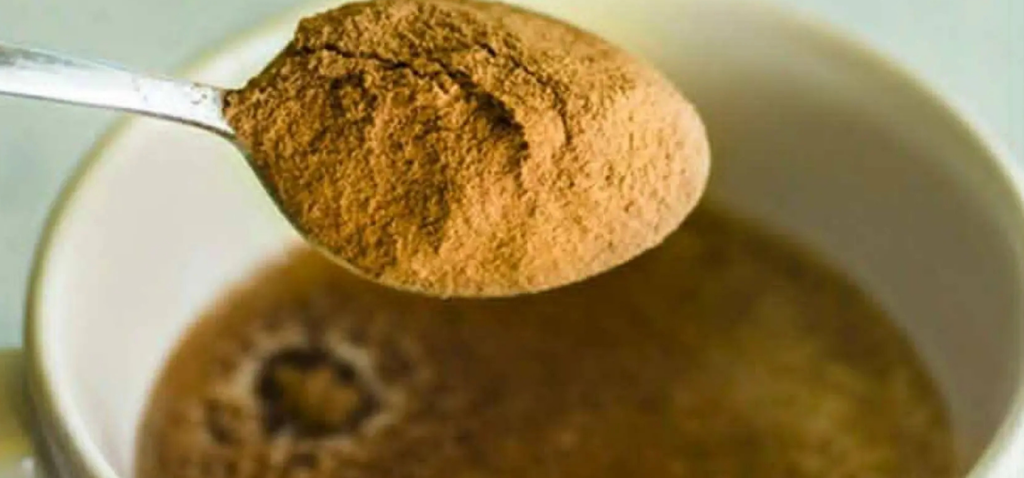
You have tried everything to sleep better — herbal teas, meditation, ergonomic pillows — but nothing seems to work? What Read more

Ever wish your home could keep that fresh, clean scent for more than a few hours? There’s a simple, natural Read more

This heartbreaking story touched millions of internet users. After a long eight months of disappearance, a dog finally reunited with Read more
Rice Water and Baking Soda: A Surprising Duo to Unclog Your Drains Few people realize that the water used to Read more
Two Years in the Freezer: Is It Really Too Late? It is common to assume that a long storage date Read more
