
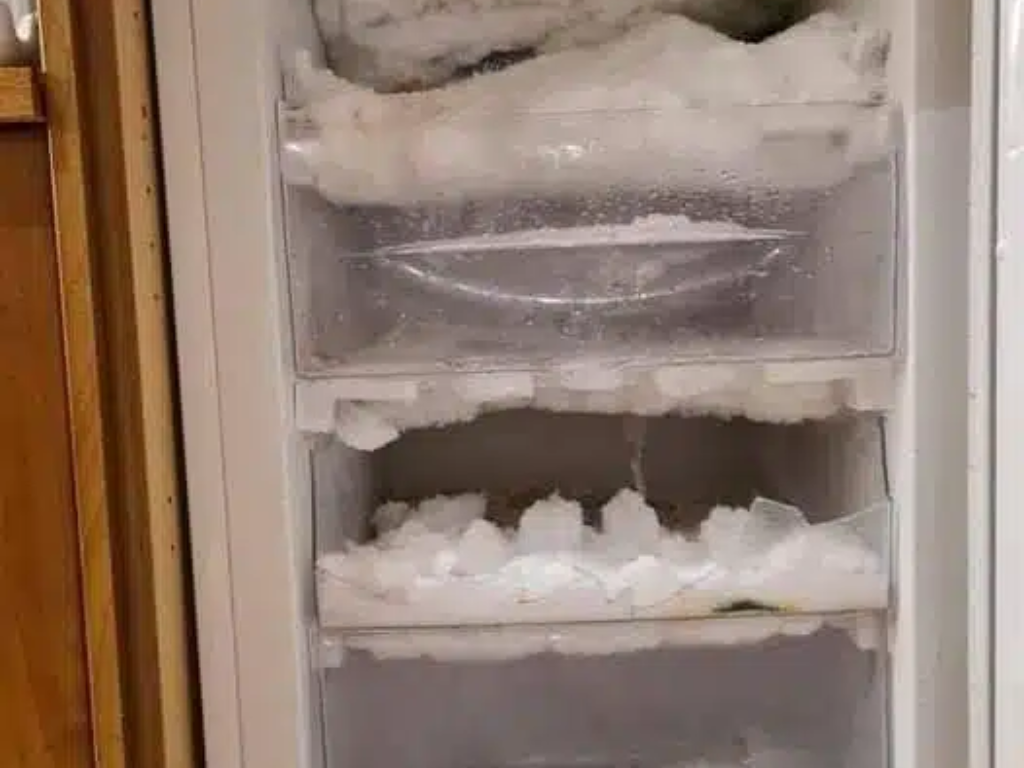
Why Is It Essential to Regularly Defrost Your Freezer?

The gradual buildup of frost inside your freezer goes beyond just being an unsightly annoyance. It directly affects several critical aspects of its operation, including energy efficiency and overall longevity.
Energy Consumption That Soars
When the frost layer reaches just 3 to 4 mm thick, it can increase electricity consumption by as much as 30%. This happens because the motor must work much harder to maintain the set temperature, resulting in a noticeably higher electric bill.
Increased Risk of Motor Overheating
If ice accumulates excessively, the motor risks overheating, which diminishes its effectiveness and speeds up wear and tear. Over time, this strain can lead to premature failure of your freezer, with repair costs that are often substantial.
Food Preservation Becomes Less Effective
Excess ice disrupts the circulation of cold air inside the appliance, causing harmful temperature fluctuations. As a result, some foods may no longer freeze properly, increasing the risk of bacterial growth and leading to avoidable food waste.
How Often Should You Defrost Your Freezer?
The ideal time to defrost your freezer is once the frost layer reaches between 3 and 4 mm thick. If you notice ice building up rapidly, more frequent defrosting will be necessary. As a general guideline, defrosting every 3 to 6 months helps maintain optimal performance over the long term.
A Simple Method to Defrost Without Unplugging the Appliance

Are you worried about having to unplug your freezer and risking your food thawing? Here is a proven technique that speeds up ice melting while keeping the appliance powered on.
Steps to Follow:
1. Organize Your Food
Begin by emptying the freezer, placing your food in a cooler or an insulated bag with ice packs. This precaution will prevent your food from thawing quickly during the defrost process.
2. Use Hot Water Steam
Place a pot filled with boiling water inside the freezer and then close the door. The steam produced will help dissolve the embedded frost rapidly.
3. Air It Out Periodically
To further speed up melting, open the door every 5 to 10 minutes to let in some warm air.
4. Remove Softened Ice
Using a sponge, a damp cloth, or a plastic spatula, carefully remove the detached ice pieces. It is crucial to avoid using sharp objects like knives, as they can damage the freezer walls.
5. Thoroughly Dry the Interior
Once all the ice is removed, wipe down all surfaces with a dry cloth to prevent the rapid formation of a new frost layer.
6. Replace the Food
Before returning your items to the freezer, wait until the internal temperature drops back to -18 °C, ensuring optimal freezing conditions.
Tips to Minimize Frost Formation

Check Door Seals: Worn or faulty seals allow moisture to enter, encouraging frost buildup.
Avoid Frequent Door Openings: Each time the door opens, warm air enters, accelerating frost formation.
Properly Wrap Your Food: The less moisture inside, the less frost will develop.
Do Not Overfill the Freezer: Ensure there is enough space for cold air to circulate freely.
In Summary
By adopting these good habits, you will extend your freezer’s efficiency while lowering your electricity consumption. Regular maintenance is key to preserving the quality of your food and the durability of your appliance.

An Extraordinary Photograph It all began on a peaceful day in the countryside, where a family was enjoying a quiet Read more

The Brown Marmorated Stink Bugs: A Nuisance Difficult to Ignore Originating from Asia, these insects have found a favorable environment Read more

Guava is often hailed as a superfruit, but did you know that its leaves also pack an extraordinary punch in Read more
Ingenious Uses for Expired Cornstarch A Natural Cleaner for Windows and Surfaces Did you know that cornstarch can easily substitute Read more

Challenges in Organizing the Perfect Encounter In today’s era dominated by dating apps, one might easily assume that arranging a Read more

The Dog's Nose: A True Superpower It is well known that dogs possess an extraordinary sense of smell. Yet the Read more

Giving Your Plastic Bottles a Second Life: A Practical and Eco-Friendly Approach Often discarded without a second thought, plastic bottles Read more
For centuries, the bay leaf has stood as a symbol of protection, wisdom, and soothing comfort. Salt, by contrast, represents Read more

Ever wish your home could keep that fresh, clean scent for more than a few hours? There’s a simple, natural Read more

Sometimes, certain births resonate far beyond the boundaries of the family, capturing the attention of the wider public. This was Read more

The Brown Recluse Spider: A Small Spider with a Violin-Shaped Mark on Its Body Imagine a tiny spider, modestly brown Read more
Effective Methods to Eliminate Maggots and Prevent Their Return Vinegar: An Essential Natural Repellent To quickly rid yourself of maggots, Read more

Common Mallow (Malva sylvestris) is a plant often overlooked in wild settings but is far more than merely a visually Read more

Inheritance in France: A Protected Share, Untouchable Even in Cases of Conflict In France, there is a fundamental legal principle Read more

A Story of Love, Trust… and Betrayal Everything seemed to come straight out of a fairy tale. At just 15 Read more
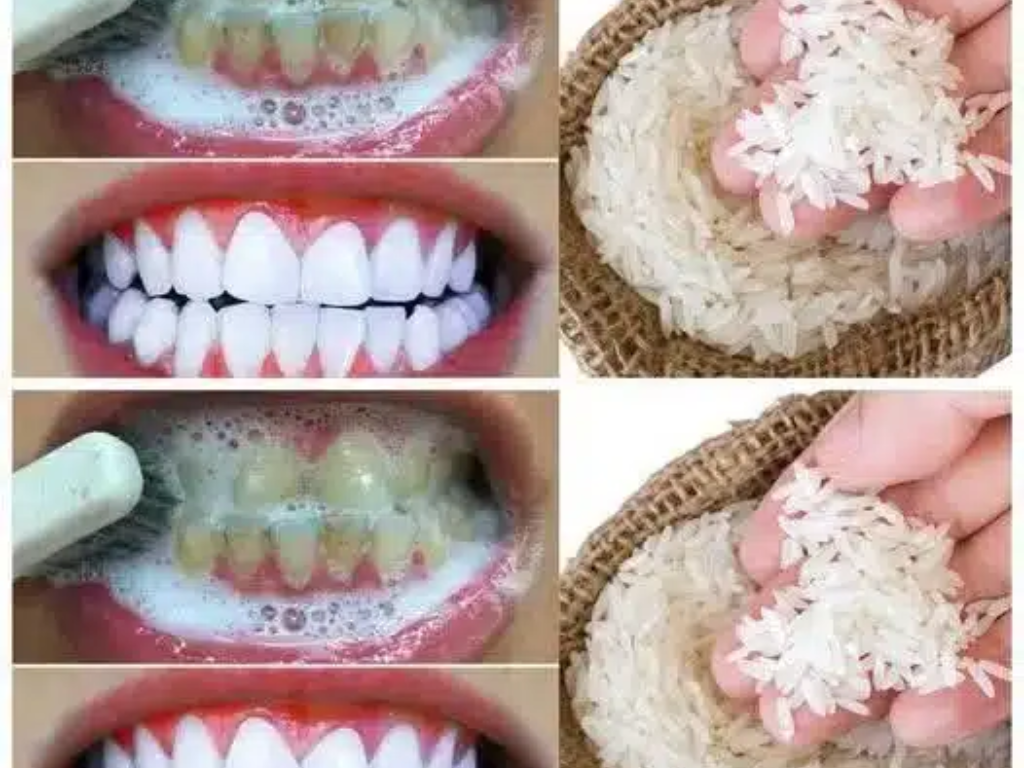
How can a simple homemade mixture really help make your teeth whiter? Here is the secret that has already captivated Read more

A Puzzle Deceptive in Its Simplicity When mentioning "2 mothers," "2 daughters," "1 grandmother," and "1 granddaughter," the immediate image Read more

The Return of Earrings in the 17th Century The 17th century marked a notable resurgence in earrings, greatly encouraged by Read more

So, when and how should you charge your phone to best preserve its battery and avoid premature wear? Here are Read more

How to Detect Hidden Cameras in a Hotel Room? Hidden cameras can be disguised within seemingly harmless objects, including hotel Read more

Before your next journey, it might be worth reexamining some of your packing habits. What a luggage professional has revealed Read more

Shepherd’s Purse (Capsella bursa-pastoris): A Medicinal Herb with Powerful Benefits Shepherd’s Purse, known botanically as Capsella bursa-pastoris, is a small, Read more
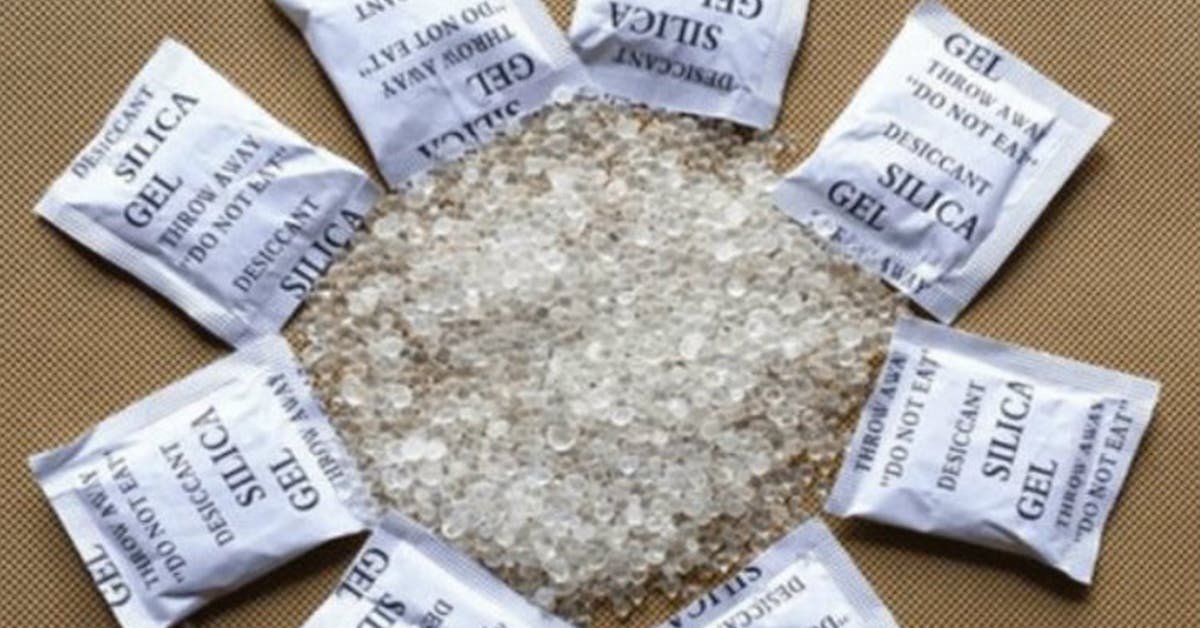
Silica gel packets are frequently included in the packaging of electronics, clothing, and many other products. These small sachets contain Read more

When "Need" Takes on a Whole New Meaning For a long time, having a woman in a man’s life was Read more

We experienced several miscarriages. Each time, it was a silent grief, almost invisible to the eyes of others. I learned Read more
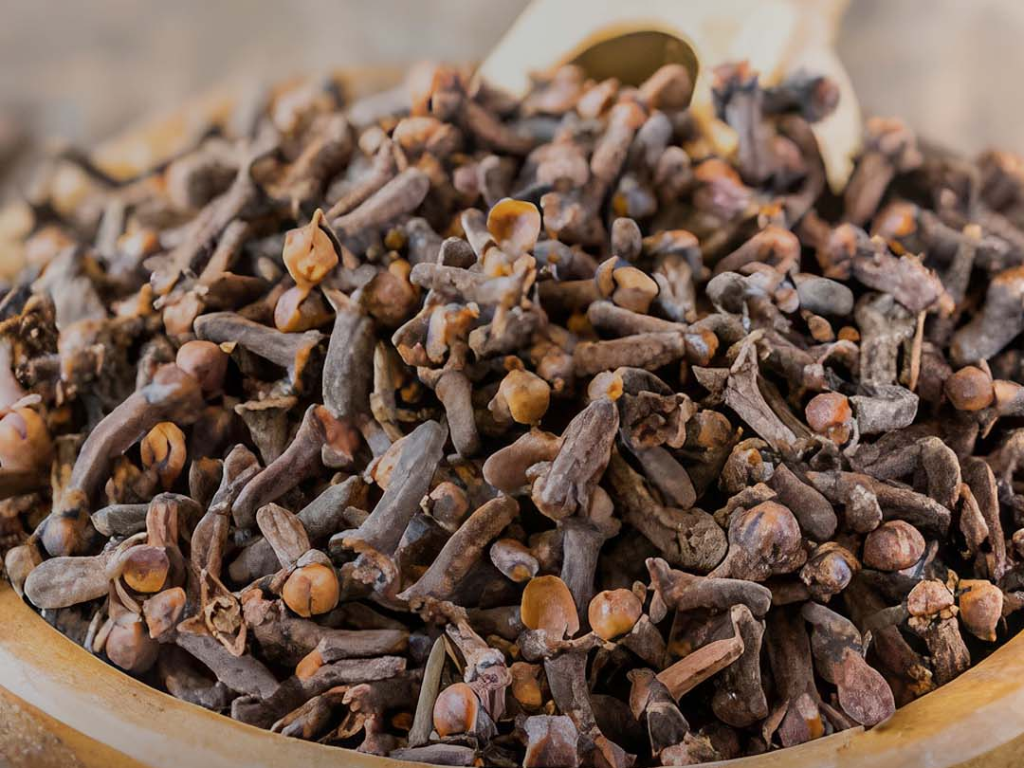
Why Incorporate Clove Infusion Into Your Daily Routine? A Powerful Source of Antioxidants to Combat Aging Free radicals, those agents Read more

The Amazing Benefits of Sumac and How to Use It Sumac is more than just a flavorful spice—it’s a powerful Read more
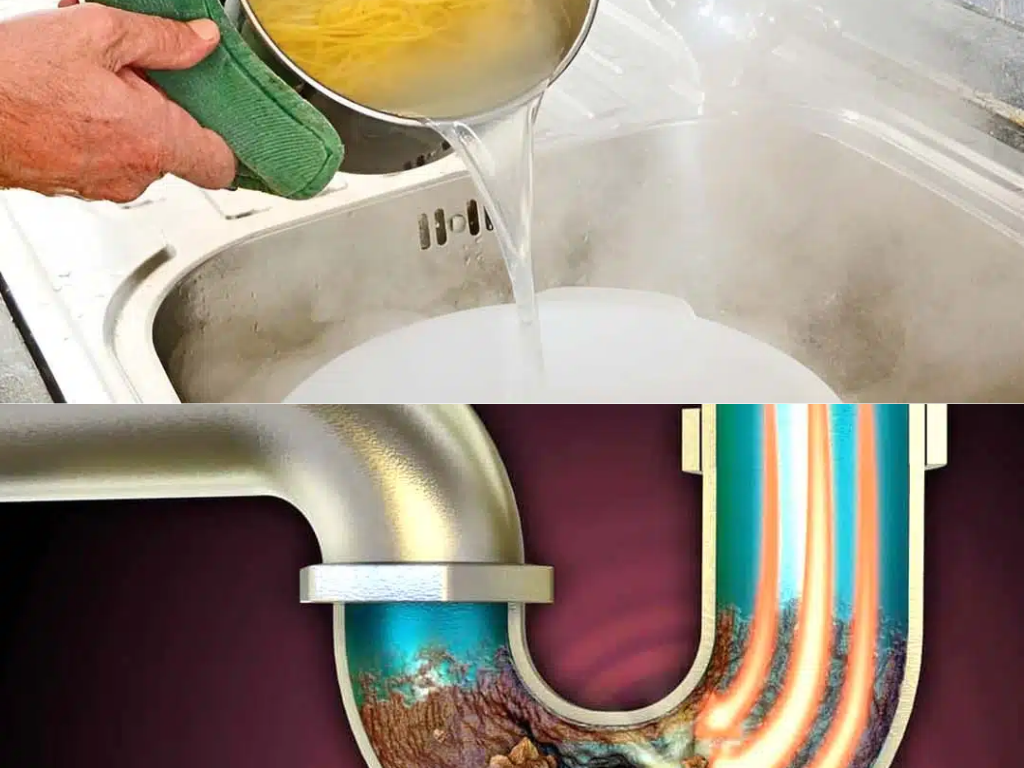
Risks Associated with Using Boiling Water in Plumbing Premature Deterioration of Materials Frequently pouring boiling water down your sink can Read more

A Visual Challenge That Sparks Thought This type of visual puzzle captivates through its dual effect: it sharpens observational skills, Read more

The Hidden Power of Pomegranate Peel: 10 Health Benefits and How to Use It Pomegranate is often celebrated for its Read more

Salt: An Overlooked Treasure in the Home Since ancient times, salt was so valuable that it was even used as Read more

The Symbolic Significance of Slugs Inside the Home Since ancient times, various cultures have assigned deep symbolic meanings to slugs. Read more
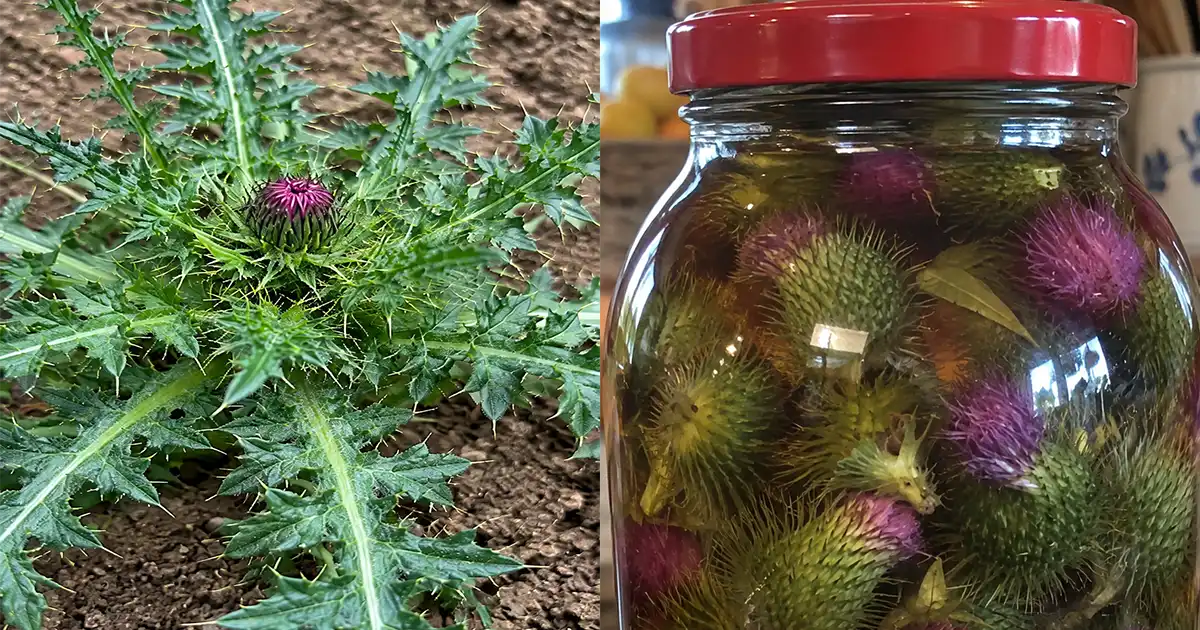
This content is provided for informational purposes only. For medical advice or diagnosis, please consult a healthcare professional. The common Read more

Many families choose to place their washing machine in the bathroom to take advantage of the floor drain. However, it Read more

The Importance of Ventilating Your Home in Winter Indoor air that is overly saturated with humidity is not only uncomfortable Read more

A Fully Integrated Member of Its Tribe Social relationships hold a significant place in the life of a cat. When Read more

Timeless Elegance That Transcends Generations Choosing black often reflects a profound pursuit of refinement and sophistication. This color goes beyond Read more

Why Are We Fascinated by Optical Illusions? Whether seen on the Internet or in magazines, trompe-l’œil images enjoy undeniable popularity. Read more

Every winter, countless orange peels end up in the trash. But what if you could transform these fragrant scraps into Read more

When you enter a hotel room, have you ever noticed that long piece of fabric laid across the foot of Read more
