
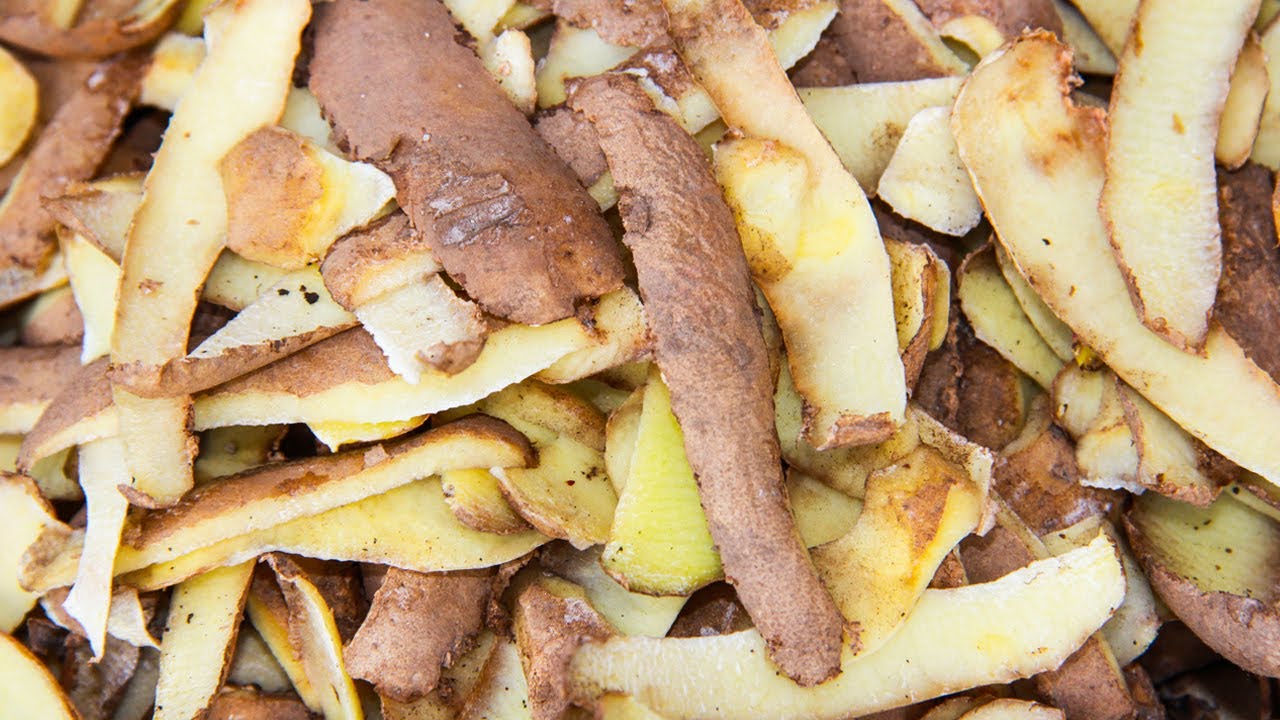
Experienced gardeners are well-acquainted with the practice of turning kitchen scraps into valuable gardening resources. Among these scraps, potato peelings, often disregarded, serve as an environmentally friendly and rich source of nourishment for plants. This comprehensive guide explores the advantages of using potato peel fertilizer, its constituent elements, and the many ways it can be employed in gardening.
Potato Peels: More Than Mere Waste

Many people throw away potato skins without a second thought, yet they hold an impressive nutritional profile. They are rich in vitamin C, which enhances the ascorbic acid content in berries, and provide a variety of other plant benefits, including:
- Starch – Serves as a powerful growth stimulant for plants. Varieties such as currants and roses particularly flourish with it.
- Organic Acids – Aid smooth oxidative processes, improving carbohydrate digestion and absorption within plants.
- Glucose – Crucial for protein synthesis and maintaining energy reserves, especially during colder seasons.
- Mineral Salts – Essential for overall plant health; a deficiency can weaken a plant’s natural defenses.
Why Your Garden Thrives on Potato Peels

Potato peels address various garden needs effectively:
Natural Nutrition – The starch contained in peels provides essential fuel to plants throughout their developmental stages.
Pest Magnet – While they do not eradicate pests, potato peels attract them to a centralized spot, simplifying pest control efforts.
Gentle Heat Source – During decomposition, potato peels emit warmth. Although modest, this heat helps foster plant growth.
Cost-Effective and Environmentally Friendly Fertilization
Some of the best garden enhancers come without cost. Potatoes are a dietary staple for many, but a significant portion is discarded as waste. Recycling these peels as fertilizer conserves money and supports sustainable gardening.
These potato peels embody the dream of eco-conscious gardeners: free from harmful nitrates and pesticides, their application requires no precise measurements, and even excessive use won’t damage your garden. This makes them an easy and organic choice for nourishing plants.
Which Plants Benefit Most from Potato Peel Fertilizer?
Nearly every plant in your garden can reap rewards from the nutrient richness of potato peelings. The starch and glucose they provide are particularly vital during a plant’s growth period. This organic nutrient infusion greatly benefits berries such as currants, raspberries, and strawberries, as well as melons and squashes. Moreover, ornamental plants and houseplants also respond positively to this treatment.
Preparing Potato Peels Correctly

Using fresh potato peels is ill-advised. Applying them raw can promote rotting, attract rodents, and even lead to the spread of plant diseases.
There are two reliable methods to prepare potato peels for garden use:
1. Drying:

Lay the peels out thinly in a well-ventilated room for up to 10 days. Alternatively, you can dry them in an oven at 100°C for several hours.
2. Freezing:
Ensure the peels are clean and dry before placing them in the freezer.
Freezing better preserves nutrients, though dried peels have the advantage of a longer shelf life and simplicity. Remember, once thawed, frozen peels must be used immediately and never refrozen.
How to Make Your Own Potato Peel Fertilizer

First, thoroughly wash and dry the potato peels.
Several tested methods exist to convert potato scraps into valuable plant nourishment:
1. Infusion:
This method works well for indoor plants and berries. Cover the peels with boiling water and let them steep for a full day. Use about half the quantity of dried peels compared to frozen ones for this method.
2. Mash:
This process involves only dried peels. Place them in boiling water inside a deep container and leave them to soak for roughly a week. After soaking, stir to achieve a pulp-like texture.
3. Powder:
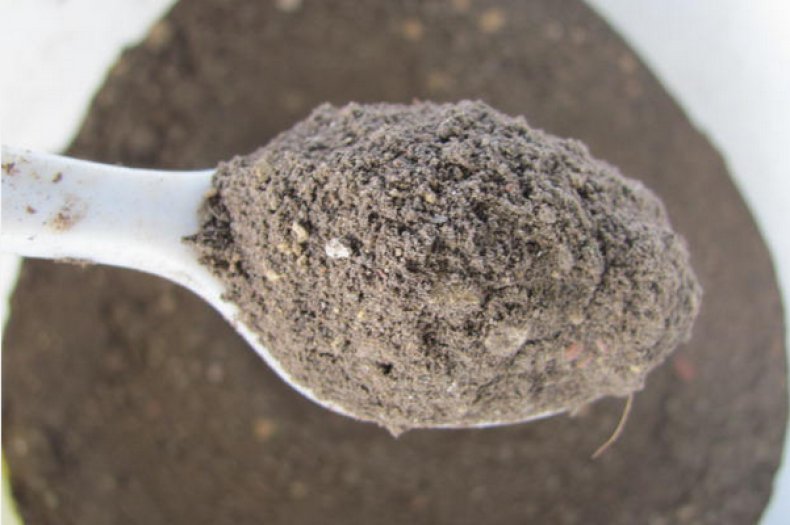
Use kitchen appliances such as meat or coffee grinders to finely pulverize the peels. Before application, soak the powder in boiling water to create a nutrient-rich solution.
4. Compost:
Composting potato peels is a longer-term approach that can take up to 18 months to produce a mild fertilizer. Speed up the process by frequently turning the compost pile or enhancing it with other organic materials. Pay close attention to the nitrogen-to-carbon balance: fresh peels provide nitrogen, whereas dried peels contribute carbon. Ideally, aim for 25% nitrogen and 75% carbon, and make sure to aerate the pile every few days.
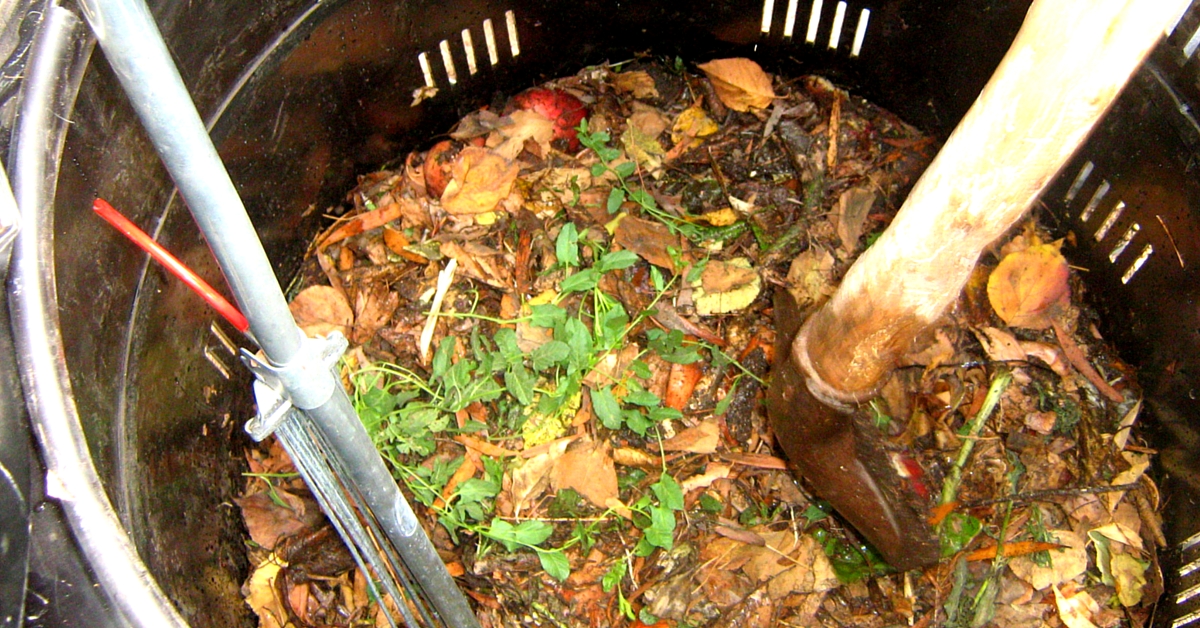
Helpful Tip: Fresh potato peels add nitrogen to your compost, while dried peels supply carbon to maintain balance.
Following these instructions, turn what is often discarded into a valuable asset for your garden, promoting the health and flourishing of your plants.
Guidelines for Using Potato Peel Nutrition in Gardening
Optimal Timing for Fertilization
Autumn is the best time to apply organic fertilizers, especially after harvesting. During the colder months, the organic matter naturally breaks down, enriching the soil with essential nutrients.
For Young Plants
A mixture of potato flour or mash works well for newly sprouting plants. Start by adding a small quantity of this mixture into the planting furrow, then lightly cover it with soil. Repeat this layering process before placing the seedlings. This preparation supplies young plants with vital nutrients required for their growth.
For Vine Fruits
Vine-fruiting plants such as pumpkins, squashes, and cucumbers benefit greatly from potato mash-based nutrition. When planting, place the mash at the bottom of the hole, cover it with soil, apply another layer of fertilizer, and finish by covering everything with soil before planting the seedling. Additionally, regular watering with potato-infused water enhances growth and overall yield.
For Root Vegetables and Alliums

Vegetables like carrots, onions, and garlic respond well to a liquid feed made from potato infusion. Beginning in late May, water the plants biweekly, ensuring the nutrients reach the roots directly. Be careful not to leave potato pieces on the soil surface, as this could attract unwanted pests.
For Berries
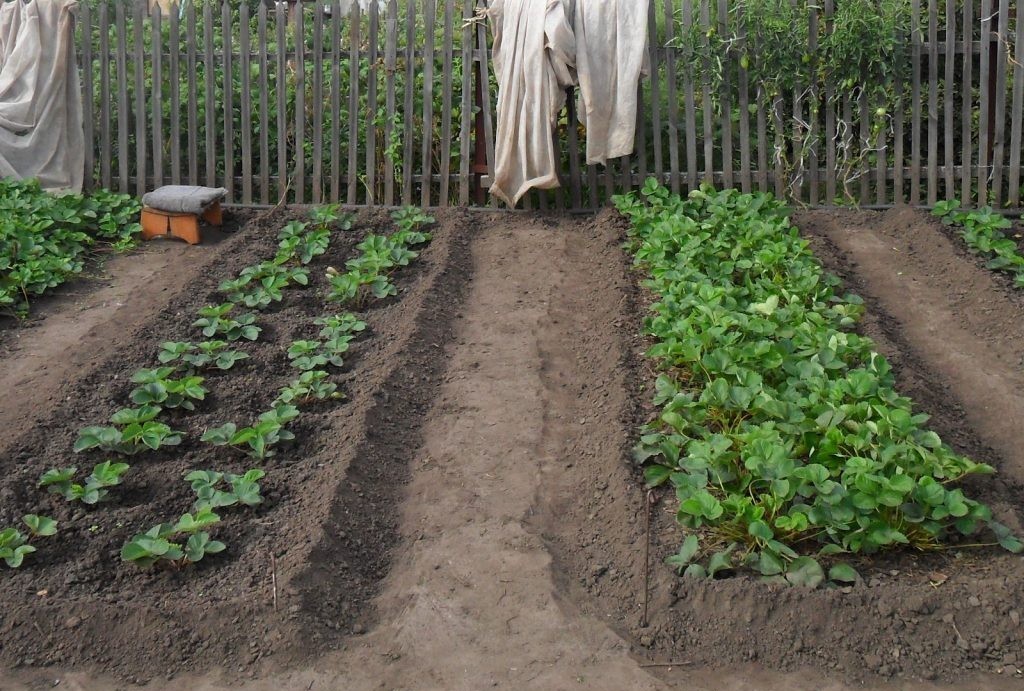
Berries such as raspberries, strawberries, and currants benefit from feeding twice a year—in spring and fall. The starch-rich fertilizer enhances the flavor and size of the fruit. For rapid nutrient absorption, place the fertilizer near the roots. Strawberries have a particular regimen: apply potato powder or water their roots with the potato infusion every two weeks.
Composting
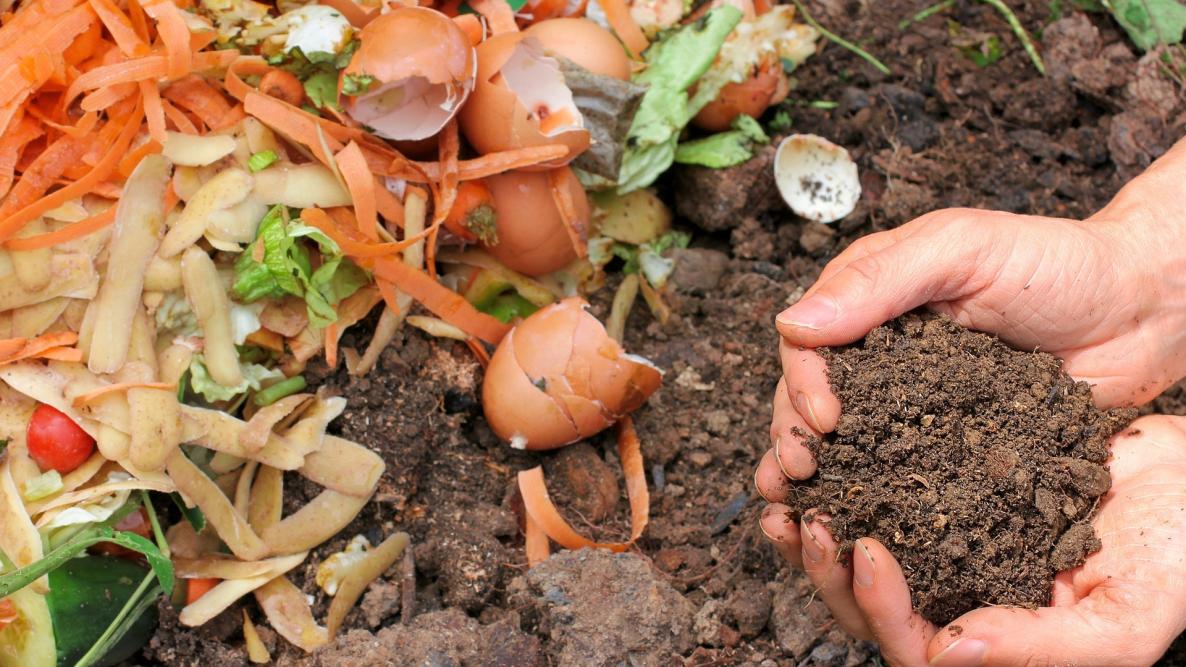
Potato scraps are excellent for composting as they speed up decomposition. However, ensure the peels come from healthy potatoes to prevent the development of harmful fungi.
Pest Deterrence
Potato-based nutrient mixtures can also serve as pest deterrents. Setting up fresh peel traps attracts pests such as slugs and beetles, allowing you to capture and remove them effectively. Regularly check and refresh these traps to maintain their effectiveness.
For Houseplants
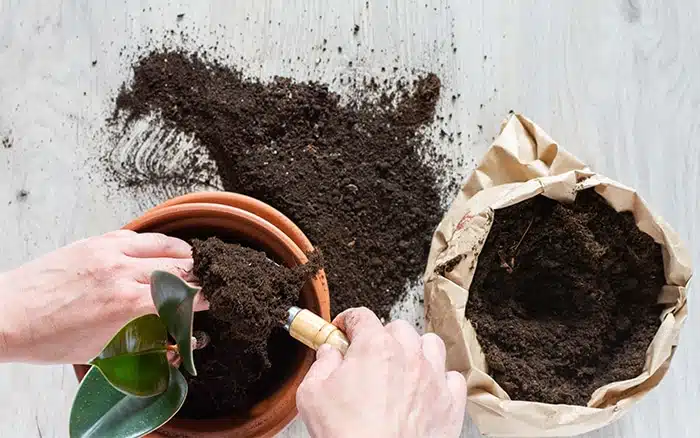
Create a fertilizer solution by mixing potato peels with boiling water in a 1:10 ratio. Once the mixture has cooled and been strained, use it to water houseplants about once a month.
For Blossoms

The same potato-infused solution used for indoor plants can be applied every two weeks to outdoor ornamental plants. This fertilizer is particularly beneficial for tuberous plants such as tulips and begonias, promoting healthy growth and vibrant blooms.
For Trees

For fruit trees, prepare a potato mash mixed with warm water and let it rest for several days. Before application, loosen the soil around the base of the tree, then place the nutrient mixture about 20 centimeters from the trunk to nourish the roots effectively.
Tips for Storing Potato-Based Fertilizer
Although potato-based fertilizers are plenty and accessible, proper storage is crucial for maintaining their quality.
Dried potato waste should be stored in paper or fabric bags in a dry, well-ventilated area. Regularly check the stored material for signs of insect infestations or other issues.
If you opt to freeze the peels, keep them in a freezer or a cool cellar until use. Make sure they remain frozen to prevent rapid decomposition after thawing.
When to Avoid Using Potato Peelings as Fertilizer
Although potato peels are a helpful organic fertilizer, they are not suitable for all types of plants. Specifically, avoid applying potato peel fertilizer to nightshade family plants such as peppers, tomatoes, and eggplants. These plants are susceptible to many of the same diseases as potatoes, and despite thorough drying or treatment, potato peels could carry harmful pathogens that endanger these crops.
Final Thoughts
Knowing which plants benefit from potato peel fertilizer is immensely valuable for gardeners aiming for healthier, more productive gardens. With a multitude of benefits and minimal drawbacks, this natural fertilizer is gaining popularity among gardening enthusiasts.
Utilizing potato peels as fertilizer not only improves soil health and boosts crop yield but also serves as an ecological and budget-friendly alternative to synthetic fertilizers.

Understanding Fertilizers for Plants Fertilizer is a product that can be spread or mixed into the soil to provide plants Read more
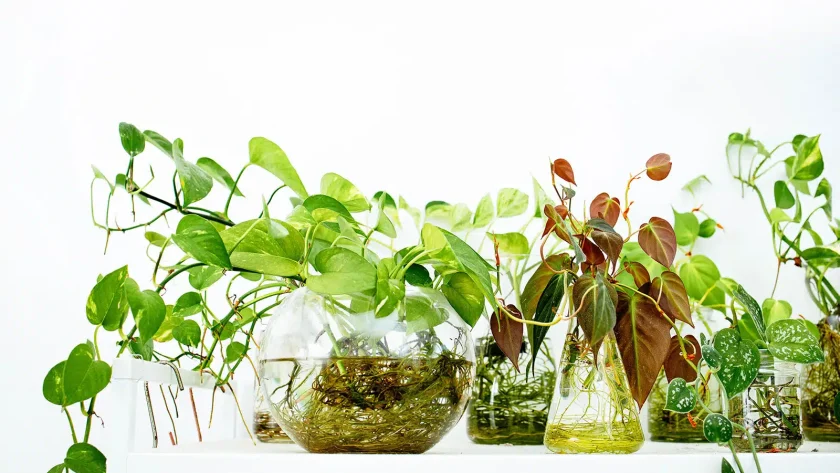
Searching for a distinctive method to incorporate some foliage into your home or workplace? Try cultivating plants hydroponically! Not only Read more

The Wonders of Blueberries: A Guide to Growing and Enjoying This Nutrient-Rich Fruit Mildly sweet, the blueberry is a dark Read more
Deadly Nightshade (Atropa belladonna): The Mysterious and Dangerous Plant with a Dark Legacy At first glance, Deadly Nightshade (Atropa belladonna) Read more

Growing avocados can be a gratifying experience, especially when you cultivate them right in your backyard. While starting avocados from Read more
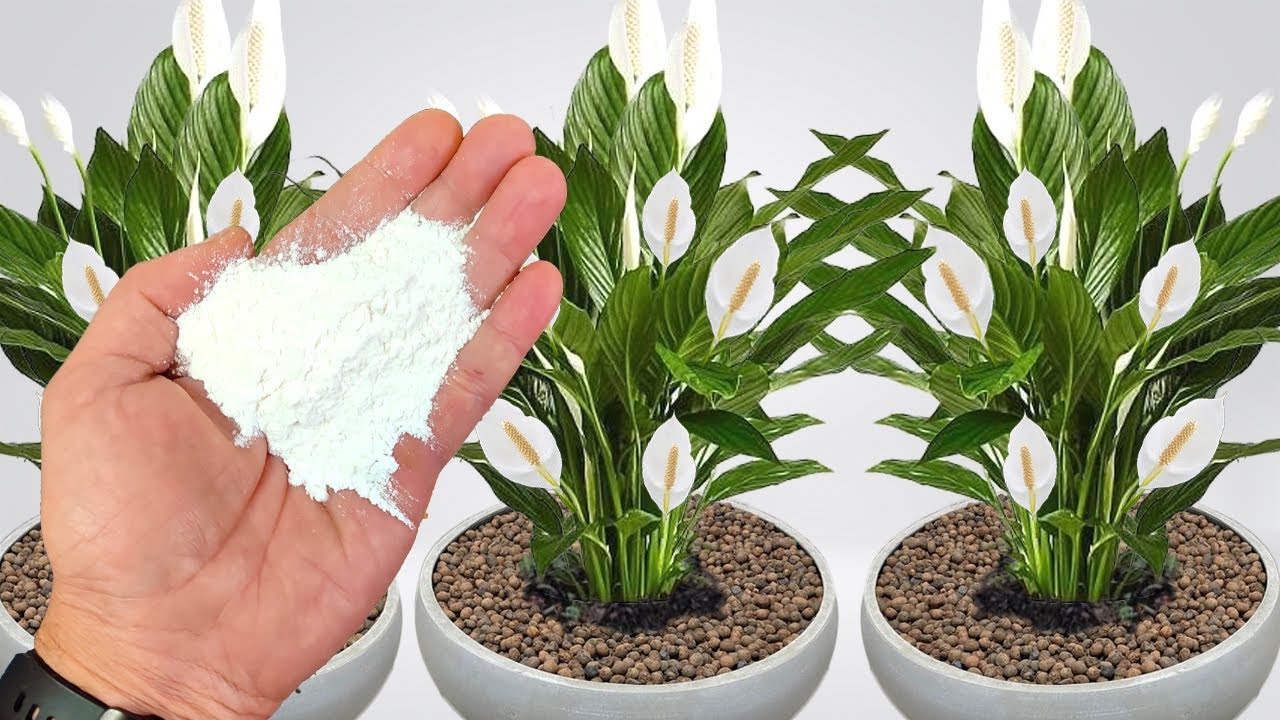
Are you searching for an affordable and eco-friendly alternative to chemical fertilizers? An unexpectedly powerful solution might already be in Read more
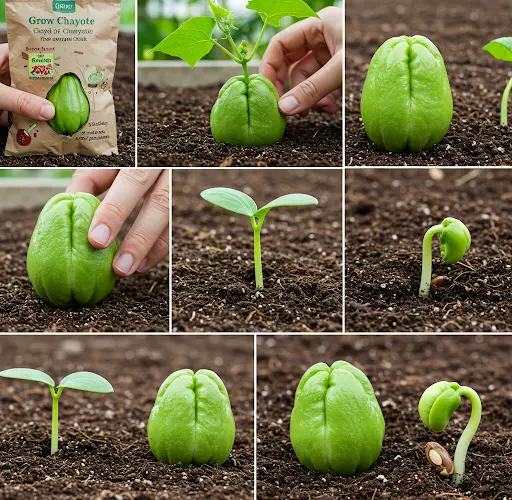
Growing Chayote from Supermarket Fruit: Abundant Harvests Made Easy If you've ever strolled through the produce aisle and spotted a Read more

Transforming Garlic Peels into Gold for Gardeners: In the rhythm of kitchen prep, garlic peels are often discarded without a Read more

Gardening: The Harmony of Craft and Nature Gardening brings out a dance between human creativity and the wonders of nature. Read more
Easy Clove Growing: From Seed to Spice – A Beginner’s Guide Cloves are among the most treasured spices in the Read more

Neem oil is a completely natural product, derived from a plant native to India. It contains azadirachtin, a potent compound Read more
Having geraniums adorned with vibrant blooms for months—sometimes lasting even longer than anticipated—is not a feat reserved solely for expert Read more
Orchids, celebrated for their exotic beauty and remarkable variety, require tailored care to flourish. While most growers rely on commercial Read more

Orchids, celebrated for their intricate beauty and variety, need particular attention for optimal growth. In the realm of orchid care, Read more
Safety and Medical Disclaimer: The information provided in this article is intended solely for educational and informational purposes. We disclaim Read more

Insect-Repelling Greenery: Your Natural Home Defense Transform your home into a sanctuary free from the annoyance of insects such as Read more
Self-Seeding Flowers: Effortless Beauty That Returns Every Year When I first fell in love with gardening, my mother came to Read more
Christmas cacti don’t adhere to the typical “feed once a month and forget it” approach that many houseplants follow. Because Read more
As sustainability and eco-consciousness continue to rise in importance in our daily lives, discovering alternative methods to fertilize our gardens Read more
Cultivating lemon trees in your garden or home brings not only visual charm but also the practical advantage of homegrown Read more
The ancient custom of drinking tea has been cherished by cultures around the world for centuries. Yet, surprisingly few people Read more
Unlocking the Mystery of the Festive Cactus The festive cactuses often baffle indoor gardeners. There's a lingering myth that these Read more

Using Baking Soda for Plant Care To care for your plants or your vegetable garden, have you considered the DIY Read more
Snake plants are renowned for their resilience, often considered nearly indestructible. They can withstand missed waterings, low light conditions, and Read more
When it comes to gardening, enthusiasts are always eager to discover effective and affordable methods to boost plant growth and Read more

In the culinary world, garlic is a staple ingredient that is hard to do without. Cultivating it benefits many plants Read more

Using White Vinegar for Garden Maintenance Gardening is never an easy task. Planting, weeding, and watering plants and flowers require Read more
Peace lilies (Spathiphyllum) rank among the most cherished indoor plants, and it’s easy to understand why. Their shiny, deep green Read more
Florists and rose lovers alike understand that the allure of roses need not be ephemeral. It is entirely possible to Read more
Sleep is a vital component of our overall health, serving as the foundation for a productive and energized day. Yet, Read more
The jade plant boasts stunning foliage, making it an excellent choice for enhancing both garden landscapes and indoor environments. Beyond Read more
Do you have indoor plants? They have a unique ability to infuse life and color into any environment, whether it’s Read more
Nature provides us with countless remedies in the form of wild medicinal plants, surrounding us everywhere we go. These healing Read more

Orchids, with a staggering 28,000 unique species, beautifully demonstrate nature's rich tapestry of diversity. Originating from the Orchidaceae lineage, these Read more
Some years, the effort put into gardening seems barely worth it, but this autumn, the value of gardening becomes clear. Read more

Excessive moisture within a house can arise due to capillary action, infiltration, or the phenomenon of condensation. The latter is Read more

Cultivating an Avocado Plant Indoors: A Step-by-Step Guide Nurturing an avocado seed into a blossoming plant within the confines of Read more
Quick Victory: The Ultimate Homemade Insecticide to Say Goodbye to Ants Have you ever encountered an invading army of ants Read more

Indoor Plants: A Decorative Air Purifier Indoor plants have become an essential part of modern decor, increasingly sought-after to greenify Read more
Orchids, admired for their exotic beauty and vast variety, demand specific care to flourish. While many growers rely on commercial Read more
