
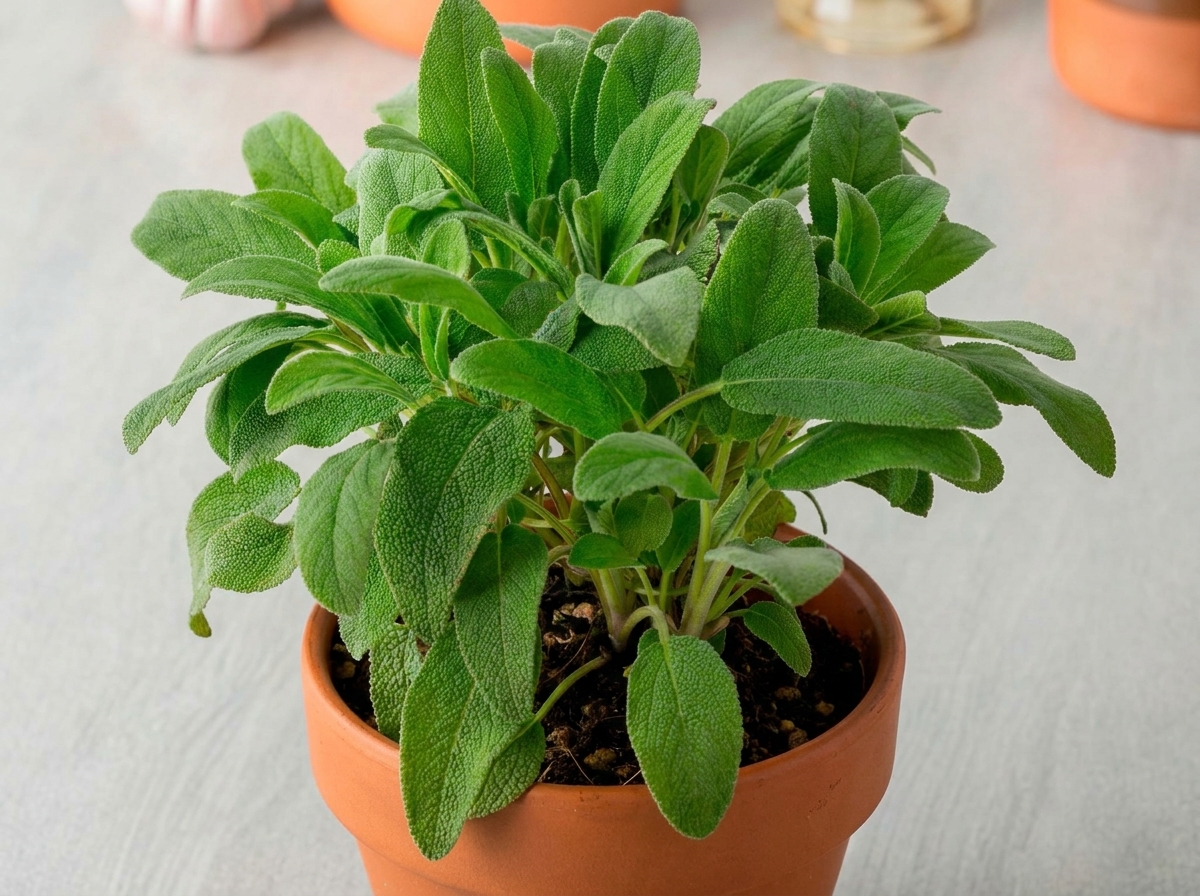
Sage in the Kitchen: An Irreplaceable Aroma

You have probably already enjoyed gnocchi gently browned in butter and sage or a roast chicken subtly scented with its leaves. Common sage, the most widely used culinary variety, emits a warm, slightly woody aroma that instantly elevates even the simplest dishes.
Whether fresh or dried, sage is always used sparingly: just a touch is enough to transform a marinade, enhance vegetables, flavor a sauce, or even add a delightful surprise to a Sunday omelette. A true aromatic treasure, this plant deserves to be rediscovered with care and appreciation.
An Ancient Plant Linked to Digestive Comfort

Since antiquity, sage has symbolized wellbeing, calmness, and inner balance. It has traditionally accompanied evening herbal teas, aiding digestion after hearty meals.
It is also credited with promoting a more regular intestinal transit, especially when consumed as a mild infusion. Its slightly camphoraceous scent provides a pleasant warming sensation, ideal for restoring a feeling of lightness. Many incorporate it into their homemade teas, sometimes enhanced with a lemon zest or a spoonful of honey, crafting a comforting and cozy moment.
A Gentle Ally for Female Cycles

Sage is often recognized for its soothing effect on women, especially during certain phases of the menstrual cycle or hormonal fluctuations. In traditional practices, it is associated with serenity and emotional balance.
It is also reputed to support a sense of stability after meals, which may include assisting with blood sugar regulation within the context of a balanced diet.
Nevertheless, sage remains primarily an aromatic herb to be consumed in moderation; it cannot replace medical treatment. In cases of persistent issues, consulting a healthcare professional is essential. Sage integrates perfectly as a wellbeing complement— a warm tea, a hot water bottle, and a peaceful evening can truly make a difference.
An Herb Inviting Breathing and Relaxation

Its almost meditative fragrance makes it a popular choice for atmospheric diffusion or in blends of dried herbs, thereby creating a soothing ambiance at home.
Some also appreciate sage through gentle inhalation or infusion to regain clarity, particularly during colder seasons. To prepare a simple infusion, heat 250 ml of water, add 3 to 4 fresh sage leaves, steep for 7 minutes, then strain. A bit of honey or a lemon zest can be added to soften the flavor of this drink.
This evening infusion is often selected to foster an atmosphere conducive to rest. Certain traditions recommend it as a natural aid against sleep disturbances, although it is not a substitute for insomnia treatment. Rather, it is a pleasant sensory ritual, akin to clearing one’s mind at the end of a long day simply by opening the windows.
Practical Advice for Safe Use
Like all highly concentrated aromatic plants, sage reveals its full potential when used wisely. Essential oils derived from sage require extra caution and should only be used under the guidance of a healthcare professional.
If you are pregnant, nursing, sensitive to certain plants, or undergoing medical treatment, it is best to seek personalized advice before consuming it regularly. For most people, culinary use or herbal tea remains the gentlest, simplest, and safest way to benefit from sage’s virtues— a true gesture of natural wellbeing.
Ultimately, sage is that modest little plant which, with elegance and simplicity, reinvigorates your recipes and pleasantly scents your moments of relaxation.

Smart Ventilation to Combat Heat With the arrival of summer, the interior of cars can quickly become stiflingly hot. However, Read more

Horseweed (Erigeron canadensis): 20 Amazing Benefits and How to Use It Horseweed, also known as Erigeron canadensis or Canadian fleabane, Read more

Clogged Shower Drain? Try Baking Soda! Experiencing a stagnant pool of water after a refreshing shower can be a mood Read more

How to Detect and Keep Rats Nesting in Your Walls Away The warning signs are often subtle: faint footsteps heard Read more

Salt: An Overlooked Treasure in the Home Since ancient times, salt was so valuable that it was even used as Read more

Crabgrass, or Digitaria sanguinalis, is often regarded as an annoying, invasive weed in gardens and urban spaces. However, beneath its reputation Read more
If your sink, bathtub, or shower is draining slowly and you don't have access to a commercial drain opener, you Read more

This heartbreaking story touched millions of internet users. After a long eight months of disappearance, a dog finally reunited with Read more

We thought they had been eradicated, yet bed bugs are making a strong comeback. These tiny, nearly invisible creatures have Read more

The Final Blow Within Her Own Home Returning home from work, Phoebe had hoped to find a dinner prepared or Read more
Combining lemon with charcoal may initially seem unusual, yet this potent duo unites the cleansing qualities of activated charcoal with Read more
Cleavers (Galium aparine): The Herbal Remedy for Detox and Lymphatic Health Cleavers, also known as Galium aparine, is a humble Read more

Do you remember those holiday evenings when the entire family gathered around a large table, sometimes lingering until the early Read more
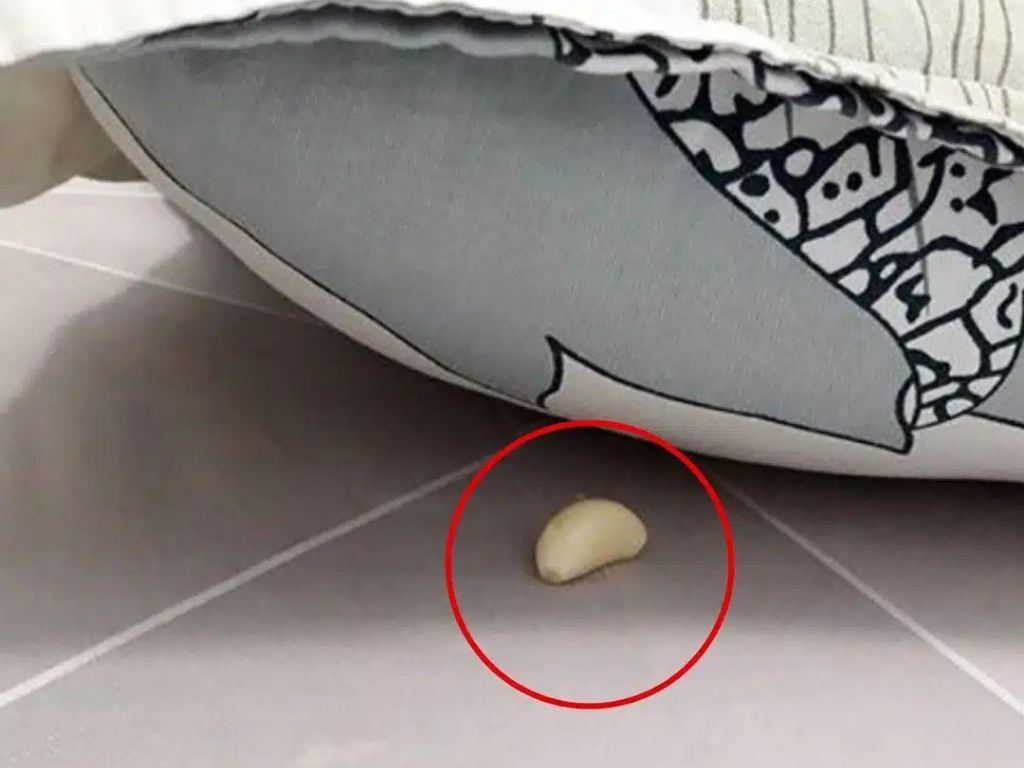
Garlic: An Ancient Remedy for Better Sleep Since ancient times, garlic has been recognized not only as an essential culinary Read more

Tomatoes, a staple in kitchens worldwide, are loved for their versatility and rich flavor. However, their perishable nature often leads Read more

While scrolling through social media, you have likely noticed images showcasing cloves, ginger, and Lipton tea combined. This trio has Read more

Main Causes of White Spots on Nails The small white spots sometimes seen on nails are scientifically known as "leukonychia." Read more

A Mysterious Silhouette Above the Sea This intriguing photo was captured in the sky above the Tyrrhenian Sea. Upon viewing Read more

Gooseneck barnacles may look unusual, but they rank among the most coveted seafood delicacies worldwide. Their intense flavor, rarity, and Read more

A Story of Love, Trust… and Betrayal Everything seemed to come straight out of a fairy tale. At just 15 Read more

An Enigmatic Disappearance at the Heart of the Family Vegetable Garden It all began in Alberta, Canada, several years ago. Read more

Avocados are celebrated for their creamy texture, rich flavor, and numerous health benefits. While typically enjoyed raw, grilling avocados introduces Read more

Goldenberries, also known as Physalis or Uchuva, are small, orange-yellow fruits enclosed in a delicate, papery husk. Originating from the Read more

Grease buildup on kitchen cabinets is a widespread issue that many homeowners encounter. Frequent cooking results in grease splatters that Read more

How Long Should You Warm Up Your Vehicle During Winter? Contrary to a widely held belief, only 30 seconds are Read more

The Horse Optical Illusion: Why Our Perception Plays Tricks on Us When confronted with this type of illusion, our brain Read more
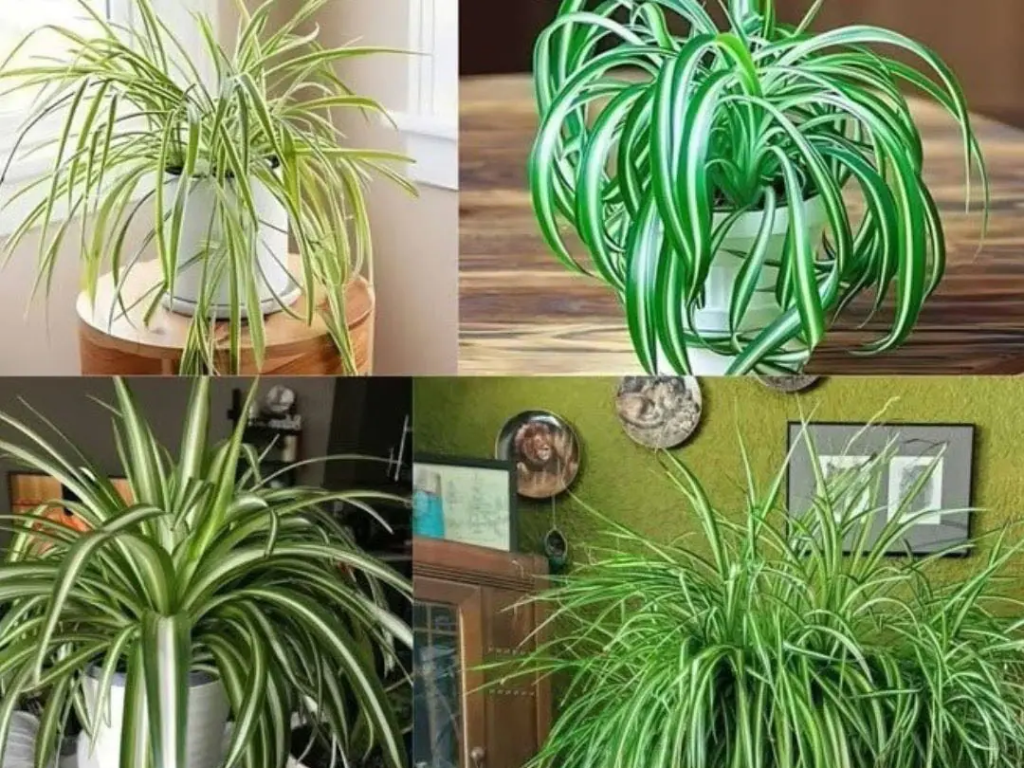
A Natural Ally for a Healthier and More Pleasant Home We admire the spider plant for its delicate and soothing Read more

A Decision Born from Solitude Agnès did not make her decision lightly. For many years, she hoped for more frequent Read more

The Power of Hawthorn (Genus Crataegus): A Natural Ally for Heart and Cholesterol Health Hawthorn, belonging to the genus Crataegus, Read more

The Secret Language of Burglars: A Discreet Warning Signal Burglars use an actual coding system to identify their targets. They Read more

This content is for informational purposes only. For medical advice or diagnosis, please consult a professional. Most people recognize aloe Read more

You are walking, your mind elsewhere, and suddenly, a metallic glimmer catches your eye. A forgotten coin rests there in Read more

Why Should You Avoid Leaving the Key in the Lock? Leaving the key in the lock might initially seem like Read more
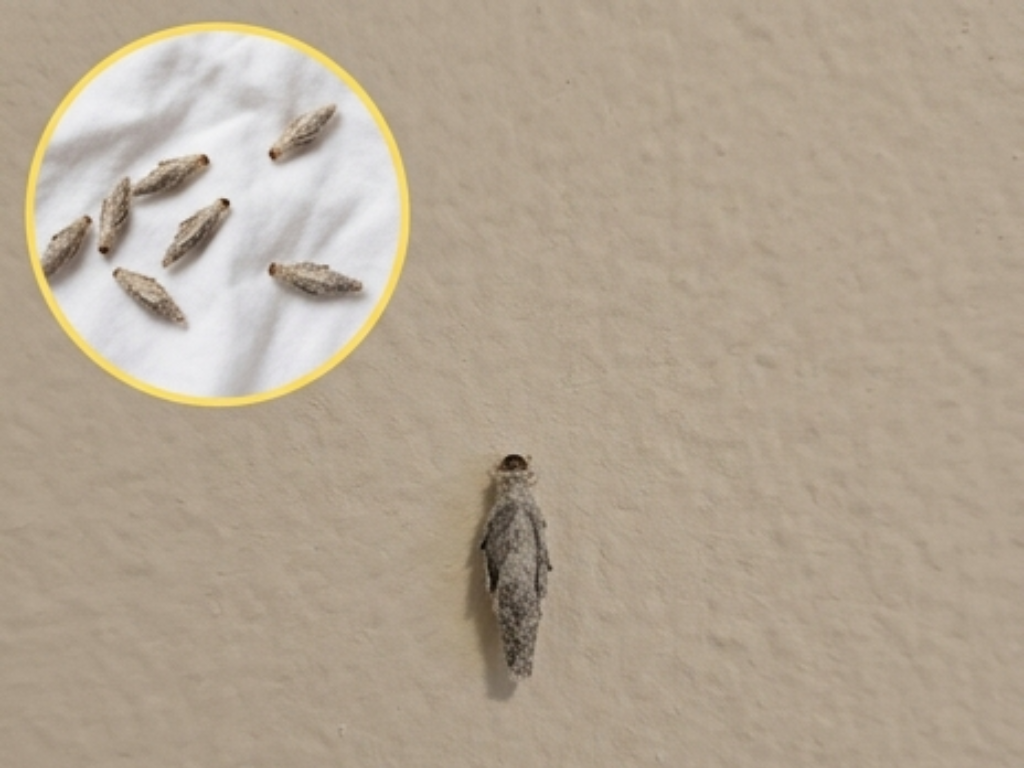
Have you ever noticed those small, discreet "shells" clinging to the walls or nestled in the corners of the ceiling? Read more

The 5 Unmistakable Signs of Circulatory Disorders You Should Never Ignore Cold Hands and Feet: An Important Warning Signal Do Read more

Garlic's Aromatic Enigma: Its Transformation When Burnt The unmistakable scent of garlic is well-known in kitchens worldwide. Esteemed for its Read more
You have tried everything to sleep better — herbal teas, meditation, ergonomic pillows — but nothing seems to work? What Read more
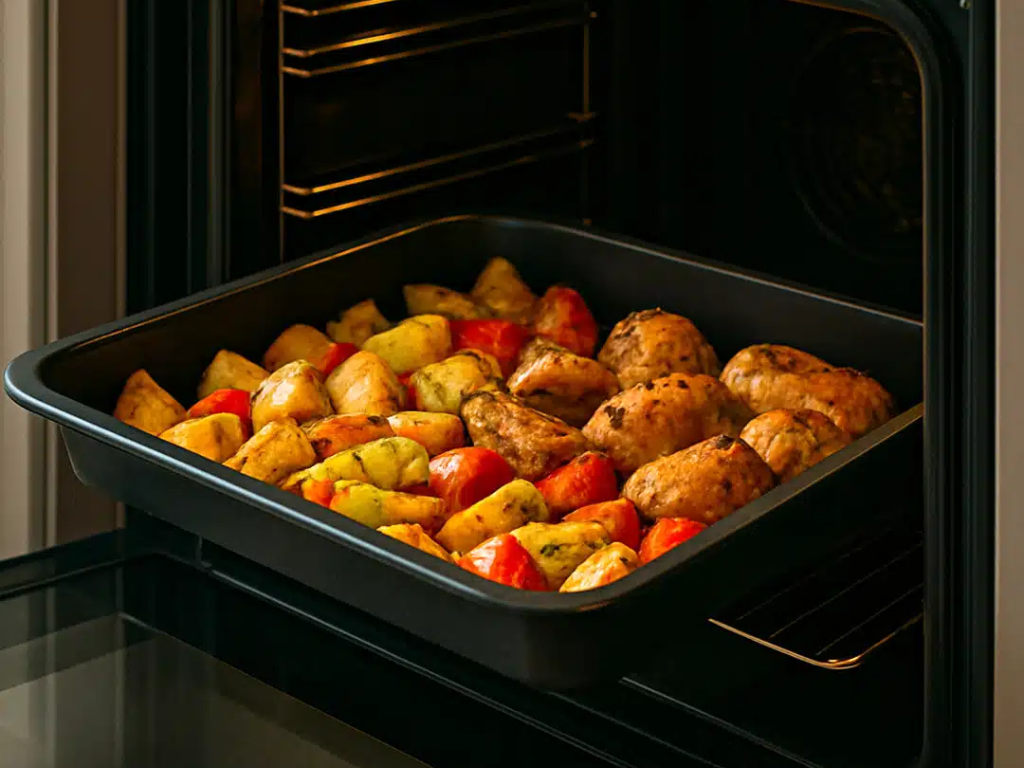
Why Does the Airfryer Appeal So Strongly to French Households? In 2023, nearly one million households in France chose to Read more

These Little Creatures You Would Rather Not Find in Your Pantry In our French kitchens, certain insects have a troublesome Read more
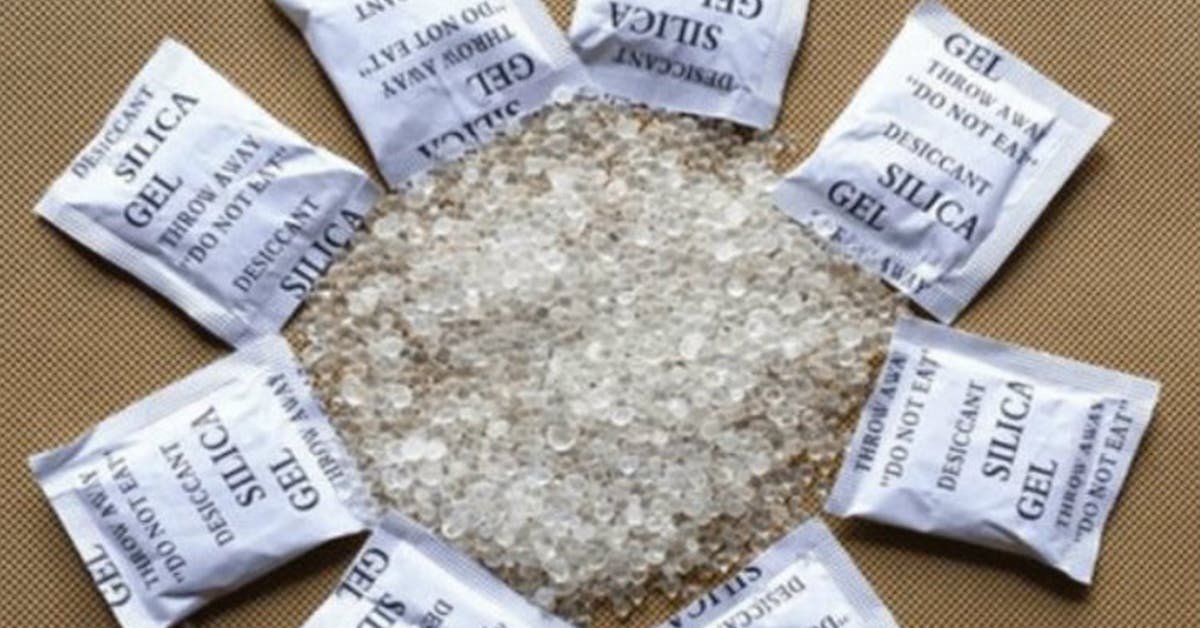
Silica gel packets are frequently included in the packaging of electronics, clothing, and many other products. These small sachets contain Read more
