
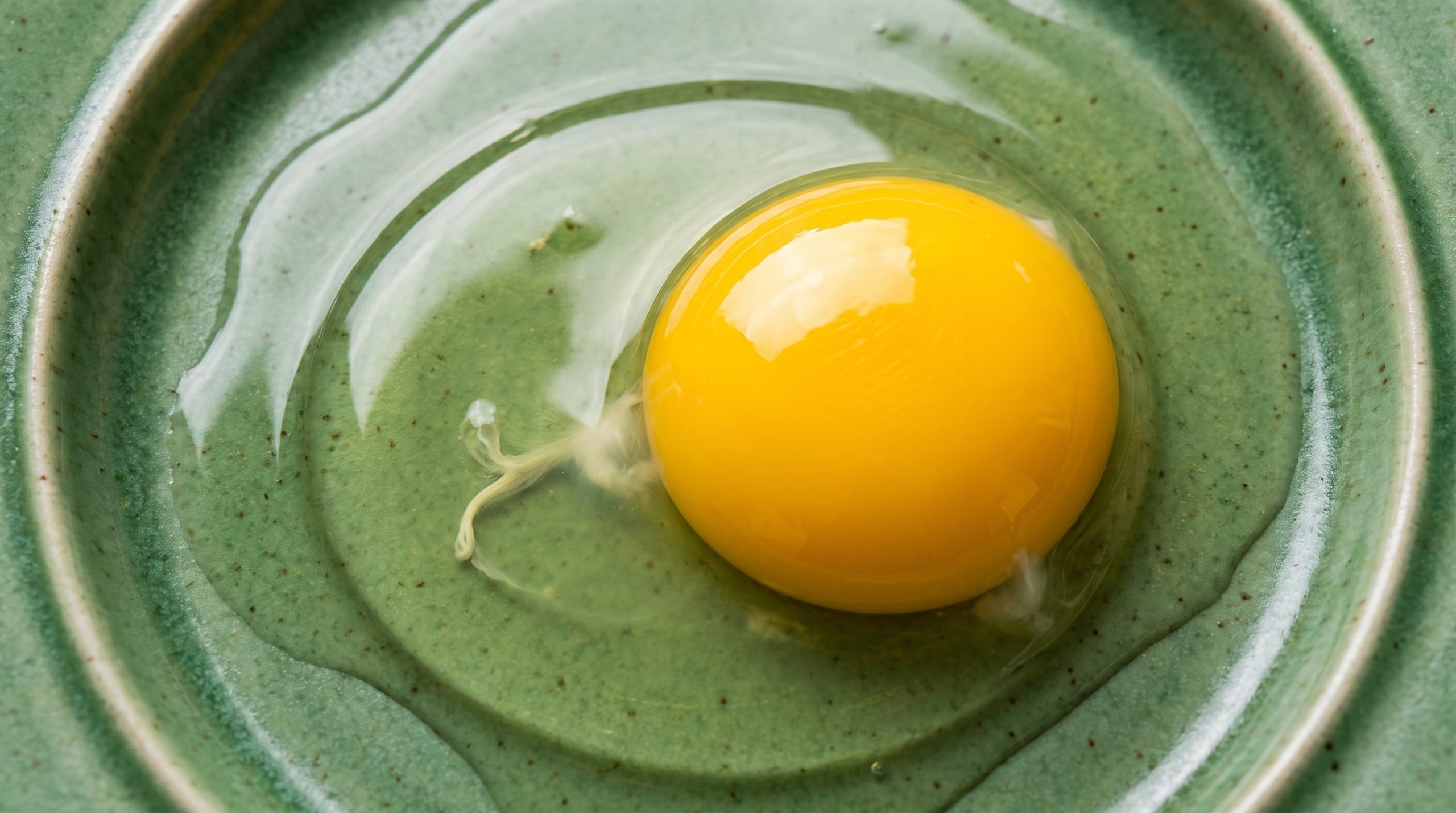
This Small White Thing in an Egg Has a Name, and It’s Not What You Expect
This delicate, slightly translucent strand is called the chalaza. In German, it is pronounced roughly as “cha-la-za.” It is a natural protein structure visible in every egg. Its function is essential: it holds the yolk firmly centered within the shell, acting like an invisible suspension system—a sort of tiny elastic bands that prevent the yolk from freely moving around in the egg white.
The good news is that the chalaza consists of the same type of protein as the egg white. In other words, it is completely edible, perfectly harmless, and above all… entirely normal.

Could It Even Be a Freshness Indicator?
Here is a surprising fact: the more visible and pronounced the chalaza is, the fresher your egg is. In fact, this little protein structure slowly breaks down over time. Eggs sold in stores, often stored for weeks, usually show a barely noticeable chalaza. However, if you see a distinct and well-defined chalaza, this is a positive sign of your egg’s freshness.
Why Haven’t We Noticed This Before?
The reason is simple: we rarely take the time to observe our eggs closely before cooking. When you crack an egg directly into a hot pan, everything cooks immediately, and the chalaza blends into the opaque egg white. Whether in an omelet, quiche, or savory cake, this fine structure disappears visually without a trace. It is only when you crack an egg into a transparent bowl, for example, in the morning before cooking, that you can clearly see it—and then you’re naturally surprised.

Should You Remove the Chalaza Before Cooking?
Not at all. Removing it is unnecessary. It does not affect the taste, texture, or nutritional value of your dish. Only in some very specific recipes, such as meringues or ultra-smooth creams, is it recommended to remove the chalaza to achieve a perfectly homogeneous preparation. In those cases, a small motion with a fork or the tip of a knife is enough. But for a relaxed Sunday morning scramble? Just leave it in.

Other Little Curiosities in Eggs (And Why You Shouldn’t Be Afraid)
Let’s take this opportunity to mention a few other “mysteries” you might frequently encounter:
– Slightly cloudy egg white: This is a sign of a very fresh egg because carbon dioxide has not yet escaped.
– Double yolk: This means the hen laid two yolks at once. This occurrence is rare, charming, and completely harmless.
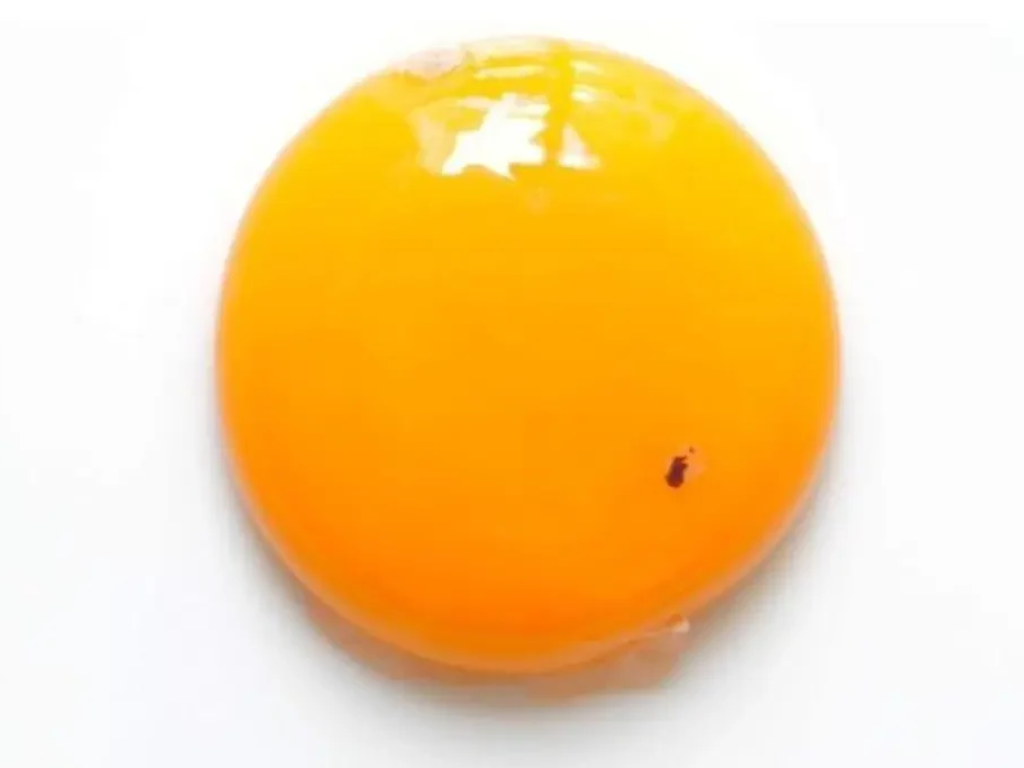
– Small red spot: This is a tiny burst blood vessel that broke during egg formation. Although it looks unappealing, it is entirely safe. You can easily remove it with the tip of a knife if it bothers you while eating.
None of these phenomena pose any risk. The next time your egg surprises you, take a deep breath before worrying.
The kitchen is full of such fascinating little secrets—and most have simple and reassuring explanations.

Purple Deadnettle (Lamium purpureum): Benefits, Uses & How to Make Tea Often overlooked or mistaken for an ordinary weed, Purple Read more

Much More Than Just a Decorative Element The presence of multiple pillows on a hotel bed is far more than Read more

Challenges in Organizing the Perfect Encounter In today’s era dominated by dating apps, one might easily assume that arranging a Read more

Why does your sleep become fragile precisely between 3 a.m. and 5 a.m.? Is it due to a peculiarity of Read more

How to Maintain a Stainless Steel Iron Although sturdy and durable, the stainless steel soleplate of an iron can blacken Read more
Some people purchase walnuts that are already shelled, while others prefer to buy them in their natural state, still in Read more

Garlic's Aromatic Enigma: Its Transformation When Burnt The unmistakable scent of garlic is well-known in kitchens worldwide. Esteemed for its Read more
Your plants appear dull, their leaves are fading in color, and unwelcome tiny insects seem to have taken up residence. Read more

Unveiling the Secrets of Burning Bay Leaves in Your Home The age-old tradition of burning bay leaves, once prevalent in Read more
Discover the Untapped Potential of Chili Pepper Leaves: Nutritional Powerhouse for Your Health and Kitchen When you think of chili Read more

When Love Turns into Domination Before becoming Rodrigo’s wife, Marcela had a lush head of hair that cascaded almost down Read more

Metal Plates: An Ingenious Solution to Daily Wear and Tear At the beginning of the 20th century, shoes were not Read more

A Charming Renaissance Step One: Thorough Cleaning and Preparation Before starting the transformation, the dresser needed to be meticulously cleaned: Read more

If You Chose Number 1: Intensity and the Urge to Act Symbolically, this choice expresses a strong need to intervene Read more

Why Is Salt an Effective Remedy Against Bed Bugs? Salt acts as a powerful dehydrating agent. When it comes into Read more

Why Does the Plastic of a Washing Machine Turn Yellow Over Time? Over the years, it is common to notice Read more

How to Detect Drafts Around Your Windows? Before making any adjustments, it is essential to confirm that your windows are Read more

The Importance of Ventilating Your Home in Winter Indoor air that is overly saturated with humidity is not only uncomfortable Read more

Imagine a walk in the forest: leaves crunching beneath your feet, the air filled with the scent of damp moss, Read more
An Enticing Salad… But One Detail Caught Our Eye The atmosphere was perfect: pleasant music, a carefully arranged setting, and Read more

Using a power strip to plug in multiple devices is convenient, practical, and budget-friendly. However, this widespread practice carries significant Read more
What Does the Presence of a Red Spot in an Egg Mean? Contrary to popular belief, this red spot is Read more

Acetone: A Genuine Miracle Solution or a Trap to Avoid? Acetone, a powerful solvent commonly used to dissolve nail polish Read more

The Importance of Securing Your Hotel Room When traveling, people often focus on the comfort of the bed or the Read more

The Risks Associated with Excessive Screen Exposure Prolonged exposure to screens can have serious consequences on the overall development of Read more
A True Natural Booster for Memory and Concentration Widely known for enhancing the flavors of Mediterranean dishes, rosemary also proves Read more
The Hidden Power of Pomegranate Peel: 10 Health Benefits and How to Use It Pomegranate is often celebrated for its Read more

The Return of Earrings in the 17th Century The 17th century marked a notable resurgence in earrings, greatly encouraged by Read more
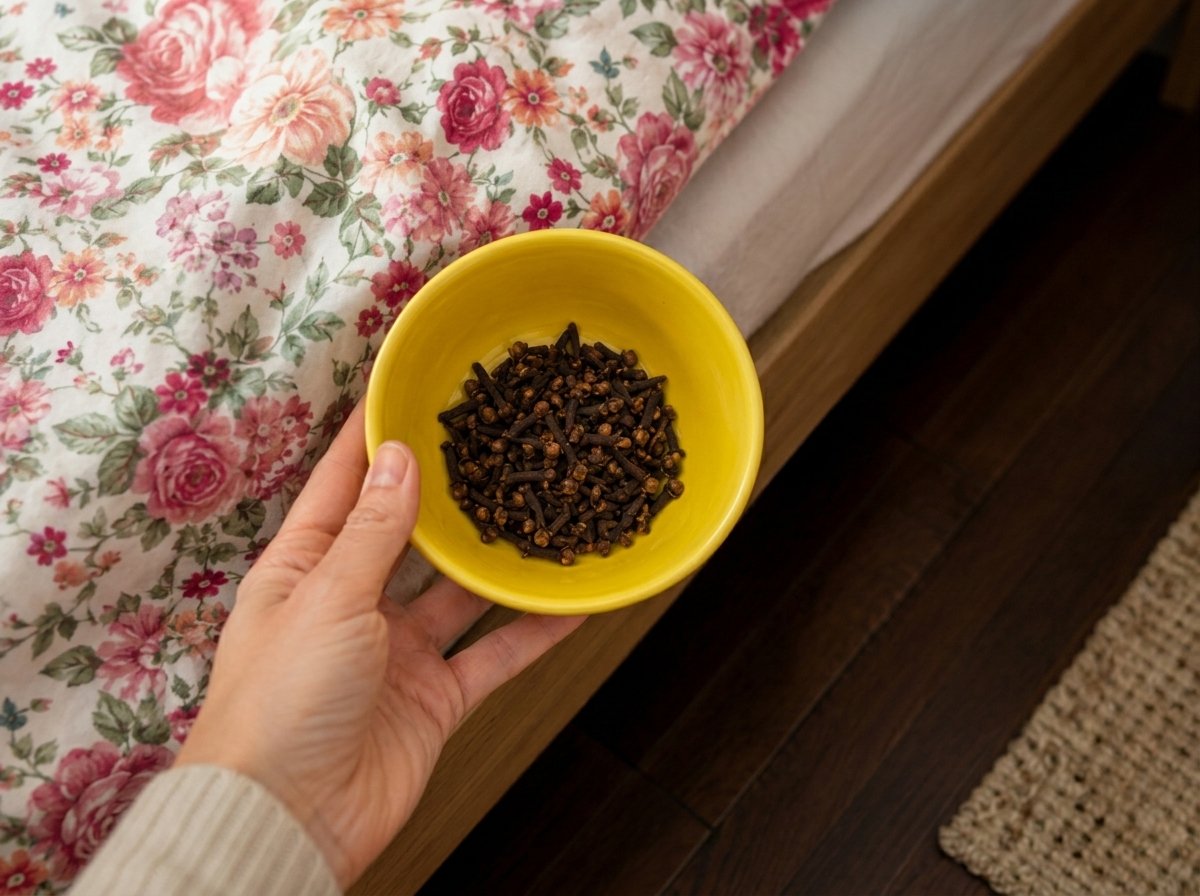
We are all seeking simple and natural ways to turn our homes into true sanctuaries of peace. Sometimes, the most Read more
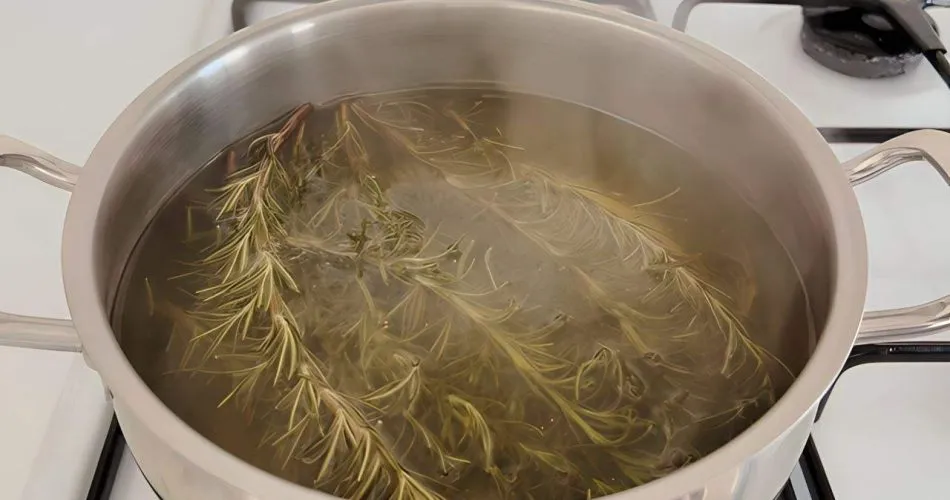
Rosemary is a herb renowned not only for its fragrant aroma in cooking but also for its extensive health advantages, Read more

The Hidden Power of Bottlebrush: 15 Benefits and Easy Homemade Uses Nature often hides extraordinary healing power in plain sight—and Read more

Why Ventilating in the Morning Can Harm Indoor Air Quality During Winter On a chilly winter morning, the outdoor air Read more
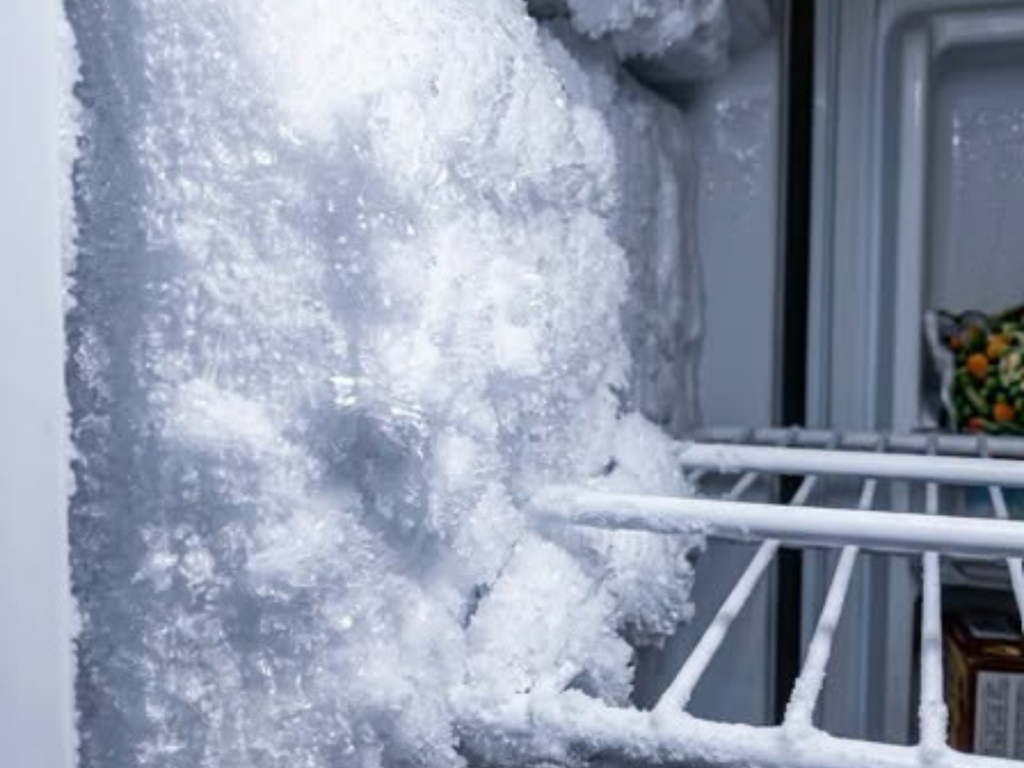
Defrosting a freezer is often viewed as a lengthy and tedious task involving ice packs and patience being thoroughly tested. Read more

November is a time when expenses quickly pile up, caught between Black Friday deals and the first Christmas purchases. It Read more
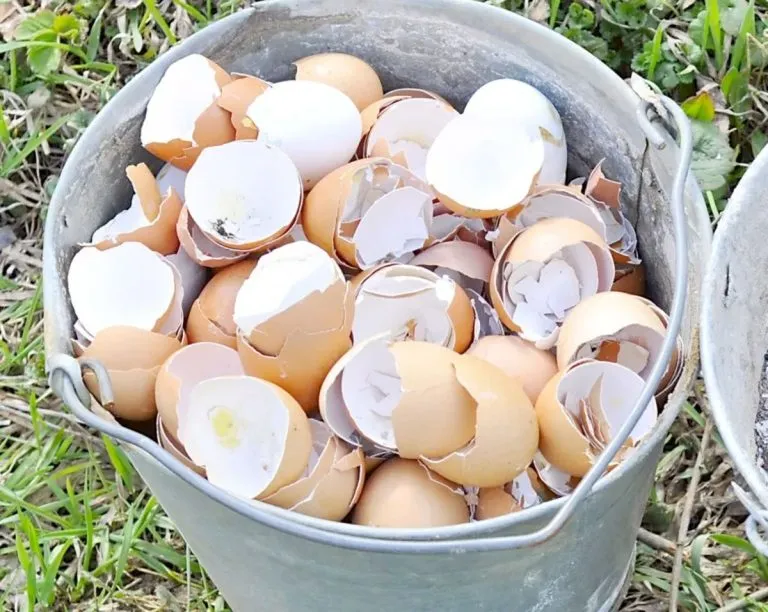
Unlocking the Garden Potential of Eggshells: 10 Innovative Applications Eggshells, often seen as fragile protectors of eggs, are also a Read more
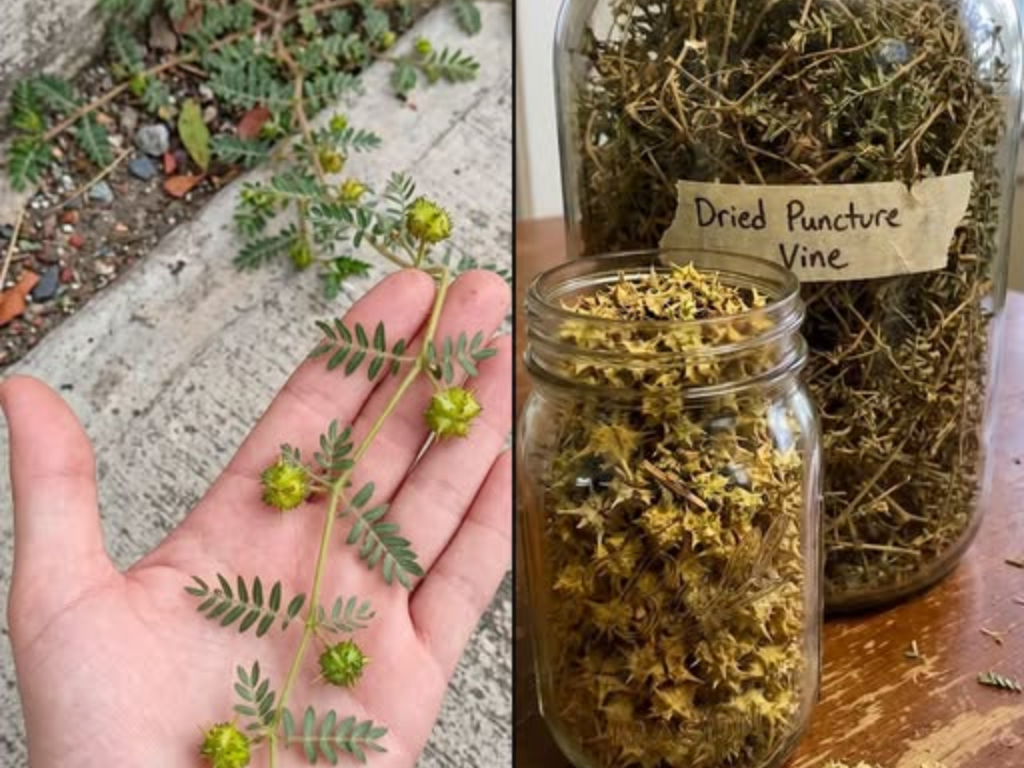
Warning: The information provided in this article is solely for educational and informational purposes. It is based on traditional herbal Read more

Gather and Verify Evidence Immediately When faced with a vending machine that fails to dispense the cash you requested, it Read more

The Secondary Microphone: A Filter Against Noise Pollution Most modern smartphones incorporate multiple microphones, including a secondary one often hidden Read more

Draining a Boiler: A Crucial Task Often Overlooked A boiler works somewhat like a pressure cooker: it heats water under Read more

10 Secrets You Need to Know Before Eating Okra Okra, also known as “lady’s finger,” is a green, pod-shaped vegetable Read more
