
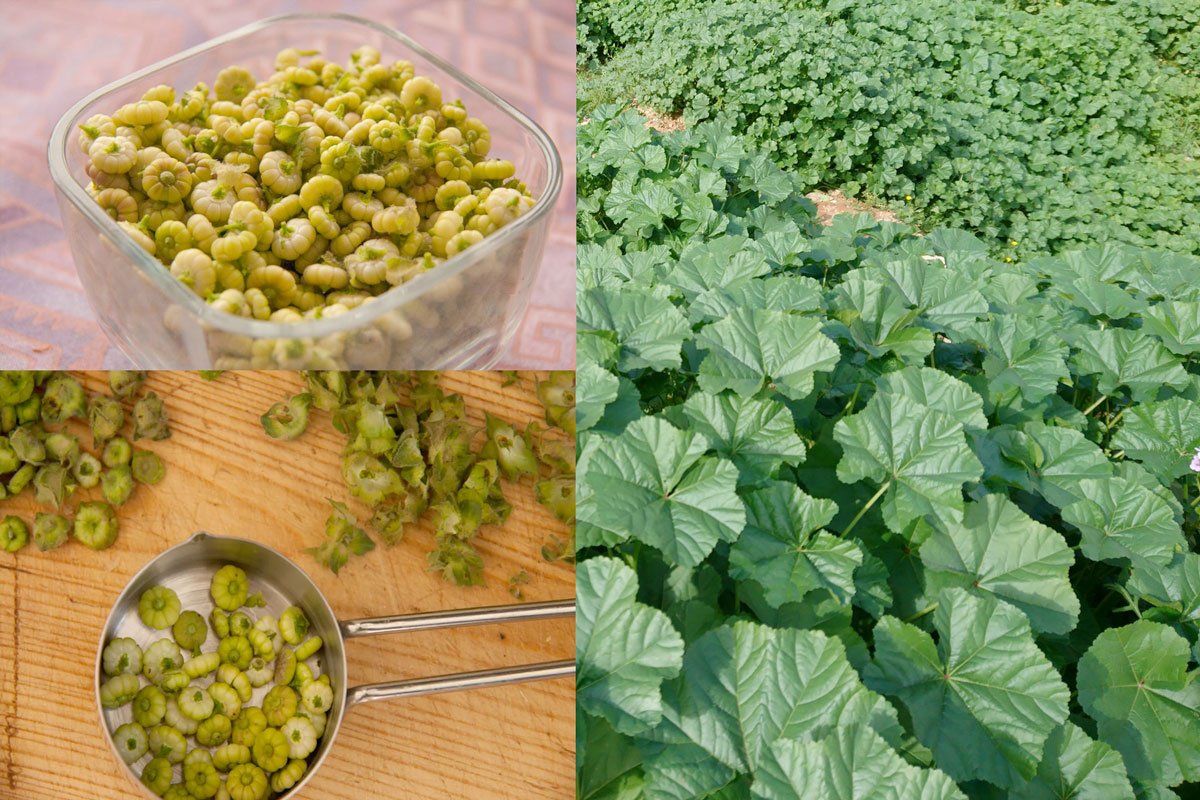
Common Mallow (Malva sylvestris) is a plant often overlooked in wild settings but is far more than merely a visually pleasing component of natural landscapes. This versatile herb is characterized by its delicate purple flowers and heart-shaped leaves and possesses a rich legacy of health benefits that have been valued for centuries across traditional medicinal practices. This comprehensive guide delves deeply into the broad array of health advantages offered by Common Mallow, exploring its nutritional profile, therapeutic properties, and the scientifically supported benefits that arise from incorporating this herb into daily wellness routines.

Introduction to Common Mallow
Common Mallow belongs to the Malvaceae family and is a perennial herbaceous plant native to Europe, North Africa, and Asia, although today its range extends globally. Throughout history, it has been highly regarded within herbal medicine for its potent anti-inflammatory, antimicrobial, and soothing (emollient) effects. Beyond medicinal uses, the entire plant is edible and serves as a nutritious addition to a variety of culinary preparations, enhancing both taste and nutritional value.

Nutritional Profile
A close examination of Common Mallow’s nutritional components reveals why it is such a beneficial plant for health. It contains abundant amounts of vitamins A, C, and E, all of which are crucial for maintaining healthy skin, supporting proper visual function, and promoting a strong immune system. Additionally, the plant supplies important minerals including calcium, magnesium, and potassium, each vital for sustaining bone strength, muscle function, and heart health. The dietary fiber found in Common Mallow further supports digestive wellness, rendering this herb a true nutritional powerhouse with comprehensive health-promoting qualities.

Health Benefits of Common Mallow
Soothes Digestive Disorders
Traditionally, Common Mallow has been utilized to alleviate many digestive ailments such as indigestion, constipation, and gastritis. The mucilaginous substances within the plant produce a protective layer along the digestive tract, effectively calming irritation and reducing inflammation. This natural soothing mechanism makes Common Mallow an invaluable remedy for individuals suffering from gastrointestinal distress and related conditions.
Anti-inflammatory Properties
The anti-inflammatory agents in Common Mallow, notably flavonoids and phenolic acids, play a significant role in reducing inflammation throughout the body. These compounds make the herb especially beneficial for conditions like sore throats, arthritis, and urinary tract infections by naturally diminishing pain and swelling associated with these disorders.

Boosts Immune System
Enriched with antioxidants and critical vitamins, Common Mallow helps bolster the immune system by combating harmful pathogens and decreasing oxidative stress inside the body. Its antimicrobial properties further protect against a wide spectrum of infections, making it an excellent natural ally during cold and flu seasons or times when the body is more susceptible to illness.
Promotes Skin Health
Thanks to its moisturizing (emollient) and anti-inflammatory effects, Common Mallow provides substantial benefits for skin health. Traditionally, it has been applied to treat skin conditions including eczema, acne, and psoriasis. The herb’s ability to hydrate, calm, and soothe the skin makes it a treasured ingredient in natural skincare products focused on improving skin health and appearance.

Supports Respiratory Health
Common Mallow also extends significant advantages for respiratory wellbeing. Acting as an expectorant, it helps loosen mucus and ease coughing, serving as a natural remedy for respiratory ailments such as bronchitis, asthma, and the common cold. This capacity makes the herb particularly valuable for those experiencing breathing difficulties or respiratory discomfort.
Incorporating Common Mallow into Your Diet
Despite the impressive array of health benefits it offers, introducing Common Mallow into your daily diet is surprisingly simple. It can be consumed fresh in salads, gently cooked into soups, or steeped to make herbal teas. Both the leaves and flowers of Common Mallow add a mild flavor and nutritional enhancement to a wide variety of dishes. However, it is imperative to ensure that the plant is harvested from uncontaminated, safe environments, and to consult with a healthcare professional before employing it medicinally, to guarantee safety and proper use.

Potential Side Effects and Considerations
Although Common Mallow is widely regarded as safe for most people, allergic reactions may occur in some individuals. It is particularly important to exercise caution when using this herb if you are pregnant, nursing, or managing particular health issues. Consulting a qualified healthcare provider before incorporating Common Mallow into your regimen can help mitigate risks and confirm that its use is appropriate and safe for your individual circumstances.
Delightful Dishes with Common Mallow Fruit: 3 Unique Recipes
1. Mallow Fruit and Herb Salad

Ingredients:
A handful of fresh common mallow fruits
Mixed salad greens
Cherry tomatoes, halved
Cucumber, sliced
Fresh herbs such as basil and mint, chopped
Olive oil
Lemon juice
Salt and pepper
Instructions:
1. In a large bowl, combine the mallow fruits, salad greens, cherry tomatoes, and cucumber slices.
2. In a smaller bowl, whisk together olive oil, lemon juice, salt, and pepper to prepare a dressing.
3. Pour the dressing over the salad mixture and toss carefully to ensure even coating.
4. Garnish with the chopped fresh herbs and serve immediately for a refreshing appetizer or light meal.
2. Sautéed Mallow Fruit with Quinoa

Ingredients:
1 cup quinoa
2 cups water
A handful of ripe mallow fruits
1 garlic clove, minced
1 tablespoon olive oil
Salt and pepper to taste
Grated Parmesan cheese (optional)
Instructions:
1. Thoroughly rinse the quinoa under cold, running water, then cook in boiling water for approximately 15 minutes until tender. Drain well and set aside.
2. Warm olive oil in a skillet over medium heat and sauté the minced garlic until fragrant.
3. Add the mallow fruits to the pan and cook, stirring often, until they begin to brown.
4. Season with salt and pepper according to preference.
5. Mix the sautéed mallow fruits with the cooked quinoa until well combined.
6. Serve hot, optionally garnished with grated Parmesan cheese to enhance the flavor.
3. Mallow Fruit and Goat Cheese Bruschetta

Ingredients:
Baguette slices
Olive oil
Ripe common mallow fruits
Softened goat cheese
Honey
Fresh thyme leaves
Instructions:
1. Lightly brush each baguette slice with olive oil, then toast until golden brown and crisp.
2. Spread a generous layer of softened goat cheese onto each toasted slice.
3. Top the cheese with ripe mallow fruits and drizzle a small amount of honey over each.
4. Garnish with fresh thyme leaves to add a fragrant herbal note.
5. Serve immediately as an elegant starter or a flavorful snack.
Conclusion
The modest Common Mallow, abundant in health-beneficial properties, exemplifies the extraordinary potential held by natural remedies. Its extensive historical use within traditional medicine is well deserved, offering natural solutions for digestive issues, skin conditions, respiratory ailments, and more. As continued exploration highlights how natural plants can enrich our health practices, Common Mallow clearly emerges as a versatile and invaluable herb worthy of integration into holistic wellness approaches. Whether consumed as part of the diet or applied as a medicinal herb, its capacity to enhance health and promote well-being is evident and invites deeper appreciation and use.
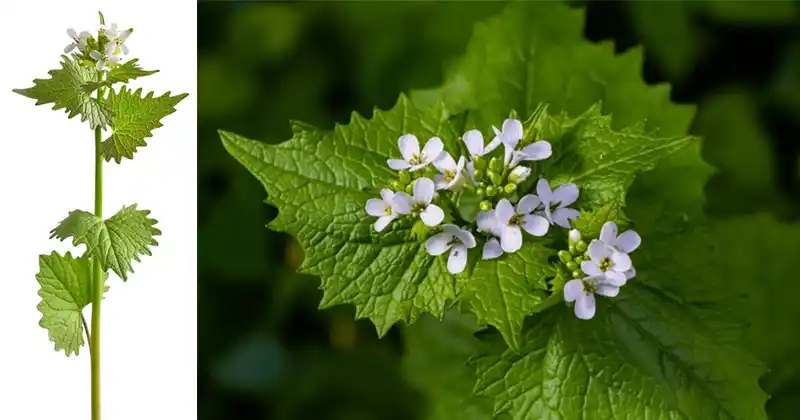
Garlic Mustard (Alliaria petiolata): 20 Surprising Benefits and Homemade Uses Garlic mustard (Alliaria petiolata) is often dismissed as a stubborn Read more

The Amazing Benefits of Sumac and How to Use It Sumac is more than just a flavorful spice—it’s a powerful Read more

Understanding, anticipating, and supporting your dog through every stage of their life is essential to providing them with the best Read more

Castor Oil: A Natural Treasure to Rediscover Derived from the seeds of Ricinus communis, this thick, golden plant oil contains Read more

The Dangers of Prolonged Sitting on the Toilet A Natural Reflex Put to the Test Sitting too long on the Read more

These Little Creatures You Would Rather Not Find in Your Pantry In our French kitchens, certain insects have a troublesome Read more

A Walk That Sometimes Holds Unexpected Surprises After a walk, it is common to find our dog with muddy paws, Read more

A Bold Dream Transformed into an Unexpected Haven of Peace At some point in our lives, we have all dreamed Read more

Euphorbia hirta, commonly known as the “Asthma-plant,” is a medicinal herb renowned in traditional medicine for its diverse health benefits, Read more

Why Ventilating in the Morning Can Harm Indoor Air Quality During Winter On a chilly winter morning, the outdoor air Read more

When a Drawer Holds Much More Than Mere Odds and Ends Like many others, my initial reaction upon seeing these Read more

If your sink, bathtub, or shower is draining slowly and you don't have access to a commercial drain opener, you Read more

From 9 PM to 11 PM: When the Body Prepares for Night In the early evening, your body activates the Read more

Dented Car Body: How to Fix It Yourself Over time, the body of your car can endure a lot. From Read more
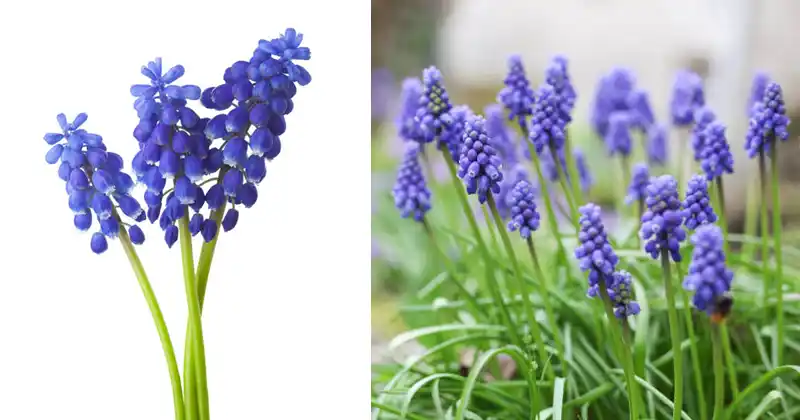
Grape Hyacinth (Muscari): A Beautiful Flower You Can Eat – But Only If You Know Which One The grape hyacinth, Read more

Grease buildup on kitchen cabinets is a widespread issue that many homeowners encounter. Frequent cooking results in grease splatters that Read more

Purslane (Verdolaga) is no longer a garden menace but a valuable gem! This remarkable plant is reclaiming its place in Read more

Before your next journey, it might be worth reexamining some of your packing habits. What a luggage professional has revealed Read more

Cultivating veggies and herbs indoors is more than just a productive task; it's a delightful and aesthetic journey. The magic Read more

A Quiet and Efficient Predator in Your Home The domestic house centipede (Scutigera coleoptrata) is often regarded as a frightening Read more

Shepherd’s Purse (Capsella bursa-pastoris): A Medicinal Herb with Powerful Benefits Shepherd’s Purse, known botanically as Capsella bursa-pastoris, is a small, Read more

Ticks' Favorite Hiding Spots: Why Your Garden is Their Paradise Ticks have a distinct preference for damp, shaded, and poorly Read more

Much More Than Just a Decorative Element The presence of multiple pillows on a hotel bed is far more than Read more

Rice Water and Baking Soda: A Surprising Duo to Unclog Your Drains Few people realize that the water used to Read more

Tomatoes, a staple in kitchens worldwide, are loved for their versatility and rich flavor. However, their perishable nature often leads Read more
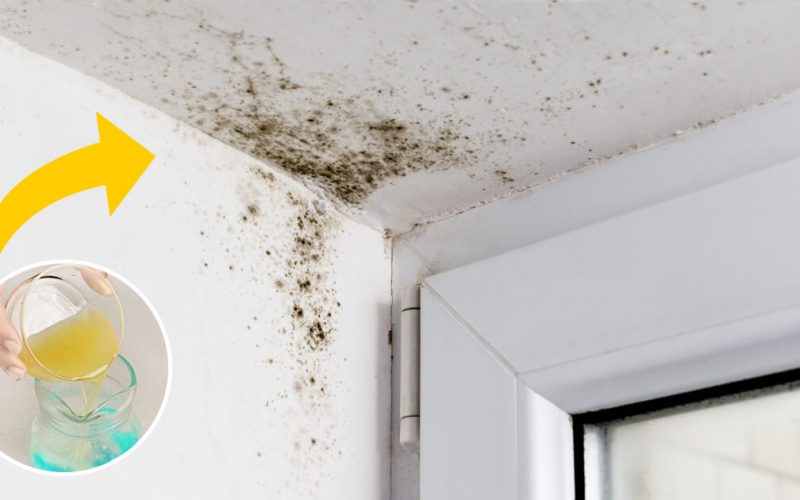
Often, due to poor ventilation or certain climatic conditions, dreaded mold can develop on the walls of our homes. In Read more

Garlic's Aromatic Enigma: Its Transformation When Burnt The unmistakable scent of garlic is well-known in kitchens worldwide. Esteemed for its Read more

Defrosting a freezer is often viewed as a lengthy and tedious task involving ice packs and patience being thoroughly tested. Read more

Unwanted Houseguest: The Fly The fly is arguably the most disliked insect on Earth, primarily due to its bothersome traits. Read more

In today's digital age, it's a common sight in households and offices: chargers left in outlets without their corresponding devices. Read more

Uncovering the Hidden Mysteries in Everyday Objects Why do certain objects evoke such surprise and curiosity? Whether it’s opening an Read more

House 1: A Warm Refuge Perched in the Trees If this suspended house has moved you, it reveals your deep Read more

Embracing Organic Gardening with Homemade Onion Elixir The shifting trends in horticulture are leaning heavily towards eco-conscious choices, prompting gardeners Read more

November is a time when expenses quickly pile up, caught between Black Friday deals and the first Christmas purchases. It Read more

Perfumed Tissues: An Easy DIY Technique The Joy of Scented Tissues: Paper tissues are handy in daily life. While some Read more

One day, almost by chance, he pushed open the doors of an orphanage. It was there that he met Emma. Read more

Corn silk, the delicate, hair-like strands that grow on an ear of corn, has a long history of use in Read more

The Benefits of Combining Eggs and Coffee: A Nutritious and Energizing Pair When it comes to starting your day right, Read more

In this article, we present the six main mistakes to avoid in order to preserve your refrigerator and ensure its Read more

This content is for informational purposes only. For medical advice or diagnosis, please consult a professional. Most people recognize aloe Read more
