
Why Does the Plastic of a Washing Machine Turn Yellow Over Time?

Over the years, it is common to notice that the white plastic parts of your washing machine gradually turn yellow. This phenomenon occurs due to the slow build-up of dust, moisture, and residues left behind by household cleaning products. This yellowish tint is often intensified by exposure to sunlight as well as the frequent use of abrasive products that damage the surface, giving your machine a worn and aged appearance despite it functioning properly. But how can you restore the plastic’s original brightness without causing further damage to your washing machine?
Hydrogen Peroxide: An Effective and Gentle Solution
A Simple and Often Overlooked Remedy
Hydrogen peroxide, widely recognized for its medicinal properties, also proves to be a valuable ally for whitening yellowed plastic on your washing machine. Unlike certain harsh detergents, it works gently while effectively removing stains and discoloration, without the risk of harming the surface.
How to Use Hydrogen Peroxide to Restore Your Washing Machine’s Brightness
Step-by-Step Procedure for Cleaning the Exterior

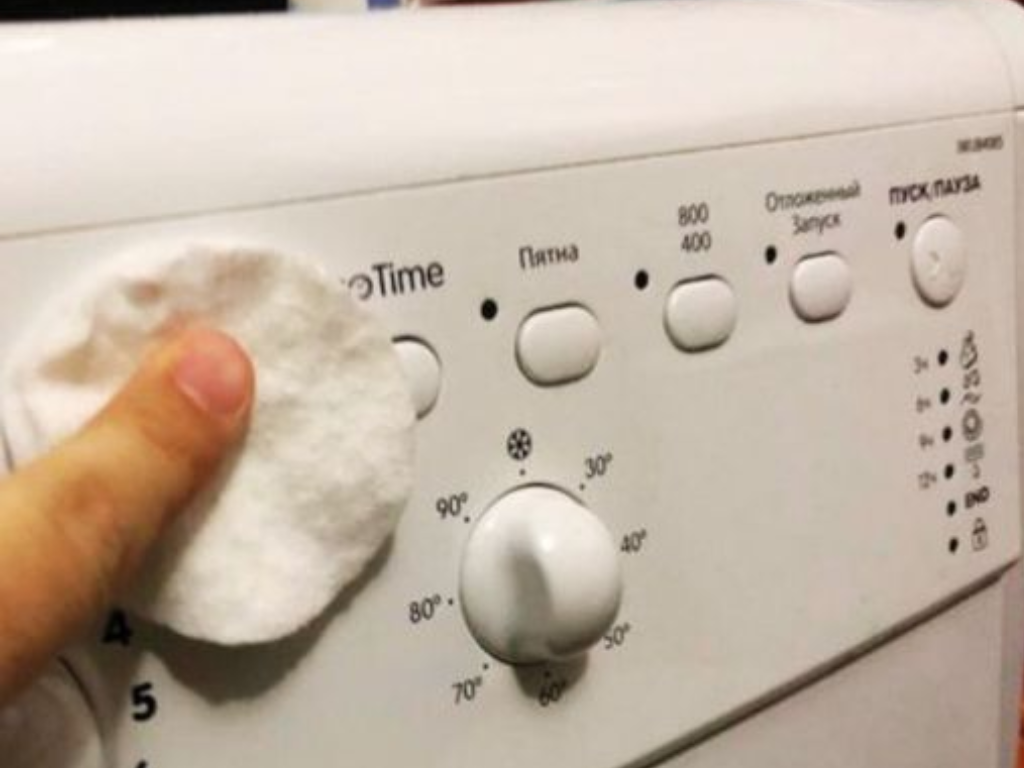
Prepare your materials: gather a cotton ball or a soft cloth and obtain a bottle of hydrogen peroxide, which is readily available at pharmacies.
Apply carefully: gently soak the cotton or cloth with hydrogen peroxide, then softly rub the yellowed plastic areas. Avoid rough or vigorous movements to prevent scratching or damaging the surface.
Repeat if necessary: within just a few minutes, you will observe that your washing machine’s plastic has regained its original whiteness.
Practical tip: to prevent future yellowing, make it a habit to wipe the plastic surfaces regularly with a cloth lightly moistened with hydrogen peroxide after each wash. This avoids dirt accumulation and helps preserve the plastic’s brightness.
How to Treat the Inside of the Drum?

Sometimes, the inside of the washing machine drum emits unpleasant odors, often caused by persistent moisture and leftover detergent residues. Here again, hydrogen peroxide serves as an effective natural alternative to disinfect and freshen your machine:
Quick cleaning: soak a cloth with hydrogen peroxide and wipe the inner walls of the drum to eliminate bacteria and odors.
Deep maintenance: pour about 200 ml of hydrogen peroxide into the fabric softener compartment, then run an empty cycle at 60°C or higher. This process thoroughly deodorizes and disinfects your washing machine.
Essential Precautions to Take
Act before yellowing becomes deeply ingrained: regular maintenance is much more effective than attempting to restore plastic that is severely discolored.
Always test on a small inconspicuous area first: especially if your plastic is old or fragile, apply hydrogen peroxide to a small patch to check the reaction before treating the entire machine.
Keep Your Washing Machine Bright and Long-Lasting
Thanks to this simple, natural, and cost-effective method, your washing machine will quickly regain its initial shine. Regular care not only improves aesthetics but also contributes to enhanced hygiene for your appliance and helps extend its lifespan.
The Hidden Power of Pomegranate Peel: 10 Health Benefits and How to Use It Pomegranate is often celebrated for its Read more
For centuries, Chelidonium majus, commonly known as Greater Celandine, has held a special place in traditional herbal medicine. Recognized by Read more

Unveiling the Secrets of Burning Bay Leaves in Your Home The age-old tradition of burning bay leaves, once prevalent in Read more

How to Reuse Soap Scraps: Ingenious Ideas Soap bars, after several uses, become tiny and almost unusable. Many of us Read more

In today's digital age, it's a common sight in households and offices: chargers left in outlets without their corresponding devices. Read more
Effective Methods to Eliminate Maggots and Prevent Their Return Vinegar: An Essential Natural Repellent To quickly rid yourself of maggots, Read more
How to Make Powerful Super Glue from Styrofoam: The Hidden Chemistry Behind This Viral Trick In a world where DIY Read more

Inheritance in France: A Protected Share, Untouchable Even in Cases of Conflict In France, there is a fundamental legal principle Read more

The Final Blow Within Her Own Home Returning home from work, Phoebe had hoped to find a dinner prepared or Read more
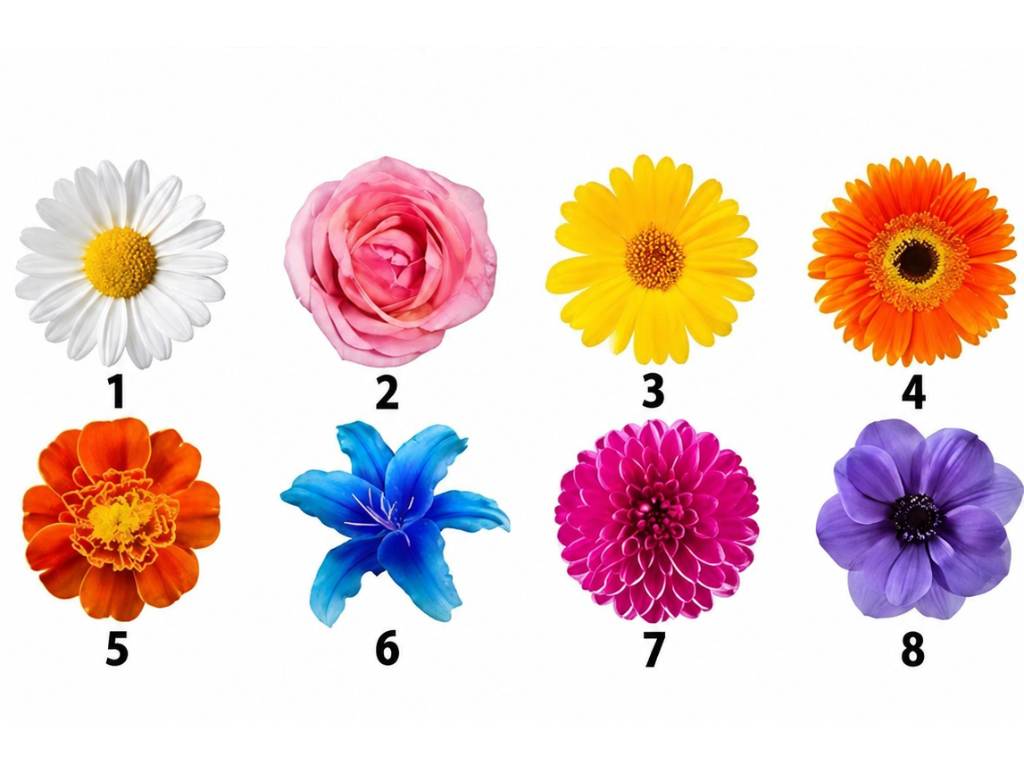
The Daisy: An Expression of Joyful Living and Authenticity If you find yourself especially captivated by the daisy, it is Read more
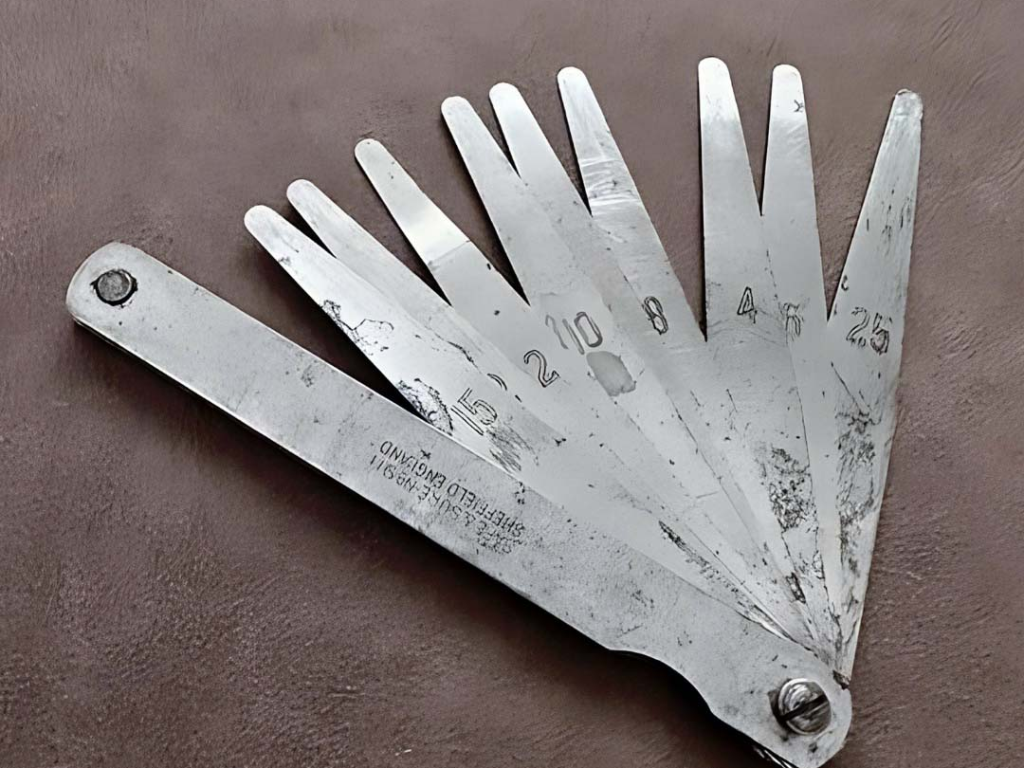
Why is the Thickness Gauge Still Essential? The thickness gauge is far more than just an accessory; it proves to Read more
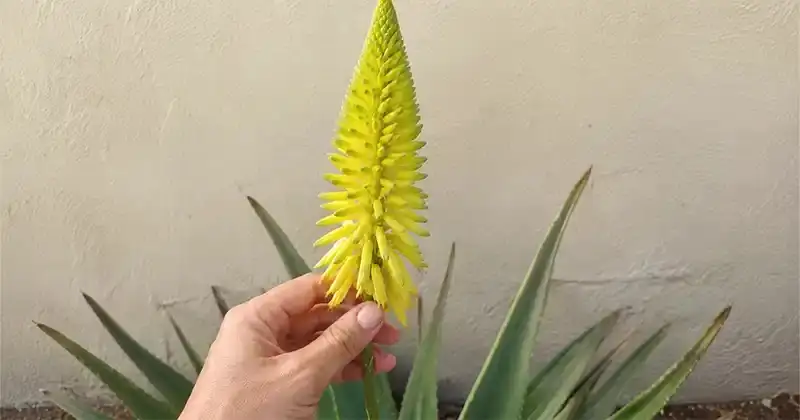
This content is for informational purposes only. For medical advice or diagnosis, please consult a professional. Most people recognize aloe Read more
Restore the Shine to Your Dull Leather Whether it’s worn-out shoes, tired leather bags, or a sofa that has lost Read more

Purple Deadnettle (Lamium purpureum): Benefits, Uses & How to Make Tea Often overlooked or mistaken for an ordinary weed, Purple Read more
Skin Changes After Age 65 As we age, our skin undergoes natural changes. The epidermis thins and becomes more fragile. Read more
The Dangers of Prolonged Sitting on the Toilet A Natural Reflex Put to the Test Sitting too long on the Read more

The Symbolic Significance of Slugs Inside the Home Since ancient times, various cultures have assigned deep symbolic meanings to slugs. Read more
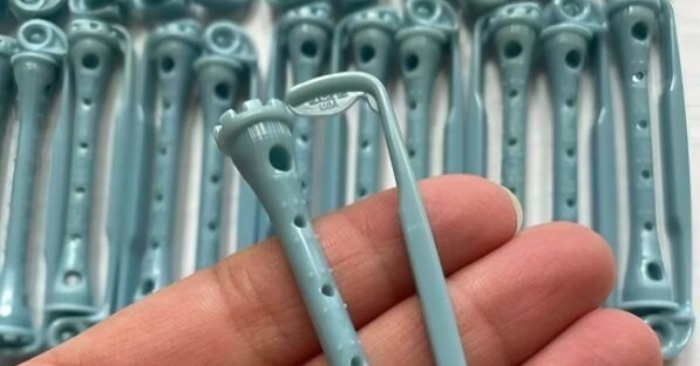
When a Drawer Holds Much More Than Mere Odds and Ends Like many others, my initial reaction upon seeing these Read more

When Affection Triumphs Over Blood Ties Sharaine and Wilson Caraballo, warm-hearted parents of a large family with five children, opened Read more

Timeless Elegance That Transcends Generations Choosing black often reflects a profound pursuit of refinement and sophistication. This color goes beyond Read more
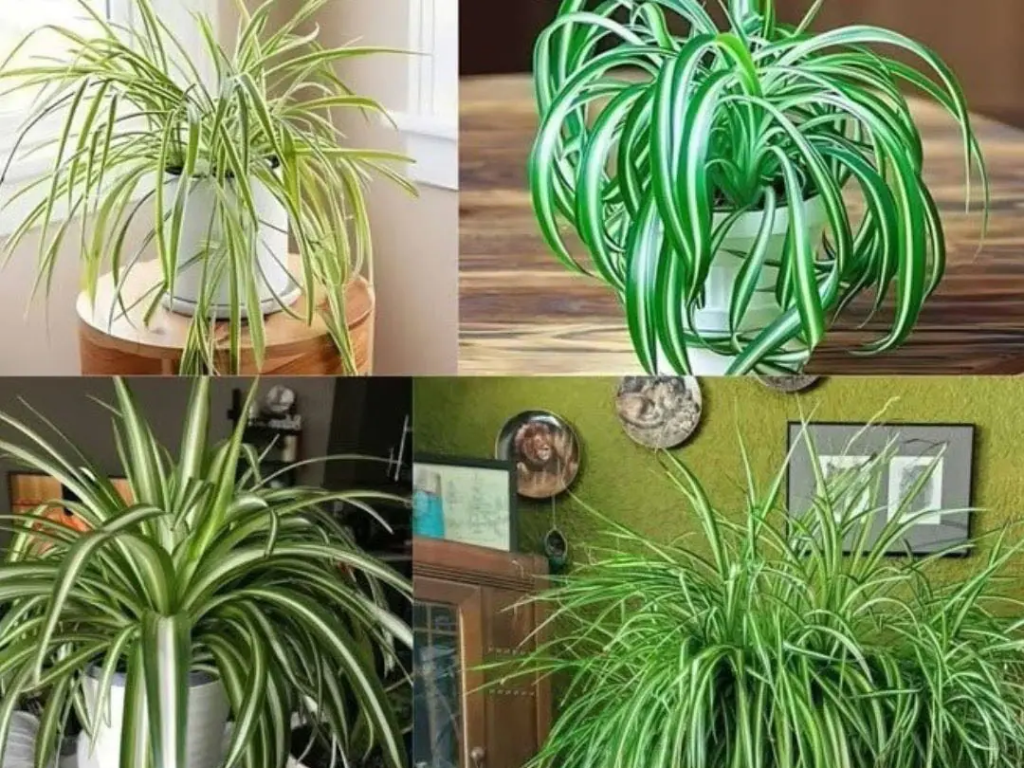
A Natural Ally for a Healthier and More Pleasant Home We admire the spider plant for its delicate and soothing Read more

Much More Than Just a Decorative Element The presence of multiple pillows on a hotel bed is far more than Read more

The Power of Hawthorn (Genus Crataegus): A Natural Ally for Heart and Cholesterol Health Hawthorn, belonging to the genus Crataegus, Read more

Perfumed Tissues: An Easy DIY Technique The Joy of Scented Tissues: Paper tissues are handy in daily life. While some Read more

These Little Creatures You Would Rather Not Find in Your Pantry In our French kitchens, certain insects have a troublesome Read more
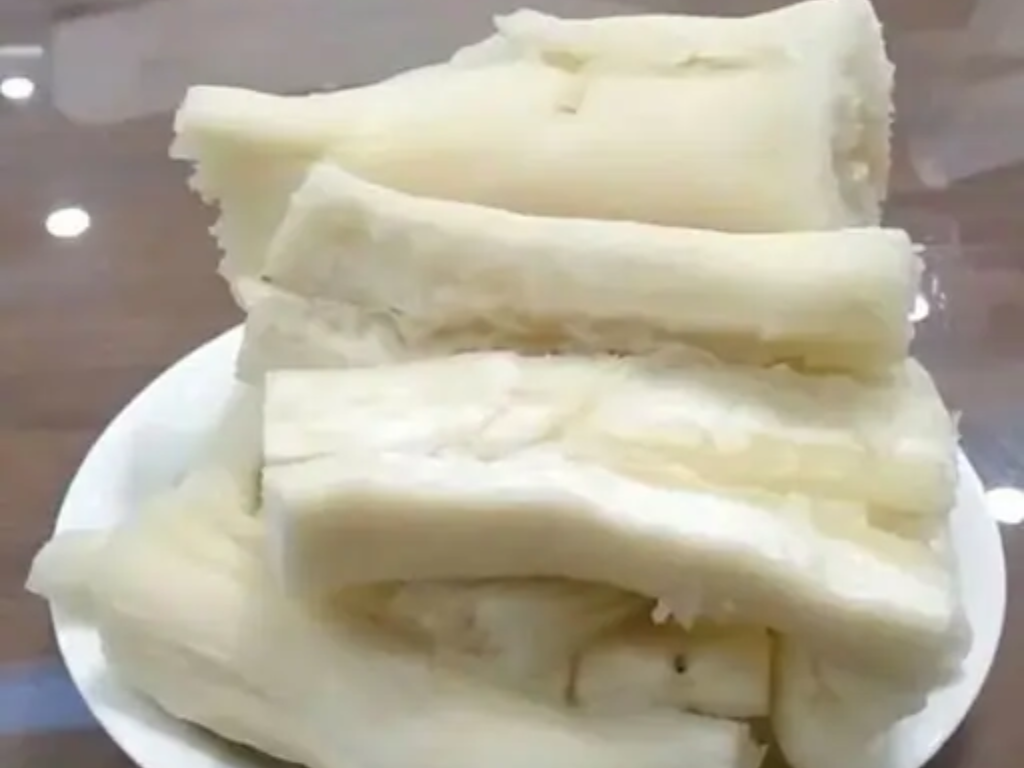
Cassava: An Essential Plant at the Heart of a Deadly Paradox Whether in the form of flour, tapioca pearls, or Read more

Mimosa Pudica, commonly known as the “Sensitive Plant” or “Touch-Me-Not,” is famous for its unique reaction to touch—its leaves fold Read more
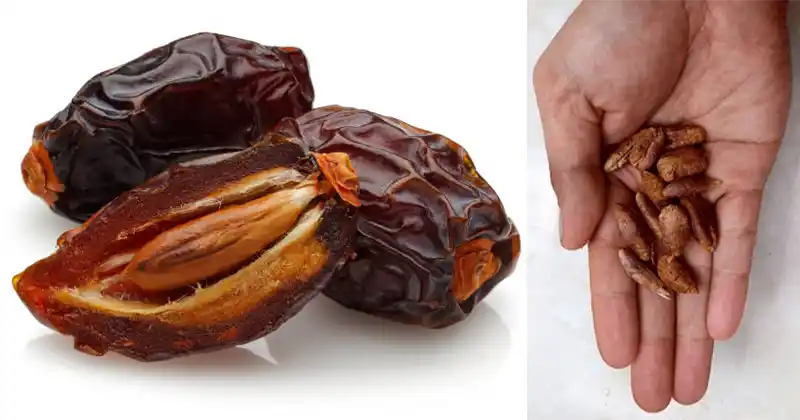
When you sink your teeth into a soft, caramel-sweet date, the last thing on your mind is usually the tough Read more

Dented Car Body: How to Fix It Yourself Over time, the body of your car can endure a lot. From Read more

A Vibrant Coat, More Than Just a Visual Trait Before delving into the nature of these cats, let us first Read more

Kyllinga brevifolia: A Natural Remedy for Health and Wellness Kyllinga brevifolia, commonly known as green kyllinga or shortleaf spikesedge, is Read more
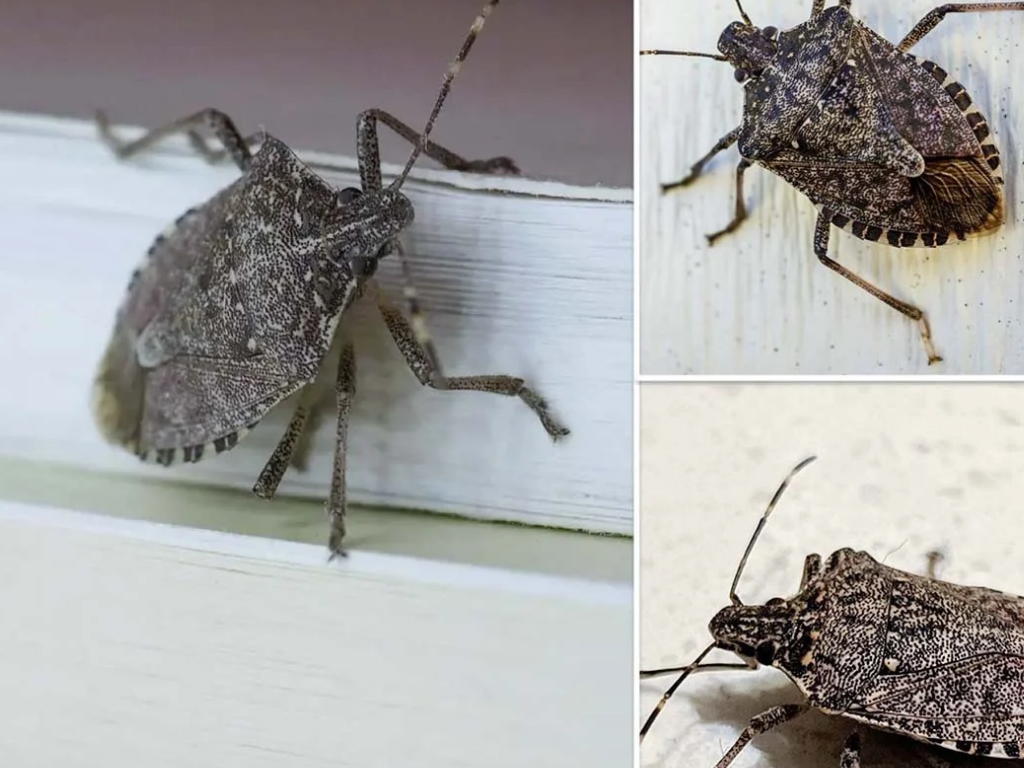
The Brown Marmorated Stink Bugs: A Nuisance Difficult to Ignore Originating from Asia, these insects have found a favorable environment Read more
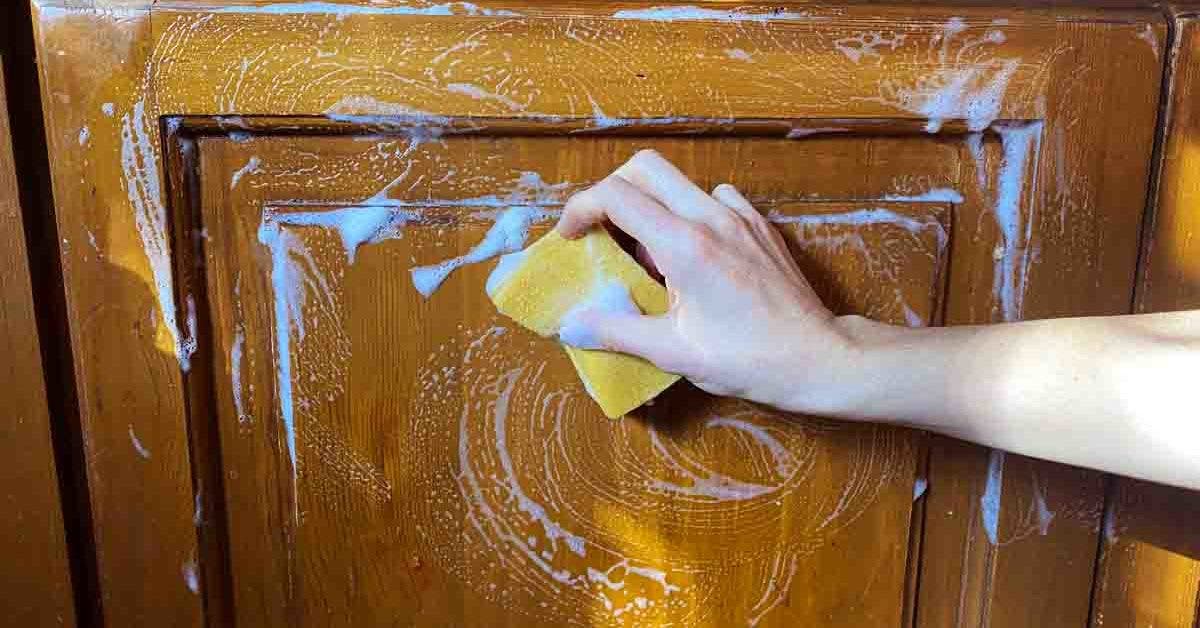
Grease buildup on kitchen cabinets is a widespread issue that many homeowners encounter. Frequent cooking results in grease splatters that Read more

Transforming Garlic Peels into Gold for Gardeners: In the rhythm of kitchen prep, garlic peels are often discarded without a Read more
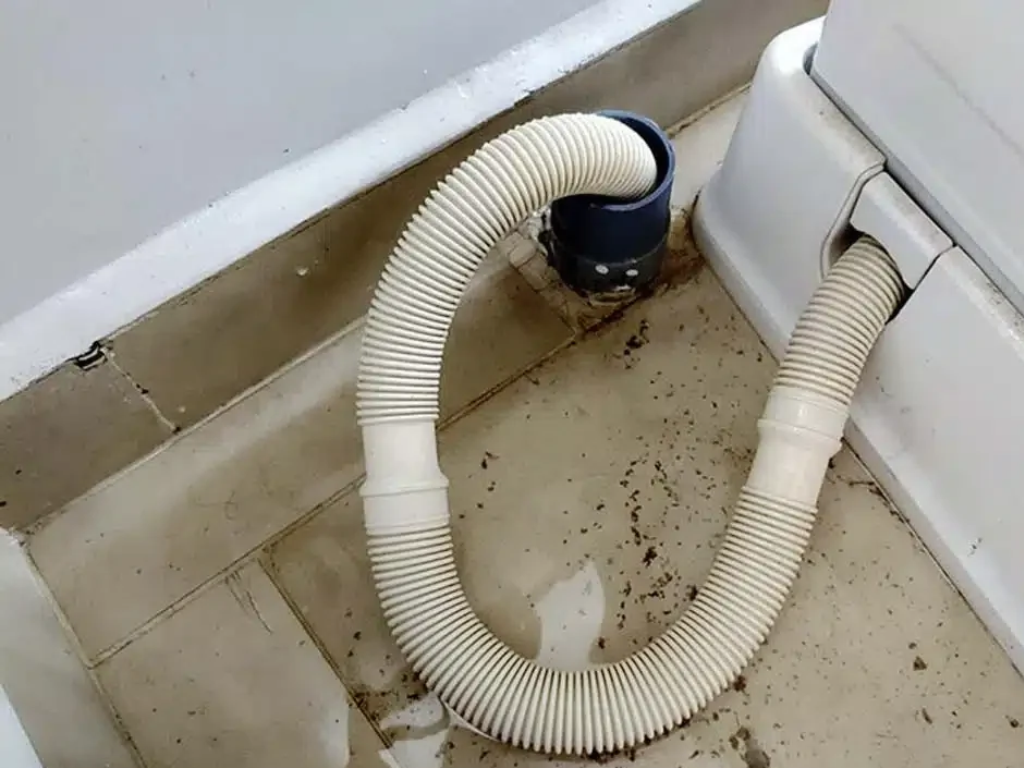
Many families choose to place their washing machine in the bathroom to take advantage of the floor drain. However, it Read more

Unwanted Houseguest: The Fly The fly is arguably the most disliked insect on Earth, primarily due to its bothersome traits. Read more
Why Is Salt an Effective Remedy Against Bed Bugs? Salt acts as a powerful dehydrating agent. When it comes into Read more
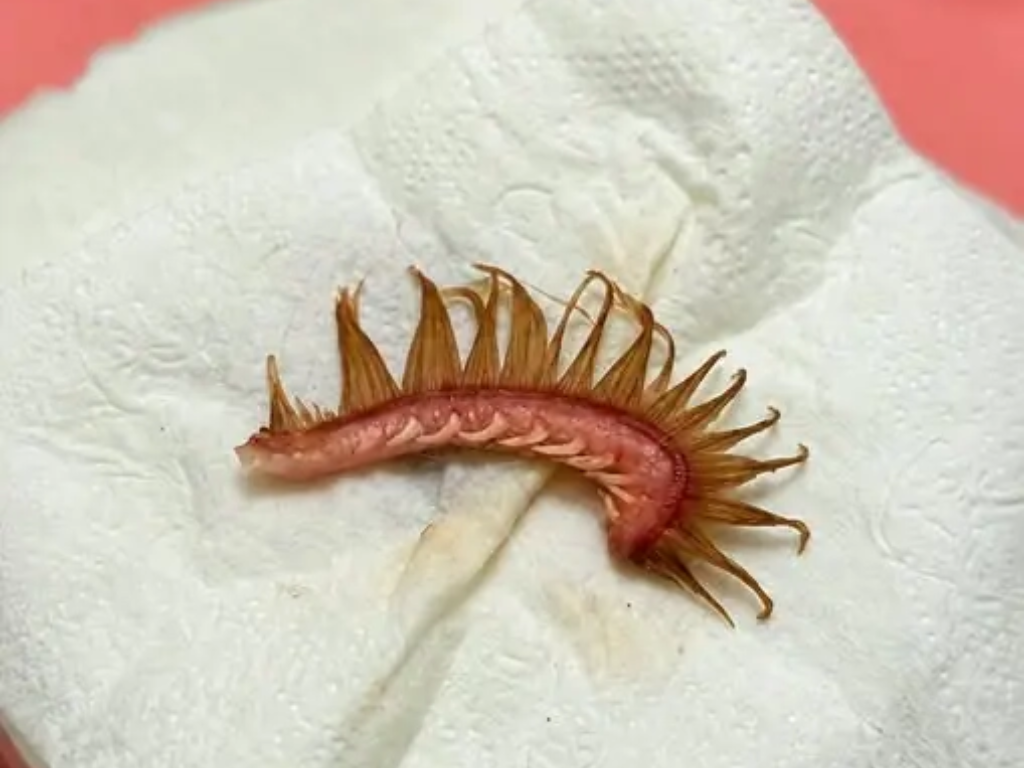
A Walk That Sometimes Holds Unexpected Surprises After a walk, it is common to find our dog with muddy paws, Read more

Clogged Shower Drain? Try Baking Soda! Experiencing a stagnant pool of water after a refreshing shower can be a mood Read more
Castor Oil: A Natural Treasure to Rediscover Derived from the seeds of Ricinus communis, this thick, golden plant oil contains Read more
