
We spend countless hours behind the wheel, knowing every street by heart, yet still… sometimes important driving habits escape our attention. Between the small details of daily life and unexpected situations, driving consistently presents us with surprises. So why not compile everything you wish you had known much earlier? Buckle up, because some of this information will truly transform the way you drive.
The Small Everyday Habits That Make a Big Difference
We often don’t give them much thought, but these seemingly minor things are crucial. Take, for example, the proper adjustment of your side mirrors – it may sound trivial, but how many of us have actually readjusted them correctly since passing our driving test? A misaligned side mirror increases the blind spot without us even realizing it.
The same goes for hand placement on the steering wheel. For a long time, the so-called “ten and two” position was considered standard, but modern recommendations now lean more toward “nine and fifteen.” This slightly lower positioning offers greater stability and is especially safer in the event the airbag deploys. A small detail, but one with significant effects.
What Your Car Is Trying to Tell You
Sometimes the dashboard lights up like a Christmas tree, and we often don’t know how to react. Yet some warning lights demand prompt attention. For example, the tire pressure warning light is frequently ignored, even though low tire pressure increases fuel consumption and negatively impacts driving stability.
And speaking of tires: Did you know that most drivers only check their tire pressure once a year, even though experts recommend checking it monthly? This simple check, which only takes a few minutes at the gas station, can greatly enhance your everyday safety.
Emergency Situations: Keeping a Cool Head
A flat tire on the highway, a sudden emergency stop, or fogged-up windows during severe cold—these scenarios often arise unexpectedly and at unfavorable moments. In such cases, the right reflex is crucial.
When experiencing a tire blowout, a common mistake is to brake abruptly. The better approach is to maintain your lane, gradually ease off the accelerator, and calmly steer onto the shoulder. It sounds straightforward but requires you to remember it before the situation occurs.
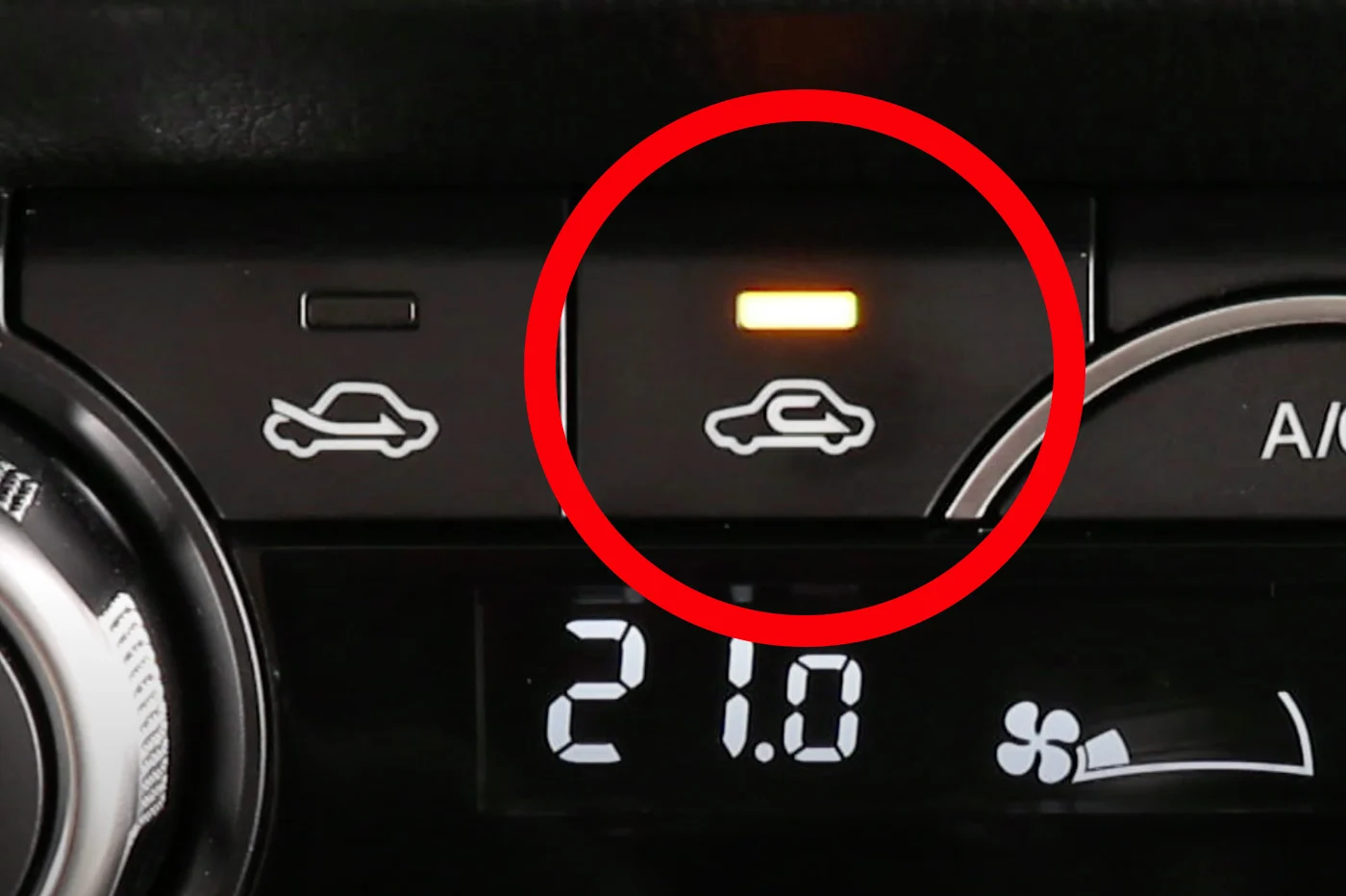
When dealing with fogged windows in winter, it often helps to turn on the air conditioning alongside the heater—this usually works much better than using the heater alone, even in the coldest January weather.
The Little Tips Your Driving School Didn’t Teach You
Did you know that the fuel gauge on your dashboard often includes a small arrow indicating which side your fuel cap is located? This detail can save you from many embarrassing moments at the gas station!
Especially when driving a rental car or an unfamiliar vehicle, this subtle sign can prevent you from having to awkwardly reverse park in front of everyone.
Driving is an art that you refine throughout your entire life.
Silica gel packets are frequently included in the packaging of electronics, clothing, and many other products. These small sachets contain Read more

These Little Creatures You Would Rather Not Find in Your Pantry In our French kitchens, certain insects have a troublesome Read more
Individuals with Allergies or Sensitivities If you suffer from allergies, it is important to be cautious with avocado! This fruit Read more
Bull Thistle (Cirsium vulgare): A Wild Plant with Surprising Benefits The bull thistle (Cirsium vulgare) is often dismissed as a Read more

These tiny parasites can send shivers down your spine just by mentioning them. Whether on your skin or that of Read more

Embracing Organic Gardening with Homemade Onion Elixir The shifting trends in horticulture are leaning heavily towards eco-conscious choices, prompting gardeners Read more

Euphorbia hirta, commonly known as the “Asthma-plant,” is a medicinal herb renowned in traditional medicine for its diverse health benefits, Read more

White Clover (Trifolium repens): 15 Benefits and Homemade Uses White clover (Trifolium repens) is more than just a common plant Read more

From Military Origins to Artistic Expression Originally, the twirling baton was primarily a tool designed to organize military marches and Read more
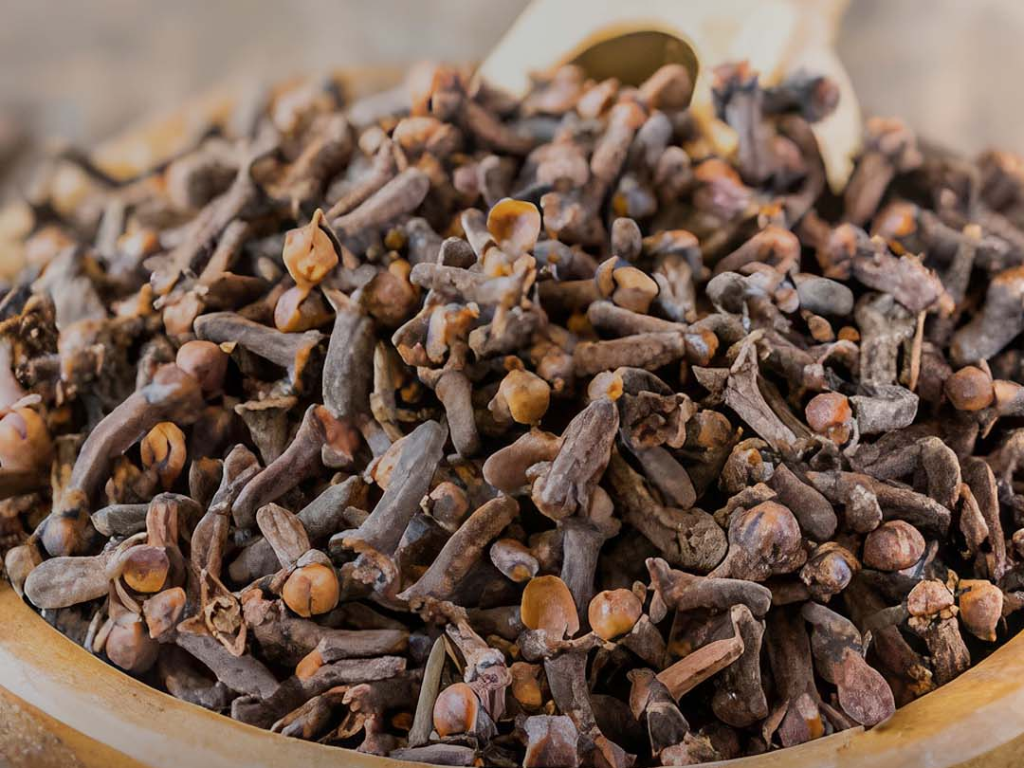
Why Incorporate Clove Infusion Into Your Daily Routine? A Powerful Source of Antioxidants to Combat Aging Free radicals, those agents Read more

Why Does Your Dog Lick Your Hands? Licking is a natural form of communication for dogs. From their earliest weeks, Read more
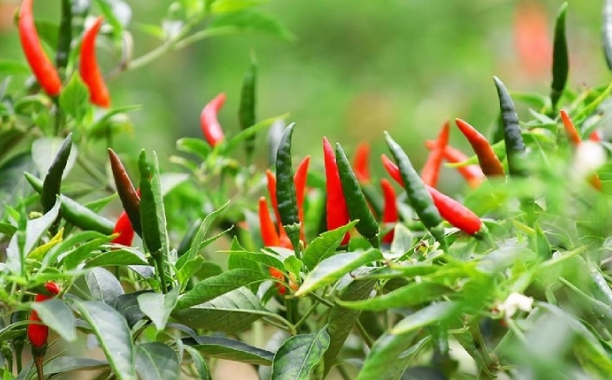
Discover the Untapped Potential of Chili Pepper Leaves: Nutritional Powerhouse for Your Health and Kitchen When you think of chili Read more

Gather and Verify Evidence Immediately When faced with a vending machine that fails to dispense the cash you requested, it Read more
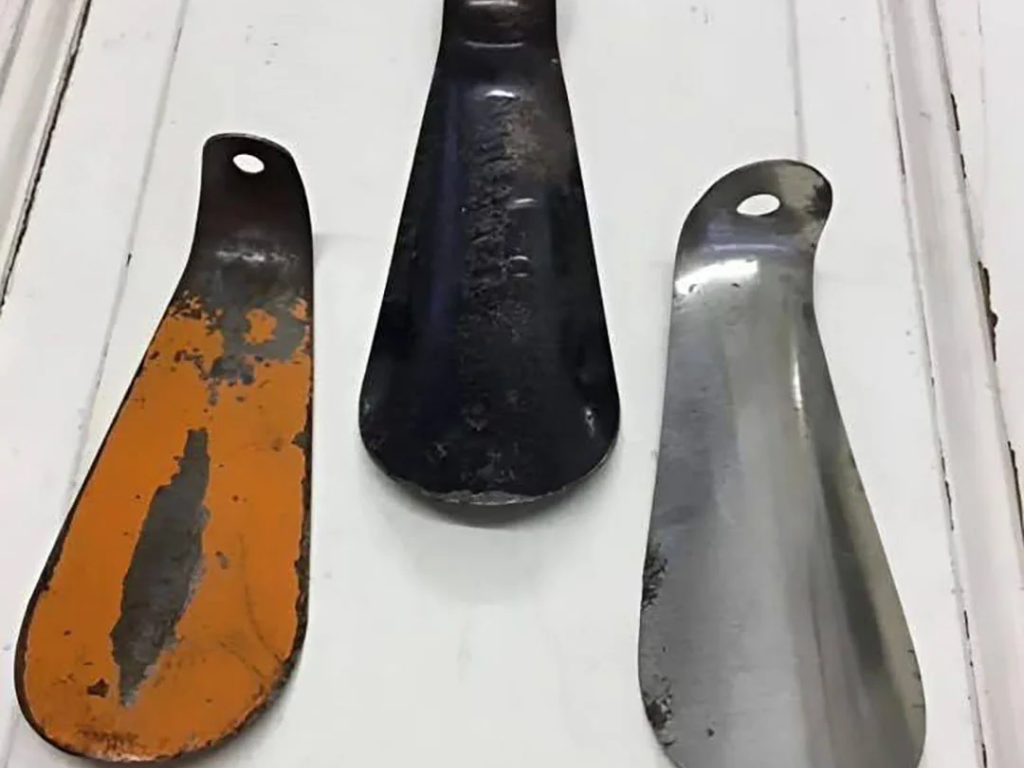
An Ordinary Object Turned Viral Mystery What sparked the excitement? A photo showing a long, curved object made of metal Read more

The Secret Language of Burglars: A Discreet Warning Signal Burglars use an actual coding system to identify their targets. They Read more
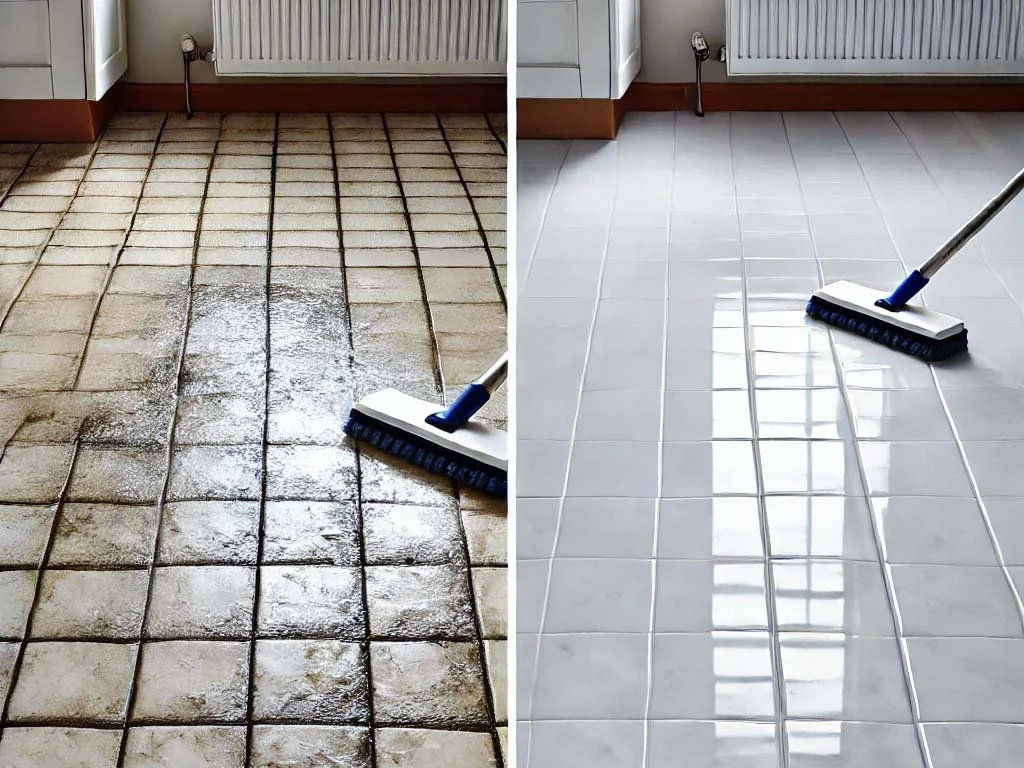
Why Traditional Household Cleaners Aren't Enough Often praised for their effectiveness, commercial cleaning products don't always succeed in removing stubborn Read more

A Heartbreaking Message Lilo, a gentle and affectionate dog, was found wandering with a leash around her neck and a Read more
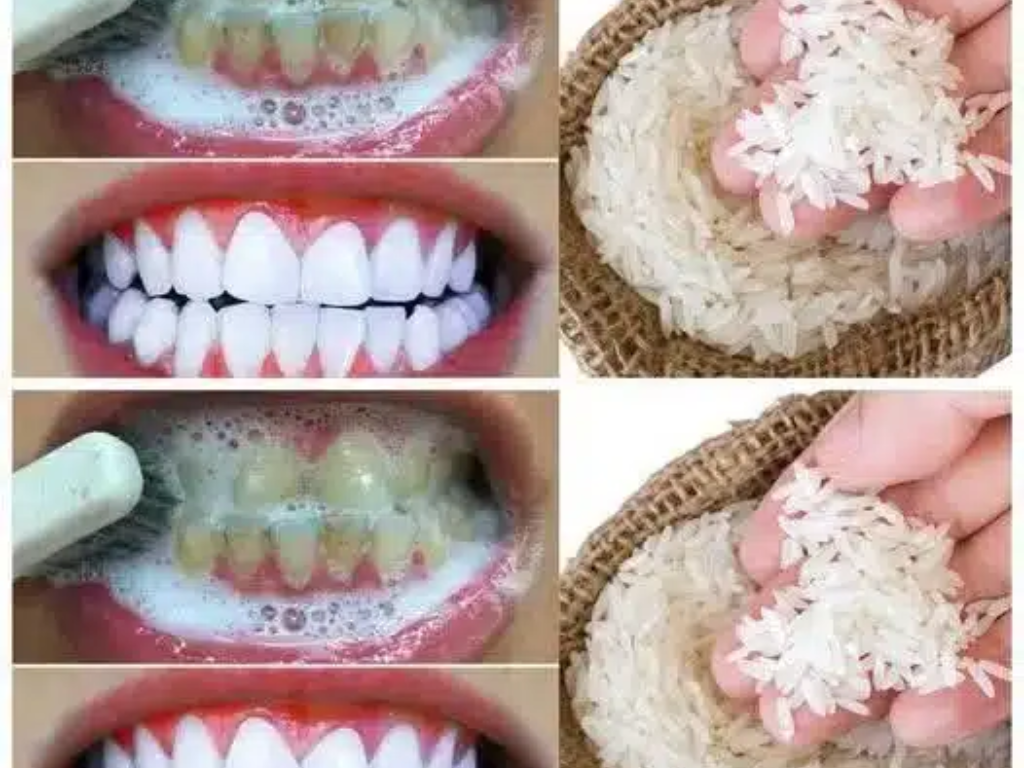
How can a simple homemade mixture really help make your teeth whiter? Here is the secret that has already captivated Read more

Why It's Crucial to Clean Your Oven and How to Do It Naturally The Importance of Cleaning Your Oven The Read more
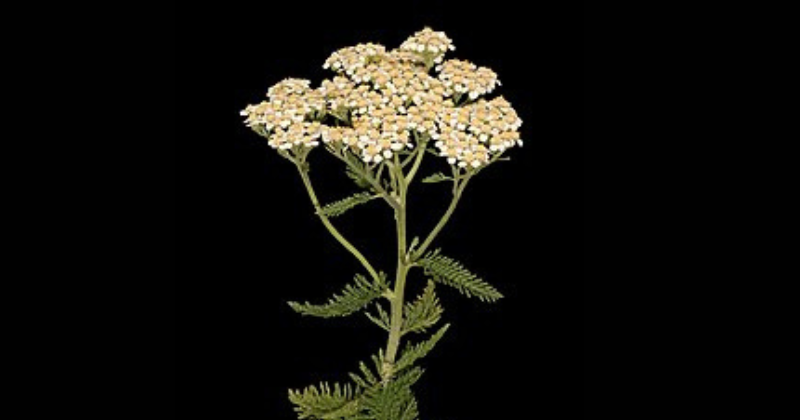
Throughout our journey in history, the bond between humanity and nature has been inseparable, providing not only sustenance but also Read more

A Vibrant Coat, More Than Just a Visual Trait Before delving into the nature of these cats, let us first Read more

A Puzzle Deceptive in Its Simplicity When mentioning "2 mothers," "2 daughters," "1 grandmother," and "1 granddaughter," the immediate image Read more

Lina’s room remains untouched by time, as if she had just left yesterday: colored pencils scattered across the desk, an Read more
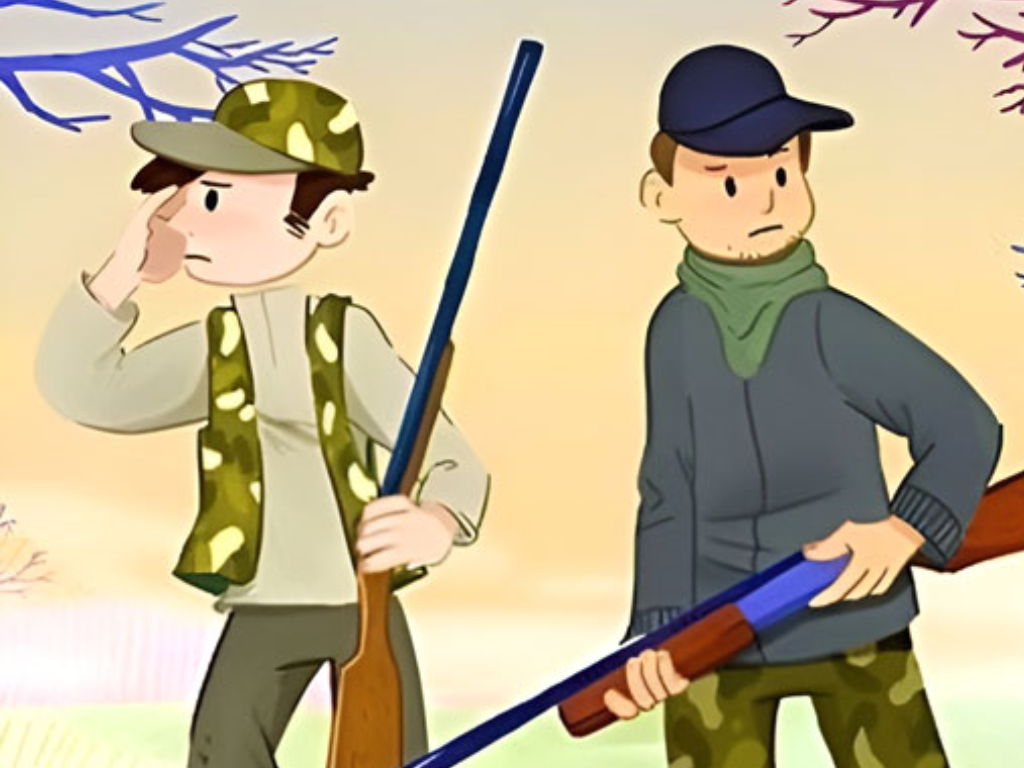
Why Do These Puzzles Stimulate Your Brain? Visual games are far more than just light entertainment. They intensely engage your Read more

A Decision Born from Solitude Agnès did not make her decision lightly. For many years, she hoped for more frequent Read more
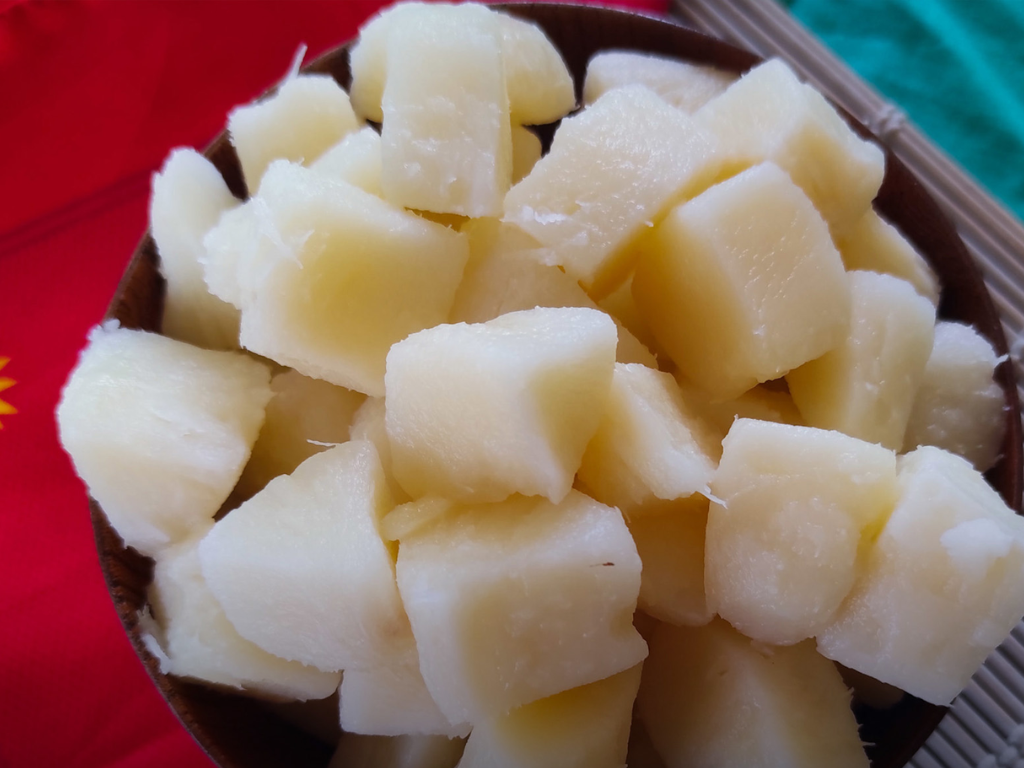
Cassava: A Widely Consumed Food That Can Sometimes Be Dangerous Cassava is a vital food staple for over 800 million Read more
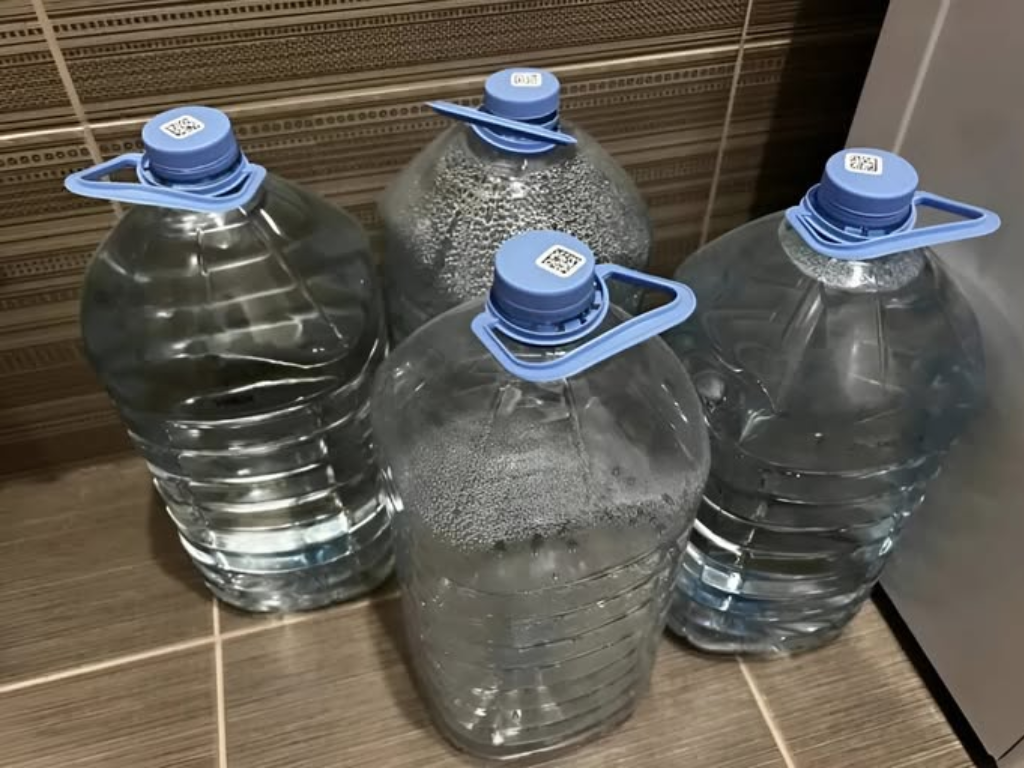
Giving Your Plastic Bottles a Second Life: A Practical and Eco-Friendly Approach Often discarded without a second thought, plastic bottles Read more

Timeless Elegance That Transcends Generations Choosing black often reflects a profound pursuit of refinement and sophistication. This color goes beyond Read more
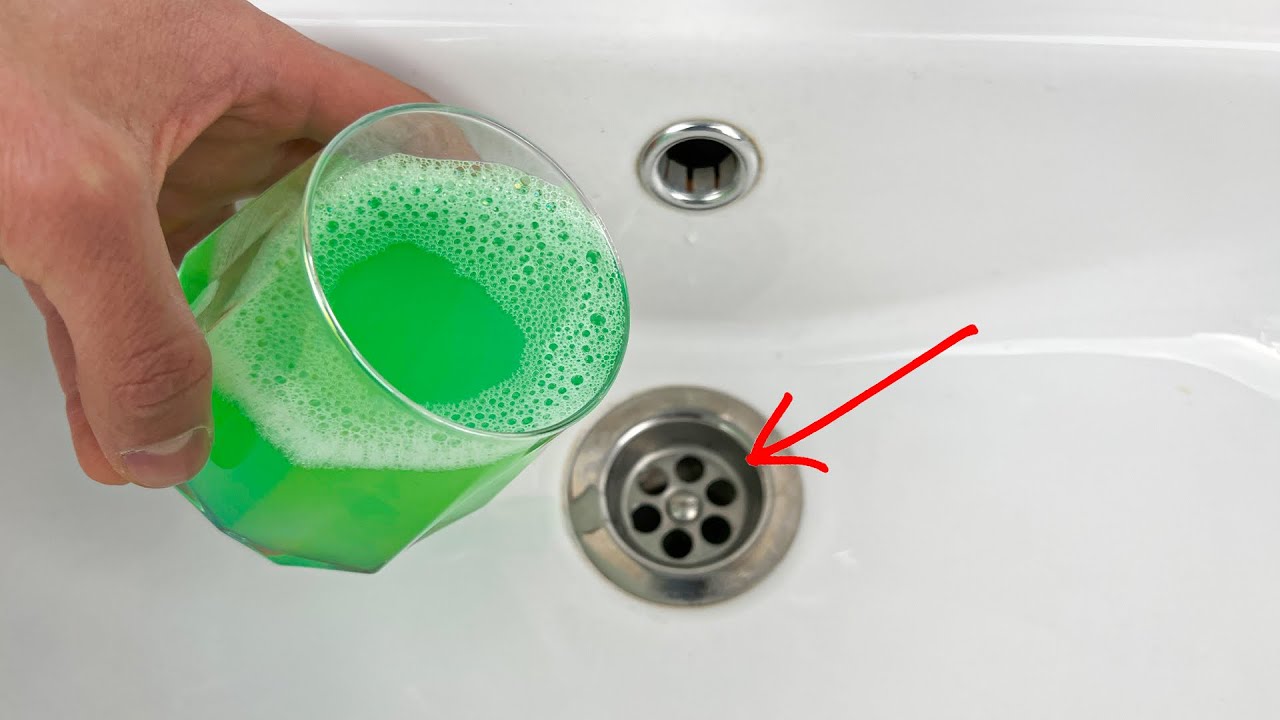
If your sink, bathtub, or shower is draining slowly and you don't have access to a commercial drain opener, you Read more

The Risks Associated with Excessive Screen Exposure Prolonged exposure to screens can have serious consequences on the overall development of Read more
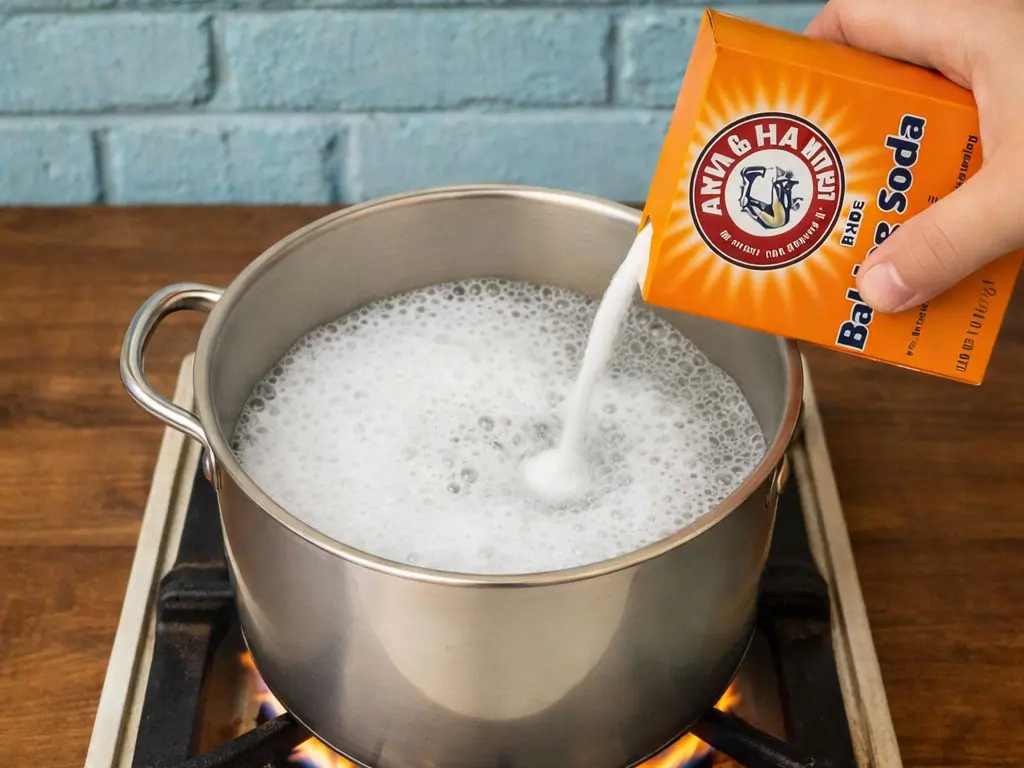
Most of us believe we understand baking soda well. It rests quietly in a kitchen cupboard, freshens the refrigerator, rescues Read more
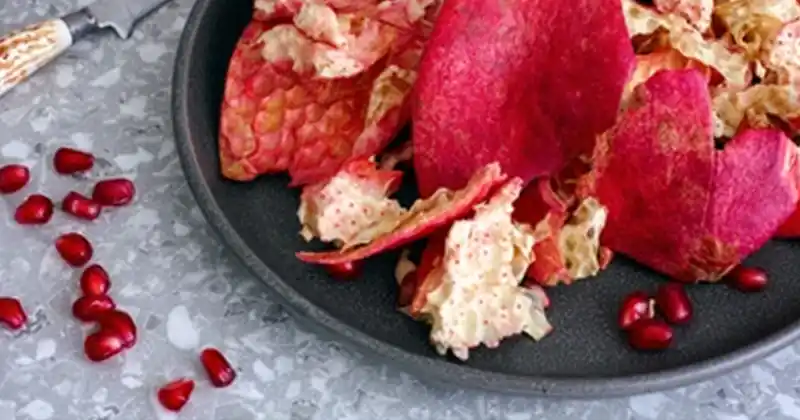
The Hidden Power of Pomegranate Peel: 10 Health Benefits and How to Use It Pomegranate is often celebrated for its Read more
Why Do Some People Wash Their Ground Beef? The practice of washing ground beef often comes from a good intention: Read more

Pigweed, also known as amaranth, is a leafy green plant that has been cherished in various cultures for its nutrient-rich Read more

An Extraordinary Photograph It all began on a peaceful day in the countryside, where a family was enjoying a quiet Read more

The Dangers of Prolonged Sitting on the Toilet A Natural Reflex Put to the Test Sitting too long on the Read more

You have probably come across an intriguing object whose purpose completely eluded you. Whether it was a discovery in a Read more
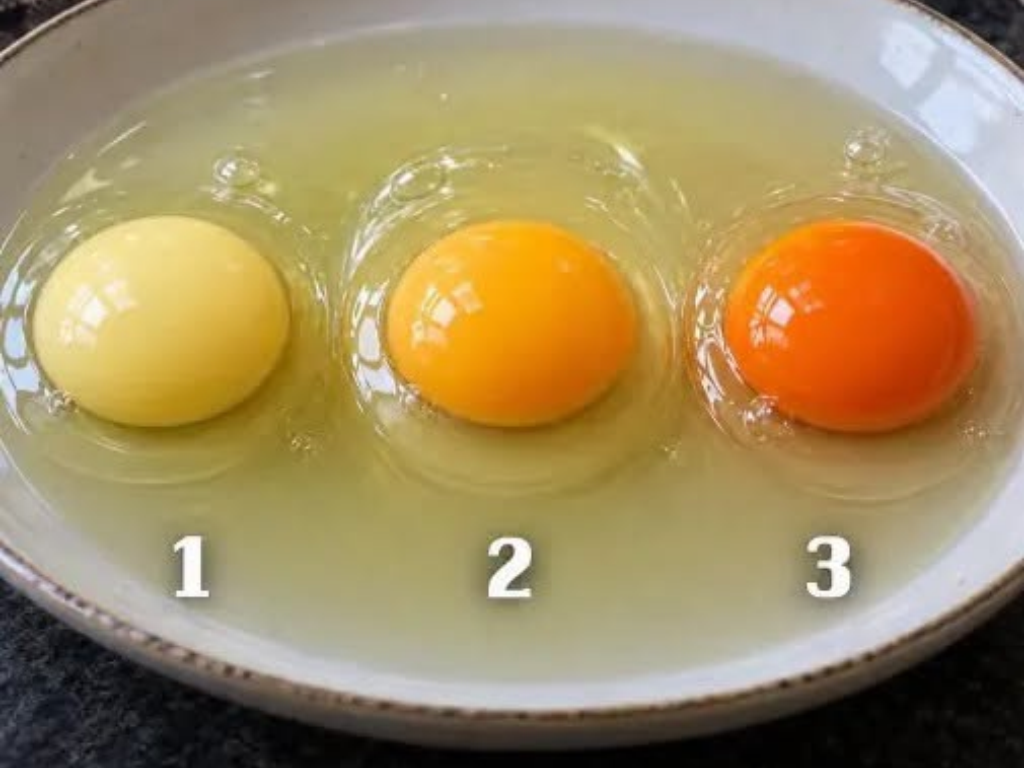
The Color of Egg Yolk Depends Primarily on the Hen’s Diet Few people truly realize that the shade of an Read more
Have you just stained a piece of clothing and don't know how to get rid of it? Rest assured, this Read more
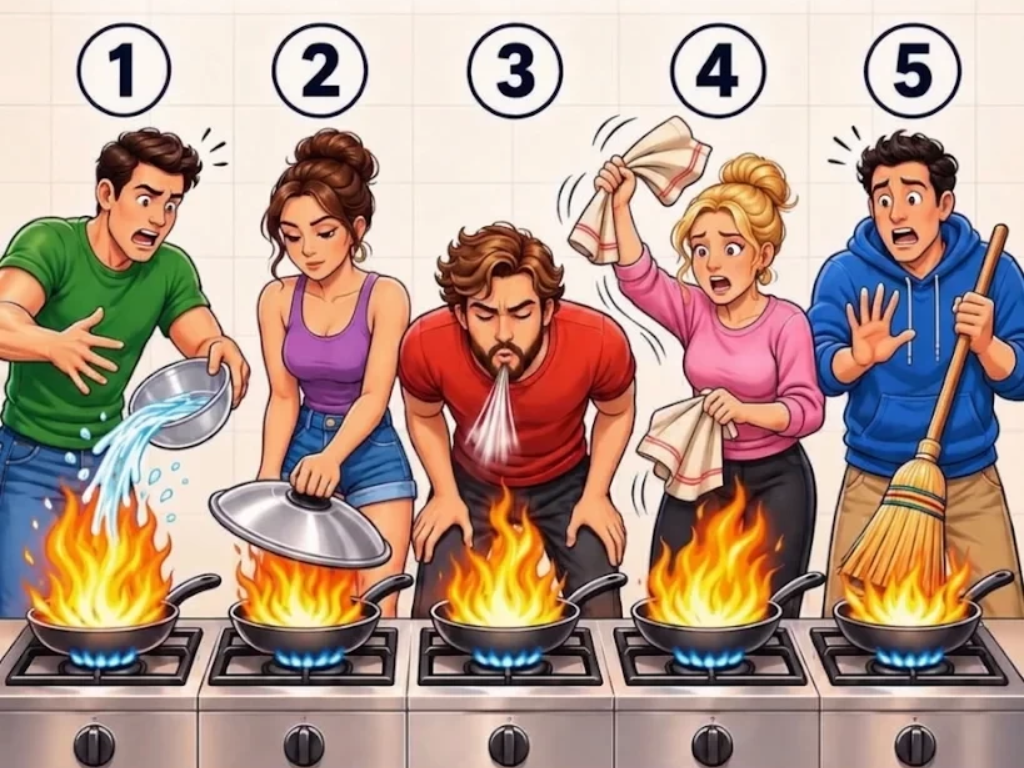
If You Chose Number 1: Intensity and the Urge to Act Symbolically, this choice expresses a strong need to intervene Read more
