
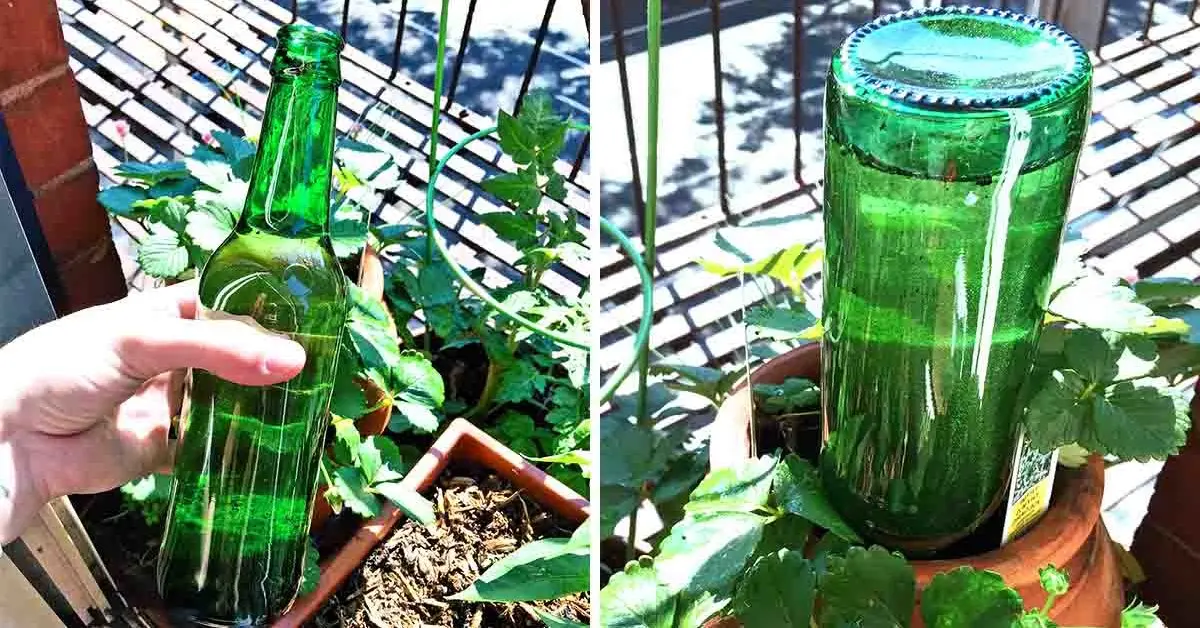
Watering Plants Automatically During Your Vacation
If you’re about to leave for a trip or vacation and won’t be able to water your plants as usual, don’t fret or bother your neighbor or family members. There are always simple and clever ways to address this issue and ensure the well-being of your beloved plants. This lets you travel with peace of mind!
It’s essential to water plants for their growth, irrespective of their species. Overwatering can damage roots, stems, and leaves, while under-watering may lead to them drying out and dying in a short span.
Here are some ingenious techniques to water your plants efficiently without wasting water or breaking the bank. Thanks to these methods, you can go days without manually watering your potted or in-ground plants, including your vegetable garden. This means you can leave for a vacation or weekend without worries or needing to seek help from loved ones.
How Does This Trick Work?
At first glance, this solution might seem tedious, but rest assured, in less than 5 minutes, you can set up each watering device. The initial step involves collecting plastic bottles of two different sizes: you can mix half-liter bottles with one-and-a-half-liter bottles or one-and-a-half-liter bottles with 3-liter ones. The larger the container, the longer the water supply will last. Depending on your needs, gather plastic containers of various sizes and follow the guidelines to establish your free, environmentally friendly irrigation system.
Advantages of This Watering System
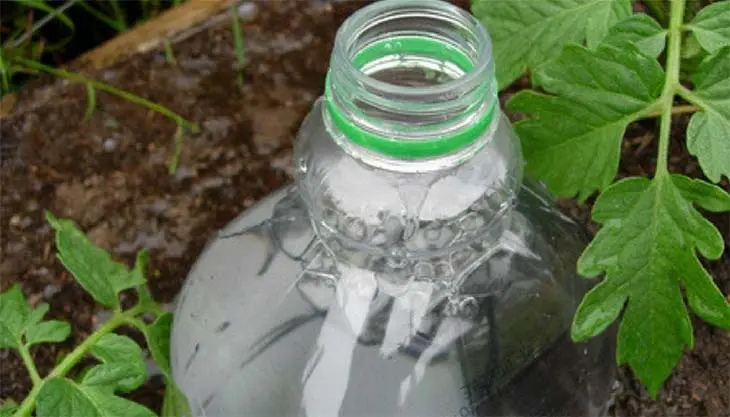
As temperatures rise, plants need more water. As warmer days approach, you’ll appreciate this entirely automatic, convenient, and cost-free system. Each drop of water falls directly onto the soil, not splashing onto the pots, but always ending up near the roots. As a bonus, this method allows for the recycling of plastic bottles, pots, and jars.
Innovative Watering Techniques for Plants During Vacations
The Filtering Mat
If you have many potted indoor plants, a simpler method is at your disposal. Just place a small cloth underneath the plants on a flat surface. Part of this cloth should be submerged in a container filled with water, which should be positioned lower than the plants. This ensures the water will rise to the soil, effectively watering the plants.
The Communicating Siphon
Another highly effective watering method is the communicating siphon. For a single plant, one bottle is sufficient. If you have multiple plants, a larger container will do. You’ll also need long strips of filtering fabric or woven wool. One end of these strips should be positioned at the bottom of the bucket or bottle, and the other end about 2 or 3 cm beneath the potting soil. Make sure each strip is dampened before inserting it. The water container should always be slightly higher than the pots.
The Inverted Bottle
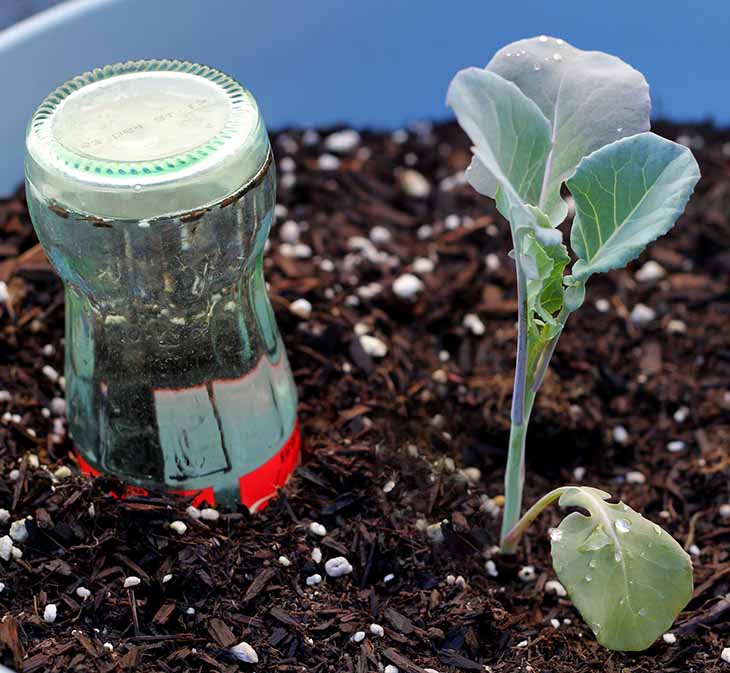
Before leaving for vacation, try this simple trick: Fill plastic water bottles. Depending on your plant’s size, use a half-liter bottle for smaller ones or a liter bottle for larger plants. After filling, punch small holes in the bottle cap, and invert it into the pot, pushing the cap into the soil. This ensures a gradual release of water without oversaturating the soil.
Puncture Soil and Submerge Plant in a Basin
When soil becomes overly dry, it requires careful rehydration. A quick, heavy watering can result in water stagnation, preventing the plant from being fully watered. To remedy this, puncture the soil (taking care not to damage the roots) and place the plant, pot and all, in a bowl of water. In about an hour, the plant should be rehydrated.
Trim Dry Parts and Mist Green Areas
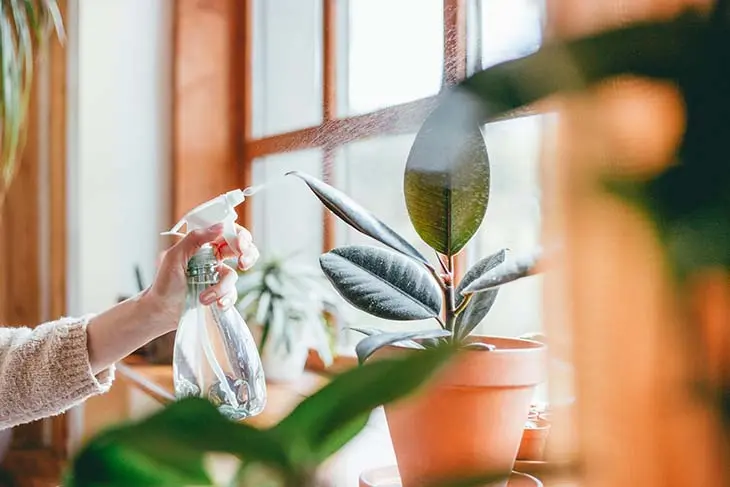
Once you remove the plant from the bowl, drain any excess water. It’s also crucial to trim all dry sections. Dead leaves, branches, and holes should be removed, allowing the plant to fully regenerate. Remember to mist the green leaves with distilled or rainwater. Afterward, avoid placing the shrub in a very sunny spot. It’s best positioned in a cool, shaded corner until it regrows.
The Rise of Container Homes: From Industrial Boxes to Modern Living Once designed solely to transport goods across vast oceans, Read more
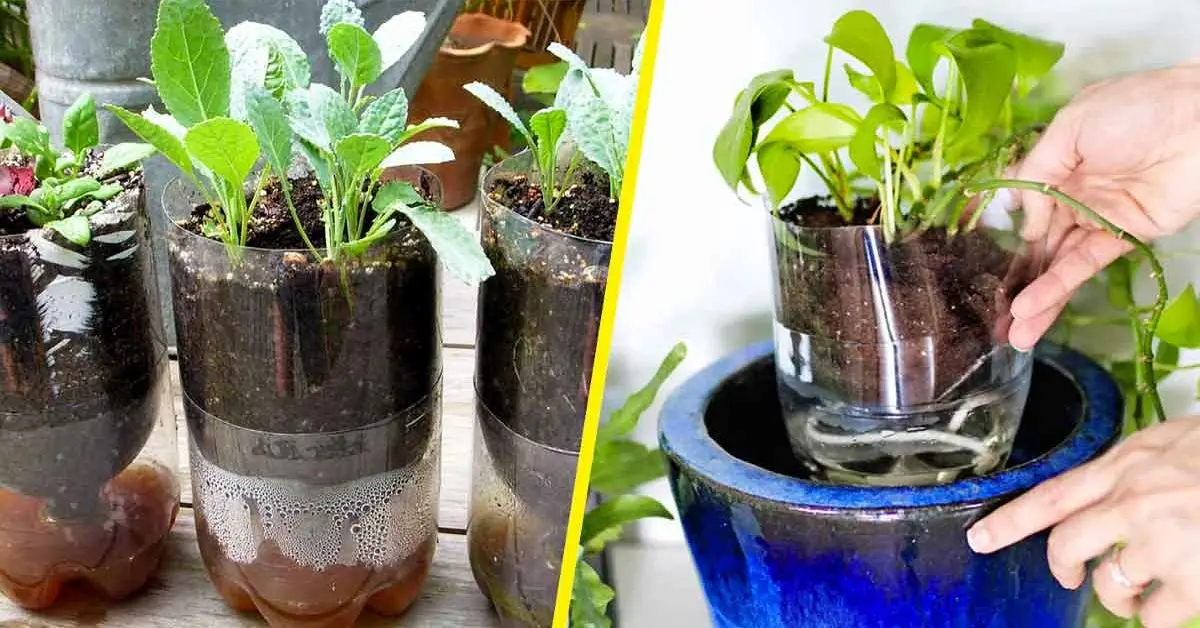
The Challenge with Leaving Plants Unattended When you have a garden or indoor plants, it's challenging to leave for an Read more

DIY Moisture Absorber: Combat Air Humidity and Freshen Your Home The Impact of Humidity on Indoor Air Quality: High humidity Read more

Reviving Your Old Socks: Creative Uses Most of us declutter our closets once or twice a year, typically with seasonal Read more
My Daughter, The Artist My eldest daughter is an artist! Whenever she sees me sorting through my clothes, tablecloths, sheets, Read more
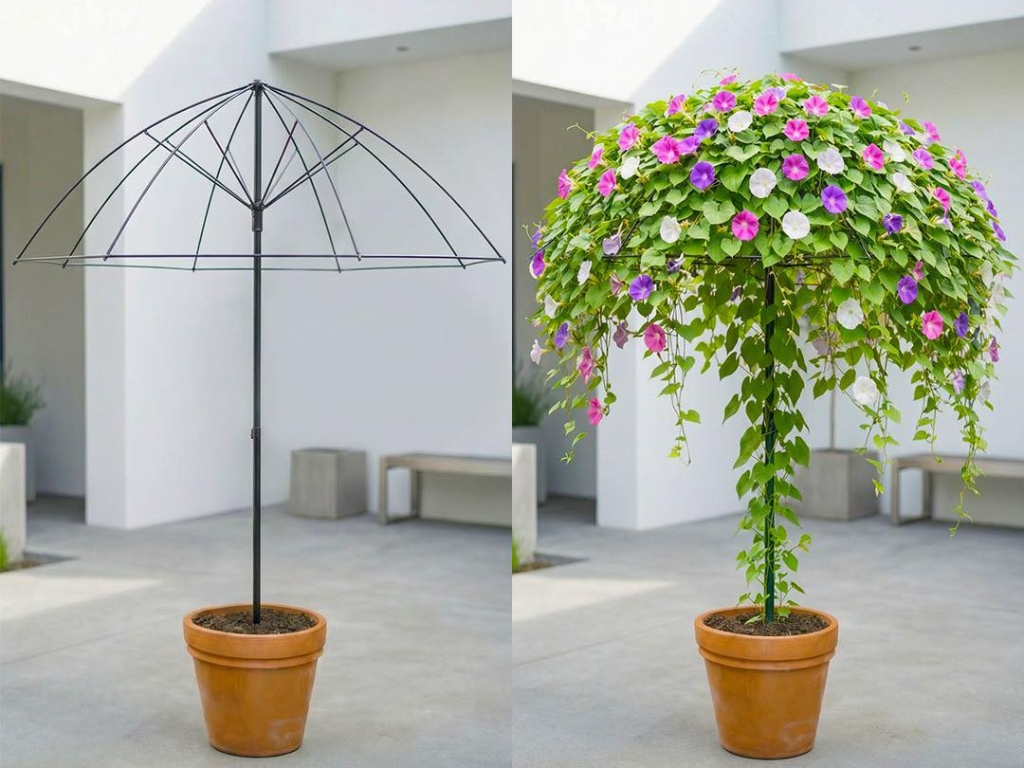
In a quiet, minimalist courtyard, a simple terracotta pot holds what first appears to be a metal umbrella frame. Bare Read more

Recycling Bras: A Practical Guide Ladies, let's be honest! We all have a drawer full of old bras that we Read more

The Green Solution to Landscaping Woes Have you ever thought that adding more greenery might just be the cure to Read more

Gardening with Creativity and Recycling It's not always necessary to have a green thumb to dive into gardening. A dose Read more
