
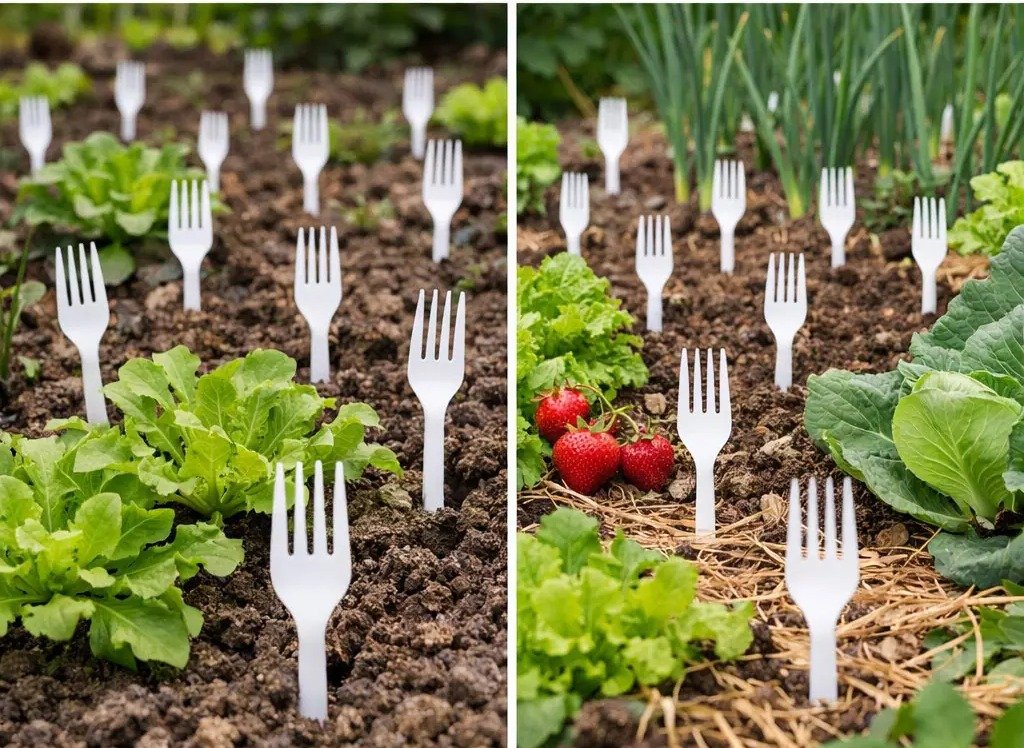
Who would have imagined that a simple utensil, often forgotten deep inside a drawer, could transform into a secret weapon for your vegetable garden? At first glance, the idea of sticking plastic forks into the soil might seem like a humorous tale shared between neighbors. Yet, this unconventional technique is steadily gaining popularity among gardeners ranging from novices to seasoned experts. Behind this quirky and unexpected method lies an ingeniously practical solution that has the potential to make garden care far more manageable and effective.
Protecting Your Garden Naturally: A Genuine Challenge
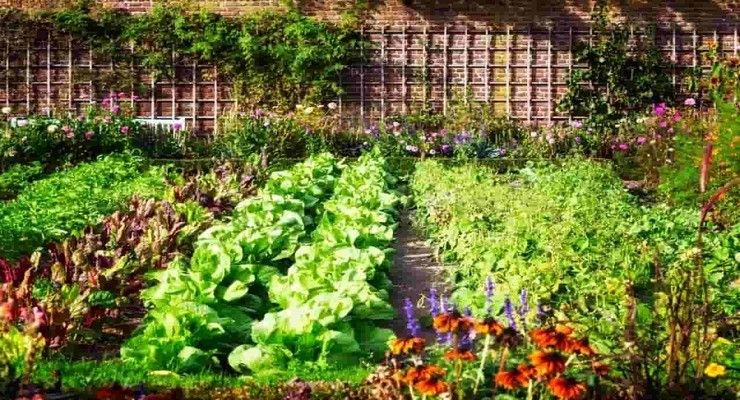
There is perhaps nothing more rewarding than watching your cherry tomatoes ripen to perfection or seeing fresh herbs thrive in your garden. However, balancing work, family obligations, and daily responsibilities often leaves little time to vigilantly monitor your plants. Unfortunately, it is precisely during these unattended moments that unwanted intruders take advantage and invade your garden.
While garden centers offer numerous ready-made products designed to protect plants, many gardeners hesitate to rely on harsh chemical treatments—especially when cultivating fruits and vegetables intended for family consumption. When factoring in the recurring expense of such products and the increasing desire to maintain soil health, the question naturally arises: How can you safeguard your crops simply, effectively, and in an environmentally friendly manner?
The Plastic Fork Method: How Exactly Does It Work?
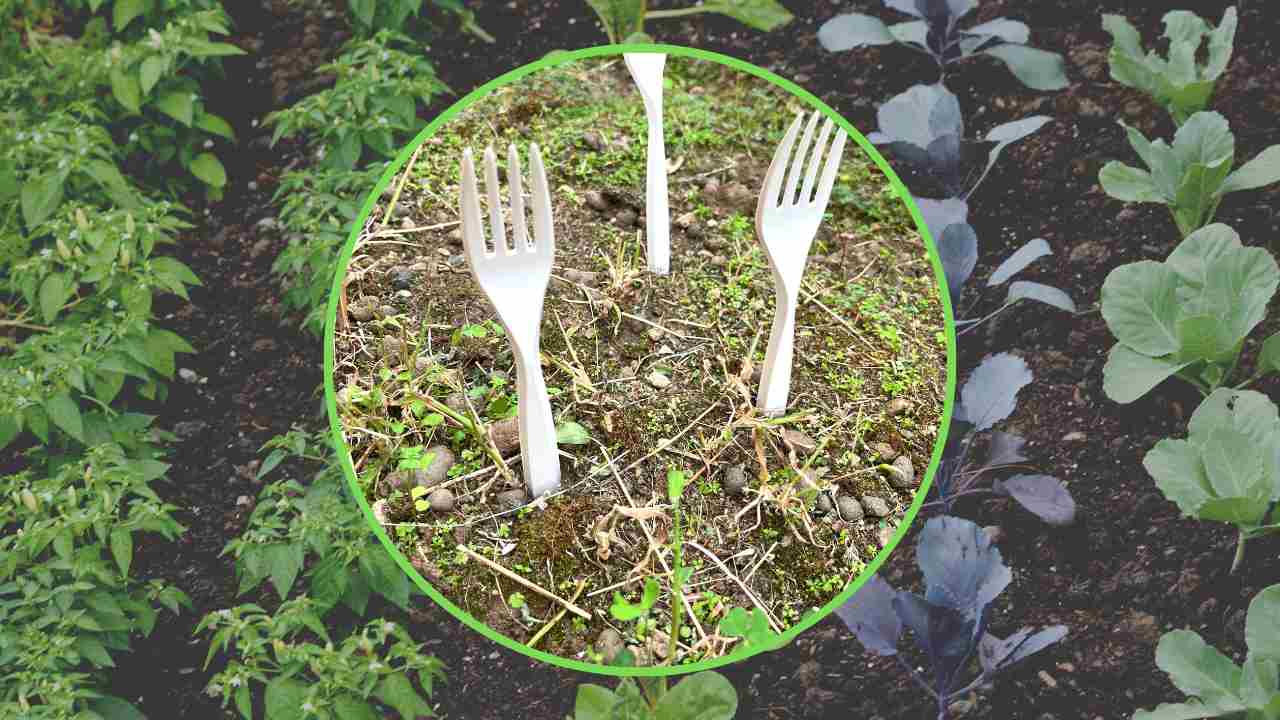
The technique is refreshingly straightforward: insert plastic forks directly into the soil surrounding your most delicate plants, with their prongs pointing upwards.
The upward-facing fork prongs create a subtle yet tangible physical barrier. Pests that crawl along the ground find it uncomfortable and difficult to traverse this uneven, prickly surface. Consequently, plants such as lettuce, strawberries, and tender new shoots become significantly less accessible to these common garden invaders.
Imagine encircling each plant with a miniature protective hedgehog formed by the forks. While this approach is not a miraculous cure-all, it can markedly reduce damage—particularly in small garden beds or containers on balconies.
An Affordable and Effortless Solution
One of the greatest benefits of this technique is its negligible cost. If you happen to have leftover plastic forks from a picnic or takeout meal, you essentially have all the materials you need at hand.
How to Implement the Method
1. Begin by lightly weeding the area surrounding the plant if necessary. Then, gently push the plastic forks into the soil so that the prongs are sticking out upright.
2. Position the forks evenly around the plant to establish a continuous protective barrier.
3. Ensure the forks are securely anchored to prevent them from toppling over in windy conditions. In just a few minutes, your garden’s protective arrangement will be complete.
Additionally, this method offers a clever way to reuse disposable items, giving plastic forks a second life instead of letting them languish unused in a drawer. It represents a small but practical step toward more responsible and sustainable gardening practices.
Ideal for Planters and Compact Gardens
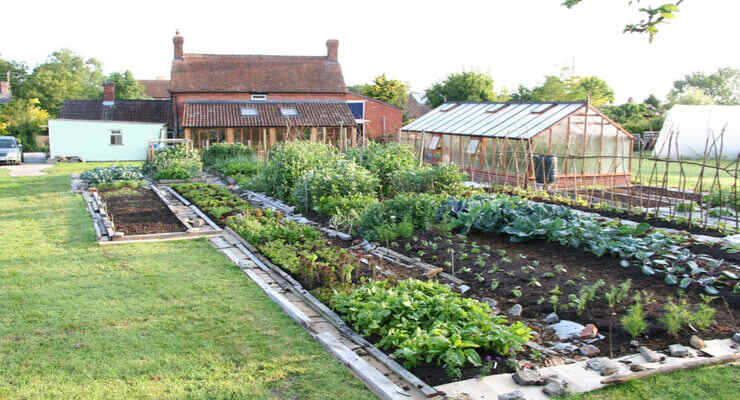
Don’t have the luxury of a sprawling countryside garden? No worries. This technique excels in smaller spaces.
On urban balconies, where every pot is precious and young plants are particularly vulnerable to pests, plastic forks offer targeted protection that is simple to apply and just as easy to remove. Consider it a minimalist, modern iteration of the traditional scarecrow concept.
For a less conspicuous appearance, choose plastic forks in green or beige hues that blend seamlessly with your plants. This way, your garden remains visually harmonious while staying well-protected.
Recognizing the Limitations—and Enhancing Effectiveness
Let’s be realistic: plastic forks are not a replacement for consistent garden care. They perform best as a preventive measure in specific situations. If your garden is already heavily infested, it’s advisable to combine this method with other natural approaches such as mulching, crop rotation, appropriate watering techniques, and manual removal of pests.
Regular observation is also essential. Conducting brief daily inspections allows you to detect potential issues early on, preventing more serious damage.
In summary, while plastic forks are not a magic wand, they can provide valuable assistance in natural garden protection and support a more eco-conscious gardening philosophy. The next time you find yourself with disposable plastic cutlery, you may come to view these humble utensils in an entirely new and practical light.

The Green Solution to Landscaping Woes Have you ever thought that adding more greenery might just be the cure to Read more

Recycling Bras: A Practical Guide Ladies, let's be honest! We all have a drawer full of old bras that we Read more

DIY Moisture Absorber: Combat Air Humidity and Freshen Your Home The Impact of Humidity on Indoor Air Quality: High humidity Read more
The Challenge with Leaving Plants Unattended When you have a garden or indoor plants, it's challenging to leave for an Read more
The Rise of Container Homes: From Industrial Boxes to Modern Living Once designed solely to transport goods across vast oceans, Read more

Gardening with Creativity and Recycling It's not always necessary to have a green thumb to dive into gardening. A dose Read more
Watering Plants Automatically During Your Vacation If you're about to leave for a trip or vacation and won't be able Read more
Are you in the habit of tossing your bath towel onto the floor when you step out of the bath? Read more
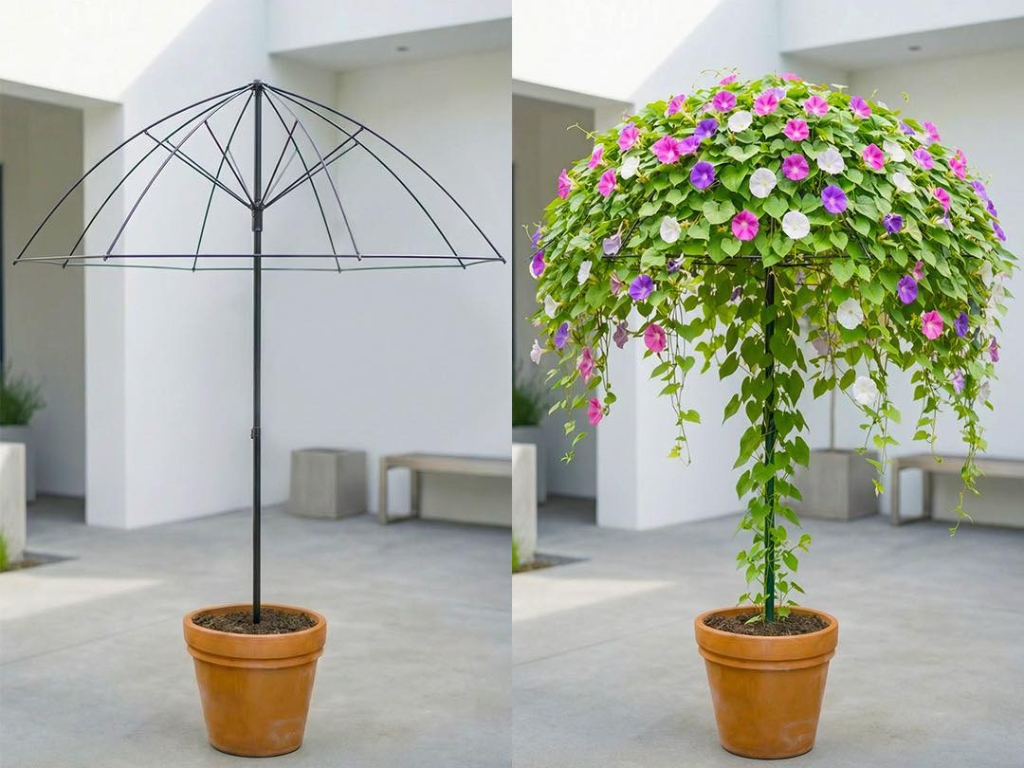
In a quiet, minimalist courtyard, a simple terracotta pot holds what first appears to be a metal umbrella frame. Bare Read more
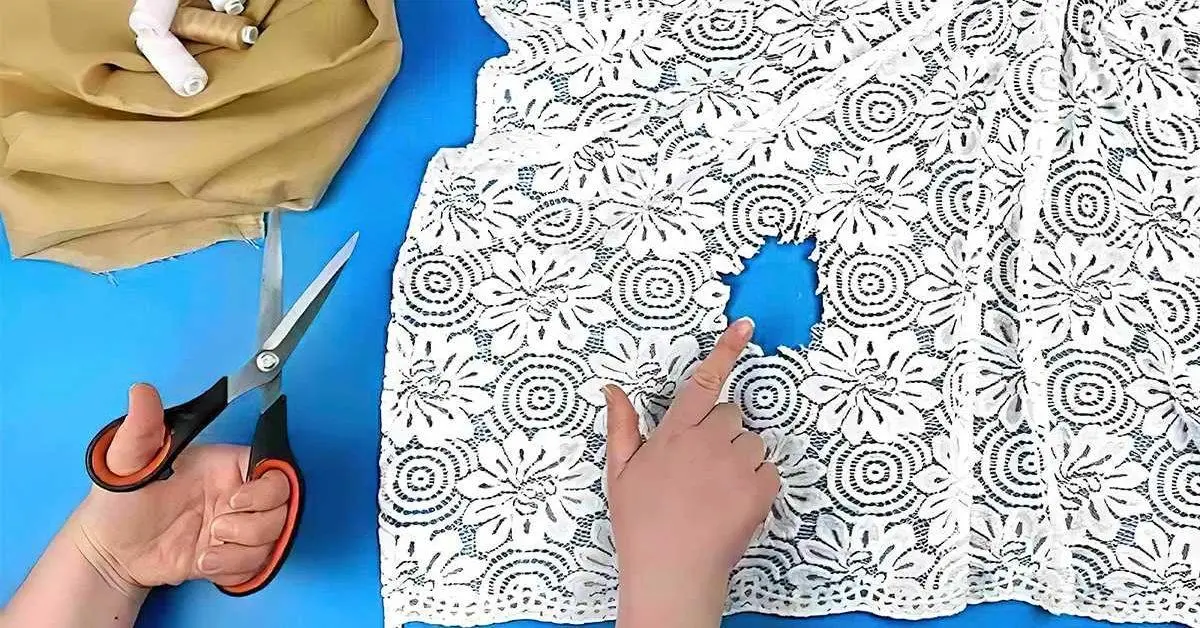
My Daughter, The Artist My eldest daughter is an artist! Whenever she sees me sorting through my clothes, tablecloths, sheets, Read more

Reviving Your Old Socks: Creative Uses Most of us declutter our closets once or twice a year, typically with seasonal Read more
