
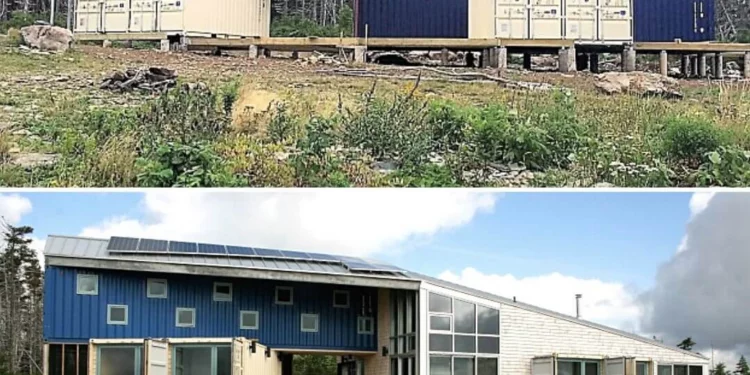
The Rise of Container Homes: From Industrial Boxes to Modern Living
Once designed solely to transport goods across vast oceans, shipping containers have found an unexpected second life in architecture. Today, they stand at the forefront of innovative housing as container homes—a bold fusion of sustainability, creativity, and modern design.
Built to survive extreme weather, heavy stacking, and constant handling, these steel structures possess an inherent strength that makes them ideal building blocks. What was once viewed as industrial surplus is now a flexible canvas for architects and homeowners seeking unique, forward-thinking living spaces.
Why Shipping Containers Make Ideal Homes
The unmistakable modular nature of shipping containers allows them to be stacked, combined, or reshaped into virtually limitless configurations. From compact tiny homes to expansive multi-container residences, their adaptability supports both minimalist lifestyles and ambitious architectural visions.
Beyond aesthetics, container homes offer a practical response to modern challenges. Repurposing existing containers reduces demand for new construction materials and addresses the growing surplus of unused containers worldwide—making them a natural fit for sustainable building practices.
Durability is another major advantage. Designed to endure harsh marine environments, container homes can better withstand extreme weather conditions. Their compact footprints also make them particularly suitable for dense urban areas where innovative housing solutions are essential.
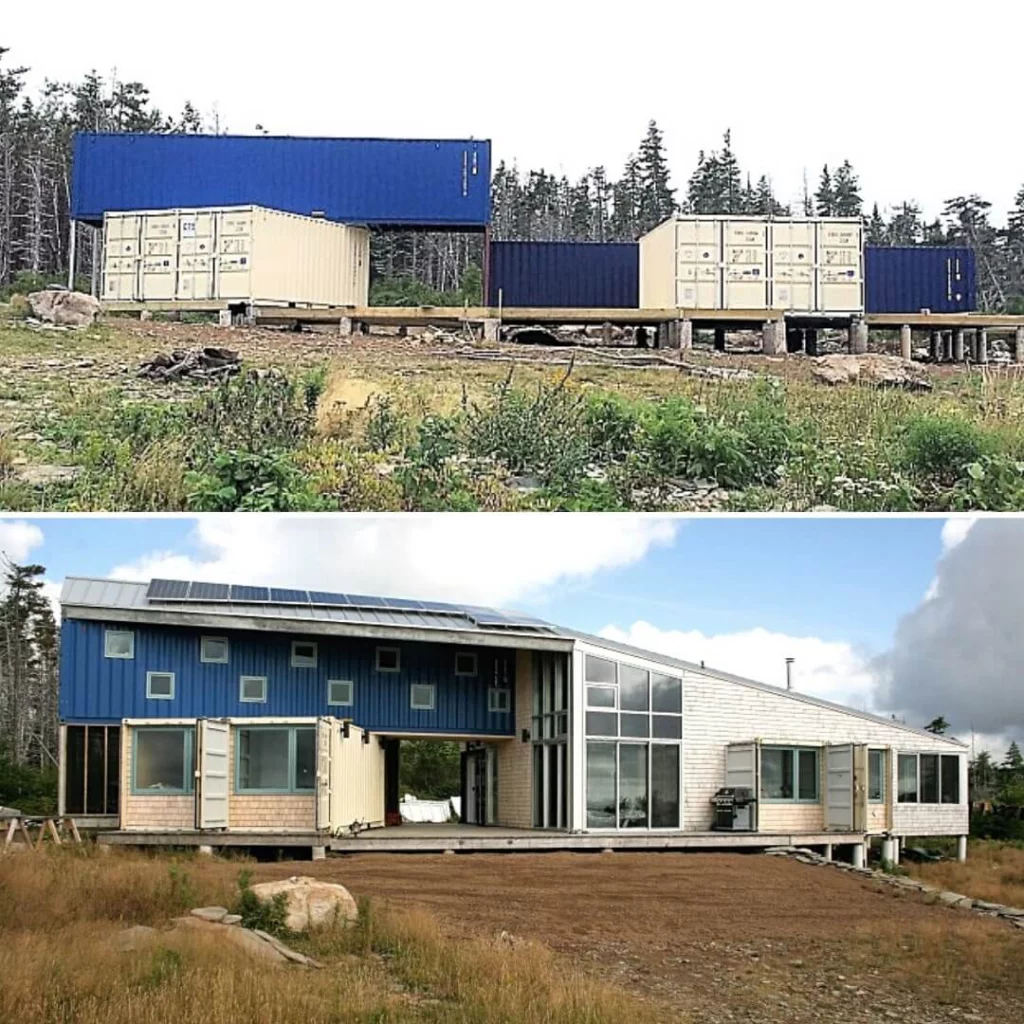

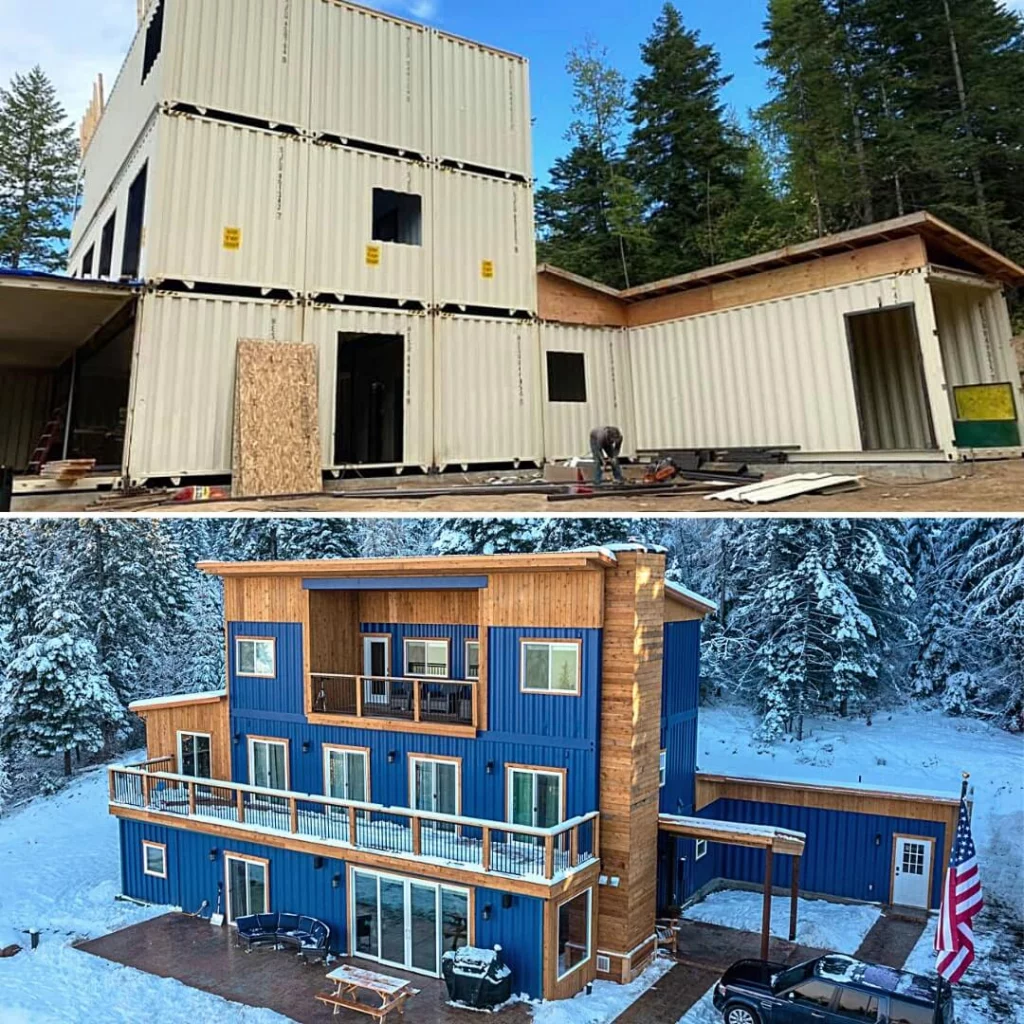
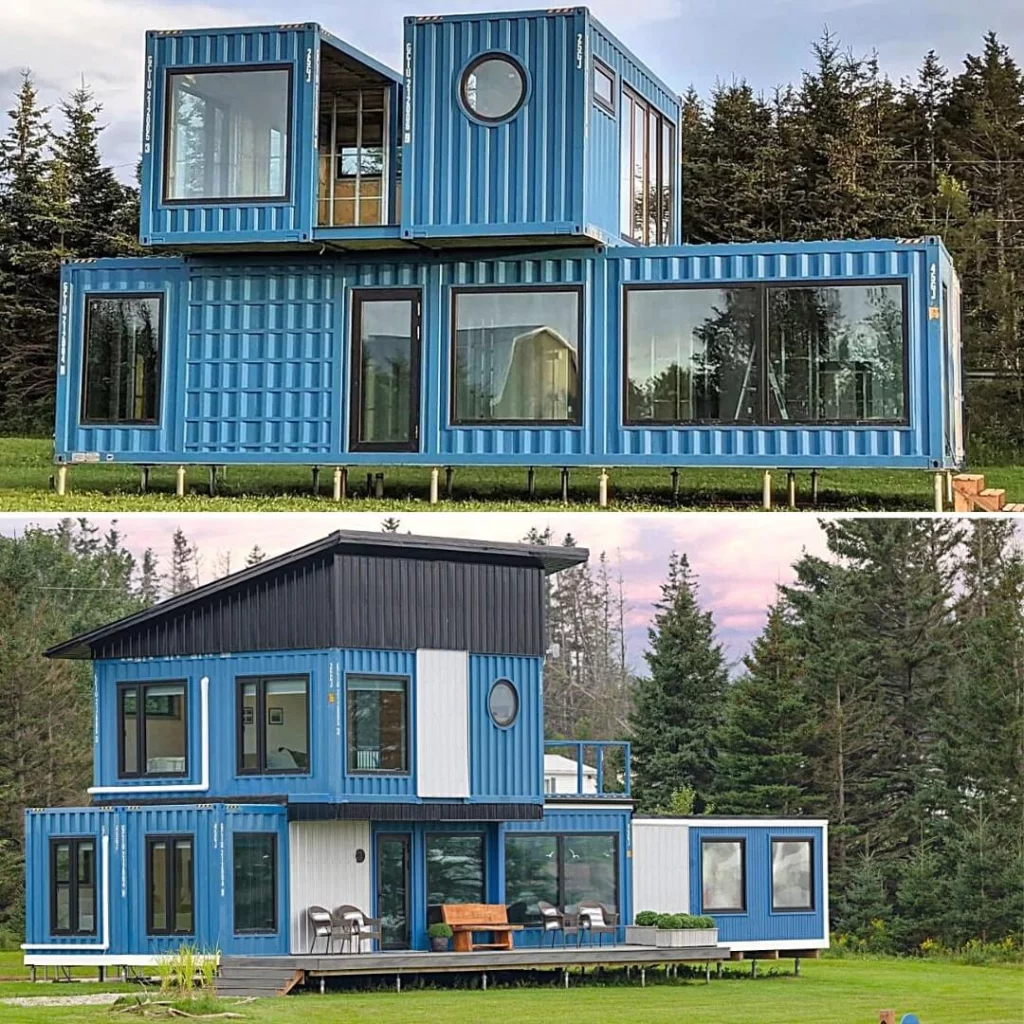
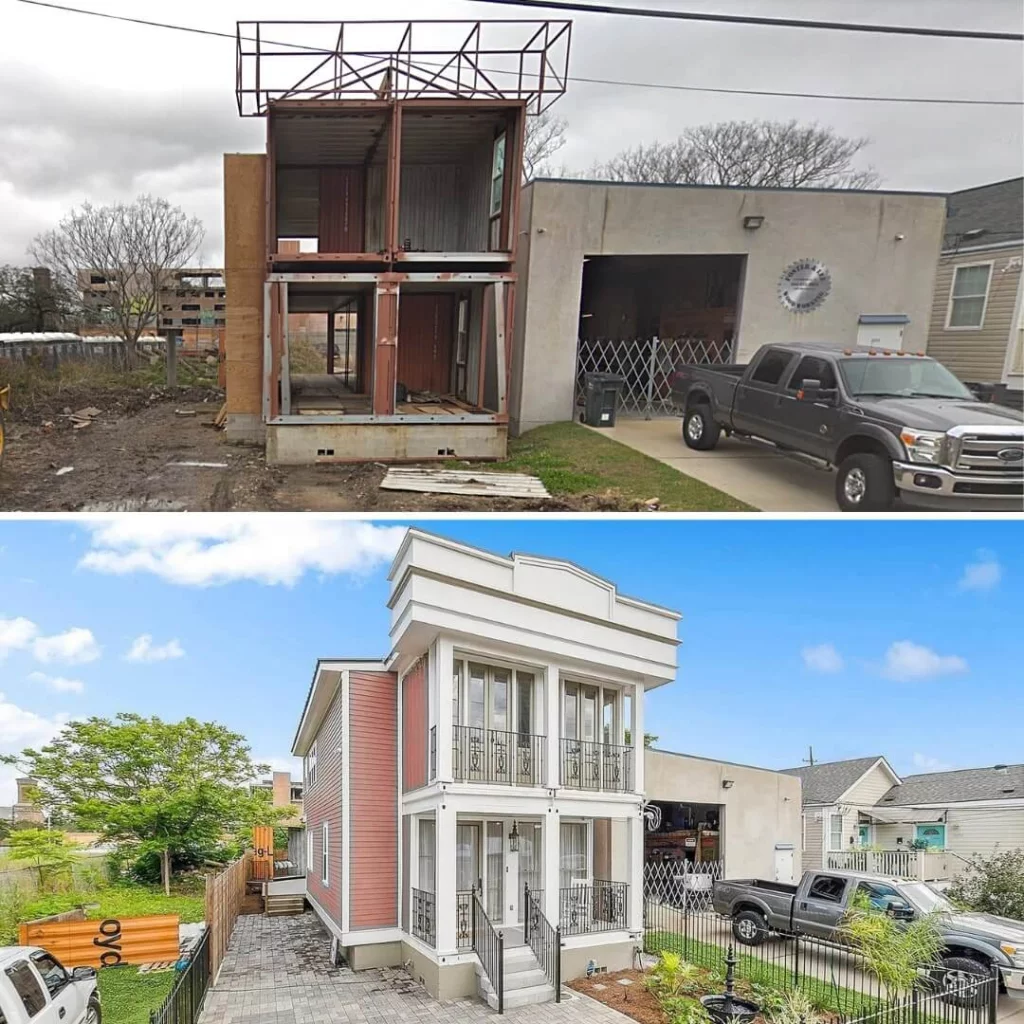
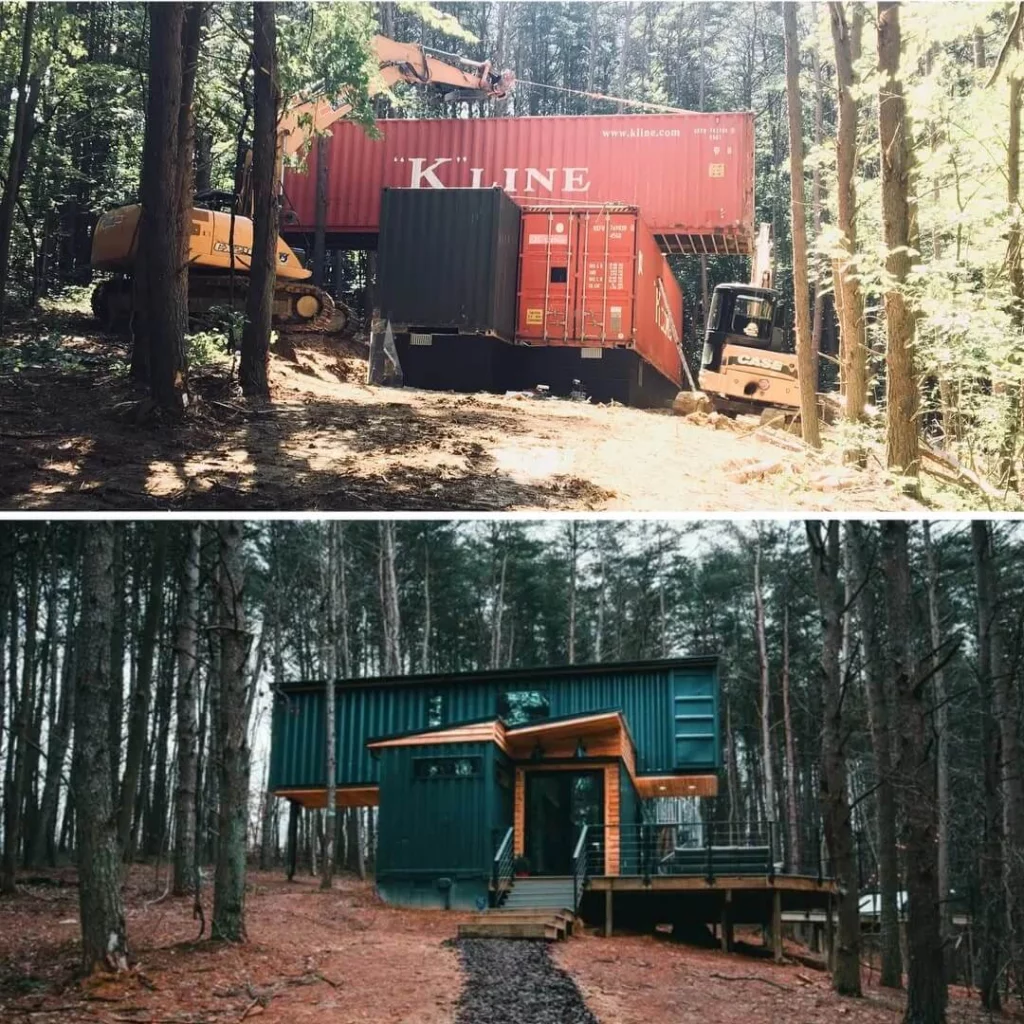
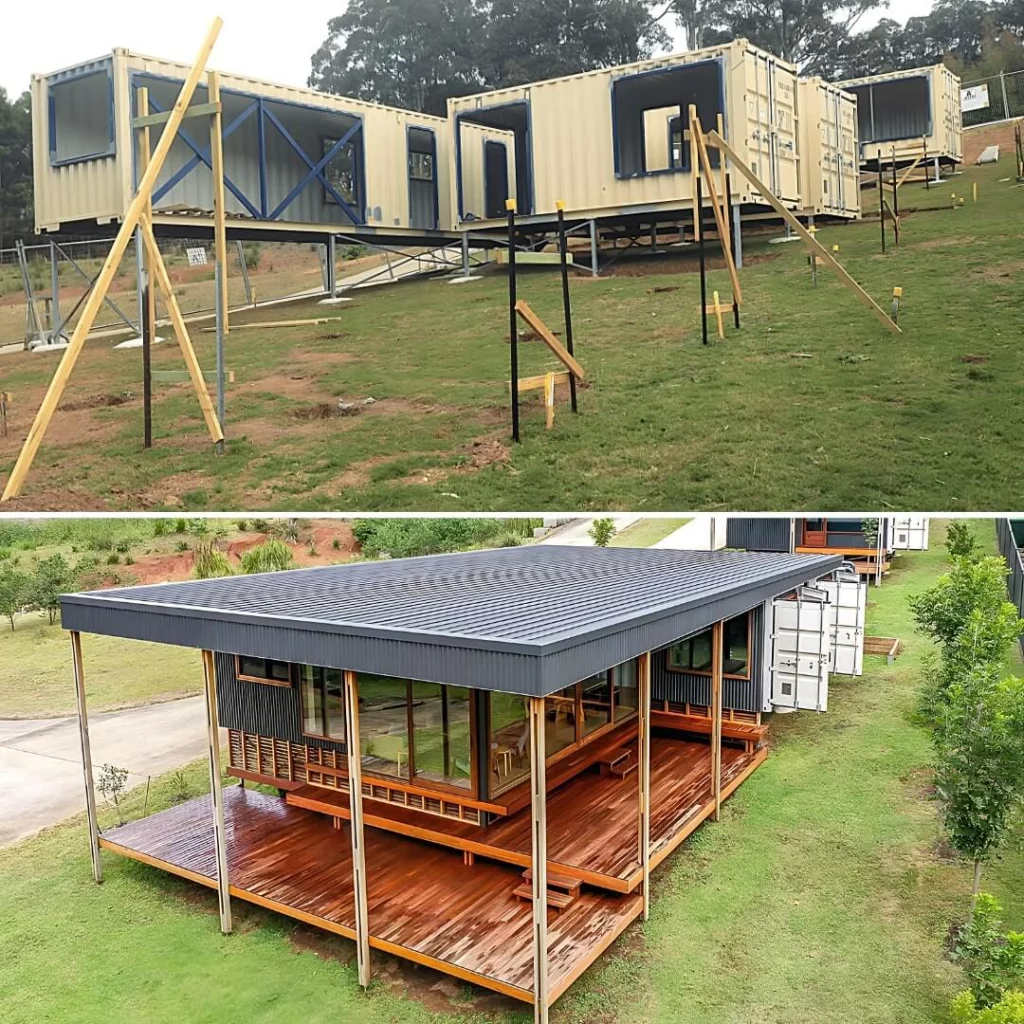
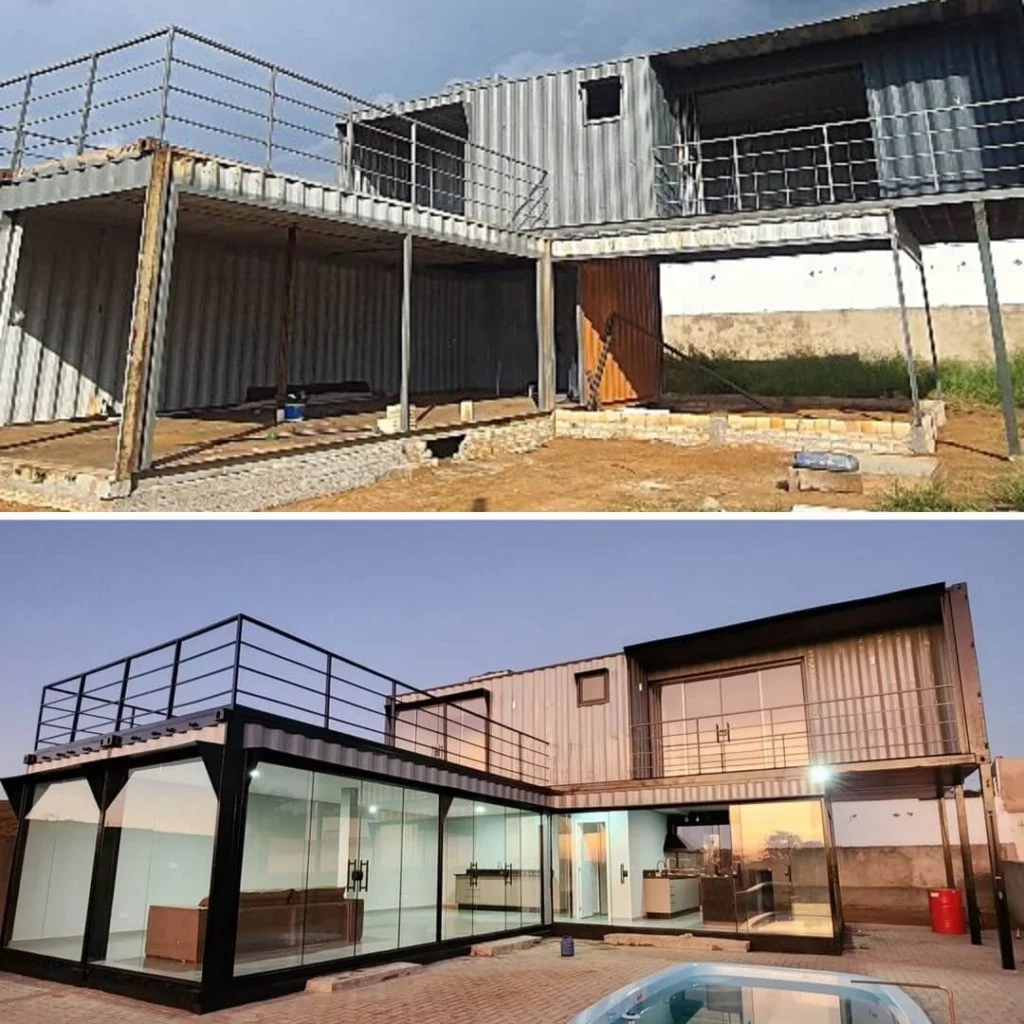
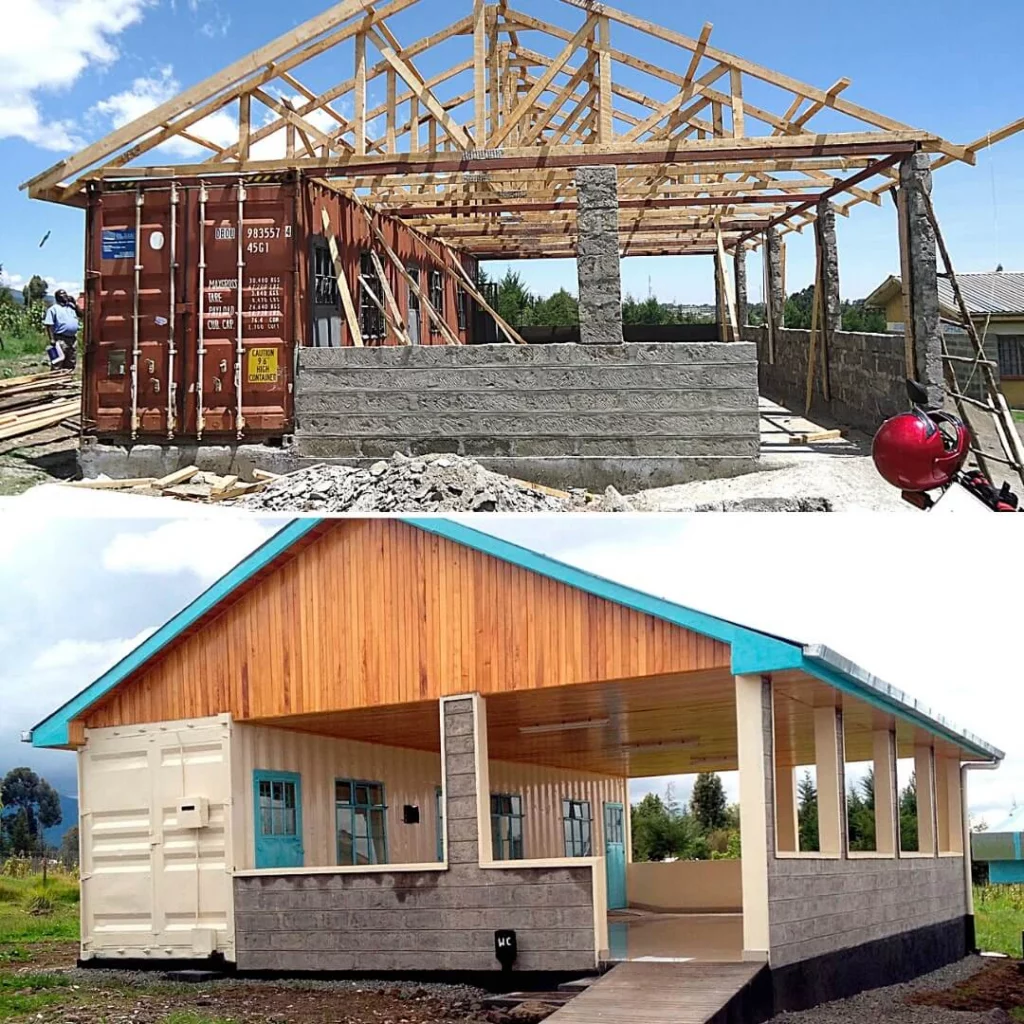
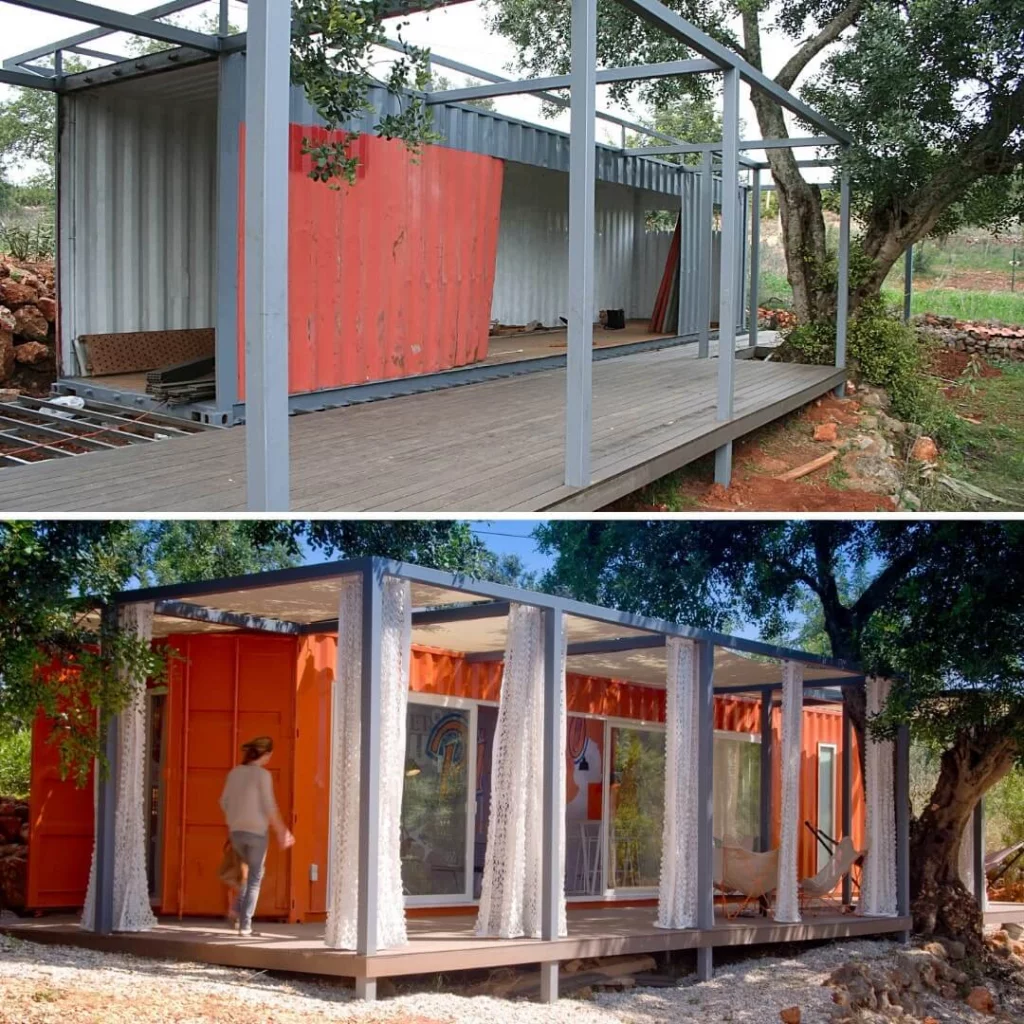
The Process Behind the Transformation
Vision and Design
Every successful container home begins with a clear concept. Designers use digital modeling and spatial planning to transform a steel shell into a functional, comfortable living environment while making the most of every square foot.
Structural Modifications
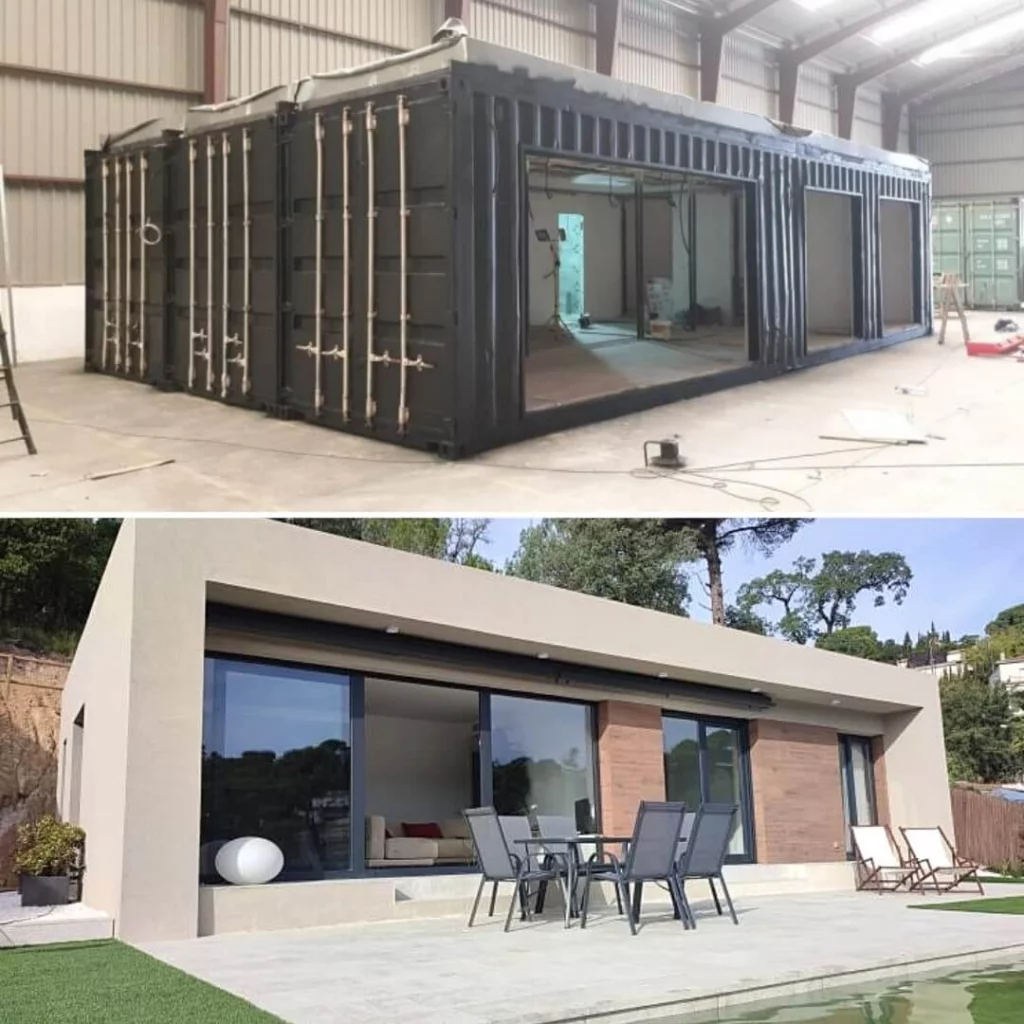
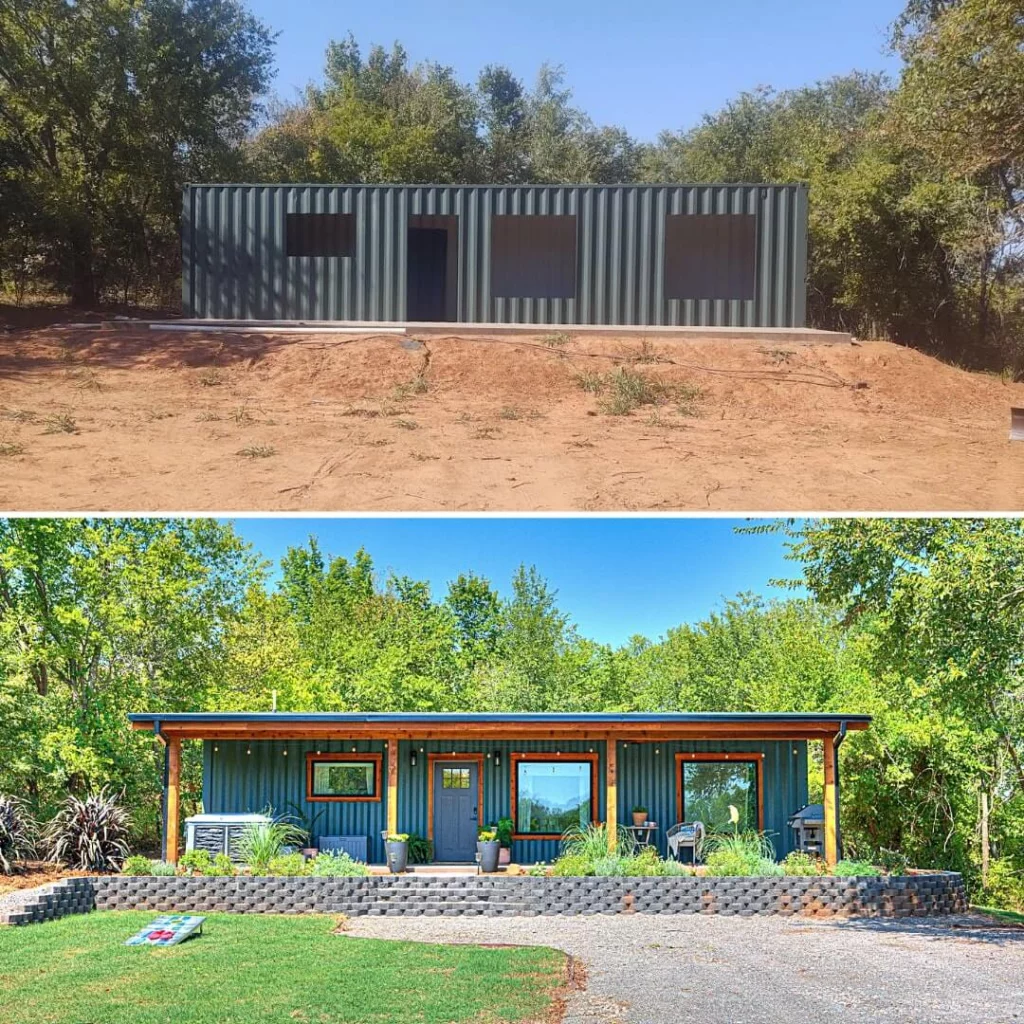
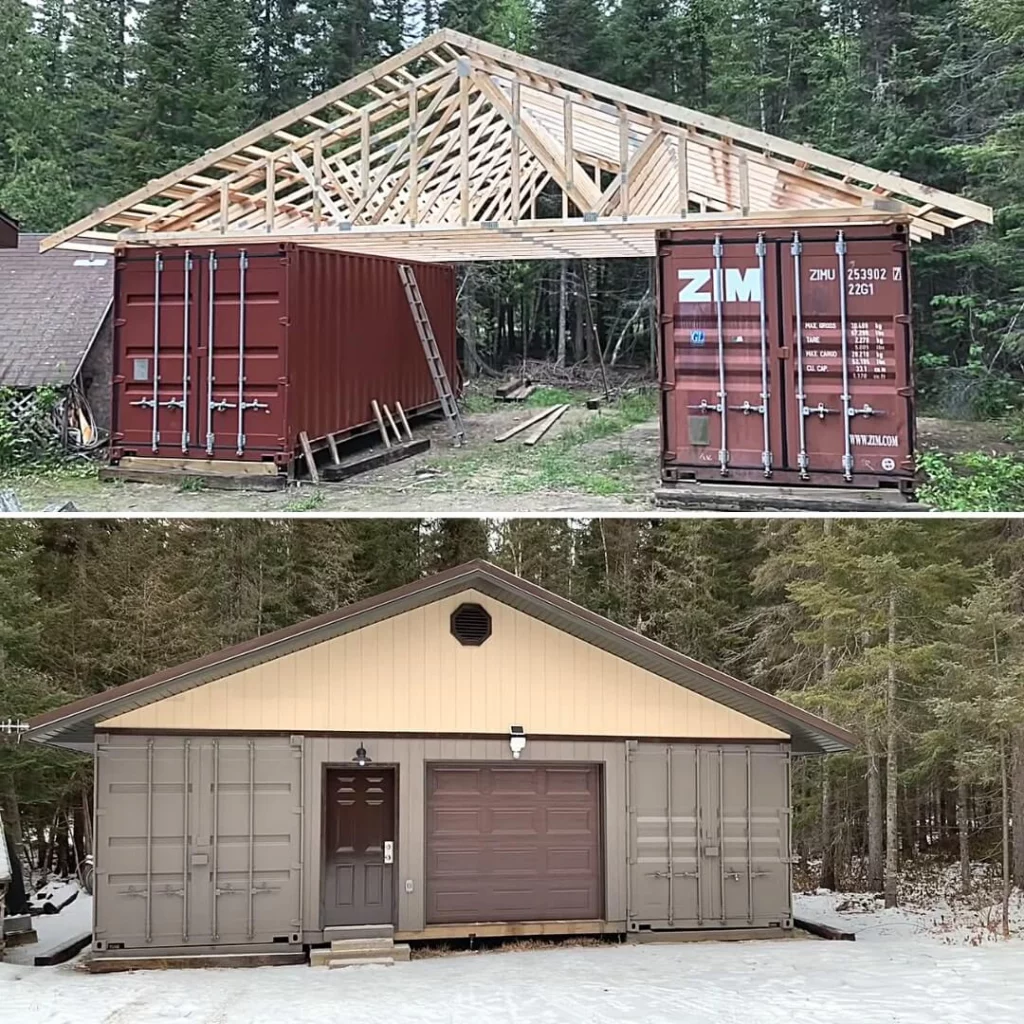
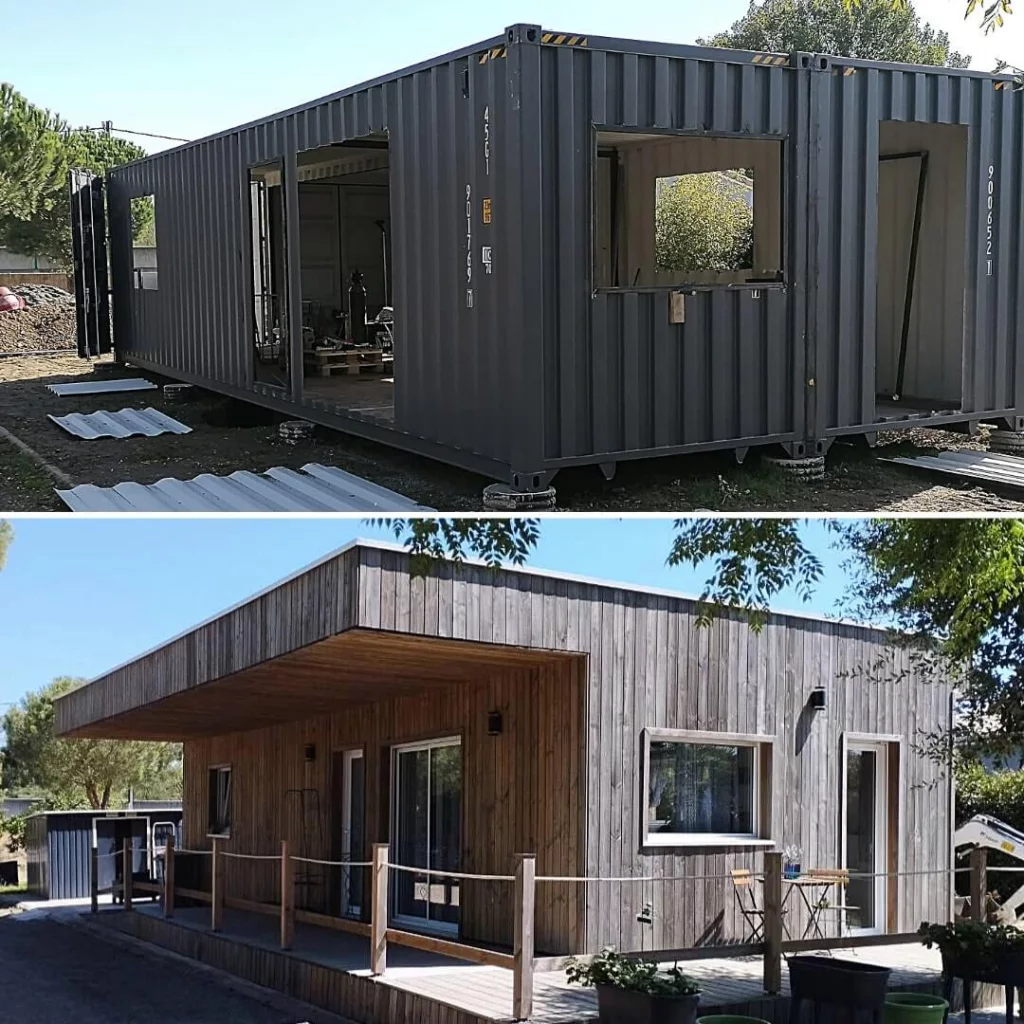
To make containers livable, builders cut openings for windows and doors, reinforce load-bearing areas, and install proper insulation. These modifications ensure safety, comfort, and climate adaptability.
Interior and Exterior Finishing
Interiors are often completed with high-quality finishes such as custom cabinetry, modern flooring, and efficient lighting. Exteriors may feature paint, cladding, or protective coatings that enhance both durability and visual appeal.
Sustainable Features
Many container homes incorporate eco-friendly systems like solar panels, rainwater collection, and green roofs. These features reduce environmental impact while lowering long-term energy costs.
Key Benefits of Container Homes
Sustainability: Reusing shipping containers minimizes waste and reduces reliance on traditional building materials.
Cost-Effectiveness: Container construction can be more affordable than conventional homes, particularly when recycled materials are used.
Distinctive Style: The industrial aesthetic appeals to fans of modern and minimalist design, resulting in striking, one-of-a-kind homes.
Design Flexibility: Containers can be stacked, expanded, or rearranged to create endless architectural possibilities.
Mobility: Some container homes are designed to be relocated, offering flexibility for changing lifestyles or locations.
Conclusion
The dramatic transformations seen in container homes represent more than clever design—they signal a shift in how we approach modern housing. By combining creativity, sustainability, and thoughtful planning, these once-ordinary steel boxes are being reborn as extraordinary living spaces.
Container homes are not just a passing trend. They embody a growing movement toward adaptable, eco-conscious architecture that challenges conventions and redefines what a home can be.

Reviving Your Old Socks: Creative Uses Most of us declutter our closets once or twice a year, typically with seasonal Read more
My Daughter, The Artist My eldest daughter is an artist! Whenever she sees me sorting through my clothes, tablecloths, sheets, Read more

Gardening with Creativity and Recycling It's not always necessary to have a green thumb to dive into gardening. A dose Read more
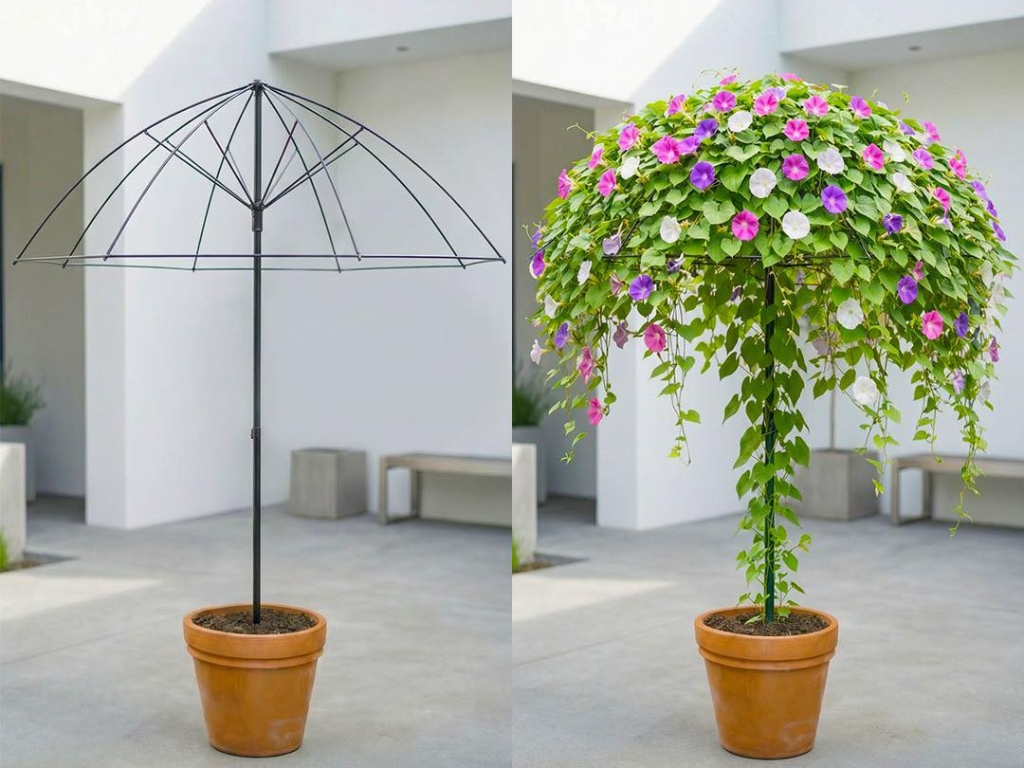
In a quiet, minimalist courtyard, a simple terracotta pot holds what first appears to be a metal umbrella frame. Bare Read more

Recycling Bras: A Practical Guide Ladies, let's be honest! We all have a drawer full of old bras that we Read more

The Green Solution to Landscaping Woes Have you ever thought that adding more greenery might just be the cure to Read more

DIY Moisture Absorber: Combat Air Humidity and Freshen Your Home The Impact of Humidity on Indoor Air Quality: High humidity Read more
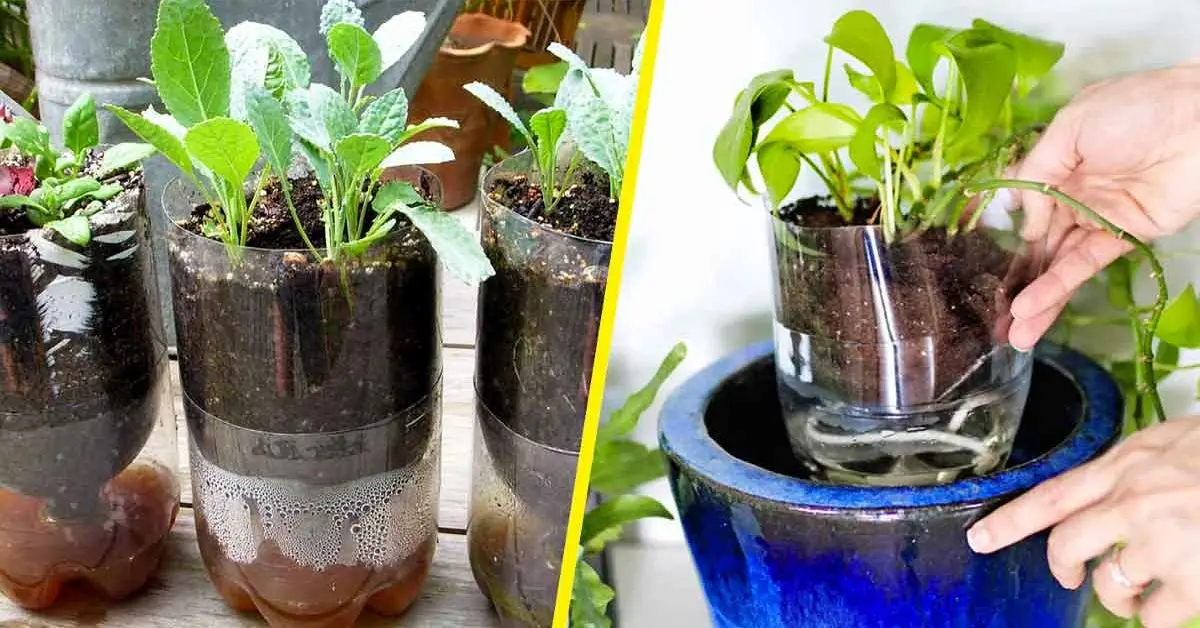
The Challenge with Leaving Plants Unattended When you have a garden or indoor plants, it's challenging to leave for an Read more
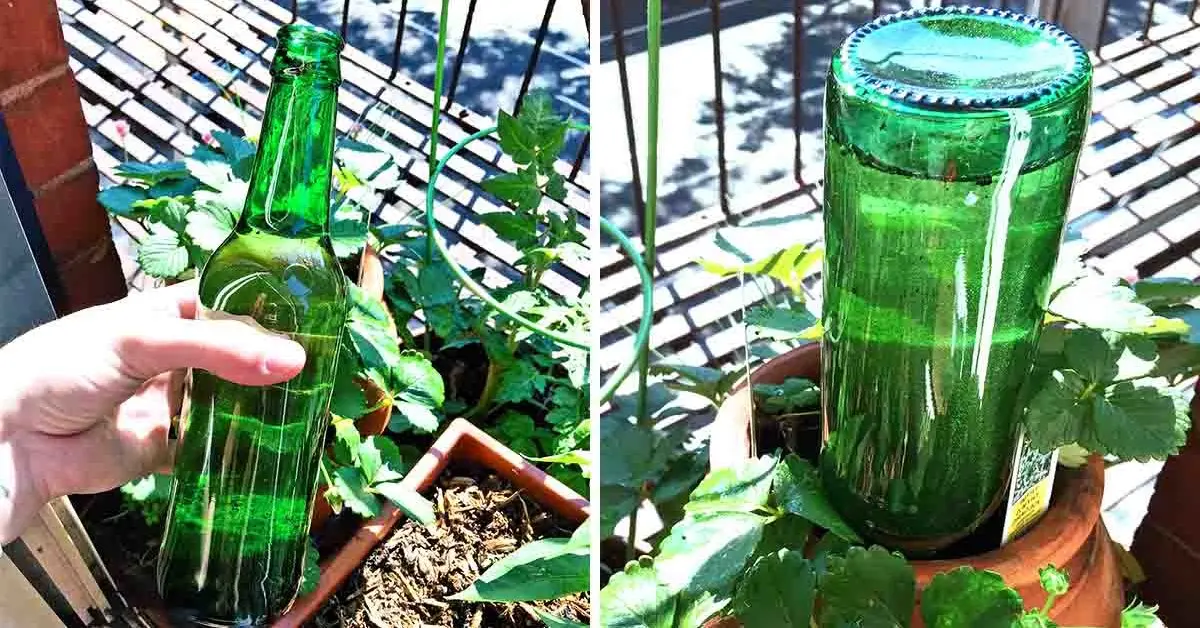
Watering Plants Automatically During Your Vacation If you're about to leave for a trip or vacation and won't be able Read more
